Downloaded 907 times
- 1 / 19

- 2 / 19
- 3 / 19
- 4 / 19
- 5 / 19
- 6 / 19
- 7 / 19
 Most read
- 8 / 19

- 9 / 19
 Most read
- 10 / 19
 Most read
- 11 / 19

- 12 / 19
- 13 / 19

- 14 / 19

- 15 / 19

- 16 / 19
- 17 / 19
- 18 / 19
- 19 / 19

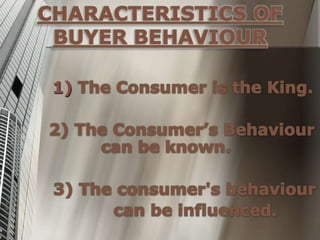
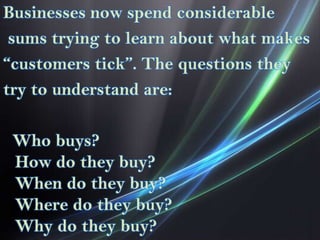
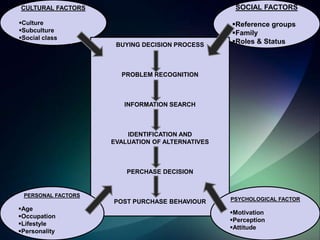
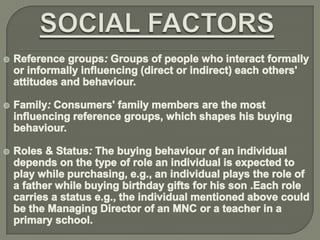
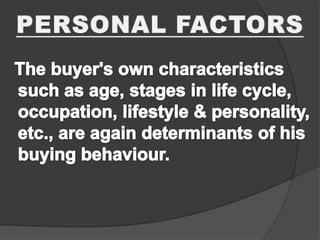
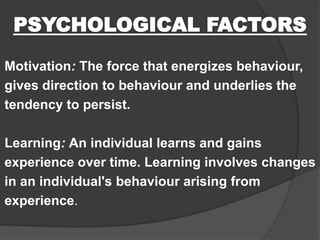
Behavior can be defined as the acts of individuals in making decisions to spend resources on goods and services. Understanding consumer behavior and what motivates customer purchases is an important part of marketing. Businesses research questions like who buys products, how and where they buy, and why, in order to understand what influences customer decisions and better meet their needs. Consumer decisions are affected by social, cultural, personal and psychological factors.


