Breast CancerDesign for the MajorityImproving Healthcare in Rural ChinaChris Driscoll | NourDiab | Katherine Lee
The caseRates of breast cancer in China are now as low as 12.8/100,000 womenThe Journal of the National Cancer Institute predicts that 100/100,000 of women aged 55-69 by 2021This trend is attributed to poor diet, increased exposure to pollution, and growing use of alcohol and tobacco products
Our goalsEducationRaise awareness of the conditions and causes of breast cancerPreventionOffer resources for prevention and early diagnosisSupport	Provide a community or support system for patients and families dealing with breast cancer
The challengesEffective strategies for dispersal of public information in rural areasPalatable approach to promoting  healthful diet/lifestyle habits within the financial constraints of the target marketDevelopment of low-cost screening options and access infrastructure for rural communities
Research findingsLack of information in rural areas on this and other healthcare issuesBRCA1/BRCA2 mutation gives a high correlation with breast cancer sufferersLifestyle and diet closely linkedSelf breast exams, x-ray/digital mammography, MRI routine for identification and treatment
Research MethodologyExpert InterviewsNY-based oncologistGE Imaging Technologies – China (via Ji Ping)Governmental development officer – QA for healthcare programsUK  Ethiopia, Pakistan
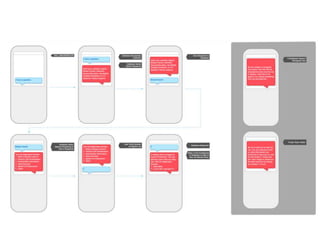
Our proposalsEducation – Public Information Campaigndietexerciseself-detectionPreventive carescreeningPatient Supportclinical informationsupport community
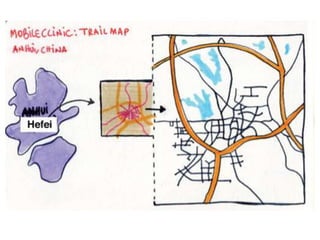
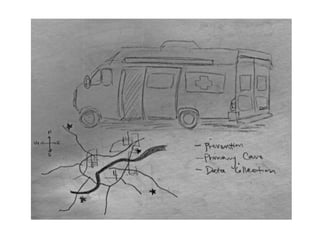
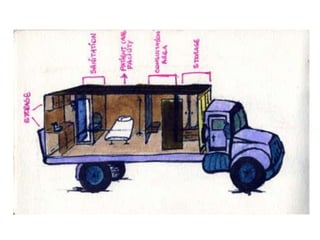
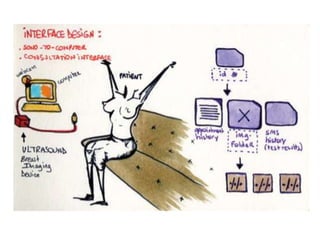
ProposalMobile Clinic2 techniciansPrivate patient care roomsSatellite connection/wi-fi for data collectionPrimary careVaccinationTreatment for simple/curable diseasesBasic check-upHealth education/awareness campaignsX-ray/MammogramPortable U/STelemedicine capabilities for further guidance/data analysis
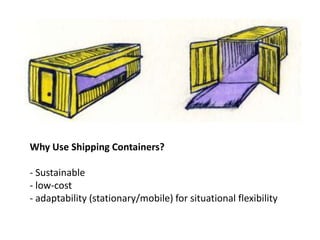
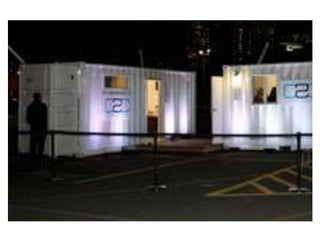
Why Use Shipping Containers? Sustainable
 low-cost
 adaptability (stationary/mobile) for situational flexibility
ThanksQuestions/comments?

Breast Cancer040710

  • 1.
    Breast CancerDesign forthe MajorityImproving Healthcare in Rural ChinaChris Driscoll | NourDiab | Katherine Lee
  • 2.
    The caseRates ofbreast cancer in China are now as low as 12.8/100,000 womenThe Journal of the National Cancer Institute predicts that 100/100,000 of women aged 55-69 by 2021This trend is attributed to poor diet, increased exposure to pollution, and growing use of alcohol and tobacco products
  • 3.
    Our goalsEducationRaise awarenessof the conditions and causes of breast cancerPreventionOffer resources for prevention and early diagnosisSupport Provide a community or support system for patients and families dealing with breast cancer
  • 4.
    The challengesEffective strategiesfor dispersal of public information in rural areasPalatable approach to promoting healthful diet/lifestyle habits within the financial constraints of the target marketDevelopment of low-cost screening options and access infrastructure for rural communities
  • 5.
    Research findingsLack ofinformation in rural areas on this and other healthcare issuesBRCA1/BRCA2 mutation gives a high correlation with breast cancer sufferersLifestyle and diet closely linkedSelf breast exams, x-ray/digital mammography, MRI routine for identification and treatment
  • 6.
    Research MethodologyExpert InterviewsNY-basedoncologistGE Imaging Technologies – China (via Ji Ping)Governmental development officer – QA for healthcare programsUK  Ethiopia, Pakistan
  • 7.
    Our proposalsEducation –Public Information Campaigndietexerciseself-detectionPreventive carescreeningPatient Supportclinical informationsupport community
  • 8.
    ProposalMobile Clinic2 techniciansPrivatepatient care roomsSatellite connection/wi-fi for data collectionPrimary careVaccinationTreatment for simple/curable diseasesBasic check-upHealth education/awareness campaignsX-ray/MammogramPortable U/STelemedicine capabilities for further guidance/data analysis
  • 11.
    Why Use ShippingContainers? Sustainable
  • 12.
  • 13.
    adaptability (stationary/mobile)for situational flexibility
  • 17.