Bone Marrow/Stem
Cell Transplantation
Objectives
 Introduction
 Stem Cell And Its Sources
 Types Of BMT
 Indications Of BMT
 HLA Matching
 Transplant Process
 Adverse Effects Of BMT
 Graft Rejection (GVHD)
 Post BMT Care
 BMT In Different Conditions
Bone Marrow
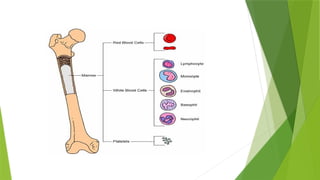
 Bone Marrow is the soft spongy tissue that fills the cores of
larger bones.
 It serves an active function in the body by producing all
three types of blood cells;
I. RBCs; Having oxygen carrying capacity.
II. Platelets; Role in blood coagulation.
III. WBCs; Support immune system.
Bone Marrow Transplantation(BMT)
 Bone Marrow Transplantation is a procedure used to treat
patients with life-threatening blood, immune or genetic
disorders.
 A Bone Marrow Transplant replaces the unhealthy blood-
forming cells with healthy ones.
 Healthy bone marrow stem cells are harvested from
matching bone marrow donors.
Cont…
 The immunology of HSCT is distinct from that of other types
of transplant because, in addition to stem cells, the graft
contains mature blood cells of donor origin, including T
cells, B cells, natural killer cells,and dendritic cells.
These cells repopulate the recipient’s lymphohematopoietic
system and give rise to a new immune system, which
helps eliminate residual leukemia cells that survive the
conditioning regimen.
Cont…
This effect is known as the graft-versus-leukemia (GVL)
effect.
 The first MBT was performed in 1968 in a child with an
inherited immune disorder.
Stem Cell & Its Sources
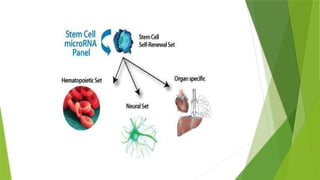
 Stem cells are immature cells in the bone marrow that give
rise to all your blood cells.
 Stem Cell Transplants can come from three sources:
I. Peripheral Blood ( Aphereses)
II. Marrow ( Bone Marrow Harvest)
III. Umbilical Cord
o Fetal Liver
Types Of BMT
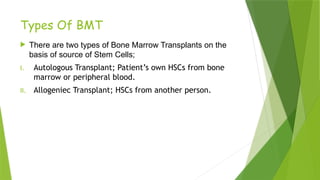
 There are two types of Bone Marrow Transplants on the
basis of source of Stem Cells;
I. Autologous Transplant; Patient’s own HSCs from bone
marrow or peripheral blood.
II. Allogeniec Transplant; HSCs from another person.
Cont…
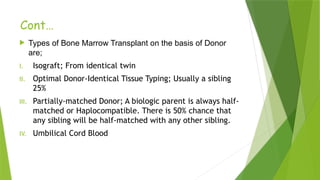
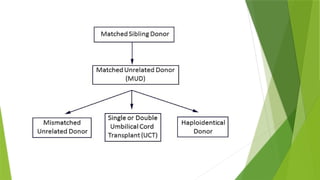
 Types of Bone Marrow Transplant on the basis of Donor
are;
I. Isograft; From identical twin
II. Optimal Donor-Identical Tissue Typing; Usually a sibling
25%
III. Partially-matched Donor; A biologic parent is always half-
matched or Haplocompatible. There is 50% chance that
any sibling will be half-matched with any other sibling.
IV. Umbilical Cord Blood
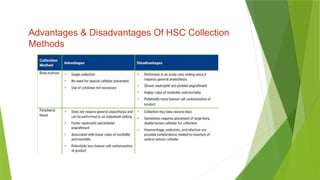
Advantages & Disadvantages Of HSC Collection
Methods
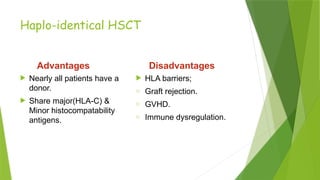
Haplo-identical HSCT
Advantages
 Nearly all patients have a
donor.
 Share major(HLA-C) &
Minor histocompatability
antigens.
Disadvantages
 HLA barriers;
o Graft rejection.
o GVHD.
o Immune dysregulation.
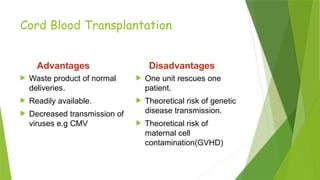
Cord Blood Transplantation
Advantages
 Waste product of normal
deliveries.
 Readily available.
 Decreased transmission of
viruses e.g CMV
Disadvantages
 One unit rescues one
patient.
 Theoretical risk of genetic
disease transmission.
 Theoretical risk of
maternal cell
contamination(GVHD)
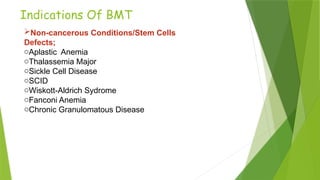
Indications Of BMT
Non-cancerous Conditions/Stem Cells
Defects;
oAplastic Anemia
oThalassemia Major
oSickle Cell Disease
oSCID
oWiskott-Aldrich Sydrome
oFanconi Anemia
oChronic Granulomatous Disease
Cont…
 Cancerous Conditions;
o Leukemia
o Lymphoma
o Neuroblastoma
o Medulloblastoma
o Sarcoma
Cont…
 Genetic Diseases;
o Thalassemia Major
o Sickle Cell Disease
o SCID
 Inborn Errors Of Metabolism;
o Hurler’s Syndrome
o Fanconi’s Syndrome
o Adrenoleukodystrophy
o Metachromatic Leukodystrophy
o Osteopetrosis
HLA Matching
 HLA are proteins or markers on most cells in the body
specially WBCs.
 Immune System uses HLA to recognize which cells belong
to body and which do not.
 These antigens are also known as the major
histocompatibility complex (MHC) and occupy the short
arm of chromosome 6.
 This genetic region has been divided into chromosomal
regions, called classes.
Cont…
 Class I; is made up of HLA-A, HLA-B, and HLA-C, as well as
genes that are less frequently discussed (eg, HLA-E, HLA-
F, and HLA-G).
 Class II; is made up of HLA-DR, HLA-DP, and HLA-DQ, as
well as variations on these genes.
 Traditionally, the loci critical for matching are HLA-
A, HLA-B, and HLA-DR.
Cont…
 HLA-C and HLA-DQ are also now considered when
determining the appropriateness of a donor.
 For unrelated transplants(MUD) 6 of 8 HLA markers must
be matched.
 For haploidentical or half-matched transplants, donors
match exactly half or 5 of 10 HLA markers.
 A cord blood transplant must match at least 4 of 6 markers.
Transplant Process
 A successful transplant requires an expert medical
team- doctors, nurses, and support staff( pharmacist,
dietician, social worker, physiotherapist, psychologist
and occupational therapist)
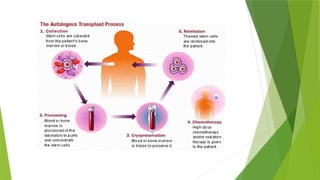
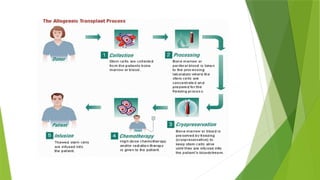
 The Transplant Process consists of 5 main steps;
(1) Conditioning Phase
(2) Stem Cell Infusion
(3) Neutropenic Phase
(4) Engraftment Phase
(5) Post-engraftment Period.
Conditioning Phase
 A period of several days of chemotherapy and/or
radiation, before the transplant can go ahead.
 It typically lasts for 7-10 days.
 The purposes of Conditioning Regimen are;
• To eliminate malignancy
• To provide immune suppression to prevent
rejection of new stem cells
• To create space for the new cells
Cont…
 Strategy of Conditioning Regimen is;
I. Myelo-Ablative Therapy
II. Reduced-intensity Therapy
Stem Cell Infusion
 Stem Cells are transfused through a central line called
Hickman’s Cathetar , in a way much like blood transfusion.
 It usually takes 20min to an hour depending on the amount
transfused.
 The crucial thing is not the volume, but the number of stem
cells it contains i.e Total Nucleated Cell count, or TNC.
 When treating cancer, the transplant dose should be at
least 25 million TNC per kilogram of patient body weight (1
kilogram equals 2.2 pounds).
Cont…
 Stem Cell products are cryopreserved at -40ºC with
Dimethyl Sulfoxide (DMSO) as a preservative .
 The stem cells may be processed before infusion to remove
T cells to prevent GVHD.
 Premedication with acetaminophen and diphenhydramine to
prevent reactions.
Neutropenic Phase
 During this period (2-4 wk), the patient essentially has no
effective immune system.
 Healing is poor, and the patient is very susceptible to
infection.
 Supportive care and empiric antibiotic therapy are the
mainstays of successful passage through this phase.
 Whole blood and platelet transfusion is done to prevent
infections and bleeding.
Engraftment Phase
 The new stem cells will take 10-28 days to ‘Bed Down’ and
start producing new cells.
 This recovery of normal levels of cells is called
Engraftment.
 Neutrophil engraftment is important ; GCSF may be given
to accelerate the process.
 Platelets are the next to return with red cells last.
Cont…
 During this period, the healing process begins with
resolution of mucositis and other lesions acquired.
 In addition, fever begins to subside, and infections often
begin to clear.
 The greatest challenges at this time are management of
GVHD and prevention of viral infections (especially CMV).
Post-engraftment Phase
 This period lasts for months to years.
 Hallmarks of this phase include;
o The gradual development of tolerance.
o Weaning off of immunosuppression.
o Management of chronic GVHD.
o Documentation of immune reconstitution.
Adverse Effects Of BMT
 Early Effects; (0-30 Days)
I. Mucositis; is the most common short-term complication of
myeloablative preparatory regimens (common
with etoposide -containing regimens)
and methotrexate used to prevent GVHD.
o Intestinal mucositis results in nausea, abdominal
cramping, and diarrhea and requires total parenteral
nutrition (TPN) to maintain caloric requirements.
Cont…
II. Hemorrhagic cystitis; is a disorder that manifests as
dysuria and hematuria, with the hematuria being
microscopic or gross.
o Medications used in conditioning
(especially cyclophosphamide) are well known to be
associated with hemorrhagic cystitis.
Cont…
III. Prolonged and severe pancytopenia; Severe (< 500/µL
but
often < 100/µL), prolonged (up to 4 wk) neutropenia is
common after transplantation and invariably requires
the
use of empiric broad-spectrum antimicrobials until
recovery of the neutrophils.
o Serious infections (eg, pneumonia, bacteremia,
fungemia,
viremia) may occur in up to 50% of patients after
transplantation.
Cont…
IV. Infections; One to 3 months after transplantation, T-cell
dysfunction, hypogammaglobulinemia, and acute GVHD
predispose to infections with the following:
 Encapsulated bacteria (eg, pneumococcus, Haemophilus
influenzae)
 Viruses (eg, cytomegalovirus [CMV])
 Pneumocystis jiroveci
 Molds (eg, Aspergillus, Zygomycetes)
 Candida species.
Cont..
V. Graft Failure; graft failure results from failure to
establish hematologic engraftment after transplantation.
o The greater the degree of HLA mismatch, the greater the
risk of graft rejection.
o Other risk factors for failure include the following:
 Aplastic anemia.
 T-cell depletion of the donor graft (loss of helper T cells,
which help in engraftment).
Cont…
 Infusion of lower number of hematopoietic stem cells - As in
cord blood transplants
 Nonmyeloablative transplants
 GVHD
 Splenomegaly
 Use of methotrexate, mycophenolate mofetil, antithymocyte
globulin, and ganciclovir.
Cont…
VI. Pulmonary Complications; Transplantation-related
lung injury(TRLI) is an acute inflammatory response.
 In patients receiving Allografts, interstitial pneumonitis is
frequently fatal.
 A diffuse alveolar hemorrhage is sometimes observed in
the autograft setting.
Cont…
VII.Hepatic Veno-occlusive Disease; More accurately
termed as Sinusoidal Obstruction Syndrome, is very
common after HSCT.
 Clinically it is characterized by;
o Weight gain.
o Fluid retention.
o Tender hepatomegaly.
o Jaundice & ascites.
o Can progress to fulminant hepatic failure.
Cont…
VIII.Transplantation-associated Thrombotic
Microangiopathy; is a microangiopathic hemolytic
anemia.
 Characterized by;
o Hemolytic Anemia.
o Platelet consumption.
o Fibrin/Thrombosis in microcirculation i.e Kidneys .
 Late Effects; Late onset problems can occur months after
transplantation usually allograft.
 Late effects include;
I. Chronic GVHD.
II. Ocular Effects; Posterior Subcapsular Cataract,
Keratoconjunctivitis Sicca & Infectious Retinitis.
Cont…
Cont…
III. Endocrine Problems; Infertility both in males & females
is common following HSCT.
o Options to preserve fertility are sperm cryopreservation &
oocyte retrieval & cryopreservation.
o Other endocrine problems include growth & development
impairment and hypothyroidism.
Cont…
IV. Pulmonary Effects; Pulmonary infiltrates which can be;
o Infectious; CMV, P jiroveci & Aspergillus.
o Non-infectious; Restrictive lung disease,COPD(Bronchiolitis
Obliterans), CHF, Hemorrhagic alveolitis, Aspiration &
Pulmonary embolism.
Cont…
V. Neurocognitive & Neuropsychological Effects;
o Low IQ scores.
o Sleep disorders.
o Fatigue.
o Memory problems.
o Developmental delays.
Cont…
VI. Immune Effects; is suppressed for months to years
after HSCT usually allograft.
VII. Musculoskeletal Effects;
o Osteopenia
o Osteoporosis
o Avascular necrosis
Graft Versus Host Disease(GVHD)
 Major cause of mortality and morbidity after allogeneic
HSCT.
 Caused by engraftment of immunocompetent donor
T lymphocytes in an immunologically compromised host
which show histocompatibility differences with the
donor.
Cont…
 GVHD is subdivided into;
I. Acute GVHD; Occurs within 3 months or 100 days after
transplantation.
II. Chronic GVHD; Occurs after 3 months or 100 days of
transplantation.
Cont…
 Acute GVHD;
 It occurs within the first 100 days after the procedure.
 Pathogenesis;
o Type IV Hypersensitivity Reaction: Delayed type.
o 30% incidence.
Cont…
 A three-step process generates the clinical syndrome.
 Step 1; Conditioning-induced tissue damage activates
recipient antigen-presenting cells.
 Step 2; Donor T cells become activated, proliferate,
expand, and generate cytokines such as tumor necrosis
factor-α, interleukin (IL)-2, and interferon-γ.
 Step 3; These cytokines cause tissue damage through
cytotoxic CD8+ T cells.
Cont…
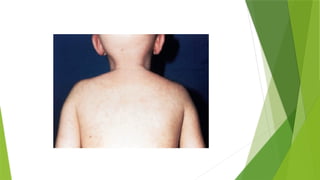
 Clinical Manifestations;
I. Erythematous maculopapular rash.
II. Persistent anorexia.
III. Vomiting and/or diarrhea.
IV. Liver disease with deranged LFFTs.
Cont…
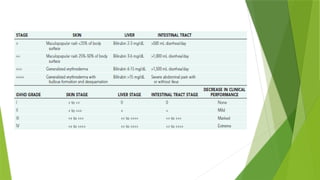
 Stages/Grades of Acute GVHD; is graded as per
Glucksberg Criteria.
 Stage I disease is confined to the skin and is mild.
 Stage II-IV have systemic involvement.
 Stage III and IV acute GVHD carry a grave prognosis.
Cont…
 Risk Factors;
o HLA-mismatched grafts( Most common)
o MUD grafts
o Advanced patient age
o Grafts from a parous female donor
Cont…
 Prophylaxis;
 T-cell depletion of the graft.
 Using immunosuppressive agents against donor
cytotoxic lymphocytes.
o Cyclosporine
o Tacrolimus
o Methotrexate
o Sirolimus
o Mycophenolate mofetil
Cont…
 Treatment;
o High-dose steroids
o Antithymocyte globulin (ATG)
Cont…
 Chronic GVHD; Occurs after 100 days of HSCT.
 Pathogenesis;
o A disorder of immune regulation characterized by;
 Autoantibody production
 Increased collagen deposition
 Fibrosis
o Cytokines involved are IL-4, IL-5, and IL-13.
o 25% incidence.
Cont…
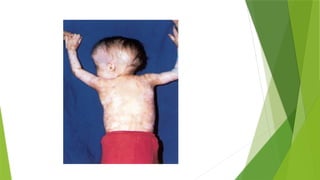
 Clinical Manifestations; Clinical symptoms are similar
to
those seen in autoimmune diseases.
o Lichenoid and sclerodermatous skin lesions
o Malar rash
o Sicca syndrome
o Arthritis
o Joint contractures
o Obliterative bronchiolitis
o Bile duct degeneration with cholestasis.
Cont…
 Risk Factors;
o Acute GVHD(Most common)
o Peripheral blood stem cell transplants
o HLA-mismatched grafts
o MUD grafts
o Advanced patient age
o Second transplant
Cont…
 Treatment; Immunosuppression is the mainstay of
treatment.
o Prednisone
o Tacrolimus
o Mycophenolate mofetil
o Extracorporeal phototherapy
o Pentostatin
Post-BMT Care
 Discharge Criteria;
o Adequate ANC
o No infection or fever
o Infrequent requirement for blood & platelet transfusion.
 Instructions For Caregivers;
o How to care for catheter
o Special isolation precautions
o Medication distribution
o Schedule of follow-up visits
Cont…
o Diet requirements
o Housekeeping precautions
 Follow-up Visits;
o Initially weekly then
o Monthly for 1st
6 months
o Every 3 months until 2 years after HSCT
o Eventually every 6-12 months thereafter.
 At regular intervals blood is withdrawn to evaluate new
immune system & degree of engraftment.
BMT In Different Conditions &
Success Rate
 Acute Lymphoblastic Leukemia(ALL); Most
common indication of BMT
 In 1st
complete remission or in 2nd
or further complete
remission after previous marrow relapse.
 Event-free survival rate, transplanted in 1st
or 2nd
complete
remission is 60-70% and 40-60% respectively.
Cont…
 Acute Myeloid Leukemia(AML); Best results when
transplant done in 1st
remission.
 Probability of event-free survival is in order of 70%.
Cont…
 Chronic Myelogenous Leukemia (CML)/
Philadelphia+; Best results when transplantation done in
chronic phase from HLA-matched identical sibling within 1
year from diagnosis.
 Leukemia-free survival of ML after an allograft is 45-80%.
Cont…
 Juvenile Myelomonocytic Leukemia;
 Rare hematopoietic malignancy accounting for only 2-3% of
pediatric leukemias.
 Characterized by hepatosplenomegaly & organ infiltration
with excessive proliferation of monocyte & granulocyte
lineages.
 Aggressive clinical course with mean survival of <12% from
time of diagnosis.
 HSCT cure approximately 50-60% of the patients.
Cont…
 Myelodysplastic Syndromes; Heterogeneous group of
clonal disorders characterized by ineffective hematopoiesis
leading to peripheral blood cytopenia & propensity to evolve
into AML.
 HSCT is the treatment of choice for these patients.
 Probability of survival is 60% while that for refractory
cytopenia is as high as 80%.
Cont…
 Non-Hodgkin Lymphoma & Hodgkin Disease;
These are sensitive to chemotherapy but some are at risk
of relapse.
 HSCT can cure these patients with relapse if offered early.
 Event free survival rate is 50-60%.
Cont…
 Acquired Aplastic Anemia; HSCT is the treatment of
choice for severe acquired aplastic anemia which is defined
as;
 Platelets <20000/mm³
 ANC <500/mm³ OR
 Retic count <1% when anemia is present with hypoplastic
bone marrow ( <20% total cellularity).
 Survival rate is < 85-90% with younger patients having
better outcomes.
Cont…
 Thalassemia Major; HSCT remains the only curative
treatment for thalassemia patients.
 There are 3 classes on the basis of 3 parameters;
 Quality of iron chelation
 Liver enlargement
 Portal fibrosis.
Cont…
 Class 1; Good compliance of iron chelation without liver
disease & it has survival rate of >90% with transfusion
independence.
 Class 2; One or two adverse criteria & it has survival rate of
>82%.
 Class 3; All three adverse criteria & it has survival rate of
60%.
Cont…
 Sickle Cell Disease; Indications of HSCT in sickle cell
disease are;
 History of strokes.
 MRI of CNS lesions.
 Failure to respond to Hydroxyurea as shown by recurrent
chest syndromes.
Cont…
 ± Vasooclussive crisis.
 ± Severe anemia.
 ± Osteonecrosis.
 HSCT can cure Homozygous S Disease and probability of
survival is 80-90%.
Cont…
 Immunodeficiency Disorders; HSCT is the treatment of
choice for children with severe immunodeficiecny as well as
immunodeficiency disorders i.e
 Wiskott-Aldrich Syndrome.
 Leukocyte Adhesion Defect
 Chronic Granulomatous Disease.
 Survival approaches 100% with HLA identical donor.
Bone Marrow Transplantation in pediatrics

Bone Marrow Transplantation in pediatrics

  • 2.
  • 3.
    Objectives  Introduction  StemCell And Its Sources  Types Of BMT  Indications Of BMT  HLA Matching  Transplant Process  Adverse Effects Of BMT  Graft Rejection (GVHD)  Post BMT Care  BMT In Different Conditions
  • 4.
    Bone Marrow  BoneMarrow is the soft spongy tissue that fills the cores of larger bones.  It serves an active function in the body by producing all three types of blood cells; I. RBCs; Having oxygen carrying capacity. II. Platelets; Role in blood coagulation. III. WBCs; Support immune system.
  • 6.
    Bone Marrow Transplantation(BMT) Bone Marrow Transplantation is a procedure used to treat patients with life-threatening blood, immune or genetic disorders.  A Bone Marrow Transplant replaces the unhealthy blood- forming cells with healthy ones.  Healthy bone marrow stem cells are harvested from matching bone marrow donors.
  • 7.
    Cont…  The immunologyof HSCT is distinct from that of other types of transplant because, in addition to stem cells, the graft contains mature blood cells of donor origin, including T cells, B cells, natural killer cells,and dendritic cells. These cells repopulate the recipient’s lymphohematopoietic system and give rise to a new immune system, which helps eliminate residual leukemia cells that survive the conditioning regimen.
  • 8.
    Cont… This effect isknown as the graft-versus-leukemia (GVL) effect.  The first MBT was performed in 1968 in a child with an inherited immune disorder.
  • 9.
    Stem Cell &Its Sources  Stem cells are immature cells in the bone marrow that give rise to all your blood cells.  Stem Cell Transplants can come from three sources: I. Peripheral Blood ( Aphereses) II. Marrow ( Bone Marrow Harvest) III. Umbilical Cord o Fetal Liver
  • 11.
    Types Of BMT There are two types of Bone Marrow Transplants on the basis of source of Stem Cells; I. Autologous Transplant; Patient’s own HSCs from bone marrow or peripheral blood. II. Allogeniec Transplant; HSCs from another person.
  • 12.
    Cont…  Types ofBone Marrow Transplant on the basis of Donor are; I. Isograft; From identical twin II. Optimal Donor-Identical Tissue Typing; Usually a sibling 25% III. Partially-matched Donor; A biologic parent is always half- matched or Haplocompatible. There is 50% chance that any sibling will be half-matched with any other sibling. IV. Umbilical Cord Blood
  • 14.
    Advantages & DisadvantagesOf HSC Collection Methods
  • 15.
    Haplo-identical HSCT Advantages  Nearlyall patients have a donor.  Share major(HLA-C) & Minor histocompatability antigens. Disadvantages  HLA barriers; o Graft rejection. o GVHD. o Immune dysregulation.
  • 16.
    Cord Blood Transplantation Advantages Waste product of normal deliveries.  Readily available.  Decreased transmission of viruses e.g CMV Disadvantages  One unit rescues one patient.  Theoretical risk of genetic disease transmission.  Theoretical risk of maternal cell contamination(GVHD)
  • 17.
    Indications Of BMT Non-cancerousConditions/Stem Cells Defects; oAplastic Anemia oThalassemia Major oSickle Cell Disease oSCID oWiskott-Aldrich Sydrome oFanconi Anemia oChronic Granulomatous Disease
  • 18.
    Cont…  Cancerous Conditions; oLeukemia o Lymphoma o Neuroblastoma o Medulloblastoma o Sarcoma
  • 19.
    Cont…  Genetic Diseases; oThalassemia Major o Sickle Cell Disease o SCID  Inborn Errors Of Metabolism; o Hurler’s Syndrome o Fanconi’s Syndrome o Adrenoleukodystrophy o Metachromatic Leukodystrophy o Osteopetrosis
  • 20.
    HLA Matching  HLAare proteins or markers on most cells in the body specially WBCs.  Immune System uses HLA to recognize which cells belong to body and which do not.  These antigens are also known as the major histocompatibility complex (MHC) and occupy the short arm of chromosome 6.  This genetic region has been divided into chromosomal regions, called classes.
  • 21.
    Cont…  Class I;is made up of HLA-A, HLA-B, and HLA-C, as well as genes that are less frequently discussed (eg, HLA-E, HLA- F, and HLA-G).  Class II; is made up of HLA-DR, HLA-DP, and HLA-DQ, as well as variations on these genes.  Traditionally, the loci critical for matching are HLA- A, HLA-B, and HLA-DR.
  • 22.
    Cont…  HLA-C andHLA-DQ are also now considered when determining the appropriateness of a donor.  For unrelated transplants(MUD) 6 of 8 HLA markers must be matched.  For haploidentical or half-matched transplants, donors match exactly half or 5 of 10 HLA markers.  A cord blood transplant must match at least 4 of 6 markers.
  • 23.
    Transplant Process  Asuccessful transplant requires an expert medical team- doctors, nurses, and support staff( pharmacist, dietician, social worker, physiotherapist, psychologist and occupational therapist)  The Transplant Process consists of 5 main steps; (1) Conditioning Phase (2) Stem Cell Infusion (3) Neutropenic Phase (4) Engraftment Phase (5) Post-engraftment Period.
  • 24.
    Conditioning Phase  Aperiod of several days of chemotherapy and/or radiation, before the transplant can go ahead.  It typically lasts for 7-10 days.  The purposes of Conditioning Regimen are; • To eliminate malignancy • To provide immune suppression to prevent rejection of new stem cells • To create space for the new cells
  • 25.
    Cont…  Strategy ofConditioning Regimen is; I. Myelo-Ablative Therapy II. Reduced-intensity Therapy
  • 26.
    Stem Cell Infusion Stem Cells are transfused through a central line called Hickman’s Cathetar , in a way much like blood transfusion.  It usually takes 20min to an hour depending on the amount transfused.  The crucial thing is not the volume, but the number of stem cells it contains i.e Total Nucleated Cell count, or TNC.  When treating cancer, the transplant dose should be at least 25 million TNC per kilogram of patient body weight (1 kilogram equals 2.2 pounds).
  • 27.
    Cont…  Stem Cellproducts are cryopreserved at -40ºC with Dimethyl Sulfoxide (DMSO) as a preservative .  The stem cells may be processed before infusion to remove T cells to prevent GVHD.  Premedication with acetaminophen and diphenhydramine to prevent reactions.
  • 28.
    Neutropenic Phase  Duringthis period (2-4 wk), the patient essentially has no effective immune system.  Healing is poor, and the patient is very susceptible to infection.  Supportive care and empiric antibiotic therapy are the mainstays of successful passage through this phase.  Whole blood and platelet transfusion is done to prevent infections and bleeding.
  • 29.
    Engraftment Phase  Thenew stem cells will take 10-28 days to ‘Bed Down’ and start producing new cells.  This recovery of normal levels of cells is called Engraftment.  Neutrophil engraftment is important ; GCSF may be given to accelerate the process.  Platelets are the next to return with red cells last.
  • 30.
    Cont…  During thisperiod, the healing process begins with resolution of mucositis and other lesions acquired.  In addition, fever begins to subside, and infections often begin to clear.  The greatest challenges at this time are management of GVHD and prevention of viral infections (especially CMV).
  • 31.
    Post-engraftment Phase  Thisperiod lasts for months to years.  Hallmarks of this phase include; o The gradual development of tolerance. o Weaning off of immunosuppression. o Management of chronic GVHD. o Documentation of immune reconstitution.
  • 34.
    Adverse Effects OfBMT  Early Effects; (0-30 Days) I. Mucositis; is the most common short-term complication of myeloablative preparatory regimens (common with etoposide -containing regimens) and methotrexate used to prevent GVHD. o Intestinal mucositis results in nausea, abdominal cramping, and diarrhea and requires total parenteral nutrition (TPN) to maintain caloric requirements.
  • 35.
    Cont… II. Hemorrhagic cystitis;is a disorder that manifests as dysuria and hematuria, with the hematuria being microscopic or gross. o Medications used in conditioning (especially cyclophosphamide) are well known to be associated with hemorrhagic cystitis.
  • 36.
    Cont… III. Prolonged andsevere pancytopenia; Severe (< 500/µL but often < 100/µL), prolonged (up to 4 wk) neutropenia is common after transplantation and invariably requires the use of empiric broad-spectrum antimicrobials until recovery of the neutrophils. o Serious infections (eg, pneumonia, bacteremia, fungemia, viremia) may occur in up to 50% of patients after transplantation.
  • 37.
    Cont… IV. Infections; Oneto 3 months after transplantation, T-cell dysfunction, hypogammaglobulinemia, and acute GVHD predispose to infections with the following:  Encapsulated bacteria (eg, pneumococcus, Haemophilus influenzae)  Viruses (eg, cytomegalovirus [CMV])  Pneumocystis jiroveci  Molds (eg, Aspergillus, Zygomycetes)  Candida species.
  • 38.
    Cont.. V. Graft Failure;graft failure results from failure to establish hematologic engraftment after transplantation. o The greater the degree of HLA mismatch, the greater the risk of graft rejection. o Other risk factors for failure include the following:  Aplastic anemia.  T-cell depletion of the donor graft (loss of helper T cells, which help in engraftment).
  • 39.
    Cont…  Infusion oflower number of hematopoietic stem cells - As in cord blood transplants  Nonmyeloablative transplants  GVHD  Splenomegaly  Use of methotrexate, mycophenolate mofetil, antithymocyte globulin, and ganciclovir.
  • 40.
    Cont… VI. Pulmonary Complications;Transplantation-related lung injury(TRLI) is an acute inflammatory response.  In patients receiving Allografts, interstitial pneumonitis is frequently fatal.  A diffuse alveolar hemorrhage is sometimes observed in the autograft setting.
  • 41.
    Cont… VII.Hepatic Veno-occlusive Disease;More accurately termed as Sinusoidal Obstruction Syndrome, is very common after HSCT.  Clinically it is characterized by; o Weight gain. o Fluid retention. o Tender hepatomegaly. o Jaundice & ascites. o Can progress to fulminant hepatic failure.
  • 42.
    Cont… VIII.Transplantation-associated Thrombotic Microangiopathy; isa microangiopathic hemolytic anemia.  Characterized by; o Hemolytic Anemia. o Platelet consumption. o Fibrin/Thrombosis in microcirculation i.e Kidneys .
  • 43.
     Late Effects;Late onset problems can occur months after transplantation usually allograft.  Late effects include; I. Chronic GVHD. II. Ocular Effects; Posterior Subcapsular Cataract, Keratoconjunctivitis Sicca & Infectious Retinitis. Cont…
  • 44.
    Cont… III. Endocrine Problems;Infertility both in males & females is common following HSCT. o Options to preserve fertility are sperm cryopreservation & oocyte retrieval & cryopreservation. o Other endocrine problems include growth & development impairment and hypothyroidism.
  • 45.
    Cont… IV. Pulmonary Effects;Pulmonary infiltrates which can be; o Infectious; CMV, P jiroveci & Aspergillus. o Non-infectious; Restrictive lung disease,COPD(Bronchiolitis Obliterans), CHF, Hemorrhagic alveolitis, Aspiration & Pulmonary embolism.
  • 46.
    Cont… V. Neurocognitive &Neuropsychological Effects; o Low IQ scores. o Sleep disorders. o Fatigue. o Memory problems. o Developmental delays.
  • 47.
    Cont… VI. Immune Effects;is suppressed for months to years after HSCT usually allograft. VII. Musculoskeletal Effects; o Osteopenia o Osteoporosis o Avascular necrosis
  • 48.
    Graft Versus HostDisease(GVHD)  Major cause of mortality and morbidity after allogeneic HSCT.  Caused by engraftment of immunocompetent donor T lymphocytes in an immunologically compromised host which show histocompatibility differences with the donor.
  • 49.
    Cont…  GVHD issubdivided into; I. Acute GVHD; Occurs within 3 months or 100 days after transplantation. II. Chronic GVHD; Occurs after 3 months or 100 days of transplantation.
  • 50.
    Cont…  Acute GVHD; It occurs within the first 100 days after the procedure.  Pathogenesis; o Type IV Hypersensitivity Reaction: Delayed type. o 30% incidence.
  • 51.
    Cont…  A three-stepprocess generates the clinical syndrome.  Step 1; Conditioning-induced tissue damage activates recipient antigen-presenting cells.  Step 2; Donor T cells become activated, proliferate, expand, and generate cytokines such as tumor necrosis factor-α, interleukin (IL)-2, and interferon-γ.  Step 3; These cytokines cause tissue damage through cytotoxic CD8+ T cells.
  • 52.
    Cont…  Clinical Manifestations; I.Erythematous maculopapular rash. II. Persistent anorexia. III. Vomiting and/or diarrhea. IV. Liver disease with deranged LFFTs.
  • 53.
    Cont…  Stages/Grades ofAcute GVHD; is graded as per Glucksberg Criteria.  Stage I disease is confined to the skin and is mild.  Stage II-IV have systemic involvement.  Stage III and IV acute GVHD carry a grave prognosis.
  • 55.
    Cont…  Risk Factors; oHLA-mismatched grafts( Most common) o MUD grafts o Advanced patient age o Grafts from a parous female donor
  • 56.
    Cont…  Prophylaxis;  T-celldepletion of the graft.  Using immunosuppressive agents against donor cytotoxic lymphocytes. o Cyclosporine o Tacrolimus o Methotrexate o Sirolimus o Mycophenolate mofetil
  • 57.
    Cont…  Treatment; o High-dosesteroids o Antithymocyte globulin (ATG)
  • 59.
    Cont…  Chronic GVHD;Occurs after 100 days of HSCT.  Pathogenesis; o A disorder of immune regulation characterized by;  Autoantibody production  Increased collagen deposition  Fibrosis o Cytokines involved are IL-4, IL-5, and IL-13. o 25% incidence.
  • 60.
    Cont…  Clinical Manifestations;Clinical symptoms are similar to those seen in autoimmune diseases. o Lichenoid and sclerodermatous skin lesions o Malar rash o Sicca syndrome o Arthritis o Joint contractures o Obliterative bronchiolitis o Bile duct degeneration with cholestasis.
  • 61.
    Cont…  Risk Factors; oAcute GVHD(Most common) o Peripheral blood stem cell transplants o HLA-mismatched grafts o MUD grafts o Advanced patient age o Second transplant
  • 62.
    Cont…  Treatment; Immunosuppressionis the mainstay of treatment. o Prednisone o Tacrolimus o Mycophenolate mofetil o Extracorporeal phototherapy o Pentostatin
  • 64.
    Post-BMT Care  DischargeCriteria; o Adequate ANC o No infection or fever o Infrequent requirement for blood & platelet transfusion.  Instructions For Caregivers; o How to care for catheter o Special isolation precautions o Medication distribution o Schedule of follow-up visits
  • 65.
    Cont… o Diet requirements oHousekeeping precautions  Follow-up Visits; o Initially weekly then o Monthly for 1st 6 months o Every 3 months until 2 years after HSCT o Eventually every 6-12 months thereafter.  At regular intervals blood is withdrawn to evaluate new immune system & degree of engraftment.
  • 66.
    BMT In DifferentConditions & Success Rate  Acute Lymphoblastic Leukemia(ALL); Most common indication of BMT  In 1st complete remission or in 2nd or further complete remission after previous marrow relapse.  Event-free survival rate, transplanted in 1st or 2nd complete remission is 60-70% and 40-60% respectively.
  • 67.
    Cont…  Acute MyeloidLeukemia(AML); Best results when transplant done in 1st remission.  Probability of event-free survival is in order of 70%.
  • 68.
    Cont…  Chronic MyelogenousLeukemia (CML)/ Philadelphia+; Best results when transplantation done in chronic phase from HLA-matched identical sibling within 1 year from diagnosis.  Leukemia-free survival of ML after an allograft is 45-80%.
  • 69.
    Cont…  Juvenile MyelomonocyticLeukemia;  Rare hematopoietic malignancy accounting for only 2-3% of pediatric leukemias.  Characterized by hepatosplenomegaly & organ infiltration with excessive proliferation of monocyte & granulocyte lineages.  Aggressive clinical course with mean survival of <12% from time of diagnosis.  HSCT cure approximately 50-60% of the patients.
  • 70.
    Cont…  Myelodysplastic Syndromes;Heterogeneous group of clonal disorders characterized by ineffective hematopoiesis leading to peripheral blood cytopenia & propensity to evolve into AML.  HSCT is the treatment of choice for these patients.  Probability of survival is 60% while that for refractory cytopenia is as high as 80%.
  • 71.
    Cont…  Non-Hodgkin Lymphoma& Hodgkin Disease; These are sensitive to chemotherapy but some are at risk of relapse.  HSCT can cure these patients with relapse if offered early.  Event free survival rate is 50-60%.
  • 72.
    Cont…  Acquired AplasticAnemia; HSCT is the treatment of choice for severe acquired aplastic anemia which is defined as;  Platelets <20000/mm³  ANC <500/mm³ OR  Retic count <1% when anemia is present with hypoplastic bone marrow ( <20% total cellularity).  Survival rate is < 85-90% with younger patients having better outcomes.
  • 73.
    Cont…  Thalassemia Major;HSCT remains the only curative treatment for thalassemia patients.  There are 3 classes on the basis of 3 parameters;  Quality of iron chelation  Liver enlargement  Portal fibrosis.
  • 74.
    Cont…  Class 1;Good compliance of iron chelation without liver disease & it has survival rate of >90% with transfusion independence.  Class 2; One or two adverse criteria & it has survival rate of >82%.  Class 3; All three adverse criteria & it has survival rate of 60%.
  • 75.
    Cont…  Sickle CellDisease; Indications of HSCT in sickle cell disease are;  History of strokes.  MRI of CNS lesions.  Failure to respond to Hydroxyurea as shown by recurrent chest syndromes.
  • 76.
    Cont…  ± Vasooclussivecrisis.  ± Severe anemia.  ± Osteonecrosis.  HSCT can cure Homozygous S Disease and probability of survival is 80-90%.
  • 77.
    Cont…  Immunodeficiency Disorders;HSCT is the treatment of choice for children with severe immunodeficiecny as well as immunodeficiency disorders i.e  Wiskott-Aldrich Syndrome.  Leukocyte Adhesion Defect  Chronic Granulomatous Disease.  Survival approaches 100% with HLA identical donor.

Editor's Notes

  • #38 Primary graft failure is defined as failure to achieve a neutrophil count of 0.2 × 10⁹/L by 21 days posttransplantation. Secondary graft failure is loss of peripheral blood counts following initial transient engraftment of donor cells
  • #47 Bisphosphonate therapy for osteoporosis
  • #57  Experimental therapies with monoclonal antibodies to TNF (infliximab) or IL-2, extracorporeal photopheresis using apheresis machines
  • #62 First 3 are standard treatment
  • #67 However Acute Promyelocytic Leukemia in remission with chemotherapy and All-trans-retinoic acid or AML with translocation t(8;21) or inversion of chromosome 16, are no longer consider eligible for allogenic HSCT in 1st remission because of their excellent prognosis with alternative treatment. 40% of patients with AML in 2nd remission can be rescued by an allograft from HLA-matched sibling.
  • #70 patients with refractory anemia with excess blast cells(RAEB) & for those with RAEB in transformation (RAEB+)
  • #73  Conventional therapy has dramatically improved both survival and quality of life in these patients however