BLOOD BANKING
Dr.Nitin Khajotia
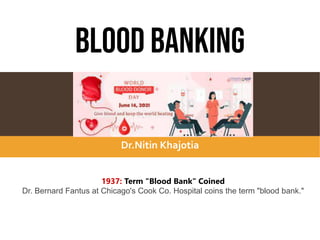
1937: Term "Blood Bank" Coined
Dr. Bernard Fantus at Chicago's Cook Co. Hospital coins the term "blood bank."
WHAT DOYOU UNDERSTAND BY
BLOOD BANKING ?
 Blood is a body fluid in the circulatory system of
humans and other vertebrates that delivers necessary
substances such as nutrients and oxygen to the cells,
and transports metabolic waste products away from
those same cells.
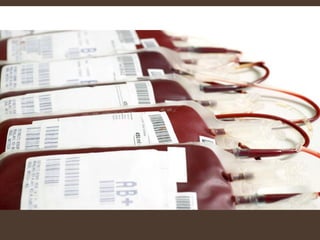
 Blood banking is the process that takes place in the lab
to make sure that donated blood, or blood products,
are safe before they are used in blood transfusions and
other medical procedures. Blood banking includes
typing the blood for transfusion and testing for
infectious diseases.
ACCORDING TO THE AMERICAN
ASSOCIATION OF BLOOD BANKS AS OF 2013
 About 36,000 units of blood are needed every day.
 The number of blood units donated is about 13.6
million a year.
 About 6.8 million volunteers are blood donors each
year.
 Annually, more than 21 million blood components are
transfused
 Each unit of blood is broken down into
components, such as red blood cells,
plasma, cryoprecipitated, Antihemophilic
Factor, and platelets.
 One unit of whole blood, once it's
separated, may be transfused to several
patients, each with different needs.
ACCORDING TO THE AMERICAN
ASSOCIATION OF BLOOD BANKS AS OF 2013
WHO ARE THE BLOOD DONORS ?
Most blood donors are volunteers.
However, sometimes, a patient may want
to donate blood a couple of weeks
before undergoing surgery, so that his or
her blood is available in case of a blood
transfusion.
Donating blood for yourself is called
an autologous donation.
Blood Donation
VOLUNTEER BLOOD DONORS MUST
PASS CERTAIN CRITERIA, INCLUDING THE
FOLLOWING:
• Must be at least 16 years of
age, or in accordance with
state law
• Must be in good health
• Must weigh at least 110
pounds / 50KGs
• Must pass the physical and
health history exam given
before donation
WHAT TESTS ARE DONE IN BLOOD
BANKING?
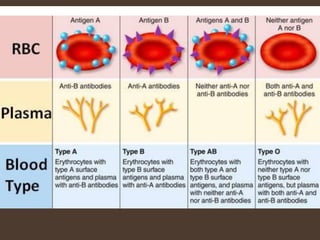
 Typing: ABO group (blood type)
 Rh typing (positive or negative antigen)
• Screening for any unexpected red blood cell
antibodies that may cause problems in the recipient
 Irradiation to blood cells is performed to disable any T-
lymphocytes present in the donated blood.
 Leukocyte-reduced blood has been filtered to remove
the white blood cells that contain antibodies that can
cause fevers in the recipient of the transfusion.
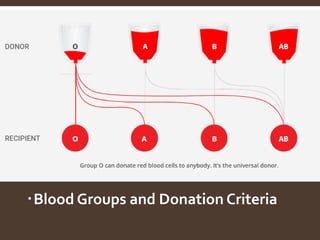
Blood Groups and Donation Criteria
SCREENING FOR CURRENT OR PAST
INFECTIONS, INCLUDING:
• Hepatitis viruses B and C
• Human immunodeficiency virus (HIV)
• Human T-lymphotropic viruses (HTLV) I and II
• Syphilis
• West Nile virus
• Chagas disease
WHAT ARE THE COMPONENTS OF
BLOOD?
Red blood cells. These cells carry oxygen to the
tissues in the body and are commonly used in
the treatment of anemia.
Platelets. They help the blood to clot and are
used in the treatment of leukemia and other
forms of cancer.
White blood cells. These cells help to fight
infection, and aid in the immune process.
WHAT ARE THE COMPONENTS OF
BLOOD?
•Plasma. The watery, liquid part of the blood in
which the red blood cells, white blood cells,
and platelets are suspended. Plasma is needed
to carry the many parts of the blood through
the bloodstream. Plasma serves many
functions, including the following:
• Helps to maintain blood pressure
• Provides proteins for blood clotting
• Balances the levels of sodium and potassium
WHAT ARE THE COMPONENTS OF
BLOOD?
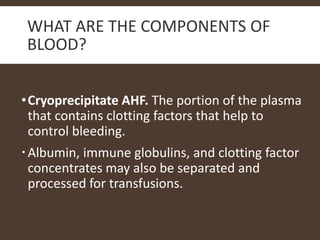
•Cryoprecipitate AHF. The portion of the plasma
that contains clotting factors that help to
control bleeding.
Albumin, immune globulins, and clotting factor
concentrates may also be separated and
processed for transfusions.
LANDSTEINER’S LAW
 If an agglutinogen Is present In the red cells of a
blood, the corresponding agglutinin must be
absent from the plasma.
 If an agglutinogen Is absent In the red cells of a
blood, the corresponding agglutinin must be
present In the plasma.
FOR HOW LONG CANWE STORE
BLOOD PRODUCTS ?
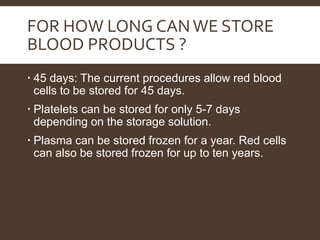
 45 days: The current procedures allow red blood
cells to be stored for 45 days.
 Platelets can be stored for only 5-7 days
depending on the storage solution.
 Plasma can be stored frozen for a year. Red cells
can also be stored frozen for up to ten years.
EQUIPMENT REQUIRED
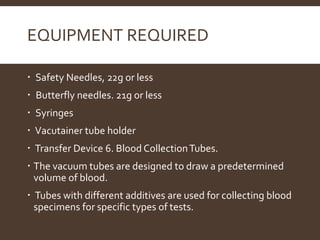
 Safety Needles, 22g or less
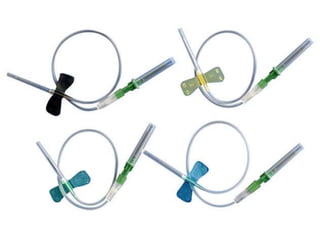
 Butterfly needles. 21g or less
 Syringes
 Vacutainer tube holder
 Transfer Device 6. Blood CollectionTubes.
 The vacuum tubes are designed to draw a predetermined
volume of blood.
 Tubes with different additives are used for collecting blood
specimens for specific types of tests.
EQUIPMENT REQUIRED
 The color of cap is used to identify these additives.
 Tourniquets. Single use, disposable, latex-free tourniquets
 Antiseptic. Individually packaged 70% isopropyl alcohol
wipes.
 Gauze
 Sharps Disposal Container. An OSHA acceptable, puncture
proof container marked "Biohazardous".
 Bandages or tape
THANK YOU

Blood Banking.pdf

  • 1.
    BLOOD BANKING Dr.Nitin Khajotia 1937:Term "Blood Bank" Coined Dr. Bernard Fantus at Chicago's Cook Co. Hospital coins the term "blood bank."
  • 2.
    WHAT DOYOU UNDERSTANDBY BLOOD BANKING ?  Blood is a body fluid in the circulatory system of humans and other vertebrates that delivers necessary substances such as nutrients and oxygen to the cells, and transports metabolic waste products away from those same cells.  Blood banking is the process that takes place in the lab to make sure that donated blood, or blood products, are safe before they are used in blood transfusions and other medical procedures. Blood banking includes typing the blood for transfusion and testing for infectious diseases.
  • 3.
    ACCORDING TO THEAMERICAN ASSOCIATION OF BLOOD BANKS AS OF 2013  About 36,000 units of blood are needed every day.  The number of blood units donated is about 13.6 million a year.  About 6.8 million volunteers are blood donors each year.  Annually, more than 21 million blood components are transfused
  • 4.
     Each unitof blood is broken down into components, such as red blood cells, plasma, cryoprecipitated, Antihemophilic Factor, and platelets.  One unit of whole blood, once it's separated, may be transfused to several patients, each with different needs. ACCORDING TO THE AMERICAN ASSOCIATION OF BLOOD BANKS AS OF 2013
  • 5.
    WHO ARE THEBLOOD DONORS ? Most blood donors are volunteers. However, sometimes, a patient may want to donate blood a couple of weeks before undergoing surgery, so that his or her blood is available in case of a blood transfusion. Donating blood for yourself is called an autologous donation.
  • 6.
  • 7.
    VOLUNTEER BLOOD DONORSMUST PASS CERTAIN CRITERIA, INCLUDING THE FOLLOWING: • Must be at least 16 years of age, or in accordance with state law • Must be in good health • Must weigh at least 110 pounds / 50KGs • Must pass the physical and health history exam given before donation
  • 8.
    WHAT TESTS AREDONE IN BLOOD BANKING?  Typing: ABO group (blood type)  Rh typing (positive or negative antigen) • Screening for any unexpected red blood cell antibodies that may cause problems in the recipient  Irradiation to blood cells is performed to disable any T- lymphocytes present in the donated blood.  Leukocyte-reduced blood has been filtered to remove the white blood cells that contain antibodies that can cause fevers in the recipient of the transfusion.
  • 9.
    Blood Groups andDonation Criteria
  • 10.
    SCREENING FOR CURRENTOR PAST INFECTIONS, INCLUDING: • Hepatitis viruses B and C • Human immunodeficiency virus (HIV) • Human T-lymphotropic viruses (HTLV) I and II • Syphilis • West Nile virus • Chagas disease
  • 11.
    WHAT ARE THECOMPONENTS OF BLOOD? Red blood cells. These cells carry oxygen to the tissues in the body and are commonly used in the treatment of anemia. Platelets. They help the blood to clot and are used in the treatment of leukemia and other forms of cancer. White blood cells. These cells help to fight infection, and aid in the immune process.
  • 12.
    WHAT ARE THECOMPONENTS OF BLOOD? •Plasma. The watery, liquid part of the blood in which the red blood cells, white blood cells, and platelets are suspended. Plasma is needed to carry the many parts of the blood through the bloodstream. Plasma serves many functions, including the following: • Helps to maintain blood pressure • Provides proteins for blood clotting • Balances the levels of sodium and potassium
  • 13.
    WHAT ARE THECOMPONENTS OF BLOOD? •Cryoprecipitate AHF. The portion of the plasma that contains clotting factors that help to control bleeding. Albumin, immune globulins, and clotting factor concentrates may also be separated and processed for transfusions.
  • 14.
    LANDSTEINER’S LAW  Ifan agglutinogen Is present In the red cells of a blood, the corresponding agglutinin must be absent from the plasma.  If an agglutinogen Is absent In the red cells of a blood, the corresponding agglutinin must be present In the plasma.
  • 16.
    FOR HOW LONGCANWE STORE BLOOD PRODUCTS ?  45 days: The current procedures allow red blood cells to be stored for 45 days.  Platelets can be stored for only 5-7 days depending on the storage solution.  Plasma can be stored frozen for a year. Red cells can also be stored frozen for up to ten years.
  • 17.
    EQUIPMENT REQUIRED  SafetyNeedles, 22g or less  Butterfly needles. 21g or less  Syringes  Vacutainer tube holder  Transfer Device 6. Blood CollectionTubes.  The vacuum tubes are designed to draw a predetermined volume of blood.  Tubes with different additives are used for collecting blood specimens for specific types of tests.
  • 20.
    EQUIPMENT REQUIRED  Thecolor of cap is used to identify these additives.  Tourniquets. Single use, disposable, latex-free tourniquets  Antiseptic. Individually packaged 70% isopropyl alcohol wipes.  Gauze  Sharps Disposal Container. An OSHA acceptable, puncture proof container marked "Biohazardous".  Bandages or tape
  • 22.