BIOLOGY
Unit 2 Notes:
Types of Cells
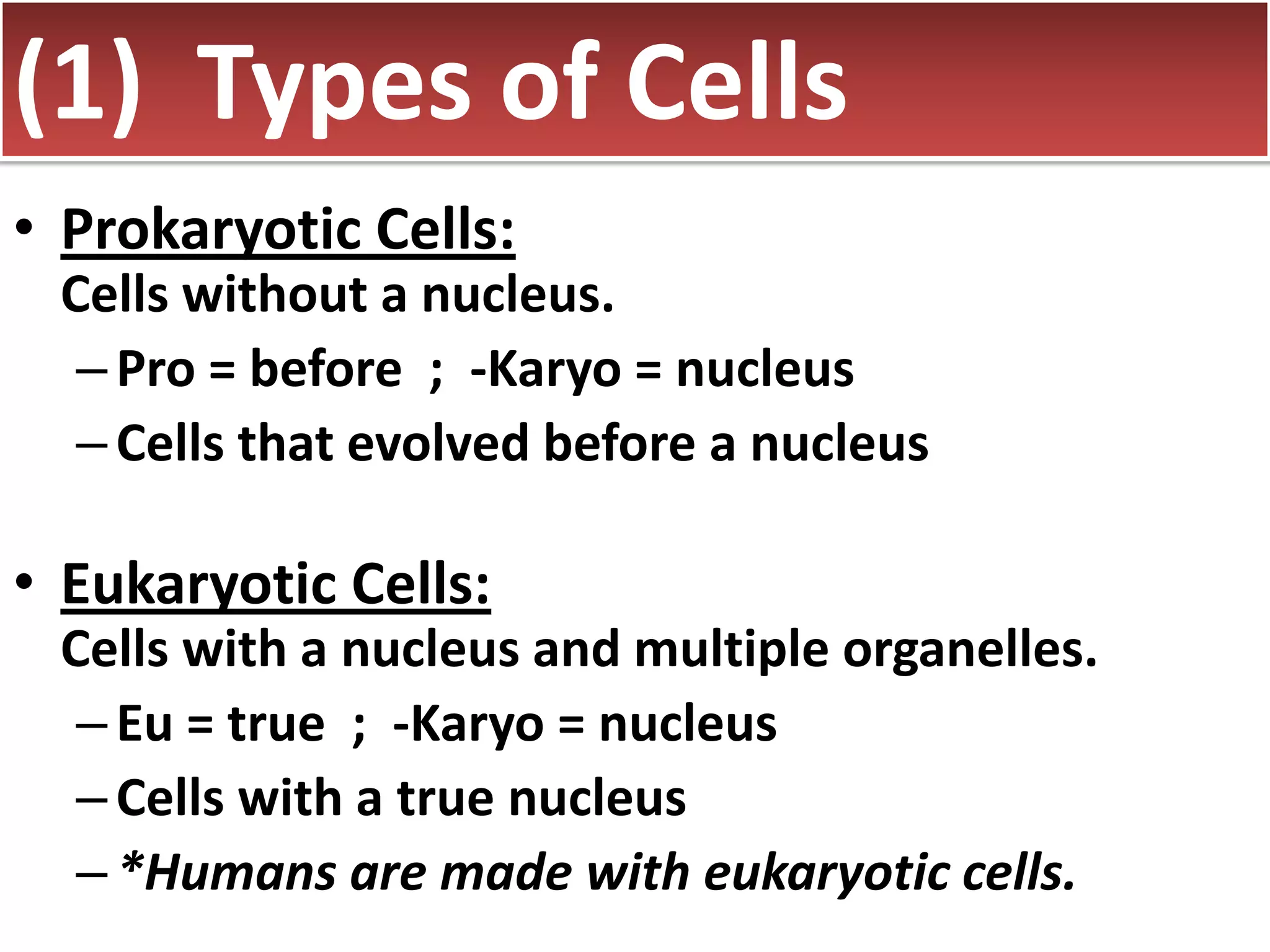
(1) Types of Cells
• Prokaryotic Cells:
Cells without a nucleus.
–Pro = before ; -Karyo = nucleus
–Cells that evolved before a nucleus
• Eukaryotic Cells:
Cells with a nucleus and multiple organelles.
–Eu = true ; -Karyo = nucleus
–Cells with a true nucleus
–*Humans are made with eukaryotic cells.
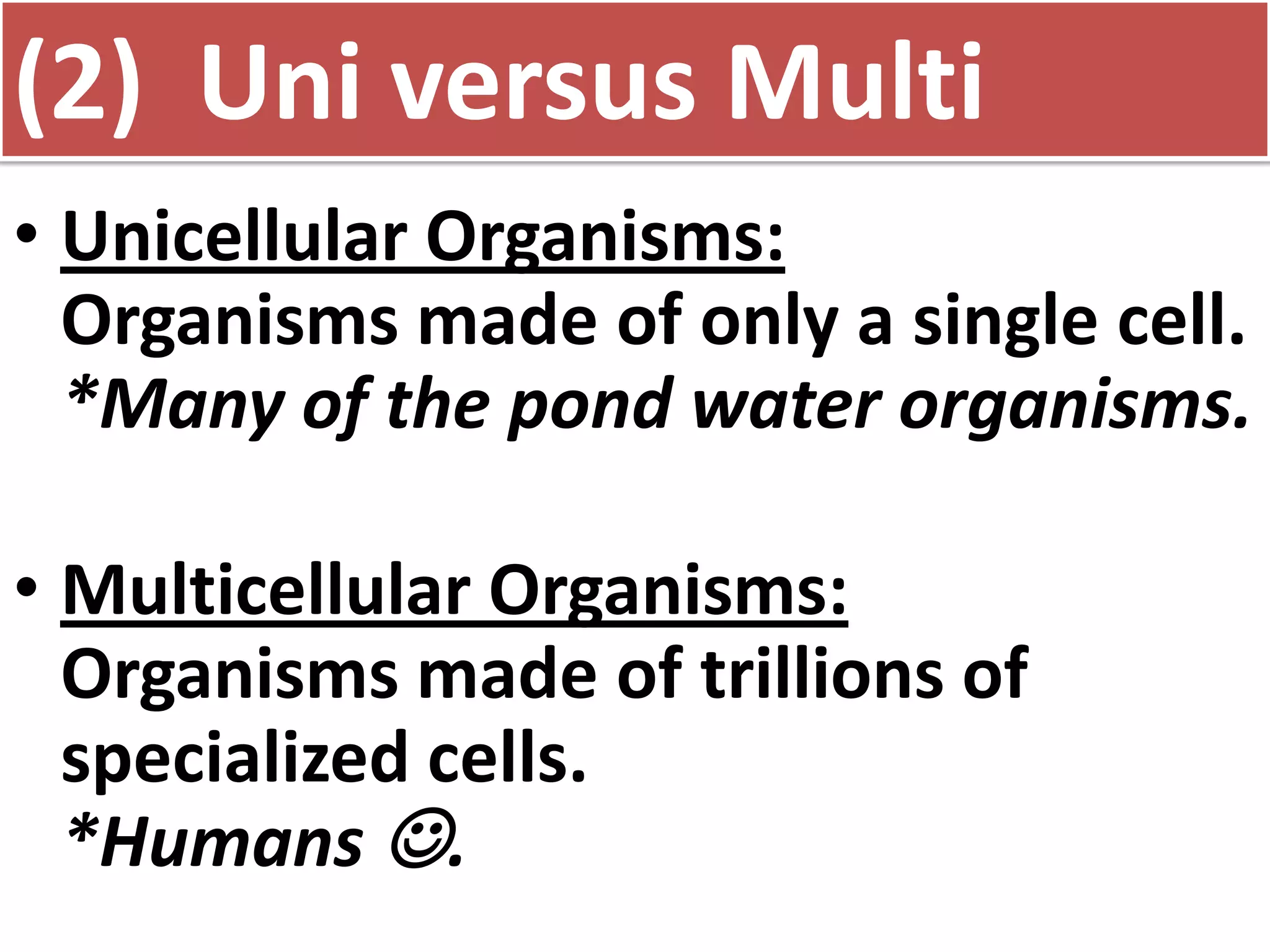
(2) Uni versus Multi
• Unicellular Organisms:
Organisms made of only a single cell.
*Many of the pond water organisms.
• Multicellular Organisms:
Organisms made of trillions of
specialized cells.
*Humans .
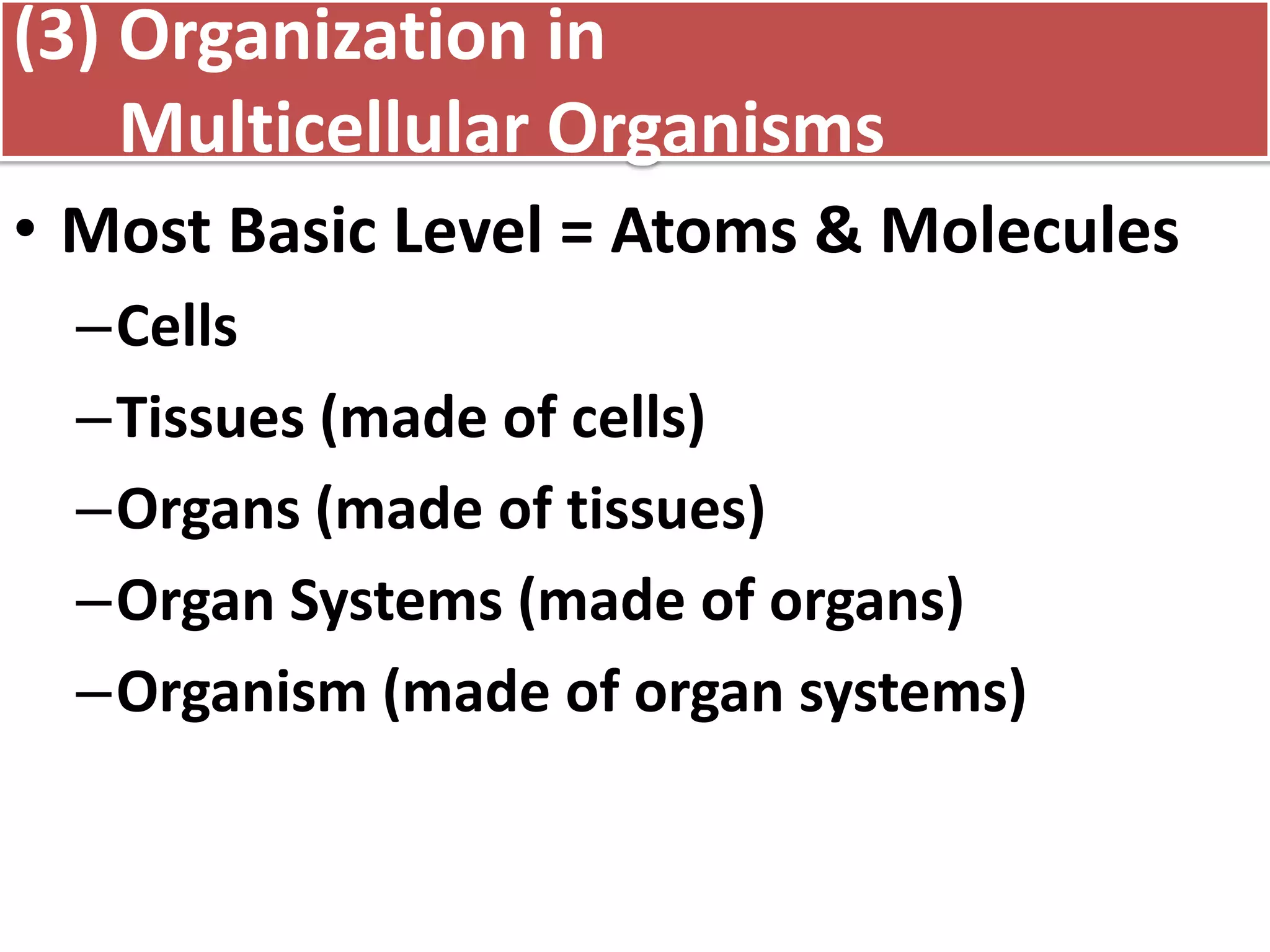
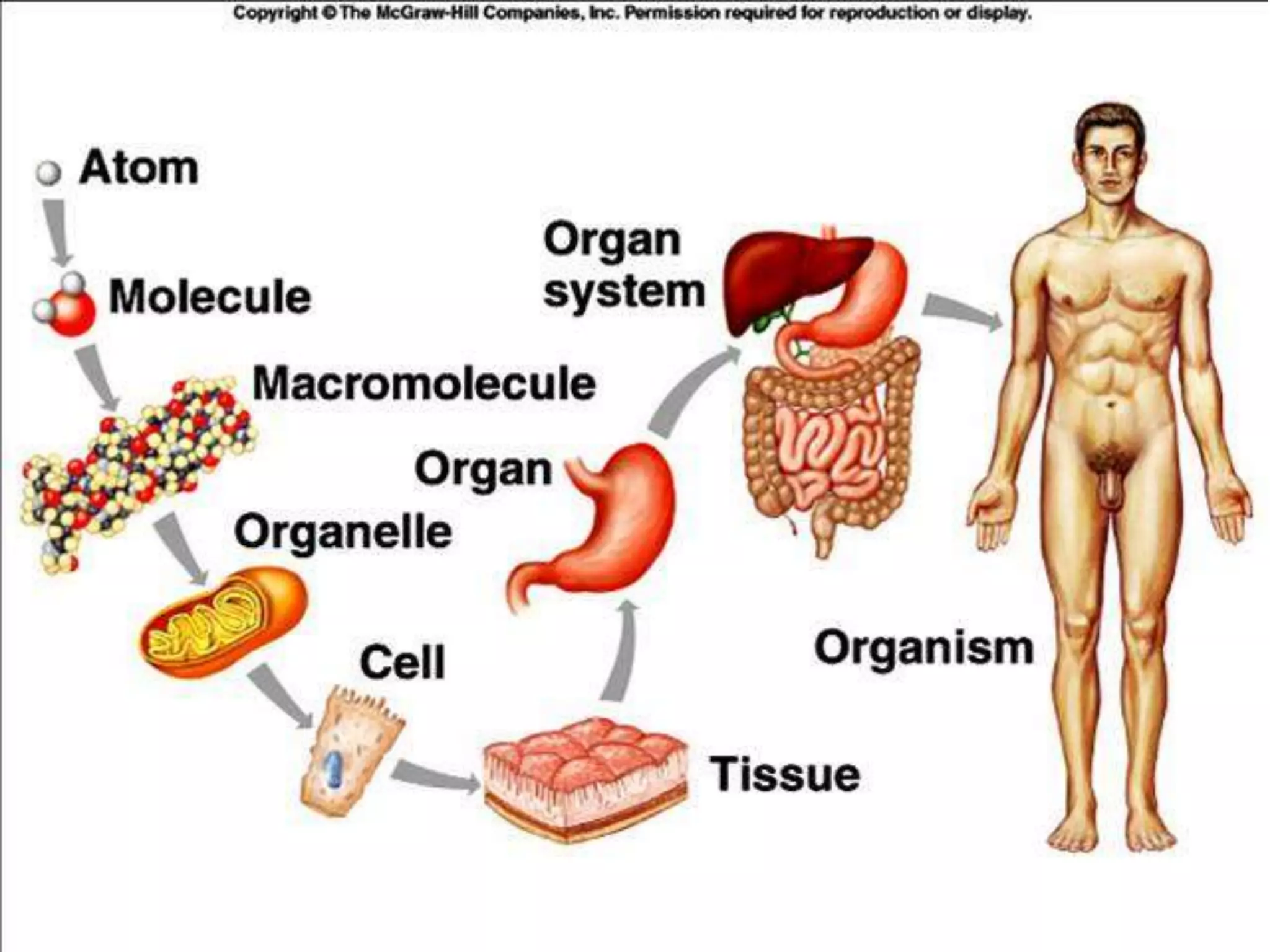
(3) Organization in
Multicellular Organisms
• Most Basic Level = Atoms & Molecules
–Cells
–Tissues (made of cells)
–Organs (made of tissues)
–Organ Systems (made of organs)
–Organism (made of organ systems)
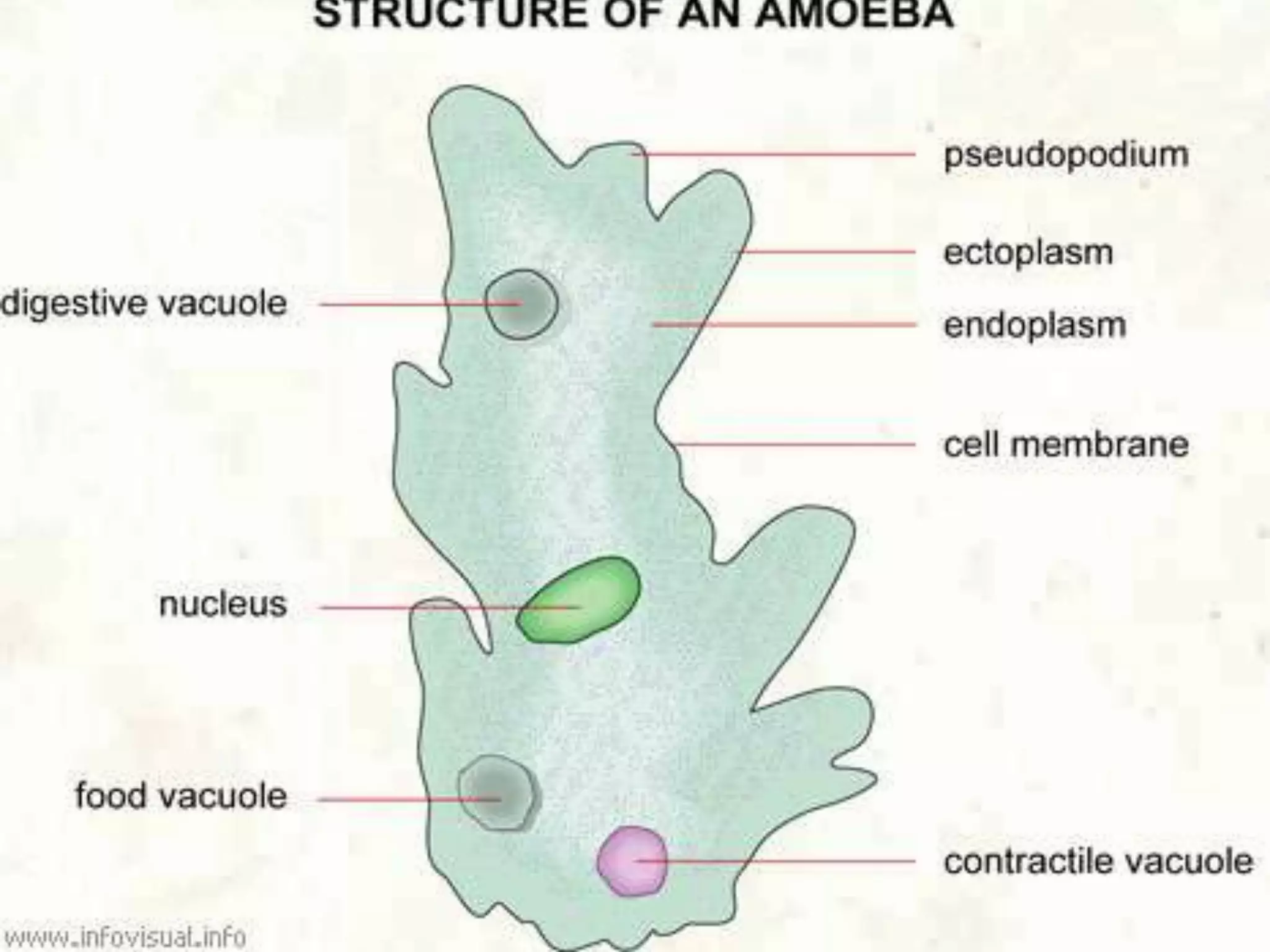
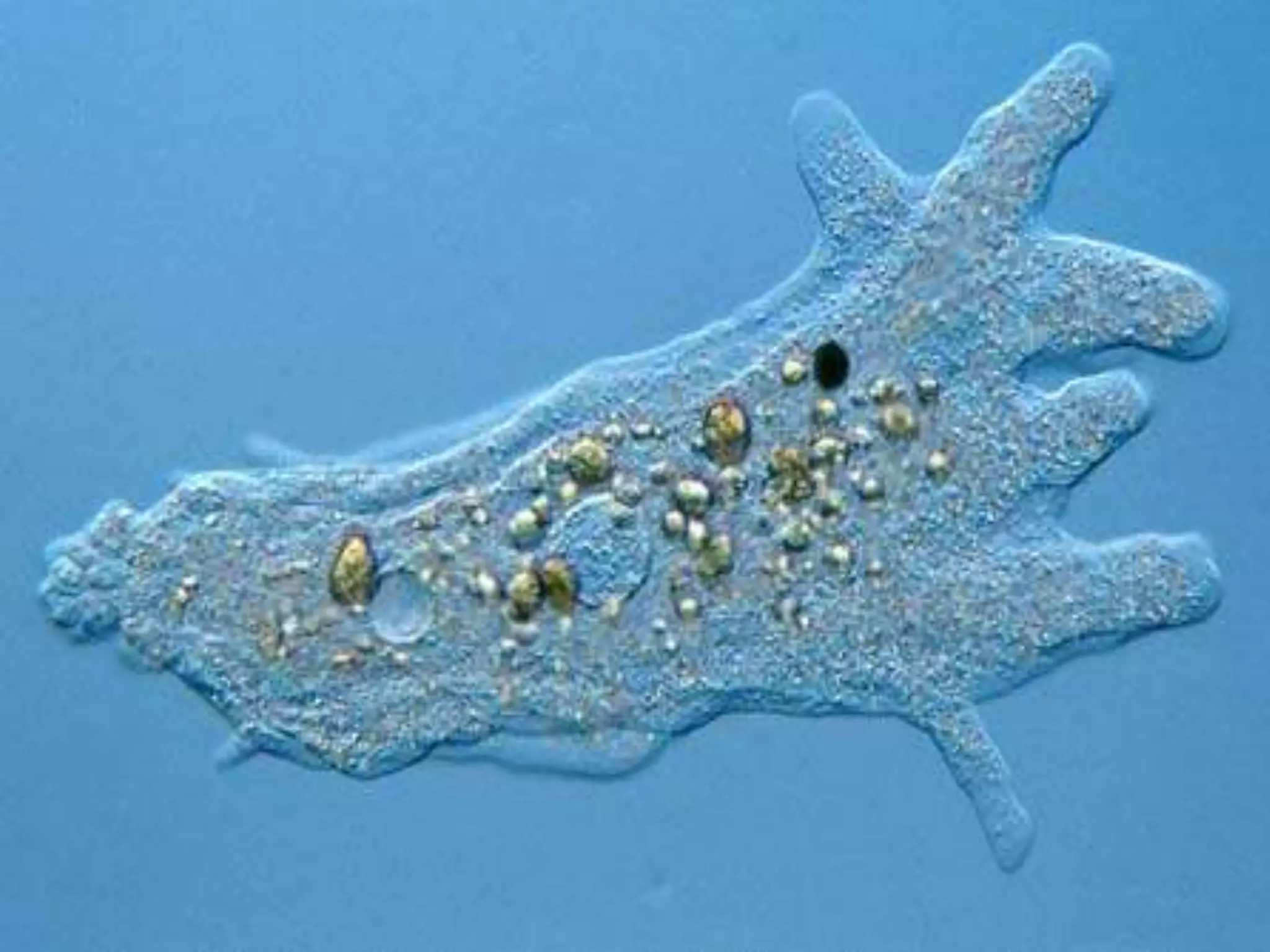
(5) Amoeba
• Eukaryotic, Unicellular Organism.
• Their Unique Structures:
– Pseudopods  Cytoplasm “feet” that allow it to move
around.
– Contractile Vacuole  Regulates water levels.
(4) Amoeba
• How Do Amoeba Eat?
– Phagocytosis:
Amoeba hunt for prey (other cells) by surrounding
them and engulfing them.
– Endocytosis:
A process where cells fuse other cells/vacuoles with
their membrane, in order to bring nutrients inside.
– Exocytosis:
A process where cells wrap waste/nutrients in vacuoles
and push them out of their outer-membranes
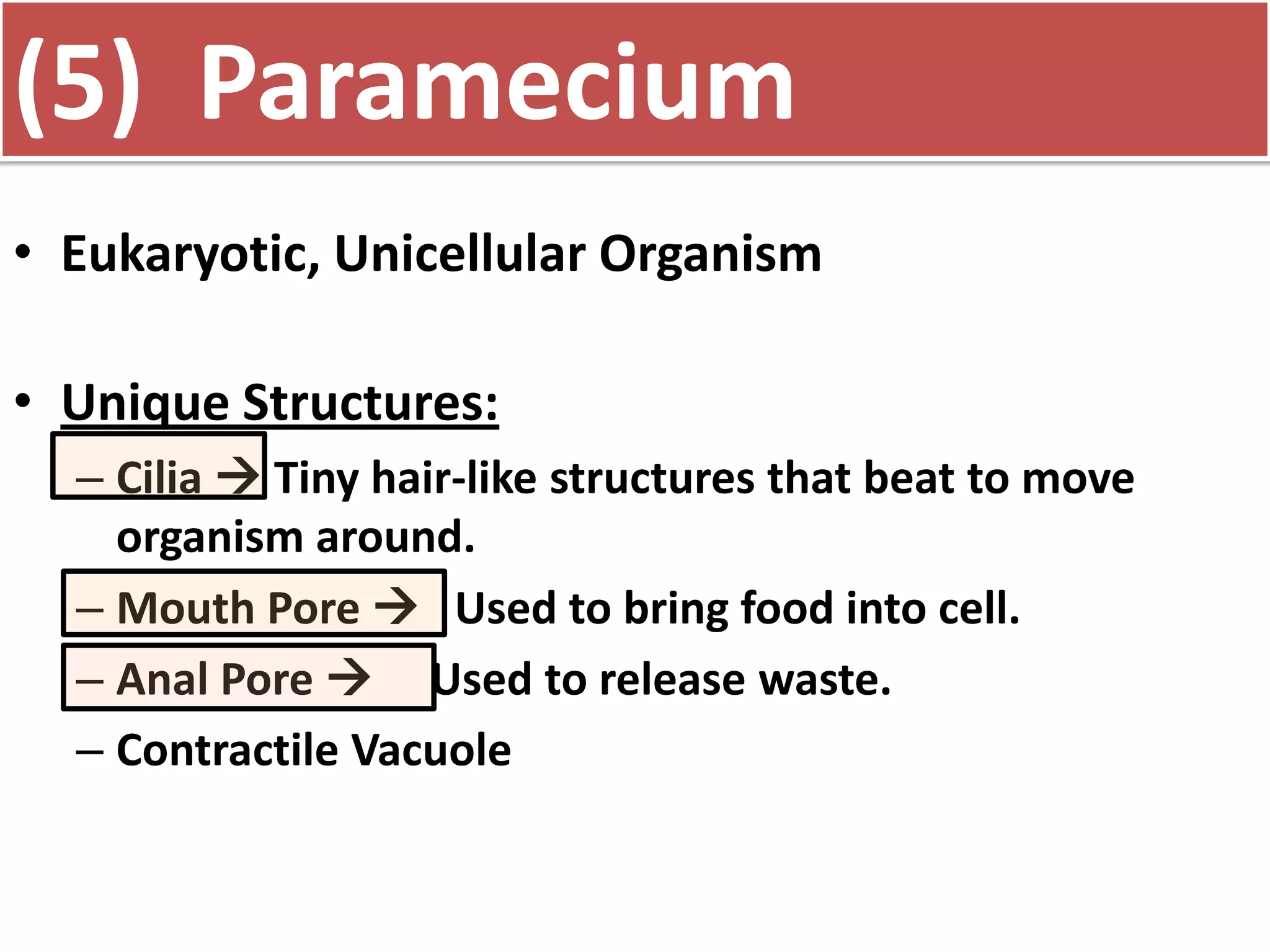
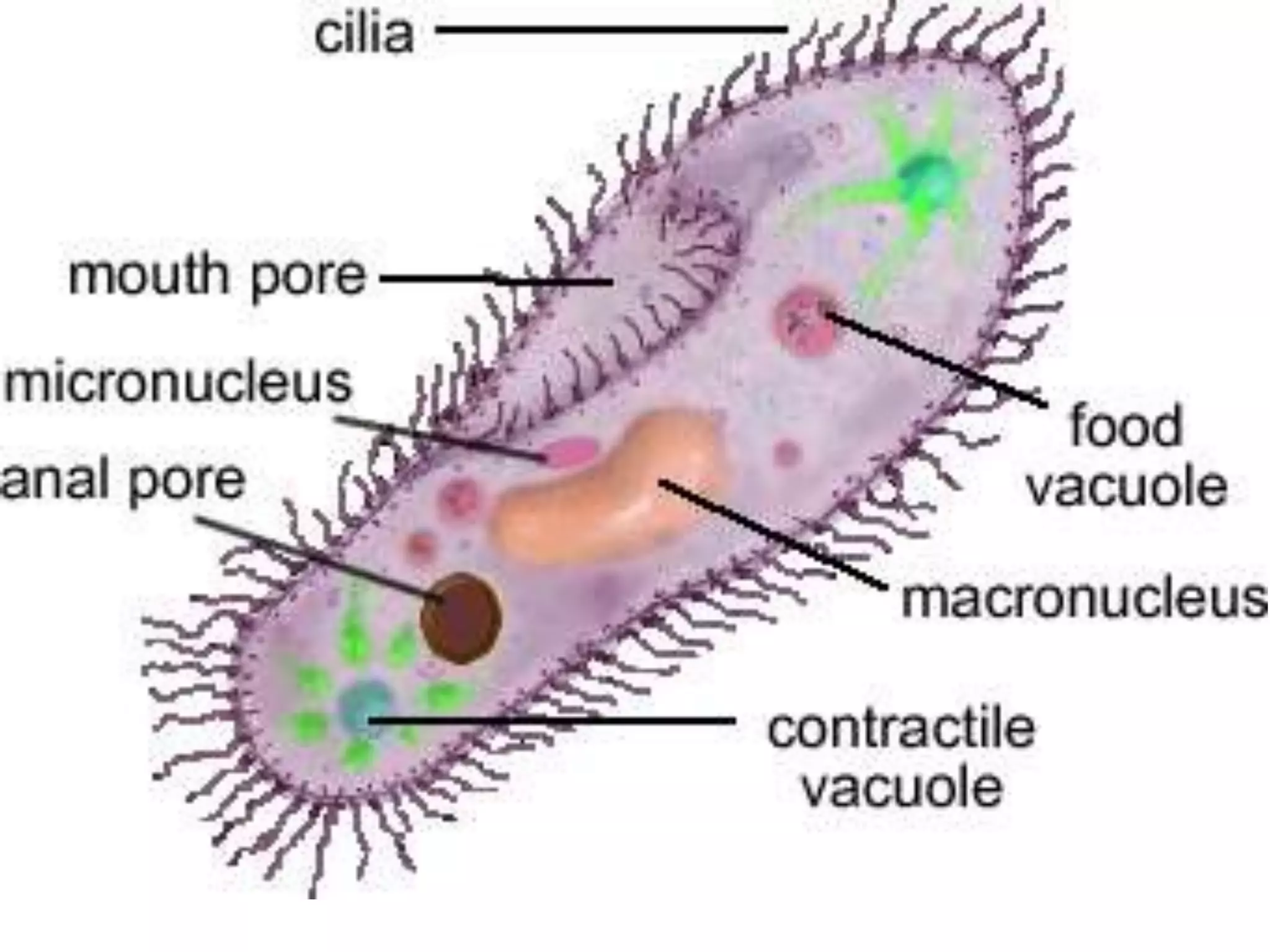
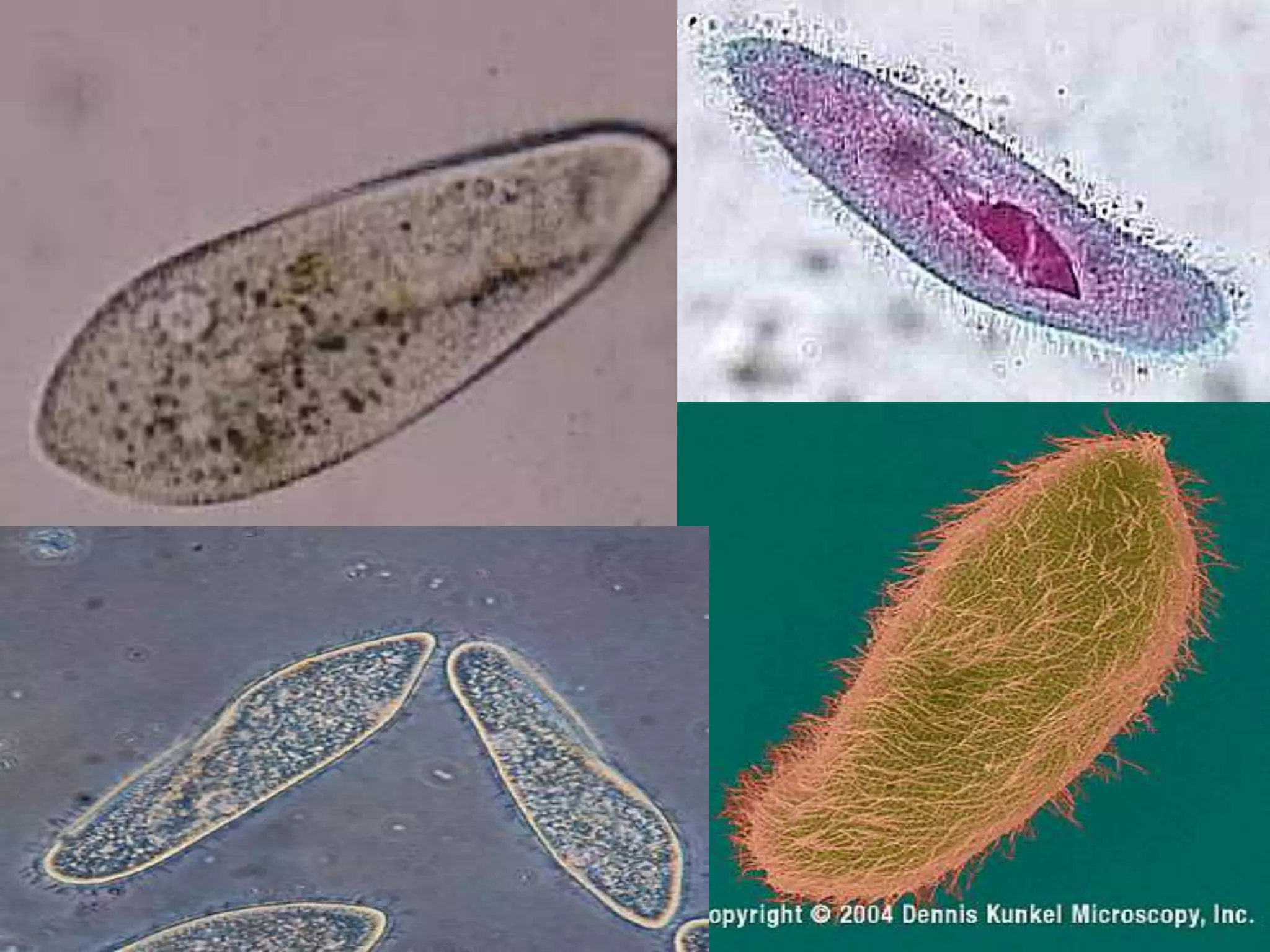
(5) Paramecium
• Eukaryotic, Unicellular Organism
• Unique Structures:
– Cilia  Tiny hair-like structures that beat to move
organism around.
– Mouth Pore  Used to bring food into cell.
– Anal Pore  Used to release waste.
– Contractile Vacuole
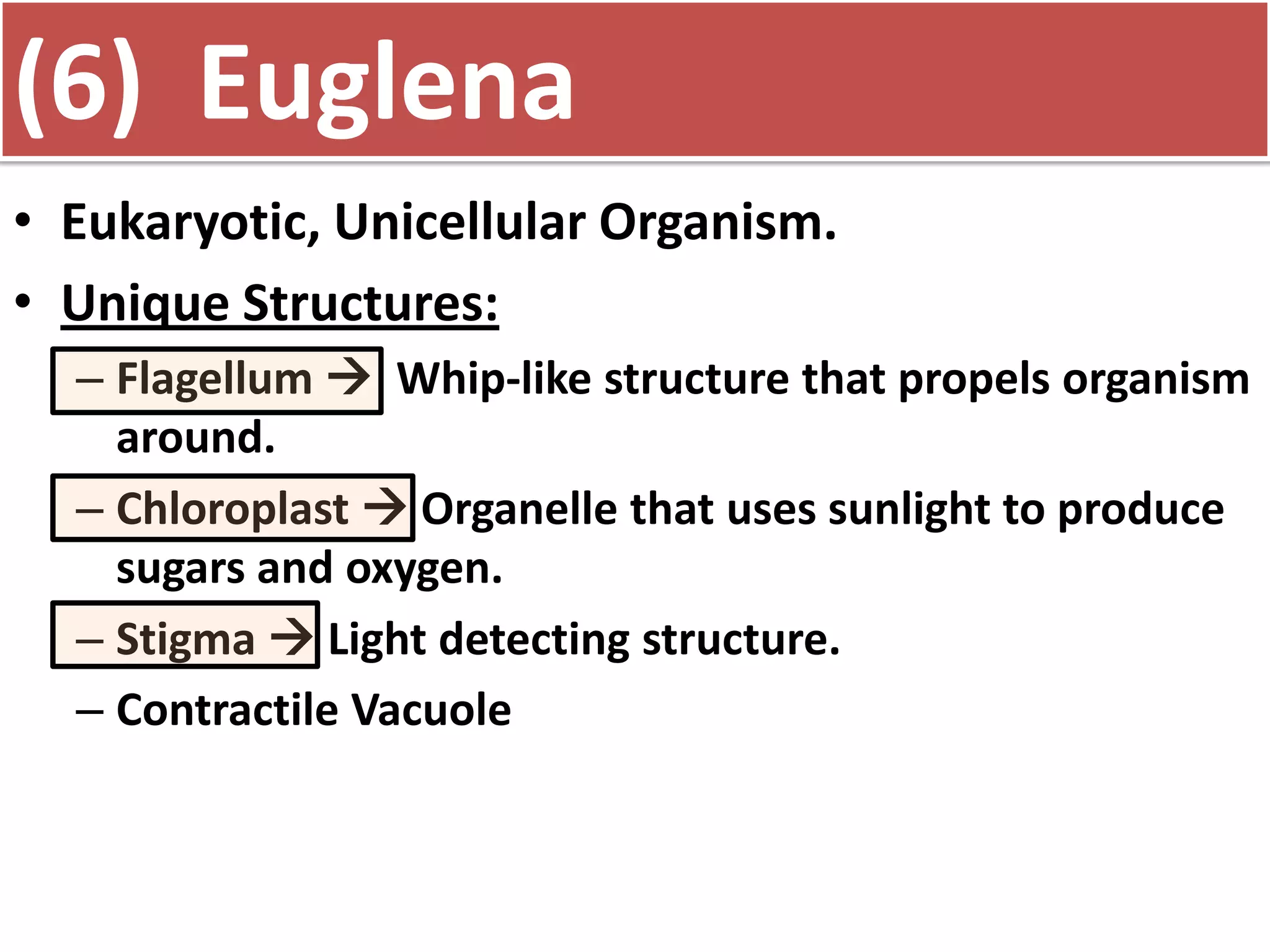
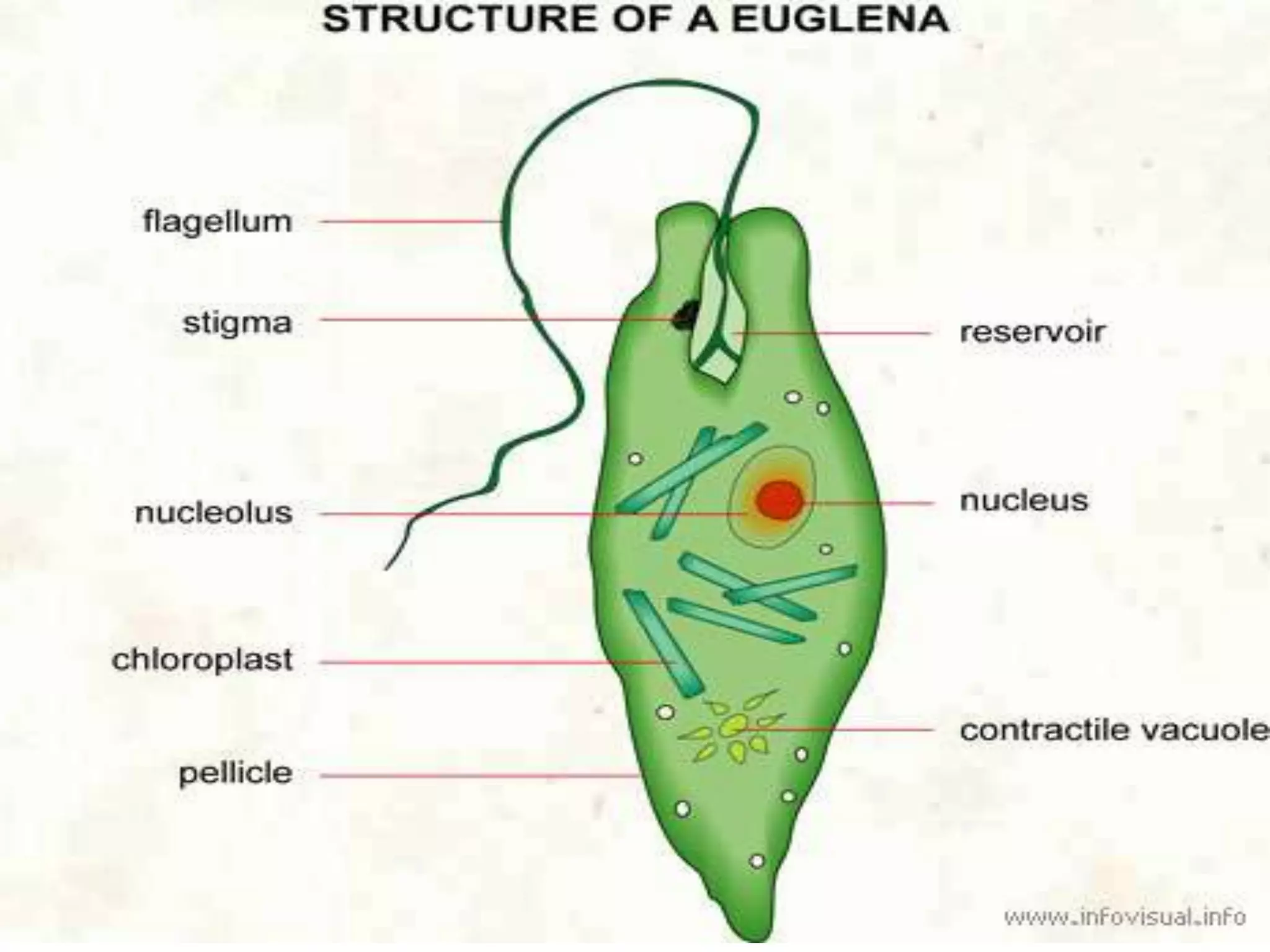
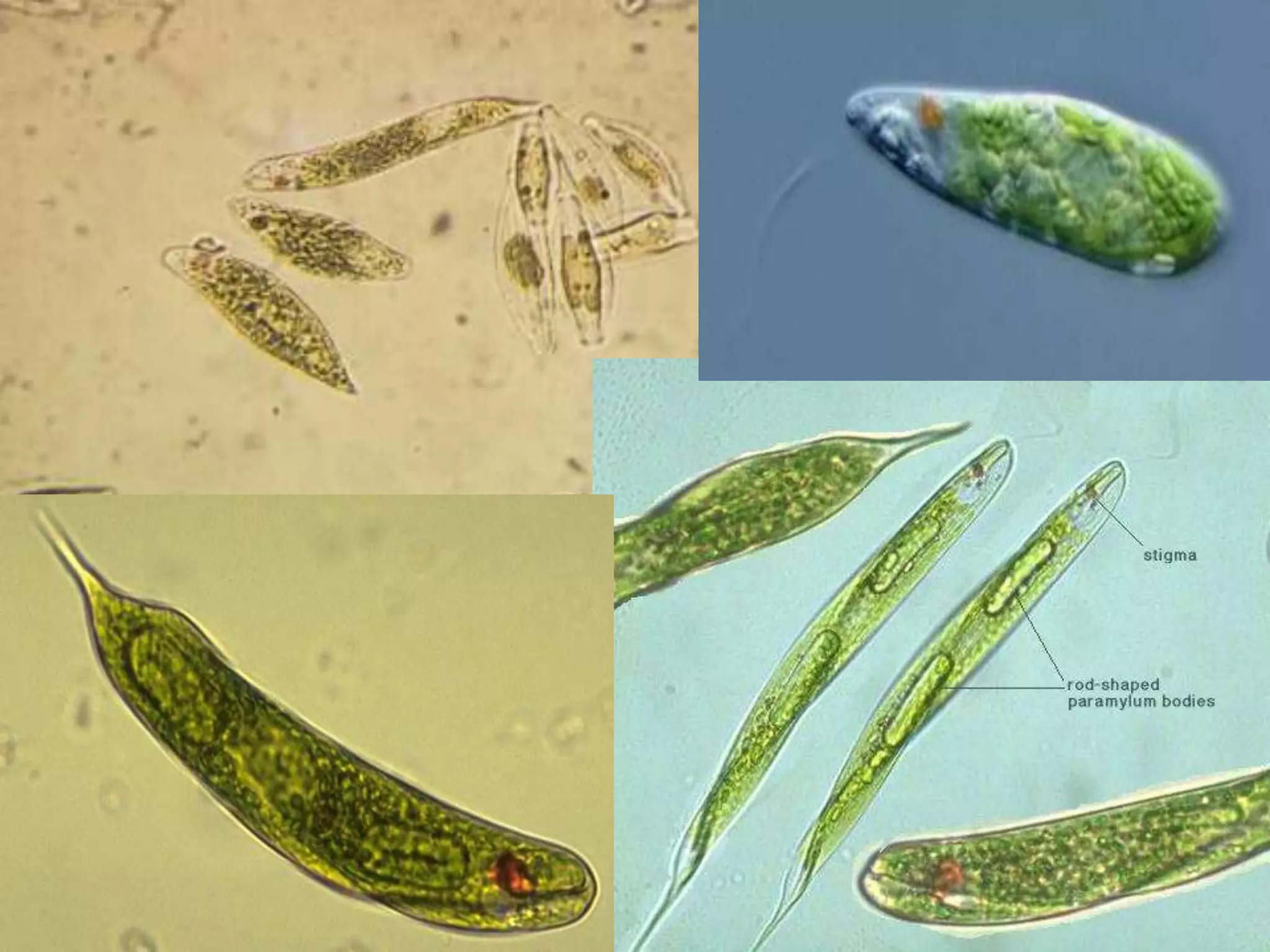
(6) Euglena
• Eukaryotic, Unicellular Organism.
• Unique Structures:
– Flagellum  Whip-like structure that propels organism
around.
– Chloroplast  Organelle that uses sunlight to produce
sugars and oxygen.
– Stigma  Light detecting structure.
– Contractile Vacuole
Biology unit 2 cells types of cells notes

Biology unit 2 cells types of cells notes

  • 1.
  • 2.
    (1) Types ofCells • Prokaryotic Cells: Cells without a nucleus. –Pro = before ; -Karyo = nucleus –Cells that evolved before a nucleus • Eukaryotic Cells: Cells with a nucleus and multiple organelles. –Eu = true ; -Karyo = nucleus –Cells with a true nucleus –*Humans are made with eukaryotic cells.
  • 3.
    (2) Uni versusMulti • Unicellular Organisms: Organisms made of only a single cell. *Many of the pond water organisms. • Multicellular Organisms: Organisms made of trillions of specialized cells. *Humans .
  • 4.
    (3) Organization in MulticellularOrganisms • Most Basic Level = Atoms & Molecules –Cells –Tissues (made of cells) –Organs (made of tissues) –Organ Systems (made of organs) –Organism (made of organ systems)
  • 6.
    (5) Amoeba • Eukaryotic,Unicellular Organism. • Their Unique Structures: – Pseudopods  Cytoplasm “feet” that allow it to move around. – Contractile Vacuole  Regulates water levels. (4) Amoeba
  • 7.
    • How DoAmoeba Eat? – Phagocytosis: Amoeba hunt for prey (other cells) by surrounding them and engulfing them. – Endocytosis: A process where cells fuse other cells/vacuoles with their membrane, in order to bring nutrients inside. – Exocytosis: A process where cells wrap waste/nutrients in vacuoles and push them out of their outer-membranes
  • 10.
    (5) Paramecium • Eukaryotic,Unicellular Organism • Unique Structures: – Cilia  Tiny hair-like structures that beat to move organism around. – Mouth Pore  Used to bring food into cell. – Anal Pore  Used to release waste. – Contractile Vacuole
  • 13.
    (6) Euglena • Eukaryotic,Unicellular Organism. • Unique Structures: – Flagellum  Whip-like structure that propels organism around. – Chloroplast  Organelle that uses sunlight to produce sugars and oxygen. – Stigma  Light detecting structure. – Contractile Vacuole