
Beating Heart Bypass Surgery –
Things You Should Know
Introduction
• Coronary Artery Bypass Grafting (CABG), commonly referred Bypass
Surgery, is a surgical procedure that redirects blood flow around a
blockage or narrowed section in the major arteries supplying blood
and oxygen to the heart.
• A cardiac surgeon can perform the bypass surgery in any of the 2
ways,
1. Beating Heart Bypass Surgery is CABG performed while your
heart is still beating, and does not require a heart-lung
machine. This method has become more common during the
recent times.
Contd.
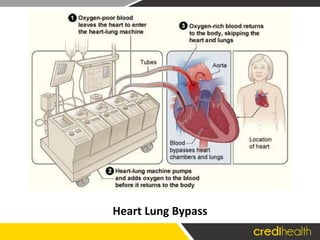
2. The other, more traditional method of Cardiopulmonary
Bypass (CPB) uses a heart-lung machine and involves
temporarily stopping the heart and replacing it with the
machine.
• Get Bypass Surgery Cost in Delhi from Trusted Hospitals –
FREE
Heart Lung Bypass
When is Beating Heart Bypass
Surgery recommended?
• The heart requires a constant supply of blood and oxygen.
• The left and right coronary arteries supplying these to the heart can
develop a condition known as Atherosclerosis, in which these
arteries become narrowed due to fatty-acid build-up.
• The condition is also known as Coronary Heart Disease.
• Severe atherosclerosis interferes with the supply of oxygen-rich
blood to the heart muscles and cause chest pain, an ailment called
Angina.
Contd.
• A cardiac surgeon may consider a bypass surgery in the
following situations:
– Angina is severe and your heart muscles fall short of oxygen
supply with even the lightest form of activity or at rest.
– There are blockages in more than one artery supplying blood to
the heart.
– Artery blockages could not be treated with medication or
artery-opening procedures like angioplasty, or you have been
through a previously unsuccessful angioplasty.
– Emergency situations like a heart attack may prompt the CABG.
• Read about Questions to Ask Before CABG
Understanding Beating Heart Bypass
Surgery Procedure
1. Before the Procedure
– Your doctor will guide you through necessary medication,
restrictions on diet and changes lifestyle ahead of your surgery.
– Various pre-surgical tests like the electrocardiogram (ECG),
coronary angiogram, chest X-rays and blood tests will determine
your overall health and current status of artery blockages.
– It is a good time to ask your doctor and other members of your
healthcare team any questions or concerns you may have
regarding the procedure.
2. During the Procedure
– Beating heart CABG surgery typically lasts 3 to 6 hours but may
vary depending on the severity and number of blockages in the
heart.
– The surgery is performed under the effect of a general
anaesthesia.
– The surgeon begins the procedure by removing a segment of a
healthy artery or vein (graft) from another part of your body.
– Grafts are usually taken from the leg (saphenous vein), inside
the chest (internal mammary artery) or the arm (radial artery).
– Once the graft is ready, the surgeon makes an incision in the
centre of the chest, along the breastbone, and spreads open the
rib cage to access the heart.
Contd.
– Unlike the CBP procedure that stops the heart temporarily and
allows circulation of blood to body through the heart-lung
machine, heart continues to beat in the beating heart CABG.
– The surgeon stabilises the area of the heart to be worked on
using a stabilisation device.
– The device gently attaches itself to the surface of the heart
through small suction pods that will steady the heart’s
movement in that area.
– Next, one end of the graft is attached to the area that lies just
above the blockage in heart artery.
– The other end is attached to an area below the blockage. Once
the graft is successfully implanted over the blocked blood
vessel, normal blood flow resumes in that portion.
3. Recovery
– Depending on your response to the procedure, you will be
monitored in the intensive care unit (ICU) for a day or two post
the surgery before being transferred to regular hospital care for
some more time.
– Discharge may take place within a week, but it will take another
three to four weeks before you start feeling better and be able
to resume some of your daily activities.
– Your doctor may recommend you to attend a cardiac
rehabilitation programme for recovery through exercise and
education therapy.
– Follow-up check ups as directed by your hospital will help
monitor your progress and take note of any relapse in
treatment.
• Read more about Recovery after CABG.
4. Risk
• Possible risks from a coronary bypass surgery include:
– Chest wound infection
– Heart rhythm problems or stroke
– Arrhythmias
– Post-pericardiotomy syndrome, or low fever and chest pain
– Disruption of cognitive abilities and memory loss
– Clinical studies have linked beating heart CABG procedure to
shorter post-operative stays and reduced complications after
surgery as compared to the CPB.
– A beating heart CABG surgery effectively restores blood supply
to your heart.
– However, only heart-healthy lifestyle changes will maintain the
positive, long-term results of the surgery.
• Read about Lifestyle Changes for a Healthy Heart

Beating Heart Bypass Surgery – Things you should know

  • 1.
    Beating Heart BypassSurgery – Things You Should Know
  • 2.
    Introduction • Coronary ArteryBypass Grafting (CABG), commonly referred Bypass Surgery, is a surgical procedure that redirects blood flow around a blockage or narrowed section in the major arteries supplying blood and oxygen to the heart. • A cardiac surgeon can perform the bypass surgery in any of the 2 ways, 1. Beating Heart Bypass Surgery is CABG performed while your heart is still beating, and does not require a heart-lung machine. This method has become more common during the recent times.
  • 3.
    Contd. 2. The other,more traditional method of Cardiopulmonary Bypass (CPB) uses a heart-lung machine and involves temporarily stopping the heart and replacing it with the machine. • Get Bypass Surgery Cost in Delhi from Trusted Hospitals – FREE
  • 4.
  • 5.
    When is BeatingHeart Bypass Surgery recommended? • The heart requires a constant supply of blood and oxygen. • The left and right coronary arteries supplying these to the heart can develop a condition known as Atherosclerosis, in which these arteries become narrowed due to fatty-acid build-up. • The condition is also known as Coronary Heart Disease. • Severe atherosclerosis interferes with the supply of oxygen-rich blood to the heart muscles and cause chest pain, an ailment called Angina.
  • 6.
    Contd. • A cardiacsurgeon may consider a bypass surgery in the following situations: – Angina is severe and your heart muscles fall short of oxygen supply with even the lightest form of activity or at rest. – There are blockages in more than one artery supplying blood to the heart. – Artery blockages could not be treated with medication or artery-opening procedures like angioplasty, or you have been through a previously unsuccessful angioplasty. – Emergency situations like a heart attack may prompt the CABG. • Read about Questions to Ask Before CABG
  • 7.
    Understanding Beating HeartBypass Surgery Procedure 1. Before the Procedure – Your doctor will guide you through necessary medication, restrictions on diet and changes lifestyle ahead of your surgery. – Various pre-surgical tests like the electrocardiogram (ECG), coronary angiogram, chest X-rays and blood tests will determine your overall health and current status of artery blockages. – It is a good time to ask your doctor and other members of your healthcare team any questions or concerns you may have regarding the procedure.
  • 8.
    2. During theProcedure – Beating heart CABG surgery typically lasts 3 to 6 hours but may vary depending on the severity and number of blockages in the heart. – The surgery is performed under the effect of a general anaesthesia. – The surgeon begins the procedure by removing a segment of a healthy artery or vein (graft) from another part of your body. – Grafts are usually taken from the leg (saphenous vein), inside the chest (internal mammary artery) or the arm (radial artery). – Once the graft is ready, the surgeon makes an incision in the centre of the chest, along the breastbone, and spreads open the rib cage to access the heart.
  • 9.
    Contd. – Unlike theCBP procedure that stops the heart temporarily and allows circulation of blood to body through the heart-lung machine, heart continues to beat in the beating heart CABG. – The surgeon stabilises the area of the heart to be worked on using a stabilisation device. – The device gently attaches itself to the surface of the heart through small suction pods that will steady the heart’s movement in that area. – Next, one end of the graft is attached to the area that lies just above the blockage in heart artery. – The other end is attached to an area below the blockage. Once the graft is successfully implanted over the blocked blood vessel, normal blood flow resumes in that portion.
  • 10.
    3. Recovery – Dependingon your response to the procedure, you will be monitored in the intensive care unit (ICU) for a day or two post the surgery before being transferred to regular hospital care for some more time. – Discharge may take place within a week, but it will take another three to four weeks before you start feeling better and be able to resume some of your daily activities. – Your doctor may recommend you to attend a cardiac rehabilitation programme for recovery through exercise and education therapy. – Follow-up check ups as directed by your hospital will help monitor your progress and take note of any relapse in treatment. • Read more about Recovery after CABG.
  • 11.
    4. Risk • Possiblerisks from a coronary bypass surgery include: – Chest wound infection – Heart rhythm problems or stroke – Arrhythmias – Post-pericardiotomy syndrome, or low fever and chest pain – Disruption of cognitive abilities and memory loss – Clinical studies have linked beating heart CABG procedure to shorter post-operative stays and reduced complications after surgery as compared to the CPB. – A beating heart CABG surgery effectively restores blood supply to your heart. – However, only heart-healthy lifestyle changes will maintain the positive, long-term results of the surgery. • Read about Lifestyle Changes for a Healthy Heart