

ARTIFICIAL 
INTELLIGENCE
WHAT IS AI? 
It is the ability of a digital computer or computer 
controlled robot to perform tasks commonly 
associated with intelligent beings. 
It is a branch of Science which deals with helping 
machines finds solutions to complex problems in a 
more human-like fashion. 
It is generally involves borrowing characteristics 
from human intelligence, and applying them as 
algorithms in a computer friendly way.
WHO DOES AI? 
Many disciplines contribute to goal of 
creating/modelling intelligent entities: 
 Computer Science 
 Psychology (human reasoning) 
 Philosophy (nature of belief, rationality, etc) 
 Linguistics (structure and meaning of 
language) 
 Human Biology (how brain works)
TWO MAIN GOAL OF AI 
 To understand human intelligence 
better. We test theories of human 
intelligence by writing programs which 
emulate it. 
 To create useful “smart” programs able 
to do tasks that would normally require 
a human expert.
APPLICATION OF 
ARTIFICIAL 
INTELLIGENCE
ROBOTS 
 A Robot is a electro-mechanical device that can by 
programmed to perform manual tasks or a 
reprogrammable multi functional manipulator designed 
to move materials, parts, tools, or specialized devices 
through variable programmed motions for performance 
of variety of tasks. 
 An ‘intelligent’ robot includes some kind of 
sensory apparatus that allows it to respond to change in 
it’s environment
DRIVERLESS TRANSPORT 
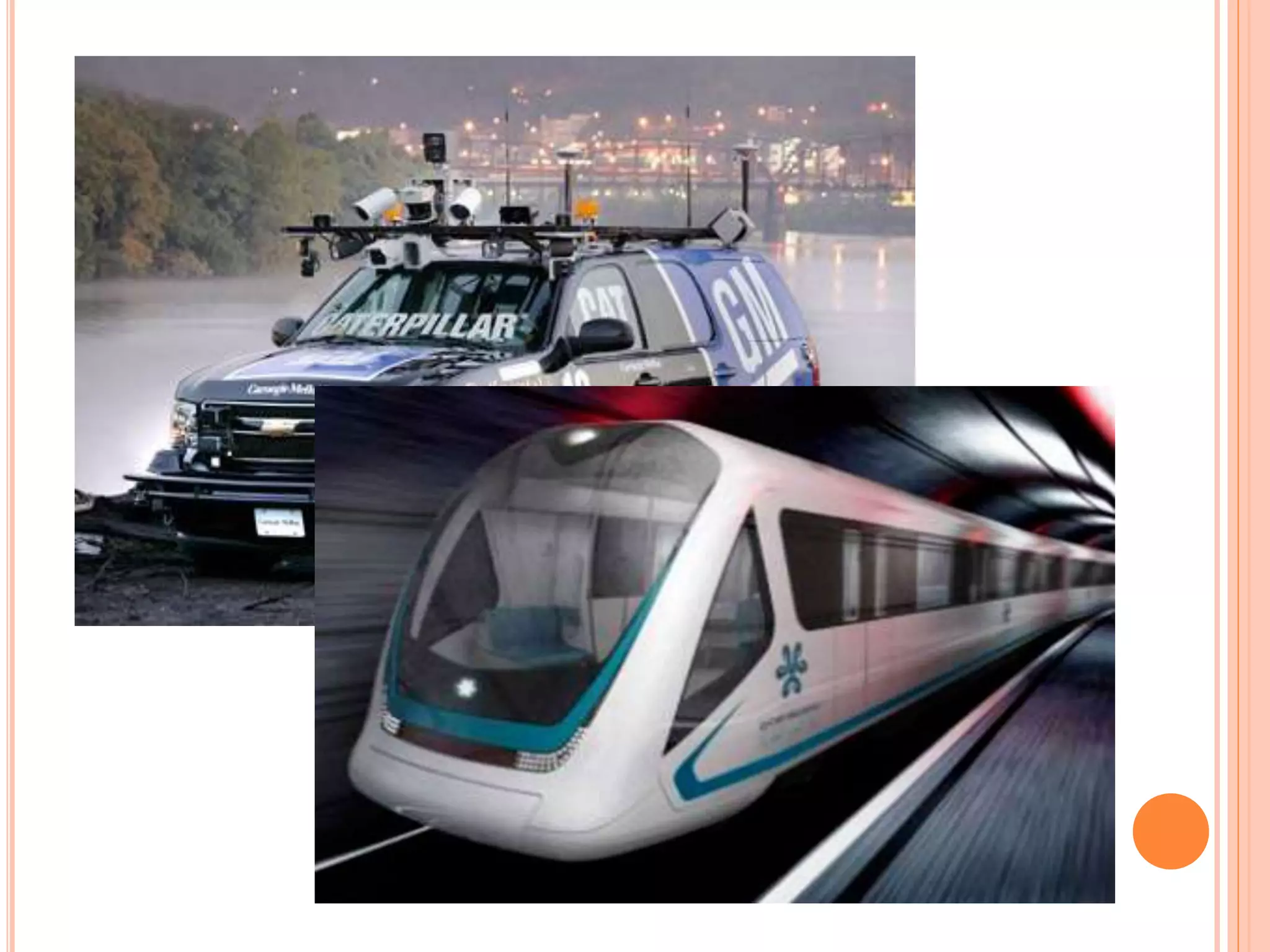
• Google has been investing in a driverless car, and has completed over 
480,000 autonomous-driving miles accident-free. 
• Through the use of cameras, sensors and special software built into 
vehicles manufacturers have been able to build cars that park 
themselves at the touch of a button. 
• Driverless trains carry passengers from city to city in Japan without 
the need for human help. 
• Google’s driverless car relies on lasers and sensors to spot obstacles, 
interpret signs and interact with traffic and pedestrians. 
• Artificial intelligence takes away the responsibility from the drivers, 
and also eliminates the danger of distracted driving and boasts a 
reaction time much faster than that of any human.
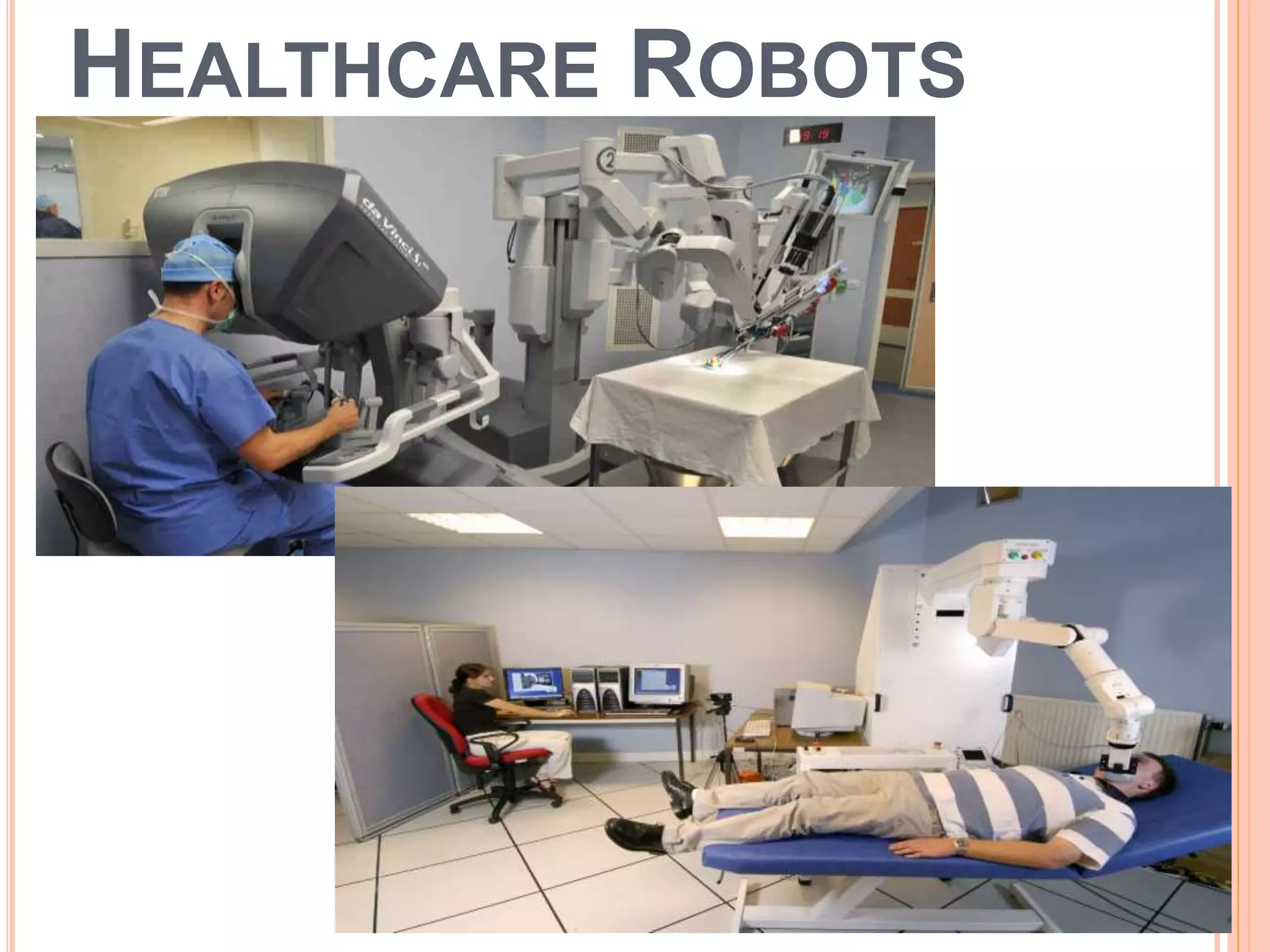
SURGICAL AID ROBOTS 
• Cedars-Sinai Medical Center relies on special software to examine the 
heart and stop heart attacks before they occur 
• Artificial muscles feature smart technology that allows them to 
function more like real muscles. 
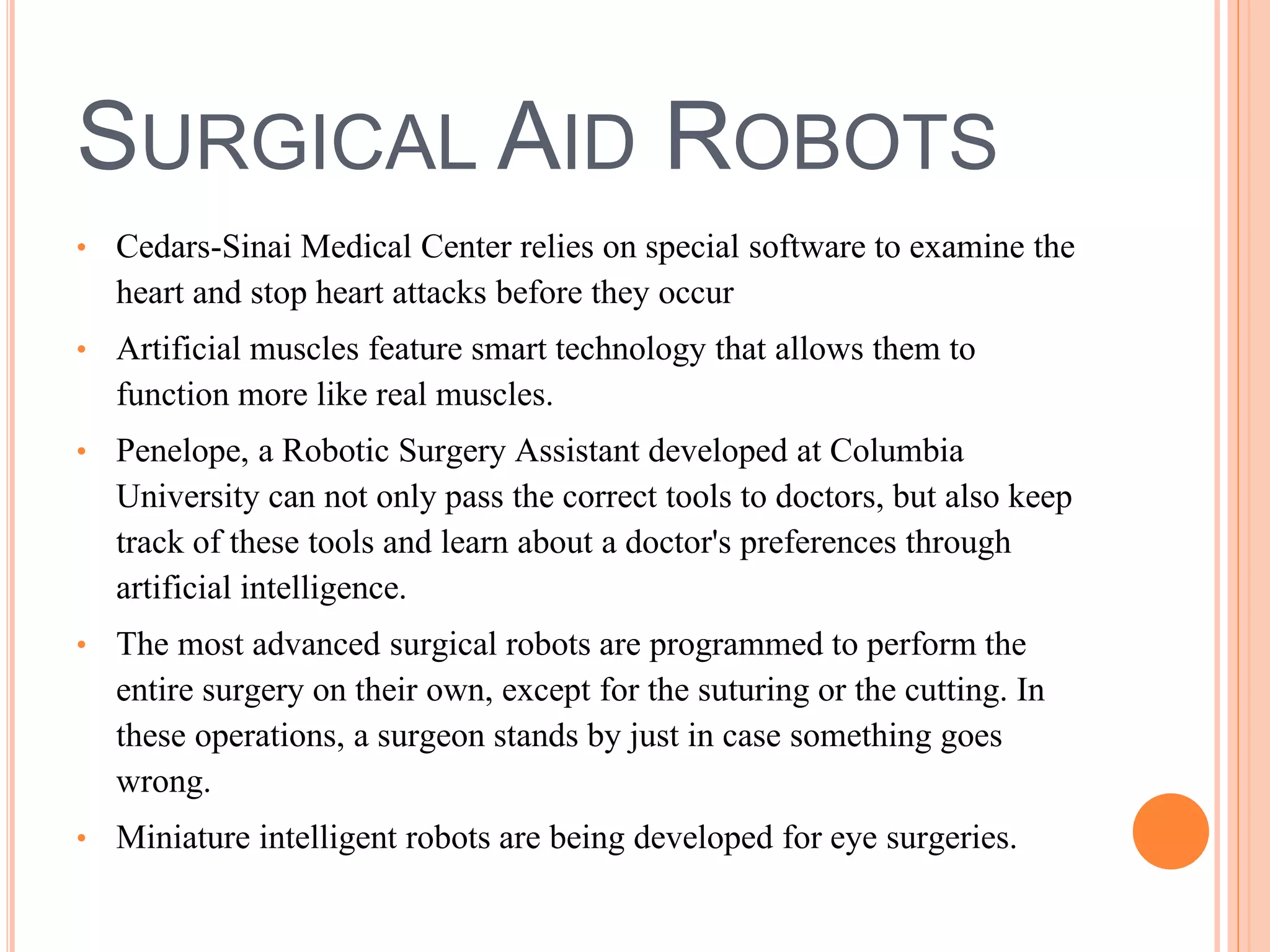
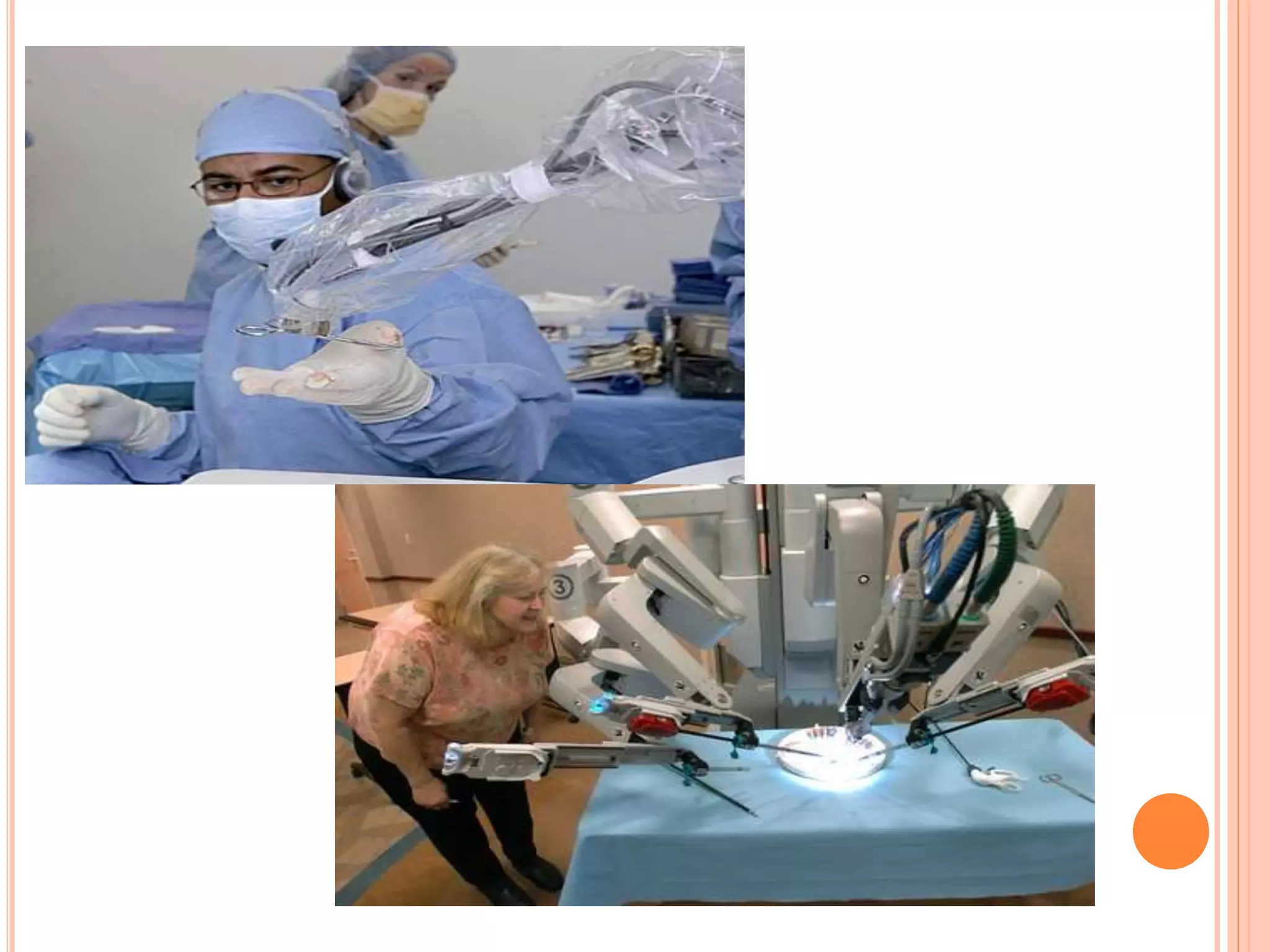
• Penelope, a Robotic Surgery Assistant developed at Columbia 
University can not only pass the correct tools to doctors, but also keep 
track of these tools and learn about a doctor's preferences through 
artificial intelligence. 
• The most advanced surgical robots are programmed to perform the 
entire surgery on their own, except for the suturing or the cutting. In 
these operations, a surgeon stands by just in case something goes 
wrong. 
• Miniature intelligent robots are being developed for eye surgeries.
AUTOMATED ASSEMBLY LINES AND 
DANGEROUS JOBS 
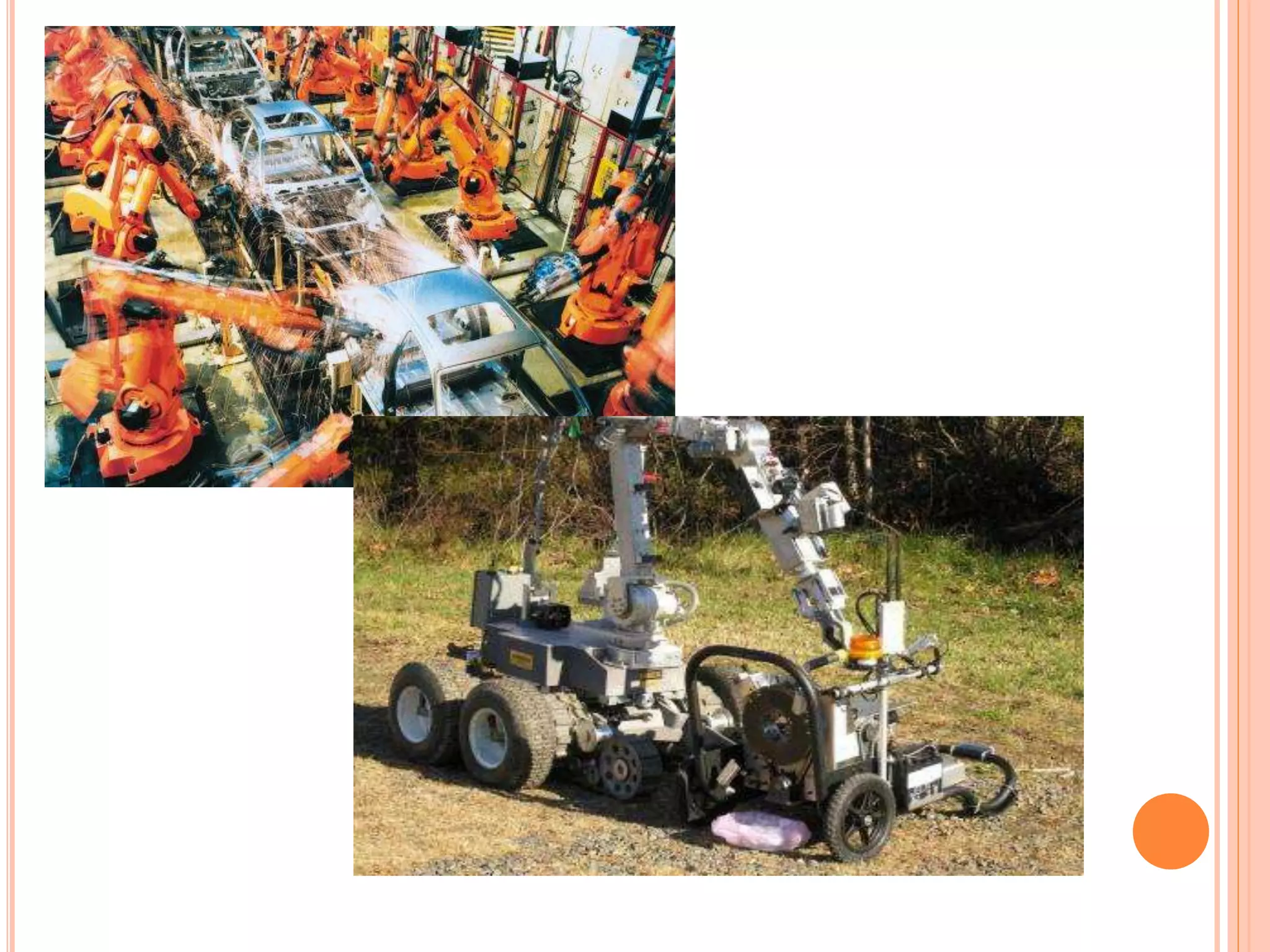
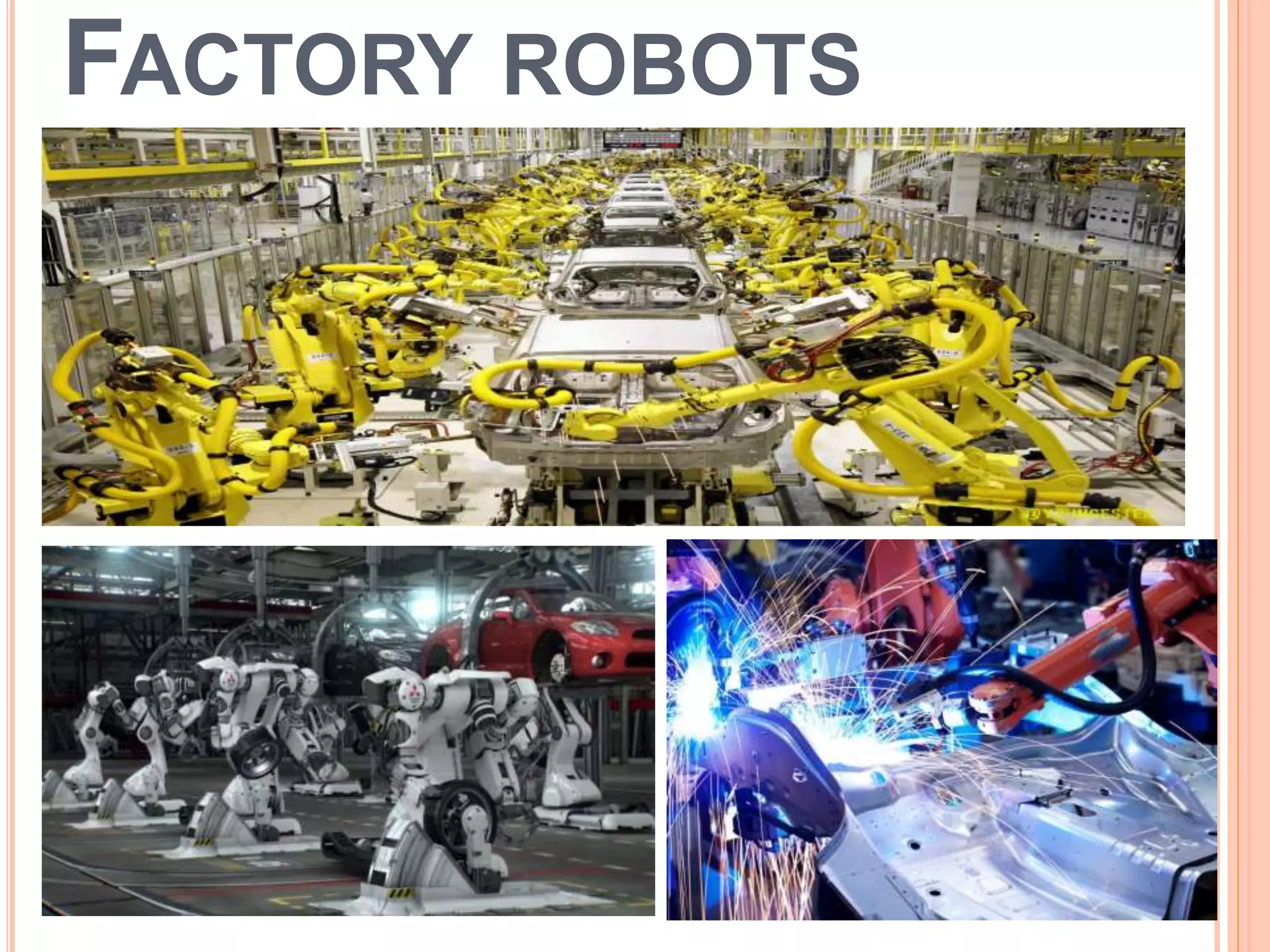
• Some countries have put smart robots to work disabling land 
mines and handling radioactive materials in order to limit 
the risk to human workers. 
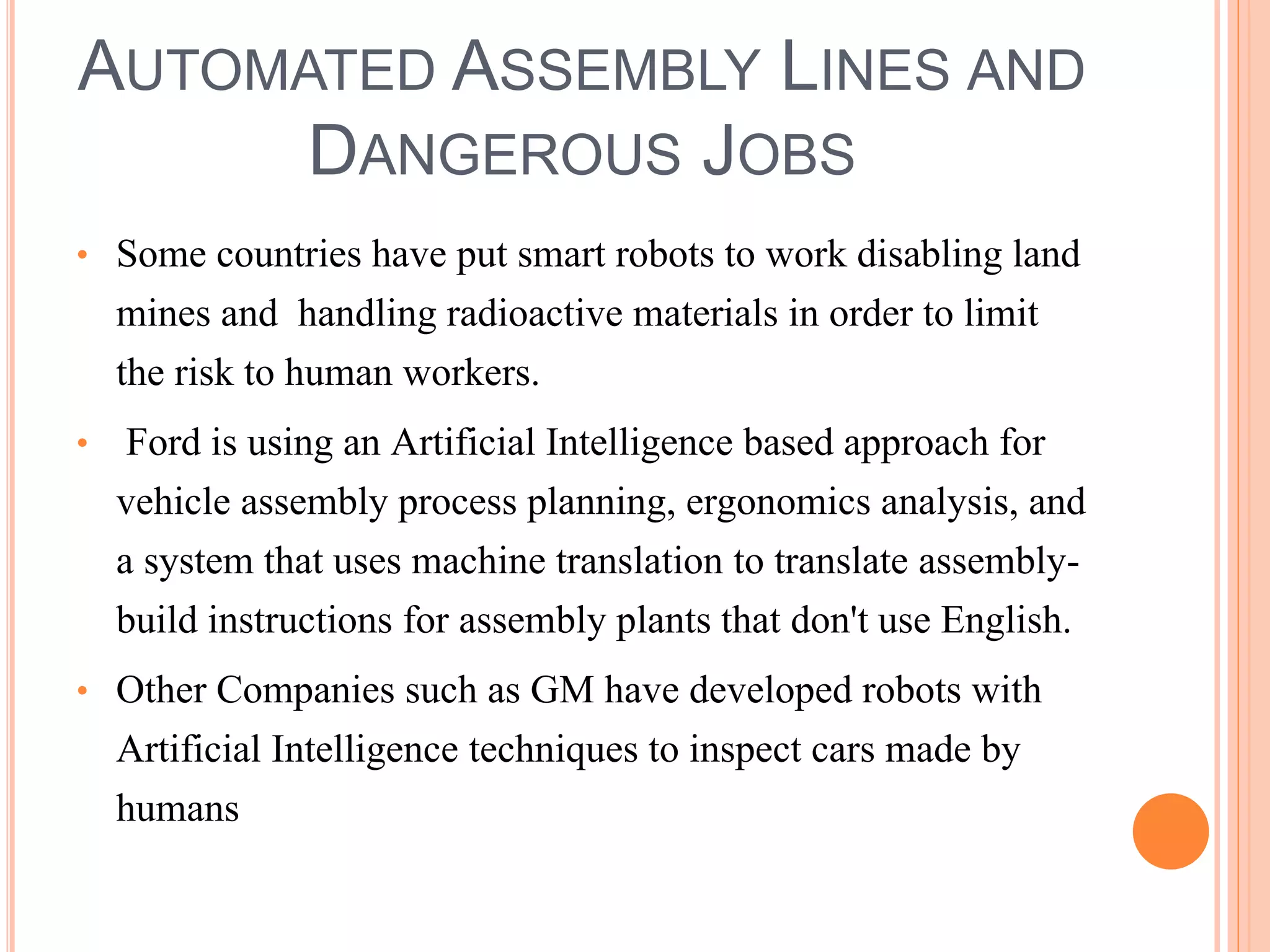
• Ford is using an Artificial Intelligence based approach for 
vehicle assembly process planning, ergonomics analysis, and 
a system that uses machine translation to translate assembly-build 
instructions for assembly plants that don't use English. 
• Other Companies such as GM have developed robots with 
Artificial Intelligence techniques to inspect cars made by 
humans
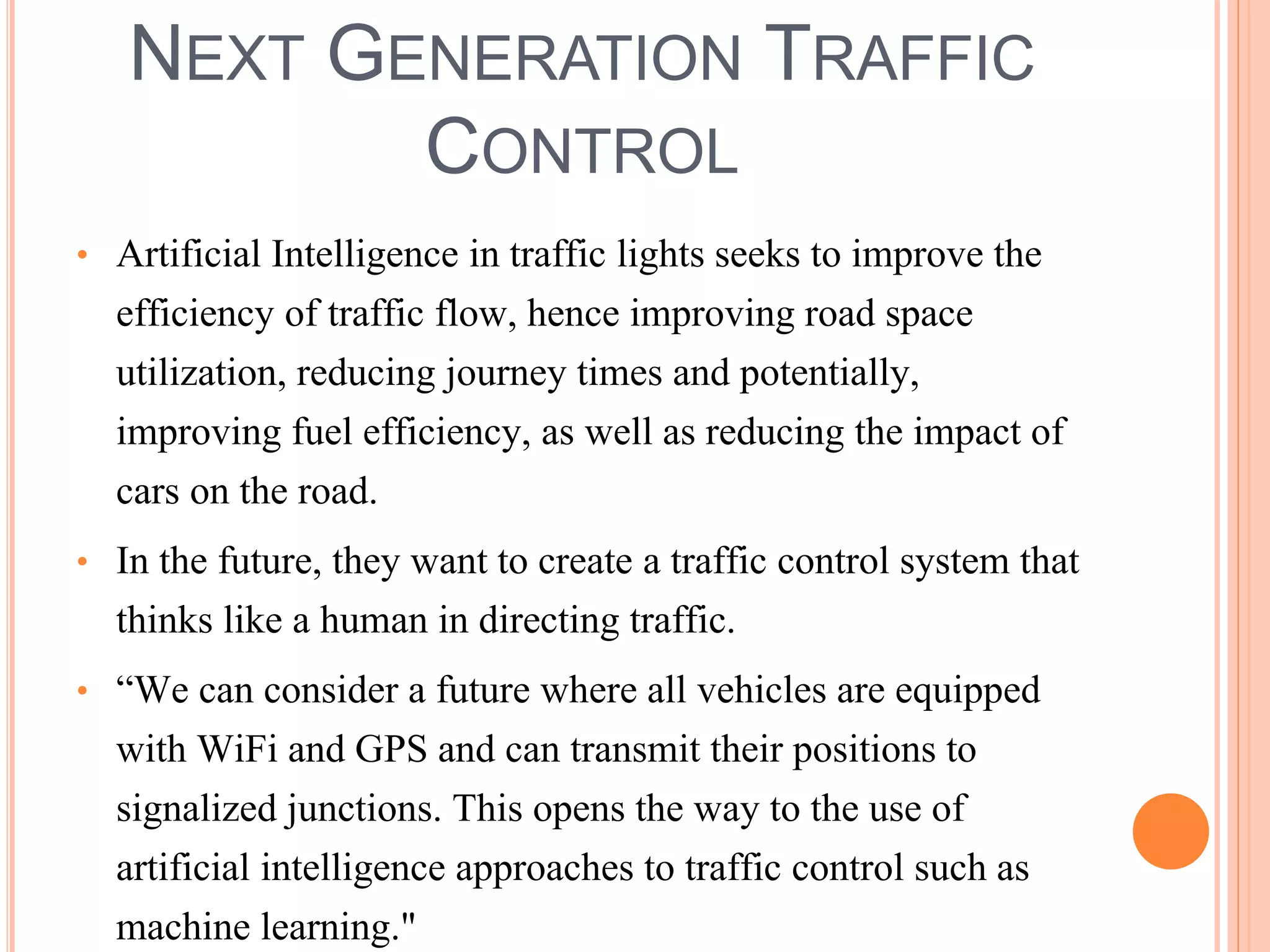
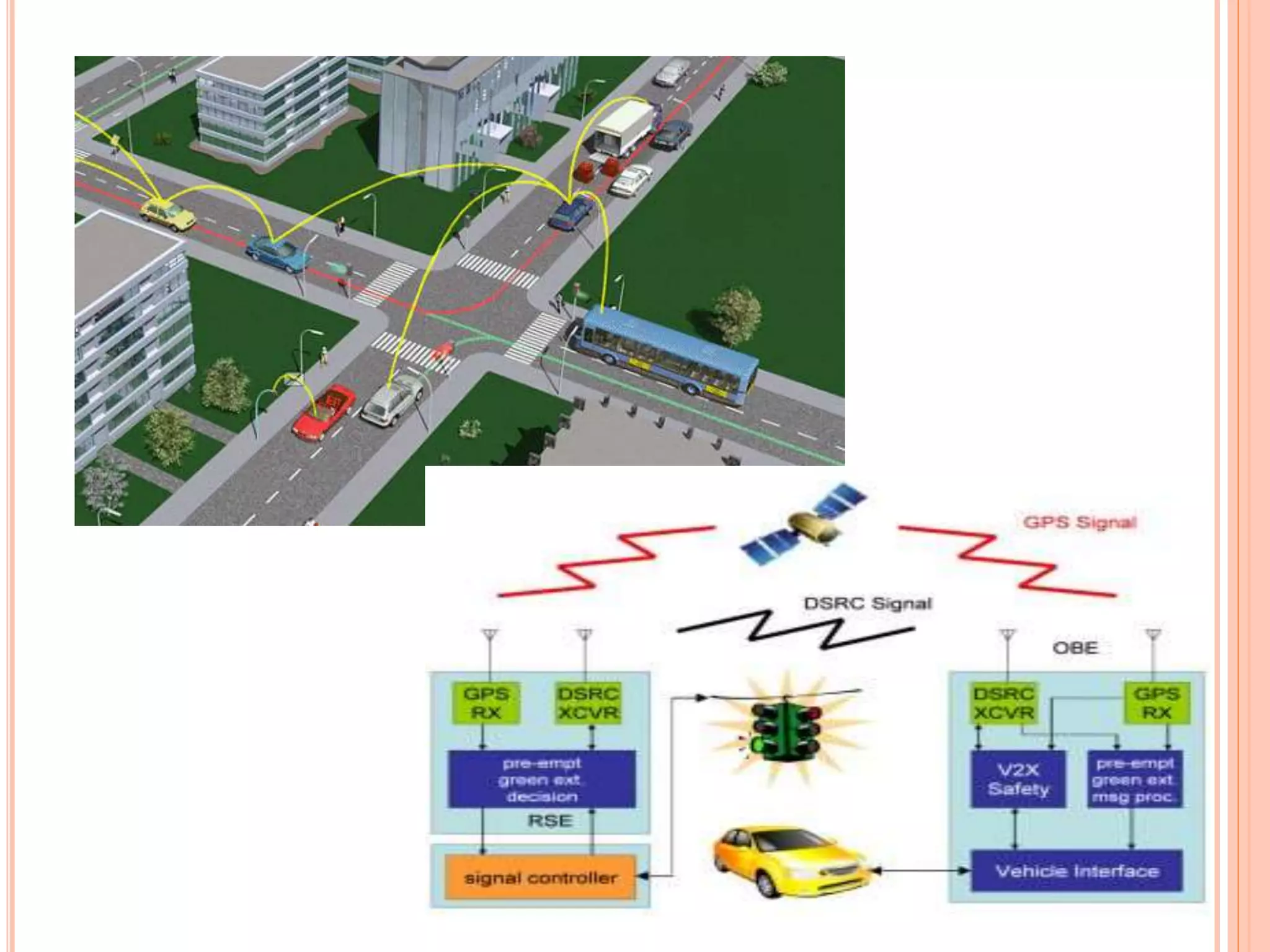
NEXT GENERATION TRAFFIC 
CONTROL 
• Artificial Intelligence in traffic lights seeks to improve the 
efficiency of traffic flow, hence improving road space 
utilization, reducing journey times and potentially, 
improving fuel efficiency, as well as reducing the impact of 
cars on the road. 
• In the future, they want to create a traffic control system that 
thinks like a human in directing traffic. 
• “We can consider a future where all vehicles are equipped 
with WiFi and GPS and can transmit their positions to 
signalized junctions. This opens the way to the use of 
artificial intelligence approaches to traffic control such as 
machine learning."
FACTORY ROBOTS
HEALTHCARE ROBOTS
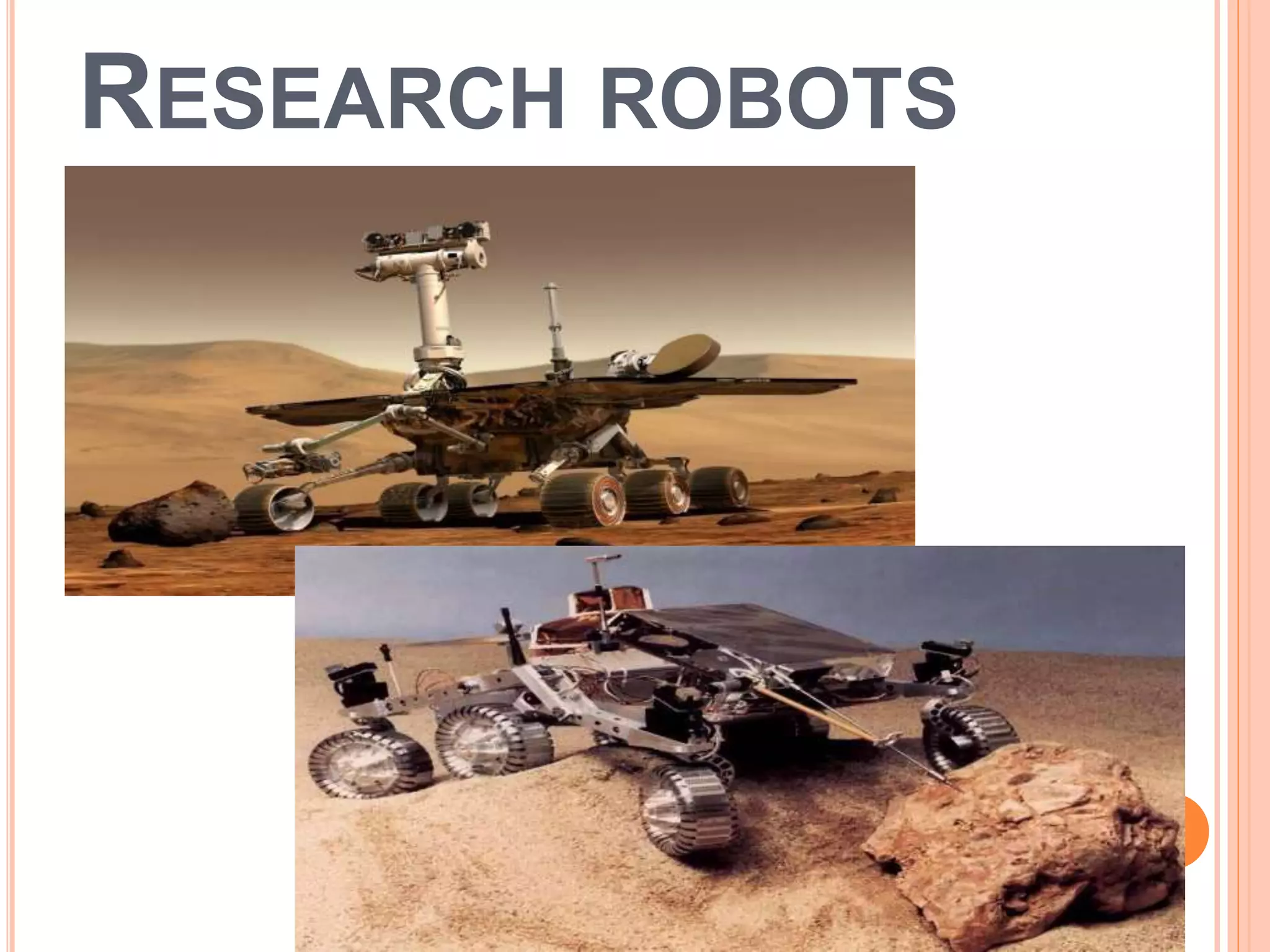
RESEARCH ROBOTS
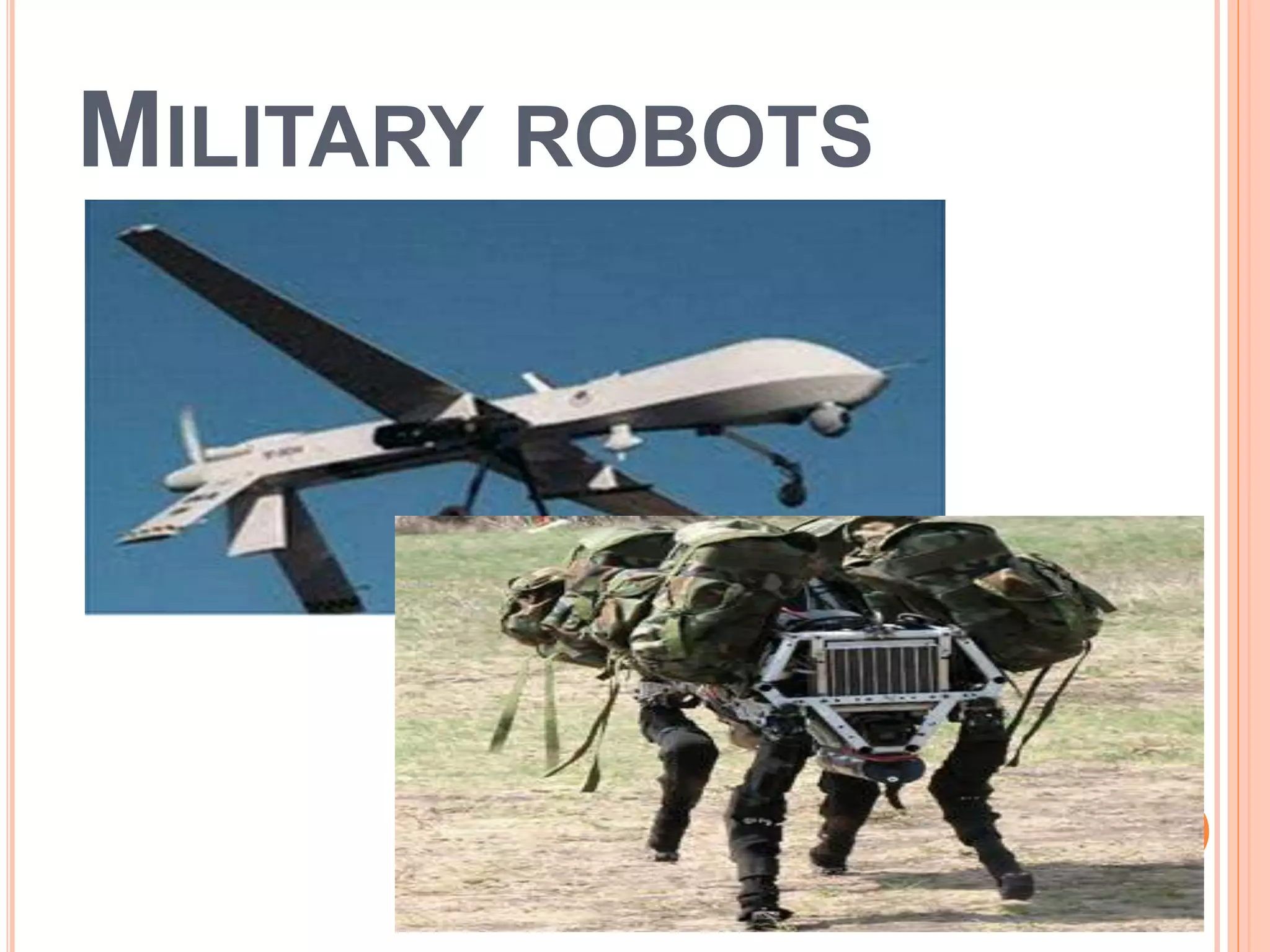
MILITARY ROBOTS
PROBLEMS WITH A.I. 
One basic problem lies in the question 
of what intelligence is exactly. 
How can we recreate a learning, 
thinking mind with technology? Is it 
even possible? Some do not think so.
CONCLUSION

Artificial intelligence

  • 1.
  • 2.
    WHAT IS AI? It is the ability of a digital computer or computer controlled robot to perform tasks commonly associated with intelligent beings. It is a branch of Science which deals with helping machines finds solutions to complex problems in a more human-like fashion. It is generally involves borrowing characteristics from human intelligence, and applying them as algorithms in a computer friendly way.
  • 3.
    WHO DOES AI? Many disciplines contribute to goal of creating/modelling intelligent entities:  Computer Science  Psychology (human reasoning)  Philosophy (nature of belief, rationality, etc)  Linguistics (structure and meaning of language)  Human Biology (how brain works)
  • 4.
    TWO MAIN GOALOF AI  To understand human intelligence better. We test theories of human intelligence by writing programs which emulate it.  To create useful “smart” programs able to do tasks that would normally require a human expert.
  • 5.
  • 6.
    ROBOTS  ARobot is a electro-mechanical device that can by programmed to perform manual tasks or a reprogrammable multi functional manipulator designed to move materials, parts, tools, or specialized devices through variable programmed motions for performance of variety of tasks.  An ‘intelligent’ robot includes some kind of sensory apparatus that allows it to respond to change in it’s environment
  • 7.
    DRIVERLESS TRANSPORT •Google has been investing in a driverless car, and has completed over 480,000 autonomous-driving miles accident-free. • Through the use of cameras, sensors and special software built into vehicles manufacturers have been able to build cars that park themselves at the touch of a button. • Driverless trains carry passengers from city to city in Japan without the need for human help. • Google’s driverless car relies on lasers and sensors to spot obstacles, interpret signs and interact with traffic and pedestrians. • Artificial intelligence takes away the responsibility from the drivers, and also eliminates the danger of distracted driving and boasts a reaction time much faster than that of any human.
  • 9.
    SURGICAL AID ROBOTS • Cedars-Sinai Medical Center relies on special software to examine the heart and stop heart attacks before they occur • Artificial muscles feature smart technology that allows them to function more like real muscles. • Penelope, a Robotic Surgery Assistant developed at Columbia University can not only pass the correct tools to doctors, but also keep track of these tools and learn about a doctor's preferences through artificial intelligence. • The most advanced surgical robots are programmed to perform the entire surgery on their own, except for the suturing or the cutting. In these operations, a surgeon stands by just in case something goes wrong. • Miniature intelligent robots are being developed for eye surgeries.
  • 11.
    AUTOMATED ASSEMBLY LINESAND DANGEROUS JOBS • Some countries have put smart robots to work disabling land mines and handling radioactive materials in order to limit the risk to human workers. • Ford is using an Artificial Intelligence based approach for vehicle assembly process planning, ergonomics analysis, and a system that uses machine translation to translate assembly-build instructions for assembly plants that don't use English. • Other Companies such as GM have developed robots with Artificial Intelligence techniques to inspect cars made by humans
  • 13.
    NEXT GENERATION TRAFFIC CONTROL • Artificial Intelligence in traffic lights seeks to improve the efficiency of traffic flow, hence improving road space utilization, reducing journey times and potentially, improving fuel efficiency, as well as reducing the impact of cars on the road. • In the future, they want to create a traffic control system that thinks like a human in directing traffic. • “We can consider a future where all vehicles are equipped with WiFi and GPS and can transmit their positions to signalized junctions. This opens the way to the use of artificial intelligence approaches to traffic control such as machine learning."
  • 15.
  • 16.
  • 17.
  • 18.
  • 20.
    PROBLEMS WITH A.I. One basic problem lies in the question of what intelligence is exactly. How can we recreate a learning, thinking mind with technology? Is it even possible? Some do not think so.
  • 21.