ANTIBIOTICS USE IN SURGERY
DR. ALUMONA C.O.
OUTLINE
• INTRODUCTION
• CLASSIFICATION
• APPLICATIONS IN SURGERY
• DISEASE-, PATHOGEN-, AND ANTIBIOTIC-SPECIFIC
CONSIDERATIONS
• MONITORING OF ANTIBIOTICS THERAPY
• ANTIBIOTICS ABUSE
• ANTIBIOTICS RESISTANCE
• FUTURE TRENDS
• CONCLUSION
• REFRENCES
INTRODUCTION
• Antibiotics are substances that posses the
capacity to inhibit or kill micro-organisms.
– Antimicrobials is a broad term for both naturally
occurring and synthetic agents.
• Via interaction with key cell components of
the microorganisms.
• Minimal or no damage to normal body cells.
Surgical importance
• The proper use of antibiotics reduces surgical
morbidity and mortality by preventing the
development of surgical infections or
controlling established infection.
• Antibiotics are only adjuncts to sound surgical
technique, aseptic and antiseptic principles
and adequate source control.
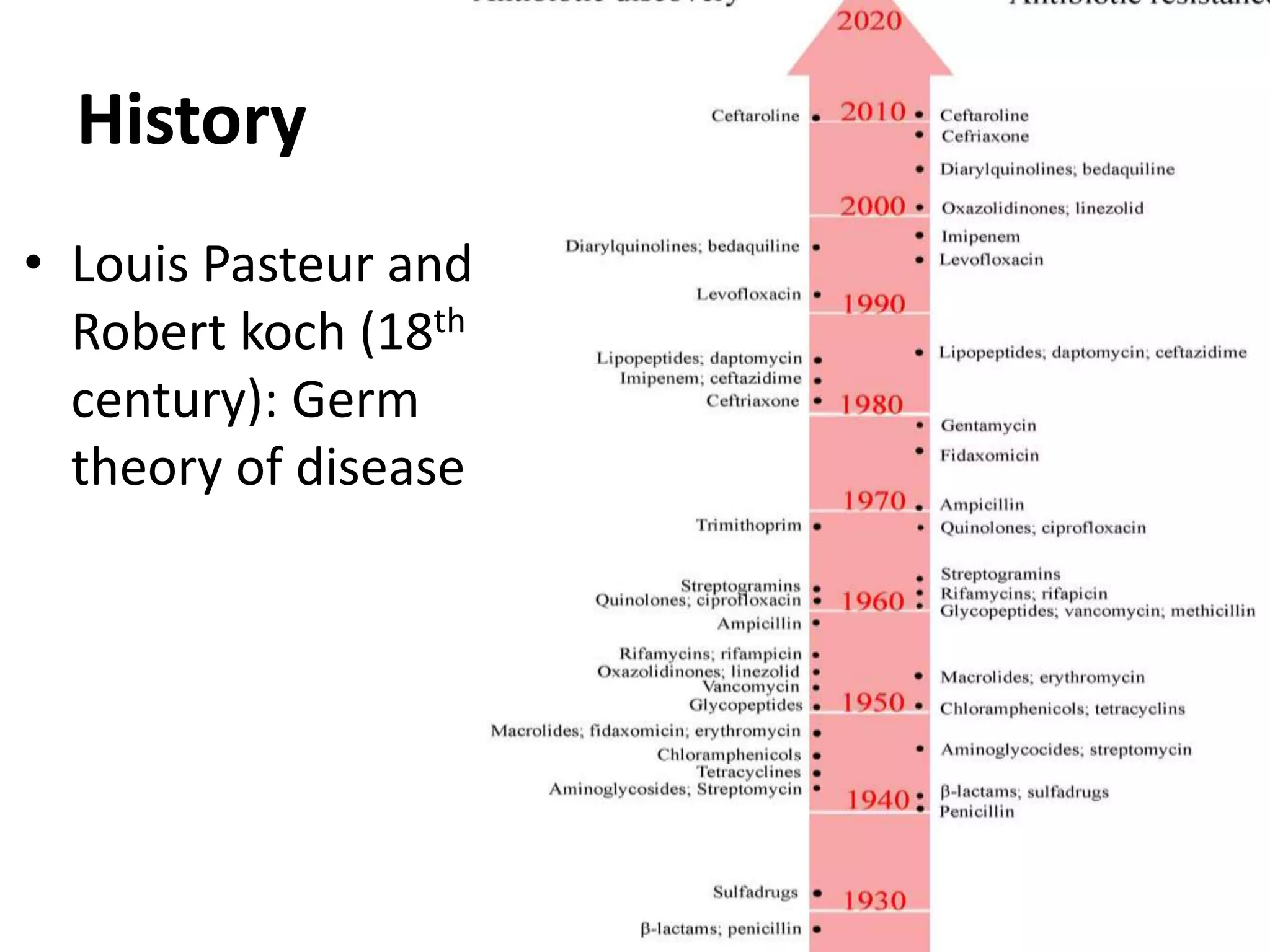
History
• Louis Pasteur and
Robert koch (18th
century): Germ
theory of disease
Pharmacology
• MIC
• T1/2
Classification
• Based on Activity
– Bactericidal: penicillins, cephalosporins, flagyl,
aminoglycoside
– Bacteriostatic: macrolides, clindamycin, tetracycline,
chloramphenicol
• Based on Spectrum
– Narrow spectrum: macrolides, vancomycin, penicillin
G, gentamycin
– Broad spectrum: levofloxacin, ciprofloxacin,
cephalosporin, tetracycline
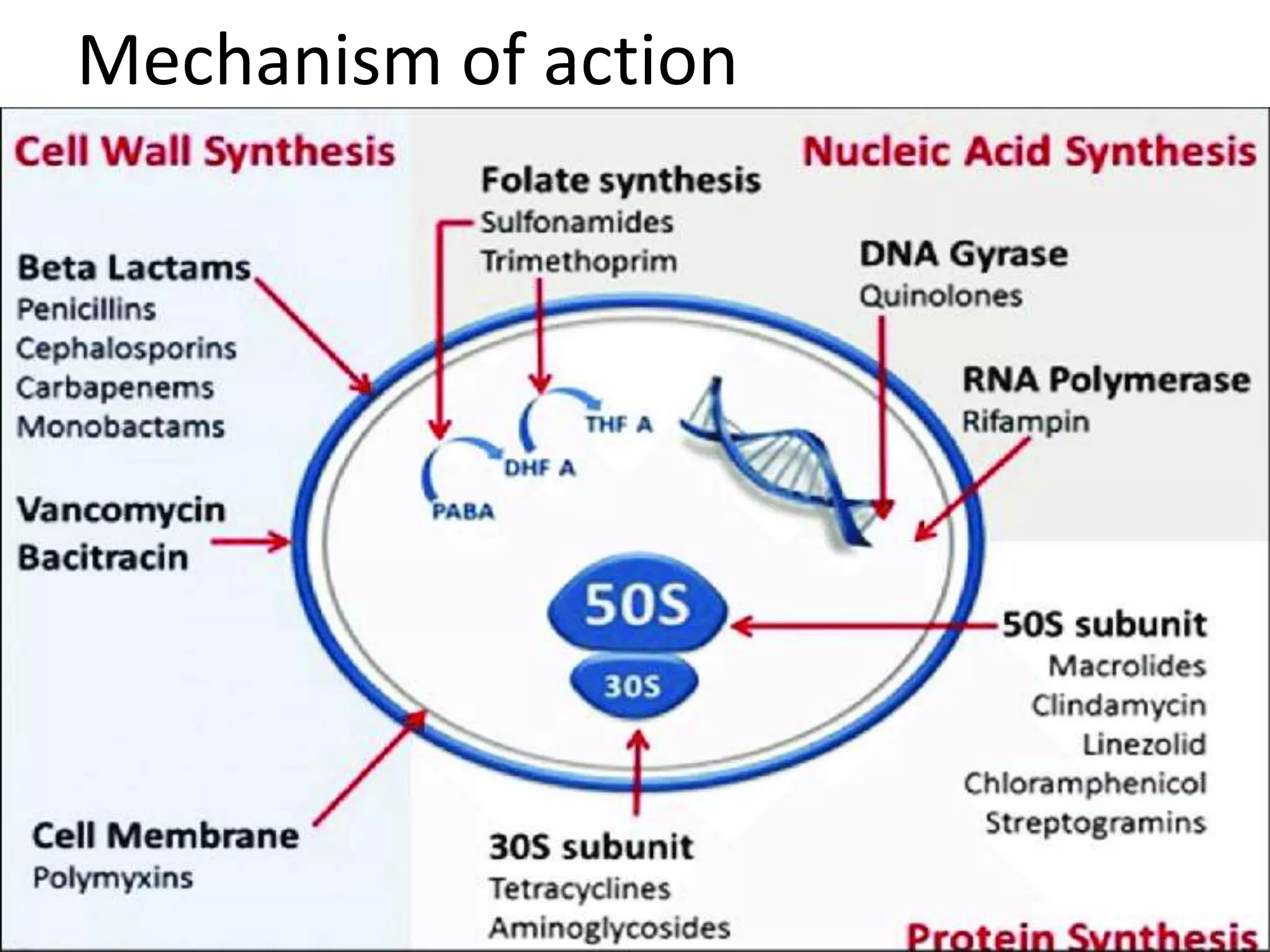
• Mechanism of action: Inhibitors of cell wall, protein,
and nucleic acid synthesis
Mechanism of action
Factors influencing choice of Antibiotics
• Activity against known or suspected
pathogens
• Antimicrobial resistance patterns
• Patient-specific factors
– Age, Severity of illness, co-morbidities/organ
dysfunction, immunosuppression, allergy, MRSA
infection
• Institutional guidelines or local policies
Applications in Surgery
• Prophylaxis
• Therapy
– Empirical therapy
– Definitive therapy
• Others
– Anti tumours: bleomycin, dactinomycin
– In radiotherapy as radiosensitizers: metronidazol
– Bowel preparation: neomycin
– Pleurodesis: tetracycline, neomycin
– Prokinetics: erythromycin
Antibiotics Prophylaxis
• The pre-emptive use of antibiotics to prevent
infection of a surgical site.
• Reduces rates of SSI.
• May increase rates of SSI when used
inappropriately.
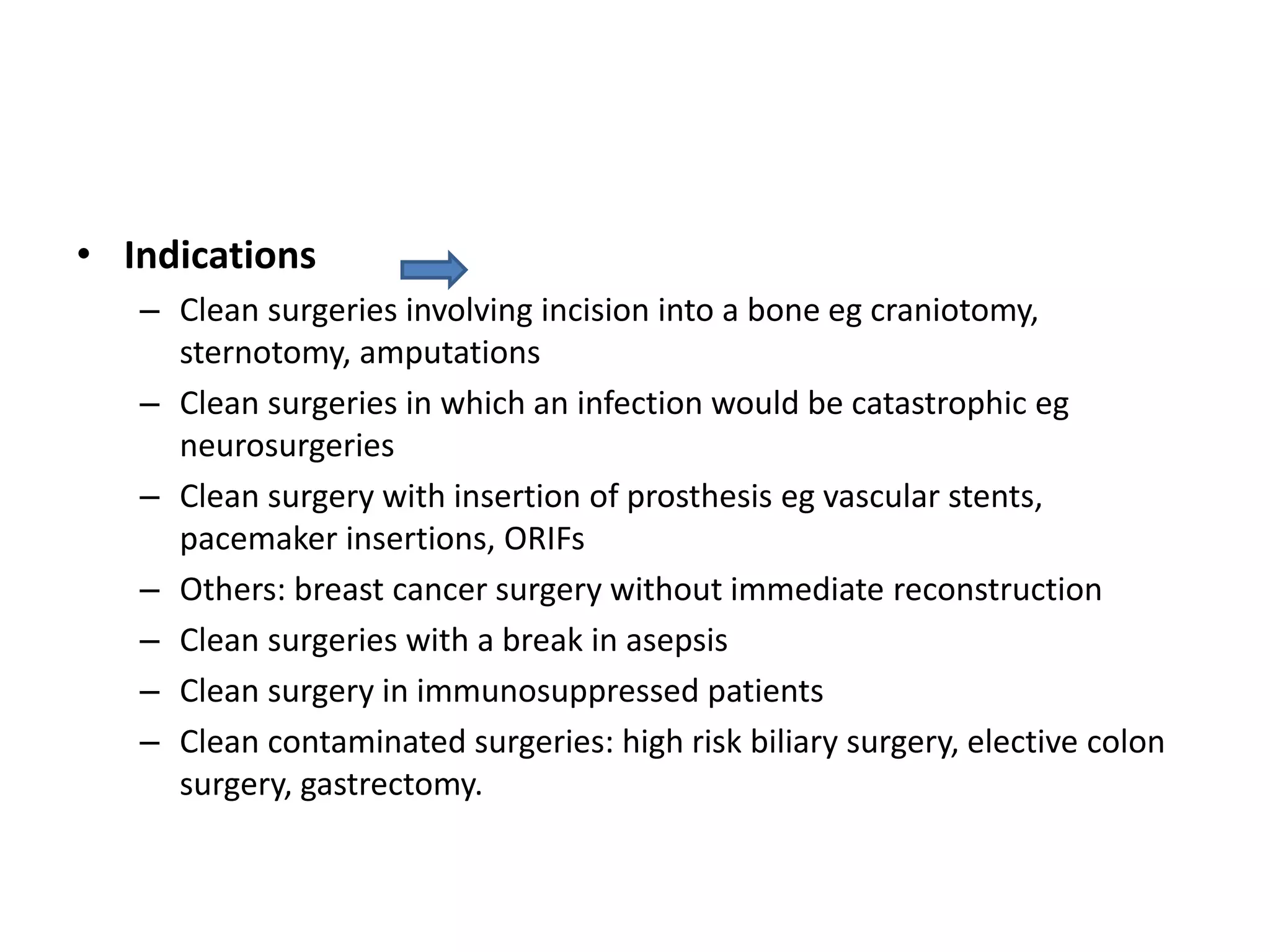
• Indications
– Clean surgeries involving incision into a bone eg craniotomy,
sternotomy, amputations
– Clean surgeries in which an infection would be catastrophic eg
neurosurgeries
– Clean surgery with insertion of prosthesis eg vascular stents,
pacemaker insertions, ORIFs
– Others: breast cancer surgery without immediate reconstruction
– Clean surgeries with a break in asepsis
– Clean surgery in immunosuppressed patients
– Clean contaminated surgeries: high risk biliary surgery, elective colon
surgery, gastrectomy.
• Principles of Antibiotics Prophylaxis
– Safety
– An appropriate narrow spectrum of coverage of
relevant pathogens
– Little or no reliance on the agent for therapy of
infection
– Administration within 1hour before skin incision
– Should be intravenous
– Aim at a saturated tissue concentration above MIC
before skin incision
– Redosed if procedure exceeds the T1/2 of agent or when
there is greater than 1.5Litres of blood loss
– Must not exceed 24hours or 48hours for cardiac surg.)
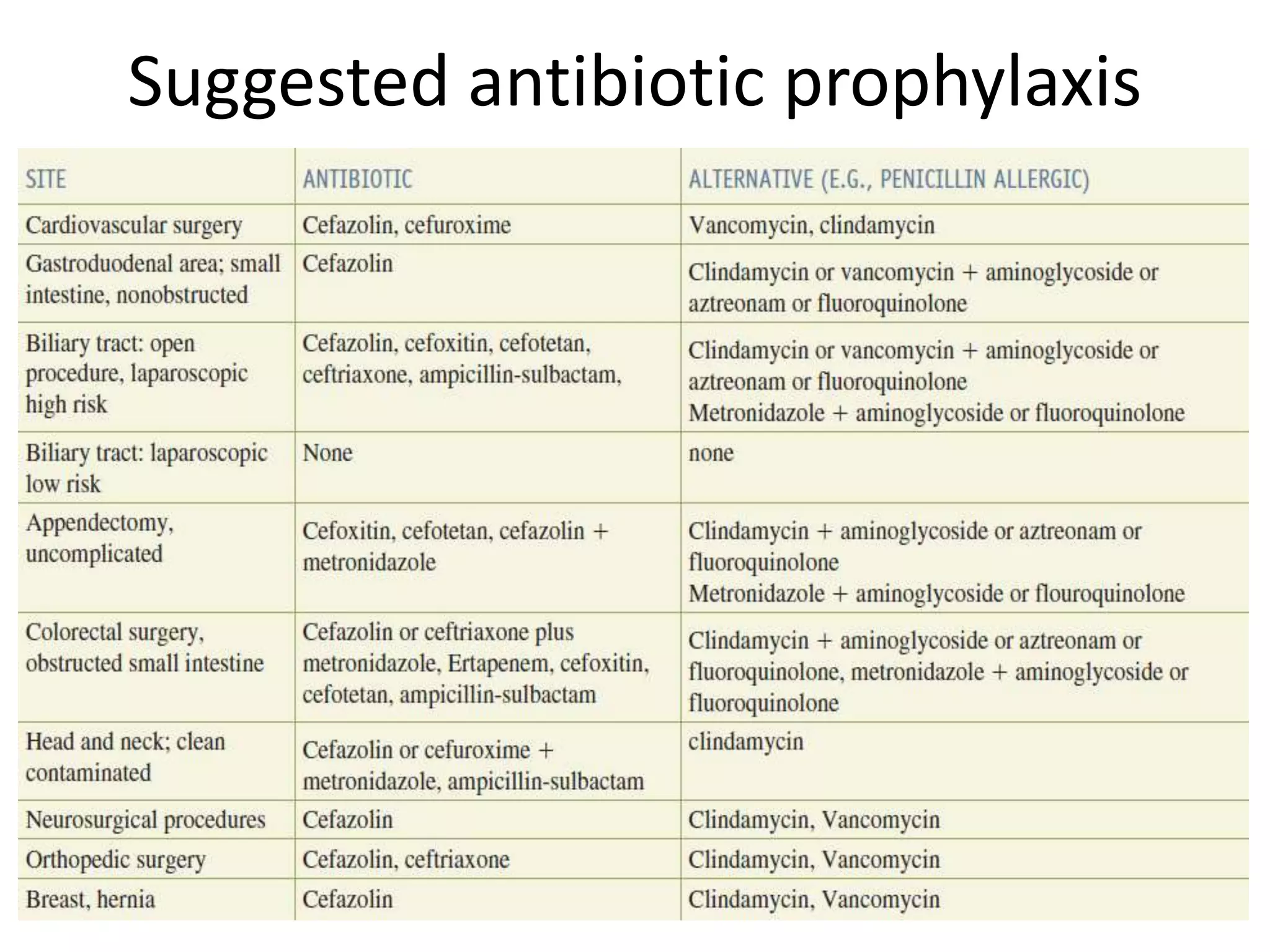
Suggested antibiotic prophylaxis
Therapeutic use of Antibiotics
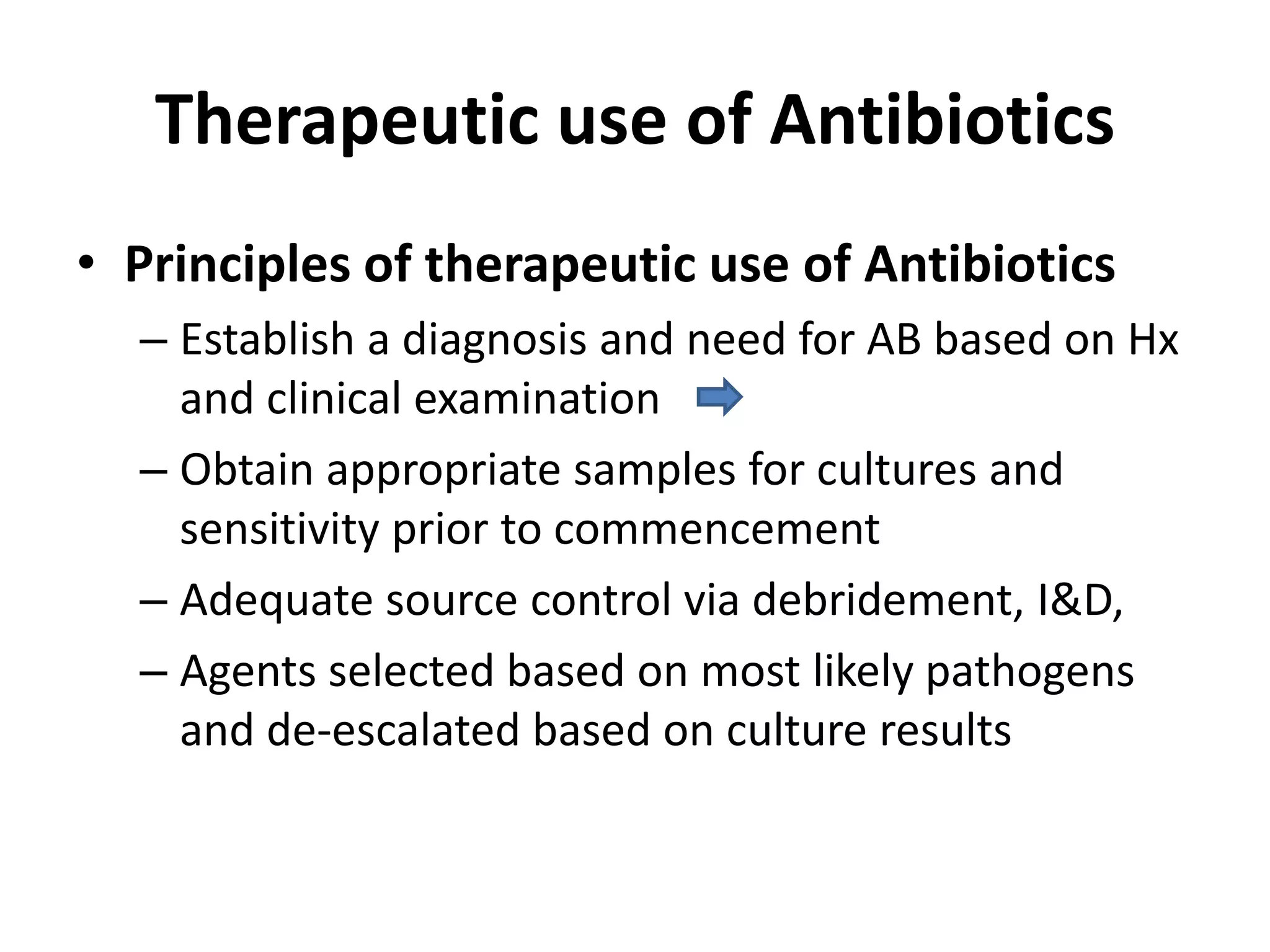
• Principles of therapeutic use of Antibiotics
– Establish a diagnosis and need for AB based on Hx
and clinical examination
– Obtain appropriate samples for cultures and
sensitivity prior to commencement
– Adequate source control via debridement, I&D,
– Agents selected based on most likely pathogens
and de-escalated based on culture results
Therapeutic use cont
• Empiric therapy comprises the use of an
antimicrobial agent or agents when the risk of
a surgical infection is high
Indications; - dirty wounds
– based on the underlying disease process (e.g.,
ruptured appendicitis),
– when significant contamination during surgery has
occurred (e.g., inadequate bowel preparation or
considerable spillage of colon contents).
– in situations in which the risk of infection
increases markedly because of intraoperative
findings.
– in critically ill patients in whom a potential site of
infection has been identified and severe sepsis or
septic shock occurs.
– Duration: 3 to 5 days
• Definitive treatment: Therapy should be de-
escalated based on culture results and clinical
response
Monitoring of antibiotics Therapy
• Patient parameters
– Clinical
– Laboratory (EUCR, LFT)
• Infection parameters
– Repeat cultures
– Inflammatory makers (ESR,CRP, serum procalcitonin)
• Drug parameters
– Serum concentration
– Toxicity/adverse effect
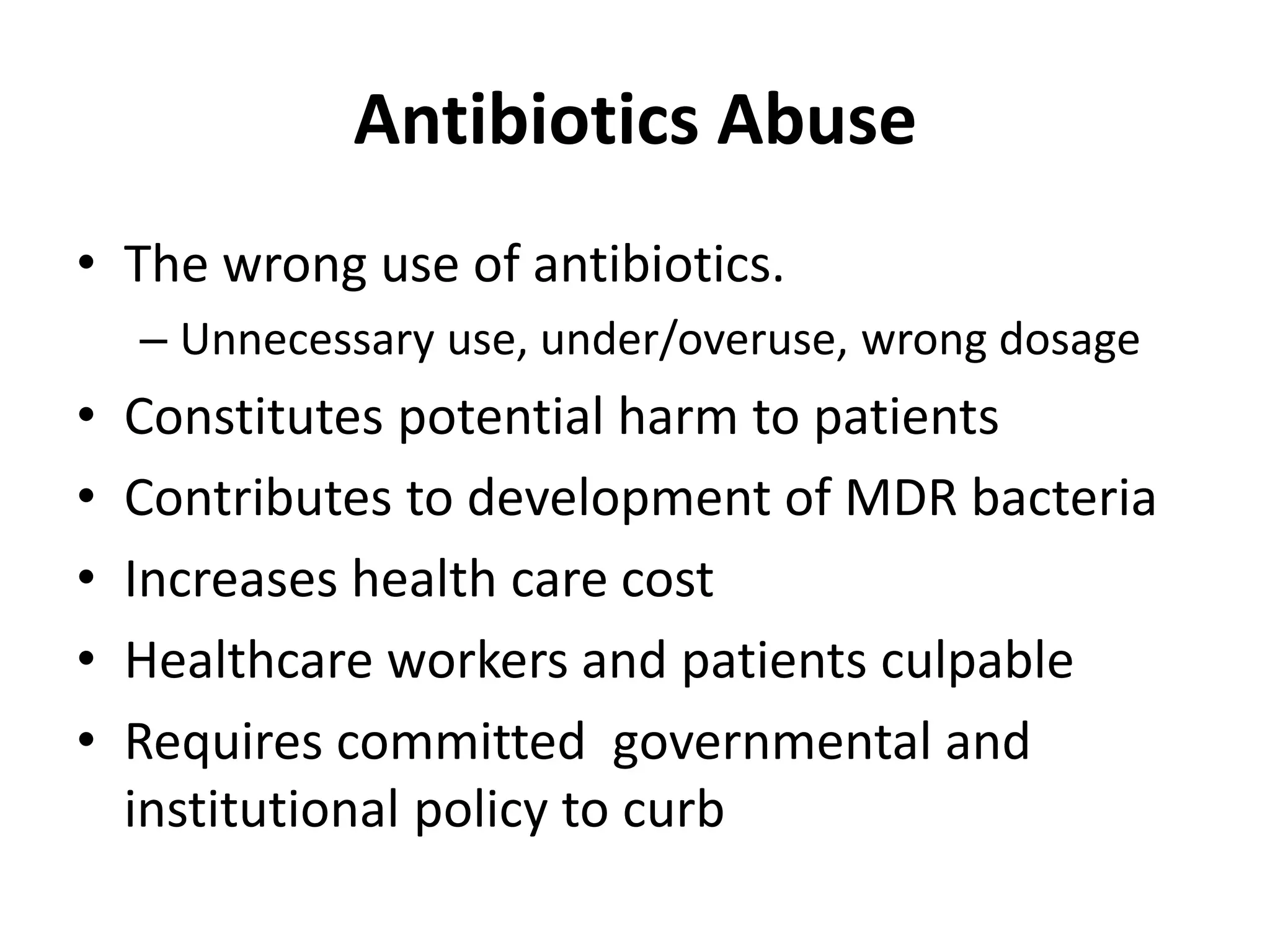
Antibiotics Abuse
• The wrong use of antibiotics.
– Unnecessary use, under/overuse, wrong dosage
• Constitutes potential harm to patients
• Contributes to development of MDR bacteria
• Increases health care cost
• Healthcare workers and patients culpable
• Requires committed governmental and
institutional policy to curb
Antibiotics Resistance
• The development of a new capacity to resist
antibiotic inhibition/kill.
• One of the biggest threats to global health.
• Occurs naturally but misuse of antibiotics
accelerates the process.
• Eg: MRSA, MRSE, ESBL,
• Mechanisms of Antibiotics resistance
– Production of enzymes eg b-lactamases
– Alteration in the number and type of target sites
eg penicillin binding proteins
– Blockage of drug penetration via changes in the
outer membrane pores
– Formation of bio films
– Acquisition of antibiotics resistant genes via
plasmid transfer
DISEASE-, PATHOGEN-,
AND ANTIBIOTIC-SPECIFIC CONSIDERATIONS
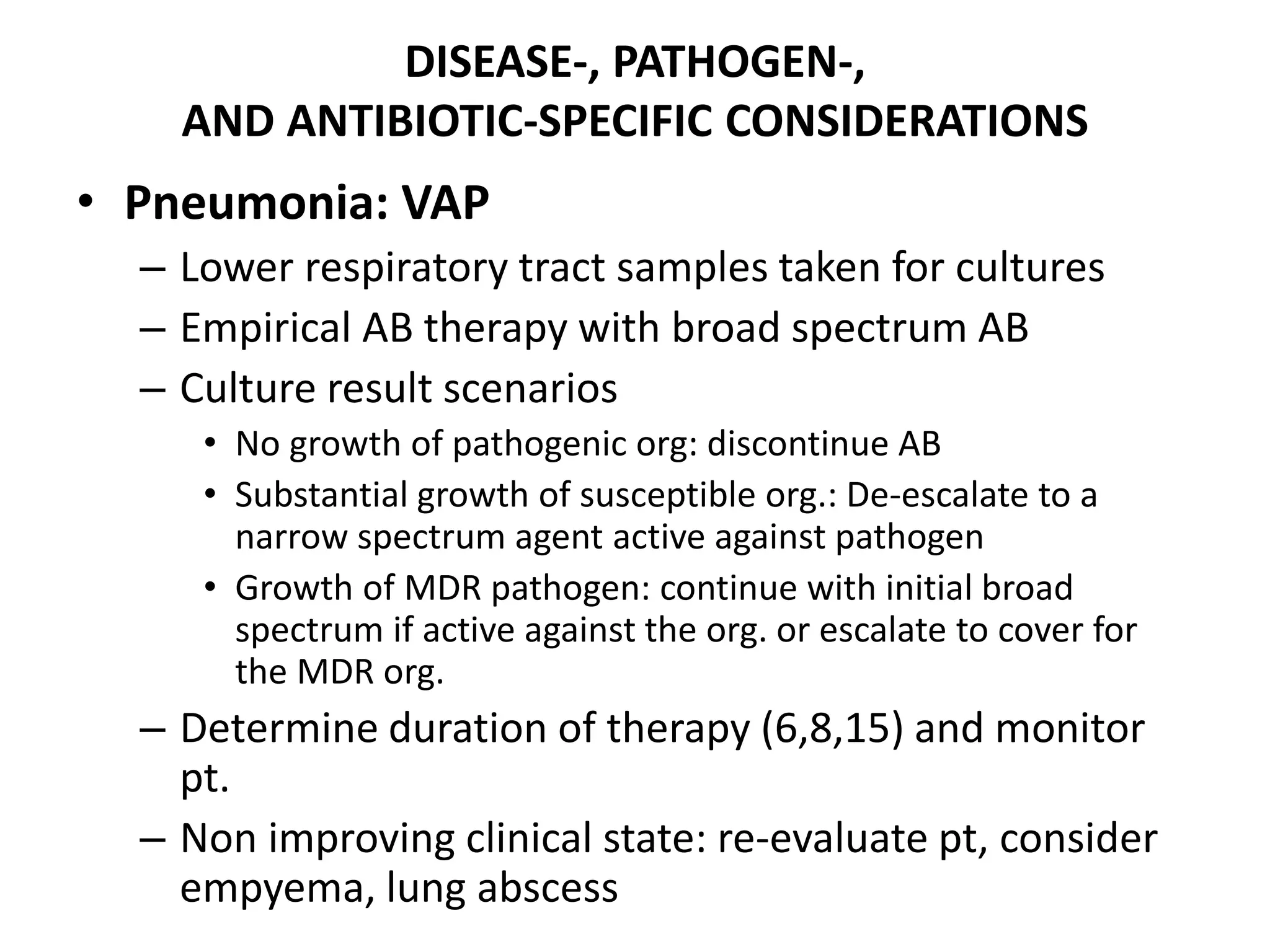
• Pneumonia: VAP
– Lower respiratory tract samples taken for cultures
– Empirical AB therapy with broad spectrum AB
– Culture result scenarios
• No growth of pathogenic org: discontinue AB
• Substantial growth of susceptible org.: De-escalate to a
narrow spectrum agent active against pathogen
• Growth of MDR pathogen: continue with initial broad
spectrum if active against the org. or escalate to cover for
the MDR org.
– Determine duration of therapy (6,8,15) and monitor
pt.
– Non improving clinical state: re-evaluate pt, consider
empyema, lung abscess
• Central Line-Associated Bloodstream
Infection
– MRSE, MRSA, Enterococci most implicated
– Blood culture and catheter tip MCS
– Trx: catheter removal and parenteral Abs
– Vancomycin, linezolid or daptomycin
– Duration of therapy: at least 2weeks for S. aureus
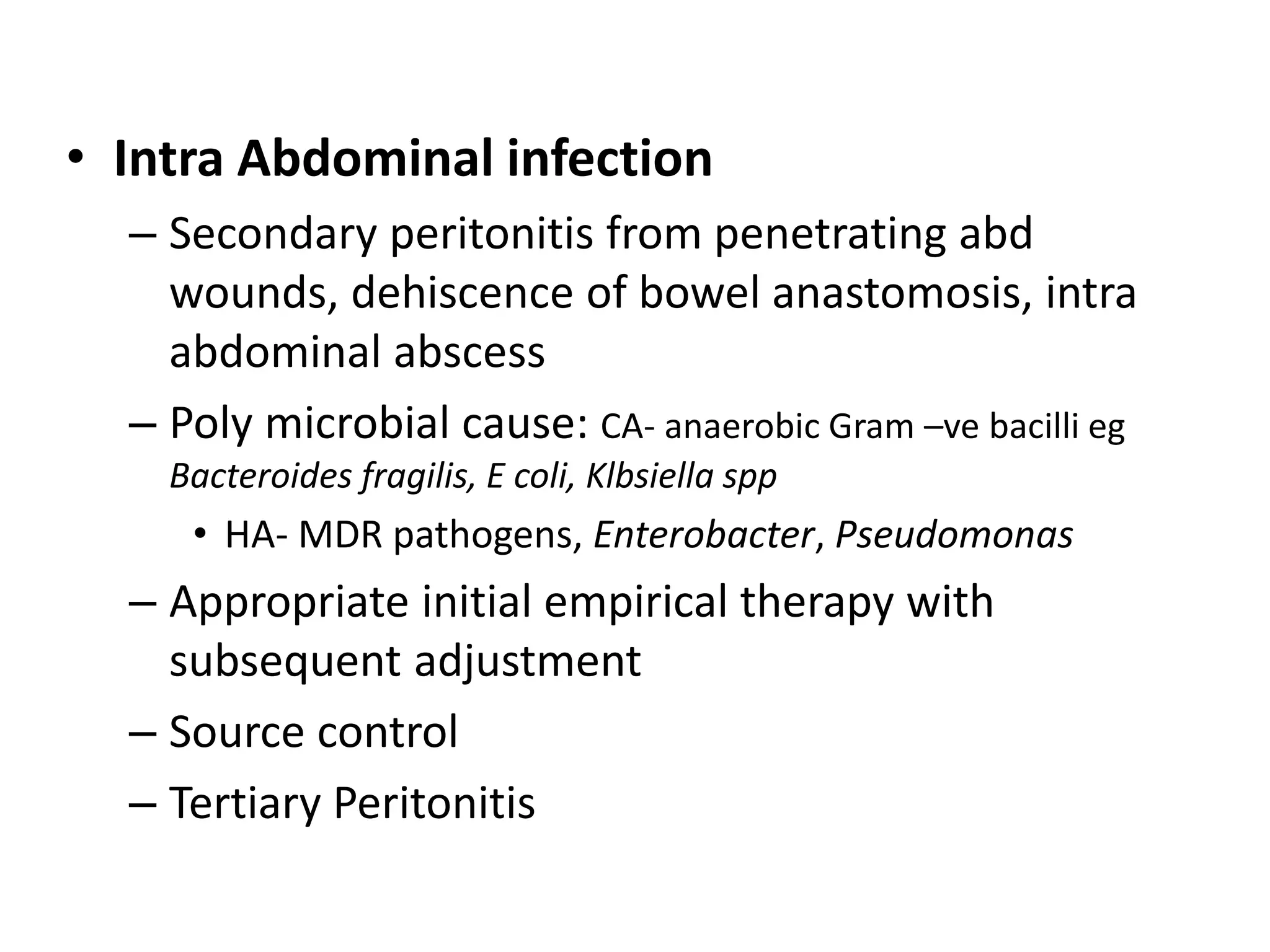
• Intra Abdominal infection
– Secondary peritonitis from penetrating abd
wounds, dehiscence of bowel anastomosis, intra
abdominal abscess
– Poly microbial cause: CA- anaerobic Gram –ve bacilli eg
Bacteroides fragilis, E coli, Klbsiella spp
• HA- MDR pathogens, Enterobacter, Pseudomonas
– Appropriate initial empirical therapy with
subsequent adjustment
– Source control
– Tertiary Peritonitis
• Complicated Soft Tissue Infections
– Diabetic Foot Infections: usu polymicrobial
• Adequate source control and tissues cultures
• De-escalated therapy following cultures
• Cefazolin, ceftriazone, ampicilin sulbactam
• Vancomycin, linezolid, tigecylin for MRSA
– Necrotizing Soft Tissue Infection: anaerobic, G+ve/-ve
• Early antibiotics coverage
• Timely wide local excision (repeated if necessary)
• Anti MRSA AB: Vancomycin, telavancic, ceftaroline,
daptomycin, tigecyline, linezolid
Prevention and control of Antibiotics resistance
• Individuals: should use only antibiotics prescribes by
physicians for them
• Policy makers: should develop and implement
national action plan via surveillance, prevention and
control of AB resistant infection, regulation of AB
prescription and use and public awareness
• Health care workers: should ensure proper use of
antibiotics
• Drug firms: should invest in research for new ABs
Future trends
• New sources of antibiotics: Endophytes,
thermophiles, animal venoms.
• Genomic sequencing of bacteria to identify
new targets for new antibiotics
• Novel antibiotics from combinatorial
biosynthesis
• Lantibiotics: synthesized from ribosomes
• New molecules
Conclusion
• Antibiotics are useful tools in the hands of the
surgeon to prevent and treat surgical infections.
• They however are adjuncts to established surgical
principles of asepsis & antisepsis, good surgical
technique and proper source control in the
management of surgical infections.
• Abuse of antibiotics poses serious threats to both
patients and global health.
References
• Sergio Sanchez and Arnold L. Demain.(2015).
Antibiotics; Current Innovations And Future Trends.
Retrieved from caister.com/antibiotics
• 5/02/2018. Antibiotics Resistance. Accessed
25/01/2020. retrieved from who.int/news-room/fact-
sheets/details/antibiotic-resistance
• Brunicardi, F. et al (2014) Schwartz’s principle of
Surgery. 10th Edition, McGraw-Hill Education, New York
• Sabiston, David C. Townsend, Courtney M., eds.
Sabiston Textbook of Surgery: The Biological basis of
modern Surgical Practice. 20th Edition. Philadelphia, PA:
Elsevier Saunders 2017
Miscellaneous Causes of Fever
Related to Noninfectious States
• Acalculous cholecystitis
• Acute myocardial infarction
• Acute respiratory distress
syndrome (fibroproliferative
phase)
• Adrenal insufficiency
• Cytokine release syndrome
• Fat embolism
• Gout
• Hematoma
• Heterotopic ossification
• Immune reconstitution
inflammatory syndrome
• Infarction of any tissue
• Intracranial hemorrhage (trauma
or vascular cause)
• Myocardial infarction
• Pancreatitis
• Pericarditis
• Pulmonary infarction
• Stroke
• Thyroid storm
• Transfusion of blood or blood
products
• Transplant rejection
• Tumor lysis syndrome
• Venous thromboembolic disease
• Withdrawal syndromes (e.g.,
drug, alcohol
Antibacterial agents
for empirical use
• cc

Antibiotics use in surgery

  • 1.
    ANTIBIOTICS USE INSURGERY DR. ALUMONA C.O.
  • 2.
    OUTLINE • INTRODUCTION • CLASSIFICATION •APPLICATIONS IN SURGERY • DISEASE-, PATHOGEN-, AND ANTIBIOTIC-SPECIFIC CONSIDERATIONS • MONITORING OF ANTIBIOTICS THERAPY • ANTIBIOTICS ABUSE • ANTIBIOTICS RESISTANCE • FUTURE TRENDS • CONCLUSION • REFRENCES
  • 3.
    INTRODUCTION • Antibiotics aresubstances that posses the capacity to inhibit or kill micro-organisms. – Antimicrobials is a broad term for both naturally occurring and synthetic agents. • Via interaction with key cell components of the microorganisms. • Minimal or no damage to normal body cells.
  • 4.
    Surgical importance • Theproper use of antibiotics reduces surgical morbidity and mortality by preventing the development of surgical infections or controlling established infection. • Antibiotics are only adjuncts to sound surgical technique, aseptic and antiseptic principles and adequate source control.
  • 5.
    History • Louis Pasteurand Robert koch (18th century): Germ theory of disease
  • 6.
  • 7.
    Classification • Based onActivity – Bactericidal: penicillins, cephalosporins, flagyl, aminoglycoside – Bacteriostatic: macrolides, clindamycin, tetracycline, chloramphenicol • Based on Spectrum – Narrow spectrum: macrolides, vancomycin, penicillin G, gentamycin – Broad spectrum: levofloxacin, ciprofloxacin, cephalosporin, tetracycline • Mechanism of action: Inhibitors of cell wall, protein, and nucleic acid synthesis
  • 8.
  • 9.
    Factors influencing choiceof Antibiotics • Activity against known or suspected pathogens • Antimicrobial resistance patterns • Patient-specific factors – Age, Severity of illness, co-morbidities/organ dysfunction, immunosuppression, allergy, MRSA infection • Institutional guidelines or local policies
  • 10.
    Applications in Surgery •Prophylaxis • Therapy – Empirical therapy – Definitive therapy • Others – Anti tumours: bleomycin, dactinomycin – In radiotherapy as radiosensitizers: metronidazol – Bowel preparation: neomycin – Pleurodesis: tetracycline, neomycin – Prokinetics: erythromycin
  • 11.
    Antibiotics Prophylaxis • Thepre-emptive use of antibiotics to prevent infection of a surgical site. • Reduces rates of SSI. • May increase rates of SSI when used inappropriately.
  • 12.
    • Indications – Cleansurgeries involving incision into a bone eg craniotomy, sternotomy, amputations – Clean surgeries in which an infection would be catastrophic eg neurosurgeries – Clean surgery with insertion of prosthesis eg vascular stents, pacemaker insertions, ORIFs – Others: breast cancer surgery without immediate reconstruction – Clean surgeries with a break in asepsis – Clean surgery in immunosuppressed patients – Clean contaminated surgeries: high risk biliary surgery, elective colon surgery, gastrectomy.
  • 13.
    • Principles ofAntibiotics Prophylaxis – Safety – An appropriate narrow spectrum of coverage of relevant pathogens – Little or no reliance on the agent for therapy of infection – Administration within 1hour before skin incision – Should be intravenous – Aim at a saturated tissue concentration above MIC before skin incision – Redosed if procedure exceeds the T1/2 of agent or when there is greater than 1.5Litres of blood loss – Must not exceed 24hours or 48hours for cardiac surg.)
  • 14.
  • 15.
    Therapeutic use ofAntibiotics • Principles of therapeutic use of Antibiotics – Establish a diagnosis and need for AB based on Hx and clinical examination – Obtain appropriate samples for cultures and sensitivity prior to commencement – Adequate source control via debridement, I&D, – Agents selected based on most likely pathogens and de-escalated based on culture results
  • 16.
    Therapeutic use cont •Empiric therapy comprises the use of an antimicrobial agent or agents when the risk of a surgical infection is high Indications; - dirty wounds – based on the underlying disease process (e.g., ruptured appendicitis), – when significant contamination during surgery has occurred (e.g., inadequate bowel preparation or considerable spillage of colon contents).
  • 17.
    – in situationsin which the risk of infection increases markedly because of intraoperative findings. – in critically ill patients in whom a potential site of infection has been identified and severe sepsis or septic shock occurs. – Duration: 3 to 5 days • Definitive treatment: Therapy should be de- escalated based on culture results and clinical response
  • 18.
    Monitoring of antibioticsTherapy • Patient parameters – Clinical – Laboratory (EUCR, LFT) • Infection parameters – Repeat cultures – Inflammatory makers (ESR,CRP, serum procalcitonin) • Drug parameters – Serum concentration – Toxicity/adverse effect
  • 19.
    Antibiotics Abuse • Thewrong use of antibiotics. – Unnecessary use, under/overuse, wrong dosage • Constitutes potential harm to patients • Contributes to development of MDR bacteria • Increases health care cost • Healthcare workers and patients culpable • Requires committed governmental and institutional policy to curb
  • 20.
    Antibiotics Resistance • Thedevelopment of a new capacity to resist antibiotic inhibition/kill. • One of the biggest threats to global health. • Occurs naturally but misuse of antibiotics accelerates the process. • Eg: MRSA, MRSE, ESBL,
  • 21.
    • Mechanisms ofAntibiotics resistance – Production of enzymes eg b-lactamases – Alteration in the number and type of target sites eg penicillin binding proteins – Blockage of drug penetration via changes in the outer membrane pores – Formation of bio films – Acquisition of antibiotics resistant genes via plasmid transfer
  • 22.
    DISEASE-, PATHOGEN-, AND ANTIBIOTIC-SPECIFICCONSIDERATIONS • Pneumonia: VAP – Lower respiratory tract samples taken for cultures – Empirical AB therapy with broad spectrum AB – Culture result scenarios • No growth of pathogenic org: discontinue AB • Substantial growth of susceptible org.: De-escalate to a narrow spectrum agent active against pathogen • Growth of MDR pathogen: continue with initial broad spectrum if active against the org. or escalate to cover for the MDR org. – Determine duration of therapy (6,8,15) and monitor pt. – Non improving clinical state: re-evaluate pt, consider empyema, lung abscess
  • 23.
    • Central Line-AssociatedBloodstream Infection – MRSE, MRSA, Enterococci most implicated – Blood culture and catheter tip MCS – Trx: catheter removal and parenteral Abs – Vancomycin, linezolid or daptomycin – Duration of therapy: at least 2weeks for S. aureus
  • 24.
    • Intra Abdominalinfection – Secondary peritonitis from penetrating abd wounds, dehiscence of bowel anastomosis, intra abdominal abscess – Poly microbial cause: CA- anaerobic Gram –ve bacilli eg Bacteroides fragilis, E coli, Klbsiella spp • HA- MDR pathogens, Enterobacter, Pseudomonas – Appropriate initial empirical therapy with subsequent adjustment – Source control – Tertiary Peritonitis
  • 25.
    • Complicated SoftTissue Infections – Diabetic Foot Infections: usu polymicrobial • Adequate source control and tissues cultures • De-escalated therapy following cultures • Cefazolin, ceftriazone, ampicilin sulbactam • Vancomycin, linezolid, tigecylin for MRSA – Necrotizing Soft Tissue Infection: anaerobic, G+ve/-ve • Early antibiotics coverage • Timely wide local excision (repeated if necessary) • Anti MRSA AB: Vancomycin, telavancic, ceftaroline, daptomycin, tigecyline, linezolid
  • 26.
    Prevention and controlof Antibiotics resistance • Individuals: should use only antibiotics prescribes by physicians for them • Policy makers: should develop and implement national action plan via surveillance, prevention and control of AB resistant infection, regulation of AB prescription and use and public awareness • Health care workers: should ensure proper use of antibiotics • Drug firms: should invest in research for new ABs
  • 27.
    Future trends • Newsources of antibiotics: Endophytes, thermophiles, animal venoms. • Genomic sequencing of bacteria to identify new targets for new antibiotics • Novel antibiotics from combinatorial biosynthesis • Lantibiotics: synthesized from ribosomes • New molecules
  • 28.
    Conclusion • Antibiotics areuseful tools in the hands of the surgeon to prevent and treat surgical infections. • They however are adjuncts to established surgical principles of asepsis & antisepsis, good surgical technique and proper source control in the management of surgical infections. • Abuse of antibiotics poses serious threats to both patients and global health.
  • 29.
    References • Sergio Sanchezand Arnold L. Demain.(2015). Antibiotics; Current Innovations And Future Trends. Retrieved from caister.com/antibiotics • 5/02/2018. Antibiotics Resistance. Accessed 25/01/2020. retrieved from who.int/news-room/fact- sheets/details/antibiotic-resistance • Brunicardi, F. et al (2014) Schwartz’s principle of Surgery. 10th Edition, McGraw-Hill Education, New York • Sabiston, David C. Townsend, Courtney M., eds. Sabiston Textbook of Surgery: The Biological basis of modern Surgical Practice. 20th Edition. Philadelphia, PA: Elsevier Saunders 2017
  • 30.
    Miscellaneous Causes ofFever Related to Noninfectious States • Acalculous cholecystitis • Acute myocardial infarction • Acute respiratory distress syndrome (fibroproliferative phase) • Adrenal insufficiency • Cytokine release syndrome • Fat embolism • Gout • Hematoma • Heterotopic ossification • Immune reconstitution inflammatory syndrome • Infarction of any tissue • Intracranial hemorrhage (trauma or vascular cause) • Myocardial infarction • Pancreatitis • Pericarditis • Pulmonary infarction • Stroke • Thyroid storm • Transfusion of blood or blood products • Transplant rejection • Tumor lysis syndrome • Venous thromboembolic disease • Withdrawal syndromes (e.g., drug, alcohol
  • 33.