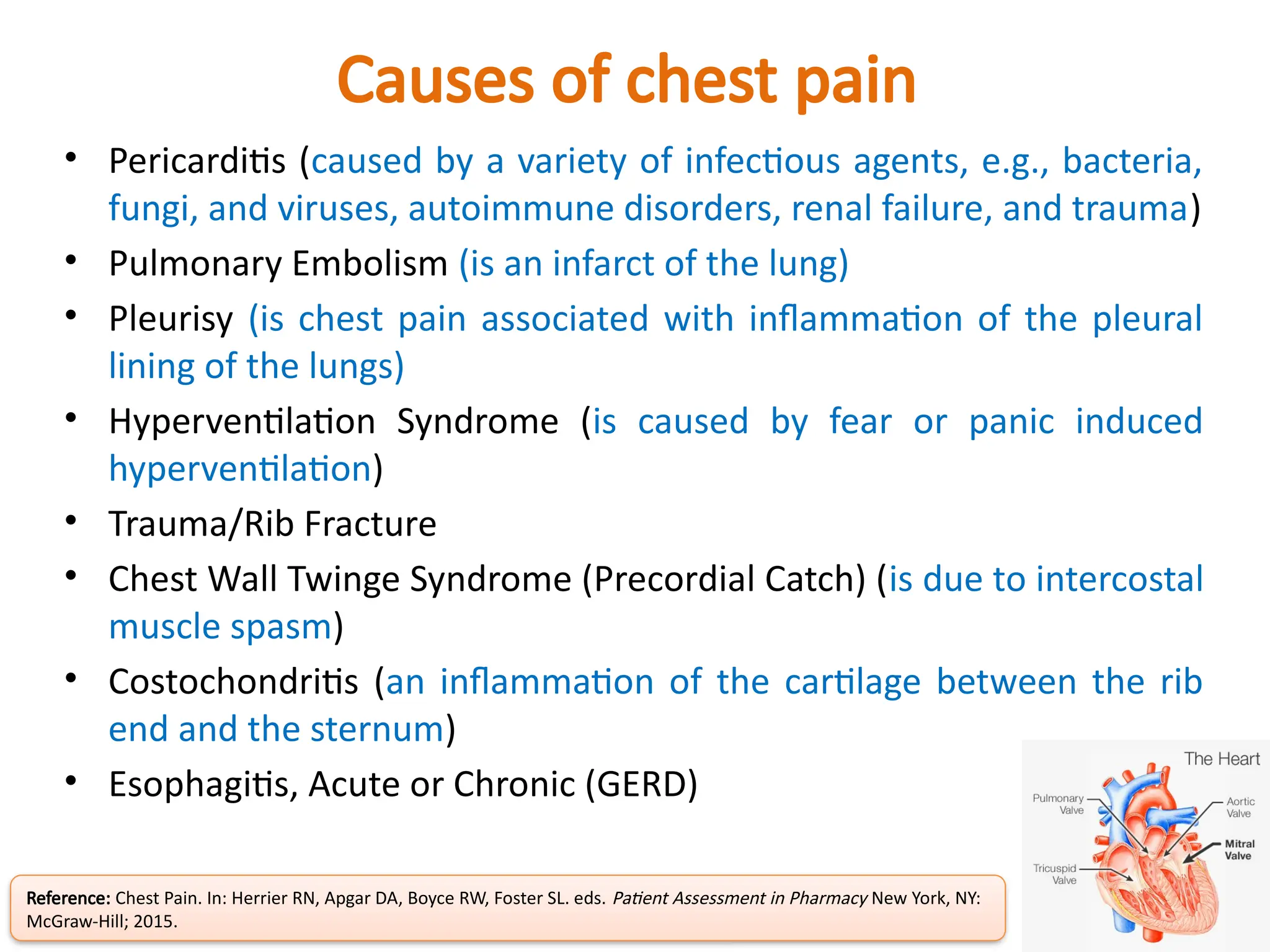
Causes of chestpain
• Pericarditis (caused by a variety of infectious agents, e.g., bacteria,
fungi, and viruses, autoimmune disorders, renal failure, and trauma)
• Pulmonary Embolism (is an infarct of the lung)
• Pleurisy (is chest pain associated with inflammation of the pleural
lining of the lungs)
• Hyperventilation Syndrome (is caused by fear or panic induced
hyperventilation)
• Trauma/Rib Fracture
• Chest Wall Twinge Syndrome (Precordial Catch) (is due to intercostal
muscle spasm)
• Costochondritis (an inflammation of the cartilage between the rib
end and the sternum)
• Esophagitis, Acute or Chronic (GERD)
Reference: Chest Pain. In: Herrier RN, Apgar DA, Boyce RW, Foster SL. eds. Patient Assessment in Pharmacy New York, NY:
McGraw-Hill; 2015.
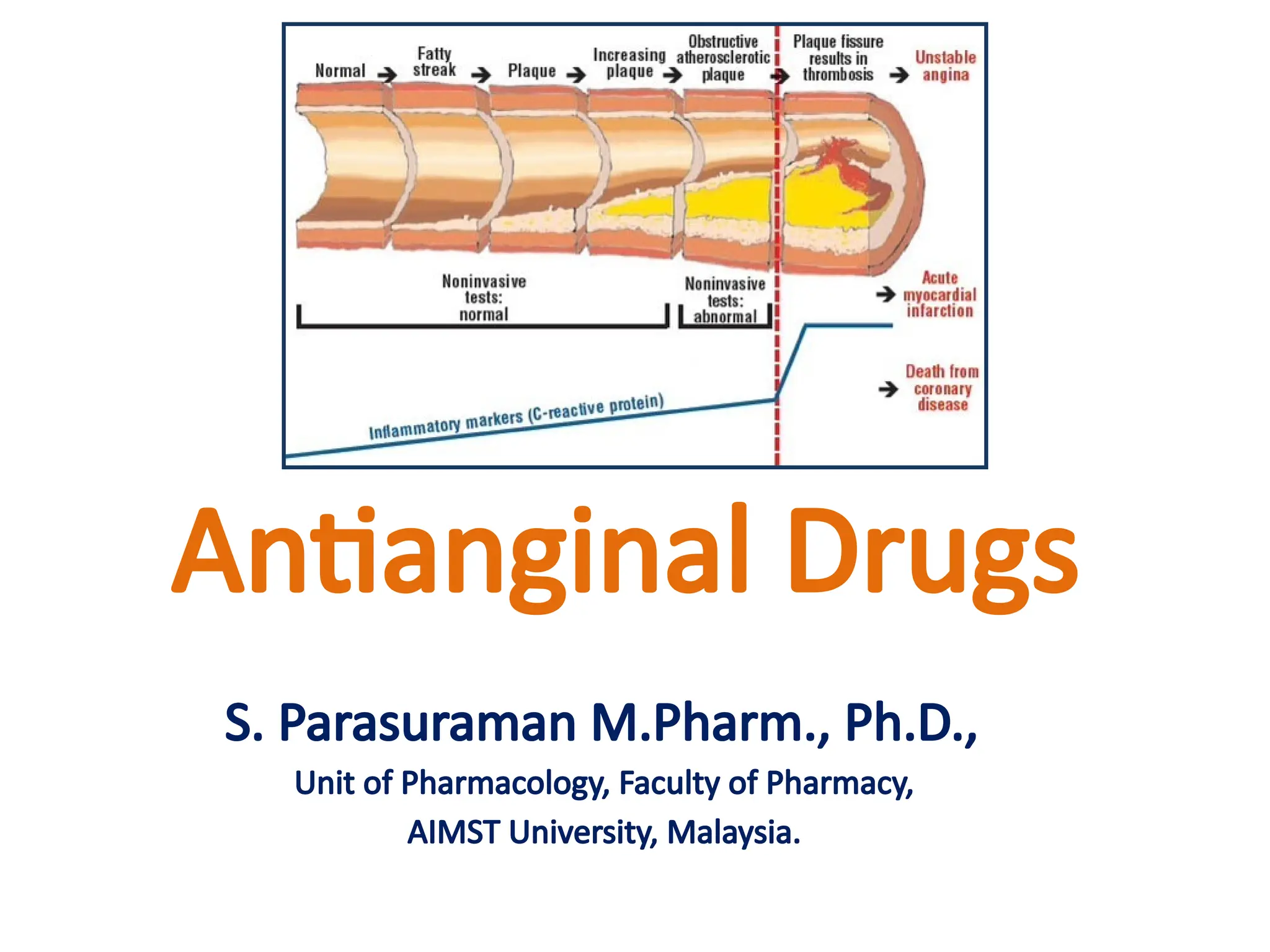
4.
Antianginal Drugs
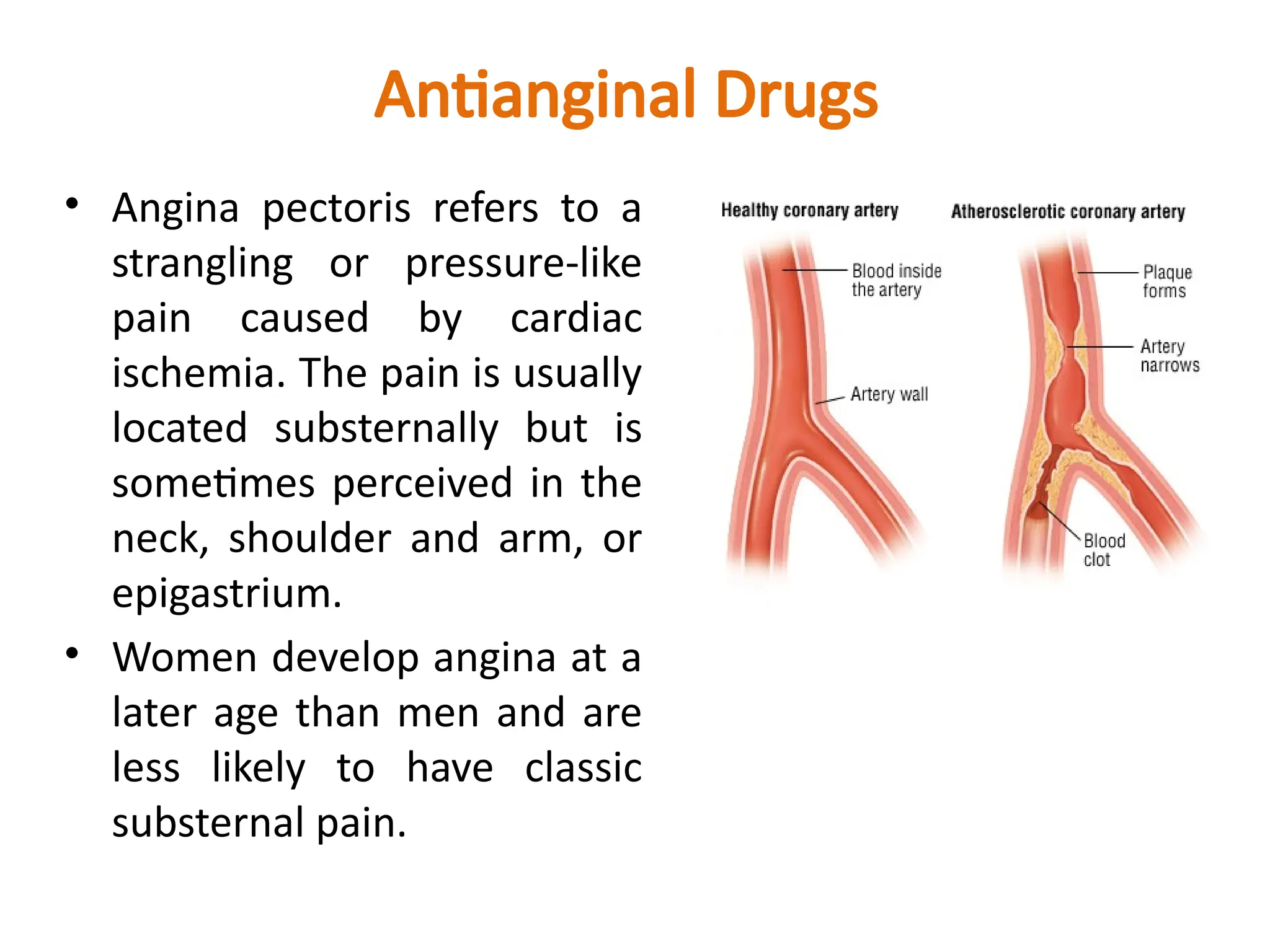
• Anginapectoris refers to a
strangling or pressure-like
pain caused by cardiac
ischemia. The pain is usually
located substernally but is
sometimes perceived in the
neck, shoulder and arm, or
epigastrium.
• Women develop angina at a
later age than men and are
less likely to have classic
substernal pain.
5.
Antianginal Drugs
• Antianginaldrugs are those that prevent, abort or
terminate attacks of angina pectoris.
• Types of angina
– Atherosclerotic angina (classic angina [common form]):
Attacks are predictably provoked (stable angina) by
exercise, emotion, eating or coitus and subside when the
increased energy demand is withdrawn. Rest, by reducing
cardiac work, usually leads to complete relief of the pain
within 15 min. Atherosclerotic angina constitutes about
90% of angina cases.
6.
Antianginal Drugs
• Typesof angina
– Vasospastic angina (rest
angina, variant angina, or
Prinzmetal’s angina
[uncommon form]): Attacks
occur at rest or during sleep
and are unpredictable.
Vasospastic angina is
responsible for less than 10%
of angina cases.
Coronary artery calibre changes in
classical and variant angina
7.
Antianginal Drugs
• Typesof angina
– Unstable angina (crescendo angina, also known as acute
coronary syndrome): It is characterized by increased
frequency and severity of attacks that result from a
combination of atherosclerotic plaques, platelet
aggregation at fractured plaques, and vasospasm.
Reference: Drugs Used in the Treatment of Angina Pectoris. In: Trevor AJ, Katzung BG, Kruidering-Hall M. eds.
Katzung & Trevor's Pharmacology: Examination & Board Review, 11e New York, NY: McGraw-Hill; 2015.
8.
Treatment of AnginaPectoris
• Drugs used in angina exploit two main strategies:
– reduction of oxygen demand
– increase of oxygen delivery to the myocardium
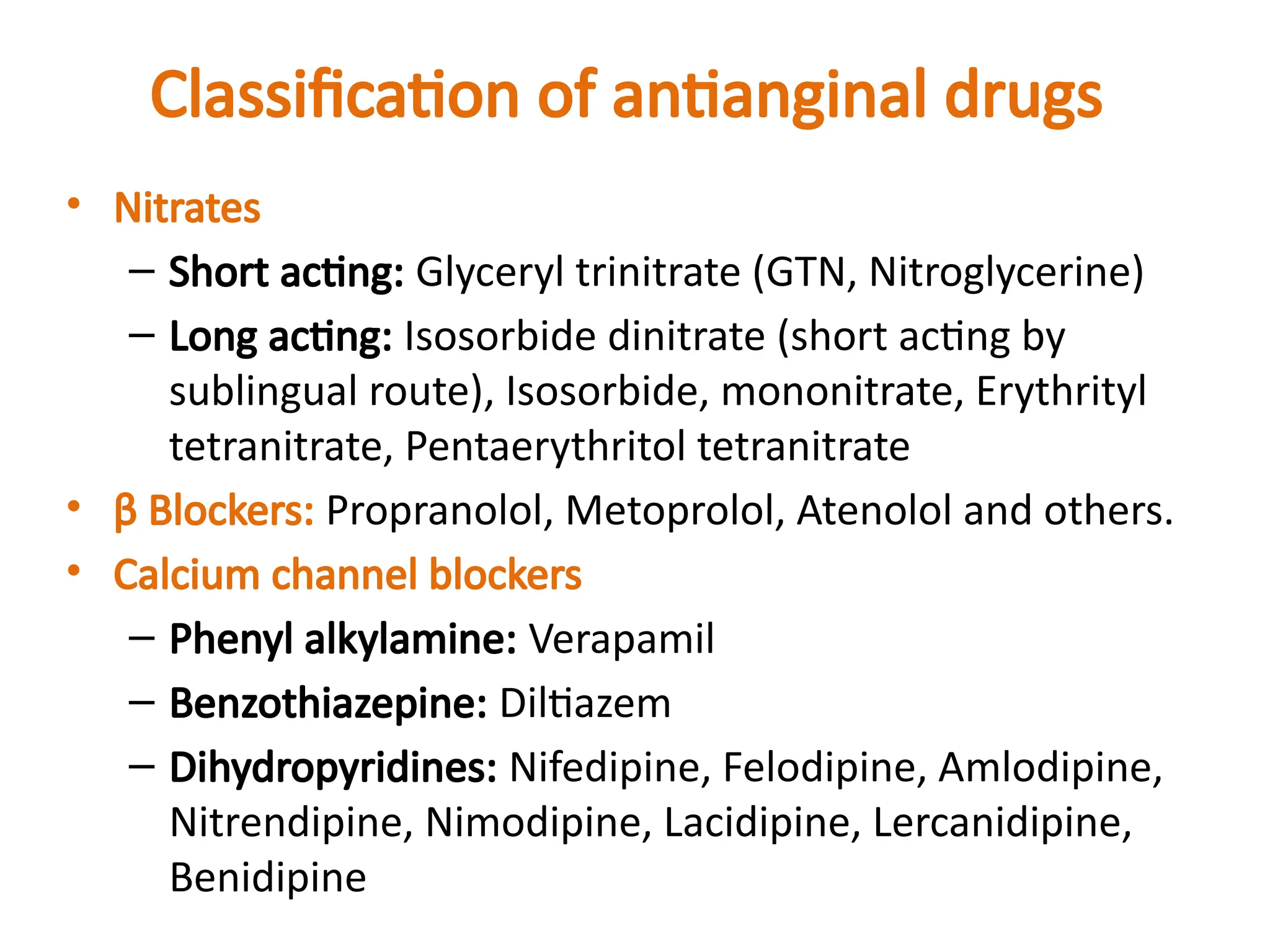
Classification of antianginaldrugs
• Potassium channel opener: Nicorandil
• Others: Dipyridamole, Trimetazidine, Ranolazine,
Ivabradine, Oxyphedrine
• Clinical classification
• Used to abort or terminate attack: GTN, Isosorbide
dinitrate (sublingually).
• Used for chronic prophylaxis: All other drugs.
11.
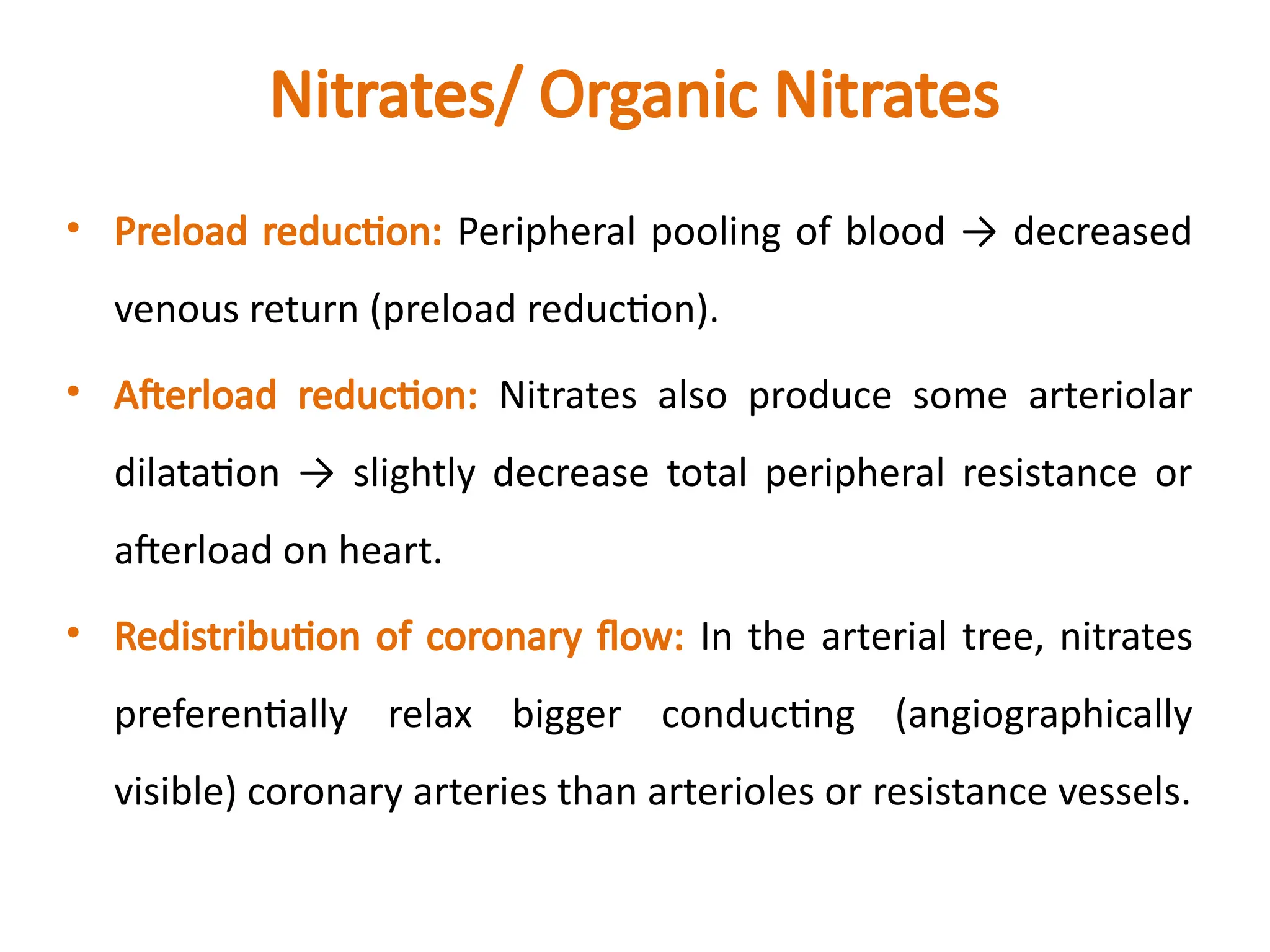
Nitrates/ Organic Nitrates
•Preload reduction: Peripheral pooling of blood → decreased
venous return (preload reduction).
• Afterload reduction: Nitrates also produce some arteriolar
dilatation → slightly decrease total peripheral resistance or
afterload on heart.
• Redistribution of coronary flow: In the arterial tree, nitrates
preferentially relax bigger conducting (angiographically
visible) coronary arteries than arterioles or resistance vessels.
12.
Nitrates/ Organic Nitrates
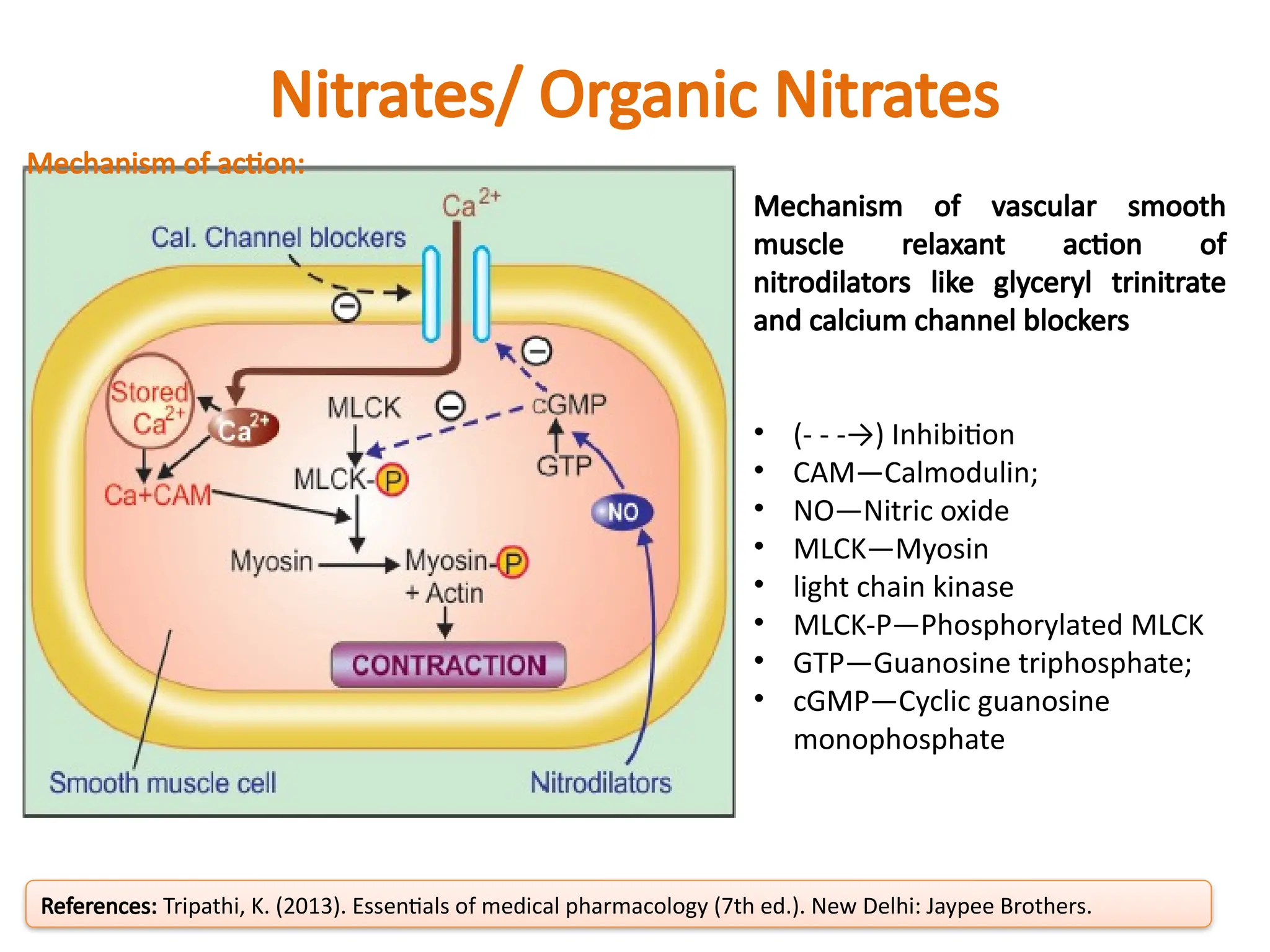
Mechanismof action:
• The organic nitrate agents are prodrugs that are sources of
NO. NO activates the soluble isoform of guanylyl cyclase,
thereby increasing intracellular levels of cGMP. In turn,
cGMP promotes the dephosphorylation of the myosin light
chain and the reduction of cytosolic Ca2+
and leads to the
relaxation of smooth muscle cells in a broad range of tissues.
References: Eschenhagen T. Treatment of Ischemic Heart Disease. In: Brunton LL, Hilal-Dandan R, Knollmann BC.
eds. Goodman & Gilman's: The Pharmacological Basis of Therapeutics, 13e New York, NY: McGraw-Hill
13.
Nitrates/ Organic Nitrates
Mechanismof vascular smooth
muscle relaxant action of
nitrodilators like glyceryl trinitrate
and calcium channel blockers
• (- - -→) Inhibition
• CAM—Calmodulin;
• NO—Nitric oxide
• MLCK—Myosin
• light chain kinase
• MLCK-P—Phosphorylated MLCK
• GTP—Guanosine triphosphate;
• cGMP—Cyclic guanosine
monophosphate
References: Tripathi, K. (2013). Essentials of medical pharmacology (7th ed.). New Delhi: Jaypee Brothers.
Mechanism of action:
14.
Nitrates/ Organic Nitrates
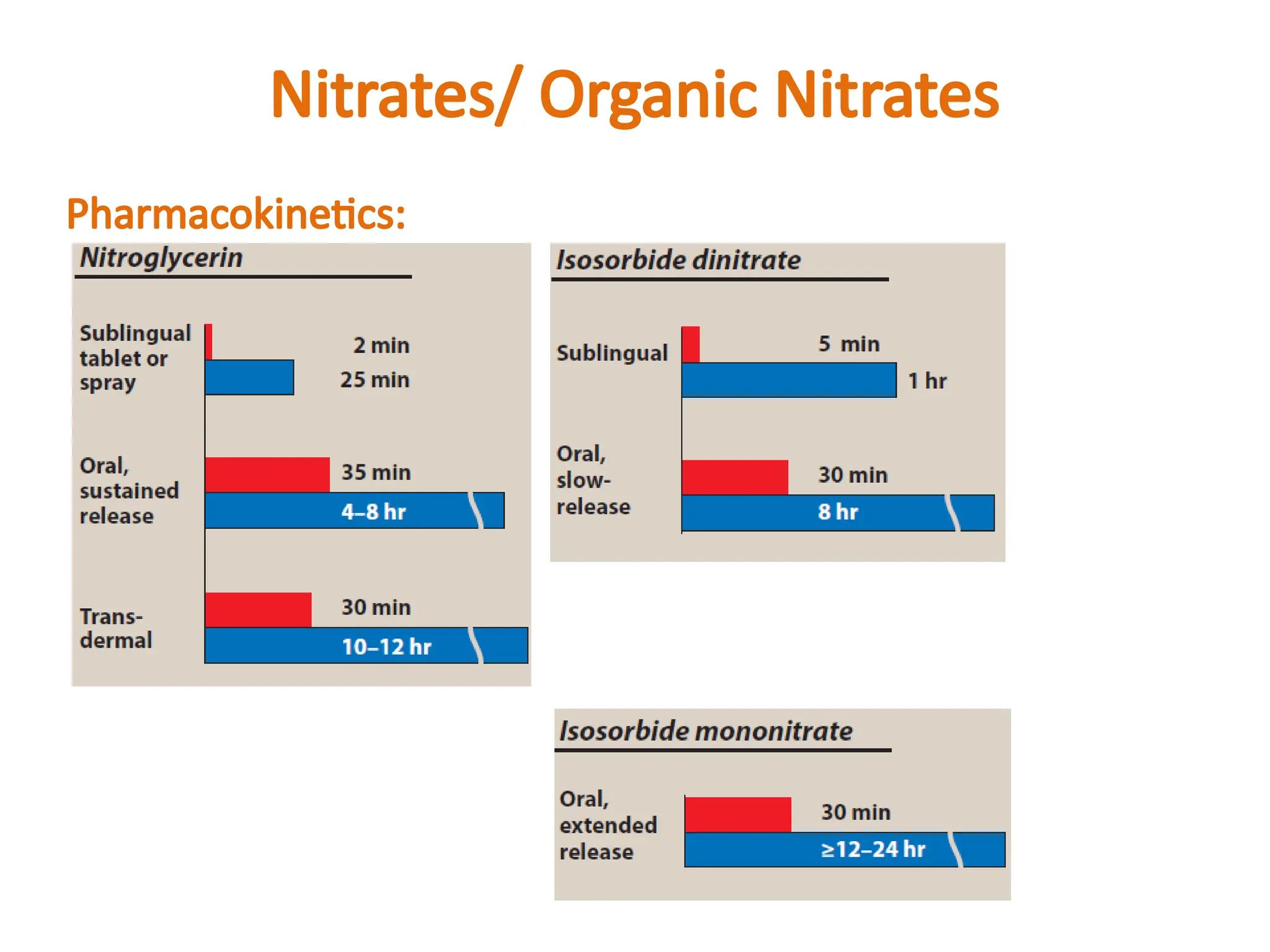
Pharmacokinetics:
•Organic nitrates are lipid soluble, well absorbed from
buccal mucosa, intestines and skin.
• Ingested orally, all except isosorbide mononitrate
undergo extensive and variable first pass metabolism in
liver. They are rapidly denitrated by a glutathione
reductase and a mitochondrial aldehyde dehydrogenase.
Nitrates/ Organic Nitrates
Adverseeffects:
• Headache is the most common adverse effect of nitrates.
High doses of nitrates can also cause postural
hypotension, facial flushing, and tachycardia.
• Phosphodiesterase type 5 inhibitors such as sildenafil
potentiate the action of the nitrates. To preclude the
dangerous hypotension that may occur, this combination
is contraindicated.
17.
Nitrates/ Organic Nitrates
Tolerance:
•Tolerance to the actions of nitrates develops rapidly as the
blood vessels become desensitized to vasodilation.
Tolerance can be overcome by providing a daily “nitrate-
free interval” to restore sensitivity to the drug.
Dependence:
• Sudden withdrawal after prolonged exposure has resulted in
spasm of coronary and peripheral blood vessels. Withdrawal
of nitrates should be gradual.
18.
Nitrates/ Organic Nitrates
Uses:
•Angina pectoris: GTN produces relief within 3 min in 75%
patients, the rest may require another dose or take longer
(upto 9 min).
• Acute coronary syndromes: Nitrates are useful by
decreasing preload as well as by increasing coronary flow.
• Myocardial infarction (MI): GTN is frequently used during
evolving MI with the aim of relieving chest pain,
pulmonary congestion and limiting the area of necrosis by
favourably altering O2 balance in the marginal partially
ischaemic zone.
19.
Nitrates/ Organic Nitrates
Uses:
•CHF and acute LVF: Nitrates afford relief by venous
pooling of blood → reduced venous return (preload) →
decreased end diastolic volume → improvement in left
ventricular function.
• Biliary colic
• Esophageal spasm
• Cyanide poisoning: Nitrates generate methaemoglobin
• which has high affinity for cyanide radical and forms
cyanomethaemoglobin.
20.
β Blockers
• Theβ-adrenergic blockers decrease the oxygen demands
of the myocardium by blocking β1 receptors, resulting in
decreased heart rate, contractility, cardiac output, and
blood pressure.
• All β blockers are nearly equally effective in decreasing
frequency and severity of attacks and in increasing
exercise tolerance in classical angina, but cardioselective
agents (atenolol, metoprolol) are preferred over
nonselective β1 + β2 blockers (e.g. propranolol).
• Agents with intrinsic sympathomimetic activity (ISA) such
as pindolol should be avoided in patients with angina and
those who have had a MI.
Calcium channel blockers
Pharmacologicalactions:
• Smooth muscle: The CCBs cause relaxation by decreasing
intracellular availability of Ca2+
. The dihydropyridines
(DHPs) have the most marked smooth muscle relaxant
and vasodilator action; verapamil is somewhat weaker
followed by diltiazem.
24.
Calcium channel blockers
Pharmacologicalactions:
• Heart: Calcium influx is increased in ischemia because of
the membrane depolarization that hypoxia produces. The
calcium channel blockers protect the tissue by inhibiting
the entrance of calcium into cardiac and smooth muscle
cells of the coronary and systemic arterial beds and
decreases smooth muscle tone and vascular resistance,
afterload.
25.
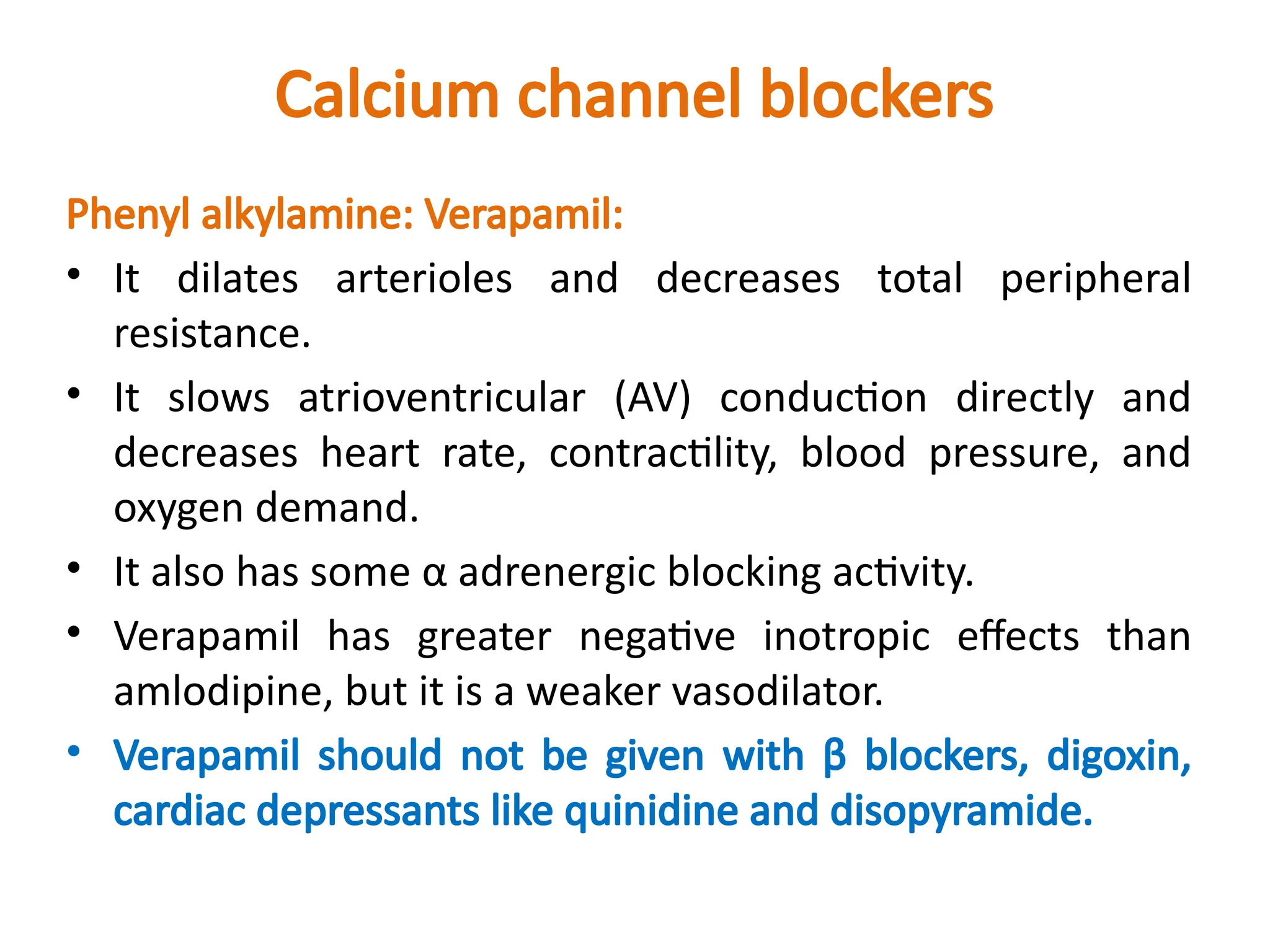
Calcium channel blockers
Phenylalkylamine: Verapamil:
• It dilates arterioles and decreases total peripheral
resistance.
• It slows atrioventricular (AV) conduction directly and
decreases heart rate, contractility, blood pressure, and
oxygen demand.
• It also has some α adrenergic blocking activity.
• Verapamil has greater negative inotropic effects than
amlodipine, but it is a weaker vasodilator.
• Verapamil should not be given with β blockers, digoxin,
cardiac depressants like quinidine and disopyramide.
26.
Calcium channel blockers
Benzothiazepine:Diltiazem:
• Diltiazem also slows AV conduction, decreases the rate of firing of
the sinus node pacemaker, and is also a coronary artery
vasodilator.
• Diltiazem can relieve coronary artery spasm and is particularly
useful in patients with variant angina.
• It is somewhat less potent vasodilator than nifedipine and
verapamil, and has modest direct negative inotropic action, but
direct depression of SA node and A-V conduction are equivalent to
verapamil.
27.
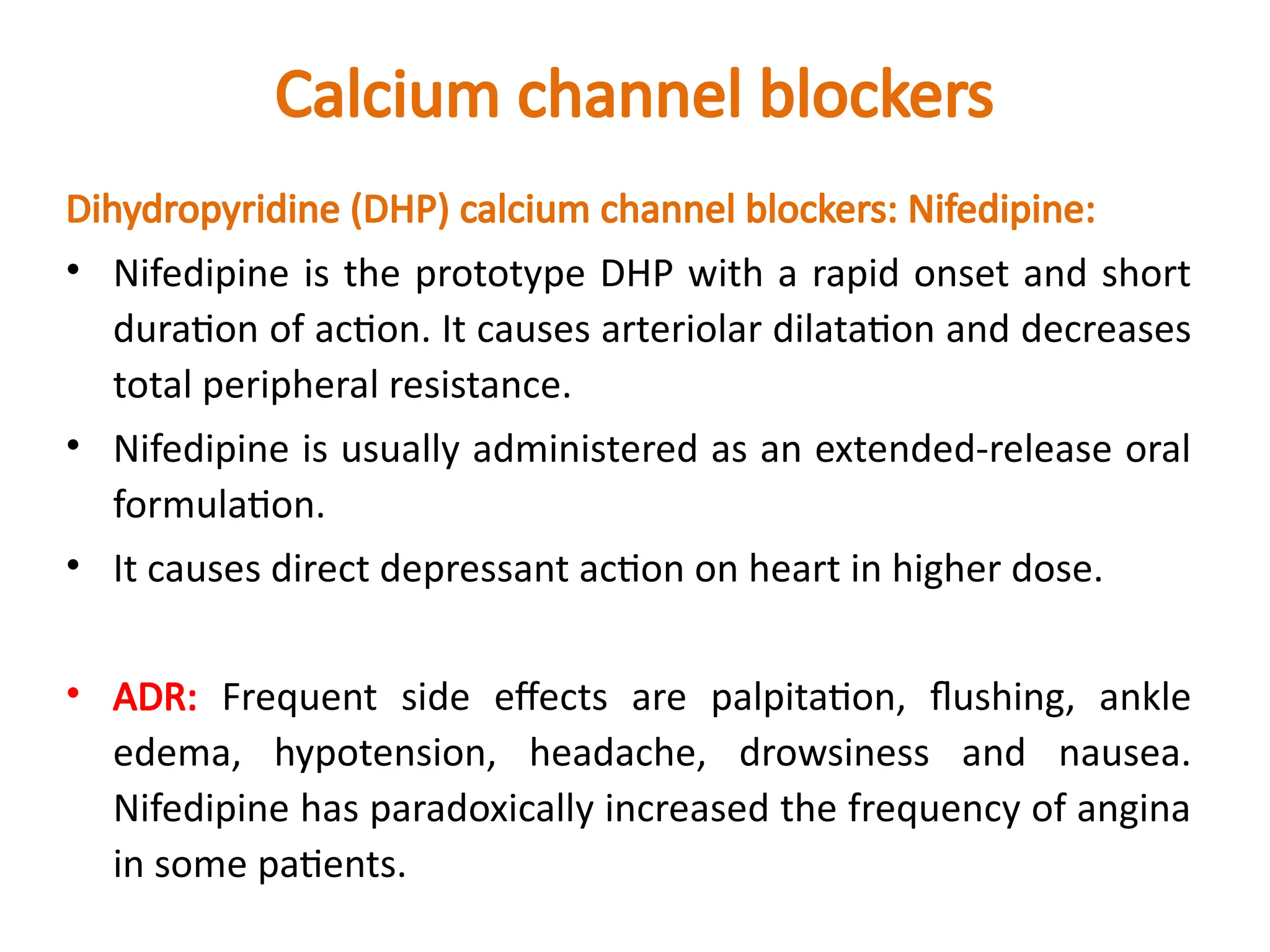
Calcium channel blockers
Dihydropyridine(DHP) calcium channel blockers: Nifedipine:
• Nifedipine is the prototype DHP with a rapid onset and short
duration of action. It causes arteriolar dilatation and decreases
total peripheral resistance.
• Nifedipine is usually administered as an extended-release oral
formulation.
• It causes direct depressant action on heart in higher dose.
• ADR: Frequent side effects are palpitation, flushing, ankle
edema, hypotension, headache, drowsiness and nausea.
Nifedipine has paradoxically increased the frequency of angina
in some patients.
28.
Calcium channel blockers
Otherdihydropyridine (DPH) calcium channel blockers:
• Amlodipine, an oral dihydropyridine, functions mainly as
an arteriolar vasodilator.
• Nitrendipine, is a calcium channel blocker with aditional
action of vasodilatation action. Vasodilation action is due
to release NO from the endothelium and inhibit cAMP
phosphodiesterase.
• Lacidipine, is a highly vasoselective newer DHP.
• Nimodipine, is short-acting DHP which penetrates blood-
brain barrier very efficiently due to high lipid solubility.
• DPH with long duration of action: Lercanidipine,
Benidipine.
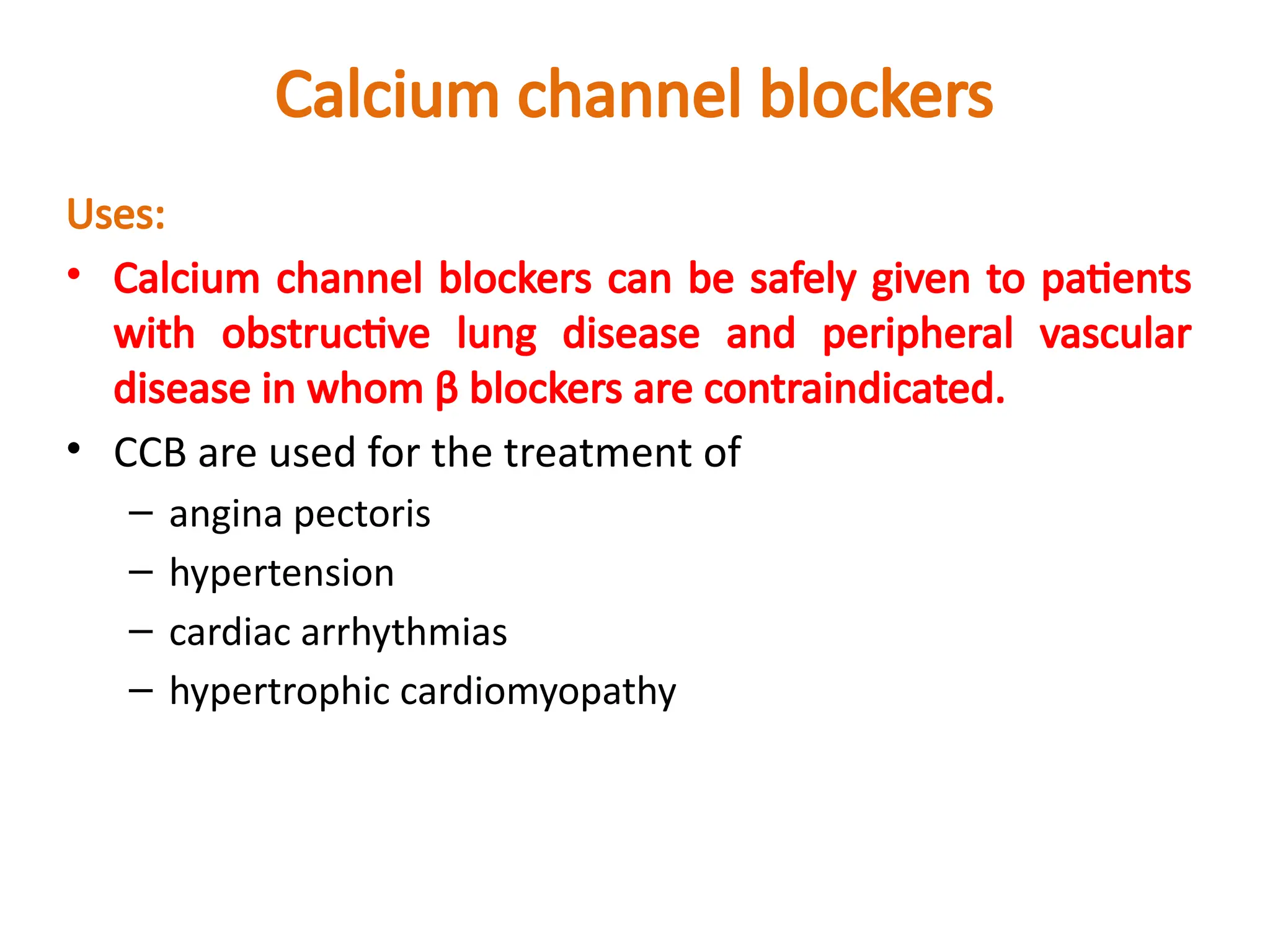
Calcium channel blockers
Uses:
•Calcium channel blockers can be safely given to patients
with obstructive lung disease and peripheral vascular
disease in whom β blockers are contraindicated.
• CCB are used for the treatment of
– angina pectoris
– hypertension
– cardiac arrhythmias
– hypertrophic cardiomyopathy
31.
Potassium Channel Openers
Nicorandil:
•Antianginal action of nicorandil is mediated through ATP
sensitive K+ channels (KATP) thereby hyperpolarizing
vascular smooth muscle.
• Nicorandil is well absorbed orally, nearly completely
metabolized in liver and is excreted in urine.
Administered i.v. during angioplasty for acute MI, it is
believed to improve outcome.
• ADR: Flushing, palpitation, weakness, headache,
dizziness, nausea and vomiting.
32.
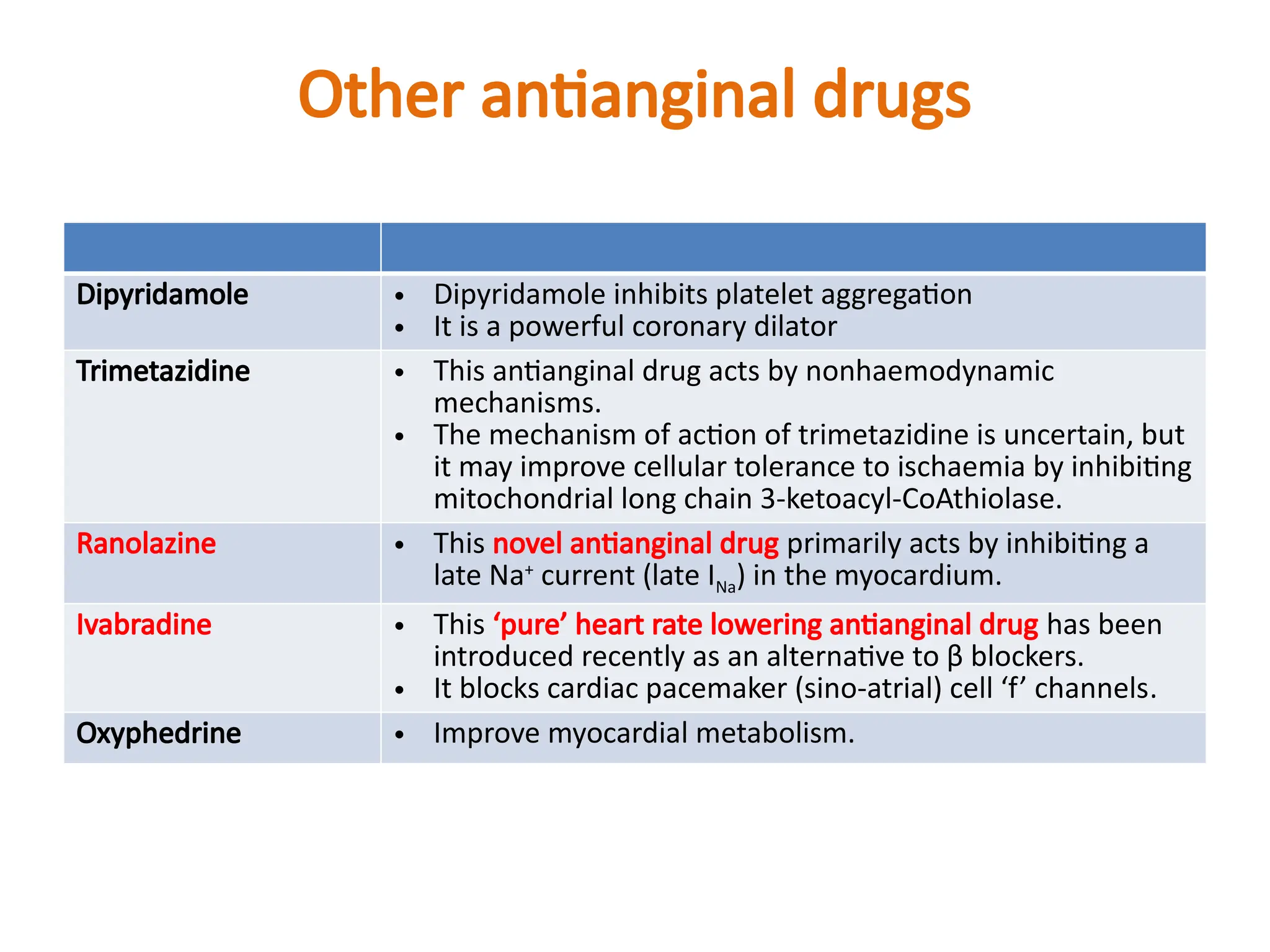
Other antianginal drugs
Dipyridamole• Dipyridamole inhibits platelet aggregation
• It is a powerful coronary dilator
Trimetazidine • This antianginal drug acts by nonhaemodynamic
mechanisms.
• The mechanism of action of trimetazidine is uncertain, but
it may improve cellular tolerance to ischaemia by inhibiting
mitochondrial long chain 3-ketoacyl-CoAthiolase.
Ranolazine • This novel antianginal drug primarily acts by inhibiting a
late Na+
current (late INa) in the myocardium.
Ivabradine • This ‘pure’ heart rate lowering antianginal drug has been
introduced recently as an alternative to β blockers.
• It blocks cardiac pacemaker (sino-atrial) cell ‘f’ channels.
Oxyphedrine • Improve myocardial metabolism.
33.
Distribution of CVDdeaths in females
Distribution of CVD deaths in males
Hypertension_Fact sheets. Available in
https://www.world-heart-federation.org/resources/different-heart-dis
eases/
[last accessed on 14-11-2017]
#20 Pindolol is a non-selective beta-adrenergic antagonis, used in the treatment of hypertension and angina pectoris.
It is also an antagonist of the serotonin 5-HT1A receptor, preferentially blocking inhibitory 5-HT1A autoreceptors.

![Antianginal Drugs
• Antianginal drugs are those that prevent, abort or
terminate attacks of angina pectoris.
• Types of angina
– Atherosclerotic angina (classic angina [common form]):
Attacks are predictably provoked (stable angina) by
exercise, emotion, eating or coitus and subside when the
increased energy demand is withdrawn. Rest, by reducing
cardiac work, usually leads to complete relief of the pain
within 15 min. Atherosclerotic angina constitutes about
90% of angina cases.](https://image.slidesharecdn.com/angina-250823041436-5f1d4f6e/75/Antianginal-agent-Made-by-college-students-5-2048.jpg)
![Antianginal Drugs
• Types of angina
– Vasospastic angina (rest
angina, variant angina, or
Prinzmetal’s angina
[uncommon form]): Attacks
occur at rest or during sleep
and are unpredictable.
Vasospastic angina is
responsible for less than 10%
of angina cases.
Coronary artery calibre changes in
classical and variant angina](https://image.slidesharecdn.com/angina-250823041436-5f1d4f6e/75/Antianginal-agent-Made-by-college-students-6-2048.jpg)












![Distribution of CVD deaths in females
Distribution of CVD deaths in males
Hypertension_Fact sheets. Available in
https://www.world-heart-federation.org/resources/different-heart-dis
eases/
[last accessed on 14-11-2017]](https://image.slidesharecdn.com/angina-250823041436-5f1d4f6e/75/Antianginal-agent-Made-by-college-students-33-2048.jpg)