Unit 3 Notes: 
The Large Intestine
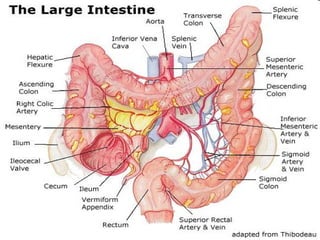
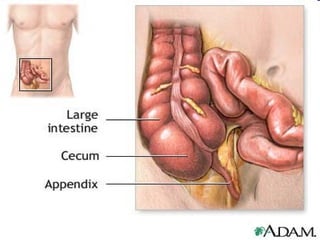
(1) Large Intestine Regions 
• Cecum = 1st Chamber 
• Ascending Colon = Upwards 
• Transverse Colon = Across 
• Descending Colon = Downwards 
• Rectum & Anus
(2) That Appendix 
• Sits beneath cecum 
• Often collects waste and bacteria  
Appendicitis 
• Functions: 
–Produces white blood cells and 
antibodies for immunity. 
–Used to serve a role in cellulose 
digestion.
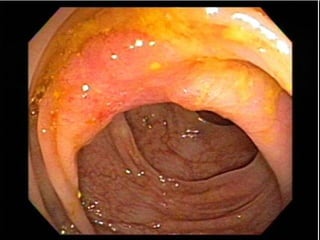
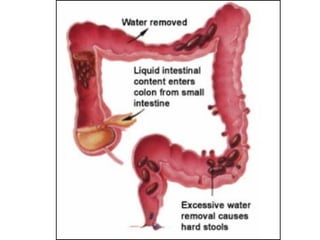
(3) Passing Through the Colon… 
• Waste slowly moves through 
Large Intestine. 
• Water reabsorbed through 
microvilli. 
–Result = Solidified waste mass 
(Feces)
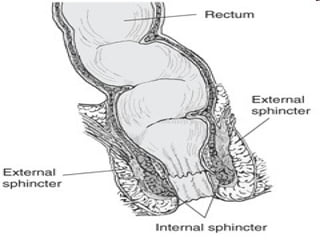
(4) The Rectum & Anus 
• Rectum = Inside part 
• Anus = Outside part = Butthole 
• Mechanism: 
– Remaining waste drops first into rectum 
– Lands on top of Involuntary Sphincter 
– Opens w/pressure 
– Lands on top of Voluntary Sphincter 
–Made of Skeletal Muscle that you control
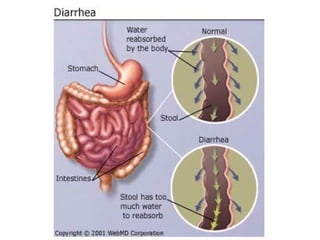
(5) Diarrhea 
• Watery fecal waste. 
• Initiated when you eat something harmful or 
irritating. 
• Waste is forced through intestines too fast: 
– Water cannot be absorbed from waste solution. 
– Waste exits body extremely liquid-y.
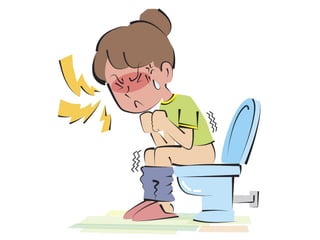
(6) Constipation 
• Backed up fecal waste in the large intestine. 
• Typically the result of: 
– Overly fatty and dense waste. 
– Dehydration and extremely dry, brittle waste. 
• Waste becomes unable to easily slide through 
intestines.
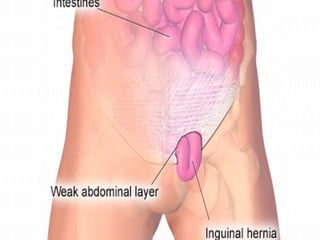
(7) Hernia 
• When a small portion of the intestine tears through the 
abdominal muscle. 
• The curl of the intestine shows directly under top layer 
of skin. 
• Usually the result of excessive abdominal contracting 
and/or force. 
• Chunk of intestine must be surgically placed back into 
abdominal cavity, underneath muscle.
(8) Hemorrhoids 
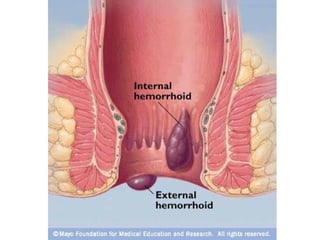
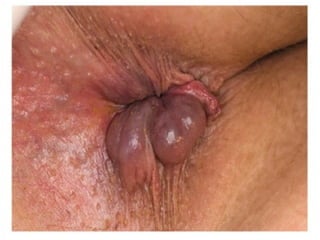
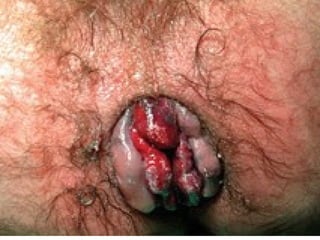
• Rupturing of anal cavity blood vessels: 
– Typically balloon out of the anus. 
– However sometimes can impact colon. 
• Usually caused by excessive anal force or 
exertion… 
– Example: During times of crazy pooping (usually 
after constipation…. Yeah… I said “crazy 
pooping”).
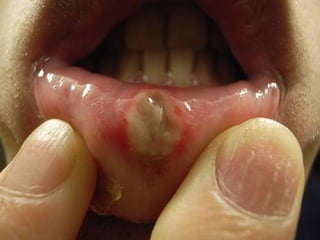
(9) Canker Sore 
• Open wound or ulcer inside the mouth. 
• Result of excessive acid eating away at the oral 
tissue. 
• Can Be Caused By: 
– Stress 
– Excessive bacterial growth (producing more acid) 
– Eating too much acidic food
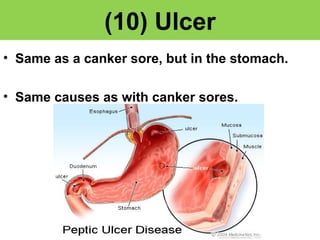
(10) Ulcer 
• Same as a canker sore, but in the stomach. 
• Same causes as with canker sores.
(12) Crohn’s Disease 
• Autoimmune disease. 
• Causes white blood cells to attack intestinal 
cells. 
– This causes sensitivity and inflammation of the 
intestines. 
– Makes it difficult to properly metabolize food, 
absorb nutrients, water, and excrete waste.
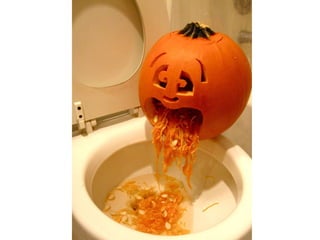
(13) Vomiting 
• The opposite of diarrhea. 
• Caused by eating something irritating or 
harmful. 
• Body prevents full digestion and absorption, 
ejecting food out of the stomach and mouth.
(14) Heartburn 
• The feeling of acid burning the esophageal 
tissue, around the heart-chest-cavity. 
• Due to a loose esophageal sphincter: 
– Stomach acid is able to easily spit out and up into 
the esophagus. 
– Can be caused by a structural defect, or eating 
certain preservatives/spices.

Anatomy Unit 3 Notes: The Large Intestine & Digestive Disorders

  • 1.
    Unit 3 Notes: The Large Intestine
  • 2.
    (1) Large IntestineRegions • Cecum = 1st Chamber • Ascending Colon = Upwards • Transverse Colon = Across • Descending Colon = Downwards • Rectum & Anus
  • 4.
    (2) That Appendix • Sits beneath cecum • Often collects waste and bacteria  Appendicitis • Functions: –Produces white blood cells and antibodies for immunity. –Used to serve a role in cellulose digestion.
  • 6.
    (3) Passing Throughthe Colon… • Waste slowly moves through Large Intestine. • Water reabsorbed through microvilli. –Result = Solidified waste mass (Feces)
  • 8.
    (4) The Rectum& Anus • Rectum = Inside part • Anus = Outside part = Butthole • Mechanism: – Remaining waste drops first into rectum – Lands on top of Involuntary Sphincter – Opens w/pressure – Lands on top of Voluntary Sphincter –Made of Skeletal Muscle that you control
  • 10.
    (5) Diarrhea •Watery fecal waste. • Initiated when you eat something harmful or irritating. • Waste is forced through intestines too fast: – Water cannot be absorbed from waste solution. – Waste exits body extremely liquid-y.
  • 13.
    (6) Constipation •Backed up fecal waste in the large intestine. • Typically the result of: – Overly fatty and dense waste. – Dehydration and extremely dry, brittle waste. • Waste becomes unable to easily slide through intestines.
  • 16.
    (7) Hernia •When a small portion of the intestine tears through the abdominal muscle. • The curl of the intestine shows directly under top layer of skin. • Usually the result of excessive abdominal contracting and/or force. • Chunk of intestine must be surgically placed back into abdominal cavity, underneath muscle.
  • 18.
    (8) Hemorrhoids •Rupturing of anal cavity blood vessels: – Typically balloon out of the anus. – However sometimes can impact colon. • Usually caused by excessive anal force or exertion… – Example: During times of crazy pooping (usually after constipation…. Yeah… I said “crazy pooping”).
  • 22.
    (9) Canker Sore • Open wound or ulcer inside the mouth. • Result of excessive acid eating away at the oral tissue. • Can Be Caused By: – Stress – Excessive bacterial growth (producing more acid) – Eating too much acidic food
  • 24.
    (10) Ulcer •Same as a canker sore, but in the stomach. • Same causes as with canker sores.
  • 25.
    (12) Crohn’s Disease • Autoimmune disease. • Causes white blood cells to attack intestinal cells. – This causes sensitivity and inflammation of the intestines. – Makes it difficult to properly metabolize food, absorb nutrients, water, and excrete waste.
  • 26.
    (13) Vomiting •The opposite of diarrhea. • Caused by eating something irritating or harmful. • Body prevents full digestion and absorption, ejecting food out of the stomach and mouth.
  • 28.
    (14) Heartburn •The feeling of acid burning the esophageal tissue, around the heart-chest-cavity. • Due to a loose esophageal sphincter: – Stomach acid is able to easily spit out and up into the esophagus. – Can be caused by a structural defect, or eating certain preservatives/spices.