• Africa is the world’s second largest continent (11,700,000 miles).
• It is home to 52 countries, 1,000 different languages, and 800 million people.
• 10% of the world’s population lives in Africa.
• The one thing that all African nations have in common is their reliance on the
land’s physical characteristics, which affect where people live, work, & trade.
• Africa can be divided into many different regions:
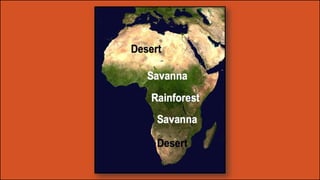
• The Sahara, the Sahel, the savannahs, the tropical rain forests, the Ethiopian
Highlands, and Southern Africa.
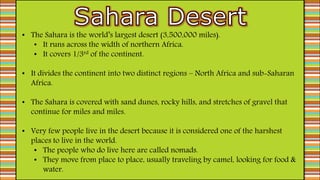
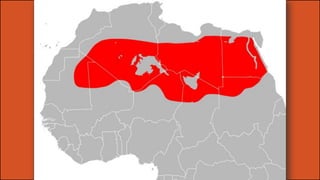
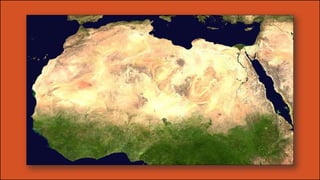
• The Sahara is the world’s largest desert (3,500,000 miles).
• It runs across the width of northern Africa.
• It covers 1/3rd of the continent.
• It divides the continent into two distinct regions – North Africa and sub-Saharan
Africa.
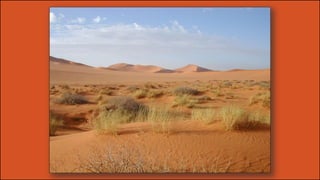
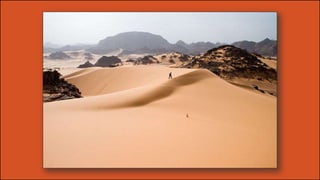
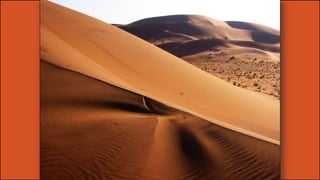
• The Sahara is covered with sand dunes, rocky hills, and stretches of gravel that
continue for miles and miles.
• Very few people live in the desert because it is considered one of the harshest
places to live in the world.
• The people who do live here are called nomads.
• They move from place to place, usually traveling by camel, looking for food &
water.
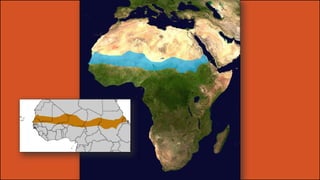
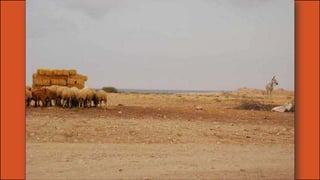
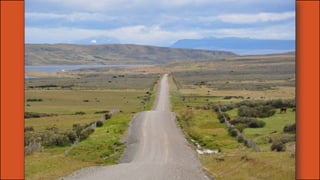
• The Sahel is a strip of dry grassland that is located south of the Sahara.
• The word “Sahel” means “border” or “margin”.
• It is the region between the desert to the north and the grasslands and
rainforest to the south.
• It is a dry, semi-arid region that is slowly turning into desert.
• It gets more rainfall than the desert, but still receives very little, ranging from
6-20 inches.
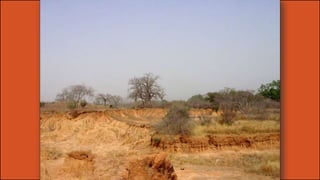
• People have tried to live here but generations of overgrazing and desertification
have caused soil erosion.
• Vegetation is sparse here—grasses are shrubs are unevenly distributed.
• The Sahel is relatively flat with few mountains and hills.
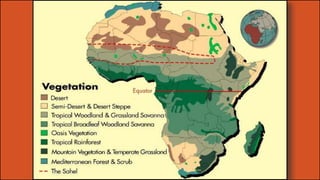
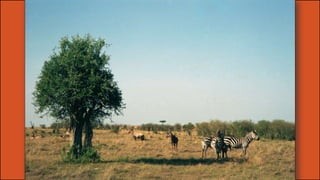
• The African savannas are hot, dry grasslands that are located near the Equator and
cover almost half of Africa.
• They actually cover the regions just north and south of the rainforests that lie
along the equator.
• The African savanna is the largest in the world.
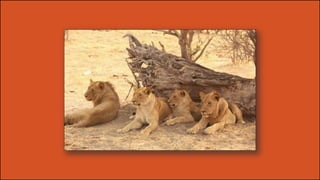
• There is a large variety of wildlife here, including lions, zebras, & elephants.
• Farming is good here, but only if there is good rainfall.
• Grasses and grains like wheat, oats, and sorghum grown in the region.
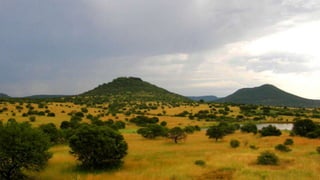
• The area receives enough rain to support drought resistant undergrowth, but not
enough to support forest-type vegetation.
• Grasses are tall and thick, while trees are short and scattered.
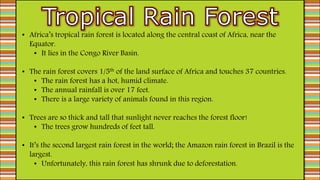
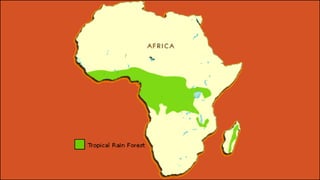
• Africa’s tropical rain forest is located along the central coast of Africa, near the
Equator.
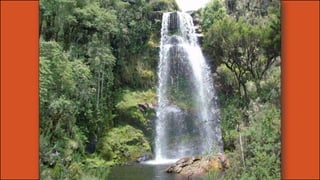
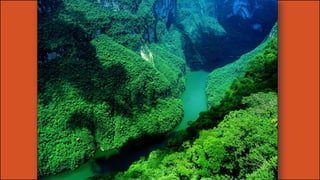
• It lies in the Congo River Basin.
• The rain forest covers 1/5th of the land surface of Africa and touches 37 countries.
• The rain forest has a hot, humid climate.
• The annual rainfall is over 17 feet.
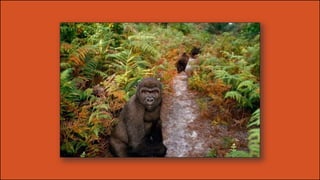
• There is a large variety of animals found in this region.
• Trees are so thick and tall that sunlight never reaches the forest floor!
• The trees grow hundreds of feet tall.
• It’s the second largest rain forest in the world; the Amazon rain forest in Brazil is the
largest.
• Unfortunately, this rain forest has shrunk due to deforestation.
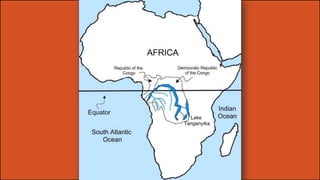
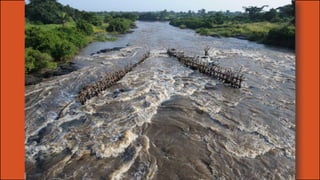
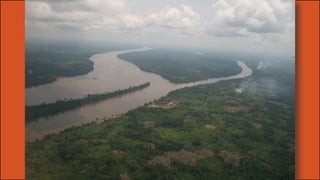
• The Congo River is located in western central Africa.
• It begins in central Africa, near Lake Tanganyika,
and flows west through the tropical rain forest.
• The Congo River is the second largest river in Africa.
• It’s over 3,000 miles long.
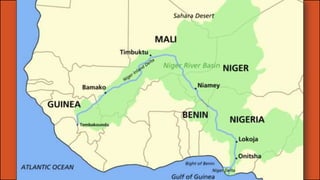
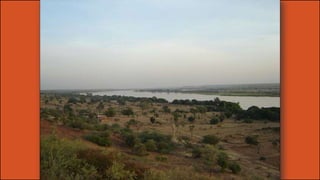
• The Niger River is located in western Africa.
• It flows through Guinea, Mali, Niger, Benin, & Nigeria.
• The Niger River is the third largest river in Africa.
• It runs over 2,600 miles.
• The mouth of the Niger River flows through a large delta,
often referred to as the “Oil Delta” because of the petroleum
industry that’s centered here.
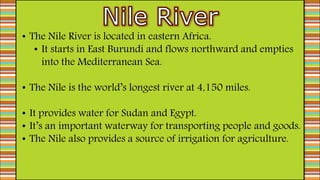
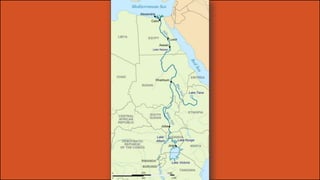
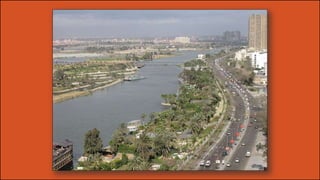
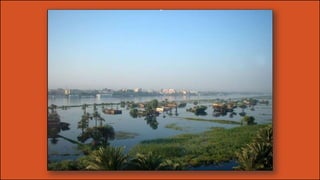
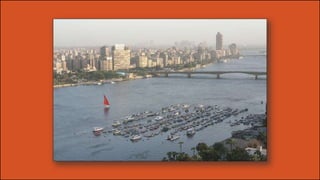
• The Nile River is located in eastern Africa.
• It starts in East Burundi and flows northward and empties
into the Mediterranean Sea.
• The Nile is the world’s longest river at 4,150 miles.
• It provides water for Sudan and Egypt.
• It’s an important waterway for transporting people and goods.
• The Nile also provides a source of irrigation for agriculture.
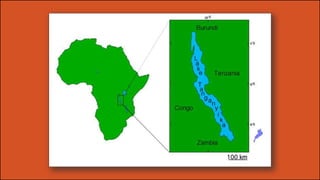
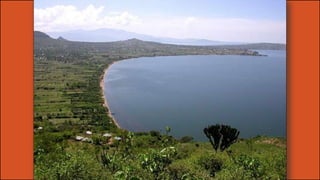
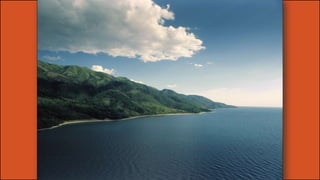
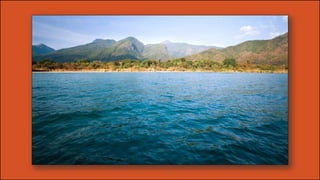
• Lake Tanganyika is located in central Africa.
• It’s divided between Burundi, Congo, Tanzania, and
Zambia.
• Lake Tanganyika is the deepest lake in Africa and one
of the deepest in the world.
• It’s also one of the largest freshwater lakes in the
world.
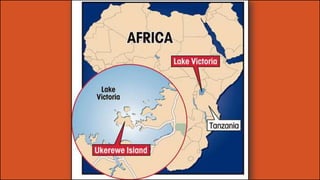
• Lake Victoria is the largest lake in Africa and the second
largest freshwater lake in the world (Lake Superior is the
largest).
• It is located in central Africa and extends into three countries:
Tanzania, Uganda, and Kenya.
• White Nile begins here.
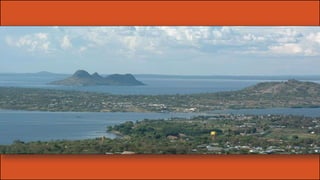
• Lake Victoria is vital in supporting the millions of people that
live nearby.
• It provides a living for many fishermen and attracts
millions of tourists each year.
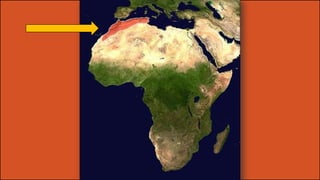
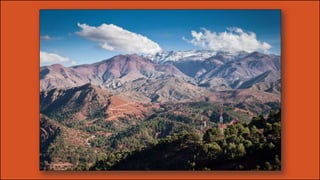
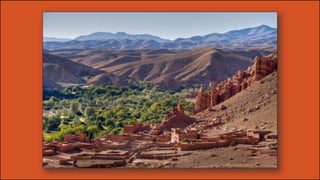
• The Atlas Mountains are a mountain range in north Africa.
• The mountains extend from Morocco to Tunisia, between the
Mediterranean Sea and the Sahara desert.
• They separate the coastal regions from the Sahara Desert.
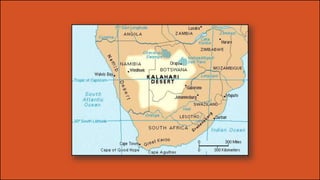
• The Kalahari Desert is located in southwestern Africa.
• It covers parts of Botswana, Namibia, and South Africa.
• The region is surrounded by semi-arid areas that are slowly becoming
more dry.
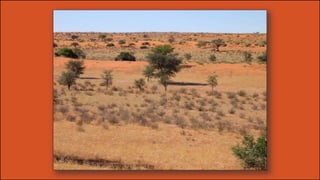
• It is not a “true” desert because it receives 3-10 inches of rain per year.
• Because of the precipitation and underground water supplies, grass,
shrubs, and wild animals manage to live in the Kalahari desert.
Africa
Africa
Africa
Africa

Africa

  • 2.
    • Africa isthe world’s second largest continent (11,700,000 miles). • It is home to 52 countries, 1,000 different languages, and 800 million people. • 10% of the world’s population lives in Africa. • The one thing that all African nations have in common is their reliance on the land’s physical characteristics, which affect where people live, work, & trade. • Africa can be divided into many different regions: • The Sahara, the Sahel, the savannahs, the tropical rain forests, the Ethiopian Highlands, and Southern Africa.
  • 4.
    • The Saharais the world’s largest desert (3,500,000 miles). • It runs across the width of northern Africa. • It covers 1/3rd of the continent. • It divides the continent into two distinct regions – North Africa and sub-Saharan Africa. • The Sahara is covered with sand dunes, rocky hills, and stretches of gravel that continue for miles and miles. • Very few people live in the desert because it is considered one of the harshest places to live in the world. • The people who do live here are called nomads. • They move from place to place, usually traveling by camel, looking for food & water.
  • 9.
    • The Sahelis a strip of dry grassland that is located south of the Sahara. • The word “Sahel” means “border” or “margin”. • It is the region between the desert to the north and the grasslands and rainforest to the south. • It is a dry, semi-arid region that is slowly turning into desert. • It gets more rainfall than the desert, but still receives very little, ranging from 6-20 inches. • People have tried to live here but generations of overgrazing and desertification have caused soil erosion. • Vegetation is sparse here—grasses are shrubs are unevenly distributed. • The Sahel is relatively flat with few mountains and hills.
  • 13.
    • The Africansavannas are hot, dry grasslands that are located near the Equator and cover almost half of Africa. • They actually cover the regions just north and south of the rainforests that lie along the equator. • The African savanna is the largest in the world. • There is a large variety of wildlife here, including lions, zebras, & elephants. • Farming is good here, but only if there is good rainfall. • Grasses and grains like wheat, oats, and sorghum grown in the region. • The area receives enough rain to support drought resistant undergrowth, but not enough to support forest-type vegetation. • Grasses are tall and thick, while trees are short and scattered.
  • 18.
    • Africa’s tropicalrain forest is located along the central coast of Africa, near the Equator. • It lies in the Congo River Basin. • The rain forest covers 1/5th of the land surface of Africa and touches 37 countries. • The rain forest has a hot, humid climate. • The annual rainfall is over 17 feet. • There is a large variety of animals found in this region. • Trees are so thick and tall that sunlight never reaches the forest floor! • The trees grow hundreds of feet tall. • It’s the second largest rain forest in the world; the Amazon rain forest in Brazil is the largest. • Unfortunately, this rain forest has shrunk due to deforestation.
  • 23.
    • The CongoRiver is located in western central Africa. • It begins in central Africa, near Lake Tanganyika, and flows west through the tropical rain forest. • The Congo River is the second largest river in Africa. • It’s over 3,000 miles long.
  • 27.
    • The NigerRiver is located in western Africa. • It flows through Guinea, Mali, Niger, Benin, & Nigeria. • The Niger River is the third largest river in Africa. • It runs over 2,600 miles. • The mouth of the Niger River flows through a large delta, often referred to as the “Oil Delta” because of the petroleum industry that’s centered here.
  • 30.
    • The NileRiver is located in eastern Africa. • It starts in East Burundi and flows northward and empties into the Mediterranean Sea. • The Nile is the world’s longest river at 4,150 miles. • It provides water for Sudan and Egypt. • It’s an important waterway for transporting people and goods. • The Nile also provides a source of irrigation for agriculture.
  • 35.
    • Lake Tanganyikais located in central Africa. • It’s divided between Burundi, Congo, Tanzania, and Zambia. • Lake Tanganyika is the deepest lake in Africa and one of the deepest in the world. • It’s also one of the largest freshwater lakes in the world.
  • 39.
    • Lake Victoriais the largest lake in Africa and the second largest freshwater lake in the world (Lake Superior is the largest). • It is located in central Africa and extends into three countries: Tanzania, Uganda, and Kenya. • White Nile begins here. • Lake Victoria is vital in supporting the millions of people that live nearby. • It provides a living for many fishermen and attracts millions of tourists each year.
  • 43.
    • The AtlasMountains are a mountain range in north Africa. • The mountains extend from Morocco to Tunisia, between the Mediterranean Sea and the Sahara desert. • They separate the coastal regions from the Sahara Desert.
  • 47.
    • The KalahariDesert is located in southwestern Africa. • It covers parts of Botswana, Namibia, and South Africa. • The region is surrounded by semi-arid areas that are slowly becoming more dry. • It is not a “true” desert because it receives 3-10 inches of rain per year. • Because of the precipitation and underground water supplies, grass, shrubs, and wild animals manage to live in the Kalahari desert.