INTERNATIONAL JOURNAL OF MATHEMATICS AND COMPUTERS IN SIMULATION


                A new Standard Uptake Values (SUV)
              Calculation based on Pixel Intensity Values
           SOMPHOB SOONGSATHITANON, PAWITRA MASA-AH and MALULEE TUNTAWIROON

Abstract— Positron Emission Tomography (PET) is one of the                       The simplest semi-quantitative approach is to estimate the
major cancer imaging tools for both diagnosis and staging. The                 concentration of tracer in a given region from PET images by
prognostic significant parameter for PET scan is Standard Uptake               using an ROI analysis. The semi-quantitative measure of local
Values (SUV). The SUV can be used as a tool to supplement the                  FDG uptake has been developed and utilized in differentiating
visual interpretation for physician. However the SUV can not be                benign from malignant lesion since malignant lesions in
calculated without the vendor’s application software. In order to              general having greater uptake. SUV (Standardized Uptake
calculate the SUV without the vendor’s application software, a new             Value) is the value that often used in PET scan.
standard uptake values (SUV) calculation scheme based on image                   Standardized Uptake Value (SUV) is universally used in
intensity has been introduced. This new scheme is tested by using              routine clinical practice. It is used as a parameter of the semi-
108 slices of DICOM files obtained from 11 patients (8 men, 3                  quantitative in FDG - PET analysis. The SUV provides a
women). The comparative study between this scheme and the GE                   determination of activity in a defined region of interest (ROI)
Xeleris workstation has been done and the results showed that the              normalized to the patient’s body weight and administered
correlation between the two systems is statistically significant with a
                                                                               dose. Being a ratio, it is unit less and is calculated by
99% confidence interval. The average percentage of accuracy is 85%
                                                                                              Measure Activity in Region of interest (ROI)(mCi/ml) ..(1)
for the report at a 95% confidence interval. So this scheme can be                  SUVbw =
used as an alternative tool to calculate the SUV and it can be                                               Injected Dose (mCi)
installed in any computers.                                                                                    Body Weight (g)

                                                                                  SUV is affected by several factors. It has a strong positive
Keywords—Positron Emission Tomography combined Computed
                                                                               correlation with weight if it is calculated in body weight term.
tomography (PET/CT), Standardized Uptake Value (SUV), The
Digital Imaging and Communications in Medicine (DICOM)                         The time of measurement is also effected, the earlier imaging
                                                                               provides low results, and conversely delayed scans provide
                         I. INTRODUCTION                                       high SUV. Also the other factors such as dose extravasations,
                                                                               attenuation parameters, reconstruction parameters, partial
   PET/CT was launched to market in early 2001. It has been                    volume effect and plasma glucose level in patient blood affect
popular since then. Now PET/CT has been became one of the                      the value of SUV.
main imaging tool for both diagnosis and staging in cancer.                       The cut-off value for malignant lesion is 2.5 and it has
PET/CT can also be used in radiation treatment planning                        largely been proven to be an oversimplification. SUV is the
(RTP) because of the ability to demonstrate the physiological                  one of many criteria used for interpretation, including visual
data of the tumor cell. PET/CT is classified as medical device                 uptake, lesion size relative to uptake, and also clinical history.
that measures radioactive traces injected into the body.                       Some routine clinical purpose, visual analysis of PET images
   PET is a non-invasive diagnostic tool that provides                         is sufficient for clinical interpretation. SUV does provide an
tomographic images and quantitative parameters of the blood                    objective parameter for image analysis and is useful for
perfusion, cell viability, proliferation and / or metabolic                    research purpose. For patients with cancer, it is important to
activity of tissues. These images result from the use of                       report SUV of chosen index lesions.
different substances of biological interest (glucose, amino                       Either SUVmaximum or SUVmean in a region of interest (ROI)
acids, and hormones) labeled with positron emitting                            can be used. Nevertheless physician prefers to report the case
radionuclides.                                                                 by the Maximum SUV. Because the maximum SUV is least
   PET radiopharmaceuticals are used for diagnostic. They are                  affect by partial volume effect, [2] so in this research we
used for imaging of metabolic pathway in the body. F18-FDG                     calculate the SUVmax which is obtained from the Maximum
is a widely used technique in clinical practice today.                         Pixel Value in the image slice.
   FDG could be used as tracer for diagnosis of cancer because
FDG is an analog of glucose that the living cell will be taken
up in the first stage of glucose pathway. The taking of FDG by
cell depends on an increased of glycolytic activity in
neoplastic cell which is a cancer cell.


       Issue 1, Volume 6, 2012                                            26
INTERNATIONAL JOURNAL OF MATHEMATICS AND COMPUTERS IN SIMULATION


                                                                       system (PACS). It covers all of the data transfer, storage and
                                                                       display protocol created and designed to cover all aspects of
                                                                       digital photography, medical simplified.
                                                                          Picture Archiving and Communication System (PACS) is an
                                                                       electronic system dedicated to medical image management.
                                                                       It enables the following image cycle: production on imaging
                                                                       devices, archiving, transfer via network and consultation,
                                                                       processing and softcopy reading on stations. It is a standard for
                                                                       file formats and inter-system communication used in hospitals
                                                                       and clinical labs for storing radiology images (Xrays, MRIs,
                                                                       CTs, PET/CT, etc).


Fig 1. the example of all image planes from PET/CT : coronal             Fig 2. The work flow diagram of PACS and DICOM in the system.
plane(above), sagittal plane(below), transaxial plane(right)
(http://www.westcoastradiology.net/images/pic-pet-ct-1.jpg)

   To calculate the SUV, ROI was drawn on the image that
appears on the screen by the reader (physician). The computer
then calculates the average density or maximum density in that
ROI, then the decay of uptake in the period and counting
efficiency were corrected. The pixel intensity value in the ROI
area finally was converted to the activity per gram of tissue,
assuming tissue density is equal to 1 g/cc. [1-2]
   The body weight (kg) and injected dose (µCi(Bq)) were
together used, the SUV is calculated for the ROI using Eq. 1.
All process above needs a specific application program.
   Each manufacture (vendor) in the market has their own
application which supports only the files from their equipment.
Moreover the workstation of application is mostly installed
nearby the equipment or in the hospital area. The limitation of
data accessible is the main motivation in this research. We
eradicate limitation by created the application program for
calculate the SUV using MATLAB which is a widely used in
science and engineering.
   In this research, DICOM (Digital imaging and
communications in medicine) [3-4] file is used as the sample
source. DICOM is not just an image or file formats. DICOM
file is a file format developed by the DICOM Standards
Committee whose members are partly members of NEMA.
                                                                          Fig.3. Major Picture Archiving and Communication System
The strength of DICOM files is the exchangeability between
                                                                       (PACS) components. Image acquisition devices (modalities)
two entities that are capable of receiving image and patient
                                                                       store
data. DICOM also enables the integration of scanners, servers,
workstations, printers, and network hardware from multiple
manufacturers into a picture archiving and communication


      Issue 1, Volume 6, 2012                                     27
INTERNATIONAL JOURNAL OF MATHEMATICS AND COMPUTERS IN SIMULATION


   A DICOM file is easily divided into two main parts which
are the DICOM image and the metadata (header). The SUV
calculation scheme is created based on the data from both part.


                                                                       Fig 4. The data elements consisting of TAG, VR, Value Length and
                                                                       Value field.


A DICOM file contains binary attribute or data elements.
Each element consists of
   1. A tag, in the format of group, element (XXXX,XXXX)
that identifies the element.
      • A Group No. Tells you about an entity.
      • An Element No. Identifies the exact information
in the group
   For Example, In the tag (0010,0020): Group No. is 0010                                             (a)
and Element No. is 0020. The Group no. 0010 tells you that
the information is about PATIENT and the Element No. 0020
tells you that the information is about the PATIENT NAME.
Some Groups: (Group numbers are in Hexadecimal)
   Group 2: Contains File Meta information
   Group 8: General series info.
   Group 10: Patient info.
   Group 20: General Study info.
   Group 28: Image info.
Etc.
   2. A Value Representation (VR) that describes the data
type and format of the attribute's value. It is an
optional field.
   3. A value length (VL) that defines the length of the
attribute's value.
   4. A value field containing the attribute's data.
Each data element must be read in order to march through               Fig. 5. The DICOM file is reviewed by MATLAB (a.) Image part (b.)
the file and find the data of interest.                                Header (Metadata) part.
   The current DICOM standard specifies that the file contains
the string "DICM" starting at byte position 128.                          For more practicable, the performance of the scheme was
                                                                       tested by comparing to the well-known application from GE
                                                                       healthcare (Xeleris workstation).
                                                                          This paper will present the SUV calculation scheme that
                                                                       was created from DICOM files by using MATLAB [5-6] and
                                                                       the performance test of the SUV scheme by comparison of the
                                                                       SUV from the scheme to the SUV obtained from the Xeleris
                                                                       workstation. For more practicable, the tests were based on
                                                                       patient files.


      Issue 1, Volume 6, 2012                                     28
INTERNATIONAL JOURNAL OF MATHEMATICS AND COMPUTERS IN SIMULATION


                          II. METHOD
   Since the similar study is not much prevalent. So we have to
start doing the research by PILOT STUDY. The purpose of
pilot study is for studying the characteristic of DICOM file
type that would be used in the research. The Pilot study has
done by scanning phantom instead of patients. Then the
obtained files could be used for study further.
   In the pilot study, we used DICOM files from Phantom scan
(PILOT STUDY). It must be prepared, and we use the WCC
phantom or well Counter Correction Phantom and do the scan
according to the Phantom preparing for Quarterly QC.

The algorithm of the SUV calculation scheme
    a) Extract pixel intensity value from PET image.
        Define the region of interest (ROI) in the image and
        then extract the pixel intensity value in that ROI. The
        maximum of the value is used for SUVmax calculation.
    b) Convert the obtained pixel intensity value from ROI to
        the activity concentration in Becquerel.
        The pixel intensity value represents the accumulation
        of activity in the region, the conversion needs the
        parameter from the metadata part which is containing
        all information of the scan.
        The attributed tags in this part include Rescale Slope,
        Rescale Intercept, dose calibration and Units. (Only
        Rescale slope is individual in each slice). [7-8]

 Activity Conc. in ROI (Bq/ml)
 = Pixel Value × Image Scale Factor × dose calibration ……..(2)


        Image Scale Factor = Rescale Slope             ….(3)

    c) Together all other related attributed tag for calculate
        SUV within a file slice.
                                                                       Fig 6 SUV calculation algorithm of MATLAB      scheme
        Full fill the SUV calculation formula (1) by the actual
                                                                          For more practicable the SUV calculation Scheme testing is
        activity and body weight which are obtained from
                                                                       needed. This research uses the same sample to compare SUV
        these attributed tag i.e. Total Dose (0018,1074),
                                                                       from two methods. This SUV calculation Scheme is operated
        Series       Date    (0008,0021),     Series      Time
                                                                       on the PC with the installed MATLAB. In order to evaluate
        (0008,0031),Radiopharmaceutical         Start     Time
                                                                       the performance of the scheme, it is compared to the SUV that
        (0018,1072),      Radiopharmaceutical      Half Life
                                                                       obtained from the Well-known application software from GE
        (0018,1075) and Patient Weight (0010,1010)
                                                                       healthcare (Xeleris workstation).
    d) Calculate as a volume term by integral SUV from many
                                                                          The scheme will be tested by inputting the PET DICOM
        slices.
                                                                       file. The first aspect in this comparison is that both systems
        In practical, SUV calculation is analyzed in the
                                                                       need to proceed in the same file. After a study of GE
        Volume of Interest (VOI). So In this study , We
                                                                       healthcare DICOM file by doing the PILOT STUDY, we
        defined the volume of interest (VOI) and then
                                                                       found that GE healthcare has stored the DICOM file by
        summarized the SUV in every slice in the volume.
                                                                       arranged inversely. The first file (Slice No.1) on Xeleris is the
        The ROI of SUV from each slice is all same position
                                                                       last DICOM file (Slice No.277) on MATLAB.
        and size.
                                                                          Both Xeleris and MATLAB (the SUV calculation scheme)
                                                                       allow the interpretation of ROI analysis. The circular ROIs
                                                                       were drawn surrounding the region of FDG uptake (lesion). In
                                                                       each patient is consisted of many of file slices according to
                                                                       each lesion on each patient. The SUV in the defined region
                                                                       was recorded by the Xeleris® workstation and MATLAB.
                                                                          The main SUV calculation scheme was created as an
                                                                       application that can calculate the SUV by drawing


       Issue 1, Volume 6, 2012                                    29
INTERNATIONAL JOURNAL OF MATHEMATICS AND COMPUTERS IN SIMULATION


immediately on the DICOM files that you want to know. Both
systems are needed to analyze on the same file, and also
matched region of interest (ROI). The ROI within slice was
drawn in the same location and size. So another application is
needed to be created to compare them both. It was run by
calling the file as ROIs model (include position and shape) for
the next DICOM file to compare.


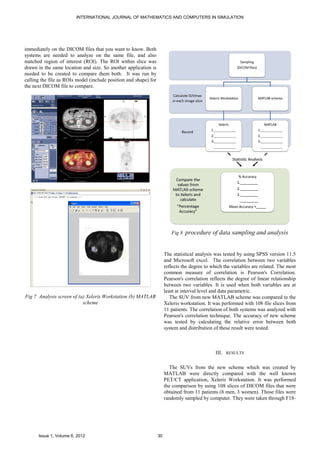
                                                                          Fig 8   procedure of data sampling and analysis


                                                                       The statistical analysis was tested by using SPSS version 11.5
                                                                       and Microsoft excel. The correlation between two variables
                                                                       reflects the degree to which the variables are related. The most
                                                                       common measure of correlation is Pearson's Correlation.
                                                                       Pearson's correlation reflects the degree of linear relationship
                                                                       between two variables. It is used when both variables are at
                                                                       least at interval level and data parametric.
Fig 7 Analysis screen of (a) Xeleris Workstation (b) MATLAB               The SUV from new MATLAB scheme was compared to the
                           scheme                                      Xeleris workstation. It was performed with 108 file slices from
                                                                       11 patients. The correlation of both systems was analyzed with
                                                                       Pearson's correlation technique. The accuracy of new scheme
                                                                       was tested by calculating the relative error between both
                                                                       system and distribution of these result were tested.


                                                                                                III. RESULTS

                                                                          The SUVs from the new scheme which was created by
                                                                       MATLAB were directly compared with the well known
                                                                       PET/CT application, Xeleris Workstation. It was performed
                                                                       the comparison by using 108 slices of DICOM files that were
                                                                       obtained from 11 patients (8 men, 3 women). Those files were
                                                                       randomly sampled by computer. They were taken through F18-


      Issue 1, Volume 6, 2012                                     30
INTERNATIONAL JOURNAL OF MATHEMATICS AND COMPUTERS IN SIMULATION


FDG PET/CT scanning at Siriraj Imaging Center during
January to October 2010.                                                                     Accuracy
                                                                                        14
  The SUV from Xeleris Workstation and MATLAB were
compared by the Pearson correlation Test. The result showed                             12
high correlation coefficient of 0.974 indicating a close
correlation of results from Xeleris workstation and MATLAB.                             10
R2 is 0.9487, we can say that about 99% of comparable
capability to predict the SUVMATLAB from SUVXeleris, 1%                                 8

remain for other factors plus randomness
                                                                                        6


Table 1 The correlation of maximum SUV between 2 systems.                               4
Correlations


                                                                            Frequency
                                                                                        2                                                                                                Std. Dev = 6.73
                                         Xeleris        MATLAB                                                                                                                           Mean = 85.2
                                                                                        0                                                                                                N = 108.00
 Xeleris       Pearson


                                                                                              75

                                                                                                     77

                                                                                                            79

                                                                                                                   81

                                                                                                                          83

                                                                                                                                 85

                                                                                                                                        87

                                                                                                                                               89

                                                                                                                                                      91

                                                                                                                                                             93

                                                                                                                                                                    95

                                                                                                                                                                           97

                                                                                                                                                                                  99
                                         1               .974(**)


                                                                                                 .

                                                                                                        .

                                                                                                               .

                                                                                                                      .

                                                                                                                             .

                                                                                                                                    .

                                                                                                                                           .

                                                                                                                                                  .

                                                                                                                                                         .

                                                                                                                                                                .

                                                                                                                                                                       .

                                                                                                                                                                              .

                                                                                                                                                                                     .
                                                                                                0

                                                                                                       0

                                                                                                              0

                                                                                                                     0

                                                                                                                            0

                                                                                                                                   0

                                                                                                                                          0

                                                                                                                                                 0

                                                                                                                                                        0

                                                                                                                                                               0

                                                                                                                                                                      0

                                                                                                                                                                             0

                                                                                                                                                                                    0
              Correlation
                                                                                             Accuracy
               Sig. (2-tailed)           .               .000
               N                         108             108
 MATLA         Pearson
                                         .974(**)        1
 B            Correlation
               Sig. (2-tailed)           .000            .
               N                         108             108
** Correlation is significant at the 0.01 level (2-tailed).
Table 2 Statistical an analysis of accuracy of SUVs obtained
              from MATLAB scheme.

                                                             Std.
                                             %
                                                             Mea
                                     Accura         SD
                                                             n
                                     cy
                                                             Err.
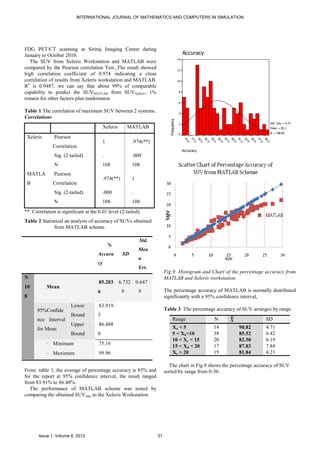
                                                                         Fig.9 Histogram and Chart of the percentage accuracy from
N                                                                        MATLAB and Xeleris workstation.
                                     85.203        6.732 0.647
10         Mean
                                     6              9        9           The percentage accuracy of MATLAB is normally distributed
8                                                                        significantly with a 95% confidence interval.
                         Lower       83.919
      95%Confide                                                         Table 3 The percentage accuracy of SUV arranges by range.
                         Bound       3
      nce Interval                                                             Range                                         N                                                     SD
                         Upper       86.488
      for Mean                                                                 Xa < 5                                       14                         90.82                       4.71
                         Bound       0                                         5 < Xb<10                                    38                         85.52                       6.42
                                                                               10 < Xc < 15                                 20                         82.50                       6.19
           - Minimum                 75.16                                                                                  17                                                     7.84
                                                                               15 < Xd < 20                                                            87.83
           - Maximum                 99.96                                     Xe > 20                                      19                         81.84                       4.21

                                                                           The chart in Fig.9 shows the percentage accuracy of SUV
From table 1, the average of percentage accuracy is 85% and              sorted by range from 0-30.
for the report at 95% confidence interval, the result ranged
from 83.91% to 86.48%.
   The performance of MATLAB scheme was tested by
comparing the obtained SUVmax to the Xeleris Workstation.


       Issue 1, Volume 6, 2012                                      31
INTERNATIONAL JOURNAL OF MATHEMATICS AND COMPUTERS IN SIMULATION


                                                                        However, it can be simply completed more ultimately in a
                                                                        future.
                                                                           This scheme was created by using MATLAB language.
                                                                        MATLAB is a technical computing language which is a widely
                                                                        used tool in science and engineering community. It allows
                                                                        creation of user interfaces. Therefore, the scheme can be
                                                                        developed to be the convenient and easy-to-use application
                                                                        program with an uncomplicatedly approach. Moreover, instead
                                                                        of MATLAB, the scheme can also be written in any other
                                                                        programming language.

                                                                                                    V. CONCLUSION
                                                                           This research presented the SUV calculation in a new
                                                                        technique. The study was divided into 2 main sections. The
                                                                        first section is about the creation of SUV calculation scheme
                                                                        and the second section is about the scheme testing. However,
                                                                        for more understanding, the pilot study was done firstly.
                                                                           The agreeable results above were represented in order to
Fig.10 Scatter gram of percentage accuracy from the                     reassure that the scheme of SUV calculation provided the
MATLAB scheme.                                                          correct SUV value. It can be interchangeably used for PET/CT
                                                                        analysis and interpretation instead of the application from any
   From the percentage accuracy of SUV from MATLAB                      well-known vendor.
scheme arranged by range (table 3), the result shows high                  Generally, Vendor's DICOM is not always useable by
accuracy in the lower range ( at SUV < 5). The accuracy of              another vendor's products. The application software is built up
estimate is expressed by confident interval with specific               for using with its own scanner. That is a weakness of the
confidence level. At 95% confident interval, the accuracy of            application software in today’s market. So the new scheme was
SUV from the MATLAB scheme is 85%.                                      created to eliminate that limitation.
                                                                           In an ideal scheme, it should be able to read all
                                                                        every vendor's DICOM. But in this research DICOM files
                                                                        from PET/CT DISCOVERY STE (DSTE) were used. It is a
                        IV. DICUSSION                                   scanner of GE healthcare’s vendor. DSTE is an only PET/CT
   The calculation scheme is different in data type, so the             scanner which is used in Siriraj Imaging Center.
conversion is mainly needed in every step. A lower SUV                     The SUV from the scheme which was created by MATLAB
compared to the Xeleris workstation in all study may possibly           could be used interchangeably with PET/CT Xeleris®
because of the data lost in conversion step. Since the                  workstation. It can also be used for interpretation of PET/CT
MATLAB scheme is defined in term of the amount of SUV                   image without losing the capacity to accurately measure the
value, we found that the small value of SUV gives high                  SUV.
accuracy compared to the large value. It means that the                    The new scheme is a stand-alone application, running on PC
MATLAB scheme is high effective for using with the small                with MATLAB installing. Therefore, the new scheme allows
SUV.                                                                    for more simple interpretation of SUV. Physician can access,
   The data viewing, analysis and interpretation in a PET / CT          interpret and analyze data without other software.
scanning are often done by software that is installed within the        The interchangeability of this scheme offers user to the
workstation area or where the PACS is accessible. Besides, the          convenient and approachability of data. The benefit of this
application software is generally from the same manufacturer            scheme is that it can be adopted as a PET/CT analysis tool to
of the scanner. These are the problem and reason that is                medical imaging system. It allows a reduction in the number of
leading to this research.                                               computer for the practice. Moreover, it allows direct
   The sample source of this research is DICOM files. These             comparison with prior study without consideration of modality
are archived from PET/CT Discovery STE (DSTE) scanner                   and its archive procedure, which is beneficial in a multi-vendor
[9]. In the comparative study, it was tested by comparing with          surrounding.
the Xeleris workstation. Both DSTE and Xeleris workstation
are manufactured by GE healthcare and routinely operated in                                            REFERENCES
Siriraj Imaging Center.                                                 [1] J. A. Thie, "Understanding the standardized uptake value, its methods, and
   The SUV scheme in this research was created by DICOM                        implications for usage," J Nucl Med, vol. 45, pp. 1431-4, Sep 2004.
                                                                        [2] G. B. Saha, Basics of PET imaging : physics, chemistry, and regulations,
file based on the attribute of GE’s vendor. Each                               2nd ed. New York ; London: Springer, 2010.
vendor implements DICOM in its own dialect. Even though,                [3] O. S. Pianykh, Digital imaging and communications in medicine (DICOM)
the SUV calculation is based on the fundamental formula, but                   : a practical introduction and survival guide. Berlin: Springer, 2008.
different vendor’s DICOM impose slightly different method.              [4] F. J.Novoa, et al., "Development of a DICOM server for the reception and
                                                                               storage of medical images in digital format," in the 4th WSEAS
So, this SUV scheme was supported only for GE’s DICOM.


      Issue 1, Volume 6, 2012                                      32
INTERNATIONAL JOURNAL OF MATHEMATICS AND COMPUTERS IN SIMULATION


        International Conference on Applied Information and communication,
        Wisconsin, USA 2004.
[5]     P. Masa-Ah and S. Soongsathitanon, "A Novel Standardized Uptake
        Value (SUV) Calculation of PET DICOM Files Using MATLAB," in
        NEW ASPECTS of APPLIED INFORMATICS, BIOMEDICAL
        ELECTRONICS & INFORMATICS and COMMUNICATIONS, P. N. E.
        Mastorakis, et al., Eds., ed: WSEAS Press, 2010, pp. 413-416.
[6]   P. Masa-Ah, et al., "A Novel Scheme for Standardized Uptake Value
        (SUV) Calculation in PET Scans," INTERNATIONAL JOURNAL of
        MATHEMATICAL MODELS AND METHODS IN APPLIED
        SCIENCES, NAUN, vol. 4, pp. 291-299, 2010.
[7]   Digital Imaging and Communication in Medicine (DICOM) Positron
        emission tomography image objects Supplement 12 ACR-NEMA
[8]   "Technical Publication Advance TM 5.1 Conformance Statement for
        DICOM V3.0," G. M. System, Ed., ed: General Electric Healthcare, pp.
        3_17-3_21.
[9]    "DiscoverySTE Quick Manual," G. M. System, Ed., ed: General Electric
        Healthcare pp. 28-38.


Somphob Soongsathitanon was born at Ratchaburi in Thailand on 20
October 1973. He graduated in electrical engineering from the Sirindhorn
International Institute of Technology (SIIT), Thammasat University, Thailand
in 1996. Then he received Master of Science in Operational
Telecommunications from Coventry University, United Kingdom in 1998.
After two years work experience, he registered at Newcastle University,
Newcastle upon Tyne, United Kingdom in 2000 for a Ph.D. in computer
engineering. He completed the doctoral research in Digital Image Processing
in 2004 He has had a long research career in Thailand and UK. He has
published a number of papers in the area of video block matching algorithms
and digital image processing. Currently he works as a lecturer in Nuclear
Medicine Division, Faculty of Medicine Siriraj Hospital, Mahidol University.
Thailand.

Pawitra Masa-ah was born at Narathiwat,Thailand on May 17,1983. She
received her B.Sc in Physics from Thaksin University, Songkhla, Thailand, in
2004 and now she is the student of master science programme in Radiological
Science (M.Sc Radiological Science) in Nuclear Medicine Division,
Department of Radiology, Faculty of Medicine Siriraj Hospital, Mahidol
University. Bangkok, Thailand. She is interested in the Medical Image
Processing , DICOM, PACS, and Radiation Physics.

Malulee Tuntawiroon was born at Bangkok, on July 20, 1946. She received
her B.Sc in Medical Physics and M.Sc in Nuclear Medicine from M.D.
Anderson Hospital and Tumor Institute, University of Texas at Houston, USA
in 1966. She is an Associate Professor and currently a lecturer of the Master of
Science Programme (Radiological Science), Teaches principles of health
physics for care and treatment of patients to resident physicians, provides
health physics information, technical data and advices to ensure existing safety
standards at Mahidol University, Bangkok, Thailand. Her interest and
Research Experiences (1955-2010) is the Radiation safety and dosimetric
calculations.

.


          Issue 1, Volume 6, 2012                                                  33

A new Standard Uptake Values (SUV) Calculation based on Pixel Intensity Values

  • 1.
    INTERNATIONAL JOURNAL OFMATHEMATICS AND COMPUTERS IN SIMULATION A new Standard Uptake Values (SUV) Calculation based on Pixel Intensity Values SOMPHOB SOONGSATHITANON, PAWITRA MASA-AH and MALULEE TUNTAWIROON Abstract— Positron Emission Tomography (PET) is one of the The simplest semi-quantitative approach is to estimate the major cancer imaging tools for both diagnosis and staging. The concentration of tracer in a given region from PET images by prognostic significant parameter for PET scan is Standard Uptake using an ROI analysis. The semi-quantitative measure of local Values (SUV). The SUV can be used as a tool to supplement the FDG uptake has been developed and utilized in differentiating visual interpretation for physician. However the SUV can not be benign from malignant lesion since malignant lesions in calculated without the vendor’s application software. In order to general having greater uptake. SUV (Standardized Uptake calculate the SUV without the vendor’s application software, a new Value) is the value that often used in PET scan. standard uptake values (SUV) calculation scheme based on image Standardized Uptake Value (SUV) is universally used in intensity has been introduced. This new scheme is tested by using routine clinical practice. It is used as a parameter of the semi- 108 slices of DICOM files obtained from 11 patients (8 men, 3 quantitative in FDG - PET analysis. The SUV provides a women). The comparative study between this scheme and the GE determination of activity in a defined region of interest (ROI) Xeleris workstation has been done and the results showed that the normalized to the patient’s body weight and administered correlation between the two systems is statistically significant with a dose. Being a ratio, it is unit less and is calculated by 99% confidence interval. The average percentage of accuracy is 85% Measure Activity in Region of interest (ROI)(mCi/ml) ..(1) for the report at a 95% confidence interval. So this scheme can be SUVbw = used as an alternative tool to calculate the SUV and it can be Injected Dose (mCi) installed in any computers. Body Weight (g) SUV is affected by several factors. It has a strong positive Keywords—Positron Emission Tomography combined Computed correlation with weight if it is calculated in body weight term. tomography (PET/CT), Standardized Uptake Value (SUV), The Digital Imaging and Communications in Medicine (DICOM) The time of measurement is also effected, the earlier imaging provides low results, and conversely delayed scans provide I. INTRODUCTION high SUV. Also the other factors such as dose extravasations, attenuation parameters, reconstruction parameters, partial PET/CT was launched to market in early 2001. It has been volume effect and plasma glucose level in patient blood affect popular since then. Now PET/CT has been became one of the the value of SUV. main imaging tool for both diagnosis and staging in cancer. The cut-off value for malignant lesion is 2.5 and it has PET/CT can also be used in radiation treatment planning largely been proven to be an oversimplification. SUV is the (RTP) because of the ability to demonstrate the physiological one of many criteria used for interpretation, including visual data of the tumor cell. PET/CT is classified as medical device uptake, lesion size relative to uptake, and also clinical history. that measures radioactive traces injected into the body. Some routine clinical purpose, visual analysis of PET images PET is a non-invasive diagnostic tool that provides is sufficient for clinical interpretation. SUV does provide an tomographic images and quantitative parameters of the blood objective parameter for image analysis and is useful for perfusion, cell viability, proliferation and / or metabolic research purpose. For patients with cancer, it is important to activity of tissues. These images result from the use of report SUV of chosen index lesions. different substances of biological interest (glucose, amino Either SUVmaximum or SUVmean in a region of interest (ROI) acids, and hormones) labeled with positron emitting can be used. Nevertheless physician prefers to report the case radionuclides. by the Maximum SUV. Because the maximum SUV is least PET radiopharmaceuticals are used for diagnostic. They are affect by partial volume effect, [2] so in this research we used for imaging of metabolic pathway in the body. F18-FDG calculate the SUVmax which is obtained from the Maximum is a widely used technique in clinical practice today. Pixel Value in the image slice. FDG could be used as tracer for diagnosis of cancer because FDG is an analog of glucose that the living cell will be taken up in the first stage of glucose pathway. The taking of FDG by cell depends on an increased of glycolytic activity in neoplastic cell which is a cancer cell. Issue 1, Volume 6, 2012 26
  • 2.
    INTERNATIONAL JOURNAL OFMATHEMATICS AND COMPUTERS IN SIMULATION system (PACS). It covers all of the data transfer, storage and display protocol created and designed to cover all aspects of digital photography, medical simplified. Picture Archiving and Communication System (PACS) is an electronic system dedicated to medical image management. It enables the following image cycle: production on imaging devices, archiving, transfer via network and consultation, processing and softcopy reading on stations. It is a standard for file formats and inter-system communication used in hospitals and clinical labs for storing radiology images (Xrays, MRIs, CTs, PET/CT, etc). Fig 1. the example of all image planes from PET/CT : coronal Fig 2. The work flow diagram of PACS and DICOM in the system. plane(above), sagittal plane(below), transaxial plane(right) (http://www.westcoastradiology.net/images/pic-pet-ct-1.jpg) To calculate the SUV, ROI was drawn on the image that appears on the screen by the reader (physician). The computer then calculates the average density or maximum density in that ROI, then the decay of uptake in the period and counting efficiency were corrected. The pixel intensity value in the ROI area finally was converted to the activity per gram of tissue, assuming tissue density is equal to 1 g/cc. [1-2] The body weight (kg) and injected dose (µCi(Bq)) were together used, the SUV is calculated for the ROI using Eq. 1. All process above needs a specific application program. Each manufacture (vendor) in the market has their own application which supports only the files from their equipment. Moreover the workstation of application is mostly installed nearby the equipment or in the hospital area. The limitation of data accessible is the main motivation in this research. We eradicate limitation by created the application program for calculate the SUV using MATLAB which is a widely used in science and engineering. In this research, DICOM (Digital imaging and communications in medicine) [3-4] file is used as the sample source. DICOM is not just an image or file formats. DICOM file is a file format developed by the DICOM Standards Committee whose members are partly members of NEMA. Fig.3. Major Picture Archiving and Communication System The strength of DICOM files is the exchangeability between (PACS) components. Image acquisition devices (modalities) two entities that are capable of receiving image and patient store data. DICOM also enables the integration of scanners, servers, workstations, printers, and network hardware from multiple manufacturers into a picture archiving and communication Issue 1, Volume 6, 2012 27
  • 3.
    INTERNATIONAL JOURNAL OFMATHEMATICS AND COMPUTERS IN SIMULATION A DICOM file is easily divided into two main parts which are the DICOM image and the metadata (header). The SUV calculation scheme is created based on the data from both part. Fig 4. The data elements consisting of TAG, VR, Value Length and Value field. A DICOM file contains binary attribute or data elements. Each element consists of 1. A tag, in the format of group, element (XXXX,XXXX) that identifies the element. • A Group No. Tells you about an entity. • An Element No. Identifies the exact information in the group For Example, In the tag (0010,0020): Group No. is 0010 (a) and Element No. is 0020. The Group no. 0010 tells you that the information is about PATIENT and the Element No. 0020 tells you that the information is about the PATIENT NAME. Some Groups: (Group numbers are in Hexadecimal) Group 2: Contains File Meta information Group 8: General series info. Group 10: Patient info. Group 20: General Study info. Group 28: Image info. Etc. 2. A Value Representation (VR) that describes the data type and format of the attribute's value. It is an optional field. 3. A value length (VL) that defines the length of the attribute's value. 4. A value field containing the attribute's data. Each data element must be read in order to march through Fig. 5. The DICOM file is reviewed by MATLAB (a.) Image part (b.) the file and find the data of interest. Header (Metadata) part. The current DICOM standard specifies that the file contains the string "DICM" starting at byte position 128. For more practicable, the performance of the scheme was tested by comparing to the well-known application from GE healthcare (Xeleris workstation). This paper will present the SUV calculation scheme that was created from DICOM files by using MATLAB [5-6] and the performance test of the SUV scheme by comparison of the SUV from the scheme to the SUV obtained from the Xeleris workstation. For more practicable, the tests were based on patient files. Issue 1, Volume 6, 2012 28
  • 4.
    INTERNATIONAL JOURNAL OFMATHEMATICS AND COMPUTERS IN SIMULATION II. METHOD Since the similar study is not much prevalent. So we have to start doing the research by PILOT STUDY. The purpose of pilot study is for studying the characteristic of DICOM file type that would be used in the research. The Pilot study has done by scanning phantom instead of patients. Then the obtained files could be used for study further. In the pilot study, we used DICOM files from Phantom scan (PILOT STUDY). It must be prepared, and we use the WCC phantom or well Counter Correction Phantom and do the scan according to the Phantom preparing for Quarterly QC. The algorithm of the SUV calculation scheme a) Extract pixel intensity value from PET image. Define the region of interest (ROI) in the image and then extract the pixel intensity value in that ROI. The maximum of the value is used for SUVmax calculation. b) Convert the obtained pixel intensity value from ROI to the activity concentration in Becquerel. The pixel intensity value represents the accumulation of activity in the region, the conversion needs the parameter from the metadata part which is containing all information of the scan. The attributed tags in this part include Rescale Slope, Rescale Intercept, dose calibration and Units. (Only Rescale slope is individual in each slice). [7-8] Activity Conc. in ROI (Bq/ml) = Pixel Value × Image Scale Factor × dose calibration ……..(2) Image Scale Factor = Rescale Slope ….(3) c) Together all other related attributed tag for calculate SUV within a file slice. Fig 6 SUV calculation algorithm of MATLAB scheme Full fill the SUV calculation formula (1) by the actual For more practicable the SUV calculation Scheme testing is activity and body weight which are obtained from needed. This research uses the same sample to compare SUV these attributed tag i.e. Total Dose (0018,1074), from two methods. This SUV calculation Scheme is operated Series Date (0008,0021), Series Time on the PC with the installed MATLAB. In order to evaluate (0008,0031),Radiopharmaceutical Start Time the performance of the scheme, it is compared to the SUV that (0018,1072), Radiopharmaceutical Half Life obtained from the Well-known application software from GE (0018,1075) and Patient Weight (0010,1010) healthcare (Xeleris workstation). d) Calculate as a volume term by integral SUV from many The scheme will be tested by inputting the PET DICOM slices. file. The first aspect in this comparison is that both systems In practical, SUV calculation is analyzed in the need to proceed in the same file. After a study of GE Volume of Interest (VOI). So In this study , We healthcare DICOM file by doing the PILOT STUDY, we defined the volume of interest (VOI) and then found that GE healthcare has stored the DICOM file by summarized the SUV in every slice in the volume. arranged inversely. The first file (Slice No.1) on Xeleris is the The ROI of SUV from each slice is all same position last DICOM file (Slice No.277) on MATLAB. and size. Both Xeleris and MATLAB (the SUV calculation scheme) allow the interpretation of ROI analysis. The circular ROIs were drawn surrounding the region of FDG uptake (lesion). In each patient is consisted of many of file slices according to each lesion on each patient. The SUV in the defined region was recorded by the Xeleris® workstation and MATLAB. The main SUV calculation scheme was created as an application that can calculate the SUV by drawing Issue 1, Volume 6, 2012 29
  • 5.
    INTERNATIONAL JOURNAL OFMATHEMATICS AND COMPUTERS IN SIMULATION immediately on the DICOM files that you want to know. Both systems are needed to analyze on the same file, and also matched region of interest (ROI). The ROI within slice was drawn in the same location and size. So another application is needed to be created to compare them both. It was run by calling the file as ROIs model (include position and shape) for the next DICOM file to compare. Fig 8 procedure of data sampling and analysis The statistical analysis was tested by using SPSS version 11.5 and Microsoft excel. The correlation between two variables reflects the degree to which the variables are related. The most common measure of correlation is Pearson's Correlation. Pearson's correlation reflects the degree of linear relationship between two variables. It is used when both variables are at least at interval level and data parametric. Fig 7 Analysis screen of (a) Xeleris Workstation (b) MATLAB The SUV from new MATLAB scheme was compared to the scheme Xeleris workstation. It was performed with 108 file slices from 11 patients. The correlation of both systems was analyzed with Pearson's correlation technique. The accuracy of new scheme was tested by calculating the relative error between both system and distribution of these result were tested. III. RESULTS The SUVs from the new scheme which was created by MATLAB were directly compared with the well known PET/CT application, Xeleris Workstation. It was performed the comparison by using 108 slices of DICOM files that were obtained from 11 patients (8 men, 3 women). Those files were randomly sampled by computer. They were taken through F18- Issue 1, Volume 6, 2012 30
  • 6.
    INTERNATIONAL JOURNAL OFMATHEMATICS AND COMPUTERS IN SIMULATION FDG PET/CT scanning at Siriraj Imaging Center during January to October 2010. Accuracy 14 The SUV from Xeleris Workstation and MATLAB were compared by the Pearson correlation Test. The result showed 12 high correlation coefficient of 0.974 indicating a close correlation of results from Xeleris workstation and MATLAB. 10 R2 is 0.9487, we can say that about 99% of comparable capability to predict the SUVMATLAB from SUVXeleris, 1% 8 remain for other factors plus randomness 6 Table 1 The correlation of maximum SUV between 2 systems. 4 Correlations Frequency 2 Std. Dev = 6.73 Xeleris MATLAB Mean = 85.2 0 N = 108.00 Xeleris Pearson 75 77 79 81 83 85 87 89 91 93 95 97 99 1 .974(**) . . . . . . . . . . . . . 0 0 0 0 0 0 0 0 0 0 0 0 0 Correlation Accuracy Sig. (2-tailed) . .000 N 108 108 MATLA Pearson .974(**) 1 B Correlation Sig. (2-tailed) .000 . N 108 108 ** Correlation is significant at the 0.01 level (2-tailed). Table 2 Statistical an analysis of accuracy of SUVs obtained from MATLAB scheme. Std. % Mea Accura SD n cy Err. Fig.9 Histogram and Chart of the percentage accuracy from N MATLAB and Xeleris workstation. 85.203 6.732 0.647 10 Mean 6 9 9 The percentage accuracy of MATLAB is normally distributed 8 significantly with a 95% confidence interval. Lower 83.919 95%Confide Table 3 The percentage accuracy of SUV arranges by range. Bound 3 nce Interval Range N SD Upper 86.488 for Mean Xa < 5 14 90.82 4.71 Bound 0 5 < Xb<10 38 85.52 6.42 10 < Xc < 15 20 82.50 6.19 - Minimum 75.16 17 7.84 15 < Xd < 20 87.83 - Maximum 99.96 Xe > 20 19 81.84 4.21 The chart in Fig.9 shows the percentage accuracy of SUV From table 1, the average of percentage accuracy is 85% and sorted by range from 0-30. for the report at 95% confidence interval, the result ranged from 83.91% to 86.48%. The performance of MATLAB scheme was tested by comparing the obtained SUVmax to the Xeleris Workstation. Issue 1, Volume 6, 2012 31
  • 7.
    INTERNATIONAL JOURNAL OFMATHEMATICS AND COMPUTERS IN SIMULATION However, it can be simply completed more ultimately in a future. This scheme was created by using MATLAB language. MATLAB is a technical computing language which is a widely used tool in science and engineering community. It allows creation of user interfaces. Therefore, the scheme can be developed to be the convenient and easy-to-use application program with an uncomplicatedly approach. Moreover, instead of MATLAB, the scheme can also be written in any other programming language. V. CONCLUSION This research presented the SUV calculation in a new technique. The study was divided into 2 main sections. The first section is about the creation of SUV calculation scheme and the second section is about the scheme testing. However, for more understanding, the pilot study was done firstly. The agreeable results above were represented in order to Fig.10 Scatter gram of percentage accuracy from the reassure that the scheme of SUV calculation provided the MATLAB scheme. correct SUV value. It can be interchangeably used for PET/CT analysis and interpretation instead of the application from any From the percentage accuracy of SUV from MATLAB well-known vendor. scheme arranged by range (table 3), the result shows high Generally, Vendor's DICOM is not always useable by accuracy in the lower range ( at SUV < 5). The accuracy of another vendor's products. The application software is built up estimate is expressed by confident interval with specific for using with its own scanner. That is a weakness of the confidence level. At 95% confident interval, the accuracy of application software in today’s market. So the new scheme was SUV from the MATLAB scheme is 85%. created to eliminate that limitation. In an ideal scheme, it should be able to read all every vendor's DICOM. But in this research DICOM files from PET/CT DISCOVERY STE (DSTE) were used. It is a IV. DICUSSION scanner of GE healthcare’s vendor. DSTE is an only PET/CT The calculation scheme is different in data type, so the scanner which is used in Siriraj Imaging Center. conversion is mainly needed in every step. A lower SUV The SUV from the scheme which was created by MATLAB compared to the Xeleris workstation in all study may possibly could be used interchangeably with PET/CT Xeleris® because of the data lost in conversion step. Since the workstation. It can also be used for interpretation of PET/CT MATLAB scheme is defined in term of the amount of SUV image without losing the capacity to accurately measure the value, we found that the small value of SUV gives high SUV. accuracy compared to the large value. It means that the The new scheme is a stand-alone application, running on PC MATLAB scheme is high effective for using with the small with MATLAB installing. Therefore, the new scheme allows SUV. for more simple interpretation of SUV. Physician can access, The data viewing, analysis and interpretation in a PET / CT interpret and analyze data without other software. scanning are often done by software that is installed within the The interchangeability of this scheme offers user to the workstation area or where the PACS is accessible. Besides, the convenient and approachability of data. The benefit of this application software is generally from the same manufacturer scheme is that it can be adopted as a PET/CT analysis tool to of the scanner. These are the problem and reason that is medical imaging system. It allows a reduction in the number of leading to this research. computer for the practice. Moreover, it allows direct The sample source of this research is DICOM files. These comparison with prior study without consideration of modality are archived from PET/CT Discovery STE (DSTE) scanner and its archive procedure, which is beneficial in a multi-vendor [9]. In the comparative study, it was tested by comparing with surrounding. the Xeleris workstation. Both DSTE and Xeleris workstation are manufactured by GE healthcare and routinely operated in REFERENCES Siriraj Imaging Center. [1] J. A. Thie, "Understanding the standardized uptake value, its methods, and The SUV scheme in this research was created by DICOM implications for usage," J Nucl Med, vol. 45, pp. 1431-4, Sep 2004. [2] G. B. Saha, Basics of PET imaging : physics, chemistry, and regulations, file based on the attribute of GE’s vendor. Each 2nd ed. New York ; London: Springer, 2010. vendor implements DICOM in its own dialect. Even though, [3] O. S. Pianykh, Digital imaging and communications in medicine (DICOM) the SUV calculation is based on the fundamental formula, but : a practical introduction and survival guide. Berlin: Springer, 2008. different vendor’s DICOM impose slightly different method. [4] F. J.Novoa, et al., "Development of a DICOM server for the reception and storage of medical images in digital format," in the 4th WSEAS So, this SUV scheme was supported only for GE’s DICOM. Issue 1, Volume 6, 2012 32
  • 8.
    INTERNATIONAL JOURNAL OFMATHEMATICS AND COMPUTERS IN SIMULATION International Conference on Applied Information and communication, Wisconsin, USA 2004. [5] P. Masa-Ah and S. Soongsathitanon, "A Novel Standardized Uptake Value (SUV) Calculation of PET DICOM Files Using MATLAB," in NEW ASPECTS of APPLIED INFORMATICS, BIOMEDICAL ELECTRONICS & INFORMATICS and COMMUNICATIONS, P. N. E. Mastorakis, et al., Eds., ed: WSEAS Press, 2010, pp. 413-416. [6] P. Masa-Ah, et al., "A Novel Scheme for Standardized Uptake Value (SUV) Calculation in PET Scans," INTERNATIONAL JOURNAL of MATHEMATICAL MODELS AND METHODS IN APPLIED SCIENCES, NAUN, vol. 4, pp. 291-299, 2010. [7] Digital Imaging and Communication in Medicine (DICOM) Positron emission tomography image objects Supplement 12 ACR-NEMA [8] "Technical Publication Advance TM 5.1 Conformance Statement for DICOM V3.0," G. M. System, Ed., ed: General Electric Healthcare, pp. 3_17-3_21. [9] "DiscoverySTE Quick Manual," G. M. System, Ed., ed: General Electric Healthcare pp. 28-38. Somphob Soongsathitanon was born at Ratchaburi in Thailand on 20 October 1973. He graduated in electrical engineering from the Sirindhorn International Institute of Technology (SIIT), Thammasat University, Thailand in 1996. Then he received Master of Science in Operational Telecommunications from Coventry University, United Kingdom in 1998. After two years work experience, he registered at Newcastle University, Newcastle upon Tyne, United Kingdom in 2000 for a Ph.D. in computer engineering. He completed the doctoral research in Digital Image Processing in 2004 He has had a long research career in Thailand and UK. He has published a number of papers in the area of video block matching algorithms and digital image processing. Currently he works as a lecturer in Nuclear Medicine Division, Faculty of Medicine Siriraj Hospital, Mahidol University. Thailand. Pawitra Masa-ah was born at Narathiwat,Thailand on May 17,1983. She received her B.Sc in Physics from Thaksin University, Songkhla, Thailand, in 2004 and now she is the student of master science programme in Radiological Science (M.Sc Radiological Science) in Nuclear Medicine Division, Department of Radiology, Faculty of Medicine Siriraj Hospital, Mahidol University. Bangkok, Thailand. She is interested in the Medical Image Processing , DICOM, PACS, and Radiation Physics. Malulee Tuntawiroon was born at Bangkok, on July 20, 1946. She received her B.Sc in Medical Physics and M.Sc in Nuclear Medicine from M.D. Anderson Hospital and Tumor Institute, University of Texas at Houston, USA in 1966. She is an Associate Professor and currently a lecturer of the Master of Science Programme (Radiological Science), Teaches principles of health physics for care and treatment of patients to resident physicians, provides health physics information, technical data and advices to ensure existing safety standards at Mahidol University, Bangkok, Thailand. Her interest and Research Experiences (1955-2010) is the Radiation safety and dosimetric calculations. . Issue 1, Volume 6, 2012 33