Habit 5: Seek First to
Understand, then to be
understood
(Zia ur Rehman)
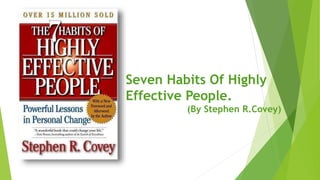
Seven Habits Of Highly
Effective People.
(By Stephen R.Covey)
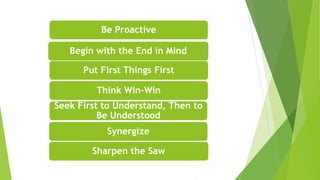
Be Proactive
Begin with the End in Mind
Put First Things First
Think Win-Win
Seek First to Understand, Then to
Be Understood
Synergize
Sharpen the Saw
MUTUAL
UNDERSTANDING
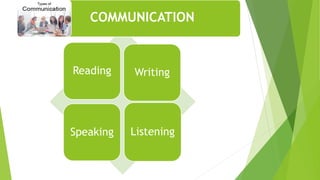
Reading
Listening
Speaking
Writing
COMMUNICATION
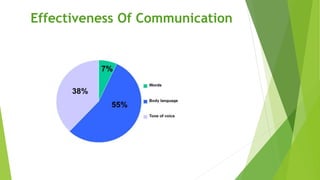
Effectiveness Of Communication
LISTENING
Listening requires entering actively and imaginatively
into the other fellows situation and trying to
understand a frame of reference different from your
own.
LISTENING and HEARING
Listening is a conscious/psychological act
Hearing is a physiological act
Types Of Poor Listening
Spacing
Out
Pretend
Listening
Selective
Listening
Word
Listening
Self
centered
Listening
Spacing out
When you ignore someone .Not listen with
attention what the other person is saying.
Pretend Listening
When you ignore someone, not listen with full attention but
respond as hearing or listening that person by using words
like “cool”, “yeah”.
Selective Listening
Paying attention or listening to only that part of
the conversation what we want.
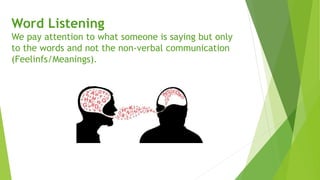
Word Listening
We pay attention to what someone is saying but only
to the words and not the non-verbal communication
(Feelinfs/Meanings).
Self Centered Listening
Listening with own point of view, Concerned solely
with own desires, needs, or interests.
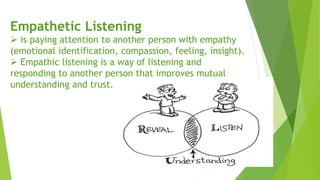
Empathetic Listening
 is paying attention to another person with empathy
(emotional identification, compassion, feeling, insight).
 Empathic listening is a way of listening and
responding to another person that improves mutual
understanding and trust.
Listening with yours Eyes and Hearts
not only with ears
Empathetic Listening
Empathy
Seeing with eyes of
other
Hearing with ears of
other
Feeling with heart of
other
People say a lot with their body
language and facial expression
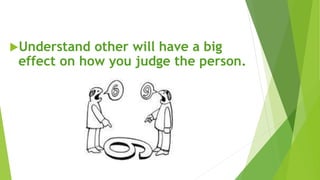
Understand other will have a big
effect on how you judge the person.
Empathetic Listening
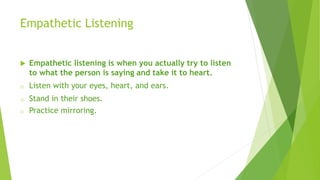
 Empathetic listening is when you actually try to listen
to what the person is saying and take it to heart.
o Listen with your eyes, heart, and ears.
o Stand in their shoes.
o Practice mirroring.
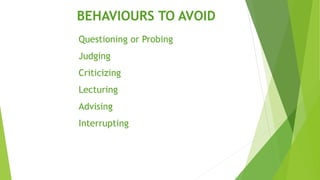
Questioning or Probing
Judging
Criticizing
Lecturing
Advising
Interrupting
BEHAVIOURS TO AVOID
Builds trust and respect.
Enables the disputants to release their
emotions.
Reduces tensions.
Encourages the surfacing of information.
Creates a safe environment that is conducive to
collaborative problem solving.
THE BENEFITS OF EMPATHIC LISTENING
Practice Mirroring
 Think like a mirror that doesn’t judge, but instead
reflect.
 Mirroring doesn’t mean you repeat exactly what
they say.
 Mirroring is repeating the meaning with
affections.
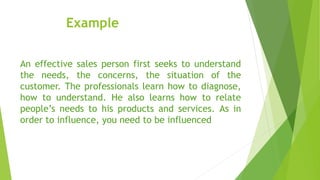
Example
An effective sales person first seeks to understand
the needs, the concerns, the situation of the
customer. The professionals learn how to diagnose,
how to understand. He also learns how to relate
people’s needs to his products and services. As in
order to influence, you need to be influenced.
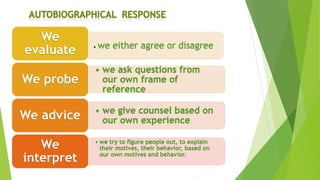
• we either agree or disagree
We
evaluate
• we ask questions from
our own frame of
reference
We probe
• we give counsel based on
our own experience
We advice
• we try to figure people out, to explain
their motives, their behavior, based on
our own motives and behavior.
We
interpret
1st stage
This is the skill taught in "active" or "reflective" listening
.You just listen to the words that come out of someone's
mouth and you repeat them. You're hardly even using your
brain at all
"Boy, Dad, I've had it! School is for the birds!"
"You've had it. You think school is for the birds.“
You haven't evaluated or probed or advised or interpreted.
You've at least showed you're paying attention to his
words. But to understand, you want to do more.
2nd stage
The second stage of empathic listening is to rephrase the
content. It's a little more effective, but it’s still limited to
the verbal communication
"Boy, Dad, I've had it! School is for the birds!"
"You don't want to go to school anymore.“
This time, you've put his meaning into your own words.
Now you're thinking about what he said, mostly with the
left side, the reasoning, logical side of the brain.
3rd stage
The third stage brings your right brain into
operation. You reflect feeling.
"Boy, Dad, I've had it! School is for the birds!"
"You're feeling really frustrated.“
Now you're not paying as much attention to
what he's saying as you are to the way he feels
about what he's saying.
4th stage
The fourth stage includes both the second and the third.
You rephrase the content
And reflect the feeling.
"Boy, Dad, I've had it! School is for the birds!"
"You're really frustrated about school."
Frustration is the feeling; school is the content. You're
using both sides of your brain to understand both sides of
his communication.
Then seek to be understood
Three words are effective in making effective
presentation:
Ethos: This has to do with the person’s credibility and
accountability
Pathos: This is a means of persuasion that appeals to
the empathic side or emotions of the audience.
Logos: It is a means of persuasion by demonstration of
logical proof real or apparent.
Seek to Be Understood
 Seeking First to Understand is only half of habit 5.
 Seeking to Be Understood is way more challenging
since it require courage.
 If you can understand other, then other will surely
understand you too.
Sad
Angry
Relaxed
Tired
Happy
Thinking
Bored
Emotion Charades:
Find a partner. Practice ‘listening with your eyes”. Choose an
emotion to try to express just with your face and body. You can
not use words.
Thank you for Listening

5th HABIT.pptx

  • 1.
    Habit 5: SeekFirst to Understand, then to be understood (Zia ur Rehman)
  • 2.
    Seven Habits OfHighly Effective People. (By Stephen R.Covey)
  • 3.
    Be Proactive Begin withthe End in Mind Put First Things First Think Win-Win Seek First to Understand, Then to Be Understood Synergize Sharpen the Saw
  • 4.
  • 5.
  • 6.
  • 7.
    LISTENING Listening requires enteringactively and imaginatively into the other fellows situation and trying to understand a frame of reference different from your own.
  • 8.
    LISTENING and HEARING Listeningis a conscious/psychological act Hearing is a physiological act
  • 9.
    Types Of PoorListening Spacing Out Pretend Listening Selective Listening Word Listening Self centered Listening
  • 10.
    Spacing out When youignore someone .Not listen with attention what the other person is saying.
  • 11.
    Pretend Listening When youignore someone, not listen with full attention but respond as hearing or listening that person by using words like “cool”, “yeah”.
  • 12.
    Selective Listening Paying attentionor listening to only that part of the conversation what we want.
  • 13.
    Word Listening We payattention to what someone is saying but only to the words and not the non-verbal communication (Feelinfs/Meanings).
  • 14.
    Self Centered Listening Listeningwith own point of view, Concerned solely with own desires, needs, or interests.
  • 15.
    Empathetic Listening  ispaying attention to another person with empathy (emotional identification, compassion, feeling, insight).  Empathic listening is a way of listening and responding to another person that improves mutual understanding and trust.
  • 16.
    Listening with yoursEyes and Hearts not only with ears Empathetic Listening
  • 17.
    Empathy Seeing with eyesof other Hearing with ears of other Feeling with heart of other
  • 18.
    People say alot with their body language and facial expression
  • 19.
    Understand other willhave a big effect on how you judge the person.
  • 20.
    Empathetic Listening  Empatheticlistening is when you actually try to listen to what the person is saying and take it to heart. o Listen with your eyes, heart, and ears. o Stand in their shoes. o Practice mirroring.
  • 21.
  • 22.
    Builds trust andrespect. Enables the disputants to release their emotions. Reduces tensions. Encourages the surfacing of information. Creates a safe environment that is conducive to collaborative problem solving. THE BENEFITS OF EMPATHIC LISTENING
  • 24.
    Practice Mirroring  Thinklike a mirror that doesn’t judge, but instead reflect.  Mirroring doesn’t mean you repeat exactly what they say.  Mirroring is repeating the meaning with affections.
  • 25.
    Example An effective salesperson first seeks to understand the needs, the concerns, the situation of the customer. The professionals learn how to diagnose, how to understand. He also learns how to relate people’s needs to his products and services. As in order to influence, you need to be influenced.
  • 26.
    • we eitheragree or disagree We evaluate • we ask questions from our own frame of reference We probe • we give counsel based on our own experience We advice • we try to figure people out, to explain their motives, their behavior, based on our own motives and behavior. We interpret
  • 27.
    1st stage This isthe skill taught in "active" or "reflective" listening .You just listen to the words that come out of someone's mouth and you repeat them. You're hardly even using your brain at all "Boy, Dad, I've had it! School is for the birds!" "You've had it. You think school is for the birds.“ You haven't evaluated or probed or advised or interpreted. You've at least showed you're paying attention to his words. But to understand, you want to do more.
  • 28.
    2nd stage The secondstage of empathic listening is to rephrase the content. It's a little more effective, but it’s still limited to the verbal communication "Boy, Dad, I've had it! School is for the birds!" "You don't want to go to school anymore.“ This time, you've put his meaning into your own words. Now you're thinking about what he said, mostly with the left side, the reasoning, logical side of the brain.
  • 29.
    3rd stage The thirdstage brings your right brain into operation. You reflect feeling. "Boy, Dad, I've had it! School is for the birds!" "You're feeling really frustrated.“ Now you're not paying as much attention to what he's saying as you are to the way he feels about what he's saying.
  • 30.
    4th stage The fourthstage includes both the second and the third. You rephrase the content And reflect the feeling. "Boy, Dad, I've had it! School is for the birds!" "You're really frustrated about school." Frustration is the feeling; school is the content. You're using both sides of your brain to understand both sides of his communication.
  • 31.
    Then seek tobe understood Three words are effective in making effective presentation: Ethos: This has to do with the person’s credibility and accountability Pathos: This is a means of persuasion that appeals to the empathic side or emotions of the audience. Logos: It is a means of persuasion by demonstration of logical proof real or apparent.
  • 32.
    Seek to BeUnderstood  Seeking First to Understand is only half of habit 5.  Seeking to Be Understood is way more challenging since it require courage.  If you can understand other, then other will surely understand you too.
  • 33.
    Sad Angry Relaxed Tired Happy Thinking Bored Emotion Charades: Find apartner. Practice ‘listening with your eyes”. Choose an emotion to try to express just with your face and body. You can not use words.
  • 34.
    Thank you forListening