Micro Elements
Introduction
This is the Micro elements section of my research and this shows the different
types of angles, movements, shots and others involved within a film. This can
help me get a bigger variety of shots, movements, angles and others within
my film opening.
Extreme close up
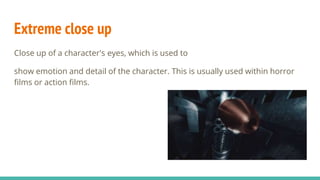
Close up of a character's eyes, which is used to
show emotion and detail of the character. This is usually used within horror
films or action films.
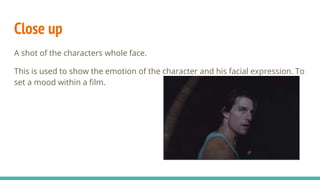
Close up
A shot of the characters whole face.
This is used to show the emotion of the character and his facial expression. To
set a mood within a film.
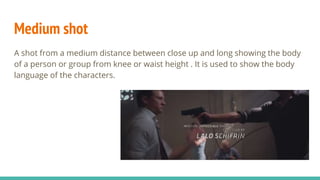
Medium shot
A shot from a medium distance between close up and long showing the body
of a person or group from knee or waist height . It is used to show the body
language of the characters.
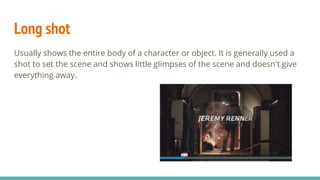
Long shot
Usually shows the entire body of a character or object. It is generally used a
shot to set the scene and shows little glimpses of the scene and doesn't give
everything away.
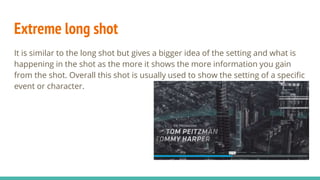
Extreme long shot
It is similar to the long shot but gives a bigger idea of the setting and what is
happening in the shot as the more it shows the more information you gain
from the shot. Overall this shot is usually used to show the setting of a specific
event or character.
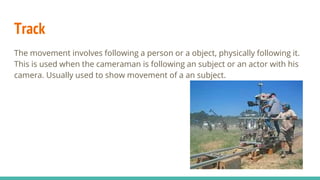
Track
The movement involves following a person or a object, physically following it.
This is used when the cameraman is following an subject or an actor with his
camera. Usually used to show movement of a an subject.
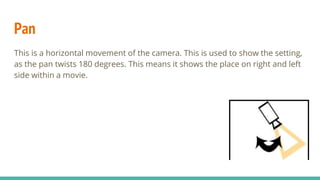
Pan
This is a horizontal movement of the camera. This is used to show the setting,
as the pan twists 180 degrees. This means it shows the place on right and left
side within a movie.
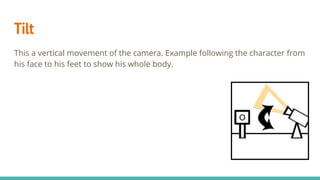
Tilt
This a vertical movement of the camera. Example following the character from
his face to his feet to show his whole body.
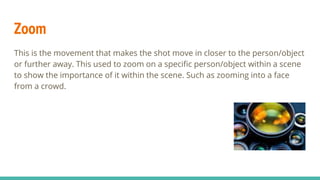
Zoom
This is the movement that makes the shot move in closer to the person/object
or further away. This used to zoom on a specific person/object within a scene
to show the importance of it within the scene. Such as zooming into a face
from a crowd.
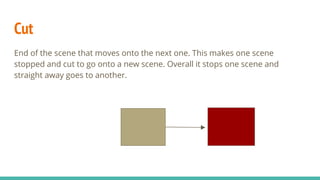
Cut
End of the scene that moves onto the next one. This makes one scene
stopped and cut to go onto a new scene. Overall it stops one scene and
straight away goes to another.
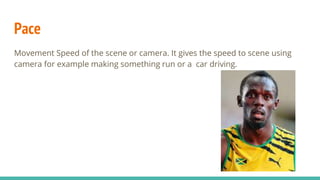
Pace
Movement Speed of the scene or camera. It gives the speed to scene using
camera for example making something run or a car driving.
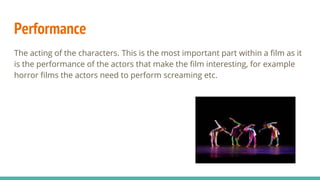
Performance
The acting of the characters. This is the most important part within a film as it
is the performance of the actors that make the film interesting, for example
horror films the actors need to perform screaming etc.
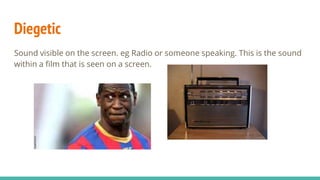
Diegetic
Sound visible on the screen. eg Radio or someone speaking. This is the sound
within a film that is seen on a screen.
Non-diegetic
Sounds you can hear but is not physically visible. eg In some movies you can
hear the Narrator but you can’t see him or her
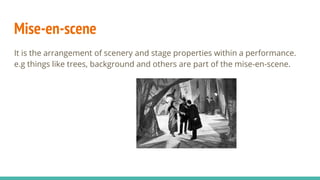
Mise-en-scene
It is the arrangement of scenery and stage properties within a performance.
e.g things like trees, background and others are part of the mise-en-scene.

3.micro elements

  • 1.
  • 2.
    Introduction This is theMicro elements section of my research and this shows the different types of angles, movements, shots and others involved within a film. This can help me get a bigger variety of shots, movements, angles and others within my film opening.
  • 3.
    Extreme close up Closeup of a character's eyes, which is used to show emotion and detail of the character. This is usually used within horror films or action films.
  • 4.
    Close up A shotof the characters whole face. This is used to show the emotion of the character and his facial expression. To set a mood within a film.
  • 5.
    Medium shot A shotfrom a medium distance between close up and long showing the body of a person or group from knee or waist height . It is used to show the body language of the characters.
  • 6.
    Long shot Usually showsthe entire body of a character or object. It is generally used a shot to set the scene and shows little glimpses of the scene and doesn't give everything away.
  • 7.
    Extreme long shot Itis similar to the long shot but gives a bigger idea of the setting and what is happening in the shot as the more it shows the more information you gain from the shot. Overall this shot is usually used to show the setting of a specific event or character.
  • 8.
    Track The movement involvesfollowing a person or a object, physically following it. This is used when the cameraman is following an subject or an actor with his camera. Usually used to show movement of a an subject.
  • 9.
    Pan This is ahorizontal movement of the camera. This is used to show the setting, as the pan twists 180 degrees. This means it shows the place on right and left side within a movie.
  • 10.
    Tilt This a verticalmovement of the camera. Example following the character from his face to his feet to show his whole body.
  • 11.
    Zoom This is themovement that makes the shot move in closer to the person/object or further away. This used to zoom on a specific person/object within a scene to show the importance of it within the scene. Such as zooming into a face from a crowd.
  • 12.
    Cut End of thescene that moves onto the next one. This makes one scene stopped and cut to go onto a new scene. Overall it stops one scene and straight away goes to another.
  • 13.
    Pace Movement Speed ofthe scene or camera. It gives the speed to scene using camera for example making something run or a car driving.
  • 14.
    Performance The acting ofthe characters. This is the most important part within a film as it is the performance of the actors that make the film interesting, for example horror films the actors need to perform screaming etc.
  • 15.
    Diegetic Sound visible onthe screen. eg Radio or someone speaking. This is the sound within a film that is seen on a screen.
  • 16.
    Non-diegetic Sounds you canhear but is not physically visible. eg In some movies you can hear the Narrator but you can’t see him or her
  • 17.
    Mise-en-scene It is thearrangement of scenery and stage properties within a performance. e.g things like trees, background and others are part of the mise-en-scene.