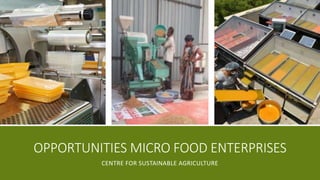
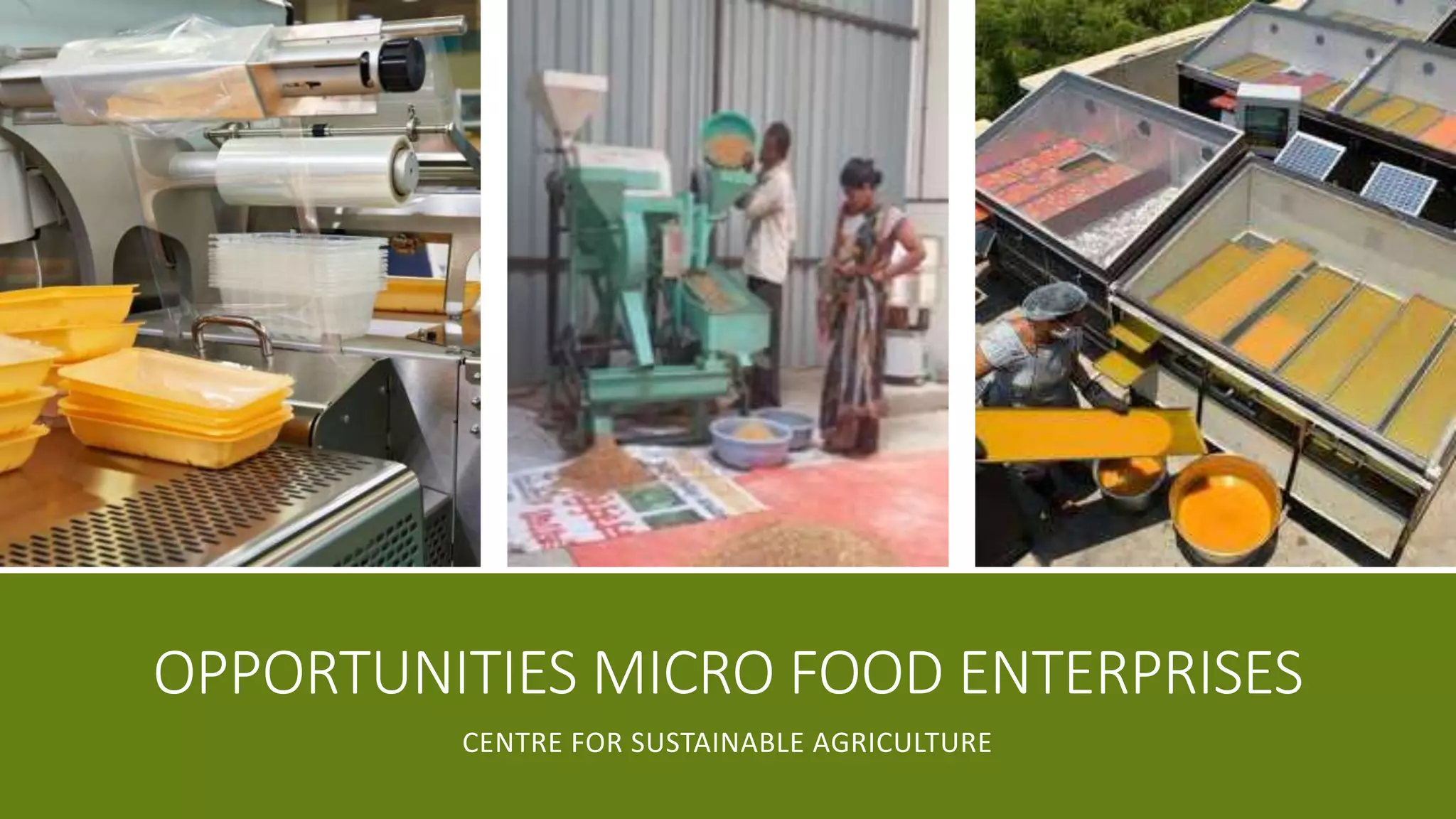



OPPORTUNITIES MICRO FOOD ENTERPRISES
CENTRE FOR SUSTAINABLE AGRICULTURE
FEW GROUND RULES
• Keep your self muted and switch off video in the
starting
• In between you if you have doubts write them
in chat box
• Towards end we will have discussion
• Be focused in questioning and don’t take it into
conversations
• While speaking you can unmute and switch your
video and mute urself after that and switch off
video
01
02
03
04
05
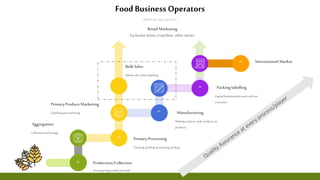
Food Business Operators
Production/Collection
GrowingOrganically/naturally
Bulk Sales
Wholesale,whitelabelling
Manufacturing
Making readyto cook, readyto eat
products
Packing labelling
A good businessplanstartswith an
executive.
International Market
Wheredo youoperate?
Aggregation
Collectionandstorage
Primary Processing
Cleaning,grading, processing,packing
Primary ProduceMarketing
Labellingandmarketing
Retail Marketing
Exclusive stores, Franchise, other stores
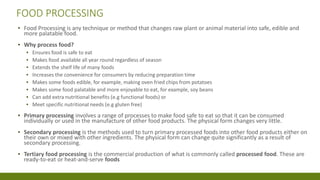
FOOD PROCESSING
▪ Food Processing is any technique or method that changes raw plant or animal material into safe, edible and
more palatable food.
▪ Why process food?
▪ Ensures food is safe to eat
▪ Makes food available all year round regardless of season
▪ Extends the shelf life of many foods
▪ Increases the convenience for consumers by reducing preparation time
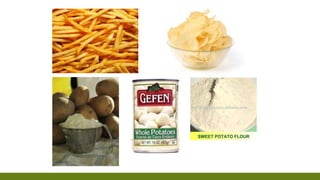
▪ Makes some foods edible, for example, making oven fried chips from potatoes
▪ Makes some food palatable and more enjoyable to eat, for example, soy beans
▪ Can add extra nutritional benefits (e.g functional foods) or
▪ Meet specific nutritional needs (e.g gluten free)
▪ Primary processing involves a range of processes to make food safe to eat so that it can be consumed
individually or used in the manufacture of other food products. The physical form changes very little.
▪ Secondary processing is the methods used to turn primary processed foods into other food products either on
their own or mixed with other ingredients. The physical form can change quite significantly as a result of
secondary processing.
▪ Tertiary food processing is the commercial production of what is commonly called processed food. These are
ready-to-eat or heat-and-serve foods
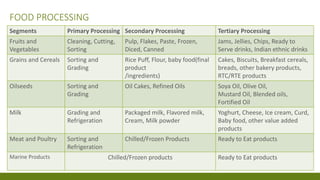
FOOD PROCESSING
Segments Primary Processing Secondary Processing Tertiary Processing
Fruits and
Vegetables
Cleaning, Cutting,
Sorting
Pulp, Flakes, Paste, Frozen,
Diced, Canned
Jams, Jellies, Chips, Ready to
Serve drinks, Indian ethnic drinks
Grains and Cereals Sorting and
Grading
Rice Puff, Flour, baby food(final
product
/ingredients)
Cakes, Biscuits, Breakfast cereals,
breads, other bakery products,
RTC/RTE products
Oilseeds Sorting and
Grading
Oil Cakes, Refined Oils Soya Oil, Olive Oil,
Mustard Oil, Blended oils,
Fortified Oil
Milk Grading and
Refrigeration
Packaged milk, Flavored milk,
Cream, Milk powder
Yoghurt, Cheese, Ice cream, Curd,
Baby food, other value added
products
Meat and Poultry Sorting and
Refrigeration
Chilled/Frozen Products Ready to Eat products
Marine Products Chilled/Frozen products Ready to Eat products
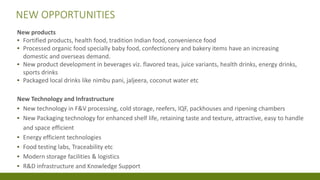
NEW OPPORTUNITIES
New products
▪ Fortified products, health food, tradition Indian food, convenience food
▪ Processed organic food specially baby food, confectionery and bakery items have an increasing
domestic and overseas demand.
▪ New product development in beverages viz. flavored teas, juice variants, health drinks, energy drinks,
sports drinks
▪ Packaged local drinks like nimbu pani, jaljeera, coconut water etc
New Technology and Infrastructure
▪ New technology in F&V processing, cold storage, reefers, IQF, packhouses and ripening chambers
▪ New Packaging technology for enhanced shelf life, retaining taste and texture, attractive, easy to handle
and space efficient
▪ Energy efficient technologies
▪ Food testing labs, Traceability etc
▪ Modern storage facilities & logistics
▪ R&D infrastructure and Knowledge Support
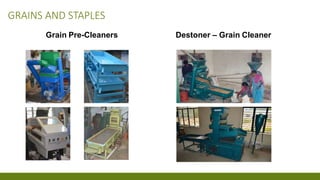
GRAINS AND STAPLES
GRAINS AND STAPLES
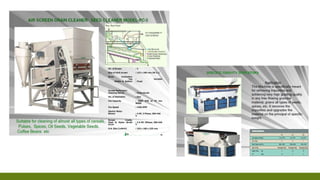
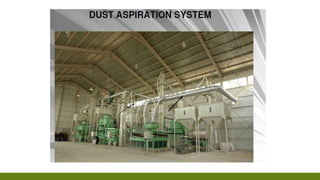
Grain Pre-Cleaners Destoner – Grain Cleaner
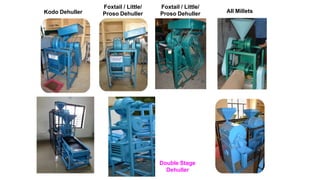
Kodo Dehuller
Foxtail / Little/
Proso Dehuller
Foxtail / Little/
Proso Dehuller All Millets
Double Stage
Dehuller
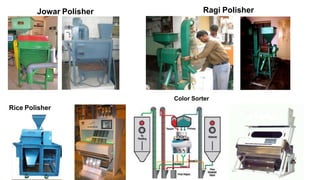
Jowar Polisher Ragi Polisher
Rice Polisher
Color Sorter
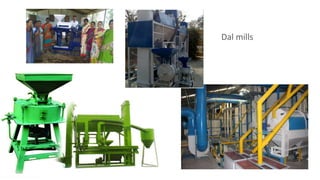
Dal mills
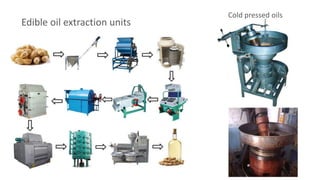
Edible oil extraction units
Cold pressed oils
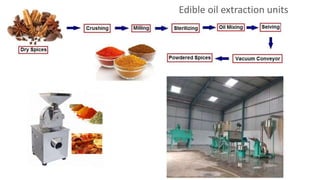
Edible oil extraction units
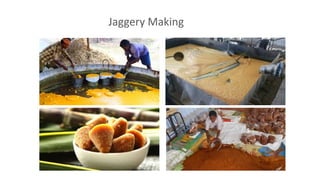
Jaggery Making
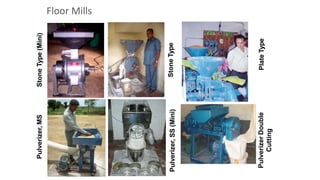
PlateType
StoneType
StoneType(Mini)
Pulverizer,SS(Mini)
Pulverizer,MS
PulverizerDouble
Cutting
Floor Mills
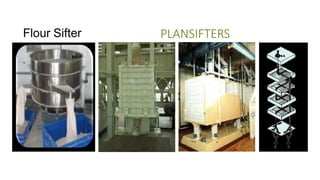
PLANSIFTERSFlour Sifter
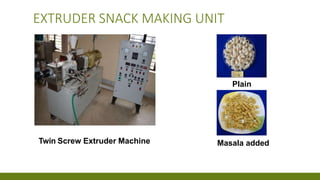
EXTRUDER SNACK MAKING UNIT
Twin Screw Extruder Machine
Plain
Masala added
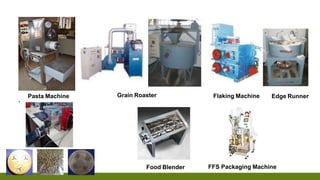
Pasta Machine Grain Roaster Flaking Machine
FFS Packaging MachineFood Blender
Edge Runner
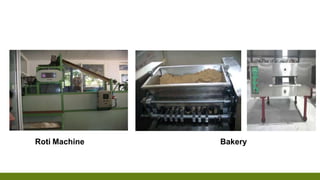
BakeryRoti Machine
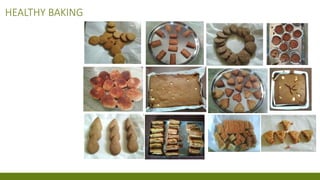
HEALTHY BAKING
FRUITS AND VEGETABLES
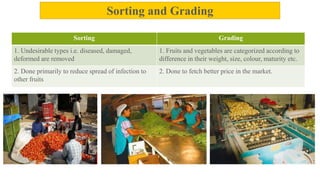
Sorting Grading
1. Undesirable types i.e. diseased, damaged,
deformed are removed
1. Fruits and vegetables are categorized according to
difference in their weight, size, colour, maturity etc.
2. Done primarily to reduce spread of infection to
other fruits
2. Done to fetch better price in the market.
Sorting and Grading
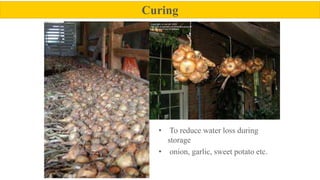
Curing
• To reduce water loss during
storage
• onion, garlic, sweet potato etc.
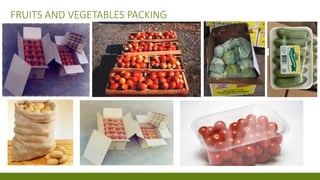
FRUITS AND VEGETABLES PACKING
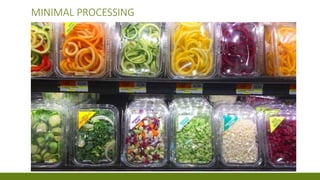
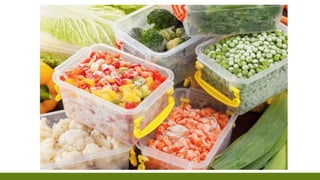
MINIMAL PROCESSING
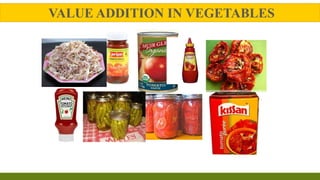
VALUE ADDITION IN VEGETABLES
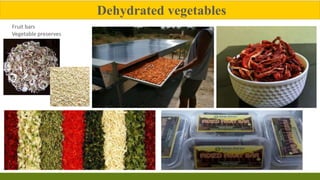
Dehydrated vegetables
Fruit bars
Vegetable preserves
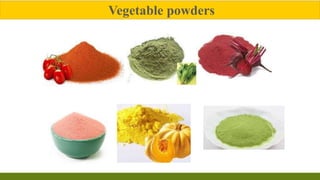
Vegetable powders
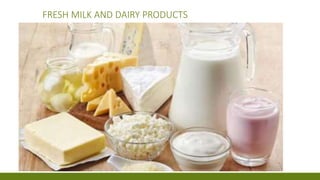
FRESH MILK AND DAIRY PRODUCTS
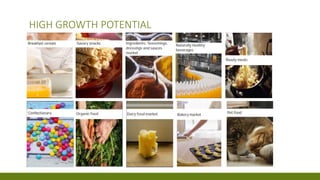
HIGH GROWTH POTENTIAL
HEALTH AND NUTRITIONAL SUPPLEMENTS
Key Drivers
1. Malnutrition status in India and micro-nutrient deficiency
2. Affordability: Increasing costs of hospitalization are driving consumers
towards health supplements and nutraceuticals
3. Affluence of working population with changing lifestyles and dietary patterns
and increase in disposable income
4. Awareness: Increasing concern about nutrition, awareness and access to
information have led to an increase in use of health supplements and
nutraceuticals
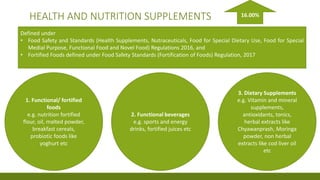
HEALTH AND NUTRITION SUPPLEMENTS
Defined under
• Food Safety and Standards (Health Supplements, Nutraceuticals, Food for Special Dietary Use, Food for Special
Medial Purpose, Functional Food and Novel Food) Regulations 2016, and
• Fortified Foods defined under Food Safety Standards (Fortification of Foods) Regulation, 2017
1. Functional/ fortified
foods
e.g. nutrition fortified
flour, oil, malted powder,
breakfast cereals,
probiotic foods like
yoghurt etc
2. Functional beverages
e.g. sports and energy
drinks, fortified juices etc
3. Dietary Supplements
e.g. Vitamin and mineral
supplements,
antioxidants, tonics,
herbal extracts like
Chyawanprash, Moringa
powder, non herbal
extracts like cod liver oil
etc
16.00%
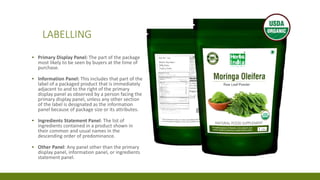
LABELLING
▪ Primary Display Panel: The part of the package
most likely to be seen by buyers at the time of
purchase.
▪ Information Panel: This includes that part of the
label of a packaged product that is immediately
adjacent to and to the right of the primary
display panel as observed by a person facing the
primary display panel, unless any other section
of the label is designated as the information
panel because of package size or its attributes.
▪ Ingredients Statement Panel: The list of
ingredients contained in a product shown in
their common and usual names in the
descending order of predominance.
▪ Other Panel: Any panel other than the primary
display panel, information panel, or ingredients
statement panel.
40
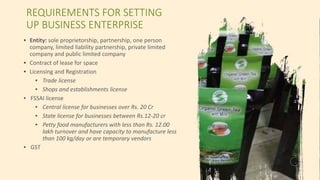
REQUIREMENTS FOR SETTING
UP BUSINESS ENTERPRISE
▪ Entity: sole proprietorship, partnership, one person
company, limited liability partnership, private limited
company and public limited company
▪ Contract of lease for space
▪ Licensing and Registration
▪ Trade license
▪ Shops and establishments license
▪ FSSAI license
▪ Central license for businesses over Rs. 20 Cr
▪ State license for businesses between Rs.12-20 cr
▪ Petty food manufacturers with less than Rs. 12.00
lakh turnover and have capacity to manufacture less
than 100 kg/day or are temporary vendors
▪ GST
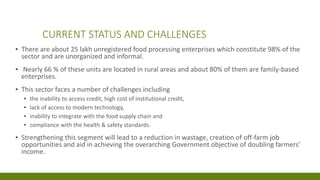
CURRENT STATUS AND CHALLENGES
▪ There are about 25 lakh unregistered food processing enterprises which constitute 98% of the
sector and are unorganized and informal.
▪ Nearly 66 % of these units are located in rural areas and about 80% of them are family-based
enterprises.
▪ This sector faces a number of challenges including
▪ the inability to access credit, high cost of institutional credit,
▪ lack of access to modern technology,
▪ inability to integrate with the food supply chain and
▪ compliance with the health & safety standards.
▪ Strengthening this segment will lead to a reduction in wastage, creation of off-farm job
opportunities and aid in achieving the overarching Government objective of doubling farmers’
income.
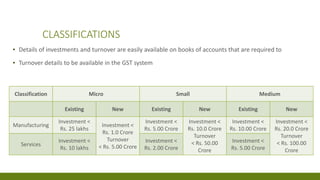
CLASSIFICATIONS
▪ Details of investments and turnover are easily available on books of accounts that are required to
▪ Turnover details to be available in the GST system
Classification Micro Small Medium
Existing New Existing New Existing New
Manufacturing
Investment <
Rs. 25 lakhs
Investment <
Rs. 1.0 Crore
Turnover
< Rs. 5.00 Crore
Investment <
Rs. 5.00 Crore
Investment <
Rs. 10.0 Crore
Turnover
< Rs. 50.00
Crore
Investment <
Rs. 10.00 Crore
Investment <
Rs. 20.0 Crore
Turnover
< Rs. 100.00
Crore
Services
Investment <
Rs. 10 lakhs
Investment <
Rs. 2.00 Crore
Investment <
Rs. 5.00 Crore
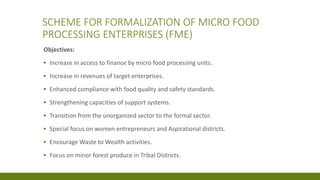
SCHEME FOR FORMALIZATION OF MICRO FOOD
PROCESSING ENTERPRISES (FME)
Objectives:
▪ Increase in access to finance by micro food processing units.
▪ Increase in revenues of target enterprises.
▪ Enhanced compliance with food quality and safety standards.
▪ Strengthening capacities of support systems.
▪ Transition from the unorganized sector to the formal sector.
▪ Special focus on women entrepreneurs and Aspirational districts.
▪ Encourage Waste to Wealth activities.
▪ Focus on minor forest produce in Tribal Districts.
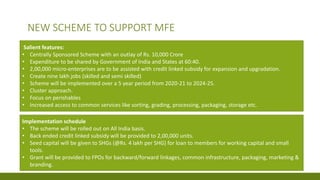
Salient features:
• Centrally Sponsored Scheme with an outlay of Rs. 10,000 Crore
• Expenditure to be shared by Government of India and States at 60:40.
• 2,00,000 micro-enterprises are to be assisted with credit linked subsidy for expansion and upgradation.
• Create nine lakh jobs (skilled and semi skilled)
• Scheme will be implemented over a 5 year period from 2020-21 to 2024-25.
• Cluster approach.
• Focus on perishables
• Increased access to common services like sorting, grading, processing, packaging, storage etc.
Implementation schedule
• The scheme will be rolled out on All India basis.
• Back ended credit linked subsidy will be provided to 2,00,000 units.
• Seed capital will be given to SHGs (@Rs. 4 lakh per SHG) for loan to members for working capital and small
tools.
• Grant will be provided to FPOs for backward/forward linkages, common infrastructure, packaging, marketing &
branding.
NEW SCHEME TO SUPPORT MFE
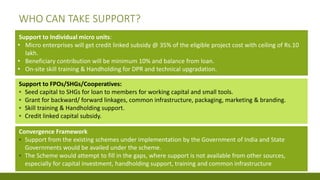
WHO CAN TAKE SUPPORT?
Support to Individual micro units:
• Micro enterprises will get credit linked subsidy @ 35% of the eligible project cost with ceiling of Rs.10
lakh.
• Beneficiary contribution will be minimum 10% and balance from loan.
• On-site skill training & Handholding for DPR and technical upgradation.
Support to FPOs/SHGs/Cooperatives:
▪ Seed capital to SHGs for loan to members for working capital and small tools.
▪ Grant for backward/ forward linkages, common infrastructure, packaging, marketing & branding.
▪ Skill training & Handholding support.
▪ Credit linked capital subsidy.
Convergence Framework
▪ Support from the existing schemes under implementation by the Government of India and State
Governments would be availed under the scheme.
▪ The Scheme would attempt to fill in the gaps, where support is not available from other sources,
especially for capital investment, handholding support, training and common infrastructure
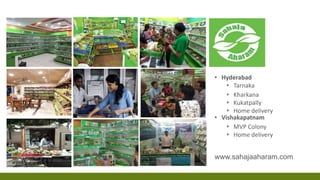
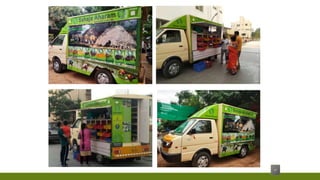
www.sahajaaharam.com
• Hyderabad
• Tarnaka
• Kharkana
• Kukatpally
• Home delivery
• Vishakapatnam
• MVP Colony
• Home delivery
47
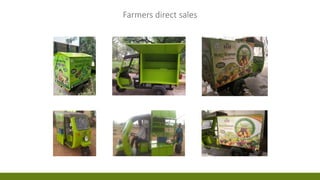
Farmers direct sales
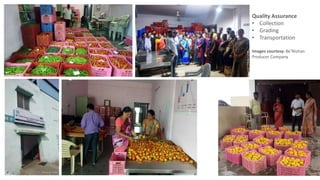
Quality Assurance
• Collection
• Grading
• Transportation
Images courtesy: Be’Nishan
Producer Company
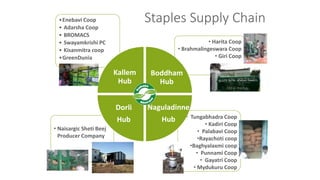
•Enebavi Coop
• Adarsha Coop
• BROMACS
• Swayamkrishi PC
• Kisanmitra coop
•GreenDunia
• Harita Coop
• Brahmalingeswara Coop
• Giri Coop
• Tungabhadra Coop
• Kadiri Coop
• Palabavi Coop
•Rayachoti coop
•Baghyalaxmi coop
• Punnami Coop
• Gayatri Coop
• Mydukuru Coop
• Naisargic Sheti Beej
Producer Company
Kallem
Hub
Boddham
Hub
Dorli
Hub
Naguladinne
Hub
Staples Supply Chain
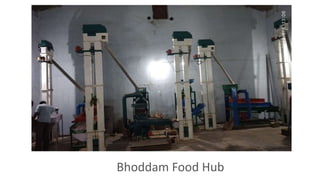
Bhoddam Food Hub
52
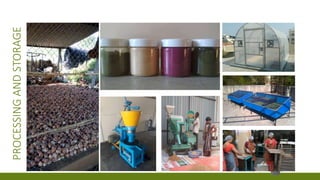
PROCESSINGANDSTORAGE
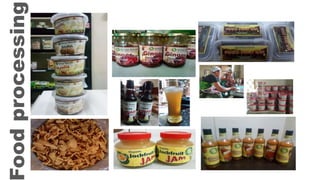
oodprocessing
HEALTH PRODUCTS
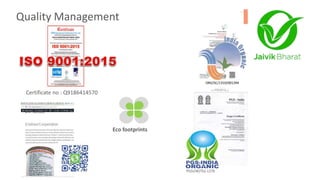
Certificate no : Q9186414570
PGSI/W(TG)-1276
Eco footprints
Quality Management
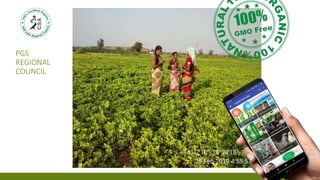
PGS
REGIONAL
COUNCIL
56
• Certification for farmer groups
• Each group from 10-20 in a vicinity
• Certification offered for
• Crop/orchardproduction
• Livestock
• Bee keeping
• Wild collections
• Processing and handling
• All states
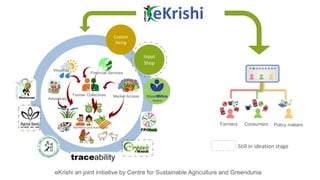
Farmers and livelihoods
Market Access
Advisories
Farmers Consumers Policy makers
eKrishi an joint initiative by Centre for Sustainable Agriculture and Greendunia
Farmer Collectives
Financial Services
Weather
Input
Shop
Custom
hiring
Still in ideation stage
THANK YOU
59http://www.csa-india.org http://www.sahajaaharam.com http://www.grameenacademy.in
Call on 8500 68 3300
8500 78 3300
8500 98 3300
csa@csa-india.org
pgs@csa-india.org
info@sahajaaharam.in
organicmandi@csa-india.org
grameen@csa-india.org

200522 opportunities micro food enterprises

  • 1.
    OPPORTUNITIES MICRO FOODENTERPRISES CENTRE FOR SUSTAINABLE AGRICULTURE
  • 2.
    FEW GROUND RULES •Keep your self muted and switch off video in the starting • In between you if you have doubts write them in chat box • Towards end we will have discussion • Be focused in questioning and don’t take it into conversations • While speaking you can unmute and switch your video and mute urself after that and switch off video
  • 3.
    01 02 03 04 05 Food Business Operators Production/Collection GrowingOrganically/naturally BulkSales Wholesale,whitelabelling Manufacturing Making readyto cook, readyto eat products Packing labelling A good businessplanstartswith an executive. International Market Wheredo youoperate? Aggregation Collectionandstorage Primary Processing Cleaning,grading, processing,packing Primary ProduceMarketing Labellingandmarketing Retail Marketing Exclusive stores, Franchise, other stores
  • 4.
    FOOD PROCESSING ▪ FoodProcessing is any technique or method that changes raw plant or animal material into safe, edible and more palatable food. ▪ Why process food? ▪ Ensures food is safe to eat ▪ Makes food available all year round regardless of season ▪ Extends the shelf life of many foods ▪ Increases the convenience for consumers by reducing preparation time ▪ Makes some foods edible, for example, making oven fried chips from potatoes ▪ Makes some food palatable and more enjoyable to eat, for example, soy beans ▪ Can add extra nutritional benefits (e.g functional foods) or ▪ Meet specific nutritional needs (e.g gluten free) ▪ Primary processing involves a range of processes to make food safe to eat so that it can be consumed individually or used in the manufacture of other food products. The physical form changes very little. ▪ Secondary processing is the methods used to turn primary processed foods into other food products either on their own or mixed with other ingredients. The physical form can change quite significantly as a result of secondary processing. ▪ Tertiary food processing is the commercial production of what is commonly called processed food. These are ready-to-eat or heat-and-serve foods
  • 5.
    FOOD PROCESSING Segments PrimaryProcessing Secondary Processing Tertiary Processing Fruits and Vegetables Cleaning, Cutting, Sorting Pulp, Flakes, Paste, Frozen, Diced, Canned Jams, Jellies, Chips, Ready to Serve drinks, Indian ethnic drinks Grains and Cereals Sorting and Grading Rice Puff, Flour, baby food(final product /ingredients) Cakes, Biscuits, Breakfast cereals, breads, other bakery products, RTC/RTE products Oilseeds Sorting and Grading Oil Cakes, Refined Oils Soya Oil, Olive Oil, Mustard Oil, Blended oils, Fortified Oil Milk Grading and Refrigeration Packaged milk, Flavored milk, Cream, Milk powder Yoghurt, Cheese, Ice cream, Curd, Baby food, other value added products Meat and Poultry Sorting and Refrigeration Chilled/Frozen Products Ready to Eat products Marine Products Chilled/Frozen products Ready to Eat products
  • 6.
    NEW OPPORTUNITIES New products ▪Fortified products, health food, tradition Indian food, convenience food ▪ Processed organic food specially baby food, confectionery and bakery items have an increasing domestic and overseas demand. ▪ New product development in beverages viz. flavored teas, juice variants, health drinks, energy drinks, sports drinks ▪ Packaged local drinks like nimbu pani, jaljeera, coconut water etc New Technology and Infrastructure ▪ New technology in F&V processing, cold storage, reefers, IQF, packhouses and ripening chambers ▪ New Packaging technology for enhanced shelf life, retaining taste and texture, attractive, easy to handle and space efficient ▪ Energy efficient technologies ▪ Food testing labs, Traceability etc ▪ Modern storage facilities & logistics ▪ R&D infrastructure and Knowledge Support
  • 7.
  • 8.
    GRAINS AND STAPLES GrainPre-Cleaners Destoner – Grain Cleaner
  • 11.
    Kodo Dehuller Foxtail /Little/ Proso Dehuller Foxtail / Little/ Proso Dehuller All Millets Double Stage Dehuller
  • 12.
    Jowar Polisher RagiPolisher Rice Polisher Color Sorter
  • 13.
  • 14.
    Edible oil extractionunits Cold pressed oils
  • 15.
  • 16.
  • 17.
  • 18.
  • 19.
    EXTRUDER SNACK MAKINGUNIT Twin Screw Extruder Machine Plain Masala added
  • 20.
    Pasta Machine GrainRoaster Flaking Machine FFS Packaging MachineFood Blender Edge Runner
  • 21.
  • 22.
  • 23.
  • 24.
    Sorting Grading 1. Undesirabletypes i.e. diseased, damaged, deformed are removed 1. Fruits and vegetables are categorized according to difference in their weight, size, colour, maturity etc. 2. Done primarily to reduce spread of infection to other fruits 2. Done to fetch better price in the market. Sorting and Grading
  • 25.
    Curing • To reducewater loss during storage • onion, garlic, sweet potato etc.
  • 26.
  • 27.
  • 28.
  • 31.
  • 32.
  • 35.
    FRESH MILK ANDDAIRY PRODUCTS
  • 36.
  • 37.
    HEALTH AND NUTRITIONALSUPPLEMENTS Key Drivers 1. Malnutrition status in India and micro-nutrient deficiency 2. Affordability: Increasing costs of hospitalization are driving consumers towards health supplements and nutraceuticals 3. Affluence of working population with changing lifestyles and dietary patterns and increase in disposable income 4. Awareness: Increasing concern about nutrition, awareness and access to information have led to an increase in use of health supplements and nutraceuticals
  • 38.
    HEALTH AND NUTRITIONSUPPLEMENTS Defined under • Food Safety and Standards (Health Supplements, Nutraceuticals, Food for Special Dietary Use, Food for Special Medial Purpose, Functional Food and Novel Food) Regulations 2016, and • Fortified Foods defined under Food Safety Standards (Fortification of Foods) Regulation, 2017 1. Functional/ fortified foods e.g. nutrition fortified flour, oil, malted powder, breakfast cereals, probiotic foods like yoghurt etc 2. Functional beverages e.g. sports and energy drinks, fortified juices etc 3. Dietary Supplements e.g. Vitamin and mineral supplements, antioxidants, tonics, herbal extracts like Chyawanprash, Moringa powder, non herbal extracts like cod liver oil etc 16.00%
  • 39.
    LABELLING ▪ Primary DisplayPanel: The part of the package most likely to be seen by buyers at the time of purchase. ▪ Information Panel: This includes that part of the label of a packaged product that is immediately adjacent to and to the right of the primary display panel as observed by a person facing the primary display panel, unless any other section of the label is designated as the information panel because of package size or its attributes. ▪ Ingredients Statement Panel: The list of ingredients contained in a product shown in their common and usual names in the descending order of predominance. ▪ Other Panel: Any panel other than the primary display panel, information panel, or ingredients statement panel.
  • 40.
    40 REQUIREMENTS FOR SETTING UPBUSINESS ENTERPRISE ▪ Entity: sole proprietorship, partnership, one person company, limited liability partnership, private limited company and public limited company ▪ Contract of lease for space ▪ Licensing and Registration ▪ Trade license ▪ Shops and establishments license ▪ FSSAI license ▪ Central license for businesses over Rs. 20 Cr ▪ State license for businesses between Rs.12-20 cr ▪ Petty food manufacturers with less than Rs. 12.00 lakh turnover and have capacity to manufacture less than 100 kg/day or are temporary vendors ▪ GST
  • 41.
    CURRENT STATUS ANDCHALLENGES ▪ There are about 25 lakh unregistered food processing enterprises which constitute 98% of the sector and are unorganized and informal. ▪ Nearly 66 % of these units are located in rural areas and about 80% of them are family-based enterprises. ▪ This sector faces a number of challenges including ▪ the inability to access credit, high cost of institutional credit, ▪ lack of access to modern technology, ▪ inability to integrate with the food supply chain and ▪ compliance with the health & safety standards. ▪ Strengthening this segment will lead to a reduction in wastage, creation of off-farm job opportunities and aid in achieving the overarching Government objective of doubling farmers’ income.
  • 42.
    CLASSIFICATIONS ▪ Details ofinvestments and turnover are easily available on books of accounts that are required to ▪ Turnover details to be available in the GST system Classification Micro Small Medium Existing New Existing New Existing New Manufacturing Investment < Rs. 25 lakhs Investment < Rs. 1.0 Crore Turnover < Rs. 5.00 Crore Investment < Rs. 5.00 Crore Investment < Rs. 10.0 Crore Turnover < Rs. 50.00 Crore Investment < Rs. 10.00 Crore Investment < Rs. 20.0 Crore Turnover < Rs. 100.00 Crore Services Investment < Rs. 10 lakhs Investment < Rs. 2.00 Crore Investment < Rs. 5.00 Crore
  • 43.
    SCHEME FOR FORMALIZATIONOF MICRO FOOD PROCESSING ENTERPRISES (FME) Objectives: ▪ Increase in access to finance by micro food processing units. ▪ Increase in revenues of target enterprises. ▪ Enhanced compliance with food quality and safety standards. ▪ Strengthening capacities of support systems. ▪ Transition from the unorganized sector to the formal sector. ▪ Special focus on women entrepreneurs and Aspirational districts. ▪ Encourage Waste to Wealth activities. ▪ Focus on minor forest produce in Tribal Districts.
  • 44.
    Salient features: • CentrallySponsored Scheme with an outlay of Rs. 10,000 Crore • Expenditure to be shared by Government of India and States at 60:40. • 2,00,000 micro-enterprises are to be assisted with credit linked subsidy for expansion and upgradation. • Create nine lakh jobs (skilled and semi skilled) • Scheme will be implemented over a 5 year period from 2020-21 to 2024-25. • Cluster approach. • Focus on perishables • Increased access to common services like sorting, grading, processing, packaging, storage etc. Implementation schedule • The scheme will be rolled out on All India basis. • Back ended credit linked subsidy will be provided to 2,00,000 units. • Seed capital will be given to SHGs (@Rs. 4 lakh per SHG) for loan to members for working capital and small tools. • Grant will be provided to FPOs for backward/forward linkages, common infrastructure, packaging, marketing & branding. NEW SCHEME TO SUPPORT MFE
  • 45.
    WHO CAN TAKESUPPORT? Support to Individual micro units: • Micro enterprises will get credit linked subsidy @ 35% of the eligible project cost with ceiling of Rs.10 lakh. • Beneficiary contribution will be minimum 10% and balance from loan. • On-site skill training & Handholding for DPR and technical upgradation. Support to FPOs/SHGs/Cooperatives: ▪ Seed capital to SHGs for loan to members for working capital and small tools. ▪ Grant for backward/ forward linkages, common infrastructure, packaging, marketing & branding. ▪ Skill training & Handholding support. ▪ Credit linked capital subsidy. Convergence Framework ▪ Support from the existing schemes under implementation by the Government of India and State Governments would be availed under the scheme. ▪ The Scheme would attempt to fill in the gaps, where support is not available from other sources, especially for capital investment, handholding support, training and common infrastructure
  • 46.
    www.sahajaaharam.com • Hyderabad • Tarnaka •Kharkana • Kukatpally • Home delivery • Vishakapatnam • MVP Colony • Home delivery
  • 47.
  • 48.
  • 49.
    Quality Assurance • Collection •Grading • Transportation Images courtesy: Be’Nishan Producer Company
  • 50.
    •Enebavi Coop • AdarshaCoop • BROMACS • Swayamkrishi PC • Kisanmitra coop •GreenDunia • Harita Coop • Brahmalingeswara Coop • Giri Coop • Tungabhadra Coop • Kadiri Coop • Palabavi Coop •Rayachoti coop •Baghyalaxmi coop • Punnami Coop • Gayatri Coop • Mydukuru Coop • Naisargic Sheti Beej Producer Company Kallem Hub Boddham Hub Dorli Hub Naguladinne Hub Staples Supply Chain
  • 51.
  • 52.
  • 53.
  • 54.
  • 55.
    Certificate no :Q9186414570 PGSI/W(TG)-1276 Eco footprints Quality Management
  • 56.
    PGS REGIONAL COUNCIL 56 • Certification forfarmer groups • Each group from 10-20 in a vicinity • Certification offered for • Crop/orchardproduction • Livestock • Bee keeping • Wild collections • Processing and handling • All states
  • 57.
    Farmers and livelihoods MarketAccess Advisories Farmers Consumers Policy makers eKrishi an joint initiative by Centre for Sustainable Agriculture and Greendunia Farmer Collectives Financial Services Weather Input Shop Custom hiring Still in ideation stage
  • 59.
    THANK YOU 59http://www.csa-india.org http://www.sahajaaharam.comhttp://www.grameenacademy.in Call on 8500 68 3300 8500 78 3300 8500 98 3300 csa@csa-india.org pgs@csa-india.org info@sahajaaharam.in organicmandi@csa-india.org grameen@csa-india.org

Editor's Notes

  • #26  It is technique where the commodity is left in the field itself in a heap under shade for few days.
  • #47 Organising farmers into farmer producer organisations and reaching out to consumers is an important dimension of our work. Federated model of bring collectives of producers and consumers together is now seen as one of the successful model and we are now working with more than 250 FPOs We now have consumer collectives in hyderabad and mumbai and going to launch in Vishakapatnam, vijayawada and bangalore as well You can start a collective in your offices or residential complexes and gated communities We started Food info mart to provide information on what food does to environment and fthe armer who has grown it before it comes to your plate We now have nutritional counselling and cookery classes Trainings on urban gardening, biowaste recycling You can also volunteer and support these farmer or consumer communities We also started FPOhub an incubation centre for the farmer producer organisations and rural enterprises..pls do extend ur support join the community of supporting rural enterprises and building their skills You purchasing behavior also matters. Today farmers share is less than 25% in the consumers’ price. Buy directly from farmers and farmers cooperatives. Pay directly to farmers. There are no of initiatives where producers and consumers came together to create better access to organic food for consumers and better prices for farmers ----------------------------------------------------------------
  • #56 Farmers are certified under Participatory Guarantee System (PGS) and third party certification (ICS). Sahaja Aharam is also managing a tracking system where each packet can be traced back to the farmer/farmer group by scanning the QR code.