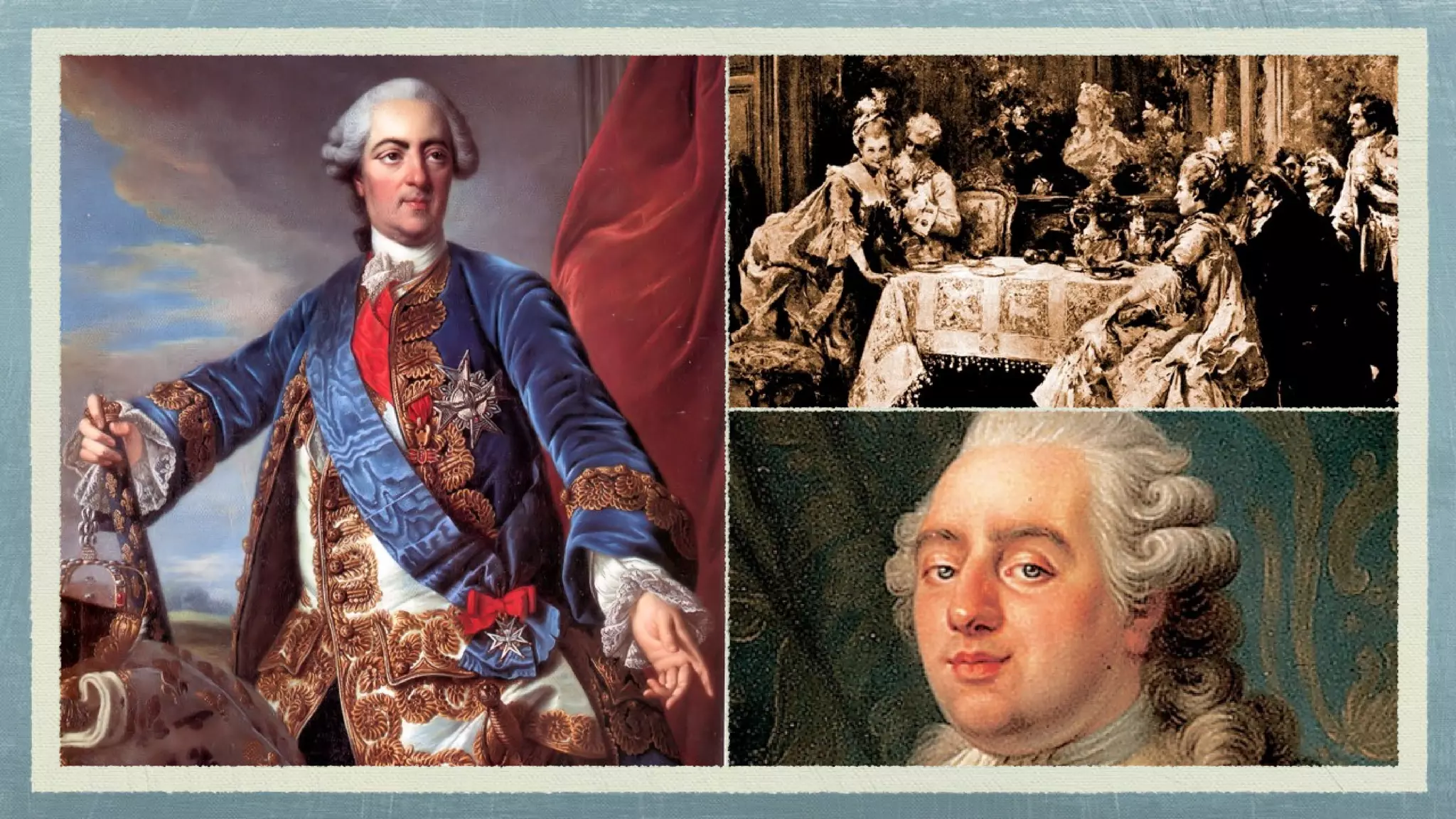
The 18th Century
If it ain’t Baroque, don’t fix it.
Keeping Up
Appearances
British Dandies
Macaroni’s
Italian Influence
British Colonies
Civil Unrest
Eventually declare
independence
At war on two fronts
6
Arkwright’s Spinning
Machine
Hargreaves Spinning Jenny
X
1700 - 1750
1750 - 1800
1700 - 1750
White shirts with ruffled frill
Vests that were sleeved or sleeveless
Vest shorter than outer coat
Outer coat wider
Coat cuffs wide
Knee length breeches
1700 - 1750
Throughout Century
Formal coats have lavish embroidery
Made from silk
The Ditto Suit
Coat, vest (waistcoat), breeches all
same fabric
Less Formal Attire
Frock coat
Casual
Flat, turned down collar,
Looser fit
1750
-
1800
1800
1800
Shorter Vests
Closely fitted breeches
Narrower jacket
Cutaway/curved front below
waistline
Before 1750 After 1750
13
X
X
Pocketbook
Wigs
Shoes with Gold Buckles
Three-Cornered Hat
Important Accessories
Lingering Styles
17th century styles stick around
until 1720.
Women’s Undergarments
Chemise
Stays (corset)
Under petticoat
Hoop
Style Changes
1715 - 1730 1730 - 1760
1760 - 1790
1715 - 1730
Wide
Unfitted
1715 - 1730
1715 - 1730
Simple hairstyles
1730 - 1760
Skirts less round
Wider side to side
Fitted in back: à l’Anglaise
Full, unfitted pleats at shoulder
back: à la Française
à l’Anglaise à la Française
1730 - 1760
Square necklines
“V” shaped insert at front
Stomacher
Highly ornamented
Full skirts with slit in front
Worn over matching/contrasting
petticoat
Calash
1760 - 1790
Formal Court attire stays same
Style changes to a dress with skirts
held out by a pad
Skirts looped up in puffs to form a
“polonaise”
1760 - 1790
1760 - 1790
Polonaise is popular
Cotton from India
Dress cut similarly to a chemise
1760 - 1790
Fullness in skirt shifts to back
Bodice front looks “puffed”
Soft scarves tucked into necklines
Fichu
Working Class Women
Shortgowns
Petticoats
Straight, unfitted, washable tops
Outerwear
Children
Philosophers suggested
Practical
Comfortable
For health and development
32
© 2006 Fairchild Publications, Inc.
C H A P T E R T E N
THE EIGHTEENTH CENTURY
c. 1700 - 1800
For Further Study
Actual Costumes Of This Period
http://www.kipar.org/baroque-costumes/extant-costumes.html
http://www.marquise.de/en/1700/nbg/index.shtml
http://www.brooksmuseum.org/public/exhibitions/default.asp?id=10000170
http://www.manchestergalleries.org/costume/narrative.php?irn=80&QueryPage=index.php&themeback=1
http://www.metmuseum.org/special/Dangerous_Liaisons/fashion_images.htm
http://dept.kent.edu/museum/costume/bonc/3timesearch/tseighteenth/1700-1799.html
Art Of The 18th Century Depicting Costume
http://www.marquise.de/en/1700/index.shtml
http://mauritia.de/en/rococo/rococo_costumes.html
http://www.costumes.org/classes/fashiondress/18thCent.htm
http://witcombe.sbc.edu/ARTH18thcentury.html
Specific Items Of Costume
http://www.lecurieux.com/eca1.htm
http://www.spnea.org/NEHM/NEWWSpringPage04.htm
http://www.northampton.gov.uk/museums/Collections/Boot_and_Shoe/History_of_Shoes/18th_Century.htm
http://www.costumes.org/history/100pages/BANYAN.HTM
33
© 2006 Fairchild Publications, Inc.
C H A P T E R T E N
THE EIGHTEENTH CENTURY
c. 1700 - 1800
For Further Study
African American Clothing
http://www.history.org/history/clothing/intro/aa_cover.cfm
Additional Information About Costume Of This Period
http://www.history.org/history/clothing/intro/clothing.cfm
Books With Drawings Showing Construction Of Historic Clothing
Arnold, J. 1977. Patterns of Fashion. Vol. 1: 1660-1860. Vol. 2: 1860-1940. New York: Drama Book Specialists.
Waugh, N. 1991. The Cut of Men's Clothes, 1600-1900. New York: Theater Arts Books.
34
© 2006 Fairchild Publications, Inc.
C H A P T E R T E N
THE EIGHTEENTH CENTURY
c. 1700 - 1800
Image Credits
Image of British Macaroni, courtesy of New York Public Library Digital Images Collection.
Image of Calico Printer, courtesy of New York Public Library Digital Images Collection.
Image of Men at a Table, courtesy of New York Public Library Digital Images Collection, Joshua Reynolds Portrait.
Photo of Panier, used courtesy of [ www.farthingales.on.ca ].
Various images used courtesy of [ www.trousseau.net ].
Various images used courtesy of [ www.vintagetextile.com ].
Image of Woman in Calash used courtesy of the New York Digital Image Collection.
Images of British Cartoons used courtesy of the New York Digital Image Collection.
Image of Woman in Cloak used courtesy of the New York Digital Image Collection.
Image of 18th Century Pocket used courtesy of [ www.historywired.si.edu ].
Various images used courtesy of [ www.manchestergalleries.org ].
Various images used courtesy of Dover Publications.
Various images in this chapter are courtesy of [www.clipart.com]; [ www.photos.com ];
Fairchild Publications, Inc.; and Fairchild Library.

18th century

  • 1.
    The 18th Century Ifit ain’t Baroque, don’t fix it.
  • 3.
  • 4.
    British Colonies Civil Unrest Eventuallydeclare independence At war on two fronts
  • 6.
  • 7.
  • 8.
    1700 - 1750 Whiteshirts with ruffled frill Vests that were sleeved or sleeveless Vest shorter than outer coat Outer coat wider Coat cuffs wide Knee length breeches 1700 - 1750
  • 9.
    Throughout Century Formal coatshave lavish embroidery Made from silk
  • 10.
    The Ditto Suit Coat,vest (waistcoat), breeches all same fabric
  • 11.
    Less Formal Attire Frockcoat Casual Flat, turned down collar, Looser fit
  • 12.
    1750 - 1800 1800 1800 Shorter Vests Closely fittedbreeches Narrower jacket Cutaway/curved front below waistline Before 1750 After 1750
  • 13.
  • 14.
    Pocketbook Wigs Shoes with GoldBuckles Three-Cornered Hat Important Accessories
  • 15.
    Lingering Styles 17th centurystyles stick around until 1720.
  • 16.
  • 17.
  • 18.
    Style Changes 1715 -1730 1730 - 1760 1760 - 1790
  • 19.
  • 20.
  • 21.
    1730 - 1760 Skirtsless round Wider side to side Fitted in back: à l’Anglaise Full, unfitted pleats at shoulder back: à la Française à l’Anglaise à la Française
  • 22.
    1730 - 1760 Squarenecklines “V” shaped insert at front Stomacher Highly ornamented Full skirts with slit in front Worn over matching/contrasting petticoat
  • 23.
  • 24.
    1760 - 1790 FormalCourt attire stays same Style changes to a dress with skirts held out by a pad Skirts looped up in puffs to form a “polonaise” 1760 - 1790
  • 26.
    1760 - 1790 Polonaiseis popular Cotton from India Dress cut similarly to a chemise
  • 27.
    1760 - 1790 Fullnessin skirt shifts to back Bodice front looks “puffed” Soft scarves tucked into necklines Fichu
  • 28.
  • 29.
  • 31.
  • 32.
    32 © 2006 FairchildPublications, Inc. C H A P T E R T E N THE EIGHTEENTH CENTURY c. 1700 - 1800 For Further Study Actual Costumes Of This Period http://www.kipar.org/baroque-costumes/extant-costumes.html http://www.marquise.de/en/1700/nbg/index.shtml http://www.brooksmuseum.org/public/exhibitions/default.asp?id=10000170 http://www.manchestergalleries.org/costume/narrative.php?irn=80&QueryPage=index.php&themeback=1 http://www.metmuseum.org/special/Dangerous_Liaisons/fashion_images.htm http://dept.kent.edu/museum/costume/bonc/3timesearch/tseighteenth/1700-1799.html Art Of The 18th Century Depicting Costume http://www.marquise.de/en/1700/index.shtml http://mauritia.de/en/rococo/rococo_costumes.html http://www.costumes.org/classes/fashiondress/18thCent.htm http://witcombe.sbc.edu/ARTH18thcentury.html Specific Items Of Costume http://www.lecurieux.com/eca1.htm http://www.spnea.org/NEHM/NEWWSpringPage04.htm http://www.northampton.gov.uk/museums/Collections/Boot_and_Shoe/History_of_Shoes/18th_Century.htm http://www.costumes.org/history/100pages/BANYAN.HTM
  • 33.
    33 © 2006 FairchildPublications, Inc. C H A P T E R T E N THE EIGHTEENTH CENTURY c. 1700 - 1800 For Further Study African American Clothing http://www.history.org/history/clothing/intro/aa_cover.cfm Additional Information About Costume Of This Period http://www.history.org/history/clothing/intro/clothing.cfm Books With Drawings Showing Construction Of Historic Clothing Arnold, J. 1977. Patterns of Fashion. Vol. 1: 1660-1860. Vol. 2: 1860-1940. New York: Drama Book Specialists. Waugh, N. 1991. The Cut of Men's Clothes, 1600-1900. New York: Theater Arts Books.
  • 34.
    34 © 2006 FairchildPublications, Inc. C H A P T E R T E N THE EIGHTEENTH CENTURY c. 1700 - 1800 Image Credits Image of British Macaroni, courtesy of New York Public Library Digital Images Collection. Image of Calico Printer, courtesy of New York Public Library Digital Images Collection. Image of Men at a Table, courtesy of New York Public Library Digital Images Collection, Joshua Reynolds Portrait. Photo of Panier, used courtesy of [ www.farthingales.on.ca ]. Various images used courtesy of [ www.trousseau.net ]. Various images used courtesy of [ www.vintagetextile.com ]. Image of Woman in Calash used courtesy of the New York Digital Image Collection. Images of British Cartoons used courtesy of the New York Digital Image Collection. Image of Woman in Cloak used courtesy of the New York Digital Image Collection. Image of 18th Century Pocket used courtesy of [ www.historywired.si.edu ]. Various images used courtesy of [ www.manchestergalleries.org ]. Various images used courtesy of Dover Publications. Various images in this chapter are courtesy of [www.clipart.com]; [ www.photos.com ]; Fairchild Publications, Inc.; and Fairchild Library.

Editor's Notes

  • #3 The French Court continued as center of fashion during the reigns of Louis XV and XVI.
  • #5 Settlement in the British colonies in the New World continued. Colonists in British lands in American grew restive under British rule and by the latter part of the century they revolted and declared their independence, establishing the United States of America.
  • #6 The British Empire, circa 1815 Trade with the Far East brought Asian textiles to Europe, providing luxurious silks and printed cottons for fashionable garments.
  • #7 In Europe and America the Industrial Revolution made possible the production of a wide range of domestic textiles.
  • #8 Fashion changes for men in the 18th century were not extreme
  • #9 Toward the beginning of the century, men wore white shirts with a ruffled frill at the front under vests that were sleeved or sleeveless. The vest was only a little shorter than the outer coat, which had become wider. Coat cuffs were wide. Breeches reached to the knee.
  • #10 Throughout the century, coats for formal wear were lavishly embroidered or made of luxurious silks.
  • #11 If the coat, vest, and breeches were made of the same fabric, the suit was know as a ditto suit .
  • #12 For less formal occasions, a frock coat, which was a more casual coat with a flat, turned down collar and a looser fit, might be worn.
  • #13 By the second half of the century, vests had grown shorter, breeches were more closely fitted, and the jacket had narrowed and curved back, away from the front below the waistline. Both frock coats and more formal coats continue to be worn.
  • #14 Loose colorful dressing gowns called banyans were worn at home and also on the street. When relaxing, men might take off their wigs and wear an embroidered nightcap.
  • #22 Skirts became less round and were wider from side to side. Gowns fitted in the back were called à l’Anglaise and those with full unfitted pleats at the shoulder back and fitted fronts were know as robes à la Française.
  • #23 Gowns generally had square necklines. Many had a “v” shaped insert at the front, that was called a stomacher, was often highly ornamented with embroidery, lace, and ribbon. Full skirts were generally slit in front and worn over a petticoat of matching or contrasting fabric.
  • #24 To cover hair outdoors
  • #25 Except for formal dress where it still appeared, the exceptionally wide robe à la Française was replaced by a dress with skirts held out by a pad, and skirts were looped up in puffs to form “ polonaise .”
  • #26 Hairstyles grow enormous by 1770s, and get lampooned in cartoons
  • #27 Expensive soft cotton muslins from India were made into a dress cut similarly to a chemise.
  • #28 Fullness in the skirt gradually shifted to the back and the bodice front took on a puffed appearance as soft scarves were tucked into necklines.
  • #29 Working class women, slaves and the poor wore petticoats with straight, unfitted, washable tops called shortgowns .
  • #32 Philosophers suggested practical, comfortable clothing for children were better for their health and development.