AT BHARAT SANCHAR NIGAM LIMITED
   4th largest telecommunication company in
    asia and 7th largest in the world.

   Provides GSM and basic telephony service and
    first company in India providing 3G.

   More than 3 laces of employees, officers and
    engineers are working at present.
-> WLL (wireless in locked loop)

-> GSM (global system for mobile communication)

-> CDMA (code division multiple access)

-> MTNL ( mahanagar telephone nigam limited)
What is WLL?

-Communication system that connects us to PSTN.

- Use Radio Frequency Signals.

- Useful for Subscribers located in pockets.
Provides 2 types of services –

(1)Fixed WLL
(2) WLL with portability

Features of WLL –
i) Dynamic STD/ISD locking.
ii) Call Waiting / Call transfer.
iii) Call Forwarding.
iv) STD / ISD call details.
- Provided   using a telephone instrument.

- FWT   will be wall mounted.

-Short cable connected from outdoor
aerial to wall set.

- Wall set powered by an a.c. supply.
-Provides portability feature to WLL subscriber.

- This can be done by a portable hand Set which
can be carried in the pocket.
History
- Torleiv Maseng is regarded as the father of the GSM
Technology.
- 1989, GSM responsibility was transferred to the
European Telecommunications Standards Institute (ETSI)
- first GSM network was launched in 1991 by Radiolinja in
Finland with joint technical infrastructure maintenance
from Ericsson.
• 2G GSM networks operate in the 900 MHz or
1800 MHz bands
• GSM-900 uses 890–915 MHz to send information
from the mobile station to the base station (uplink)
• 935–960 MHz for the other direction (downlink),
• providing 125 RF channels (channel numbers 0
to 124) spaced at 200 kHz. Duplex spacing of 45
MHz is used
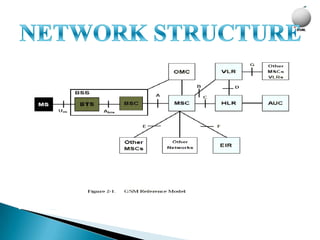
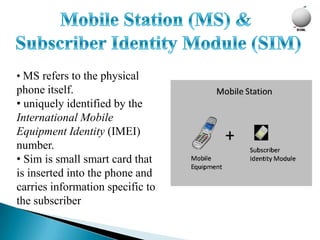
• MS refers to the physical
phone itself.
• uniquely identified by the
International Mobile
Equipment Identity (IMEI)
number.
• Sim is small smart card that
is inserted into the phone and
carries information specific to
the subscriber
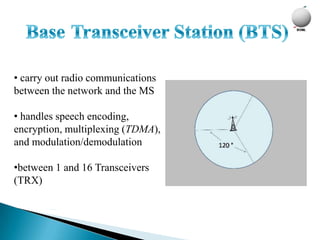
• carry out radio communications
between the network and the MS

• handles speech encoding,
encryption, multiplexing (TDMA),
and modulation/demodulation

•between 1 and 16 Transceivers
(TRX)
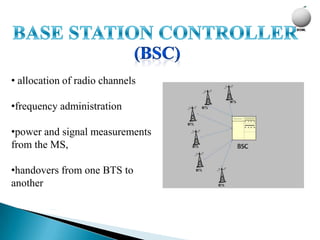
• allocation of radio channels

•frequency administration

•power and signal measurements
from the MS,

•handovers from one BTS to
another
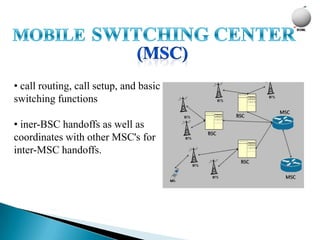
• call routing, call setup, and basic
switching functions

• iner-BSC handoffs as well as
coordinates with other MSC's for
inter-MSC handoffs.
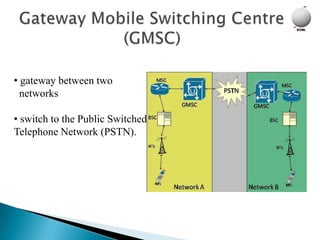
• gateway between two
  networks

• switch to the Public Switched
Telephone Network (PSTN).
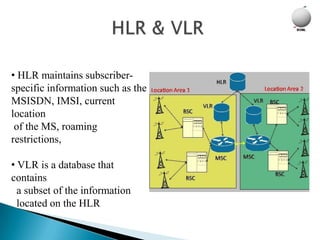
• HLR maintains subscriber-
specific information such as the
MSISDN, IMSI, current
location
 of the MS, roaming
restrictions,

• VLR is a database that
contains
  a subset of the information
  located on the HLR
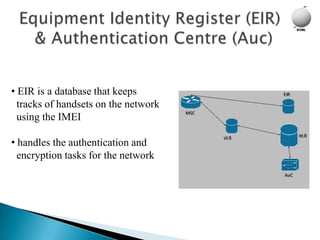
• EIR is a database that keeps
  tracks of handsets on the network
  using the IMEI

• handles the authentication and
  encryption tasks for the network
◦ All PSTN applications
    Integrated access node
        CSNMM - ADSL + Voice
        Backward compatible with
        CSNMA
        CSE
      Support for V5.2 for access nodes
      Trunk Automatic Exchange (TAX)
      International Gateway
      Signaling transfer point (STP)
◦ IN
    SSP
◦ Mobile applications
    GSM /GPR
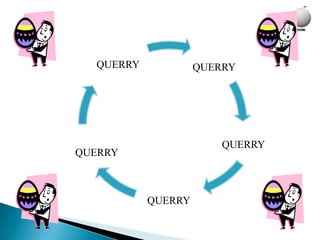
QUERRY            QUERRY


                        QUERRY
QUERRY


           QUERRY
1515726 634814739201100000

1515726 634814739201100000

  • 1.
    AT BHARAT SANCHARNIGAM LIMITED
  • 2.
    4th largest telecommunication company in asia and 7th largest in the world.  Provides GSM and basic telephony service and first company in India providing 3G.  More than 3 laces of employees, officers and engineers are working at present.
  • 3.
    -> WLL (wirelessin locked loop) -> GSM (global system for mobile communication) -> CDMA (code division multiple access) -> MTNL ( mahanagar telephone nigam limited)
  • 4.
    What is WLL? -Communicationsystem that connects us to PSTN. - Use Radio Frequency Signals. - Useful for Subscribers located in pockets.
  • 5.
    Provides 2 typesof services – (1)Fixed WLL (2) WLL with portability Features of WLL – i) Dynamic STD/ISD locking. ii) Call Waiting / Call transfer. iii) Call Forwarding. iv) STD / ISD call details.
  • 6.
    - Provided using a telephone instrument. - FWT will be wall mounted. -Short cable connected from outdoor aerial to wall set. - Wall set powered by an a.c. supply.
  • 7.
    -Provides portability featureto WLL subscriber. - This can be done by a portable hand Set which can be carried in the pocket.
  • 8.
    History - Torleiv Masengis regarded as the father of the GSM Technology. - 1989, GSM responsibility was transferred to the European Telecommunications Standards Institute (ETSI) - first GSM network was launched in 1991 by Radiolinja in Finland with joint technical infrastructure maintenance from Ericsson.
  • 9.
    • 2G GSMnetworks operate in the 900 MHz or 1800 MHz bands • GSM-900 uses 890–915 MHz to send information from the mobile station to the base station (uplink) • 935–960 MHz for the other direction (downlink), • providing 125 RF channels (channel numbers 0 to 124) spaced at 200 kHz. Duplex spacing of 45 MHz is used
  • 11.
    • MS refersto the physical phone itself. • uniquely identified by the International Mobile Equipment Identity (IMEI) number. • Sim is small smart card that is inserted into the phone and carries information specific to the subscriber
  • 12.
    • carry outradio communications between the network and the MS • handles speech encoding, encryption, multiplexing (TDMA), and modulation/demodulation •between 1 and 16 Transceivers (TRX)
  • 13.
    • allocation ofradio channels •frequency administration •power and signal measurements from the MS, •handovers from one BTS to another
  • 14.
    • call routing,call setup, and basic switching functions • iner-BSC handoffs as well as coordinates with other MSC's for inter-MSC handoffs.
  • 15.
    • gateway betweentwo networks • switch to the Public Switched Telephone Network (PSTN).
  • 16.
    • HLR maintainssubscriber- specific information such as the MSISDN, IMSI, current location of the MS, roaming restrictions, • VLR is a database that contains a subset of the information located on the HLR
  • 17.
    • EIR isa database that keeps tracks of handsets on the network using the IMEI • handles the authentication and encryption tasks for the network
  • 18.
    ◦ All PSTNapplications  Integrated access node  CSNMM - ADSL + Voice  Backward compatible with  CSNMA  CSE  Support for V5.2 for access nodes  Trunk Automatic Exchange (TAX)  International Gateway  Signaling transfer point (STP) ◦ IN  SSP ◦ Mobile applications  GSM /GPR
  • 19.
    QUERRY QUERRY QUERRY QUERRY QUERRY