3D ART APPRECIATION
Michael Heron
INTRODUCTION
 It’s important to be able to render a
judgement on images you see.
How are they created
What techniques are used
What kind of shading is applied
How you arrive at your judgement
 Today is going to be a tutorial in which
you do just that!
And also think about the theoretical content of
the module.
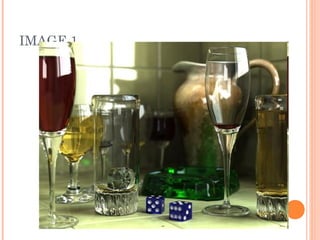
IMAGE 1
DISCUSSION
 Is this rendered using the global illumination
model or the local illumination?
 What techniques are likely to have been used?
 What are the tell-tale signs that give it away?
 How convincing is the effect?
 What are the benefits over the alternative methods?
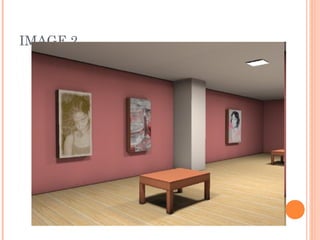
IMAGE 2
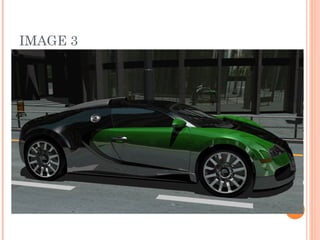
IMAGE 3
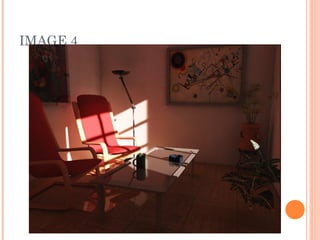
IMAGE 4
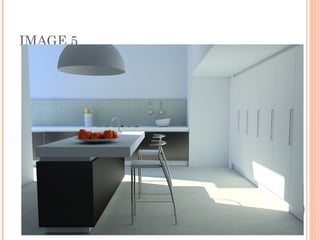
IMAGE 5
REVIEW QUESTIONS
 Important to be able to relate the theory
together.
Feature of the exam.
 Available on My Dundee.
Under the module material link.
 Three sets of material.
Each with questions that reflect the range and
scope of material for the exam.
 Not all of them covered in this module.
Glenn covered different things last year.
REVIEW QUESTIONS
 Draw a diagram illustrating the difference
between specular and diffuse reflection.
 What type of surface gives rise to each type of
reflection?
 What is the impact of transparency on the
transmission of light?
 What about translucency?
REVIEW QUESTIONS
 Define the Z-Buffer
 Give diagrams where appropriate.
 What is its use in hidden surface removal?
 What are the benefits of z-buffering?
 What are the weaknesses?
 What are the alternatives?
REVIEW QUESTIONS
 What is the difference between local and global
illumination models?
 How does it relate to the difference between real time
and non-real time rendering.
 What is the cost of global illumination?
 What are the different flavours of global
illumination?
REVIEW QUESTIONS
 What is the difference between Gouraud shading
and flat shading?
 How do they work?
 What kind of images do they produce?
 What quality is the shading?
 How is the shading applied?
 How do they impact on the gradient of light
across a polygon?
REVIEW QUESTIONS
 What is the graphics pipeline, and in what order
do the operations get performed?
 All of the things we have discussed are handled as
part of the pipeline.
 Where do each of the operations get performed.
 And why do they get performed at the points they get
performed?
REVIEW QUESTIONS
 What is backface culling, and why is it used?
 What is the difference between backface culling
and contribution culling?
 How does it relate to viewport culling?
REVIEW QUESTIONS
 What are the different kind of light-sources
permitted in 3D modelling?
 And what is the difference between them?
 How do we model light in a 3D scene?
 In global illumination?
 In local illumination?
 What is the impact of light interaction on a
model?
REVIEW QUESTIONS
 What is the difference between Phong shading
and Gouraud shading?
 What is the benefit of using one over the other?
 How do they differ in terms of their algorithms?
 Where do they have similarities?
 What is the benefit of using one over the other?

GRPHICS09 - Art Appreciation

  • 1.
  • 2.
    INTRODUCTION  It’s importantto be able to render a judgement on images you see. How are they created What techniques are used What kind of shading is applied How you arrive at your judgement  Today is going to be a tutorial in which you do just that! And also think about the theoretical content of the module.
  • 3.
  • 4.
    DISCUSSION  Is thisrendered using the global illumination model or the local illumination?  What techniques are likely to have been used?  What are the tell-tale signs that give it away?  How convincing is the effect?  What are the benefits over the alternative methods?
  • 5.
  • 6.
  • 7.
  • 8.
  • 9.
    REVIEW QUESTIONS  Importantto be able to relate the theory together. Feature of the exam.  Available on My Dundee. Under the module material link.  Three sets of material. Each with questions that reflect the range and scope of material for the exam.  Not all of them covered in this module. Glenn covered different things last year.
  • 10.
    REVIEW QUESTIONS  Drawa diagram illustrating the difference between specular and diffuse reflection.  What type of surface gives rise to each type of reflection?  What is the impact of transparency on the transmission of light?  What about translucency?
  • 11.
    REVIEW QUESTIONS  Definethe Z-Buffer  Give diagrams where appropriate.  What is its use in hidden surface removal?  What are the benefits of z-buffering?  What are the weaknesses?  What are the alternatives?
  • 12.
    REVIEW QUESTIONS  Whatis the difference between local and global illumination models?  How does it relate to the difference between real time and non-real time rendering.  What is the cost of global illumination?  What are the different flavours of global illumination?
  • 13.
    REVIEW QUESTIONS  Whatis the difference between Gouraud shading and flat shading?  How do they work?  What kind of images do they produce?  What quality is the shading?  How is the shading applied?  How do they impact on the gradient of light across a polygon?
  • 14.
    REVIEW QUESTIONS  Whatis the graphics pipeline, and in what order do the operations get performed?  All of the things we have discussed are handled as part of the pipeline.  Where do each of the operations get performed.  And why do they get performed at the points they get performed?
  • 15.
    REVIEW QUESTIONS  Whatis backface culling, and why is it used?  What is the difference between backface culling and contribution culling?  How does it relate to viewport culling?
  • 16.
    REVIEW QUESTIONS  Whatare the different kind of light-sources permitted in 3D modelling?  And what is the difference between them?  How do we model light in a 3D scene?  In global illumination?  In local illumination?  What is the impact of light interaction on a model?
  • 17.
    REVIEW QUESTIONS  Whatis the difference between Phong shading and Gouraud shading?  What is the benefit of using one over the other?  How do they differ in terms of their algorithms?  Where do they have similarities?  What is the benefit of using one over the other?