



Learning Goals
1. Appreciate the importance of user-centered
design (user error = design error)
2. Distinguish between UCD and design as art
3. List the major steps of UCD
4. Identify examples of affordances
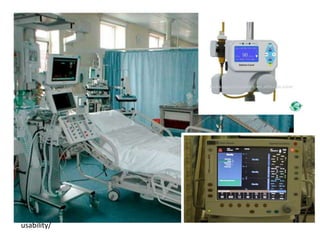
http://www.nngroup.com/articles/medical-
usability/
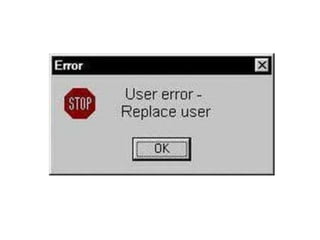
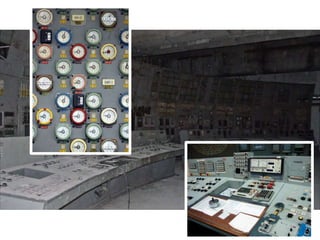
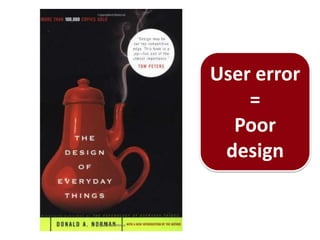
User error
=
Poor
design
User error
=
Poor
design
design
design
Engineering practice
UC
design
Goals?
How do we know if
a product is successful?
UC
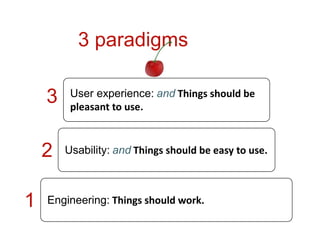
3 paradigms
Engineering: Things should work.1
Usability: and Things should be easy to use.2
User experience: and Things should be
pleasant to use.
3
How ?
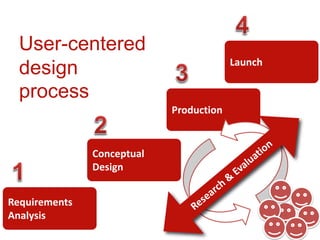
User-centered
design
process
Requirements
Analysis
Conceptual
Design
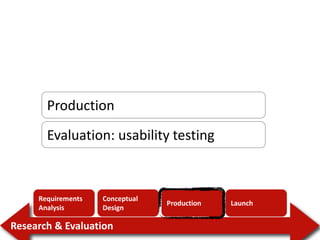
Production
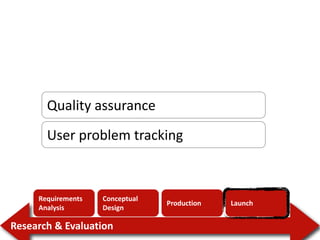
Launch
Research & Evaluation
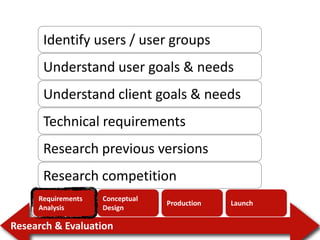
Requirements
Analysis
Conceptual
Design
Production Launch
Identify users / user groups
Understand user goals & needs
Understand client goals & needs
Technical requirements
Research previous versions
Research competition
Research & Evaluation
Requirements
Analysis
Conceptual
Design
Production Launch
Sketches
Mockups, wireframes, prototypes
Prototype evaluation
Information architecture
Brainstorming
Research & Evaluation
Requirements
Analysis
Conceptual
Design
Production Launch
Production
Evaluation: usability testing
Research & Evaluation
Requirements
Analysis
Conceptual
Design
Production Launch
Quality assurance
User problem tracking
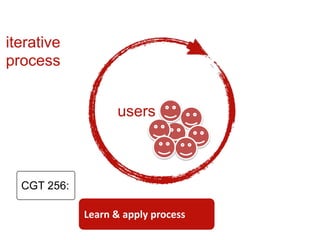
iterative
process
users
Learn & apply process
CGT 256:
intuitive!
among UCD goals….
intuitive!
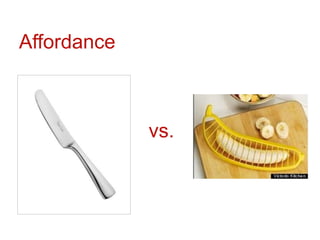
Affordance
vs.
Affordance:
visual cue that helps you understand how
to use objects
BY:
triggering a Mental model
see: askldjsfig -> know that it’s clickable
affordance
mental model of
“clickable things”
Affordance
How can the concepts of
affordance & mental models
help accomplish UCD goals?
intuitive!
Affordance – lab activity
Examples around you?
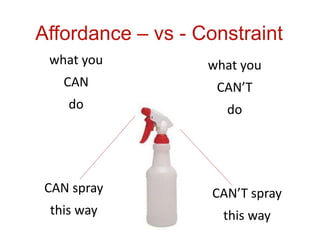
Affordance – vs - Constraint
what you
CAN
do
what you
CAN’T
do
CAN spray
this way
CAN’T spray
this way

03 bad usability kills