INTRODUCTION
     and
 CELL INJURY
   Lecture 1
Medicine, to produce health
     must study disease
And music, to produce harmony
       must study discord.

                    by Plutarch
Introduction
• PATHOLOGY IS THE STUDY OF DISEASE.
• IT DESCRIBES THE MANIFESTATIONS OF
  THE DISEASE, ITS PROCESS AND
  SEQUELAE AND ATTEMPTS TO DETERMINE
  THE CAUSE (ETIOLOGY) AND UNDERLYING
  MECHANISM (PATHOGENESIS).

• IT FORMS A BRIDGE BETWEEN BASIC
  SCIENCE AND CLINICAL PRACTICE.
Definition of Pathology

 It is the “scientific   study of disease“.
 "scientific study of the molecular, cellular,
   tissue,      or    organ       system        response        to
   injurious agents."


Pathology serves as a "bridge" or "link" between the preclinical


sciences (anatomy, physiology, ……etc.) and the courses in clinical
What is the Disease?
• It is the “state in which an individual
 exhibits an anatomical, physiological, or
 biochemical deviation from the normal”.
Basic Language of Pathology


    In order for a subject or course to be


meaningful, one should become familiar


with the basic terminology applicable to
Learning Pathology:
• General Pathology
  – Common changes in all tissues. e.g..
    Inflammation, cancer, ageing, edema,
    hemorrhage ….etc.
• Systemic Pathology
  – Discussing the pathologic mechanisms in
    relation to various organ systems e.g. CVS,
    CNS, GIT…..etc.
What should we know about a Disease?
•   Definition.
•   Epidemiology – Where & When.
•   Etiology – What is the cause?
                                                    gy
•   Pathogenesis - Evolution of dis.      th o
                                                 lo
                                       Pa
•   Morphology - Structural Changes
•   Functional consequences
•   Management
•   Prognosis
•   Prevention
Pathology focuses on 4 aspects of
                      disease:
 ETIOLOGY: Cause of disease.

 PATHOGENESIS:

    Mechanisms of development of disease.


 MORPHOLOGY:

    The structural alterations induced in cell and tissues.



Manifestations of Diseases
The manifestations of a disease are the sum of
    the damage done by a harmful agent and the
    body’s response.
The variation in these components accounts for
    the great diversity of disease, which can be
    classified into 4 main groups:
1. Developmental – genetic, congenital
2. Inflammatory - trauma, infection, immune
3. Neoplastic - tumors, cancers
4. Degenerative – ageing
5. Iatrogenic – drug-induced
Manifestations of Diseases
•   Signs – are objective findings as perceived by an examiner,
    physician or dentist
•   Symptoms – are functional manifestations or evidences of a
    disease process
•   Lesions – are visible changes produced by a disease in the tissues
    or organs. They are usually local abnormalities which could be
    benign, cancerous, gross, occult, or primary.


•   Exacerbations – a sudden increase in the severity or seriousness
    of the signs and symptoms during the course of a disease.
•   Remissions – become less intense at a time.
•   Complications – unfavorable conditions that arise during the
    course of a disease
•   Sequelae – are remote aftereffects produced by a disease.
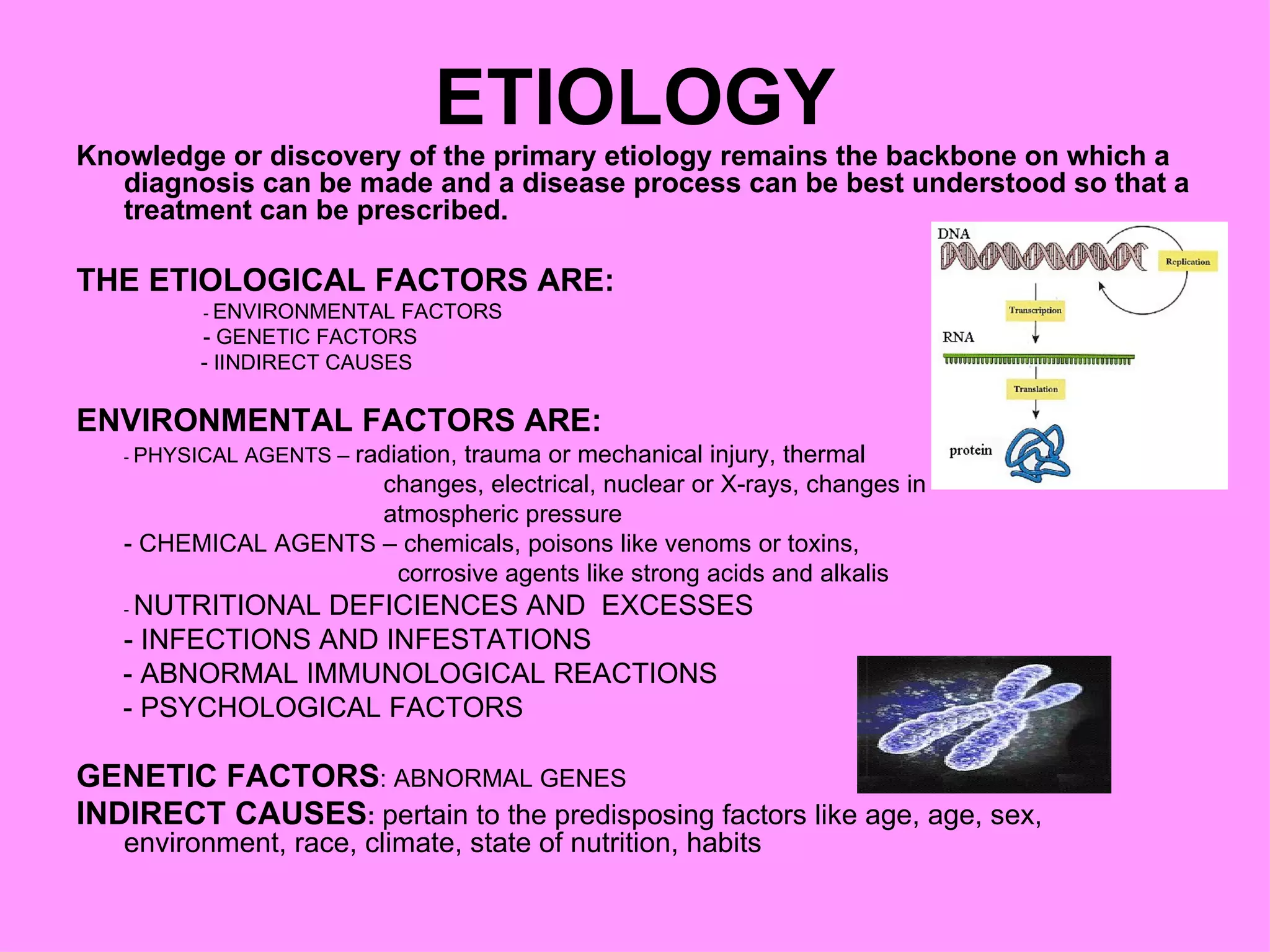
ETIOLOGY
Knowledge or discovery of the primary etiology remains the backbone on which a
   diagnosis can be made and a disease process can be best understood so that a
   treatment can be prescribed.

THE ETIOLOGICAL FACTORS ARE:
         - ENVIRONMENTAL  FACTORS
         - GENETIC FACTORS
         - IINDIRECT CAUSES

ENVIRONMENTAL FACTORS ARE:
   - PHYSICAL   AGENTS – radiation, trauma or mechanical injury, thermal
                     changes, electrical, nuclear or X-rays, changes in
                     atmospheric pressure
   - CHEMICAL AGENTS – chemicals, poisons like venoms or toxins,
                      corrosive agents like strong acids and alkalis
   -NUTRITIONAL DEFICIENCES AND EXCESSES
   - INFECTIONS AND INFESTATIONS
   - ABNORMAL IMMUNOLOGICAL REACTIONS
   - PSYCHOLOGICAL FACTORS

GENETIC FACTORS: ABNORMAL GENES
INDIRECT CAUSES: pertain to the predisposing factors like age, age, sex,
   environment, race, climate, state of nutrition, habits
Etiology
                                                   Disease             Disease

       Disease
                                                             Disease


                                Disease

One etiologic agent

                                                     •One etiologic
- one disease, as      •Several etiologic agents   agent               several
Malaria.
                       one disease, as             diseases, as

                       diabetes .                  smoking.
Etiology:
            What is the cause?
 Environmental agents:
   • Physical
   • Chemical
   • Nutritional
                            Multifactorial:
   • Infections
                             As Diabetes,
   • Immunological
   • Psychological           Hypertension
 Genetic Factors:           Cancer
   • Age
   • Genes
Pathogenesis
The sequence events in the response of the
cells or tissues to the etiologic agent, from the
initial stimulus to the ultimate expression of the
disease,”from the time it is initiated to its final
conclusion in recovery or death”

     The core of the science of pathology —

                    the study the
METHODS OF STUDYING
    PATHOLOGY

    • GROSS EXAMINATION
     • LIGHT MICROSCOPY
     • IMMUNOCHEMISTRY
 • ELECTRON MICROSCOPY
   • MOLECULAR BIOLOGY
Necropsy:    Gross examination of the animal

 cadaver by systematic dissection in order to

 evaluate any abnormal changes (lesions) that

 may be present.

Autopsy:    Synonymous to necropsy in human

 medicine

Biopsy:    Removal and examination of tissue
Types of Diseases
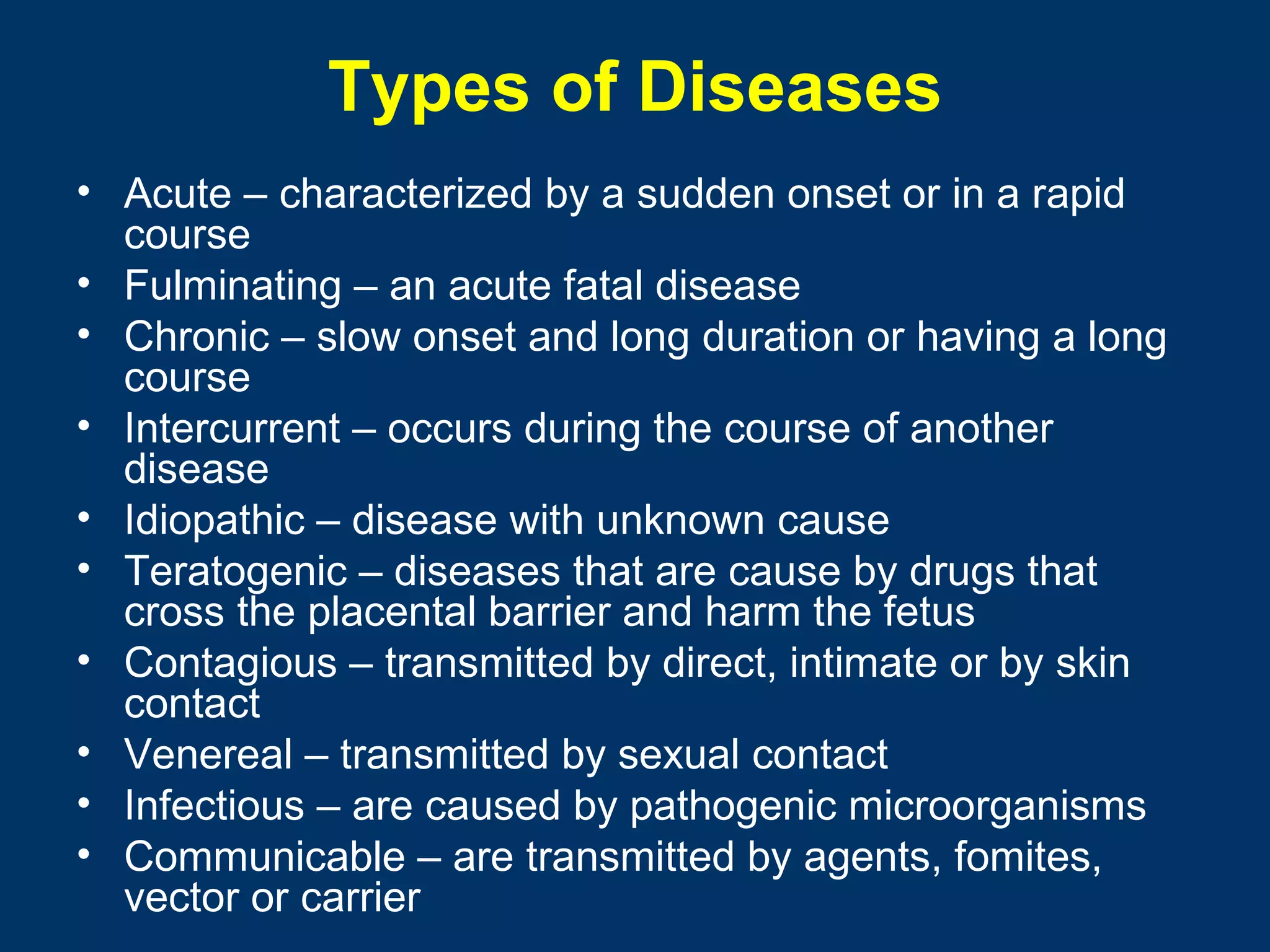
• Acute – characterized by a sudden onset or in a rapid
  course
• Fulminating – an acute fatal disease
• Chronic – slow onset and long duration or having a long
  course
• Intercurrent – occurs during the course of another
  disease
• Idiopathic – disease with unknown cause
• Teratogenic – diseases that are cause by drugs that
  cross the placental barrier and harm the fetus
• Contagious – transmitted by direct, intimate or by skin
  contact
• Venereal – transmitted by sexual contact
• Infectious – are caused by pathogenic microorganisms
• Communicable – are transmitted by agents, fomites,
  vector or carrier
Prognosis

  Expected      outcome      of    the
disease;   it   is    the   clinician's
estimate   of   the    severity   and
possible result/s of a disease.
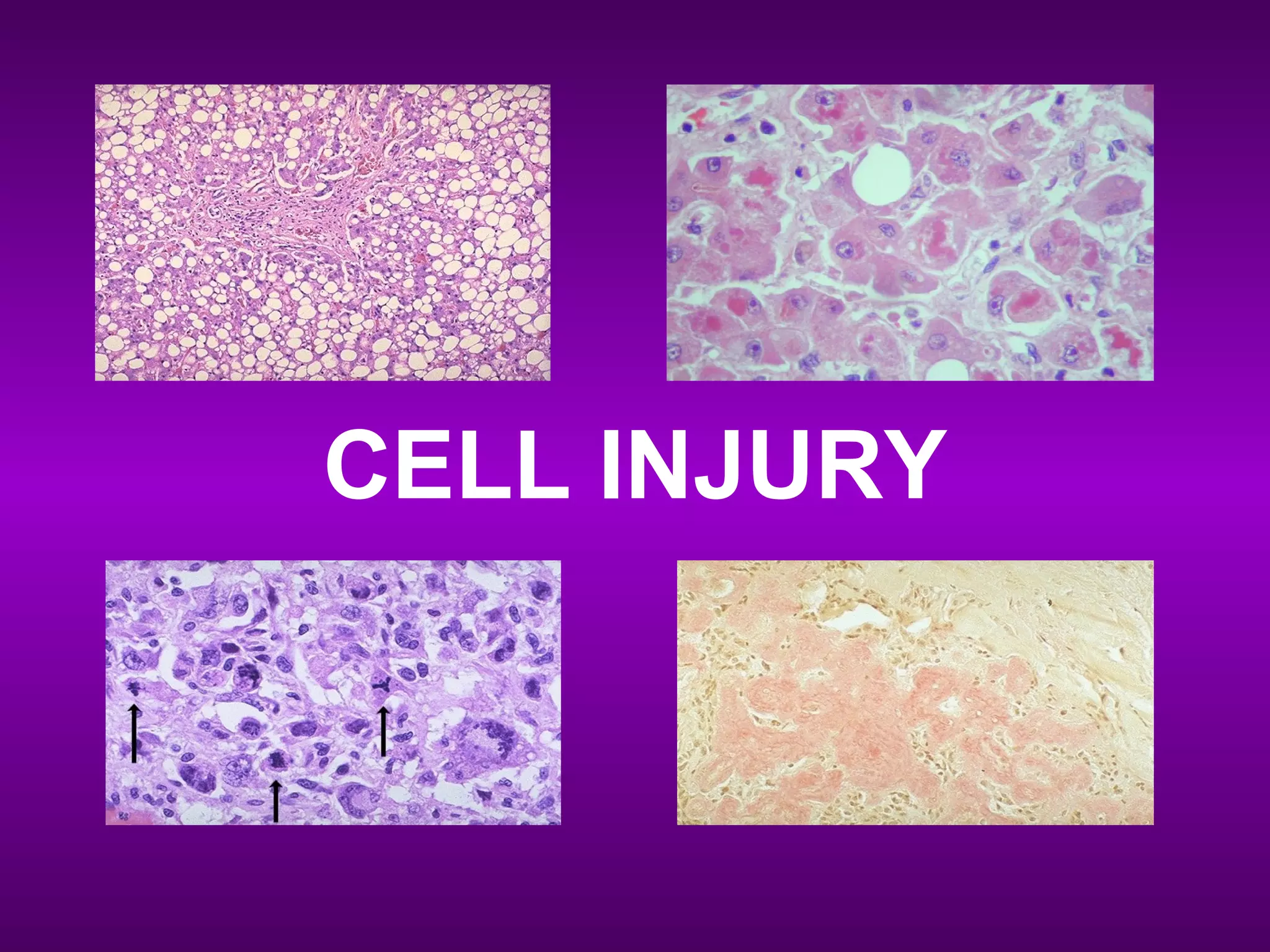
CELL INJURY
What is cell injury?
• Cell injury is a sequence of events that
  occur if the limits of adaptive capability are
  exceeded or no adaptive response is
  possible.
• Most common causes are: ischemia,
  hypoxia, chemical injury, and injury
  produced by infectious agents
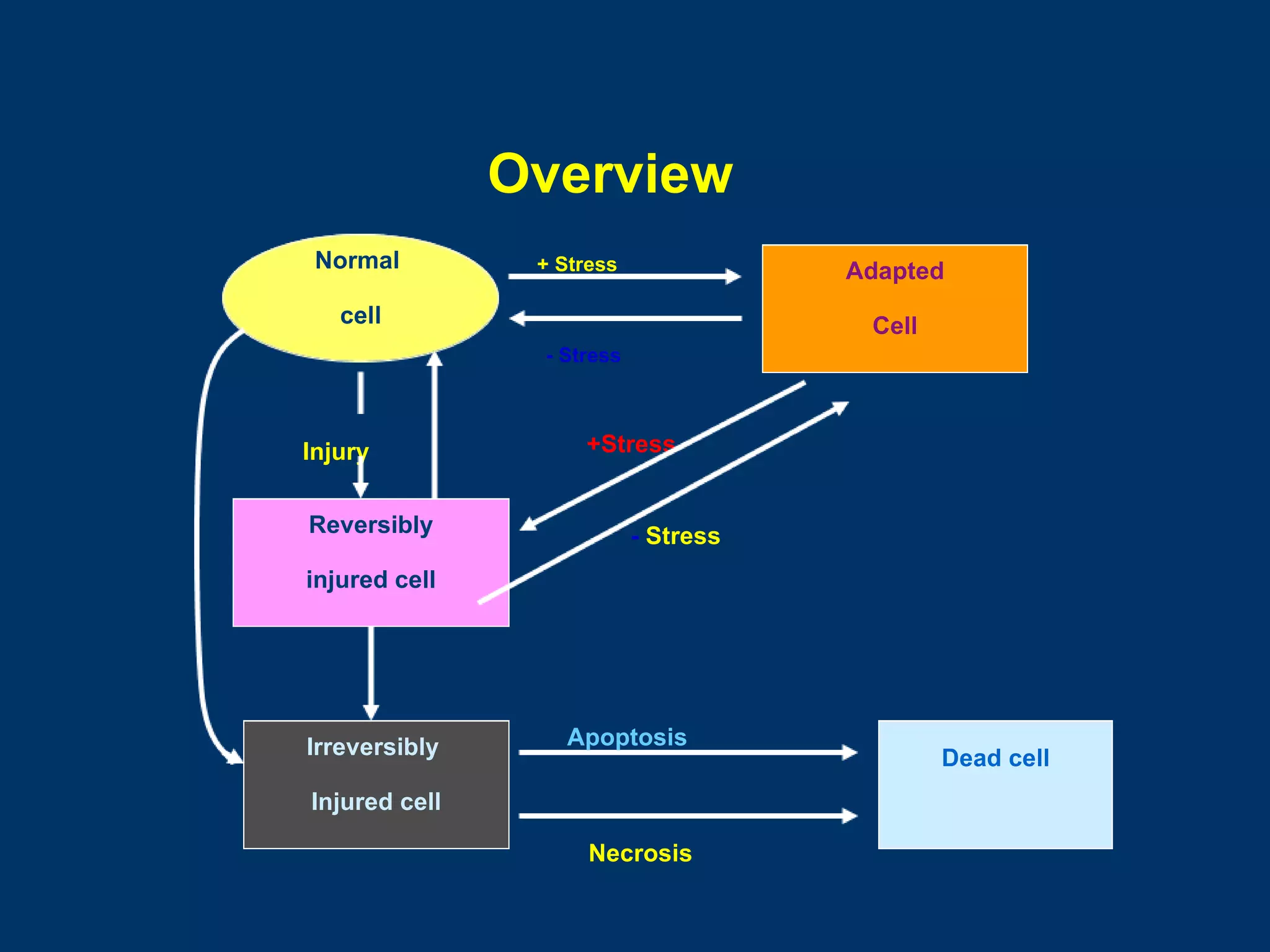
Overview
 Normal         + Stress              Adapted
   cell                                Cell
                - Stress


Injury              +Stress


Reversibly                 - Stress
injured cell


Irreversibly      Apoptosis
                                              Dead cell
Injured cell

                     Necrosis
The Normal Cell
Mechanisms of Cell Injury
• Depletion of ATP
• Mitochondrial Damage
• Influx of Intracellular Calcium and Loss
  of Calcium Homeostasis
• Accumulation of Oxygen-Derived free
  radical (Oxidative stress)
• Defects in Membrane Permeability
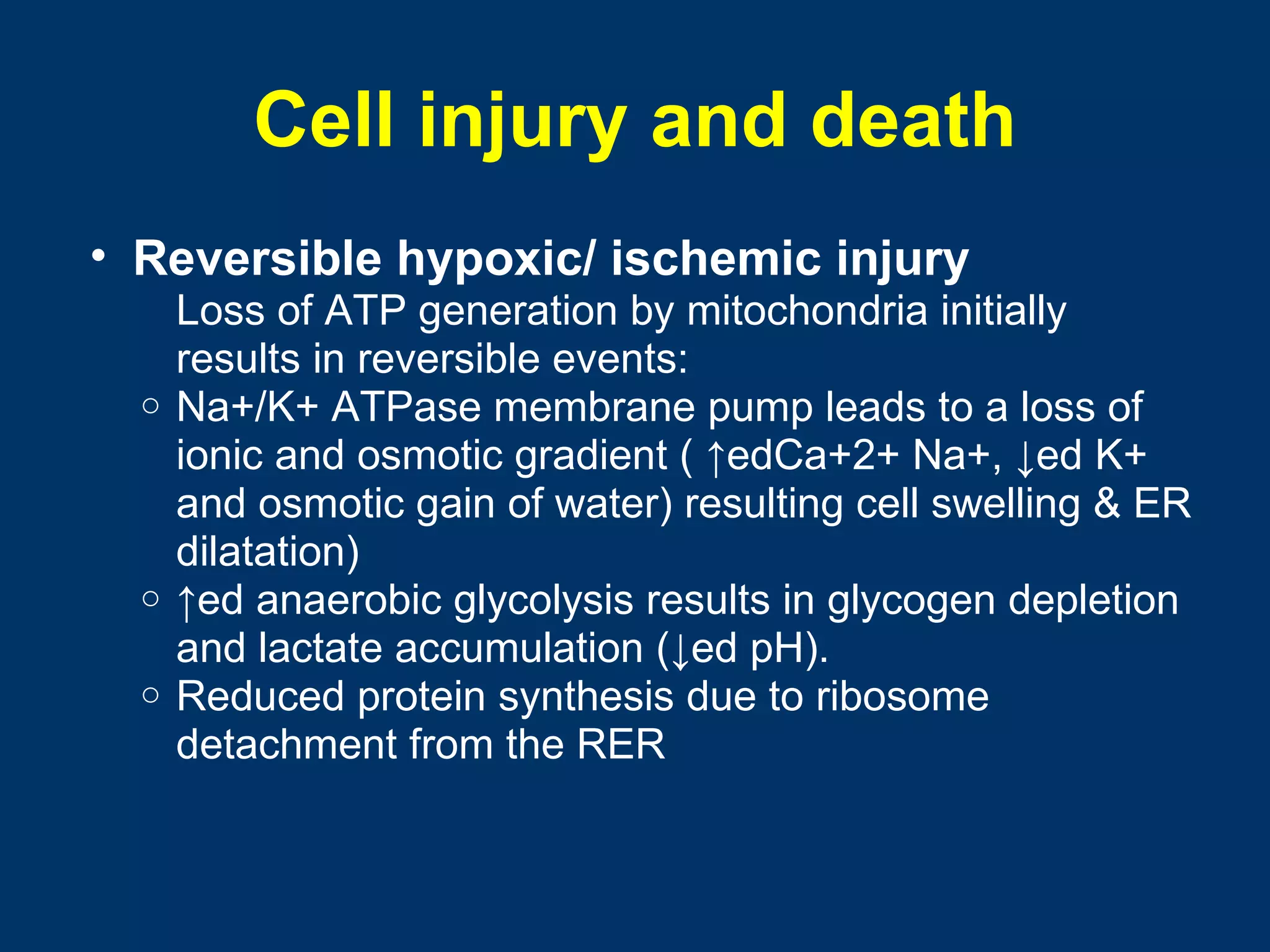
Ischemic Injury
Mechanisms of Cell

 Injury

Ischemic injury
Cell injury and death
• Reversible hypoxic/ ischemic injury
      Loss of ATP generation by mitochondria initially
      results in reversible events:
  o   Na+/K+ ATPase membrane pump leads to a loss of
      ionic and osmotic gradient ( ↑edCa+2+ Na+, ↓ed K+
      and osmotic gain of water) resulting cell swelling & ER
      dilatation)
  o   ↑ed anaerobic glycolysis results in glycogen depletion
      and lactate accumulation (↓ed pH).
  o   Reduced protein synthesis due to ribosome
      detachment from the RER
Morphology of Cell Injury
      and Necrosis
• Cell Injury – Reversible
              – Irreversible

• Cell Death – Necrosis
             – Apoptosis
Cell Injury and Death
• Reversible Injury
  o   Cell swelling develops when cells are incapable of
      fluid an ion homeostasis (↓ed function of ATP
      dependant pumps).
  o   Fatty change the accumulation of lipid vacuoles in the
      cytoplasm.
• Irreversible injury (Necrosis)
  o   Two basic processes underlie the morphologic
      changes of necrosis
        Denaturation of protein
        Enzymatic digestion of cell components
Morphology of Cell Injury

Reversible Injury
       Cellular swelling

       Fatty change
•   Plasma membrane alteration
•   Mitochondrial Changes
•   Dilation of Endoplasmic reticulum
•   Nuclear Alteration
Morphology of Cell Injury

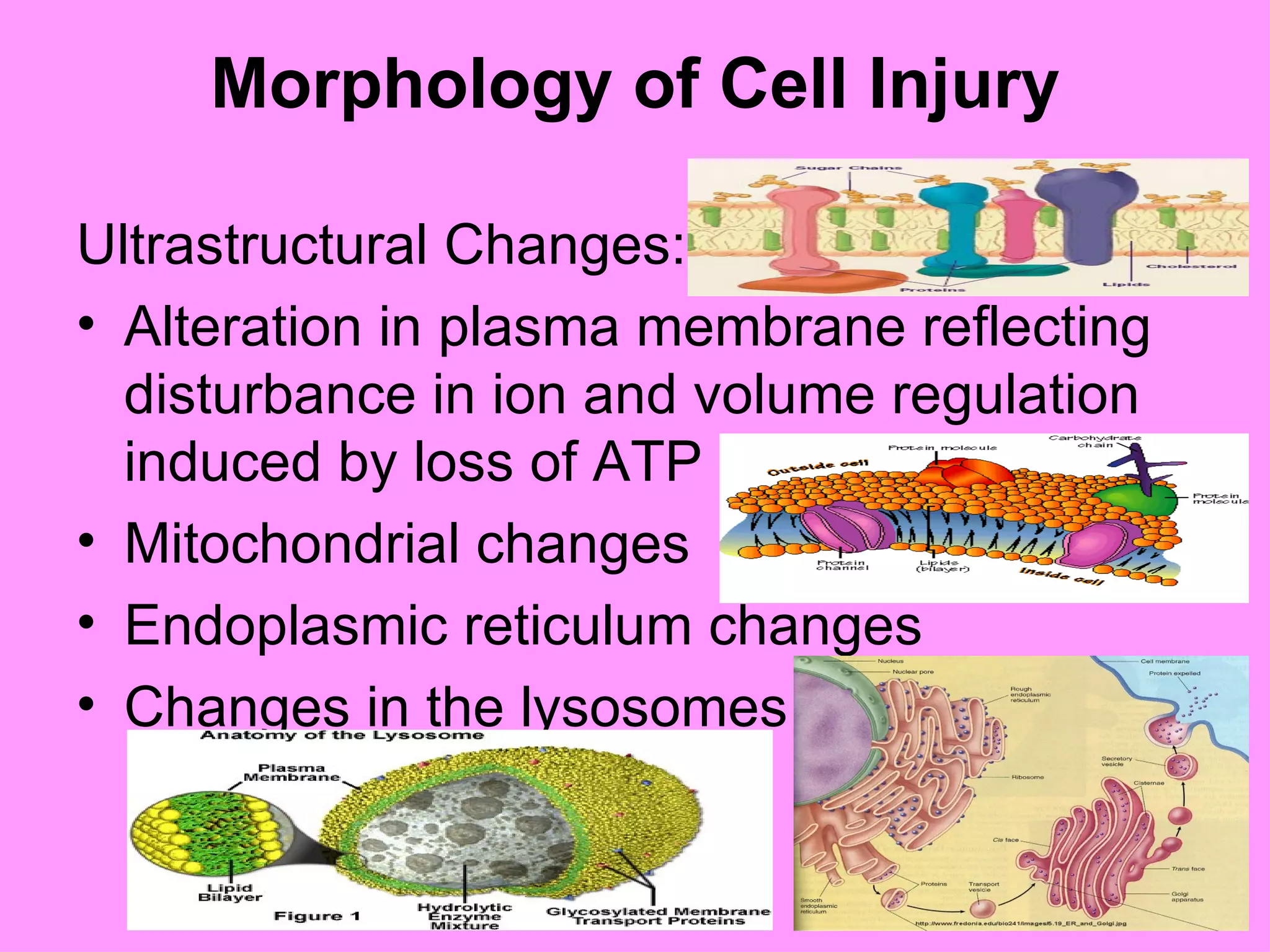
Ultrastructural Changes:
• Alteration in plasma membrane reflecting
  disturbance in ion and volume regulation
  induced by loss of ATP
• Mitochondrial changes
• Endoplasmic reticulum changes
• Changes in the lysosomes
Alteration in the Plasma Membrane
                  • Cellular swelling
                  • Formation of
                    cytoplasmic blebs
                  • Blunting and
                    distortion of microvilli
                  • Creation of myelin
                    figures
                  • Deterioration and
                    loosening of
                    intercellular
                    attachments
Mitochondrial Changes
          • Early, appears
            condensed as a result
            of loss of matrix protein
            following loss of ATP
          • Followed by swelling
            due to ionic shifts
          • Amorphous densities
            which correlate with the
            onset of irreversibility
          • Finally, rupture of
            membrane followed by
            progressing increased
            calcification
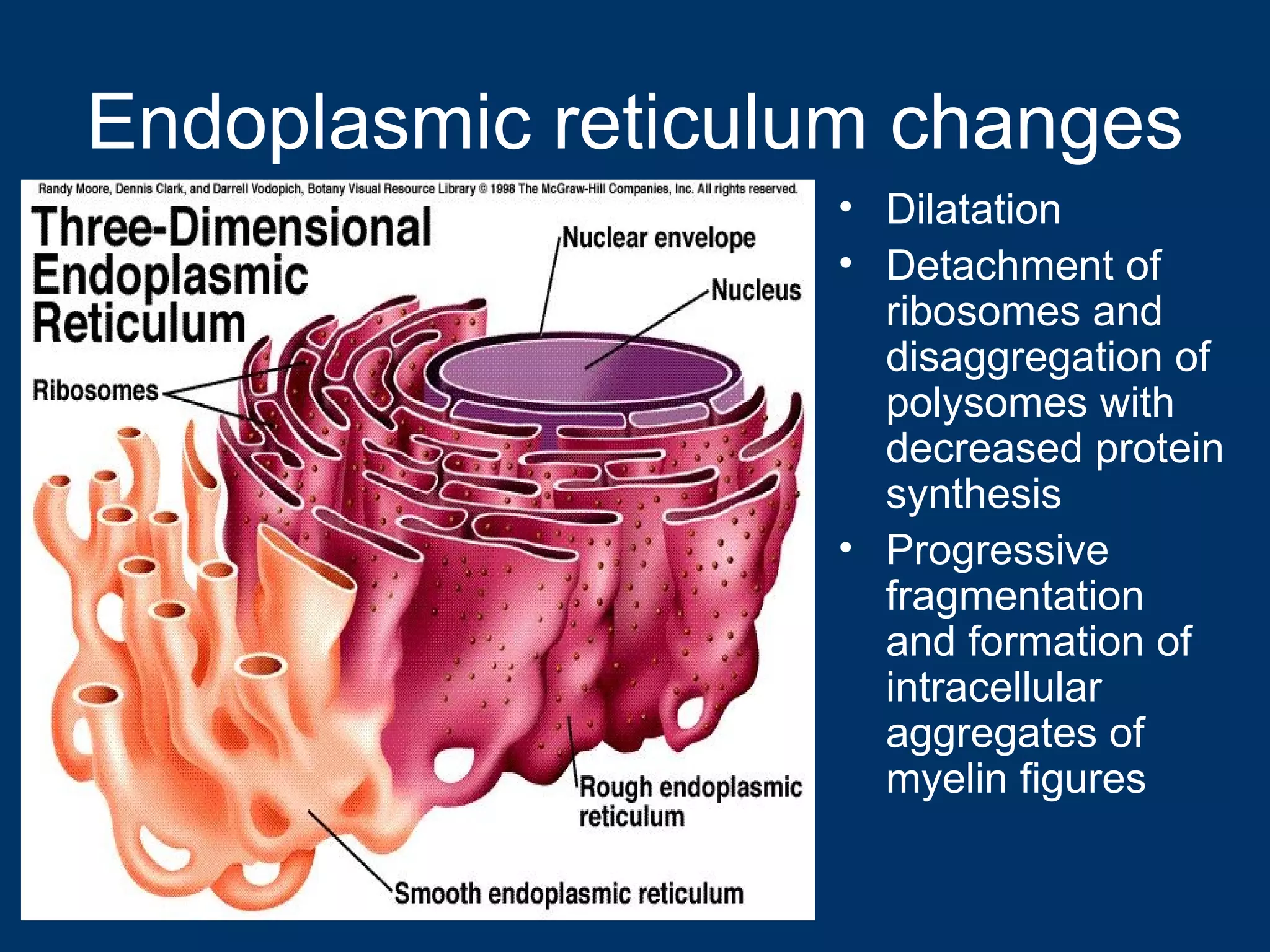
Endoplasmic reticulum changes
                   • Dilatation
                   • Detachment of
                     ribosomes and
                     disaggregation of
                     polysomes with
                     decreased protein
                     synthesis
                   • Progressive
                     fragmentation
                     and formation of
                     intracellular
                     aggregates of
                     myelin figures
Changes in the Lysosomes
• Generally appear
  late
• Swelling
  rupture
  disappear
• some fused with
  the autohagic
  vacuoles
  (phagosomes)
  which become
  apparent within
  damaged cells
Cell Injury and Death
Irreversible hypoxic/ ischemic injury
 • These changes are reversible if O2 and flow are reinstated, the
   transition to irreversible injury depends on the extent of ATP
   depletion and membrane dysfunction especially of mitochondria.
 • ATP depletion results in MPT with loss of the H+ gradient
 • ATP depletion releases cytochrome c that can induce apoptosis
 • ↑edCa+2 activates
    o membrane phospholipases with resulting membrane damage
    o Intracellular proteases leading to cytoskeletal degradation
 • Phospholipid degradation products that accumulate are directly
   toxic to the cell
Cell Injury and Death
Irreversible hypoxic/ ischemic injury
  • These changes are reversible if O2 and flow are
    reinstated, the transition to irreversible injury depends on
    the extent of ATP depletion and membrane dysfunction
    especially of mitochondria.
  • ATP depletion results with loss of the H+ gradient
  • ATP depletion releases cytochrome c that can induce
    apoptosis
  • ↑Ca+2 activates
     o membrane phospholipases with resulting membrane
       damage
     o Intracellular proteases leading to cytoskeletal
       degradation
  • Phospholipid degradation products that accumulate are
    directly toxic to the cell
Types of Cell Injury

2.Cloudy or cellular swelling or
  parenchymatous degeneration
3.Hydrophic swelling
4.Fatty change
5.Hyaline degeneration
6.Lipoidal degeneration
7.Mucoid or mucinous degeneration
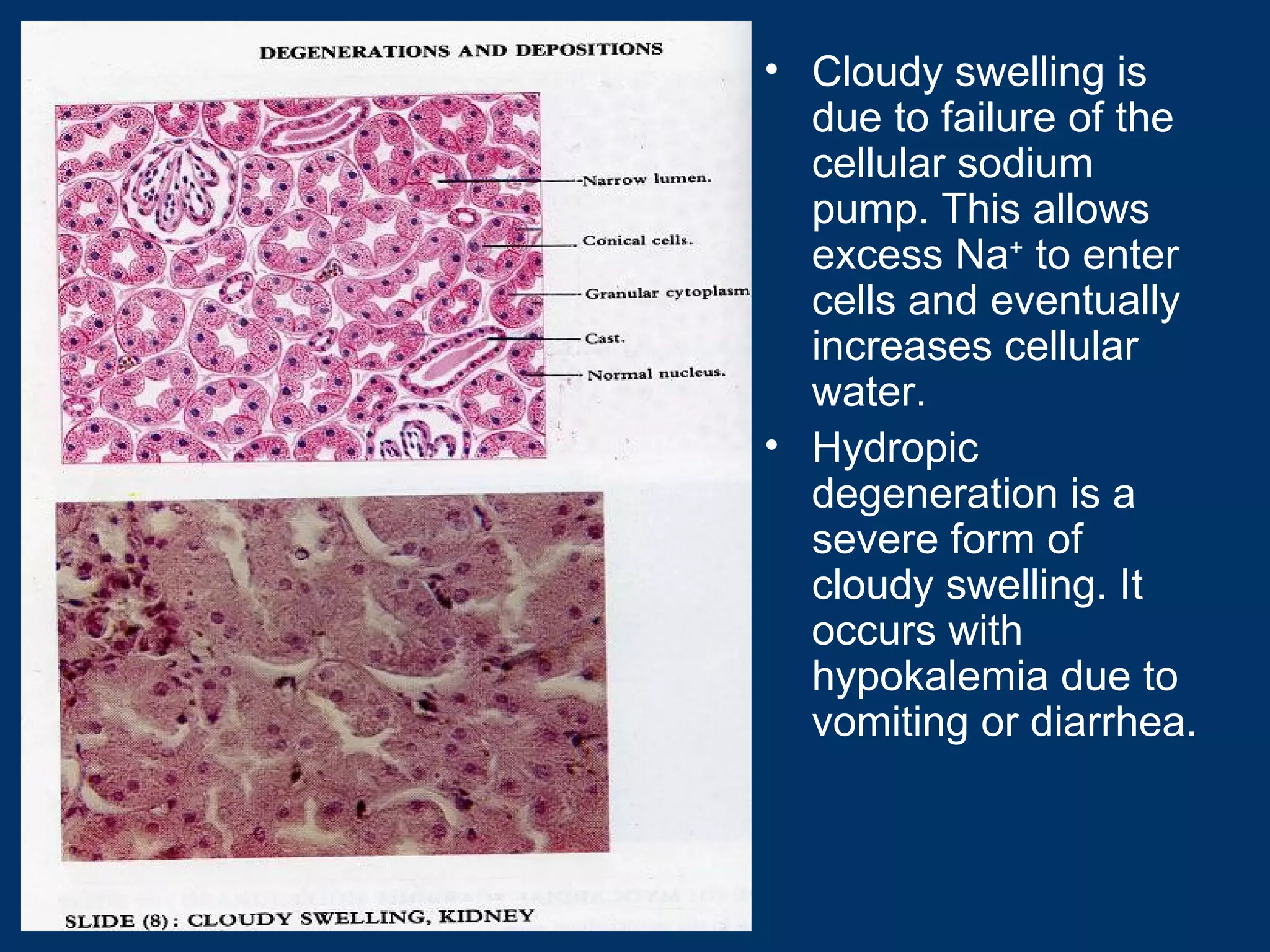
• Cloudy swelling is
  due to failure of the
  cellular sodium
  pump. This allows
  excess Na+ to enter
  cells and eventually
  increases cellular
  water.
• Hydropic
  degeneration is a
  severe form of
  cloudy swelling. It
  occurs with
  hypokalemia due to
  vomiting or diarrhea.
Fatty Degeneration
         •   Fatty degeneration or fatty
             metamorphosis, steatosis is the
             abnormal appearance of fat within
             parenchymal cells.

         •   It results from hepatotoxic agents
             such as C2 H5OH, chloroform, CCl4,
             during sever infections, in prolonged
             anemia and in toxemia of pregnancy.

         • Fatty liver is due to:
          inability of the liver to synthesize
           phospholipids
          decreased lipoprotein release from
           hepatocytes
          Increased triglyceride production
• Hydropic change or Vacuolar
  degereration.
• Appears whenever cells are incapable of
  maintaining ionic and fluid homeostasis.
• The first manifestation of almost all forms
  of cell injury.
• Reversible injury.

 Gross Findings
• Pallor, increased turgor, and increased in
  weight.
Micro Findings
• 1. Cell swelling, cytoplasm contains coarse
      granules.
• 2. Nucleus not affected in light microscopy..
• 3. Pigmented cast, hyaline cast.
D. Others:
• 1. The first manifestation of cell injury and is
       reversible.
• 2. Increasing hydration of the cell due to
       alteration in ion transport at cell membrane.
• 3. Cause: infection, physico-chemical injury
       ( toxic ), ischemia
FATTY PHANEROSIS-LIVER
• Fatty
  phanerosis is
  the
  unmasking of
  invisible fat.
• Lipid
  accumulates
  in the liver
  cells, mainly
  in the form of
  triglycerides.
FATTY DEGENERATION
(Wallerian degeneration)
Hyaline Degeneration-Liver
HYALINE DEGENERATION
• Zenker’s waxy hyaline masses - typhoid
    fever; Weil’s disease or leptospirosis
• Mallory bodies- nutritional cirrhosis
• Russel bodies- chronic inflammation
• Crooke’s hyaline bodies - Cushing’s
    syndrome
• Councilman bodies - yellow fever;
    viral hepatitis
CUSHING’S SYNDROME
Crooke’s Hyaline bodies-Liver
LEPTOSPIROSIS
     Zenker’s waxy hyaline masses-liver
Causative agent: Liptospira icterohaemorrhagica
Mucinous Degeneration-Colon
                  • When there is
                    excessive amount
                    of mucous in
                    unusual location,
                    it is called
                    mucous deg.
                  • Cancer with high
                    degree of mucous
                    deg are called
                    mucinous
                    carcinoma or the
                    colloid carcinoma.
                  • Two types of
                    mucin: true mucin
                    and paramucin
LIPOIDAL DEGENERATION-
         AORTA
LIPOIDAL DEGENERATION
    (Cholesterol clefts)
• Next Meeting:
• Quiz on Normal Cell & Cell Injury
• Assignment: Intracellular Accumulations
“True wisdom is in leaning
  On Jesus Christ our Lord
 True wisdom is in trusting
  His own life-giving Word,
   True wisdom is in living
    Near Jesus everyday
 True wisdom is in walking
Where He shall lead the way!”
                   Author Unknown

General pathology lecture 1 introduction & cell injury

  • 1.
    INTRODUCTION and CELL INJURY Lecture 1
  • 2.
    Medicine, to producehealth must study disease And music, to produce harmony must study discord. by Plutarch
  • 3.
    Introduction • PATHOLOGY ISTHE STUDY OF DISEASE. • IT DESCRIBES THE MANIFESTATIONS OF THE DISEASE, ITS PROCESS AND SEQUELAE AND ATTEMPTS TO DETERMINE THE CAUSE (ETIOLOGY) AND UNDERLYING MECHANISM (PATHOGENESIS). • IT FORMS A BRIDGE BETWEEN BASIC SCIENCE AND CLINICAL PRACTICE.
  • 4.
    Definition of Pathology It is the “scientific study of disease“. "scientific study of the molecular, cellular, tissue, or organ system response to injurious agents." Pathology serves as a "bridge" or "link" between the preclinical sciences (anatomy, physiology, ……etc.) and the courses in clinical
  • 5.
    What is theDisease? • It is the “state in which an individual exhibits an anatomical, physiological, or biochemical deviation from the normal”.
  • 6.
    Basic Language ofPathology In order for a subject or course to be meaningful, one should become familiar with the basic terminology applicable to
  • 7.
    Learning Pathology: • GeneralPathology – Common changes in all tissues. e.g.. Inflammation, cancer, ageing, edema, hemorrhage ….etc. • Systemic Pathology – Discussing the pathologic mechanisms in relation to various organ systems e.g. CVS, CNS, GIT…..etc.
  • 8.
    What should weknow about a Disease? • Definition. • Epidemiology – Where & When. • Etiology – What is the cause? gy • Pathogenesis - Evolution of dis. th o lo Pa • Morphology - Structural Changes • Functional consequences • Management • Prognosis • Prevention
  • 9.
    Pathology focuses on4 aspects of disease:  ETIOLOGY: Cause of disease.  PATHOGENESIS: Mechanisms of development of disease.  MORPHOLOGY: The structural alterations induced in cell and tissues. 
  • 10.
    Manifestations of Diseases Themanifestations of a disease are the sum of the damage done by a harmful agent and the body’s response. The variation in these components accounts for the great diversity of disease, which can be classified into 4 main groups: 1. Developmental – genetic, congenital 2. Inflammatory - trauma, infection, immune 3. Neoplastic - tumors, cancers 4. Degenerative – ageing 5. Iatrogenic – drug-induced
  • 11.
    Manifestations of Diseases • Signs – are objective findings as perceived by an examiner, physician or dentist • Symptoms – are functional manifestations or evidences of a disease process • Lesions – are visible changes produced by a disease in the tissues or organs. They are usually local abnormalities which could be benign, cancerous, gross, occult, or primary. • Exacerbations – a sudden increase in the severity or seriousness of the signs and symptoms during the course of a disease. • Remissions – become less intense at a time. • Complications – unfavorable conditions that arise during the course of a disease • Sequelae – are remote aftereffects produced by a disease.
  • 12.
    ETIOLOGY Knowledge or discoveryof the primary etiology remains the backbone on which a diagnosis can be made and a disease process can be best understood so that a treatment can be prescribed. THE ETIOLOGICAL FACTORS ARE: - ENVIRONMENTAL FACTORS - GENETIC FACTORS - IINDIRECT CAUSES ENVIRONMENTAL FACTORS ARE: - PHYSICAL AGENTS – radiation, trauma or mechanical injury, thermal changes, electrical, nuclear or X-rays, changes in atmospheric pressure - CHEMICAL AGENTS – chemicals, poisons like venoms or toxins, corrosive agents like strong acids and alkalis -NUTRITIONAL DEFICIENCES AND EXCESSES - INFECTIONS AND INFESTATIONS - ABNORMAL IMMUNOLOGICAL REACTIONS - PSYCHOLOGICAL FACTORS GENETIC FACTORS: ABNORMAL GENES INDIRECT CAUSES: pertain to the predisposing factors like age, age, sex, environment, race, climate, state of nutrition, habits
  • 13.
    Etiology Disease Disease Disease Disease Disease One etiologic agent •One etiologic - one disease, as •Several etiologic agents agent several Malaria. one disease, as diseases, as diabetes . smoking.
  • 14.
    Etiology: What is the cause?  Environmental agents: • Physical • Chemical • Nutritional Multifactorial: • Infections As Diabetes, • Immunological • Psychological Hypertension  Genetic Factors: Cancer • Age • Genes
  • 15.
    Pathogenesis The sequence eventsin the response of the cells or tissues to the etiologic agent, from the initial stimulus to the ultimate expression of the disease,”from the time it is initiated to its final conclusion in recovery or death” The core of the science of pathology — the study the
  • 16.
    METHODS OF STUDYING PATHOLOGY • GROSS EXAMINATION • LIGHT MICROSCOPY • IMMUNOCHEMISTRY • ELECTRON MICROSCOPY • MOLECULAR BIOLOGY
  • 17.
    Necropsy: Gross examination of the animal cadaver by systematic dissection in order to evaluate any abnormal changes (lesions) that may be present. Autopsy: Synonymous to necropsy in human medicine Biopsy: Removal and examination of tissue
  • 18.
    Types of Diseases •Acute – characterized by a sudden onset or in a rapid course • Fulminating – an acute fatal disease • Chronic – slow onset and long duration or having a long course • Intercurrent – occurs during the course of another disease • Idiopathic – disease with unknown cause • Teratogenic – diseases that are cause by drugs that cross the placental barrier and harm the fetus • Contagious – transmitted by direct, intimate or by skin contact • Venereal – transmitted by sexual contact • Infectious – are caused by pathogenic microorganisms • Communicable – are transmitted by agents, fomites, vector or carrier
  • 19.
    Prognosis Expected outcome of the disease; it is the clinician's estimate of the severity and possible result/s of a disease.
  • 20.
  • 21.
    What is cellinjury? • Cell injury is a sequence of events that occur if the limits of adaptive capability are exceeded or no adaptive response is possible. • Most common causes are: ischemia, hypoxia, chemical injury, and injury produced by infectious agents
  • 22.
    Overview Normal + Stress Adapted cell Cell - Stress Injury +Stress Reversibly - Stress injured cell Irreversibly Apoptosis Dead cell Injured cell Necrosis
  • 23.
  • 24.
    Mechanisms of CellInjury • Depletion of ATP • Mitochondrial Damage • Influx of Intracellular Calcium and Loss of Calcium Homeostasis • Accumulation of Oxygen-Derived free radical (Oxidative stress) • Defects in Membrane Permeability
  • 25.
  • 26.
    Mechanisms of Cell Injury Ischemic injury
  • 27.
    Cell injury anddeath • Reversible hypoxic/ ischemic injury Loss of ATP generation by mitochondria initially results in reversible events: o Na+/K+ ATPase membrane pump leads to a loss of ionic and osmotic gradient ( ↑edCa+2+ Na+, ↓ed K+ and osmotic gain of water) resulting cell swelling & ER dilatation) o ↑ed anaerobic glycolysis results in glycogen depletion and lactate accumulation (↓ed pH). o Reduced protein synthesis due to ribosome detachment from the RER
  • 28.
    Morphology of CellInjury and Necrosis • Cell Injury – Reversible – Irreversible • Cell Death – Necrosis – Apoptosis
  • 29.
    Cell Injury andDeath • Reversible Injury o Cell swelling develops when cells are incapable of fluid an ion homeostasis (↓ed function of ATP dependant pumps). o Fatty change the accumulation of lipid vacuoles in the cytoplasm. • Irreversible injury (Necrosis) o Two basic processes underlie the morphologic changes of necrosis  Denaturation of protein  Enzymatic digestion of cell components
  • 31.
    Morphology of CellInjury Reversible Injury Cellular swelling Fatty change • Plasma membrane alteration • Mitochondrial Changes • Dilation of Endoplasmic reticulum • Nuclear Alteration
  • 32.
    Morphology of CellInjury Ultrastructural Changes: • Alteration in plasma membrane reflecting disturbance in ion and volume regulation induced by loss of ATP • Mitochondrial changes • Endoplasmic reticulum changes • Changes in the lysosomes
  • 33.
    Alteration in thePlasma Membrane • Cellular swelling • Formation of cytoplasmic blebs • Blunting and distortion of microvilli • Creation of myelin figures • Deterioration and loosening of intercellular attachments
  • 34.
    Mitochondrial Changes • Early, appears condensed as a result of loss of matrix protein following loss of ATP • Followed by swelling due to ionic shifts • Amorphous densities which correlate with the onset of irreversibility • Finally, rupture of membrane followed by progressing increased calcification
  • 35.
    Endoplasmic reticulum changes • Dilatation • Detachment of ribosomes and disaggregation of polysomes with decreased protein synthesis • Progressive fragmentation and formation of intracellular aggregates of myelin figures
  • 36.
    Changes in theLysosomes • Generally appear late • Swelling rupture disappear • some fused with the autohagic vacuoles (phagosomes) which become apparent within damaged cells
  • 37.
    Cell Injury andDeath Irreversible hypoxic/ ischemic injury • These changes are reversible if O2 and flow are reinstated, the transition to irreversible injury depends on the extent of ATP depletion and membrane dysfunction especially of mitochondria. • ATP depletion results in MPT with loss of the H+ gradient • ATP depletion releases cytochrome c that can induce apoptosis • ↑edCa+2 activates o membrane phospholipases with resulting membrane damage o Intracellular proteases leading to cytoskeletal degradation • Phospholipid degradation products that accumulate are directly toxic to the cell
  • 38.
    Cell Injury andDeath Irreversible hypoxic/ ischemic injury • These changes are reversible if O2 and flow are reinstated, the transition to irreversible injury depends on the extent of ATP depletion and membrane dysfunction especially of mitochondria. • ATP depletion results with loss of the H+ gradient • ATP depletion releases cytochrome c that can induce apoptosis • ↑Ca+2 activates o membrane phospholipases with resulting membrane damage o Intracellular proteases leading to cytoskeletal degradation • Phospholipid degradation products that accumulate are directly toxic to the cell
  • 40.
    Types of CellInjury 2.Cloudy or cellular swelling or parenchymatous degeneration 3.Hydrophic swelling 4.Fatty change 5.Hyaline degeneration 6.Lipoidal degeneration 7.Mucoid or mucinous degeneration
  • 41.
    • Cloudy swellingis due to failure of the cellular sodium pump. This allows excess Na+ to enter cells and eventually increases cellular water. • Hydropic degeneration is a severe form of cloudy swelling. It occurs with hypokalemia due to vomiting or diarrhea.
  • 42.
    Fatty Degeneration • Fatty degeneration or fatty metamorphosis, steatosis is the abnormal appearance of fat within parenchymal cells. • It results from hepatotoxic agents such as C2 H5OH, chloroform, CCl4, during sever infections, in prolonged anemia and in toxemia of pregnancy. • Fatty liver is due to:  inability of the liver to synthesize phospholipids  decreased lipoprotein release from hepatocytes  Increased triglyceride production
  • 44.
    • Hydropic changeor Vacuolar degereration. • Appears whenever cells are incapable of maintaining ionic and fluid homeostasis. • The first manifestation of almost all forms of cell injury. • Reversible injury. Gross Findings • Pallor, increased turgor, and increased in weight.
  • 45.
    Micro Findings • 1.Cell swelling, cytoplasm contains coarse granules. • 2. Nucleus not affected in light microscopy.. • 3. Pigmented cast, hyaline cast. D. Others: • 1. The first manifestation of cell injury and is reversible. • 2. Increasing hydration of the cell due to alteration in ion transport at cell membrane. • 3. Cause: infection, physico-chemical injury ( toxic ), ischemia
  • 46.
    FATTY PHANEROSIS-LIVER • Fatty phanerosis is the unmasking of invisible fat. • Lipid accumulates in the liver cells, mainly in the form of triglycerides.
  • 47.
  • 48.
  • 49.
  • 50.
    HYALINE DEGENERATION • Zenker’swaxy hyaline masses - typhoid fever; Weil’s disease or leptospirosis • Mallory bodies- nutritional cirrhosis • Russel bodies- chronic inflammation • Crooke’s hyaline bodies - Cushing’s syndrome • Councilman bodies - yellow fever; viral hepatitis
  • 51.
  • 52.
    LEPTOSPIROSIS Zenker’s waxy hyaline masses-liver Causative agent: Liptospira icterohaemorrhagica
  • 53.
    Mucinous Degeneration-Colon • When there is excessive amount of mucous in unusual location, it is called mucous deg. • Cancer with high degree of mucous deg are called mucinous carcinoma or the colloid carcinoma. • Two types of mucin: true mucin and paramucin
  • 54.
  • 55.
    LIPOIDAL DEGENERATION (Cholesterol clefts)
  • 56.
    • Next Meeting: •Quiz on Normal Cell & Cell Injury • Assignment: Intracellular Accumulations
  • 57.
    “True wisdom isin leaning On Jesus Christ our Lord True wisdom is in trusting His own life-giving Word, True wisdom is in living Near Jesus everyday True wisdom is in walking Where He shall lead the way!” Author Unknown

Editor's Notes

  • #23 Normal cell has relative narrow range of functions and structure Limited changes in metabolism = homeostasis (increased Glc and TG metabolism in active contracting muscle) Stress = demands in excess of normal homeostatic changes leads to adaptations If stress exceeds adaptive response of cell - injury In addition, a variety of agents can directly injure cells (ie CN, , Hg, pH, temp, etc)