 SANJAY . D . DHANDARE Prof. 
saniya ansari mam 
14,oct,2014 
DYPSOE PUNE
 INTRODUCTION. 
 Brief history. 
 Why it is called arm? 
 What is operating system? 
 Problem in operating system. 
 Arm architecture. 
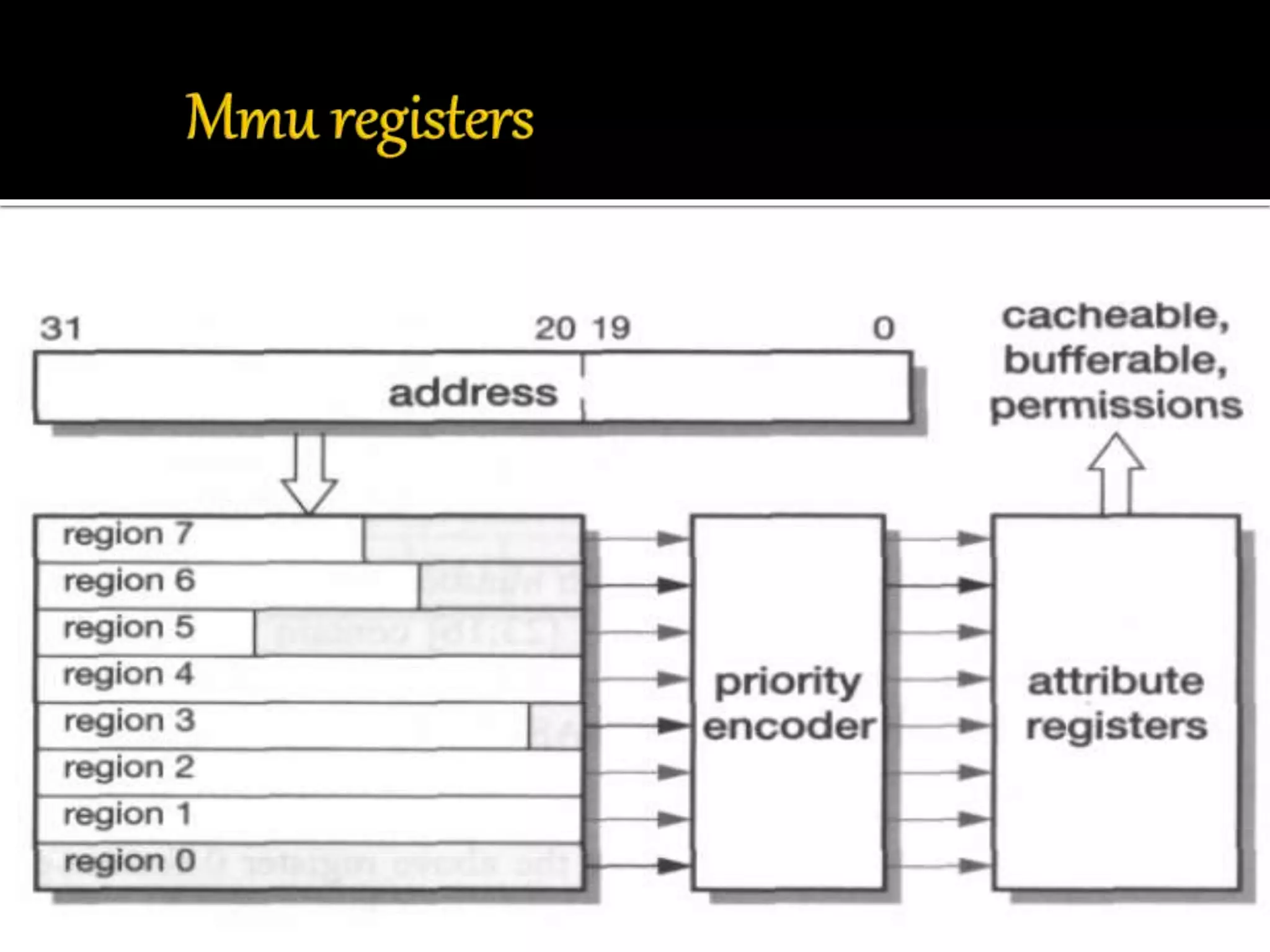
 Mmu registers. 
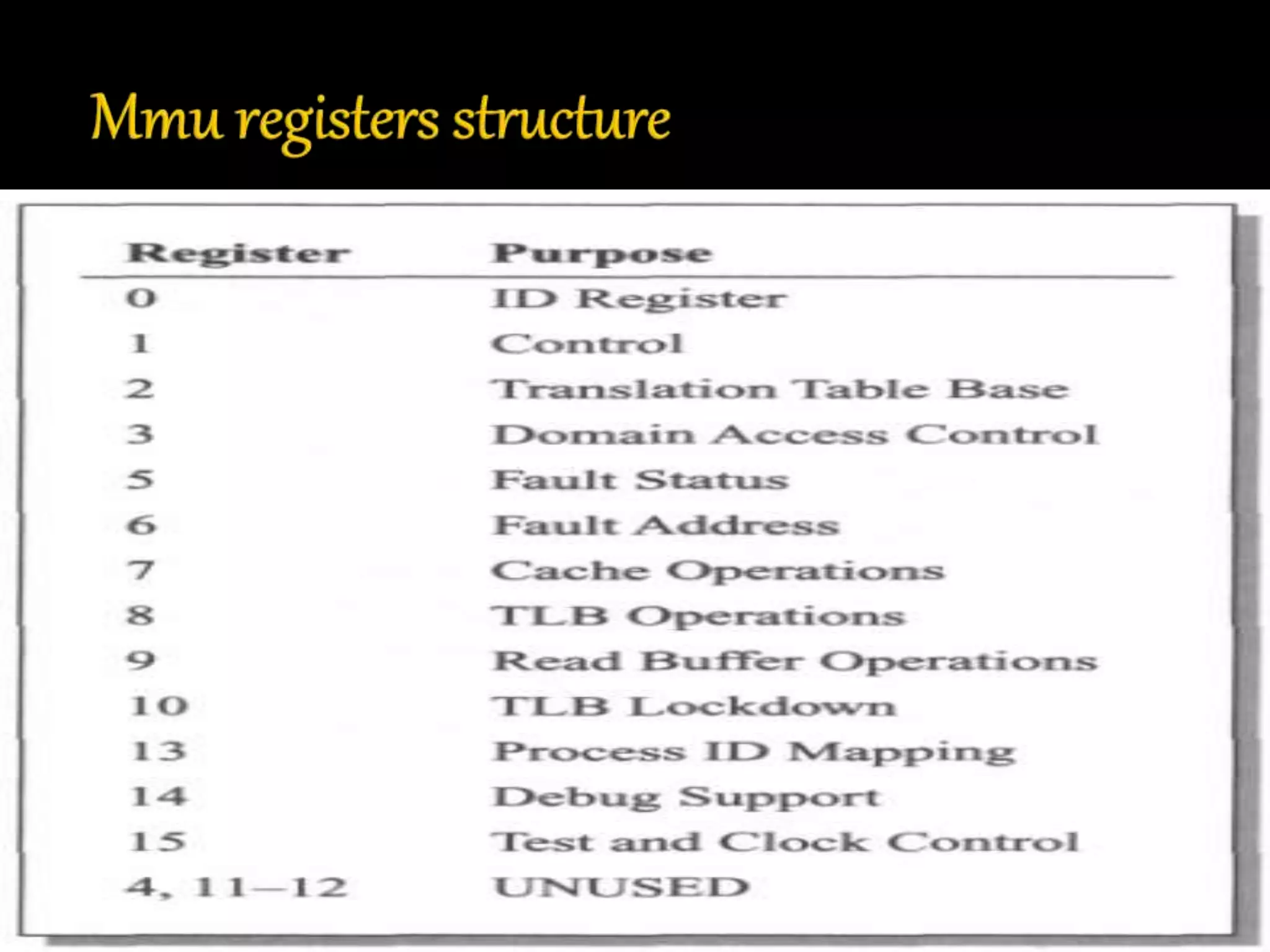
 Mmu registers structure. 
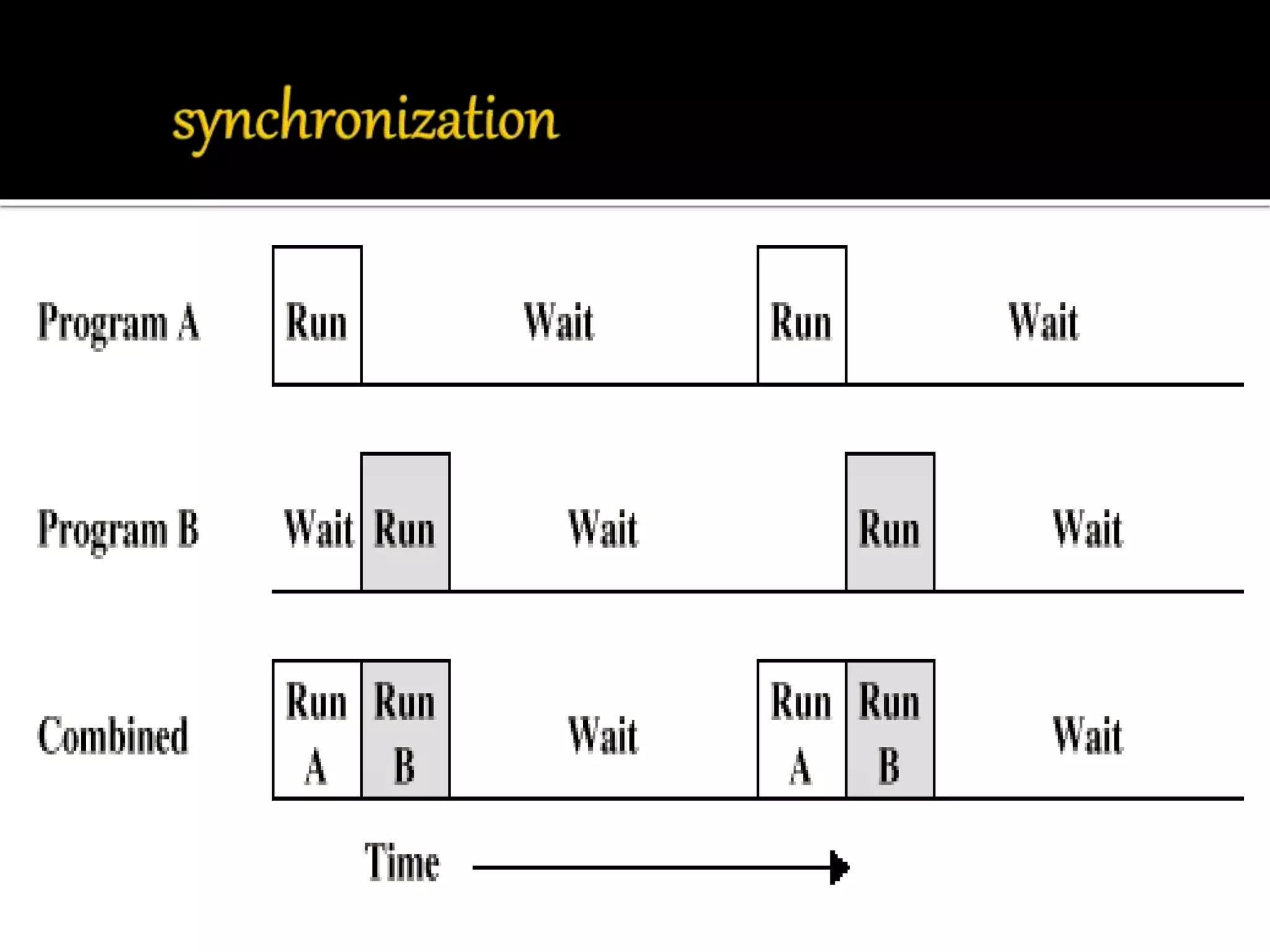
 Synchronization.
 Swapping. 
 Context switching. 
 Input output function. 
 Dma and fast interrupt. 
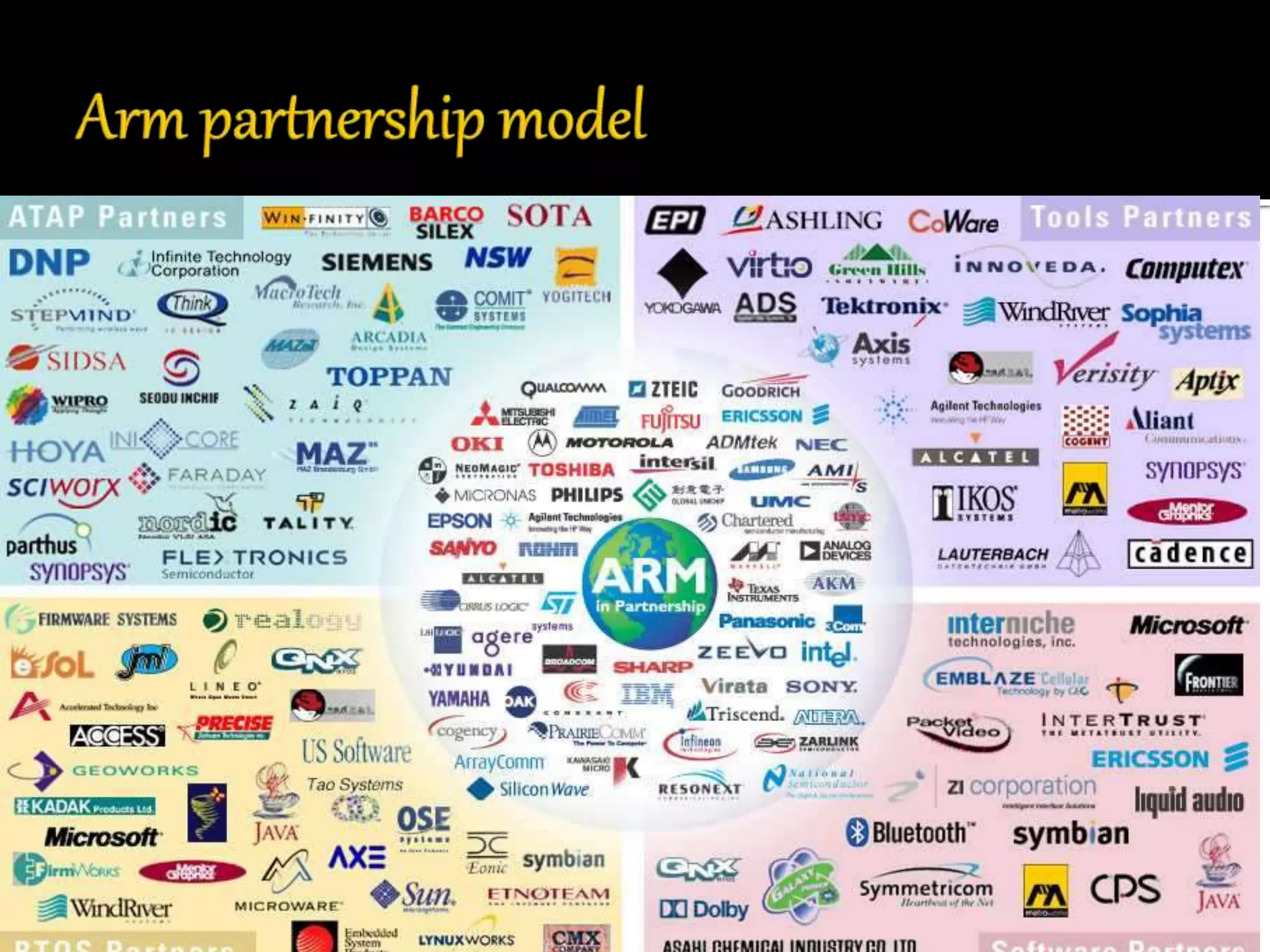
 Arm partnership model. 
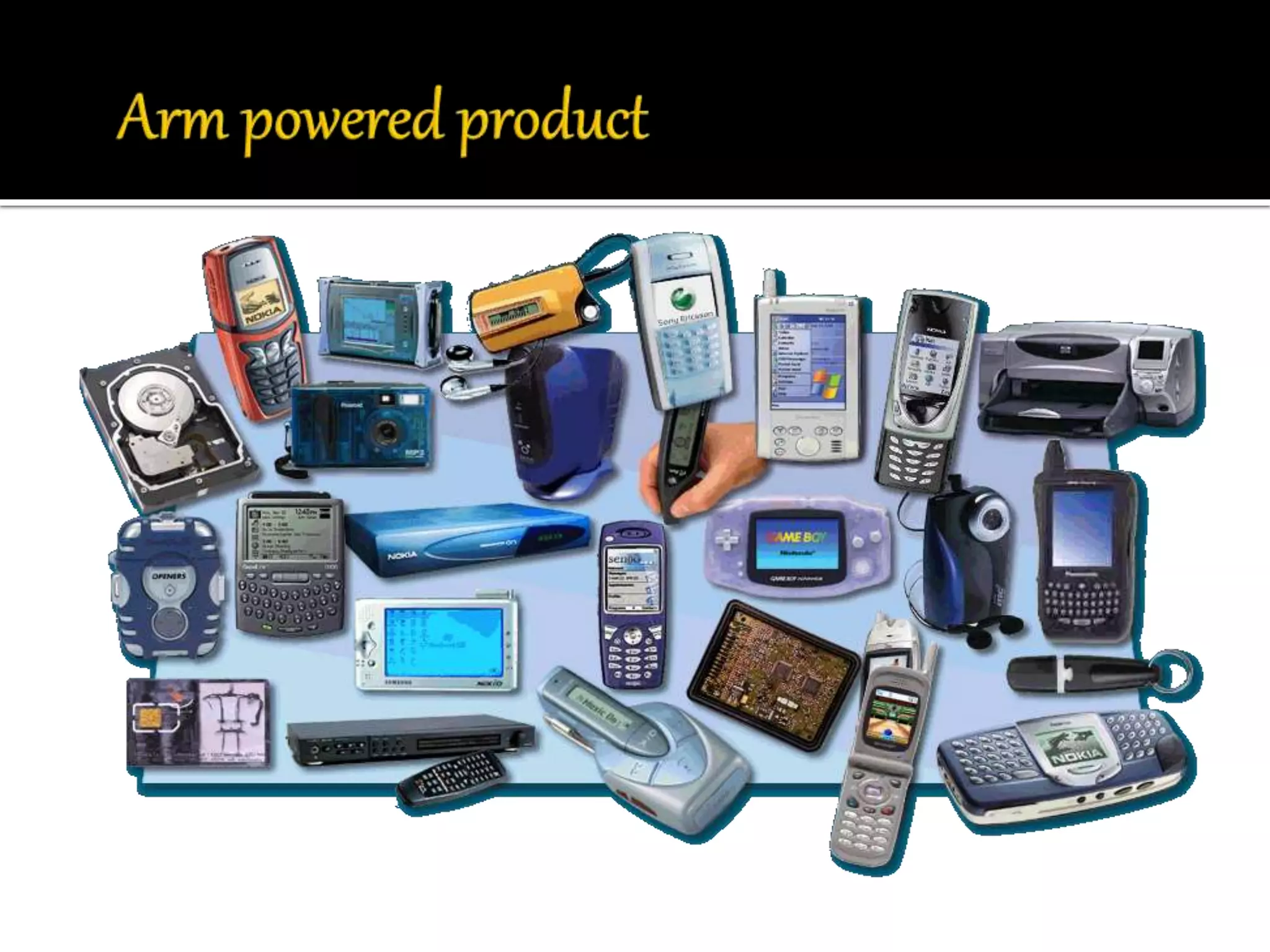
 Arm powered products. 
 Conclusion. 
 References.
 WHAT IS ARM PROCESSOR? 
 32 bits processor. 
 ARM is a RISC processor. 
 It is small size . 
 High performance applications. 
 Simple architecture. 
 low power consumption.
 1985: Acorn Computer Group manufactures 
the first commercial RISC microprocessor. 
 1990: Acorn and Apple participation leads to 
the foundation. 
 1991: ARM6, First embeddable RISC 
microprocessor. 
 1992 – 1994: Various companies use ARM 
(Sharp, Samsung), while in 1993 ARM7, the 
first multimedia microprocessor is 
introduced.
 1995: Introduction of Thumb and ARM8. 
 1996 – 2000: Alcatel, Hyundai, Philips, Sony, 
use ΑRM, while in 1999 η ARM cooperates with 
Erickson for the development of Bluetooth. 
 2000 – 2002: ARM’s share of the 32 – bit 
embedded RISC microprocessor market is 80%. 
ARM Developer Suite is introduced.
 Arm launched the latest processor named as 
CORTEX M7 and planned to launch 64 bits 
arm processor for smart phones. 
 Holding the top position in designing of 
processors for smart phones over the world. 
 Arm launched latest operating system called 
MBED for 2g 3g and 4g internet operation.
 A.R.M. ? 
 Advanced RISC Machines. 
 R.i.s.c ? 
 Reduced instruction set computer.
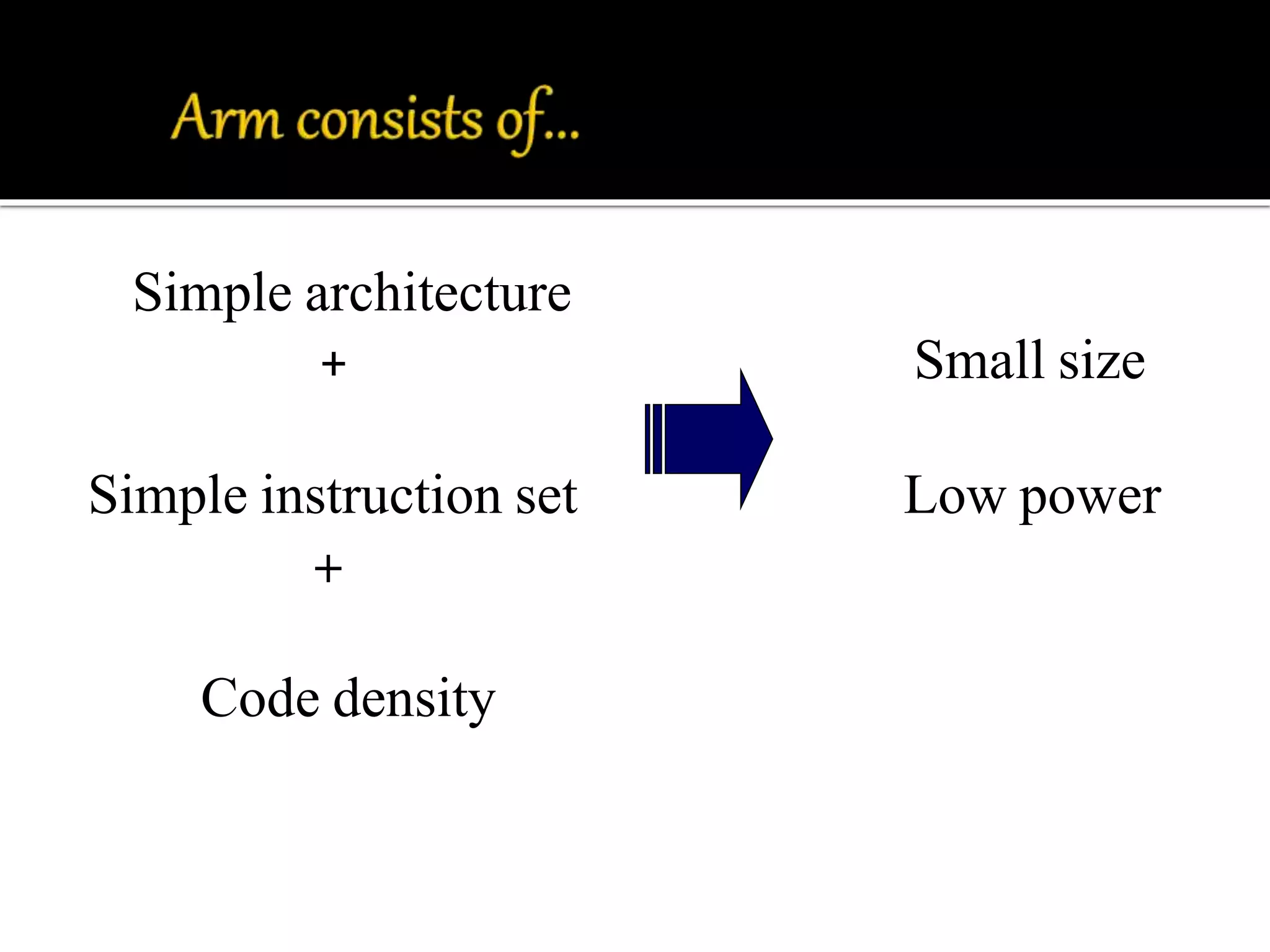
Simple architecture 
+ Small size 
Simple instruction set Low power 
+ 
Code density
It can be defined as – 
the system which takes 
the input (loading of program) and gives the 
output as per program . 
 The operating system is said to be efficient if 
it able to run program concurrently without 
any loss of data.
 Speed and memory required. 
 Program loading (sharing of time). 
 Program execution (priority). 
 Access to I/O devices (clean interface). 
 Controlled access to files (scheduling). 
 Error detection and response (interference). 
 Problem solving capability (memory management).
Major problem for any operating system are- 
 Data interference. 
 Memory access. 
 Malicious attacks. 
 Solution : 
Memory management . 
 Privileged mode operation. 
 Resource allocation.
address register 
multiply 
data out register 
instruction 
decode 
& 
control 
incrementer 
register 
bank 
barrel 
shif ter 
A[31:0] 
data in register 
ALU 
control 
P 
C 
PC 
A 
L 
U 
b 
u 
s 
A 
b 
u 
s 
B 
b 
u 
s 
register
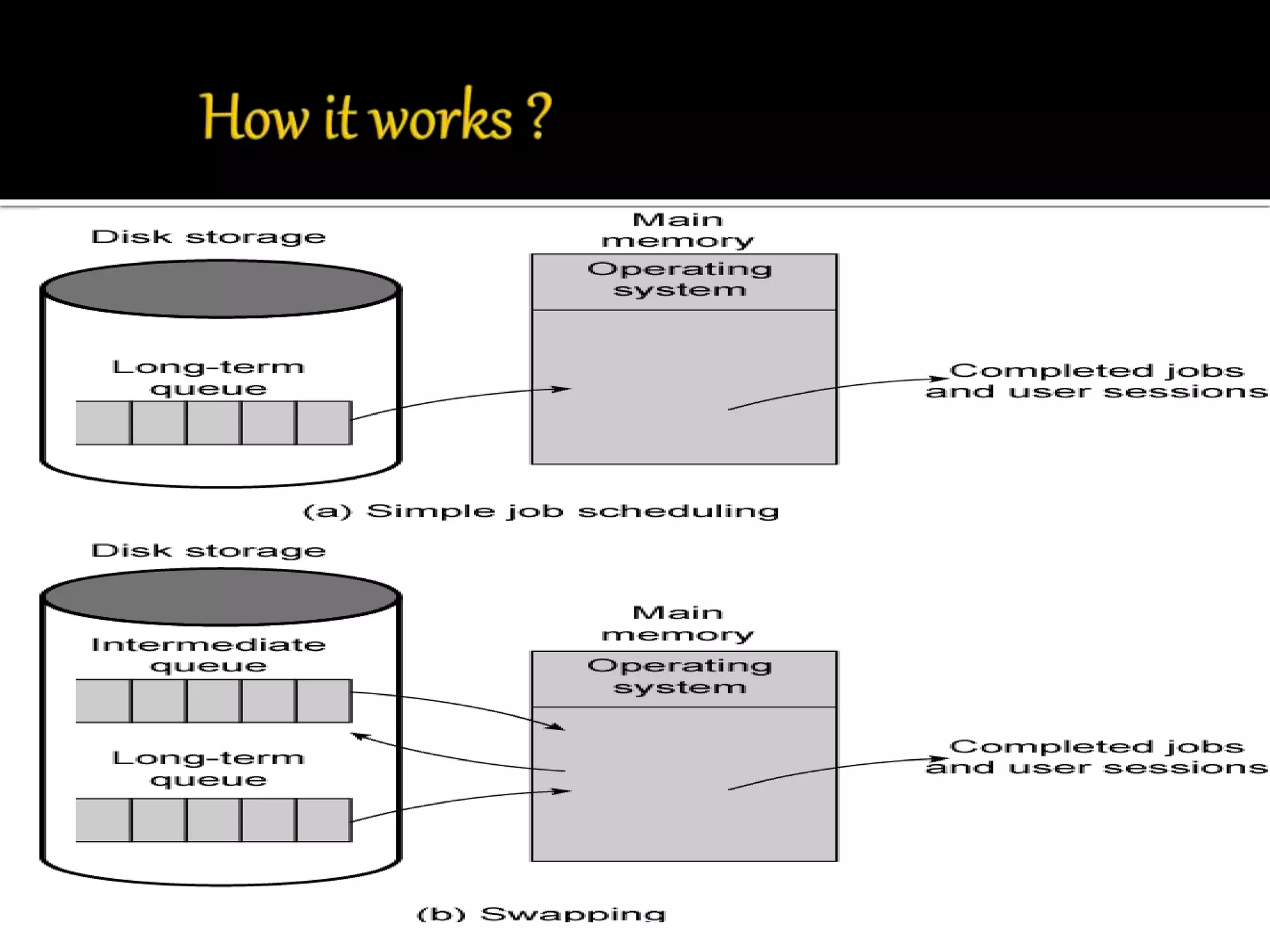
 Swapping is nothing but the long queue of 
stored processes. 
 To keep program temporarily out of memory 
and brought back into memory for execution. 
 Need ? 
 Limited memory available . 
 Avoid program data interference . 
 Increases efficiency.
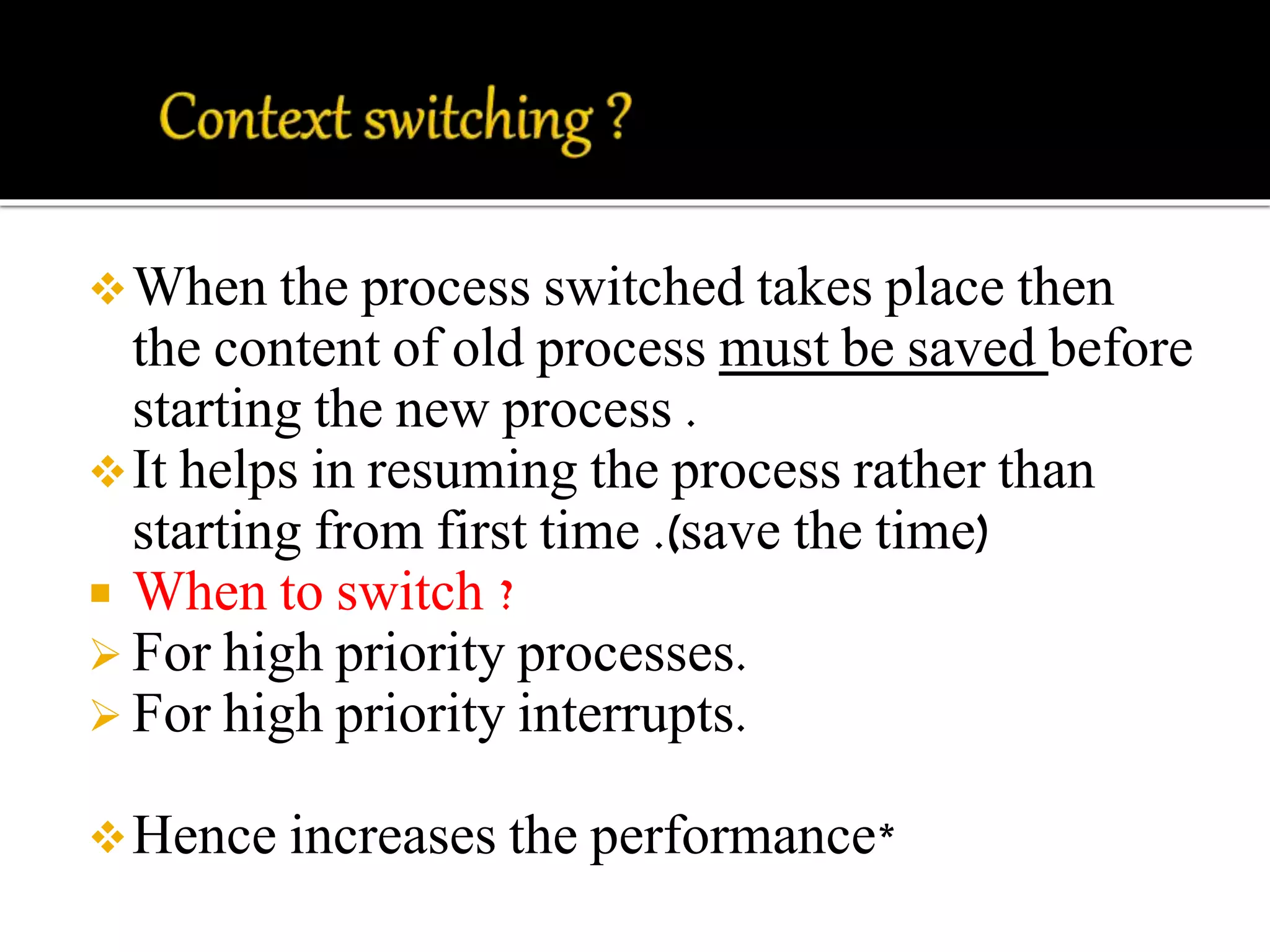
When the process switched takes place then 
the content of old process must be saved before 
starting the new process . 
It helps in resuming the process rather than 
starting from first time .(save the time) 
 When to switch ? 
 For high priority processes. 
 For high priority interrupts. 
Hence increases the performance*
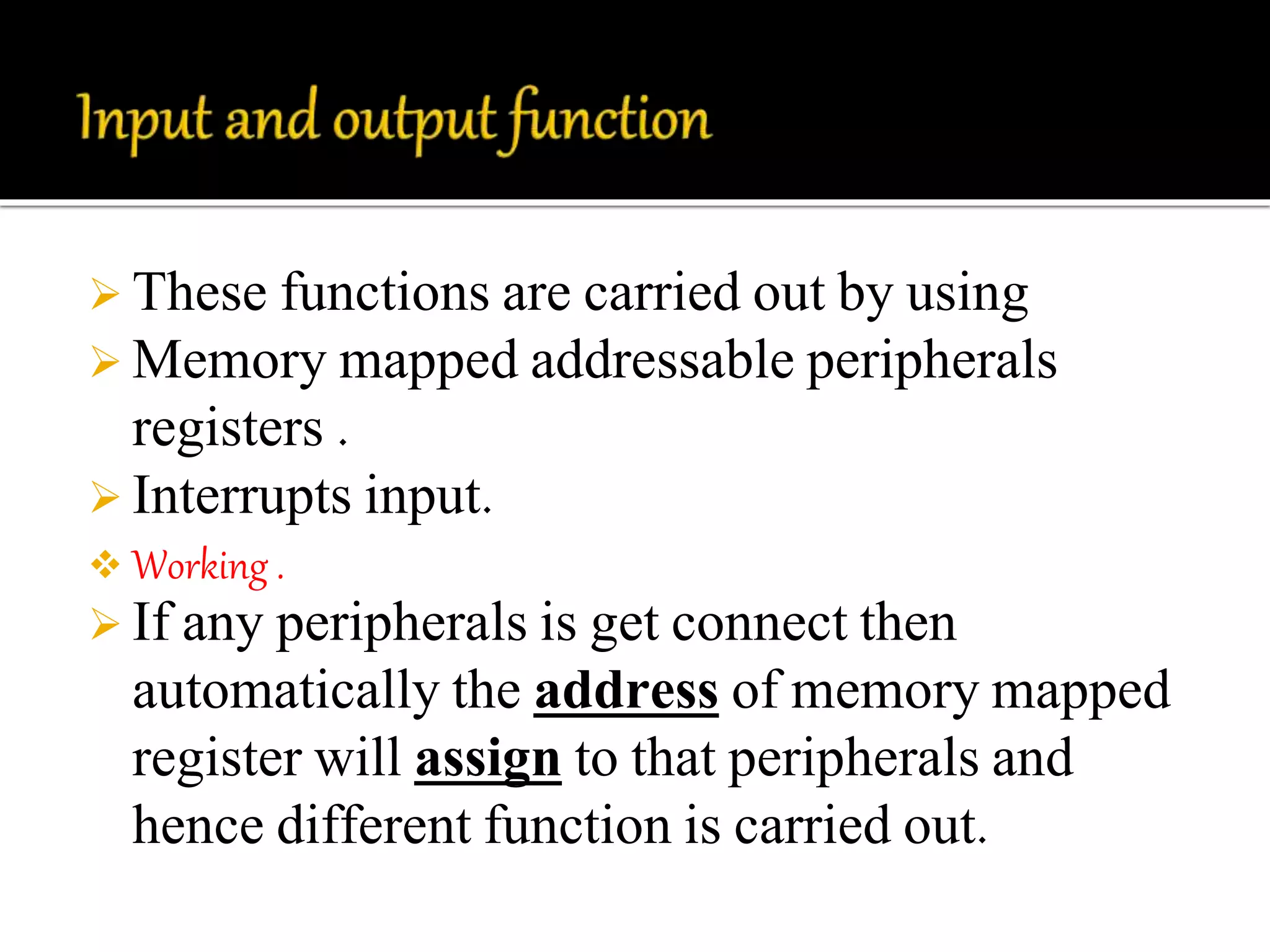
 These functions are carried out by using 
Memory mapped addressable peripherals 
registers . 
 Interrupts input. 
 Working . 
 If any peripherals is get connect then 
automatically the address of memory mapped 
register will assign to that peripherals and 
hence different function is carried out.
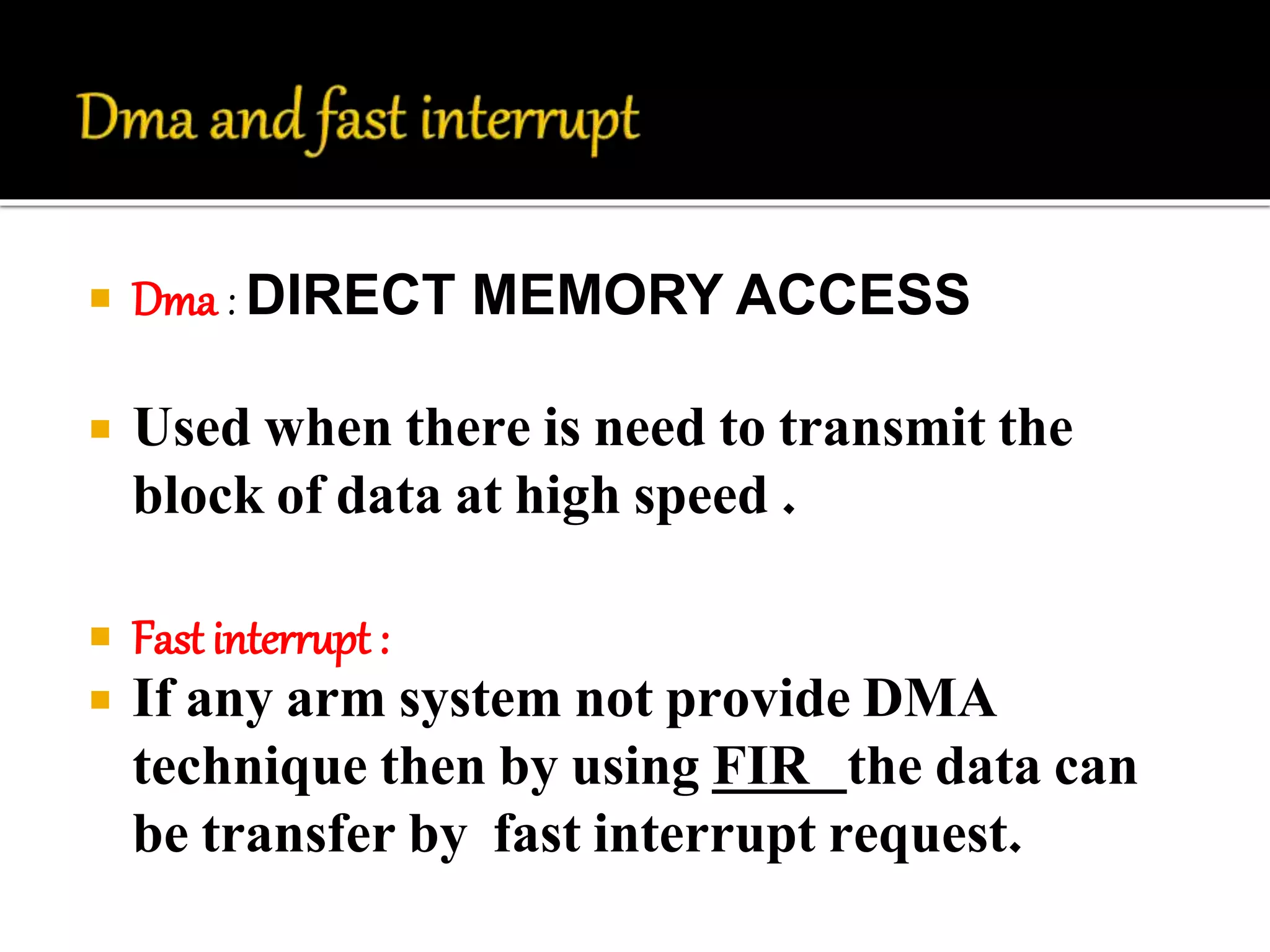
 Dma : DIRECT MEMORY ACCESS 
 Used when there is need to transmit the 
block of data at high speed . 
 Fast interrupt : 
 If any arm system not provide DMA 
technique then by using FIR the data can 
be transfer by fast interrupt request.
 From above discussion we conclude that the 
arm processor found an important role in every 
digital instruments which require high speed 
and high performance with low power 
consumption.
 Arm system on chip architecture by steve 
furber. 
 E-journals and papers.
 EMBEDDED SYSTEM DESIGN ARM architecture support for operating system by sanjay d dhandare

EMBEDDED SYSTEM DESIGN ARM architecture support for operating system by sanjay d dhandare

  • 1.
     SANJAY .D . DHANDARE Prof. saniya ansari mam 14,oct,2014 DYPSOE PUNE
  • 3.
     INTRODUCTION. Brief history.  Why it is called arm?  What is operating system?  Problem in operating system.  Arm architecture.  Mmu registers.  Mmu registers structure.  Synchronization.
  • 4.
     Swapping. Context switching.  Input output function.  Dma and fast interrupt.  Arm partnership model.  Arm powered products.  Conclusion.  References.
  • 5.
     WHAT ISARM PROCESSOR?  32 bits processor.  ARM is a RISC processor.  It is small size .  High performance applications.  Simple architecture.  low power consumption.
  • 6.
     1985: AcornComputer Group manufactures the first commercial RISC microprocessor.  1990: Acorn and Apple participation leads to the foundation.  1991: ARM6, First embeddable RISC microprocessor.  1992 – 1994: Various companies use ARM (Sharp, Samsung), while in 1993 ARM7, the first multimedia microprocessor is introduced.
  • 7.
     1995: Introductionof Thumb and ARM8.  1996 – 2000: Alcatel, Hyundai, Philips, Sony, use ΑRM, while in 1999 η ARM cooperates with Erickson for the development of Bluetooth.  2000 – 2002: ARM’s share of the 32 – bit embedded RISC microprocessor market is 80%. ARM Developer Suite is introduced.
  • 8.
     Arm launchedthe latest processor named as CORTEX M7 and planned to launch 64 bits arm processor for smart phones.  Holding the top position in designing of processors for smart phones over the world.  Arm launched latest operating system called MBED for 2g 3g and 4g internet operation.
  • 9.
     A.R.M. ?  Advanced RISC Machines.  R.i.s.c ?  Reduced instruction set computer.
  • 10.
    Simple architecture +Small size Simple instruction set Low power + Code density
  • 11.
    It can bedefined as – the system which takes the input (loading of program) and gives the output as per program .  The operating system is said to be efficient if it able to run program concurrently without any loss of data.
  • 12.
     Speed andmemory required.  Program loading (sharing of time).  Program execution (priority).  Access to I/O devices (clean interface).  Controlled access to files (scheduling).  Error detection and response (interference).  Problem solving capability (memory management).
  • 13.
    Major problem forany operating system are-  Data interference.  Memory access.  Malicious attacks.  Solution : Memory management .  Privileged mode operation.  Resource allocation.
  • 14.
    address register multiply data out register instruction decode & control incrementer register bank barrel shif ter A[31:0] data in register ALU control P C PC A L U b u s A b u s B b u s register
  • 18.
     Swapping isnothing but the long queue of stored processes.  To keep program temporarily out of memory and brought back into memory for execution.  Need ?  Limited memory available .  Avoid program data interference .  Increases efficiency.
  • 20.
    When the processswitched takes place then the content of old process must be saved before starting the new process . It helps in resuming the process rather than starting from first time .(save the time)  When to switch ?  For high priority processes.  For high priority interrupts. Hence increases the performance*
  • 21.
     These functionsare carried out by using Memory mapped addressable peripherals registers .  Interrupts input.  Working .  If any peripherals is get connect then automatically the address of memory mapped register will assign to that peripherals and hence different function is carried out.
  • 22.
     Dma :DIRECT MEMORY ACCESS  Used when there is need to transmit the block of data at high speed .  Fast interrupt :  If any arm system not provide DMA technique then by using FIR the data can be transfer by fast interrupt request.
  • 25.
     From abovediscussion we conclude that the arm processor found an important role in every digital instruments which require high speed and high performance with low power consumption.
  • 26.
     Arm systemon chip architecture by steve furber.  E-journals and papers.