

ROTEM
A Cook’s Tour /
Idiots Guide
ROTEM
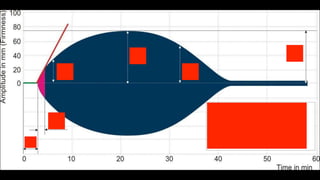
• Physical properties of whole blood
• clot formation time
• clot stength / size / thickness
• clot lysis time
• TEG vs ROTEM
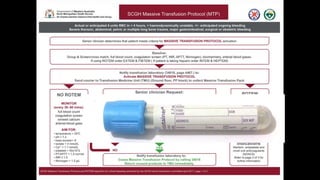
• ROTEM Vs Massive Transfusion Protocols Vs SLTs
• Gets answers in 10 minutes vs hours
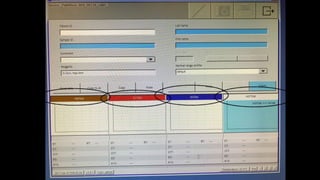
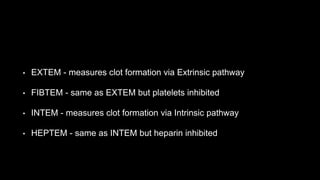
• EXTEM - measures clot formation via Extrinsic pathway
• FIBTEM - same as EXTEM but platelets inhibited
• INTEM - measures clot formation via Intrinsic pathway
• HEPTEM - same as INTEM but heparin inhibited
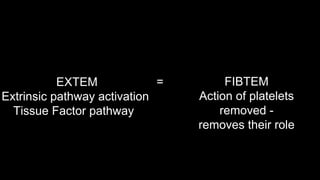
EXTEM
Extrinsic pathway activation
Tissue Factor pathway
FIBTEM
Action of platelets
removed -
removes their role
=
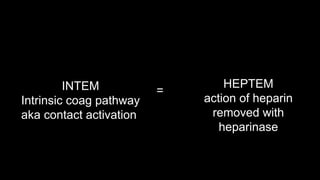
INTEM
Intrinsic coag pathway
aka contact activation
=
HEPTEM
action of heparin
removed with
heparinase
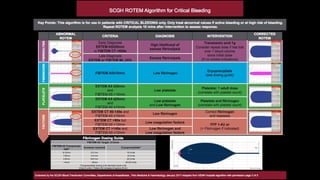
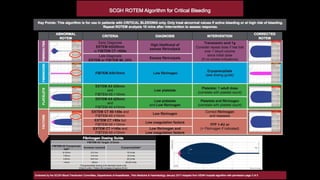
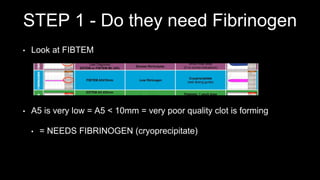
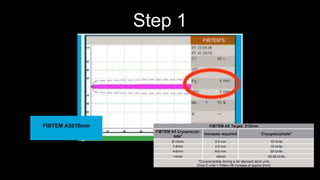
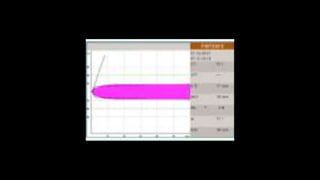
STEP 1 - Do they need Fibrinogen
• Look at FIBTEM
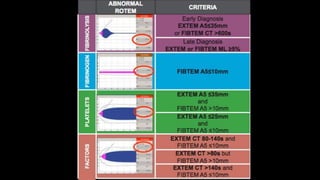
• A5 is very low = A5 < 10mm = very poor quality clot is forming
• = NEEDS FIBRINOGEN (cryoprecipitate)
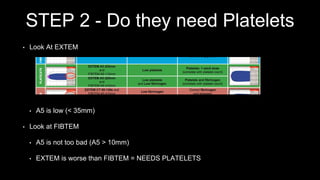
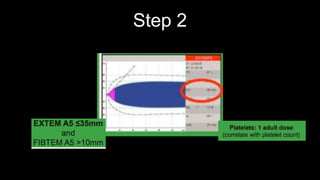
STEP 2 - Do they need Platelets
• Look At EXTEM
• A5 is low (< 35mm)
• Look at FIBTEM
• A5 is not too bad (A5 > 10mm)
• EXTEM is worse than FIBTEM = NEEDS PLATELETS
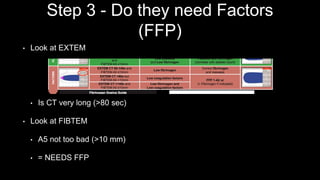
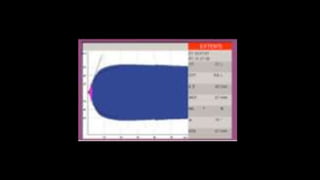
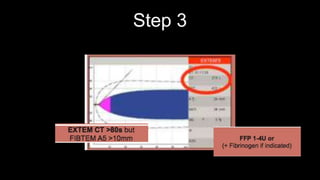
Step 3 - Do they need Factors
(FFP)
• Look at EXTEM
• Is CT very long (>80 sec)
• Look at FIBTEM
• A5 not too bad (>10 mm)
• = NEEDS FFP
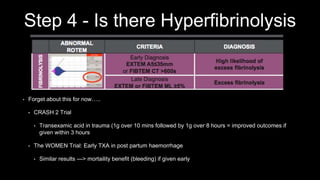
Step 4 - Is there Hyperfibrinolysis
• Forget about this for now…..
• CRASH 2 Trial
• Transexamic acid in trauma (1g over 10 mins followed by 1g over 8 hours = improved outcomes if
given within 3 hours
• The WOMEN Trial: Early TXA in post partum haemorrhage
• Similar results —> mortaility benefit (bleeding) if given early
Step 1
Step 2
Step 3
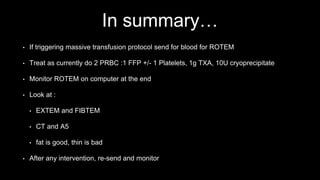
In summary…
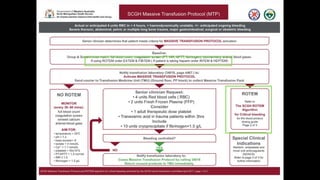
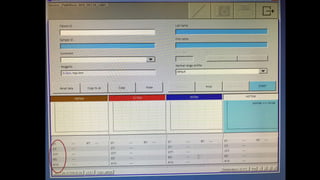
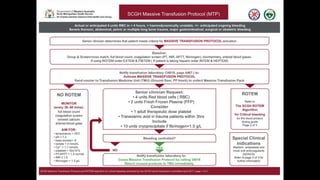
• If triggering massive transfusion protocol send for blood for ROTEM
• Treat as currently do 2 PRBC :1 FFP +/- 1 Platelets, 1g TXA, 10U cryoprecipitate
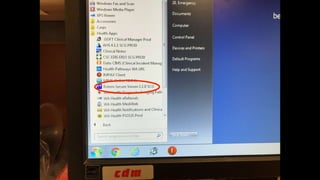
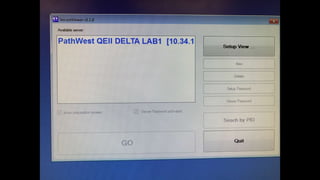
• Monitor ROTEM on computer at the end
• Look at :
• EXTEM and FIBTEM
• CT and A5
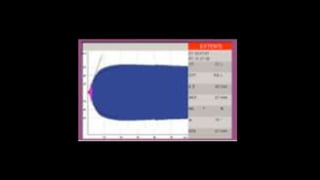
• fat is good, thin is bad
• After any intervention, re-send and monitor
Rotem - A Cook's Tour

Rotem - A Cook's Tour

  • 1.
    ROTEM A Cook’s Tour/ Idiots Guide
  • 4.
    ROTEM • Physical propertiesof whole blood • clot formation time • clot stength / size / thickness • clot lysis time • TEG vs ROTEM • ROTEM Vs Massive Transfusion Protocols Vs SLTs • Gets answers in 10 minutes vs hours
  • 10.
    • EXTEM -measures clot formation via Extrinsic pathway • FIBTEM - same as EXTEM but platelets inhibited • INTEM - measures clot formation via Intrinsic pathway • HEPTEM - same as INTEM but heparin inhibited
  • 11.
    EXTEM Extrinsic pathway activation TissueFactor pathway FIBTEM Action of platelets removed - removes their role =
  • 12.
    INTEM Intrinsic coag pathway akacontact activation = HEPTEM action of heparin removed with heparinase
  • 17.
    STEP 1 -Do they need Fibrinogen • Look at FIBTEM • A5 is very low = A5 < 10mm = very poor quality clot is forming • = NEEDS FIBRINOGEN (cryoprecipitate)
  • 18.
    STEP 2 -Do they need Platelets • Look At EXTEM • A5 is low (< 35mm) • Look at FIBTEM • A5 is not too bad (A5 > 10mm) • EXTEM is worse than FIBTEM = NEEDS PLATELETS
  • 19.
    Step 3 -Do they need Factors (FFP) • Look at EXTEM • Is CT very long (>80 sec) • Look at FIBTEM • A5 not too bad (>10 mm) • = NEEDS FFP
  • 20.
    Step 4 -Is there Hyperfibrinolysis • Forget about this for now….. • CRASH 2 Trial • Transexamic acid in trauma (1g over 10 mins followed by 1g over 8 hours = improved outcomes if given within 3 hours • The WOMEN Trial: Early TXA in post partum haemorrhage • Similar results —> mortaility benefit (bleeding) if given early
  • 22.
  • 24.
  • 26.
  • 28.
    In summary… • Iftriggering massive transfusion protocol send for blood for ROTEM • Treat as currently do 2 PRBC :1 FFP +/- 1 Platelets, 1g TXA, 10U cryoprecipitate • Monitor ROTEM on computer at the end • Look at : • EXTEM and FIBTEM • CT and A5 • fat is good, thin is bad • After any intervention, re-send and monitor