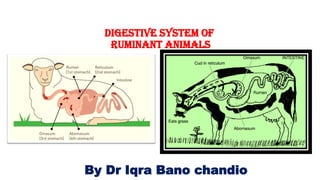

digestive system of
ruminant animals
By Dr Iqra Bano chandio
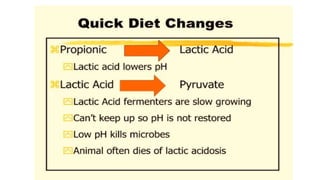
Rumen pH
• The ideal rumen pH value is between 6 and 7.
• The ruminal microorganisms are healthiest within
this range. If the pH value varies too much, some
types of micro-organisms are eliminated, and there is
reduced utilization of the feed.
• Micro-organisms that digest cellulose (hay, silage,
etc.) are unable to grow or ferment cellulose with a
pH value below 6.0. When ruminal pH drops below
6, the rumen is considered to be acidotic.
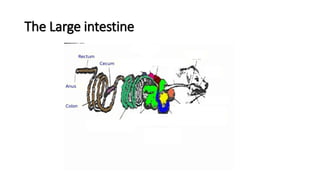
The Large intestine
The Large intestine
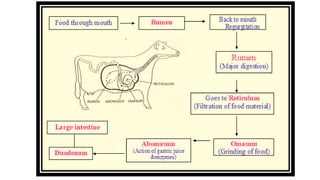
•The large intestine, especially the caecum and
colon, supports an active fermentation that is
quite similar to that in the reticulo-rumen.
•The caecal-colonic fermentation may supply 10-
15% of the gross energy available to a dairy
cow. However, most microbial protein
generated by this fermentation is lost via the
manure.
RUMINANTS DIGESTIVE SYSTEM.pdf

RUMINANTS DIGESTIVE SYSTEM.pdf

  • 1.
    digestive system of ruminantanimals By Dr Iqra Bano chandio
  • 8.
    Rumen pH • Theideal rumen pH value is between 6 and 7. • The ruminal microorganisms are healthiest within this range. If the pH value varies too much, some types of micro-organisms are eliminated, and there is reduced utilization of the feed. • Micro-organisms that digest cellulose (hay, silage, etc.) are unable to grow or ferment cellulose with a pH value below 6.0. When ruminal pH drops below 6, the rumen is considered to be acidotic.
  • 26.
  • 27.
    The Large intestine •Thelarge intestine, especially the caecum and colon, supports an active fermentation that is quite similar to that in the reticulo-rumen. •The caecal-colonic fermentation may supply 10- 15% of the gross energy available to a dairy cow. However, most microbial protein generated by this fermentation is lost via the manure.