RUMEN ECOSYSTEM
Learning Objectives:-
I. INRODUCTION TO RUMEN ECOLOGY
II.CLASSIFICATION OF RUMEN MICROBES
III.RUMEN BACTERIAAND THEIR TYPES
IV.RUMEN PROTOZOA
V. RUMEN FUNGI
VI.RUMEN BACTERIOPHAGES
 INTRODUCTION TO RUMEN:-
 Ruminant animal has complex stomach that is divided into four
chambers i.e., Rumen, Reticulum, Omasum And Abomasum. Ex. Cow,
Buffalo, Goat.
 The Rumen (also called as “Paunch”) is the largest compartment of
ruminal stomach and is the first chamber in the alimentary canal of
ruminant animals.
 The Capacity of an Adult Animal Rumen is about 150 Liters.
 Rumen is one of the Most Dense Microbial Habitats in the world.
 The foods of ruminants – forages and fibrous roughages – consist mainly
of Polysaccharides Such As Cellulose, Which Cannot Be Broken Down
By Mammalian Digestive Enzymes.
 Ruminants have therefore evolved a special system of digestion that
involves microbial fermentation of food before its exposure to their own
digestive enzymes
 Microscopic organisms called Rumen Microbes break down (or digest)
the ingested feed by a fermentation process and this microbes comprise
the Rumen Ecosystem.
 Rumen Microorganisms Produce Enzymes During Digestion Process.
a mortal enemy
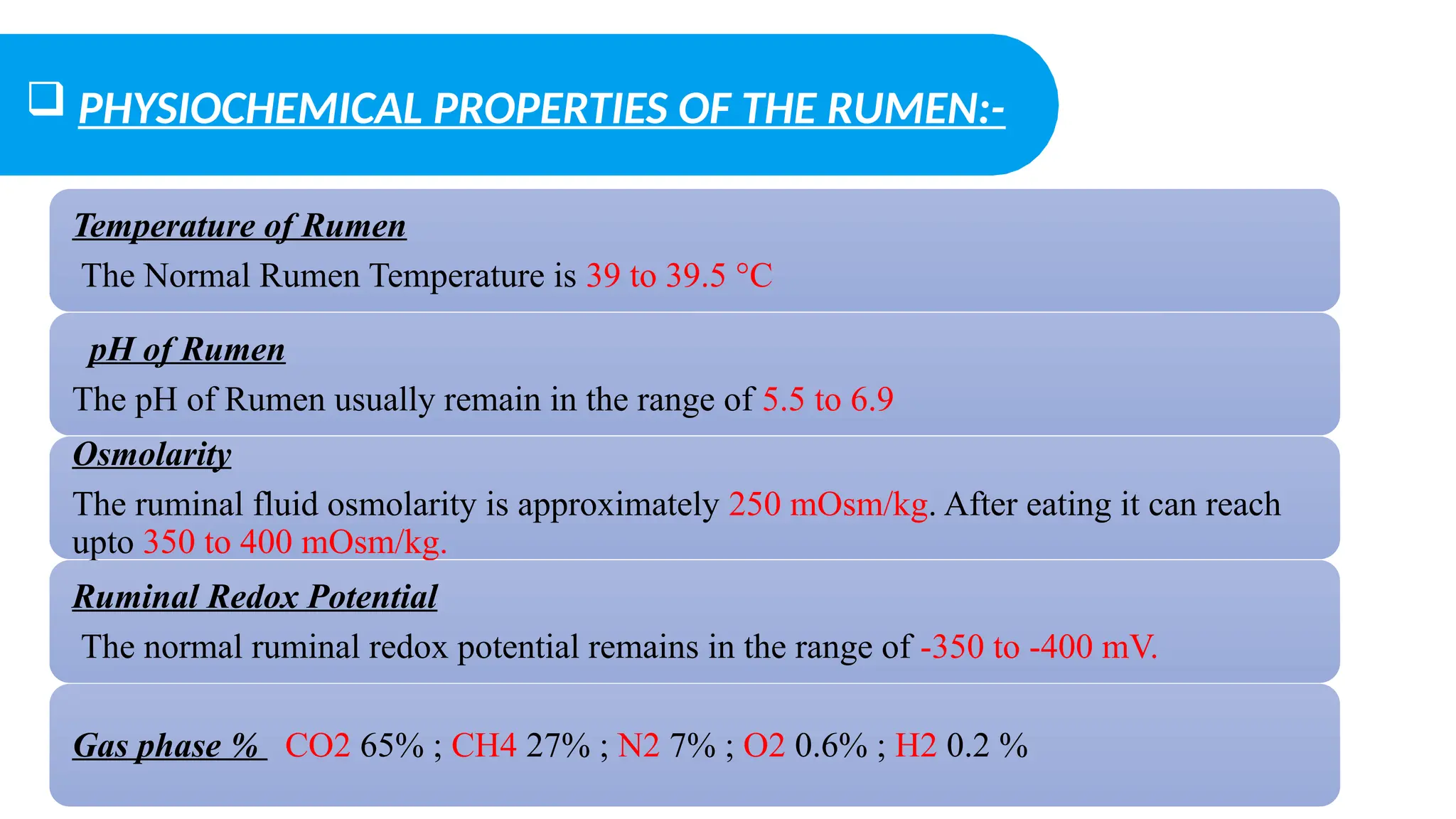
 PHYSIOCHEMICAL PROPERTIES OF THE RUMEN:-
Temperature of Rumen
The Normal Rumen Temperature is 39 to 39.5 °C
pH of Rumen
The pH of Rumen usually remain in the range of 5.5 to 6.9
Osmolarity
The ruminal fluid osmolarity is approximately 250 mOsm/kg. After eating it can reach
upto 350 to 400 mOsm/kg.
Ruminal Redox Potential
The normal ruminal redox potential remains in the range of -350 to -400 mV.
Gas phase % CO2 65% ; CH4 27% ; N2 7% ; O2 0.6% ; H2 0.2 %
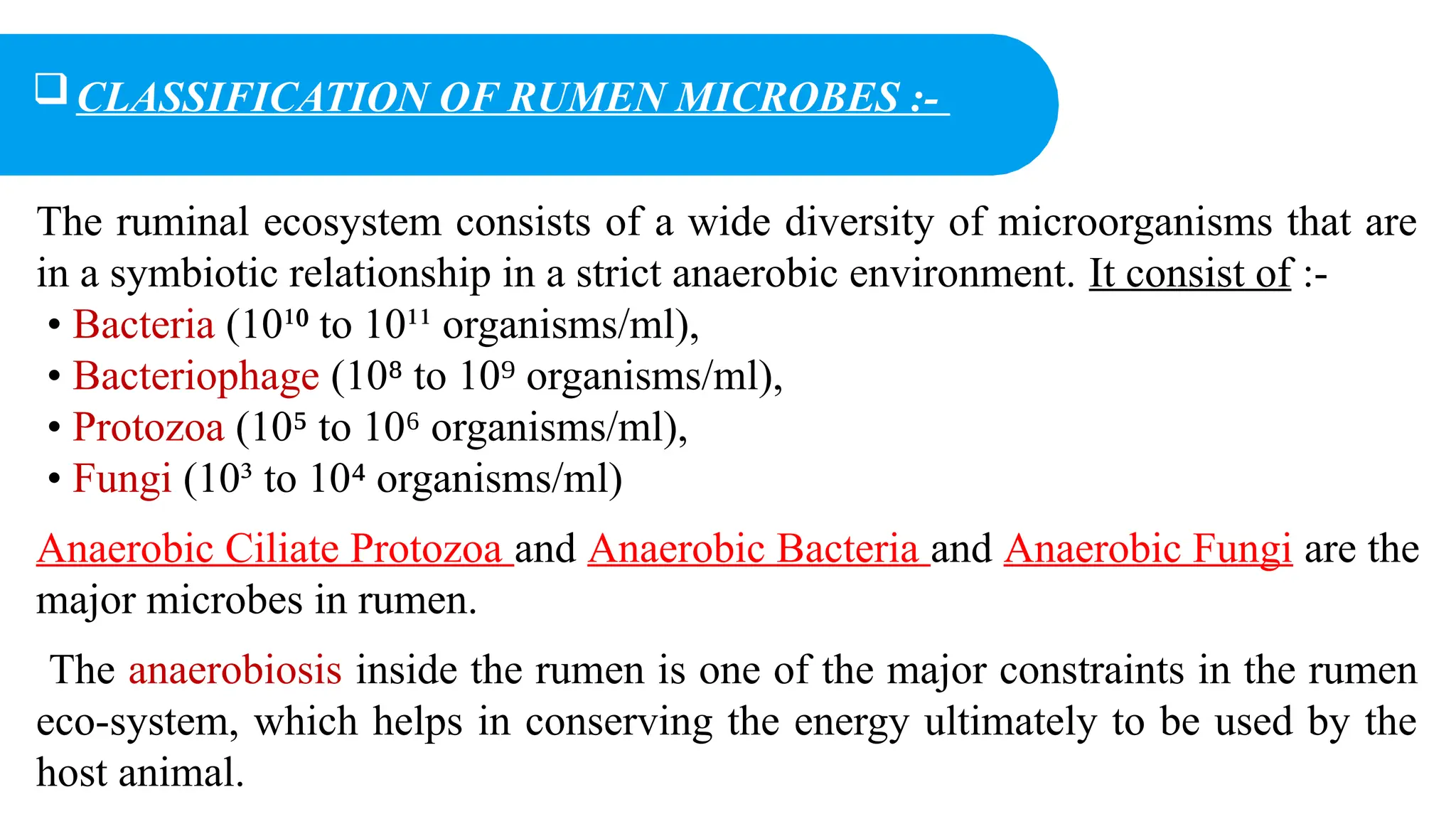
The ruminal ecosystem consists of a wide diversity of microorganisms that are
in a symbiotic relationship in a strict anaerobic environment. It consist of :-
• Bacteria (10¹ to 10¹¹ organisms/ml),
⁰
• Bacteriophage (10 to 10 organisms/ml),
⁸ ⁹
• Protozoa (10 to 10 organisms/ml),
⁵ ⁶
• Fungi (10³ to 10 organisms/ml)
⁴
Anaerobic Ciliate Protozoa and Anaerobic Bacteria and Anaerobic Fungi are the
major microbes in rumen.
The anaerobiosis inside the rumen is one of the major constraints in the rumen
eco-system, which helps in conserving the energy ultimately to be used by the
host animal.
CLASSIFICATION OF RUMEN MICROBES :-
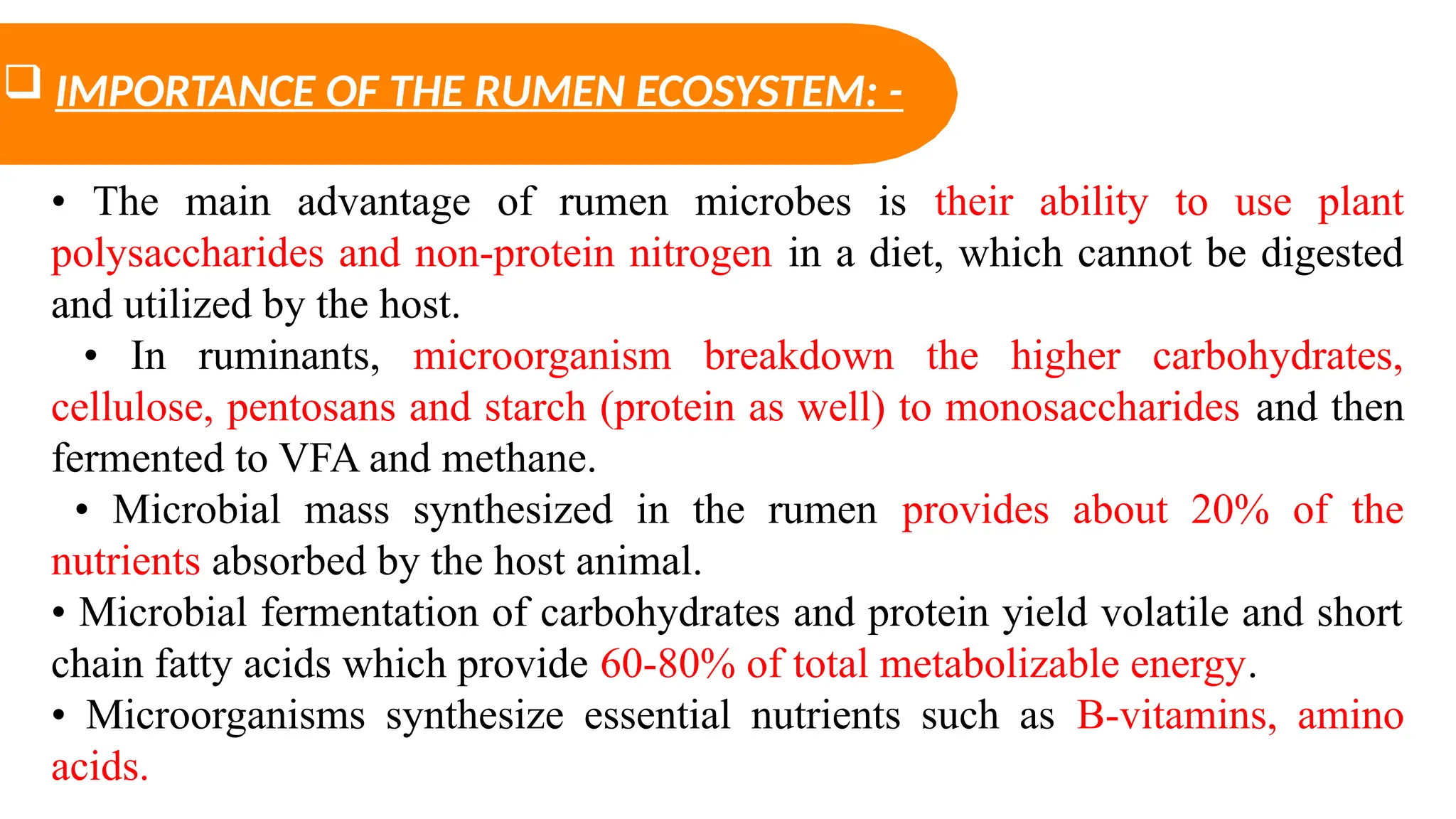
• The main advantage of rumen microbes is their ability to use plant
polysaccharides and non-protein nitrogen in a diet, which cannot be digested
and utilized by the host.
• In ruminants, microorganism breakdown the higher carbohydrates,
cellulose, pentosans and starch (protein as well) to monosaccharides and then
fermented to VFA and methane.
• Microbial mass synthesized in the rumen provides about 20% of the
nutrients absorbed by the host animal.
• Microbial fermentation of carbohydrates and protein yield volatile and short
chain fatty acids which provide 60-80% of total metabolizable energy.
• Microorganisms synthesize essential nutrients such as B-vitamins, amino
acids.
 IMPORTANCE OF THE RUMEN ECOSYSTEM: -
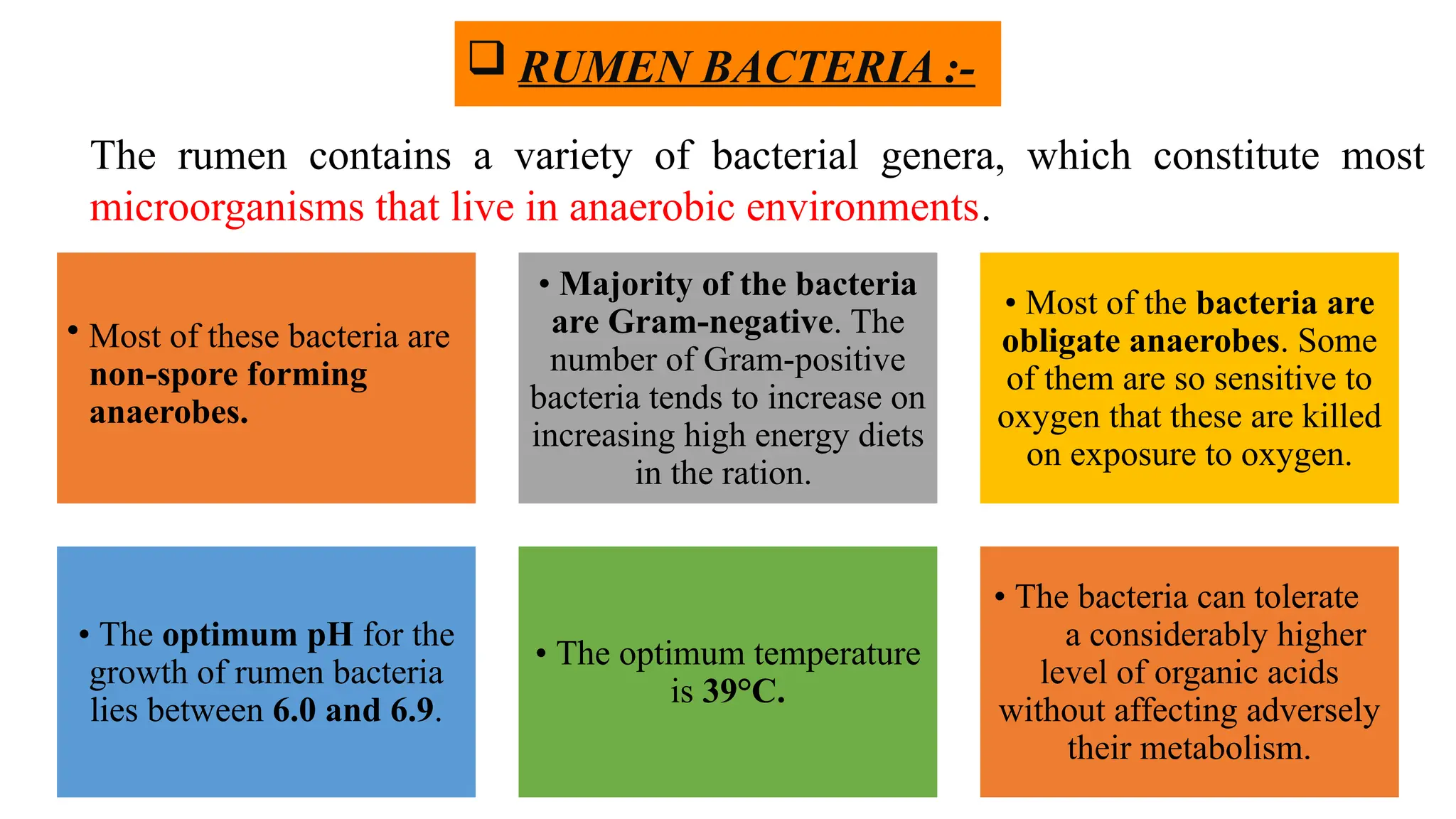
• Most of these bacteria are
non-spore forming
anaerobes.
• Majority of the bacteria
are Gram-negative. The
number of Gram-positive
bacteria tends to increase on
increasing high energy diets
in the ration.
• Most of the bacteria are
obligate anaerobes. Some
of them are so sensitive to
oxygen that these are killed
on exposure to oxygen.
• The optimum pH for the
growth of rumen bacteria
lies between 6.0 and 6.9.
• The optimum temperature
is 39°C.
• The bacteria can tolerate
a considerably higher
level of organic acids
without affecting adversely
their metabolism.
The rumen contains a variety of bacterial genera, which constitute most
microorganisms that live in anaerobic environments.
 RUMEN BACTERIA :-
 Cellulose Degrading Bacteria
Microorganisms Fermentation products
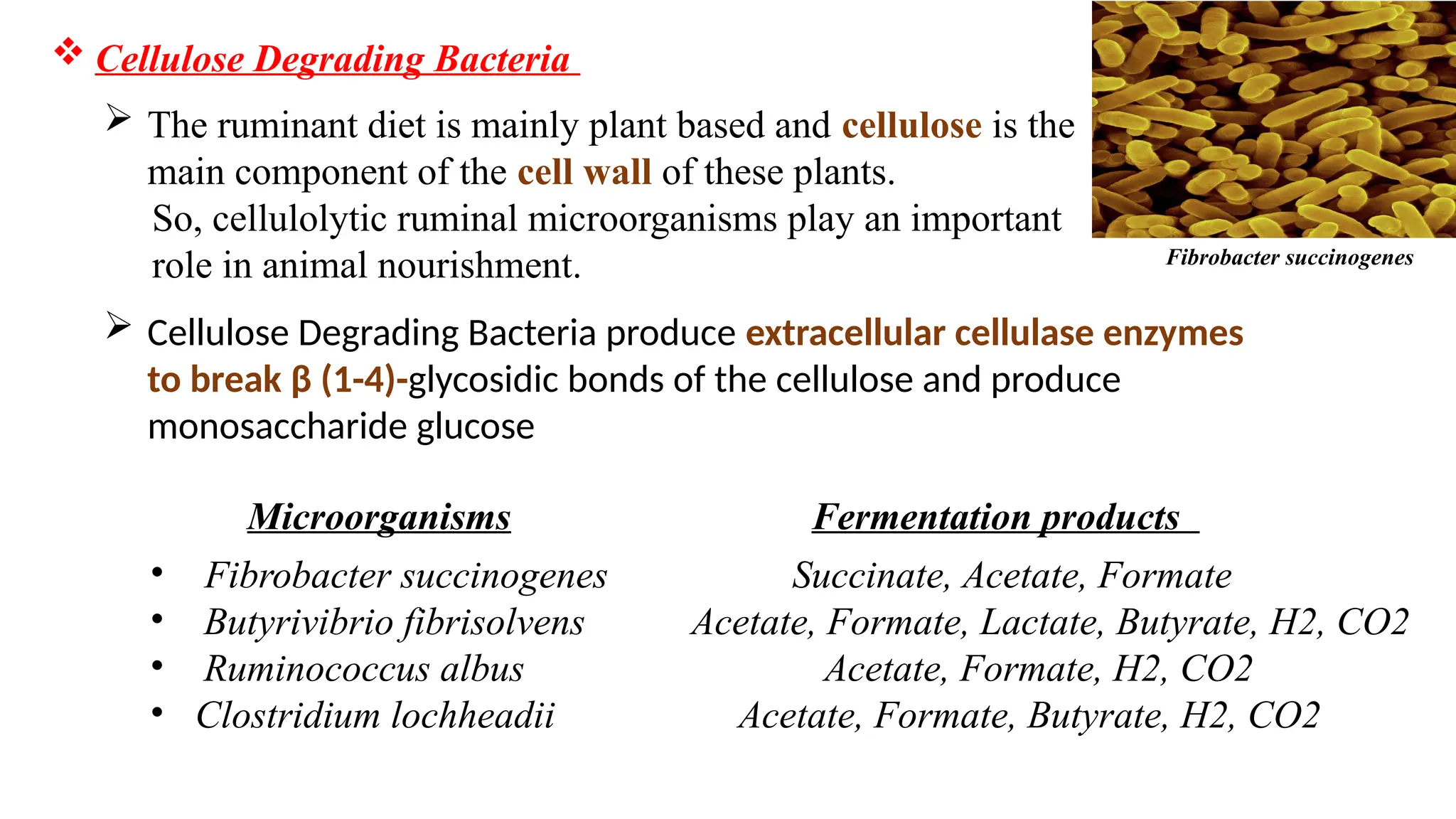
• Fibrobacter succinogenes Succinate, Acetate, Formate
• Butyrivibrio fibrisolvens Acetate, Formate, Lactate, Butyrate, H2, CO2
• Ruminococcus albus Acetate, Formate, H2, CO2
• Clostridium lochheadii Acetate, Formate, Butyrate, H2, CO2
 Cellulose Degrading Bacteria produce extracellular cellulase enzymes
to break β (1-4)-glycosidic bonds of the cellulose and produce
monosaccharide glucose
 The ruminant diet is mainly plant based and cellulose is the
main component of the cell wall of these plants.
So, cellulolytic ruminal microorganisms play an important
role in animal nourishment. Fibrobacter succinogenes
 Starch is an important component of the diet of cattle and
high milk producing cows which are fed with concentrates
containing major proportions of grains.
 Starch is an easily fermentable energy source for ruminants.
 When starch undergoes ruminal fermentation in Rumen, Amylolytic Bacteria
produce Maltase enzyme that convert Starch into Disaccharide Maltose and
further into monosaccharide glucose.
 Amylolytic Bacteria
Microorganisms Fermentation products
Bacteriodes ruminicola Formate, Acetate,Succinate
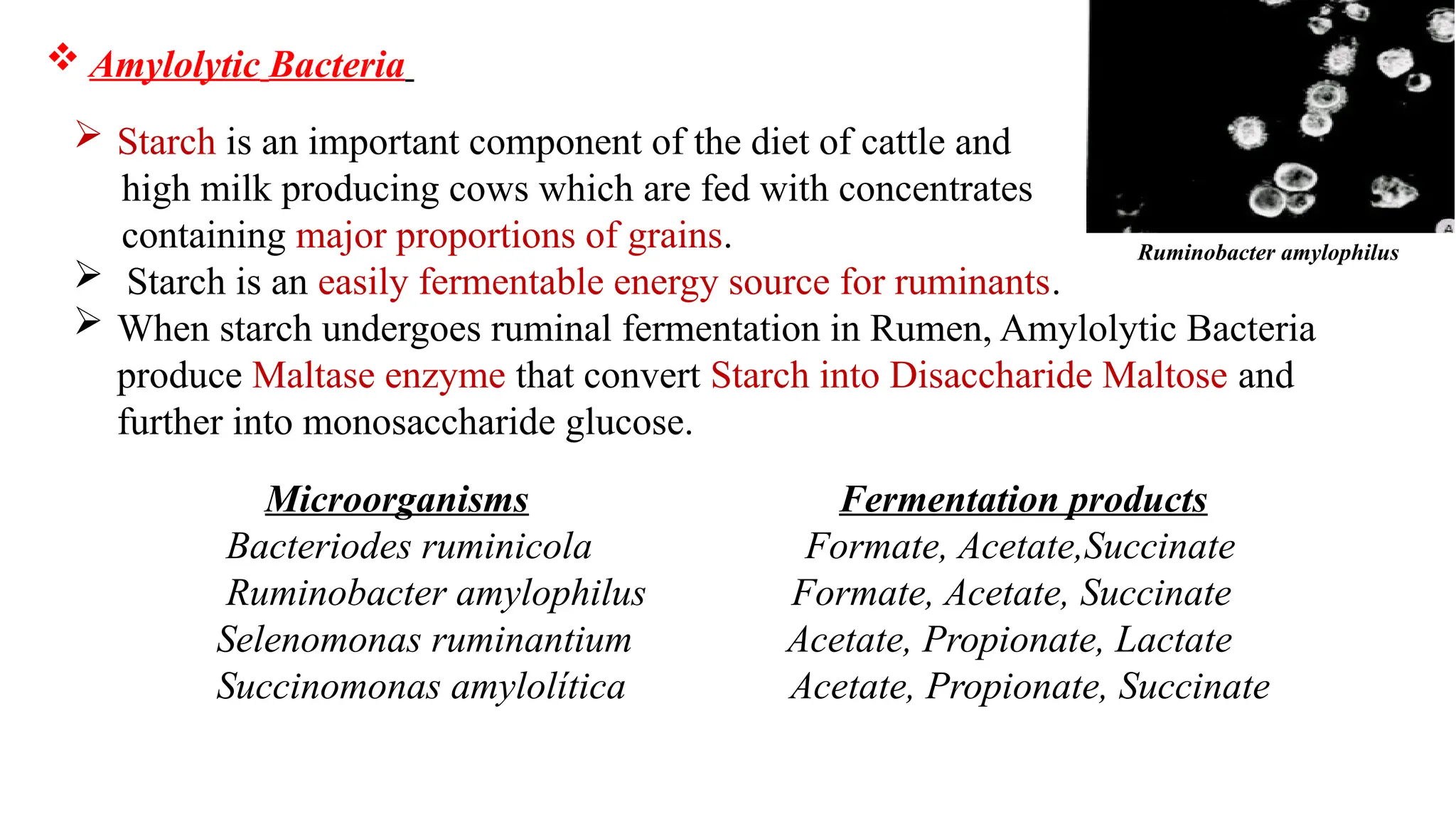
Ruminobacter amylophilus Formate, Acetate, Succinate
Selenomonas ruminantium Acetate, Propionate, Lactate
Succinomonas amylolítica Acetate, Propionate, Succinate
Ruminobacter amylophilus
 When diet containing high amount of concentrate is being fed,
Lactate is produced as an intermediary product of ruminal
fermentation, which is then metabolized to VFAs.
 Lactate utilizing bacteria have an important role in the rumen
fermentation, mainly in those ruminants that are being fed with high
grains in the diet.
 These bacteria metabolize lactic acid and prevent its accumulation,
which helps to keep the pH in the proper range.
 Lactate Utilizing Bacteria
Microorganisms Fermentation products
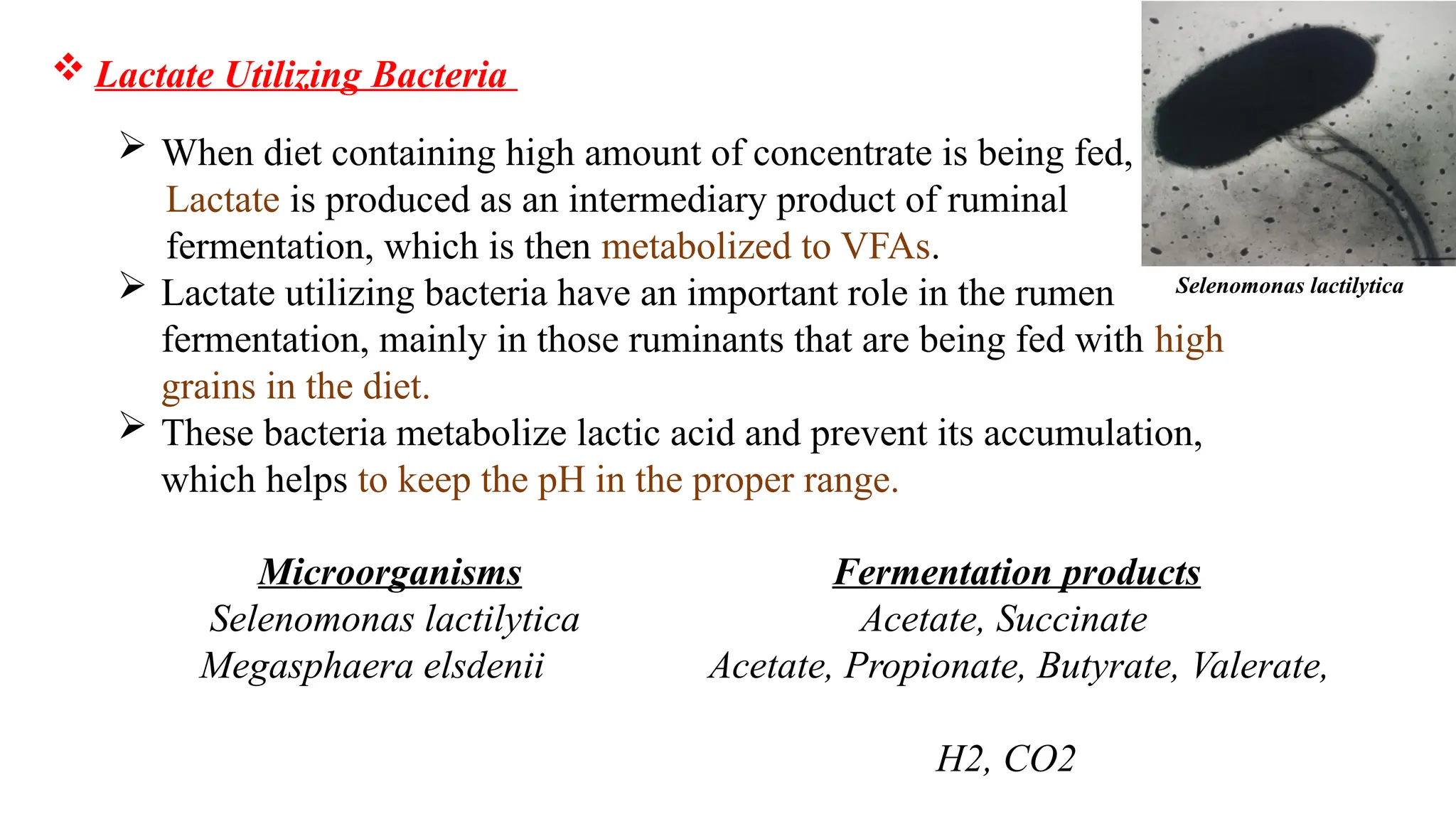
Selenomonas lactilytica Acetate, Succinate
Megasphaera elsdenii Acetate, Propionate, Butyrate, Valerate,
H2, CO2
Selenomonas lactilytica
 Pectin is fermented by both bacteria and protozoa.
 The major bacteria that perform this function are Butyrivibrio fibrisolvens,
Prevotella ruminicola, Bacteroides ruminicola and Lachnospira multiparus.
 These ruminal bacteria produce and release pectinolytic enzymes primarily
pectin lyases into the ruminal environment that hydrolyze the pectin in to
simple form.
 Pectin Degrading Bacteria
 Proteolytic Bacteria
 In ruminants, proteins serve as a source of nitrogen for rumen microbes to
make their own microbial protein.
 Microbes can use non protein nitrogenous substances also such as urea for
microbial protein synthesis.
 Urea is 100% degradable in the Rumen by Microbial Urease and can be
toxic at higher levels.
Microorganisms Fermentation products
Bacteroides amylophilus NH3, Amino acid, VFAs
Bacteroides ruminicola NH3, Amino acid, VFAs
Butyrivibrio fibrisolvens NH3, Amino acid, VFAs
 In ruminant animals, the lipid content of the diet is low and comes from different
sources such as grass, leaves, oil seeds, or cereal grains.
 The major types of lipids in the diet are triglycerides, phospholipids and
galactolipids.
 When dietary lipids enter the rumen, hydrolysis of dietary lipids is brought by
microbial lipases, which releases glycerol and free fatty acids from the lipid
backbone.
 Glycerol is readily metabolized by the rumen bacteria to form propionic acid.
Ex. Anaerovibrio lipolytica produces Acetate, Propionate
 Lipolytic Bacteria
 Ruminal Archaea Or Methanogens
 Methane (CH4) is one of the end product of ruminal fermentation and is considered
as a loss of total energy consumed by ruminants, representing 6-10% of total
energy, which contributes to the greenhouse effect.
 The Methanogens belong to the Domain Archaea and the Phylum Euryarchaeota.
 Methane is generated by methanogenic bacteria utilizing the carbon dioxide and
hydrogen.
 Methanogenesis is the main sink of H+ removal. CO2 is used by the methanogens
to produce CH4.
 These microorganisms can also degrade substrates containing methyl or acetyl
groups, such as methanol and acetate that act as electron acceptors.
Microorganisms Fermentation products
Methanobrevibacter ruminantium Methane
Methanomicrobium mobile Methane
CO2 + 4H2 CH4 + 2H2O
Methanobrevibacter ruminantium
RUMEN PROTOZOA:-
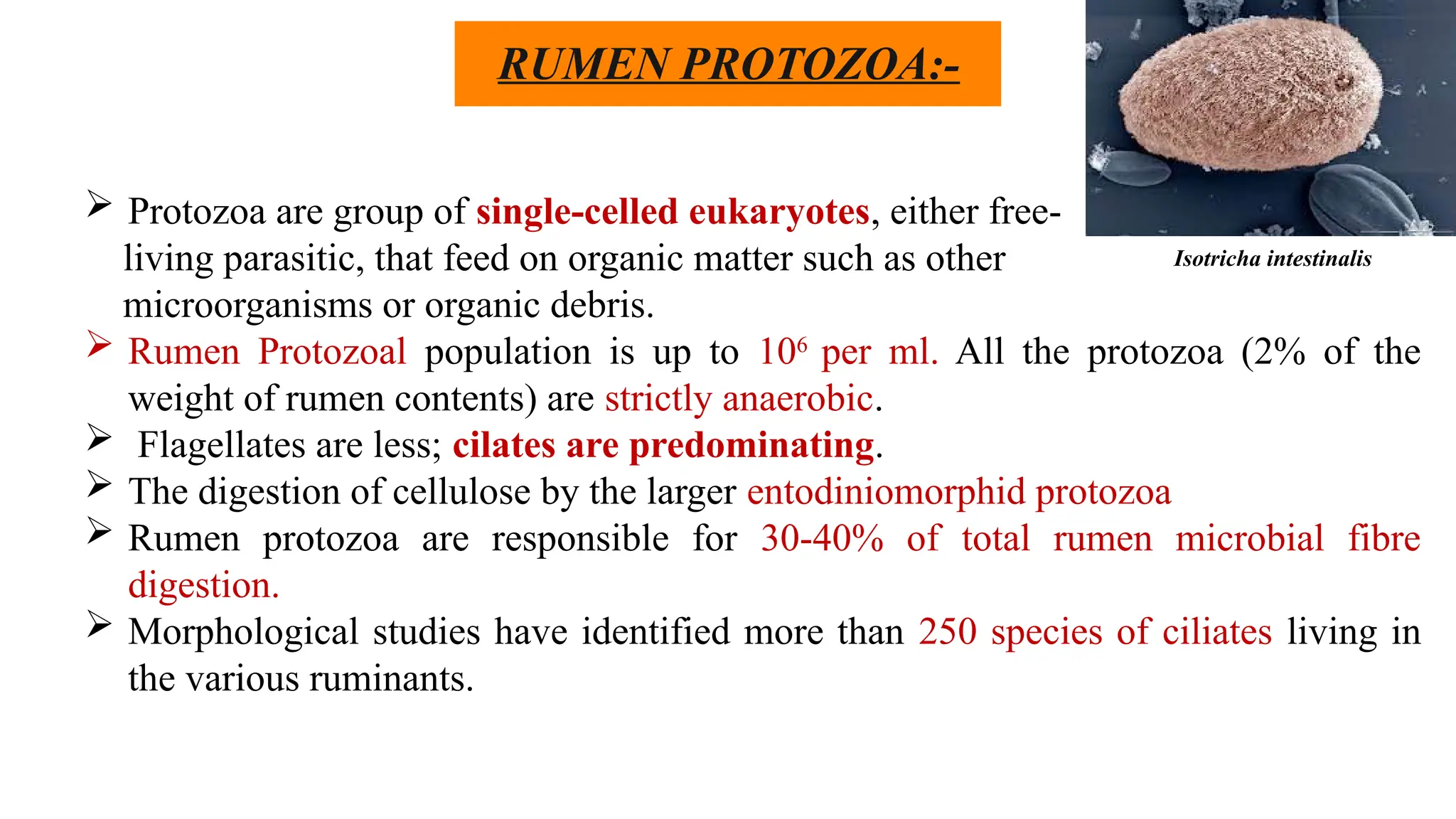
 Protozoa are group of single-celled eukaryotes, either free-
living parasitic, that feed on organic matter such as other
microorganisms or organic debris.
 Rumen Protozoal population is up to 106
per ml. All the protozoa (2% of the
weight of rumen contents) are strictly anaerobic.
 Flagellates are less; cilates are predominating.
 The digestion of cellulose by the larger entodiniomorphid protozoa
 Rumen protozoa are responsible for 30-40% of total rumen microbial fibre
digestion.
 Morphological studies have identified more than 250 species of ciliates living in
the various ruminants.
Isotricha intestinalis
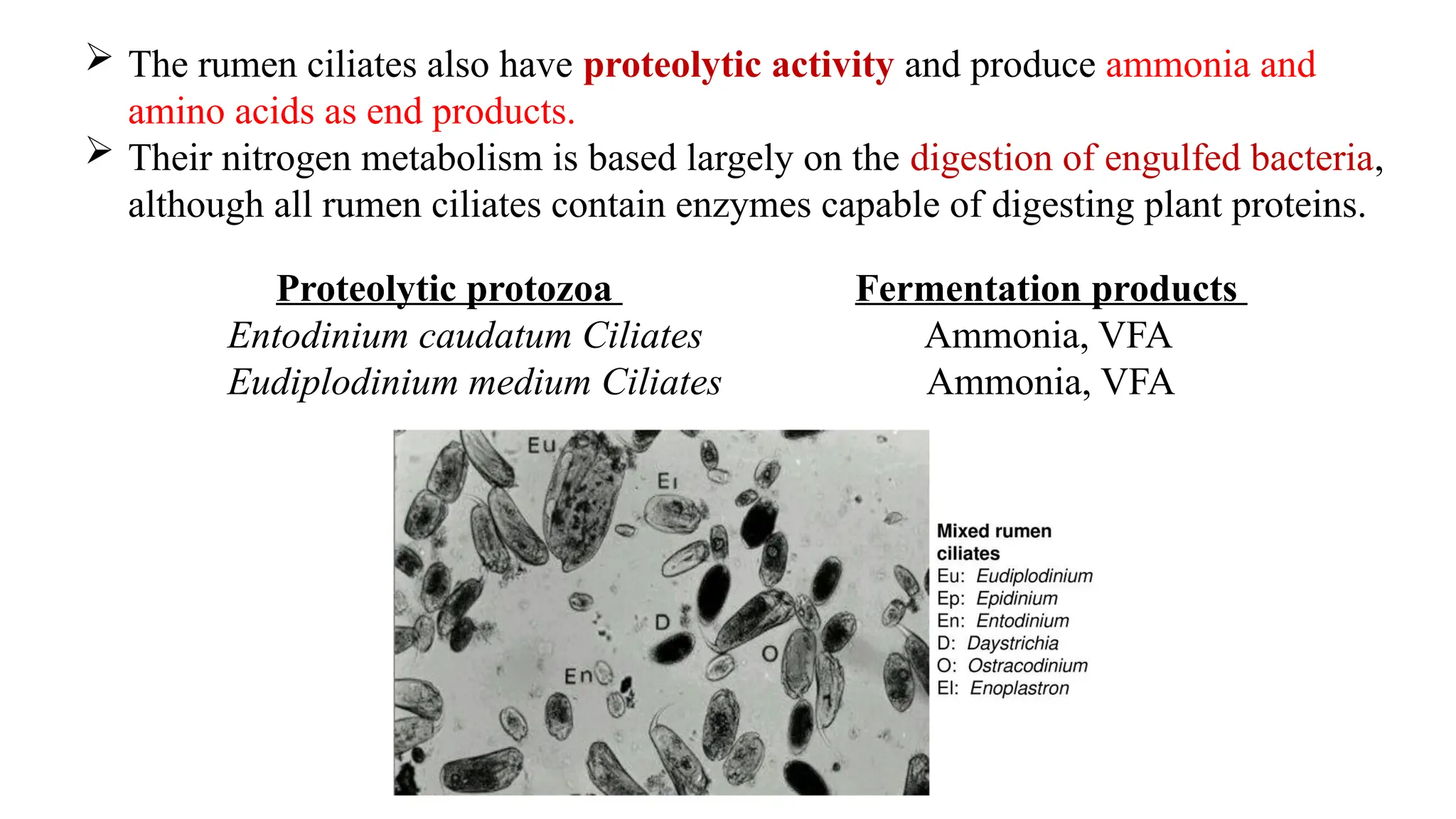
The rumen ciliates are of two types ,which have been studied inside the rumen :-
 Holotrichs (cilia present on all over the body)
Holotrichs use – soluble carbohydrates
Isotricha intestinalis , Dasytricha ruminantium , Charon eguii
Blepharoprosthium pierum .
 Oligotrichs (Entodiniomorphs – cilia present on one side of body)
Entodiniomorphs (oligotriphs ) - use particulate material like
starch
Entodinium busa ,Diplodinium cristagalli , Diploplastron affine
Ostracodinium gracile , Epidinium caudate , Ophryoscolex purkynei
Eudiplodinium maggaii , Metadinium medium .
 They engulf bacteria and feed particles and digest carbohydrates, proteins and fats.
 They utilize large amounts of starch at one time and can store it in their bodies.
 The rumen ciliates also have proteolytic activity and produce ammonia and
amino acids as end products.
 Their nitrogen metabolism is based largely on the digestion of engulfed bacteria,
although all rumen ciliates contain enzymes capable of digesting plant proteins.
Proteolytic protozoa Fermentation products
Entodinium caudatum Ciliates Ammonia, VFA
Eudiplodinium medium Ciliates Ammonia, VFA
 The rumen fungi are anaerobic, zoospore forming and very sensitive to oxygen.
The fungi are established within first 2 weeks of age.
 Dominant role in the degradation of lignocellulosic components of the feed
particles.
 The organisms have been shown to be important for initiation and continuation
of rumen fermentation.
 Rumen fungi have amylolytic and proteolytic activities.
 Anaerobic fungi are among the most active organisms in fiber digestion.
 Rumen Fungi belongs to the Class Neocallimastigomycetes, consisting of
six previously recognized genera
(Anaeromyces, Caecomyces, Cyllamyces, Neocallimastix, Orpinomyces and
Piromyces).
RUMINAL FUNGI:-
Cellulolytic fungi :-
 Ruminal fungi are able to produce enzymes that hydrolyze cellulose and xylans.
 Neocallimastix frontalis, Piromyces joyonii, and Orpinomyces communis, can
more efficiently digest structural polysaccharides than cellulolytic bacterial
species in monoculture.
 The fungal activity helps the ruminal digestion of the plant cell wall.
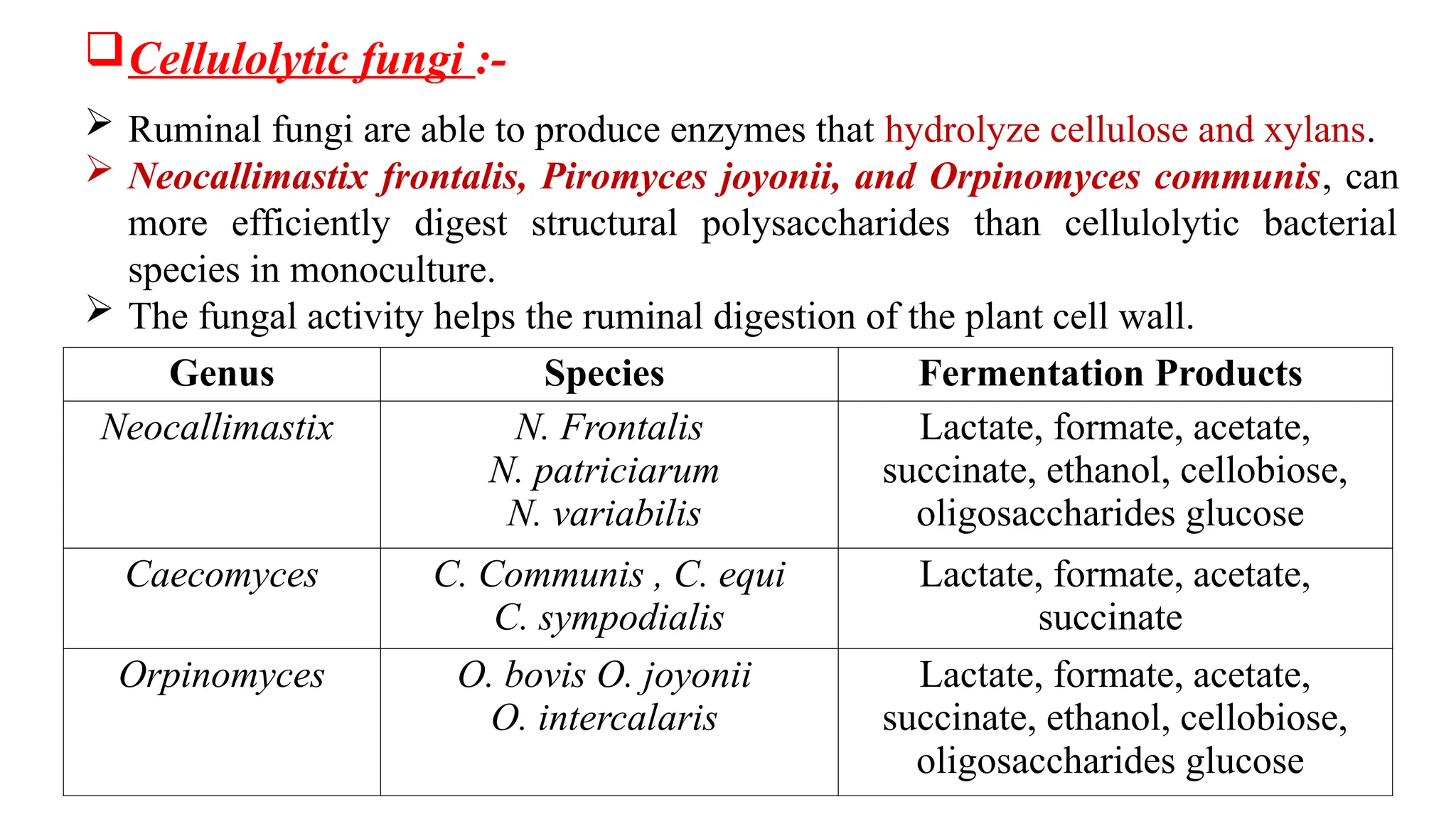
Genus Species Fermentation Products
Neocallimastix N. Frontalis
N. patriciarum
N. variabilis
Lactate, formate, acetate,
succinate, ethanol, cellobiose,
oligosaccharides glucose
Caecomyces C. Communis , C. equi
C. sympodialis
Lactate, formate, acetate,
succinate
Orpinomyces O. bovis O. joyonii
O. intercalaris
Lactate, formate, acetate,
succinate, ethanol, cellobiose,
oligosaccharides glucose
BACTERIOPHAGE:-
 Bacteriophages are one of the most important component of the rumen present
typically at 108
-109
organisms/ml of rumen fluid.
 These are specific for different bacteria present in the rumen.
 These are also considered to be obligate pathogens for the bacteria, as
bacteriophages are capable of lysing/engulfing the bacteria.
 By lysing the bacterial cells, bacterial protein is easily made available to the
animals as a source of amino acids.
 The specificity of the bacteriophages for a particular rumen bacterium may be
exploited for removal or killing by lysis of unwanted rumen bacteria from the
ecosystem like Streptococcus bovis and Methanogens.
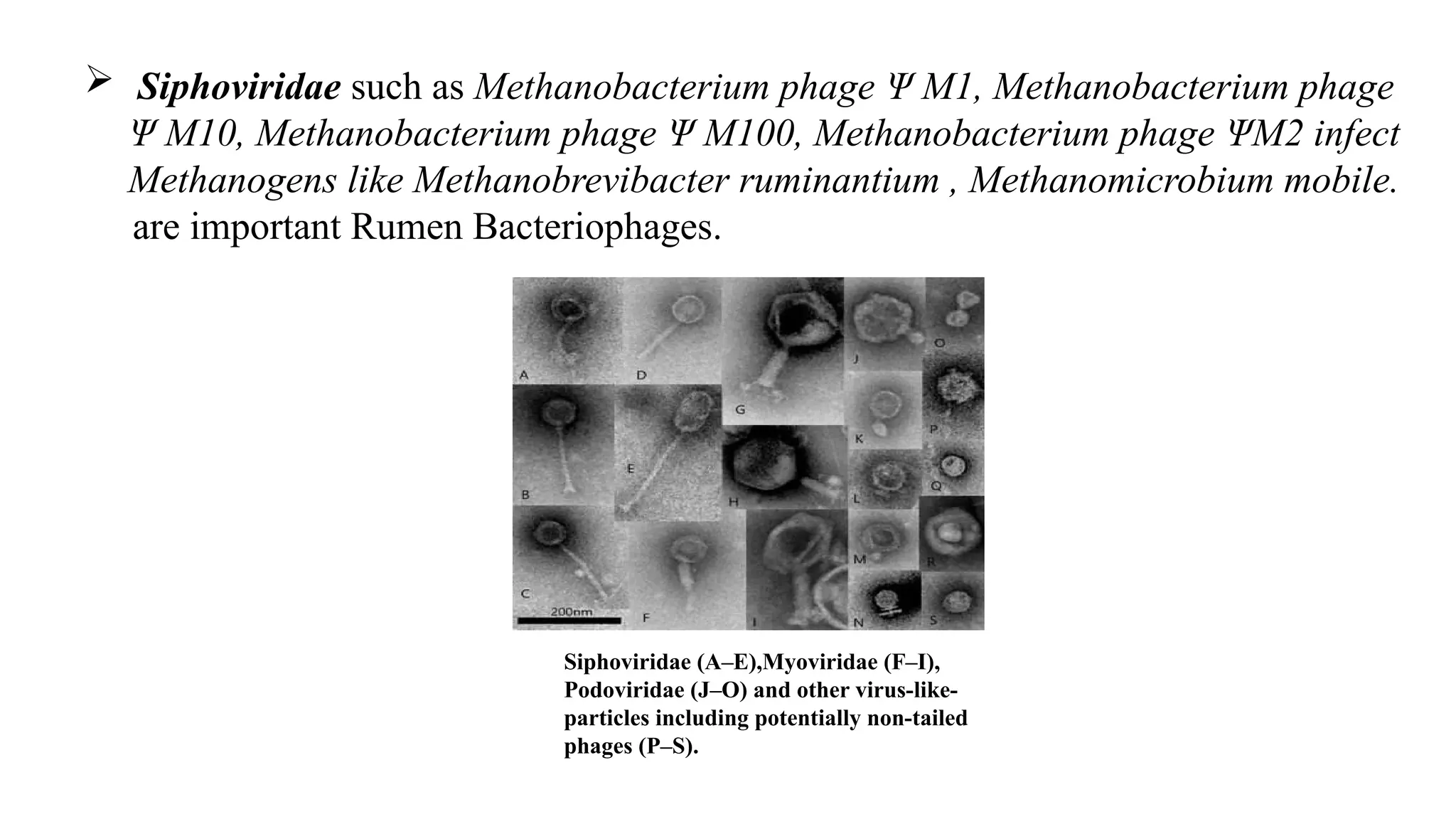
 These viruses belonged to 3 distinct families of tailed phages; the Myoviridae,
Siphoviridae, and Podoviridae, are the predators of ruminal bacteria of the genera
Bacteroides, Ruminococcus, and Streptococcus.
 Siphoviridae such as Methanobacterium phage Ψ M1, Methanobacterium phage
Ψ M10, Methanobacterium phage Ψ M100, Methanobacterium phage ΨM2 infect
Methanogens like Methanobrevibacter ruminantium , Methanomicrobium mobile.
are important Rumen Bacteriophages.
Siphoviridae (A–E),Myoviridae (F–I),
Podoviridae (J–O) and other virus-like-
particles including potentially non-tailed
phages (P–S).
Choudhury Prasanta & A.Z.M., Salem, & Jena, Rajashree & Kumar, Sanjeev & Singh, Rameshwar &
Puniya, Anil. (2015). Rumen Microbiology: An Overview. Rumen Microbiology: From
Evolution to Revolution. 1. 10.1007/978-81-322-2401-3_1.
D.V. Reddy : Applied Nutrition (3rd ed.), CBS Publishers & Distributors Pvt Ltd., 2015. Pages 101-
112.
Mackie RI, McSweeney CS, Aminov RI (1999) Rumen. In: Encyclopedia of life sciences. Nature
Publishing Company, London
Shreya Patel, Padma Ambalam. Role of Rumen Protozoa: Metabolic and Fibrolytic. Adv Biotech &
Micro. 2018; 10(4): 555793. DOI: 10.19080/AIBM.2018.10.555793
William H. Hoover, Tammy K. Miller, Rumen Digestive Physiology and Microbial Ecology, Veterinary
Clinics of North America: Food Animal Practice, Volume 7, Issue 2, 1991 Pages 311-325,
ISSN 0749-0720, https://doi.org/10.1016/S0749-0720(15)30801-X.
 References

INTRODUCTION TO PHYSIOCHEMICAL PROPERTIES OF THE RUMEN

  • 1.
  • 2.
    Learning Objectives:- I. INRODUCTIONTO RUMEN ECOLOGY II.CLASSIFICATION OF RUMEN MICROBES III.RUMEN BACTERIAAND THEIR TYPES IV.RUMEN PROTOZOA V. RUMEN FUNGI VI.RUMEN BACTERIOPHAGES
  • 3.
     INTRODUCTION TORUMEN:-  Ruminant animal has complex stomach that is divided into four chambers i.e., Rumen, Reticulum, Omasum And Abomasum. Ex. Cow, Buffalo, Goat.  The Rumen (also called as “Paunch”) is the largest compartment of ruminal stomach and is the first chamber in the alimentary canal of ruminant animals.  The Capacity of an Adult Animal Rumen is about 150 Liters.  Rumen is one of the Most Dense Microbial Habitats in the world.
  • 4.
     The foodsof ruminants – forages and fibrous roughages – consist mainly of Polysaccharides Such As Cellulose, Which Cannot Be Broken Down By Mammalian Digestive Enzymes.  Ruminants have therefore evolved a special system of digestion that involves microbial fermentation of food before its exposure to their own digestive enzymes  Microscopic organisms called Rumen Microbes break down (or digest) the ingested feed by a fermentation process and this microbes comprise the Rumen Ecosystem.  Rumen Microorganisms Produce Enzymes During Digestion Process.
  • 5.
    a mortal enemy PHYSIOCHEMICAL PROPERTIES OF THE RUMEN:- Temperature of Rumen The Normal Rumen Temperature is 39 to 39.5 °C pH of Rumen The pH of Rumen usually remain in the range of 5.5 to 6.9 Osmolarity The ruminal fluid osmolarity is approximately 250 mOsm/kg. After eating it can reach upto 350 to 400 mOsm/kg. Ruminal Redox Potential The normal ruminal redox potential remains in the range of -350 to -400 mV. Gas phase % CO2 65% ; CH4 27% ; N2 7% ; O2 0.6% ; H2 0.2 %
  • 6.
    The ruminal ecosystemconsists of a wide diversity of microorganisms that are in a symbiotic relationship in a strict anaerobic environment. It consist of :- • Bacteria (10¹ to 10¹¹ organisms/ml), ⁰ • Bacteriophage (10 to 10 organisms/ml), ⁸ ⁹ • Protozoa (10 to 10 organisms/ml), ⁵ ⁶ • Fungi (10³ to 10 organisms/ml) ⁴ Anaerobic Ciliate Protozoa and Anaerobic Bacteria and Anaerobic Fungi are the major microbes in rumen. The anaerobiosis inside the rumen is one of the major constraints in the rumen eco-system, which helps in conserving the energy ultimately to be used by the host animal. CLASSIFICATION OF RUMEN MICROBES :-
  • 7.
    • The mainadvantage of rumen microbes is their ability to use plant polysaccharides and non-protein nitrogen in a diet, which cannot be digested and utilized by the host. • In ruminants, microorganism breakdown the higher carbohydrates, cellulose, pentosans and starch (protein as well) to monosaccharides and then fermented to VFA and methane. • Microbial mass synthesized in the rumen provides about 20% of the nutrients absorbed by the host animal. • Microbial fermentation of carbohydrates and protein yield volatile and short chain fatty acids which provide 60-80% of total metabolizable energy. • Microorganisms synthesize essential nutrients such as B-vitamins, amino acids.  IMPORTANCE OF THE RUMEN ECOSYSTEM: -
  • 8.
    • Most ofthese bacteria are non-spore forming anaerobes. • Majority of the bacteria are Gram-negative. The number of Gram-positive bacteria tends to increase on increasing high energy diets in the ration. • Most of the bacteria are obligate anaerobes. Some of them are so sensitive to oxygen that these are killed on exposure to oxygen. • The optimum pH for the growth of rumen bacteria lies between 6.0 and 6.9. • The optimum temperature is 39°C. • The bacteria can tolerate a considerably higher level of organic acids without affecting adversely their metabolism. The rumen contains a variety of bacterial genera, which constitute most microorganisms that live in anaerobic environments.  RUMEN BACTERIA :-
  • 9.
     Cellulose DegradingBacteria Microorganisms Fermentation products • Fibrobacter succinogenes Succinate, Acetate, Formate • Butyrivibrio fibrisolvens Acetate, Formate, Lactate, Butyrate, H2, CO2 • Ruminococcus albus Acetate, Formate, H2, CO2 • Clostridium lochheadii Acetate, Formate, Butyrate, H2, CO2  Cellulose Degrading Bacteria produce extracellular cellulase enzymes to break β (1-4)-glycosidic bonds of the cellulose and produce monosaccharide glucose  The ruminant diet is mainly plant based and cellulose is the main component of the cell wall of these plants. So, cellulolytic ruminal microorganisms play an important role in animal nourishment. Fibrobacter succinogenes
  • 10.
     Starch isan important component of the diet of cattle and high milk producing cows which are fed with concentrates containing major proportions of grains.  Starch is an easily fermentable energy source for ruminants.  When starch undergoes ruminal fermentation in Rumen, Amylolytic Bacteria produce Maltase enzyme that convert Starch into Disaccharide Maltose and further into monosaccharide glucose.  Amylolytic Bacteria Microorganisms Fermentation products Bacteriodes ruminicola Formate, Acetate,Succinate Ruminobacter amylophilus Formate, Acetate, Succinate Selenomonas ruminantium Acetate, Propionate, Lactate Succinomonas amylolítica Acetate, Propionate, Succinate Ruminobacter amylophilus
  • 11.
     When dietcontaining high amount of concentrate is being fed, Lactate is produced as an intermediary product of ruminal fermentation, which is then metabolized to VFAs.  Lactate utilizing bacteria have an important role in the rumen fermentation, mainly in those ruminants that are being fed with high grains in the diet.  These bacteria metabolize lactic acid and prevent its accumulation, which helps to keep the pH in the proper range.  Lactate Utilizing Bacteria Microorganisms Fermentation products Selenomonas lactilytica Acetate, Succinate Megasphaera elsdenii Acetate, Propionate, Butyrate, Valerate, H2, CO2 Selenomonas lactilytica
  • 12.
     Pectin isfermented by both bacteria and protozoa.  The major bacteria that perform this function are Butyrivibrio fibrisolvens, Prevotella ruminicola, Bacteroides ruminicola and Lachnospira multiparus.  These ruminal bacteria produce and release pectinolytic enzymes primarily pectin lyases into the ruminal environment that hydrolyze the pectin in to simple form.  Pectin Degrading Bacteria  Proteolytic Bacteria  In ruminants, proteins serve as a source of nitrogen for rumen microbes to make their own microbial protein.  Microbes can use non protein nitrogenous substances also such as urea for microbial protein synthesis.  Urea is 100% degradable in the Rumen by Microbial Urease and can be toxic at higher levels.
  • 13.
    Microorganisms Fermentation products Bacteroidesamylophilus NH3, Amino acid, VFAs Bacteroides ruminicola NH3, Amino acid, VFAs Butyrivibrio fibrisolvens NH3, Amino acid, VFAs  In ruminant animals, the lipid content of the diet is low and comes from different sources such as grass, leaves, oil seeds, or cereal grains.  The major types of lipids in the diet are triglycerides, phospholipids and galactolipids.  When dietary lipids enter the rumen, hydrolysis of dietary lipids is brought by microbial lipases, which releases glycerol and free fatty acids from the lipid backbone.  Glycerol is readily metabolized by the rumen bacteria to form propionic acid. Ex. Anaerovibrio lipolytica produces Acetate, Propionate  Lipolytic Bacteria
  • 14.
     Ruminal ArchaeaOr Methanogens  Methane (CH4) is one of the end product of ruminal fermentation and is considered as a loss of total energy consumed by ruminants, representing 6-10% of total energy, which contributes to the greenhouse effect.  The Methanogens belong to the Domain Archaea and the Phylum Euryarchaeota.  Methane is generated by methanogenic bacteria utilizing the carbon dioxide and hydrogen.  Methanogenesis is the main sink of H+ removal. CO2 is used by the methanogens to produce CH4.  These microorganisms can also degrade substrates containing methyl or acetyl groups, such as methanol and acetate that act as electron acceptors. Microorganisms Fermentation products Methanobrevibacter ruminantium Methane Methanomicrobium mobile Methane CO2 + 4H2 CH4 + 2H2O Methanobrevibacter ruminantium
  • 15.
    RUMEN PROTOZOA:-  Protozoaare group of single-celled eukaryotes, either free- living parasitic, that feed on organic matter such as other microorganisms or organic debris.  Rumen Protozoal population is up to 106 per ml. All the protozoa (2% of the weight of rumen contents) are strictly anaerobic.  Flagellates are less; cilates are predominating.  The digestion of cellulose by the larger entodiniomorphid protozoa  Rumen protozoa are responsible for 30-40% of total rumen microbial fibre digestion.  Morphological studies have identified more than 250 species of ciliates living in the various ruminants. Isotricha intestinalis
  • 16.
    The rumen ciliatesare of two types ,which have been studied inside the rumen :-  Holotrichs (cilia present on all over the body) Holotrichs use – soluble carbohydrates Isotricha intestinalis , Dasytricha ruminantium , Charon eguii Blepharoprosthium pierum .  Oligotrichs (Entodiniomorphs – cilia present on one side of body) Entodiniomorphs (oligotriphs ) - use particulate material like starch Entodinium busa ,Diplodinium cristagalli , Diploplastron affine Ostracodinium gracile , Epidinium caudate , Ophryoscolex purkynei Eudiplodinium maggaii , Metadinium medium .  They engulf bacteria and feed particles and digest carbohydrates, proteins and fats.  They utilize large amounts of starch at one time and can store it in their bodies.
  • 17.
     The rumenciliates also have proteolytic activity and produce ammonia and amino acids as end products.  Their nitrogen metabolism is based largely on the digestion of engulfed bacteria, although all rumen ciliates contain enzymes capable of digesting plant proteins. Proteolytic protozoa Fermentation products Entodinium caudatum Ciliates Ammonia, VFA Eudiplodinium medium Ciliates Ammonia, VFA
  • 18.
     The rumenfungi are anaerobic, zoospore forming and very sensitive to oxygen. The fungi are established within first 2 weeks of age.  Dominant role in the degradation of lignocellulosic components of the feed particles.  The organisms have been shown to be important for initiation and continuation of rumen fermentation.  Rumen fungi have amylolytic and proteolytic activities.  Anaerobic fungi are among the most active organisms in fiber digestion.  Rumen Fungi belongs to the Class Neocallimastigomycetes, consisting of six previously recognized genera (Anaeromyces, Caecomyces, Cyllamyces, Neocallimastix, Orpinomyces and Piromyces). RUMINAL FUNGI:-
  • 19.
    Cellulolytic fungi :- Ruminal fungi are able to produce enzymes that hydrolyze cellulose and xylans.  Neocallimastix frontalis, Piromyces joyonii, and Orpinomyces communis, can more efficiently digest structural polysaccharides than cellulolytic bacterial species in monoculture.  The fungal activity helps the ruminal digestion of the plant cell wall. Genus Species Fermentation Products Neocallimastix N. Frontalis N. patriciarum N. variabilis Lactate, formate, acetate, succinate, ethanol, cellobiose, oligosaccharides glucose Caecomyces C. Communis , C. equi C. sympodialis Lactate, formate, acetate, succinate Orpinomyces O. bovis O. joyonii O. intercalaris Lactate, formate, acetate, succinate, ethanol, cellobiose, oligosaccharides glucose
  • 20.
    BACTERIOPHAGE:-  Bacteriophages areone of the most important component of the rumen present typically at 108 -109 organisms/ml of rumen fluid.  These are specific for different bacteria present in the rumen.  These are also considered to be obligate pathogens for the bacteria, as bacteriophages are capable of lysing/engulfing the bacteria.  By lysing the bacterial cells, bacterial protein is easily made available to the animals as a source of amino acids.  The specificity of the bacteriophages for a particular rumen bacterium may be exploited for removal or killing by lysis of unwanted rumen bacteria from the ecosystem like Streptococcus bovis and Methanogens.  These viruses belonged to 3 distinct families of tailed phages; the Myoviridae, Siphoviridae, and Podoviridae, are the predators of ruminal bacteria of the genera Bacteroides, Ruminococcus, and Streptococcus.
  • 21.
     Siphoviridae suchas Methanobacterium phage Ψ M1, Methanobacterium phage Ψ M10, Methanobacterium phage Ψ M100, Methanobacterium phage ΨM2 infect Methanogens like Methanobrevibacter ruminantium , Methanomicrobium mobile. are important Rumen Bacteriophages. Siphoviridae (A–E),Myoviridae (F–I), Podoviridae (J–O) and other virus-like- particles including potentially non-tailed phages (P–S).
  • 22.
    Choudhury Prasanta &A.Z.M., Salem, & Jena, Rajashree & Kumar, Sanjeev & Singh, Rameshwar & Puniya, Anil. (2015). Rumen Microbiology: An Overview. Rumen Microbiology: From Evolution to Revolution. 1. 10.1007/978-81-322-2401-3_1. D.V. Reddy : Applied Nutrition (3rd ed.), CBS Publishers & Distributors Pvt Ltd., 2015. Pages 101- 112. Mackie RI, McSweeney CS, Aminov RI (1999) Rumen. In: Encyclopedia of life sciences. Nature Publishing Company, London Shreya Patel, Padma Ambalam. Role of Rumen Protozoa: Metabolic and Fibrolytic. Adv Biotech & Micro. 2018; 10(4): 555793. DOI: 10.19080/AIBM.2018.10.555793 William H. Hoover, Tammy K. Miller, Rumen Digestive Physiology and Microbial Ecology, Veterinary Clinics of North America: Food Animal Practice, Volume 7, Issue 2, 1991 Pages 311-325, ISSN 0749-0720, https://doi.org/10.1016/S0749-0720(15)30801-X.  References