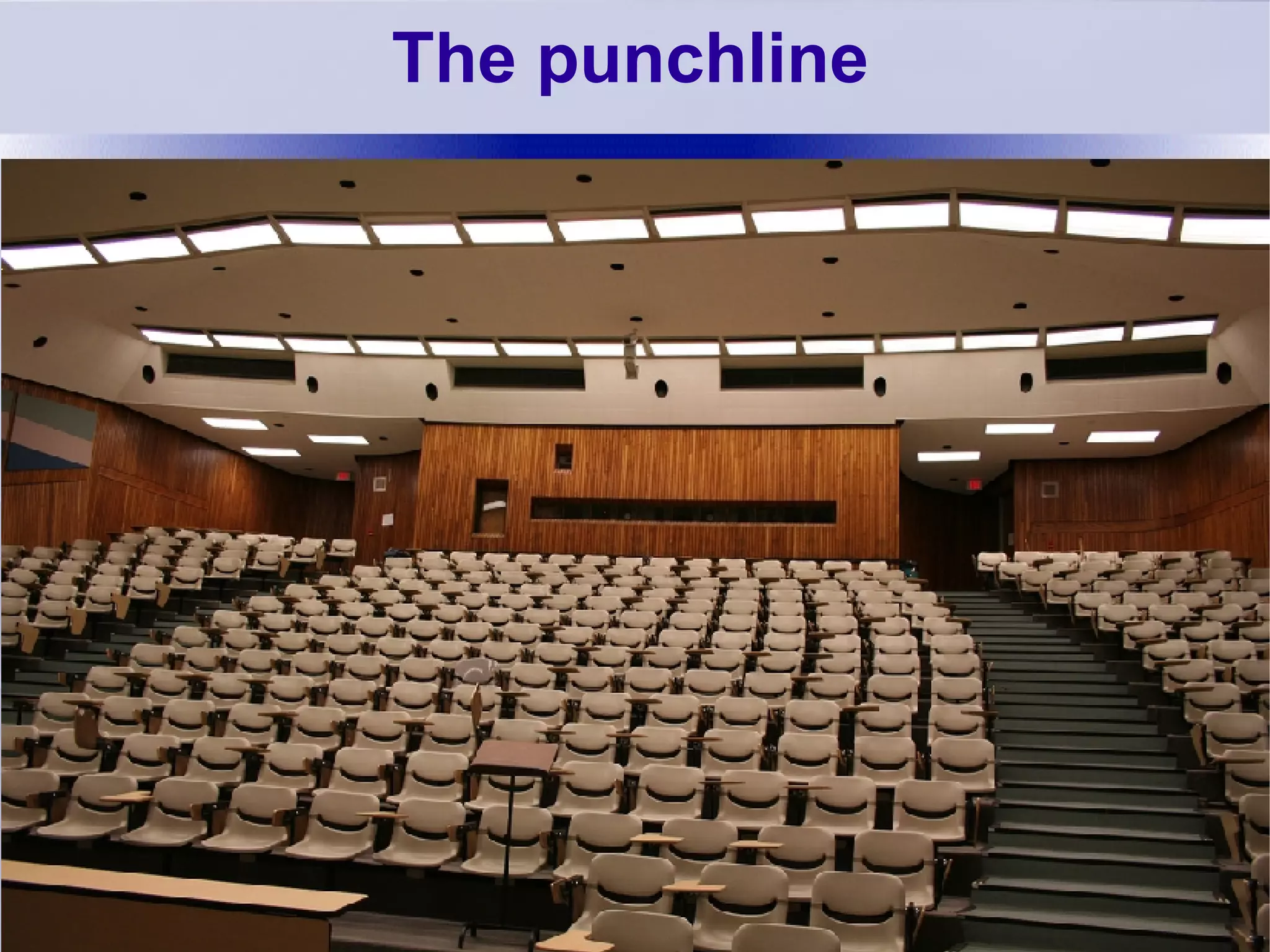
The punchline
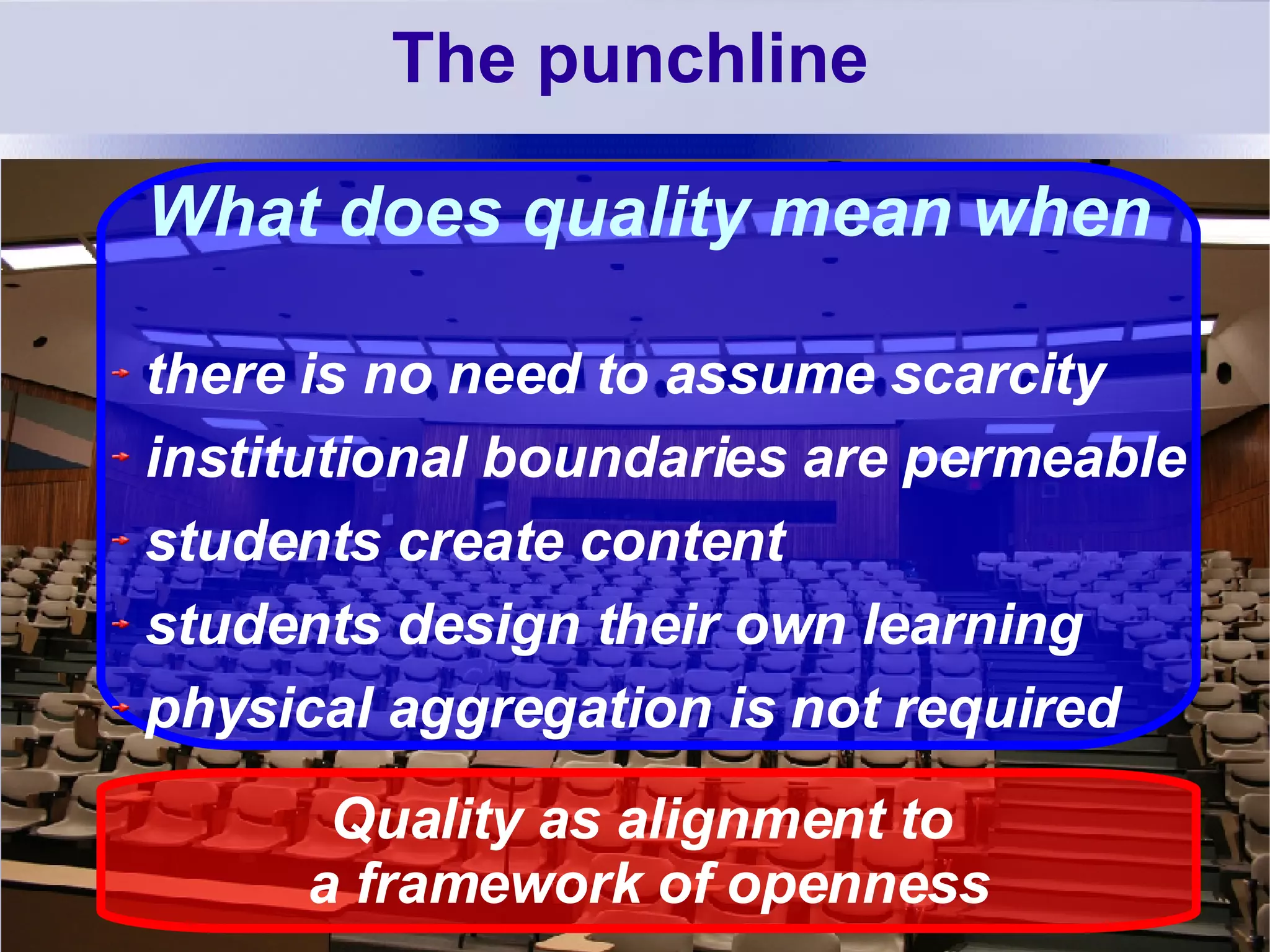
The punchline What does quality mean when there is no need to assume scarcity institutional boundaries are permeable students create content students design their own learning physical aggregation is not required Quality as alignment to  a framework of openness


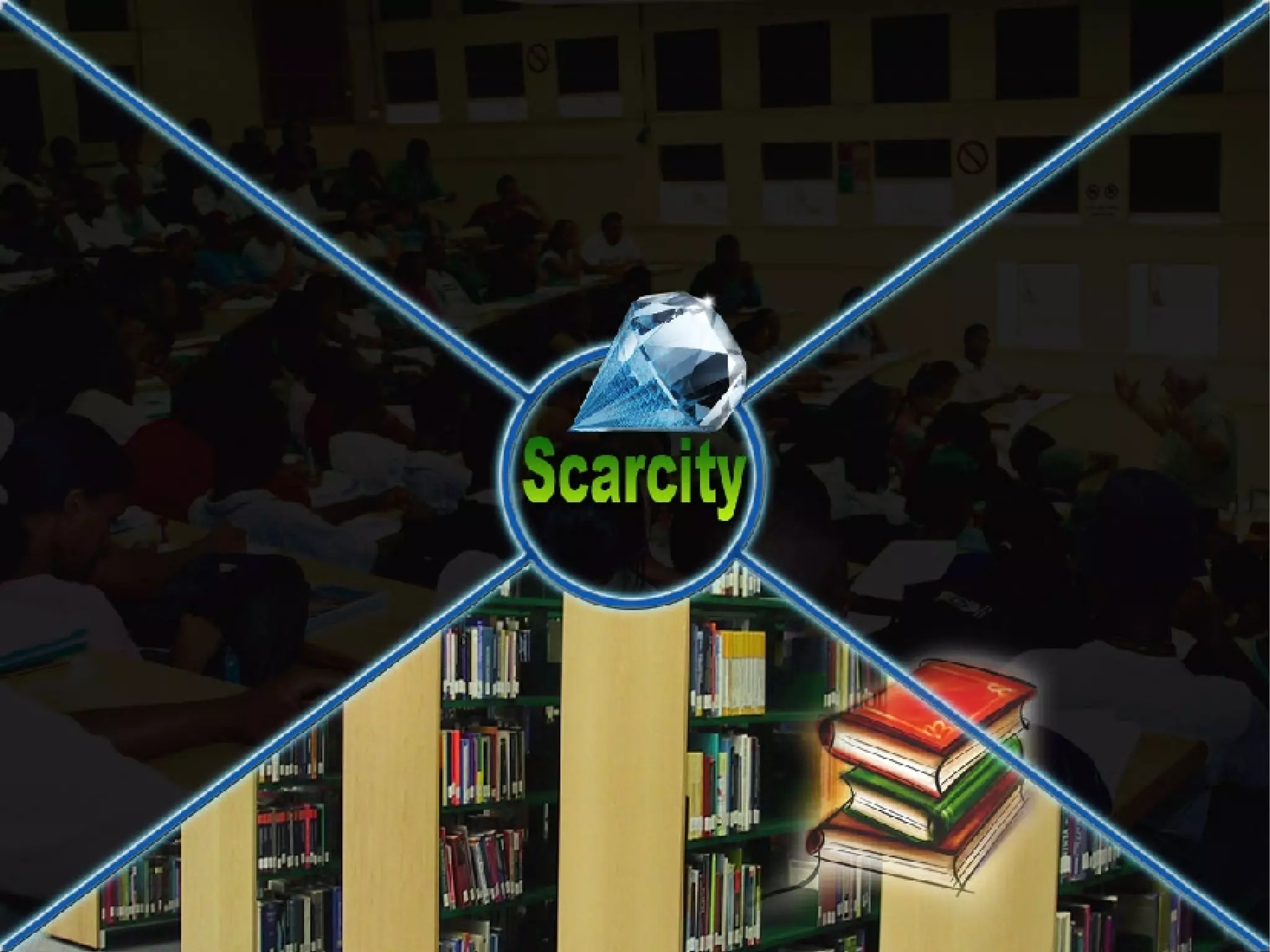
Institutions behave  as Island States
(Programs of study) Aggregated demand Unrealised opportunities
What happens in  a world where  scarcity is no longer  a key driver? What happens in  a world where  scarcity is no longer  a key driver?
Learners and New Higher Education Spaces
Learners and New Higher Education Spaces Education 3.0
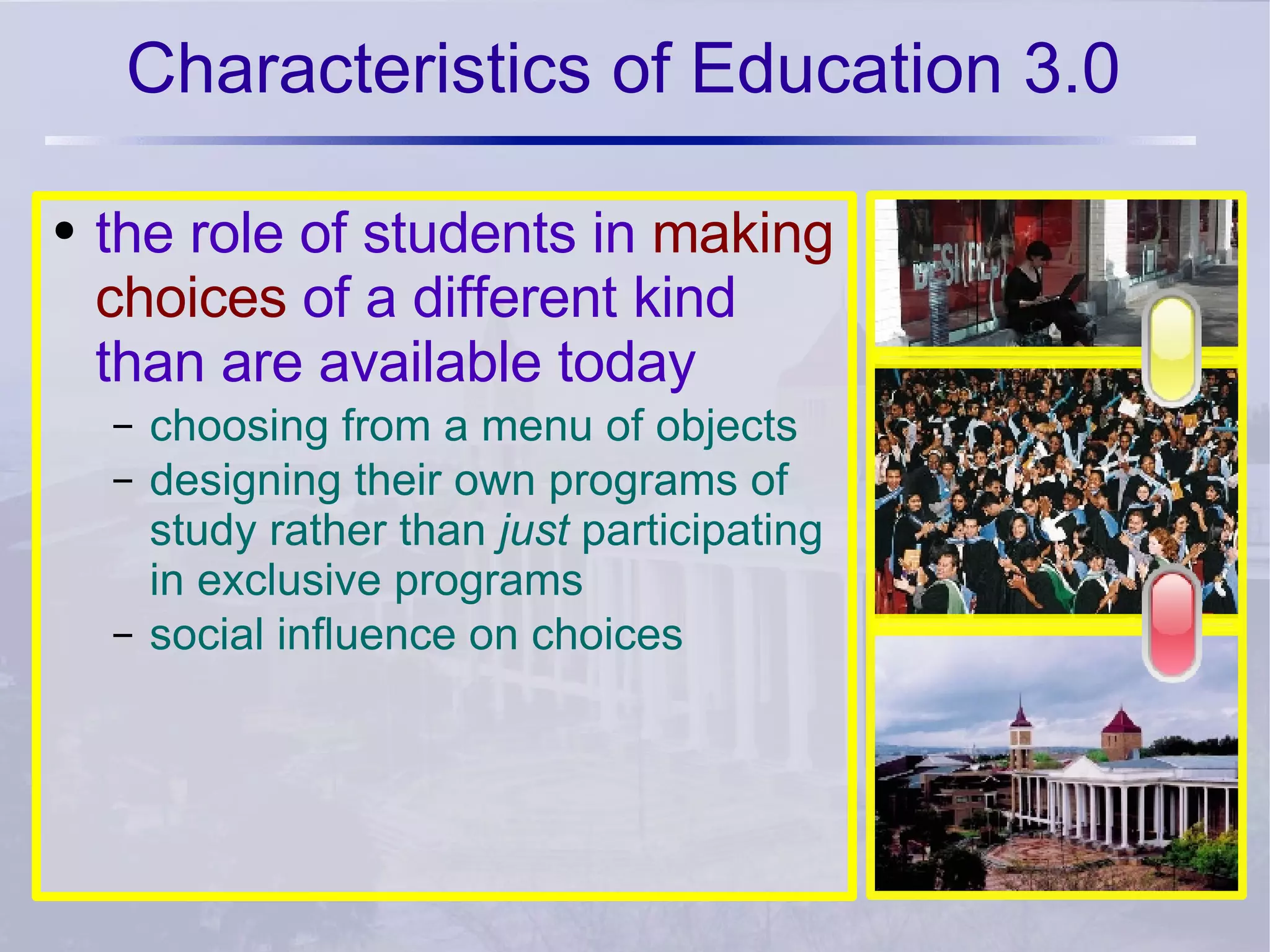
Characteristics of Education 3.0 the role of students in  making choices  of a different kind than are available today   choosing from a menu of objects designing their own programs of study rather than  just  participating in exclusive programs social influence on choices
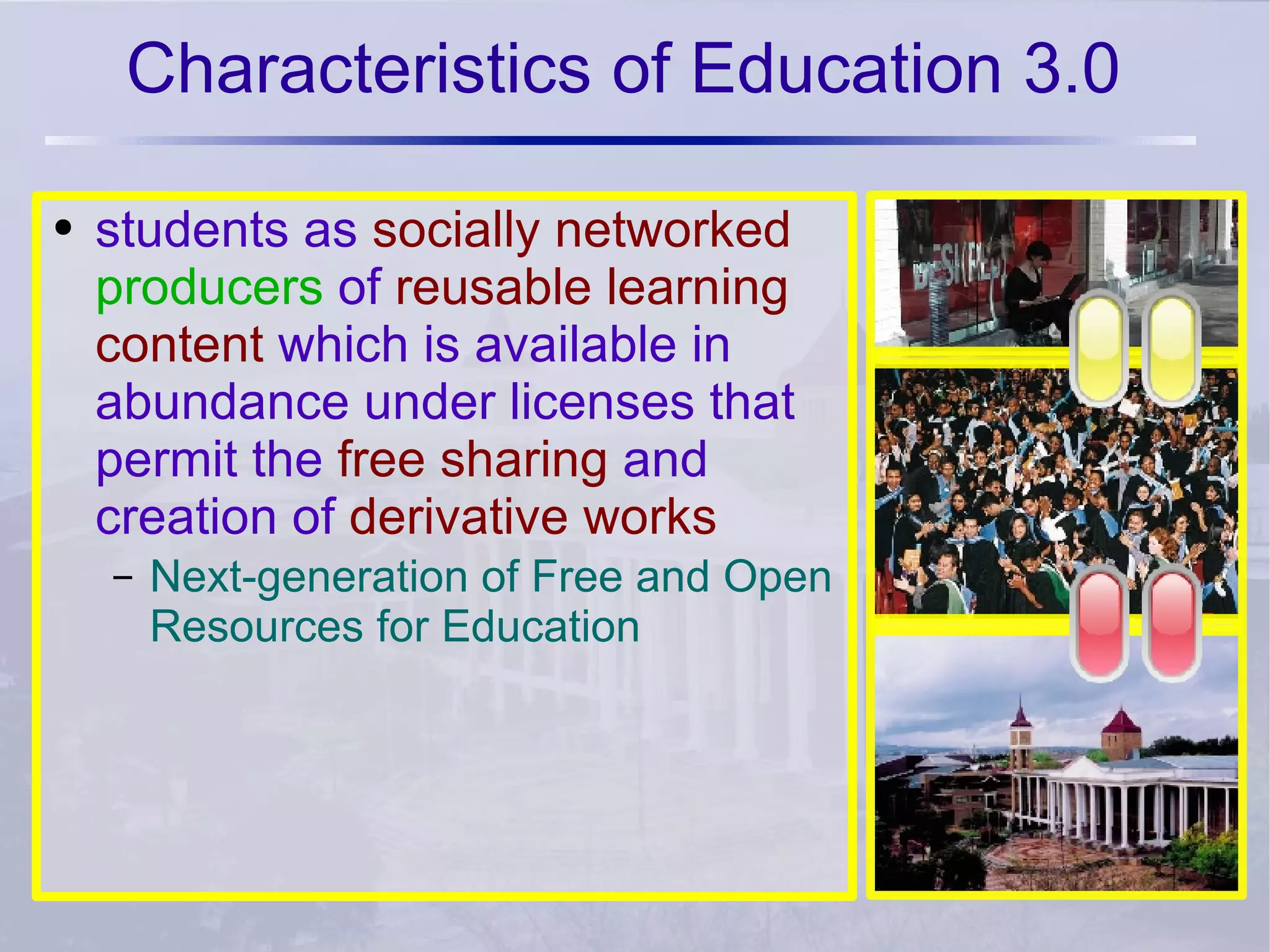
Characteristics of Education 3.0 students as  socially networked   producers  of  reusable learning content  which is available in abundance under licenses that permit the  free sharing  and creation of  derivative works Next-generation of Free and Open Resources for Education
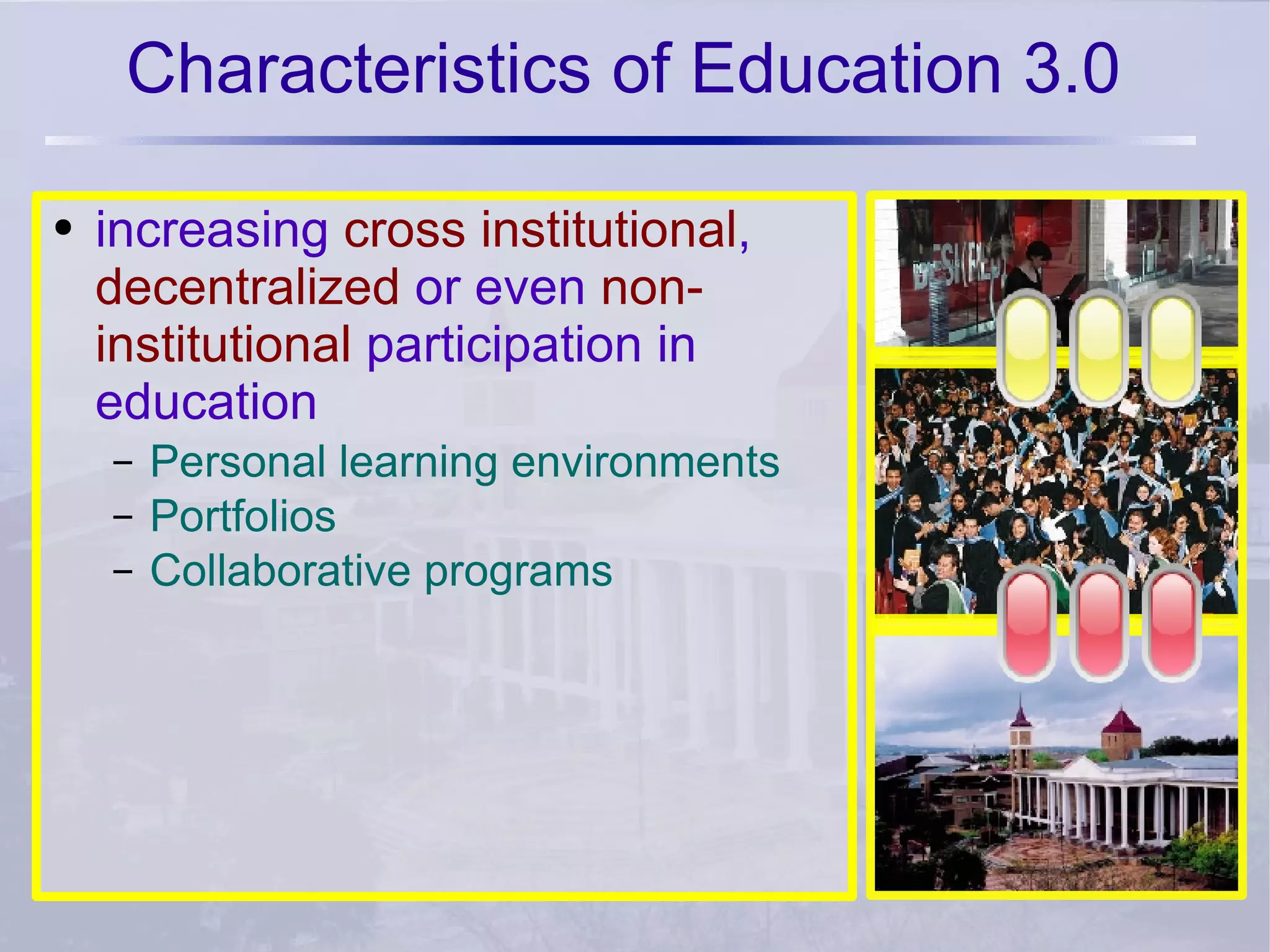
Characteristics of Education 3.0 increasing  cross institutional ,  decentralized  or even  non-institutional  participation in education Personal learning environments Portfolios Collaborative programs
Characteristics of Education 3.0 institutional arrangements that permit the  recognition  of  learning achieved , not just of courses taught Next generation of 'recognition of prior learning' (RPL) Grade sharing Peer assessment
Education 1.0 / 2.0 Learning process ,  content  and  technolgies  penetrate institutional boundaries Institution Learning achievement Content Technologies Learning process
Education 1.0 / 2.0 Education 3.0 Learning process ,  content  and  technolgies  penetrate institutional boundaries Institution Learning achievement Content Technologies Learning process Institution Learning achievement Content Technologies Learning process
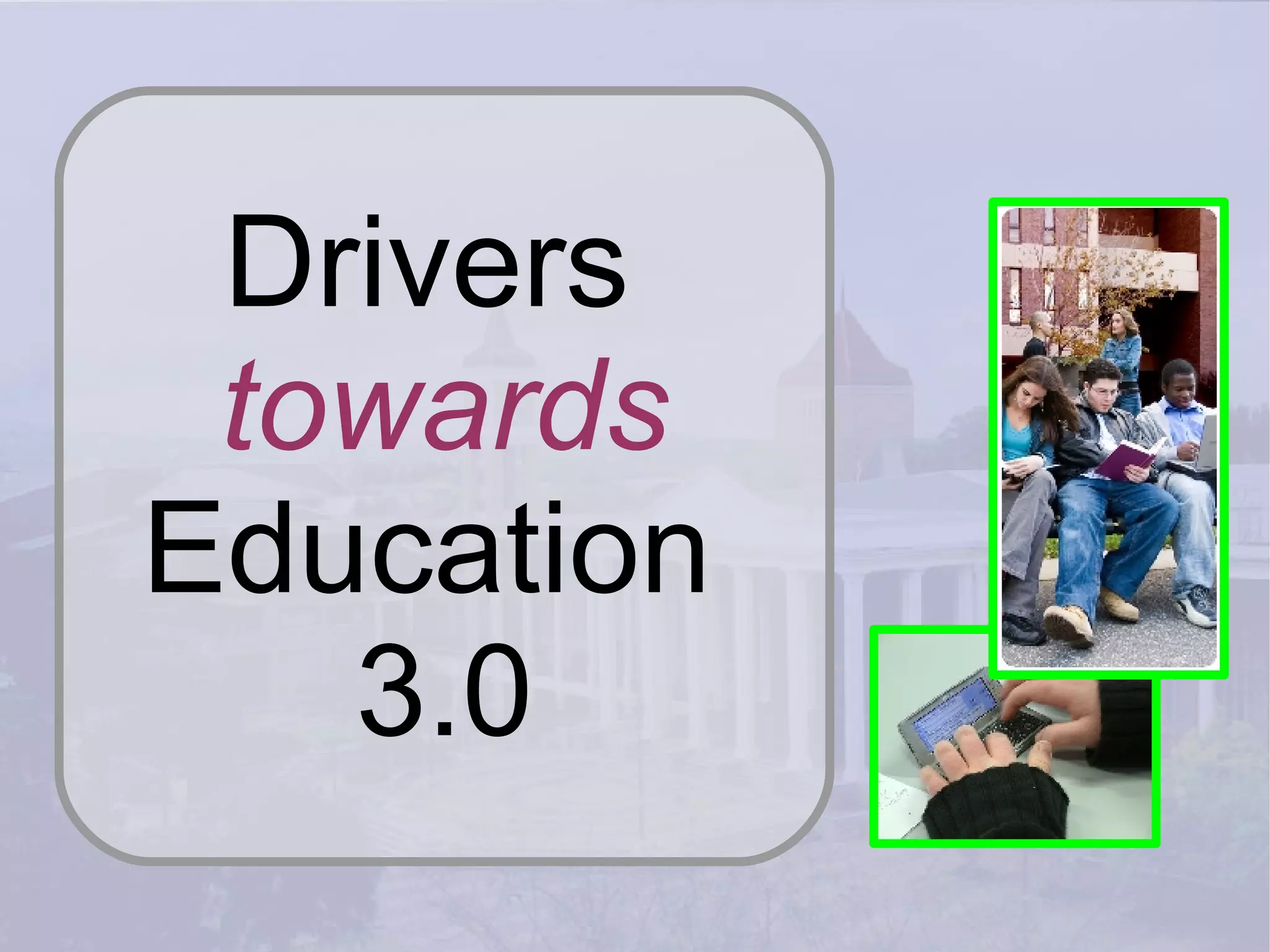
Drivers  towards Education  3.0
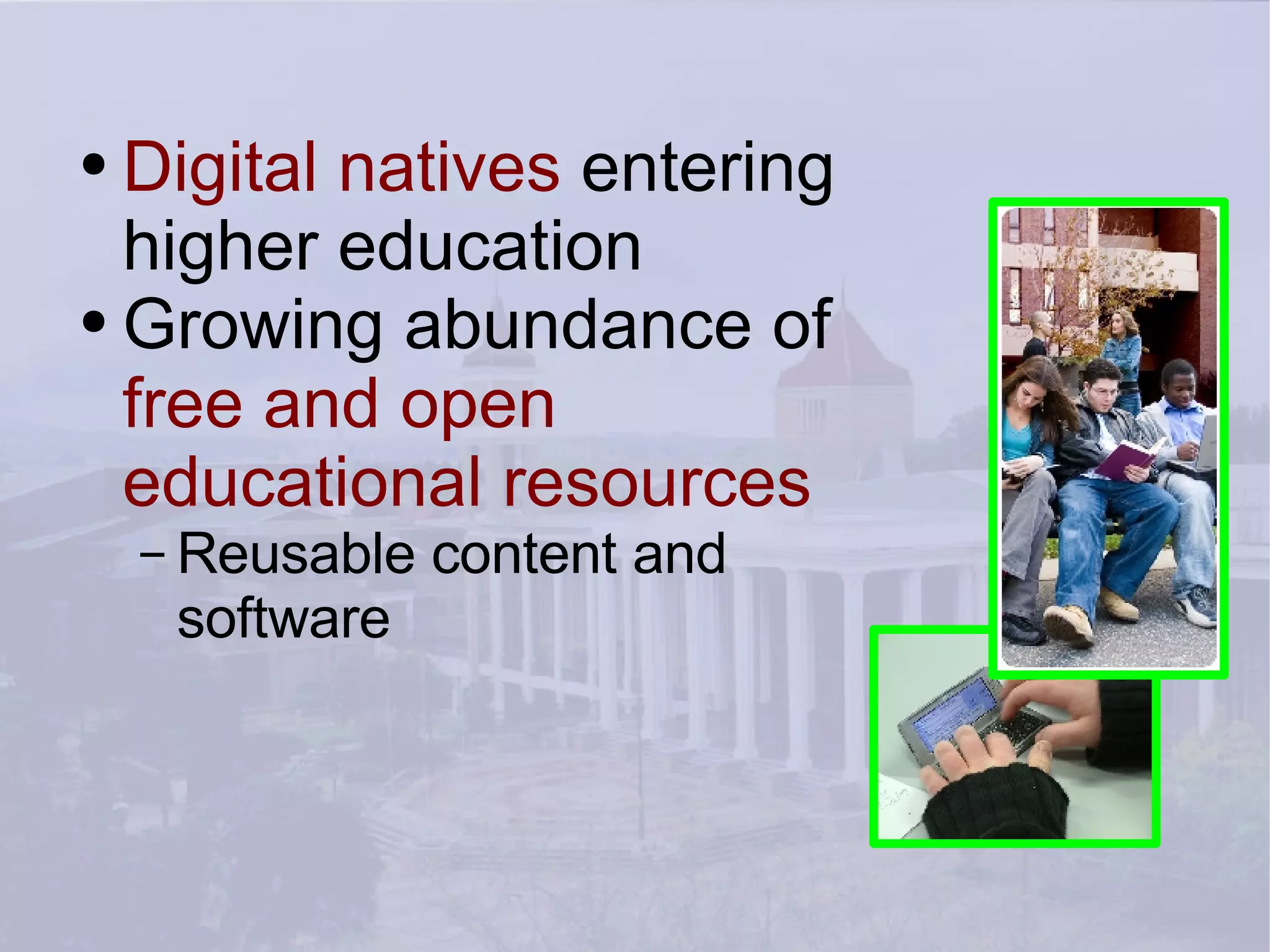
Digital natives  entering  higher education Growing abundance of  free and open  educational resources Reusable content and  software
The  programmable web  (distributed environments) Social networking  and the  evolution of a blurred  distinction between  work and play
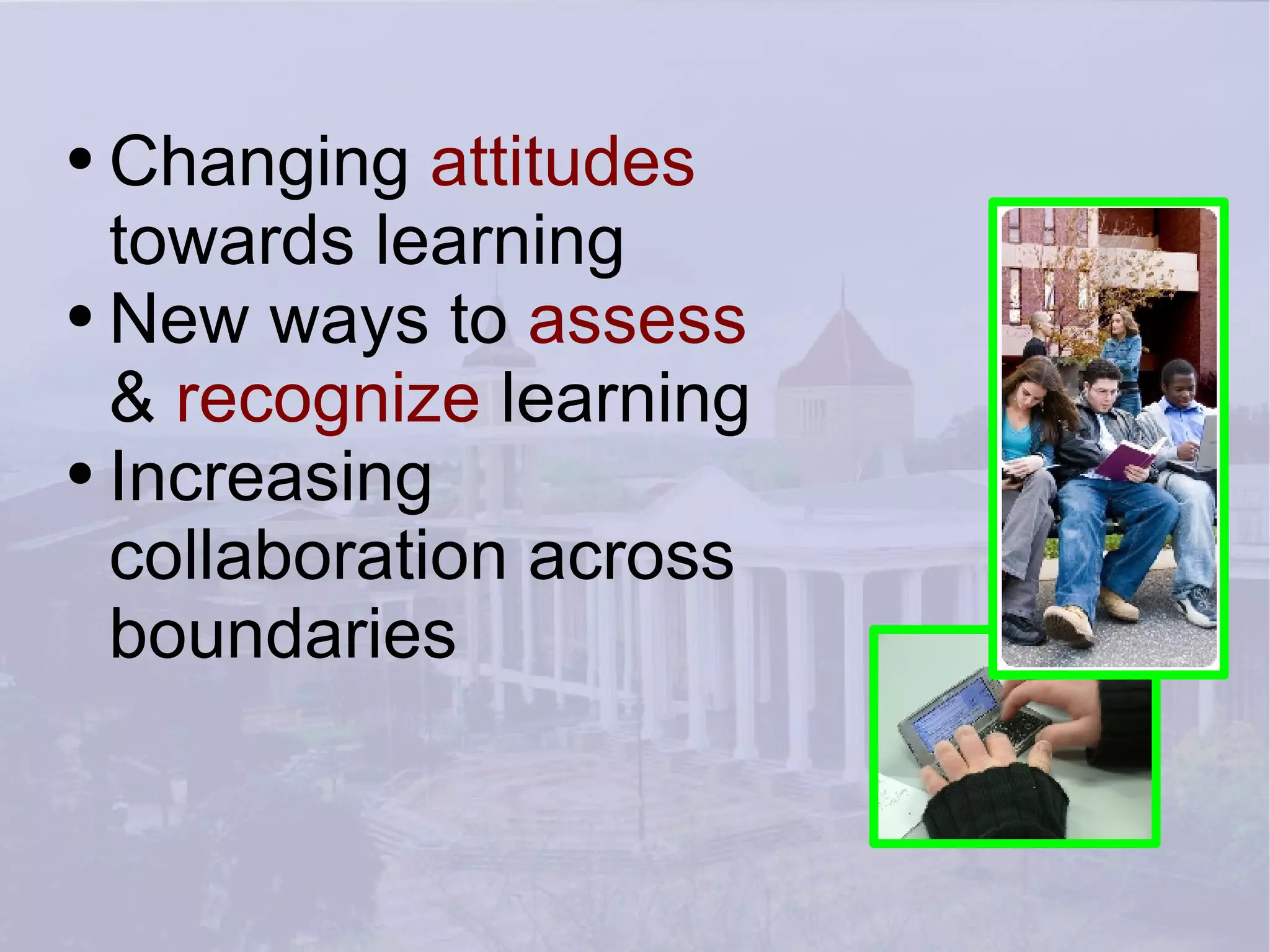
Changing  attitudes   towards learning New ways to  assess &  recognize  learning Increasing  collaboration across boundaries
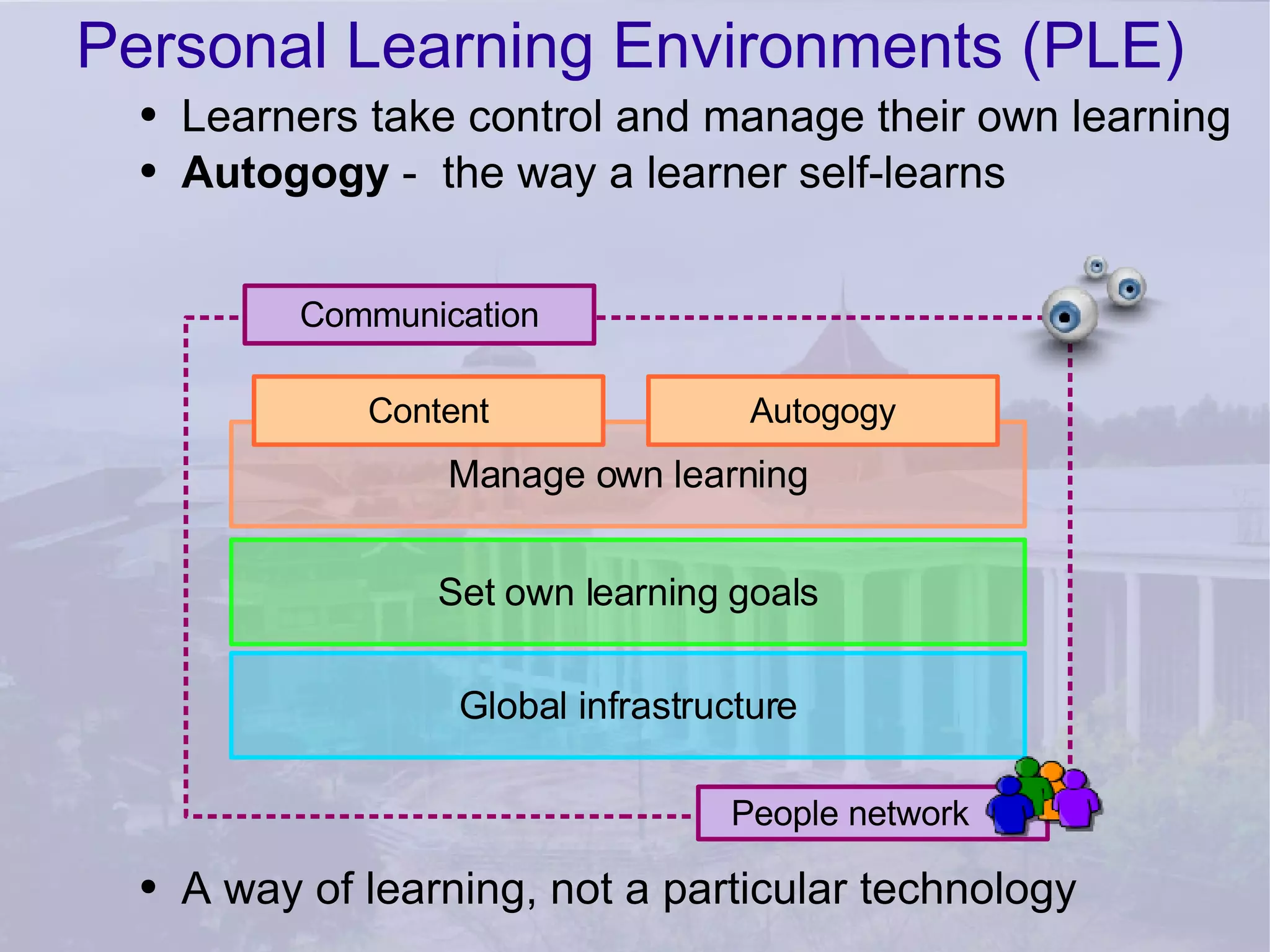
Personal Learning Environments (PLE) Learners take control and manage their own learning Autogogy  -  the way a learner self-learns A way of learning, not a particular technology Set own learning goals Global infrastructure Manage own learning Content Autogogy Communication People network
Personal learning environments Univ Univ Univ FORE (OER) VLE VLE Aggregators 3 rd  Party VLE Platform(s) Platform(s) Platform(s) Social network engines Web
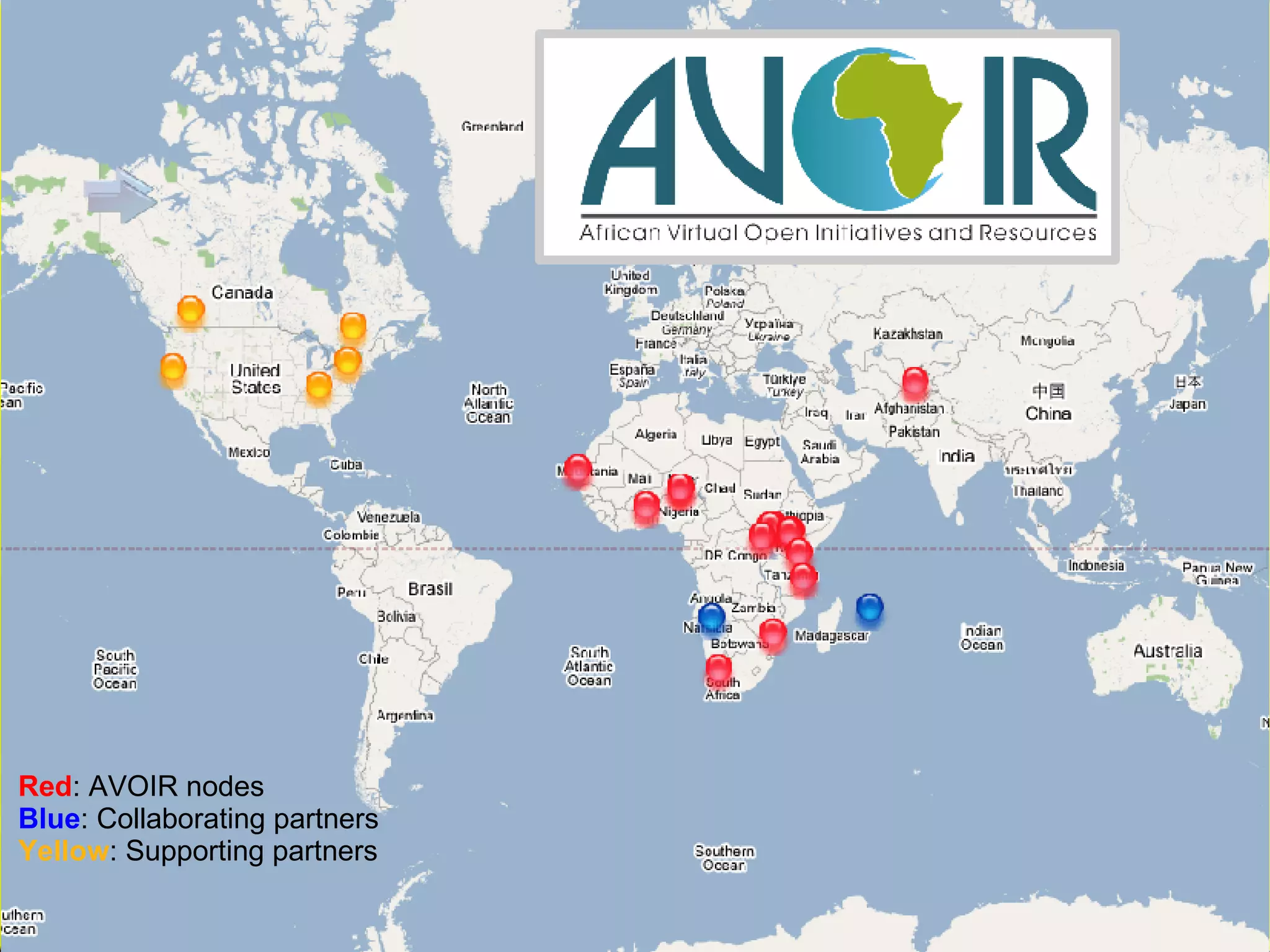
Red : AVOIR nodes Blue : Collaborating partners Yellow : Supporting partners
 
Quality as alignment to a framework of openness leadership  and  vision  aligned to a framework of openness policies  and  strategies  that promote openness technologies  that promote openness the people, their  competencies ,  knowledge ,  skills  and  attitudes  aligned to openness processes for assessment  are aligned to such a framework recognition of learning acheived
Example framework elements
Recognition and accreditation of learning achieved Will universities meet it? “ Business  opportunity”
Online :  http://avoir.uwc.ac.za Email :   [email_address] We are grateful to the IDRC, USAID, the Department of Science and Technology,  UNESCO  and Sun Microsystems for financial and other support to the AVOIR project.  We are also grateful to those organizations who had enough confidence to contract us to develop applications even though we were unproven .
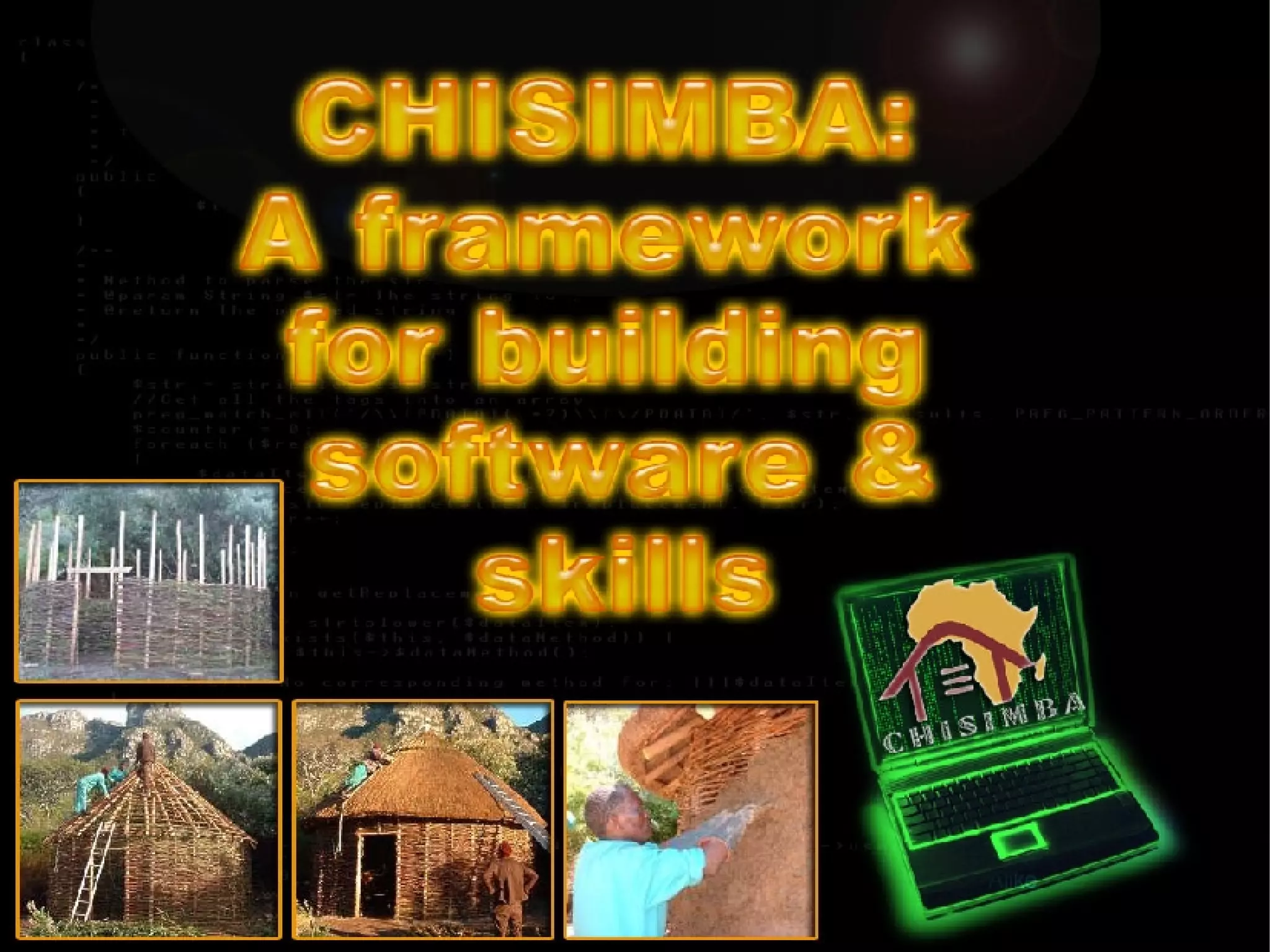
Attribution credits The image of a woman with a laptop outside by window is by Soctech used under  CC-BY 2.0 license Source: http://flickr.com/photos/soctech/273081848/ Images of an African house under construction are from the Kirstenbosch National Botanical Garden (SA) website, and used here under presumed fair use Komandoo, Maldives, Uploaded on April 17, 2007 by eNil under CC Attribution license Empty classroom image Uploaded on June 29, 2006 by D'Arcy Norman under CC Attribution license Source: http://flickr.com/photos/dnorman/177882739/

Quality Assurance in an Education 3.0 world

  • 1.
  • 2.
  • 3.
    The punchline Whatdoes quality mean when there is no need to assume scarcity institutional boundaries are permeable students create content students design their own learning physical aggregation is not required Quality as alignment to a framework of openness
  • 4.
  • 5.
  • 6.
  • 7.
  • 8.
  • 9.
    Institutions behave as Island States
  • 10.
    (Programs of study)Aggregated demand Unrealised opportunities
  • 11.
    What happens in a world where scarcity is no longer a key driver? What happens in a world where scarcity is no longer a key driver?
  • 12.
    Learners and NewHigher Education Spaces
  • 13.
    Learners and NewHigher Education Spaces Education 3.0
  • 14.
    Characteristics of Education3.0 the role of students in making choices of a different kind than are available today choosing from a menu of objects designing their own programs of study rather than just participating in exclusive programs social influence on choices
  • 15.
    Characteristics of Education3.0 students as socially networked producers of reusable learning content which is available in abundance under licenses that permit the free sharing and creation of derivative works Next-generation of Free and Open Resources for Education
  • 16.
    Characteristics of Education3.0 increasing cross institutional , decentralized or even non-institutional participation in education Personal learning environments Portfolios Collaborative programs
  • 17.
    Characteristics of Education3.0 institutional arrangements that permit the recognition of learning achieved , not just of courses taught Next generation of 'recognition of prior learning' (RPL) Grade sharing Peer assessment
  • 18.
    Education 1.0 /2.0 Learning process , content and technolgies penetrate institutional boundaries Institution Learning achievement Content Technologies Learning process
  • 19.
    Education 1.0 /2.0 Education 3.0 Learning process , content and technolgies penetrate institutional boundaries Institution Learning achievement Content Technologies Learning process Institution Learning achievement Content Technologies Learning process
  • 20.
    Drivers towardsEducation 3.0
  • 21.
    Digital natives entering higher education Growing abundance of free and open educational resources Reusable content and software
  • 22.
    The programmableweb (distributed environments) Social networking and the evolution of a blurred distinction between work and play
  • 23.
    Changing attitudes towards learning New ways to assess & recognize learning Increasing collaboration across boundaries
  • 24.
    Personal Learning Environments(PLE) Learners take control and manage their own learning Autogogy - the way a learner self-learns A way of learning, not a particular technology Set own learning goals Global infrastructure Manage own learning Content Autogogy Communication People network
  • 25.
    Personal learning environmentsUniv Univ Univ FORE (OER) VLE VLE Aggregators 3 rd Party VLE Platform(s) Platform(s) Platform(s) Social network engines Web
  • 26.
    Red : AVOIRnodes Blue : Collaborating partners Yellow : Supporting partners
  • 27.
  • 28.
    Quality as alignmentto a framework of openness leadership and vision aligned to a framework of openness policies and strategies that promote openness technologies that promote openness the people, their competencies , knowledge , skills and attitudes aligned to openness processes for assessment are aligned to such a framework recognition of learning acheived
  • 29.
  • 30.
    Recognition and accreditationof learning achieved Will universities meet it? “ Business opportunity”
  • 31.
    Online : http://avoir.uwc.ac.za Email : [email_address] We are grateful to the IDRC, USAID, the Department of Science and Technology, UNESCO and Sun Microsystems for financial and other support to the AVOIR project. We are also grateful to those organizations who had enough confidence to contract us to develop applications even though we were unproven .
  • 32.
    Attribution credits Theimage of a woman with a laptop outside by window is by Soctech used under CC-BY 2.0 license Source: http://flickr.com/photos/soctech/273081848/ Images of an African house under construction are from the Kirstenbosch National Botanical Garden (SA) website, and used here under presumed fair use Komandoo, Maldives, Uploaded on April 17, 2007 by eNil under CC Attribution license Empty classroom image Uploaded on June 29, 2006 by D'Arcy Norman under CC Attribution license Source: http://flickr.com/photos/dnorman/177882739/