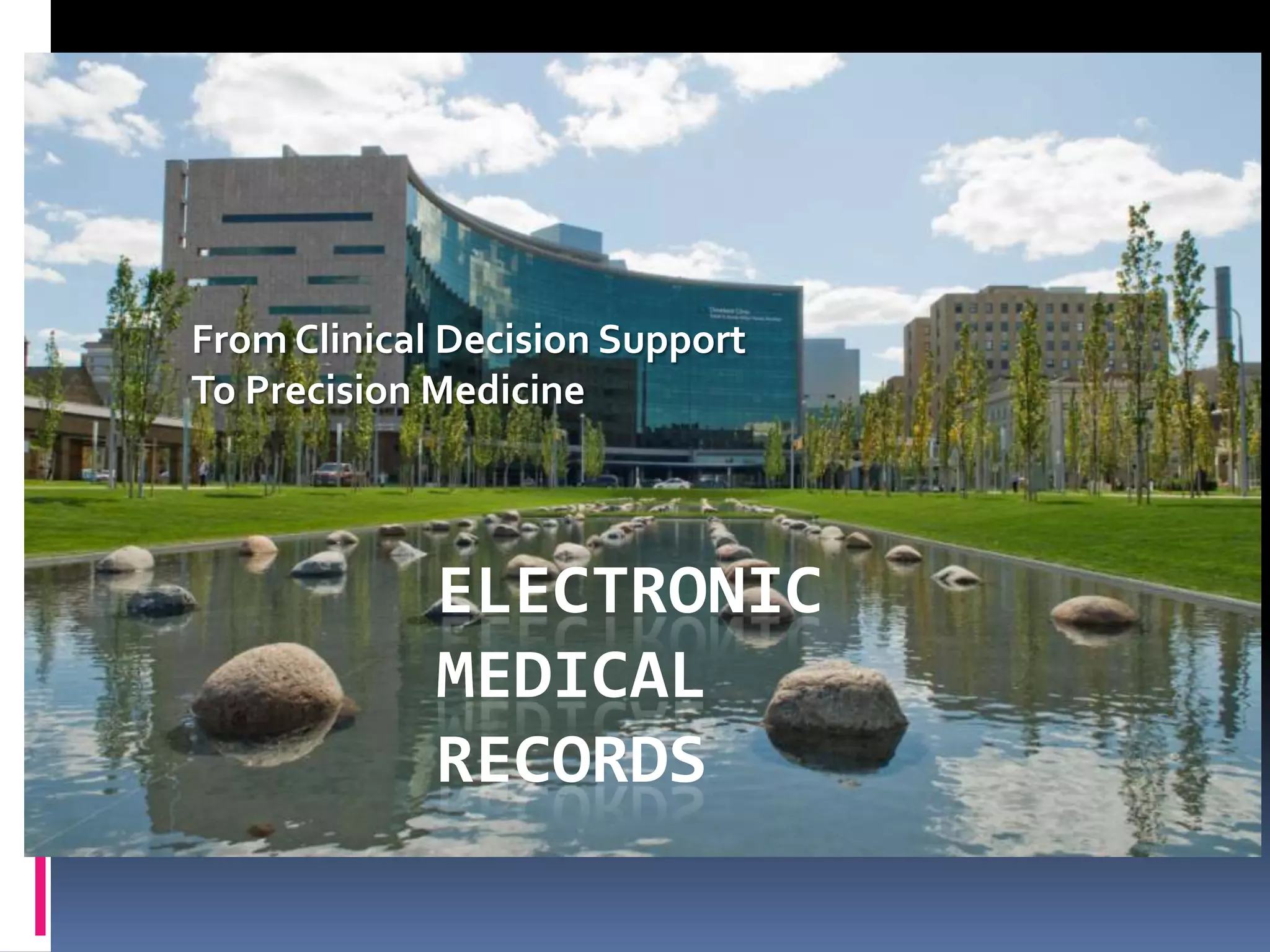
From Clinical Decision Support
To Precision Medicine


             ELECTRONIC
             MEDICAL
             RECORDS
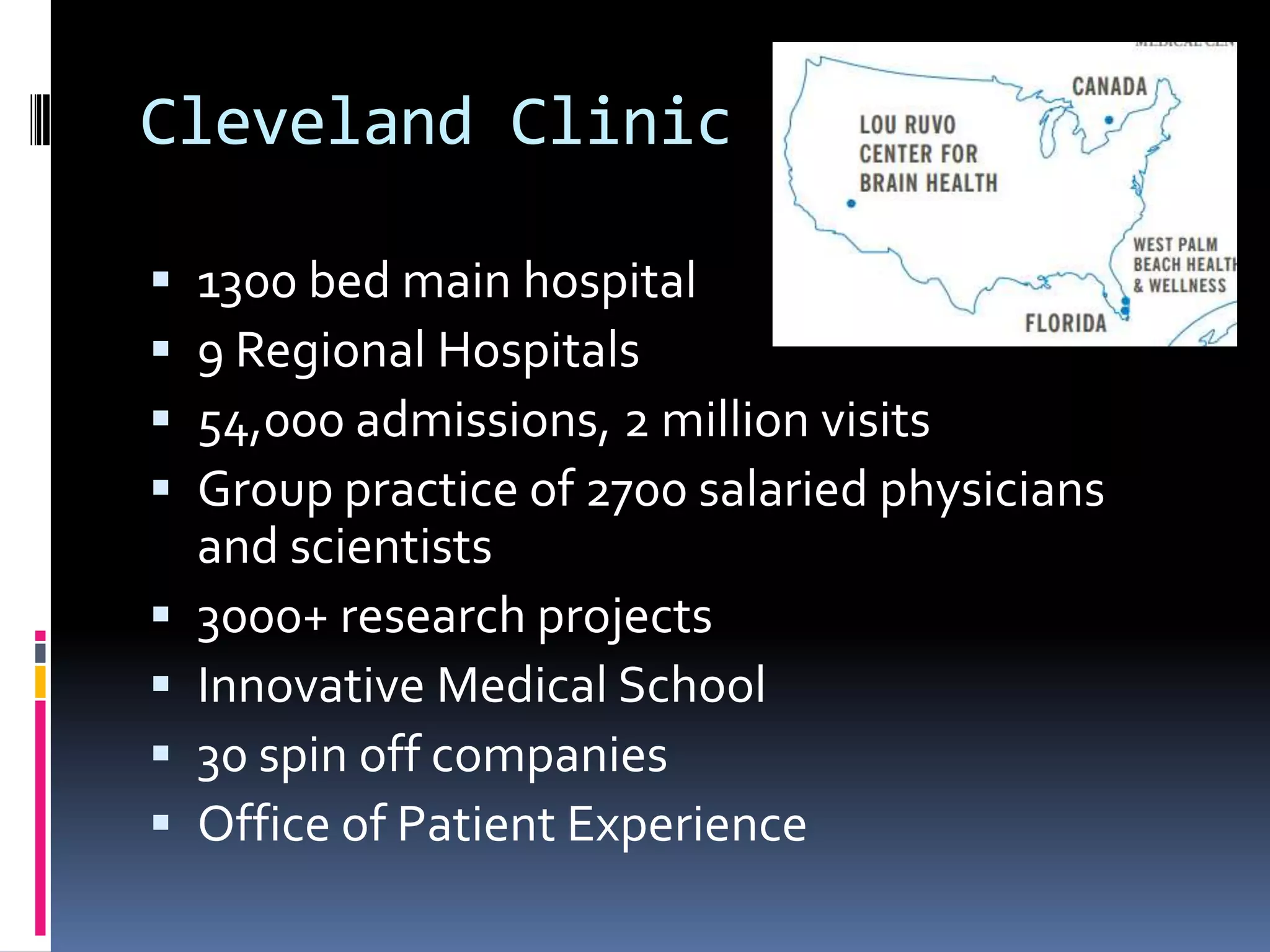
Cleveland Clinic

   1300 bed main hospital
   9 Regional Hospitals
   54,000 admissions, 2 million visits
   Group practice of 2700 salaried physicians
    and scientists
   3000+ research projects
   Innovative Medical School
   30 spin off companies
   Office of Patient Experience
Lethal Lag Time

 It takes an average of 17 years to implement
  clinical research results into daily practice
 Unacceptable to patients


 Can Electronic Medical Records and Clinical
  Decision Support Systems change this?
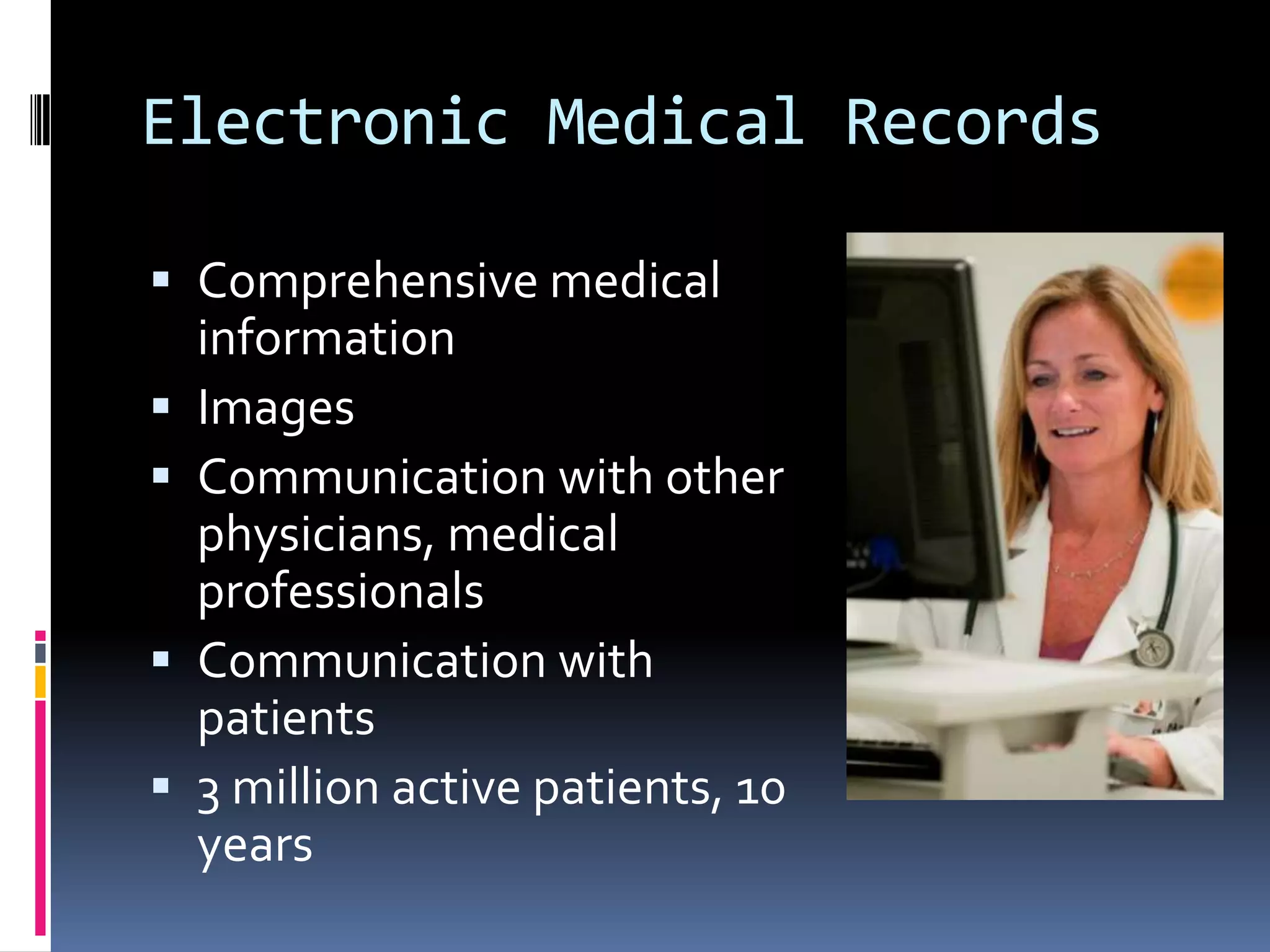
Electronic Medical Records

 Comprehensive medical
    information
   Images
   Communication with other
    physicians, medical
    professionals
   Communication with
    patients
   3 million active patients, 10
    years
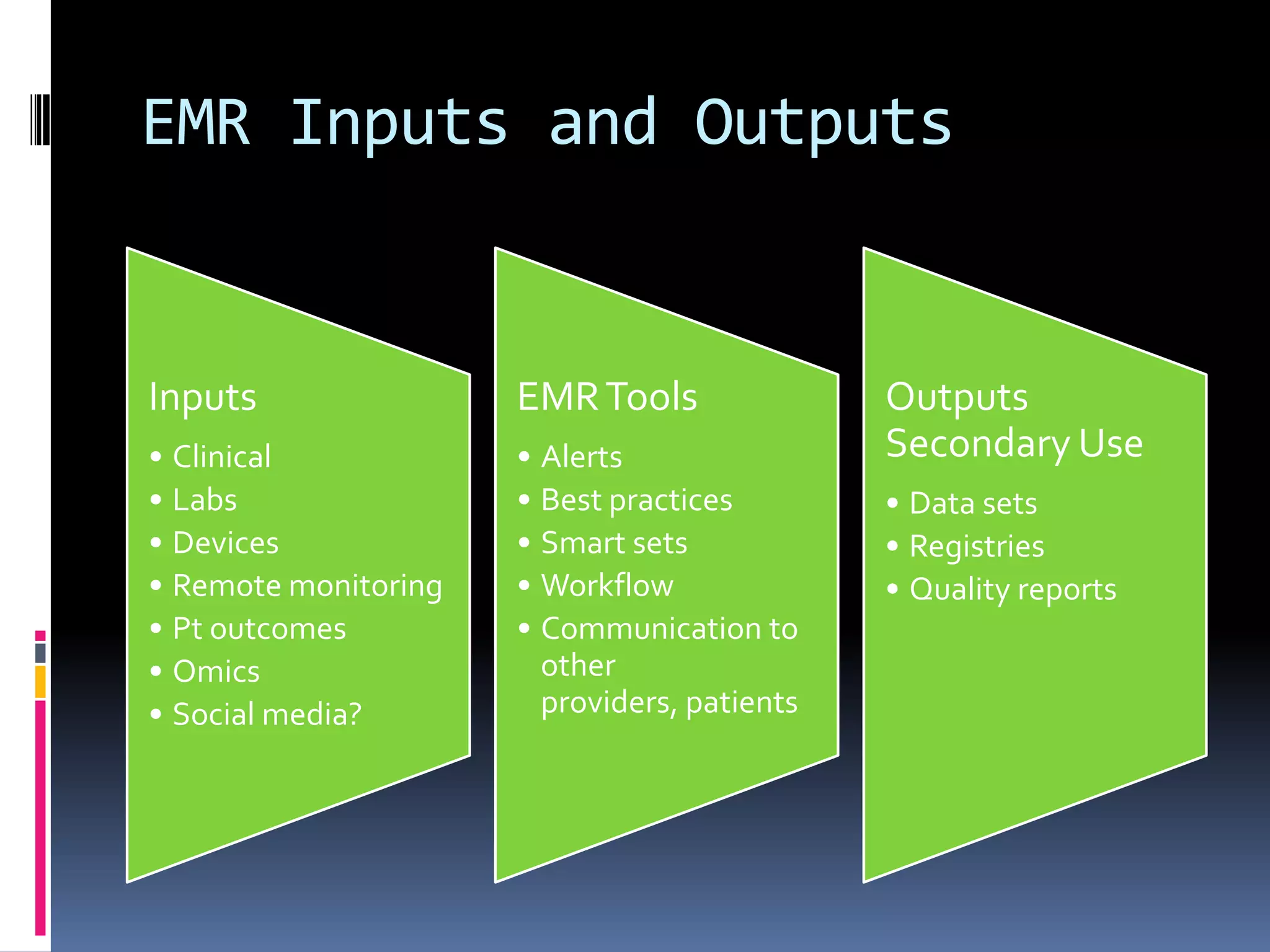
EMR Inputs and Outputs


Inputs                EMR Tools               Outputs
• Clinical            • Alerts                Secondary Use
• Labs                • Best practices        • Data sets
• Devices             • Smart sets            • Registries
• Remote monitoring   • Workflow              • Quality reports
• Pt outcomes         • Communication to
• Omics                 other
• Social media?         providers, patients
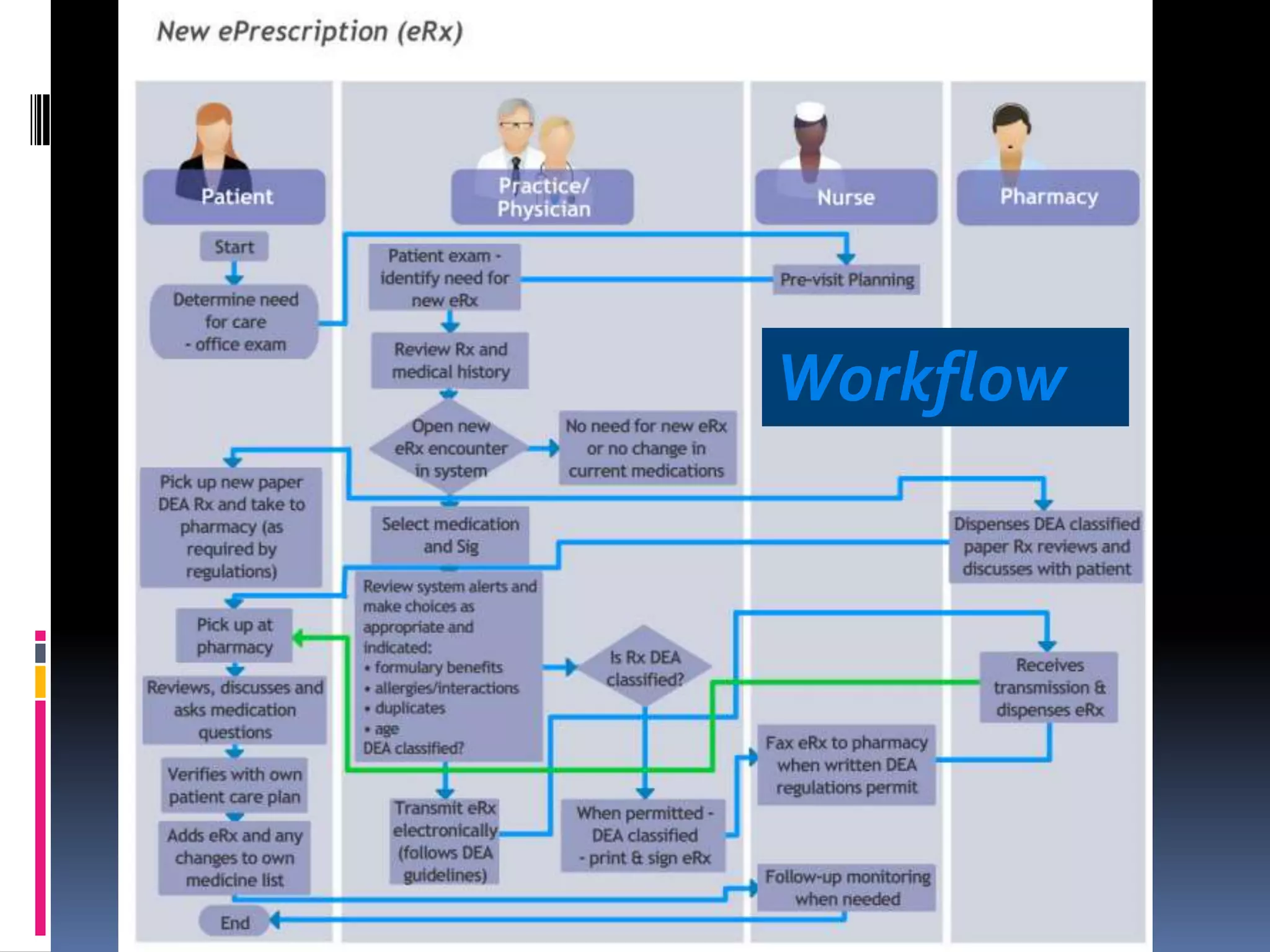
Clinical Workflow


                    Workflow
Clinical Decision Support
 Process for enhancing health-related
  decisions and actions with pertinent,
  organized clinical knowledge and patient
  information
 to improve health and healthcare delivery.
 Information recipients can include patients,
  clinicians and others involved in patient care
  delivery
  http://www.himss.org/ASP/topics_clinicalDec
  ision.asp
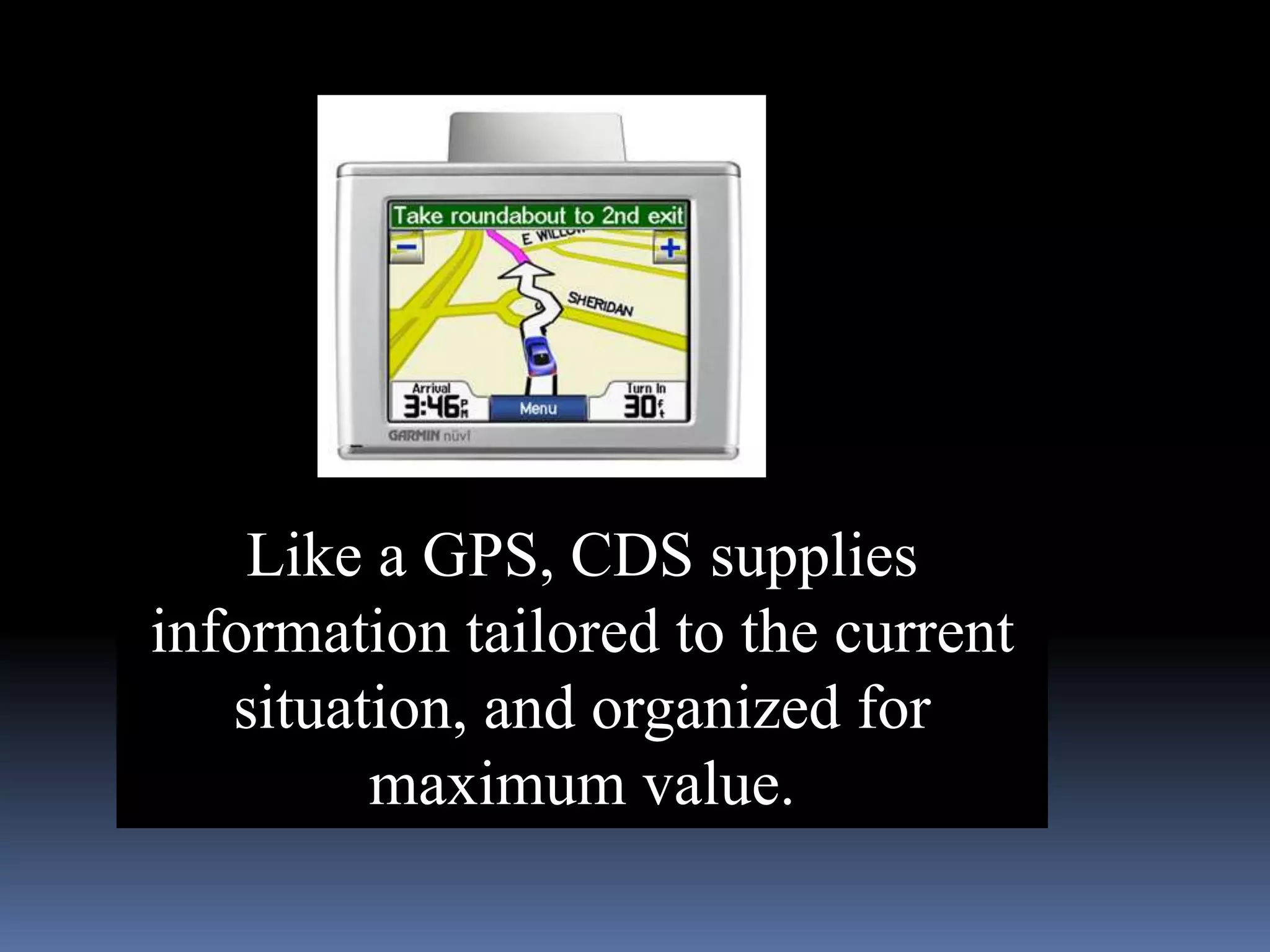
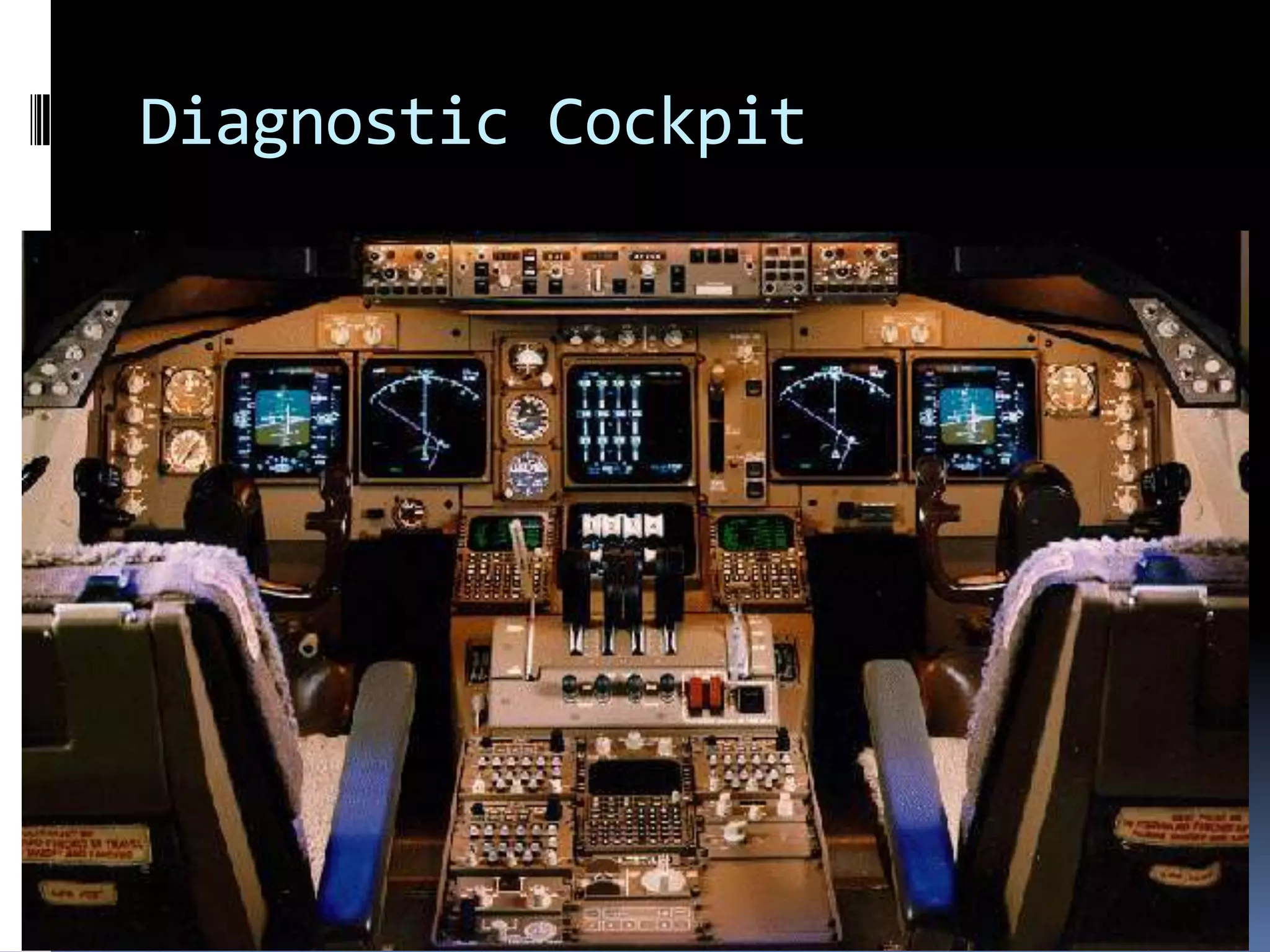
Like a GPS, CDS supplies
information tailored to the current
   situation, and organized for
         maximum value.
Diagnostic Cockpit
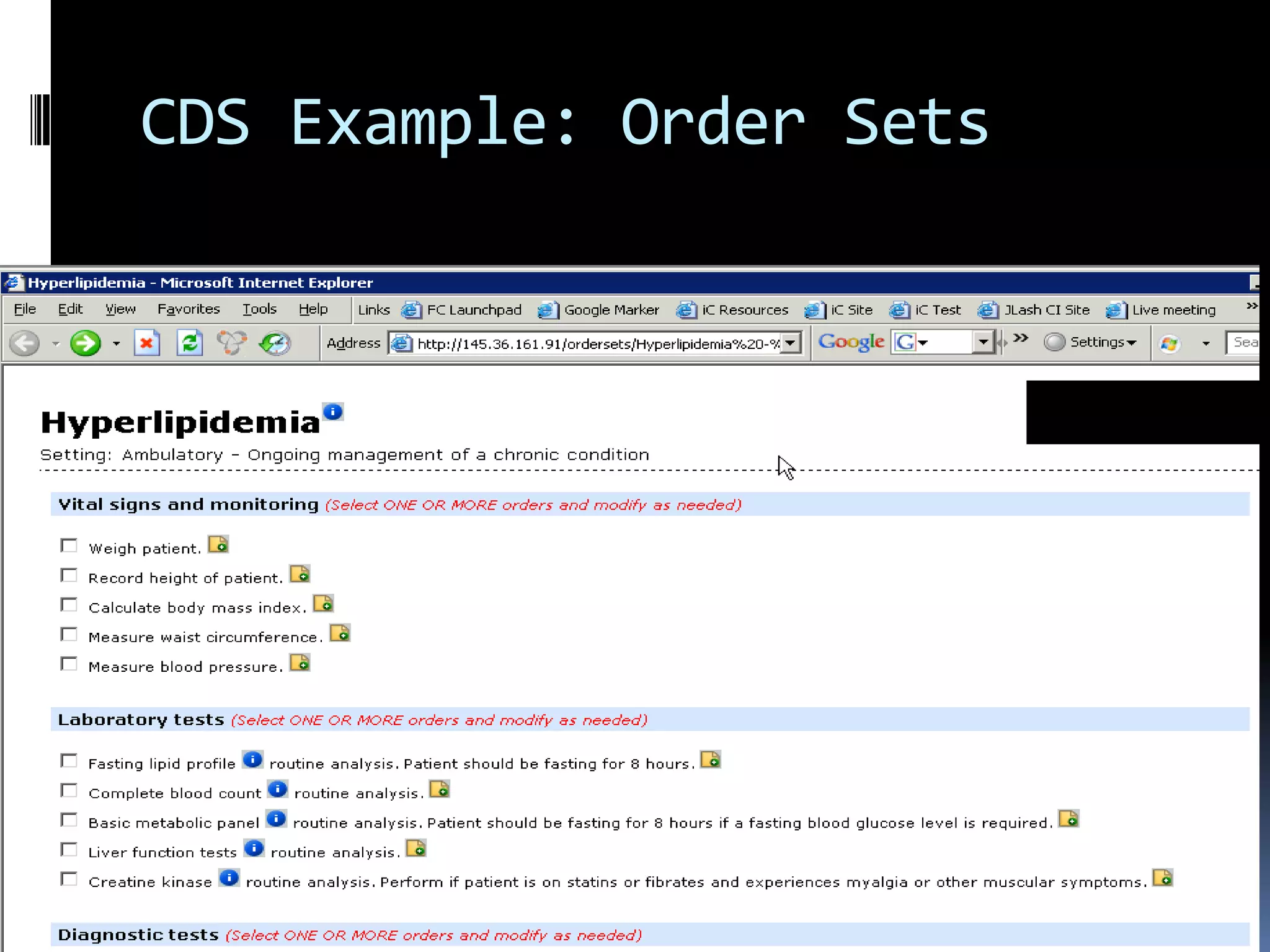
CDS Example: Order Sets
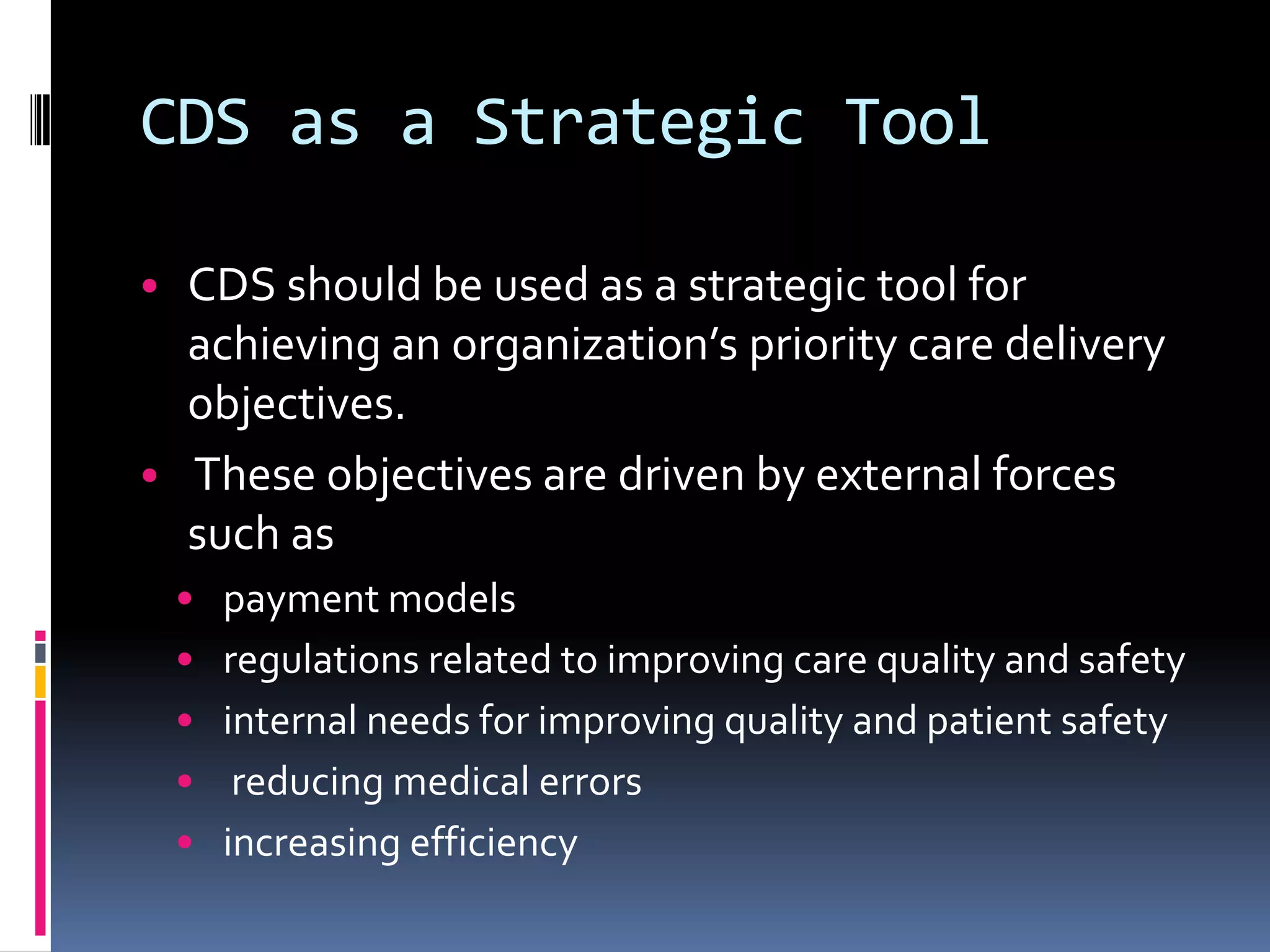
CDS as a Strategic Tool

• CDS should be used as a strategic tool for
  achieving an organization’s priority care delivery
  objectives.
• These objectives are driven by external forces
  such as
 •   payment models
 •   regulations related to improving care quality and safety
 •   internal needs for improving quality and patient safety
 •    reducing medical errors
 •   increasing efficiency
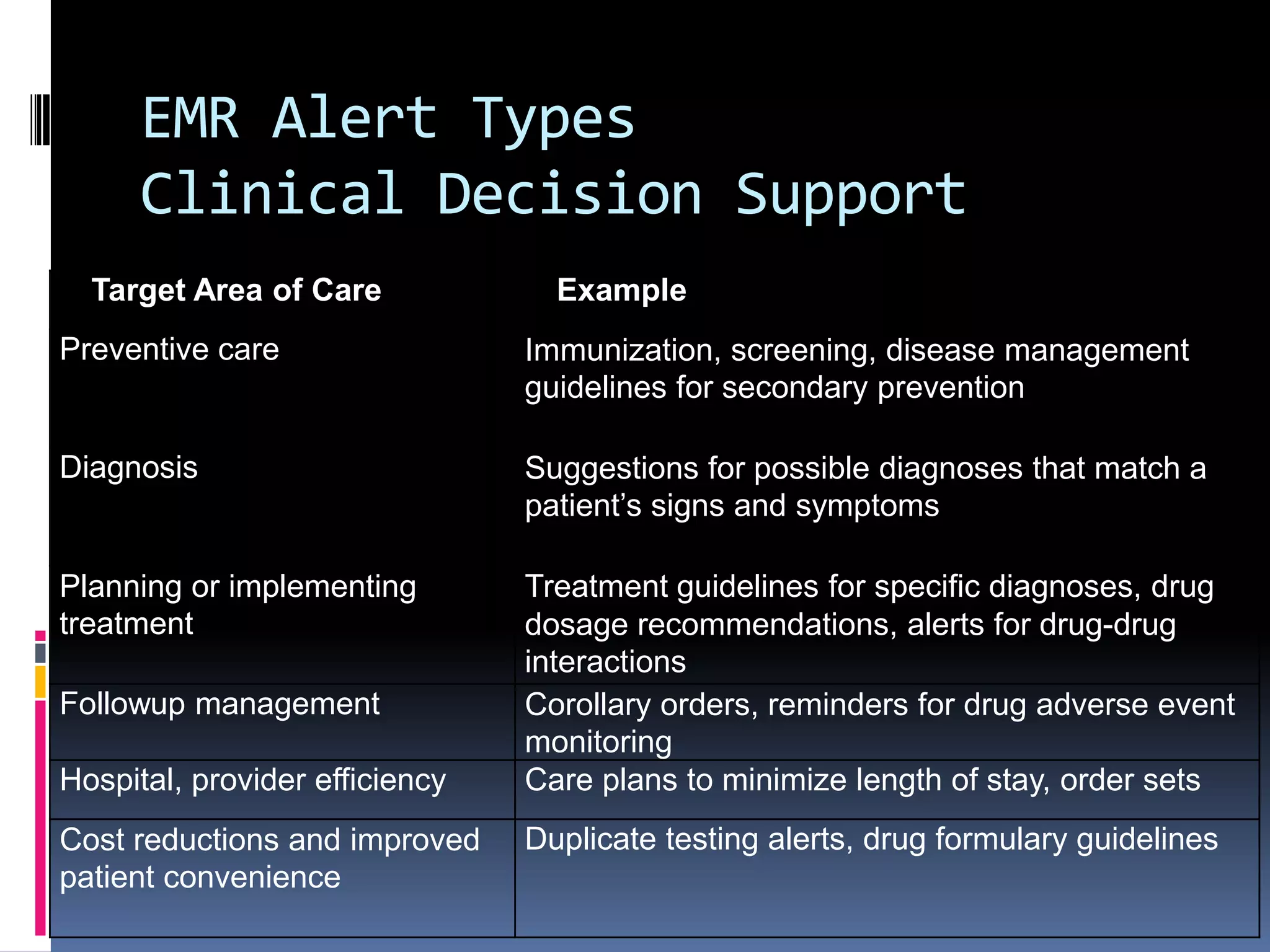
EMR Alert Types
      Clinical Decision Support
  Target Area of Care             Example
Preventive care                 Immunization, screening, disease management
                                guidelines for secondary prevention

Diagnosis                       Suggestions for possible diagnoses that match a
                                patient’s signs and symptoms

Planning or implementing        Treatment guidelines for specific diagnoses, drug
treatment                       dosage recommendations, alerts for drug-drug
                                interactions
Followup management             Corollary orders, reminders for drug adverse event
                                monitoring
Hospital, provider efficiency   Care plans to minimize length of stay, order sets
Cost reductions and improved    Duplicate testing alerts, drug formulary guidelines
patient convenience
Clinical Decision Support
Examples


 New diagnosis of Rheumatoid
 Arthritis, prompted to refer to preventive
 cardiology
Clinical Decision Support
Examples


 Age > 50 and a fragile fracture diagnosis –
  order set for bone density scan and
  appropriate medication regimen
 Go to Smart Set
Clinical Decision Support
          Examples


 Solid organ transplant – chemoprevention for
  skin cancer
The CDS Toolbox
(more examples)
 Drug-Drug Interactions           Rules to meet strategic
 Drug-Allergy interactions          objectives (core
                                     measures, antibiotic
 Dose Range Checking
                                     usage, blood management)
 Standardized evidence based
                                   Documentation templates
   ordersets
                                   Relevant data displays
 Links to knowledge references
                                   Point of care reference
 Links to local policies
                                     information (i.e. InfoButtons)
                                   Web based reference
                                     information
                                   Diagnostic decision support
                                     tools
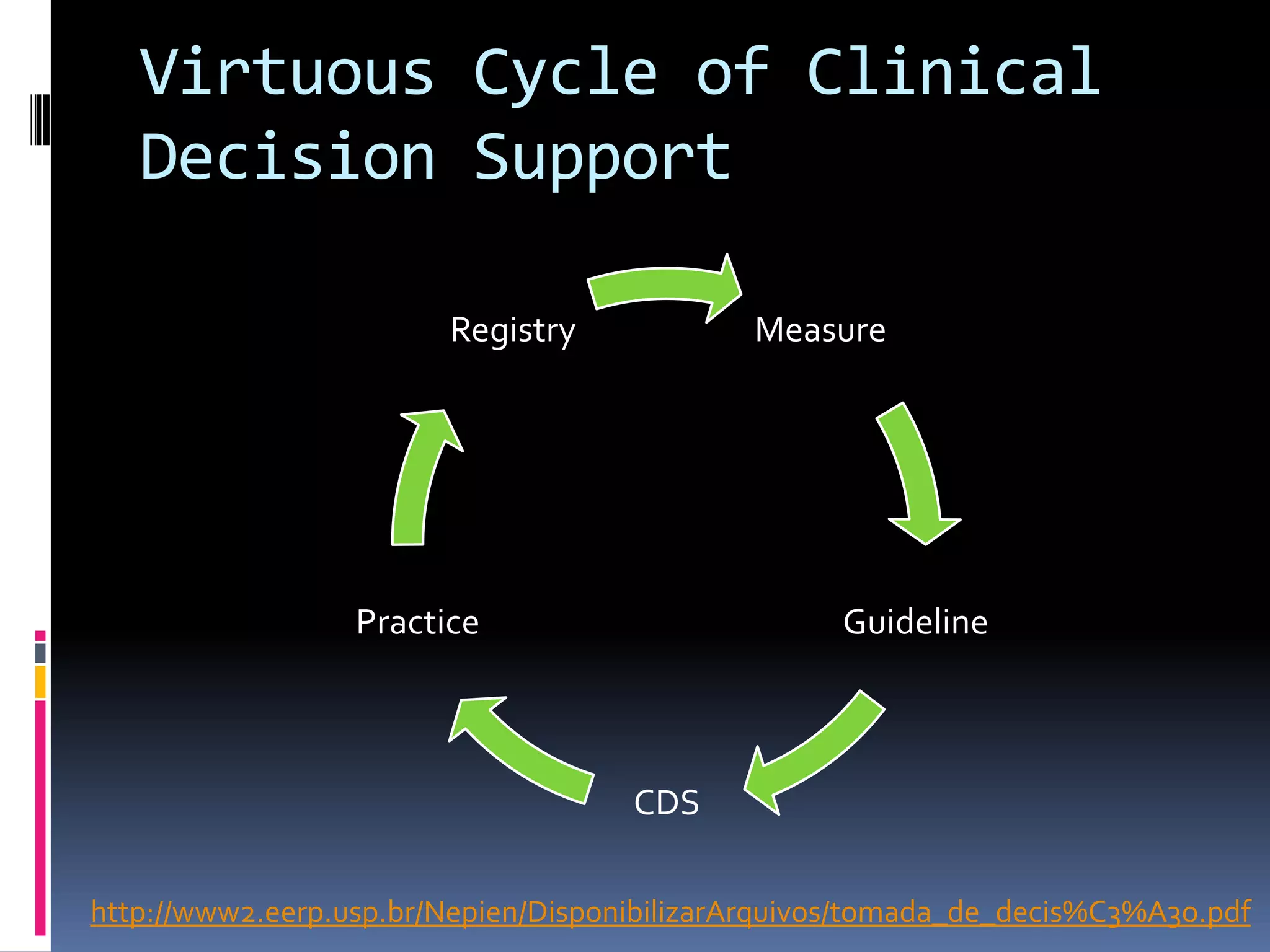
Virtuous Cycle of Clinical
   Decision Support

                        Registry             Measure


                  Practice                         Guideline


                                     CDS

http://www2.eerp.usp.br/Nepien/DisponibilizarArquivos/tomada_de_decis%C3%A3o.pdf
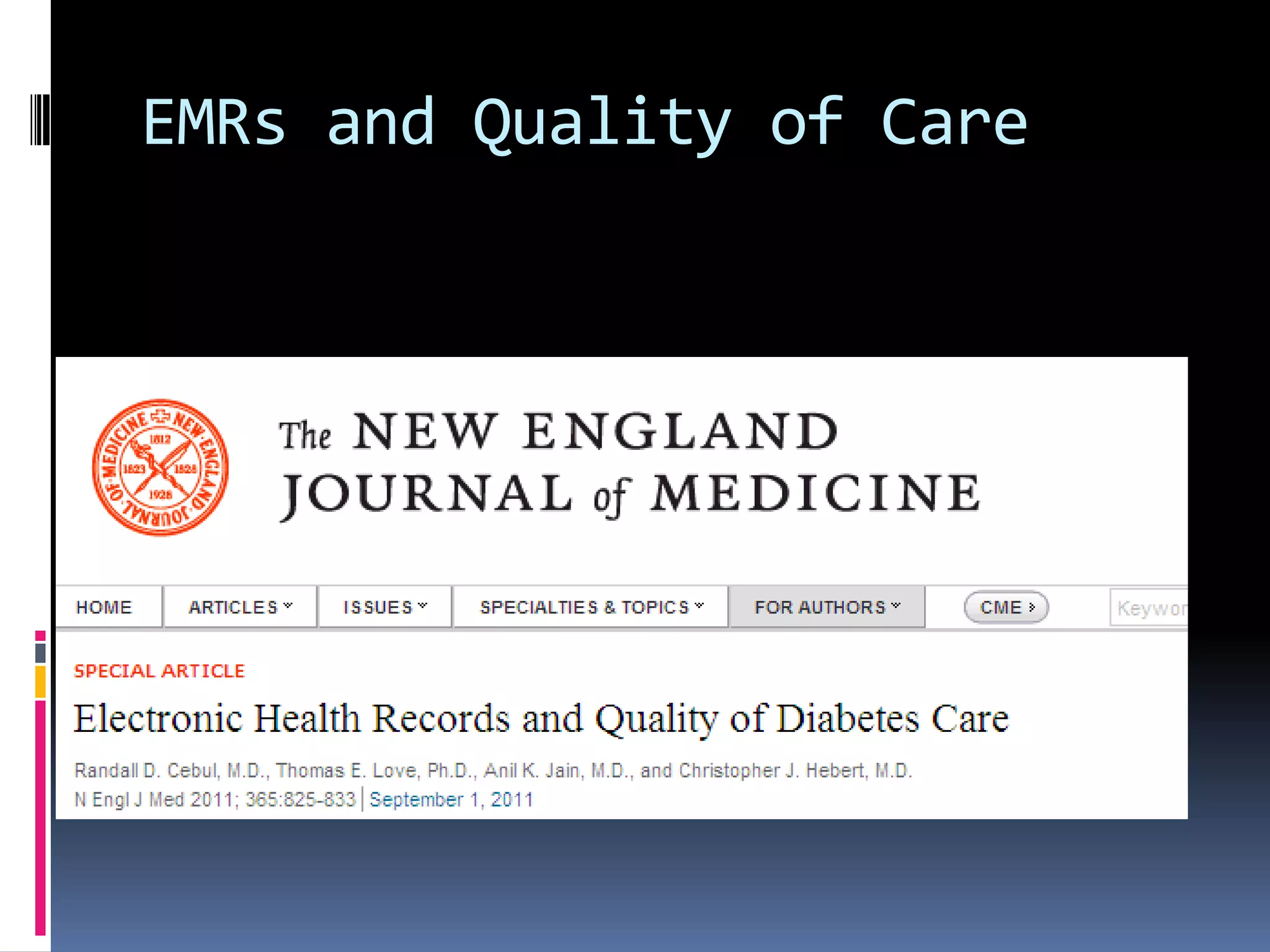
EMRs and Quality of Care
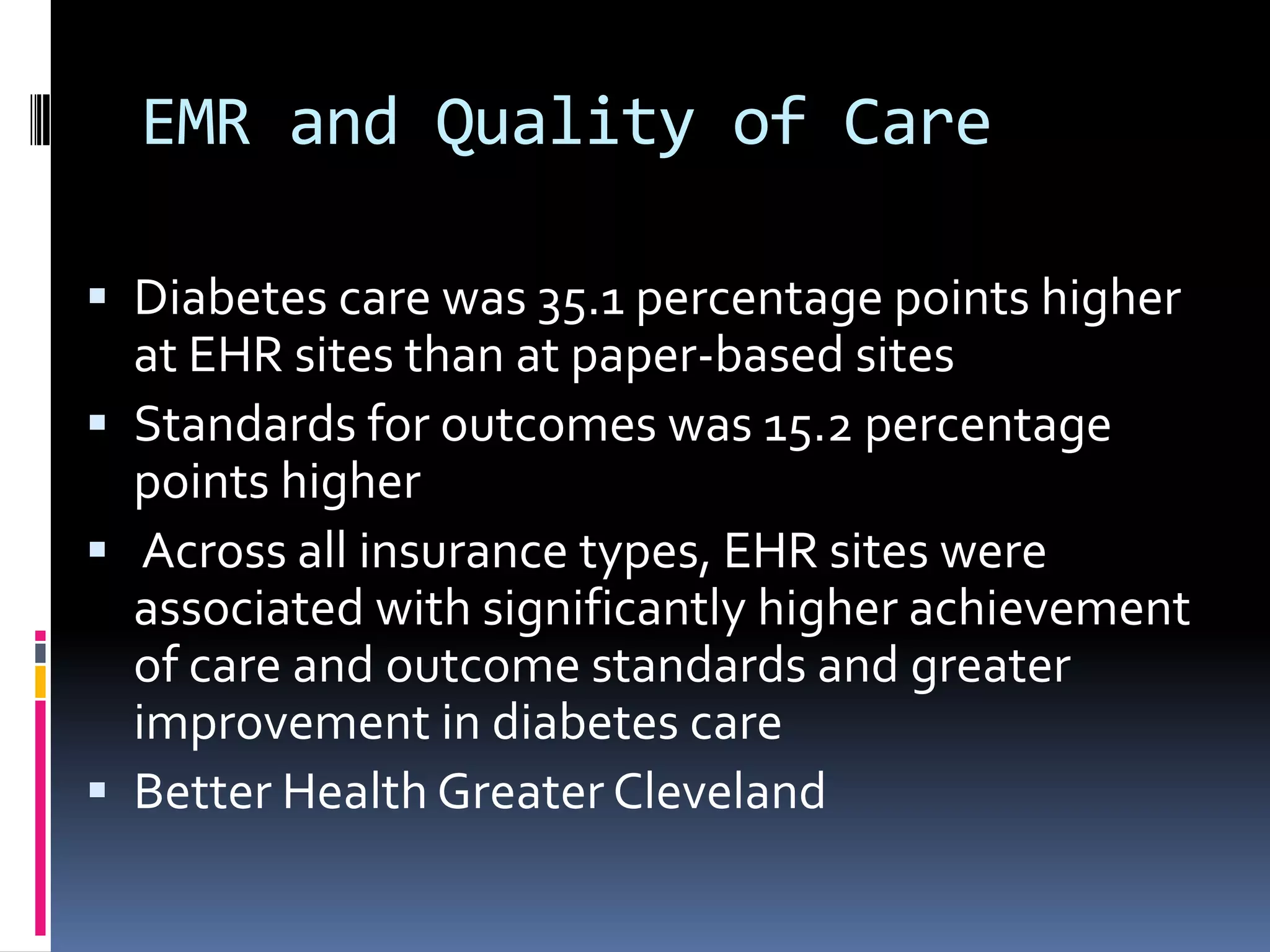
EMR and Quality of Care

 Diabetes care was 35.1 percentage points higher
  at EHR sites than at paper-based sites
 Standards for outcomes was 15.2 percentage
  points higher
 Across all insurance types, EHR sites were
  associated with significantly higher achievement
  of care and outcome standards and greater
  improvement in diabetes care
 Better Health Greater Cleveland
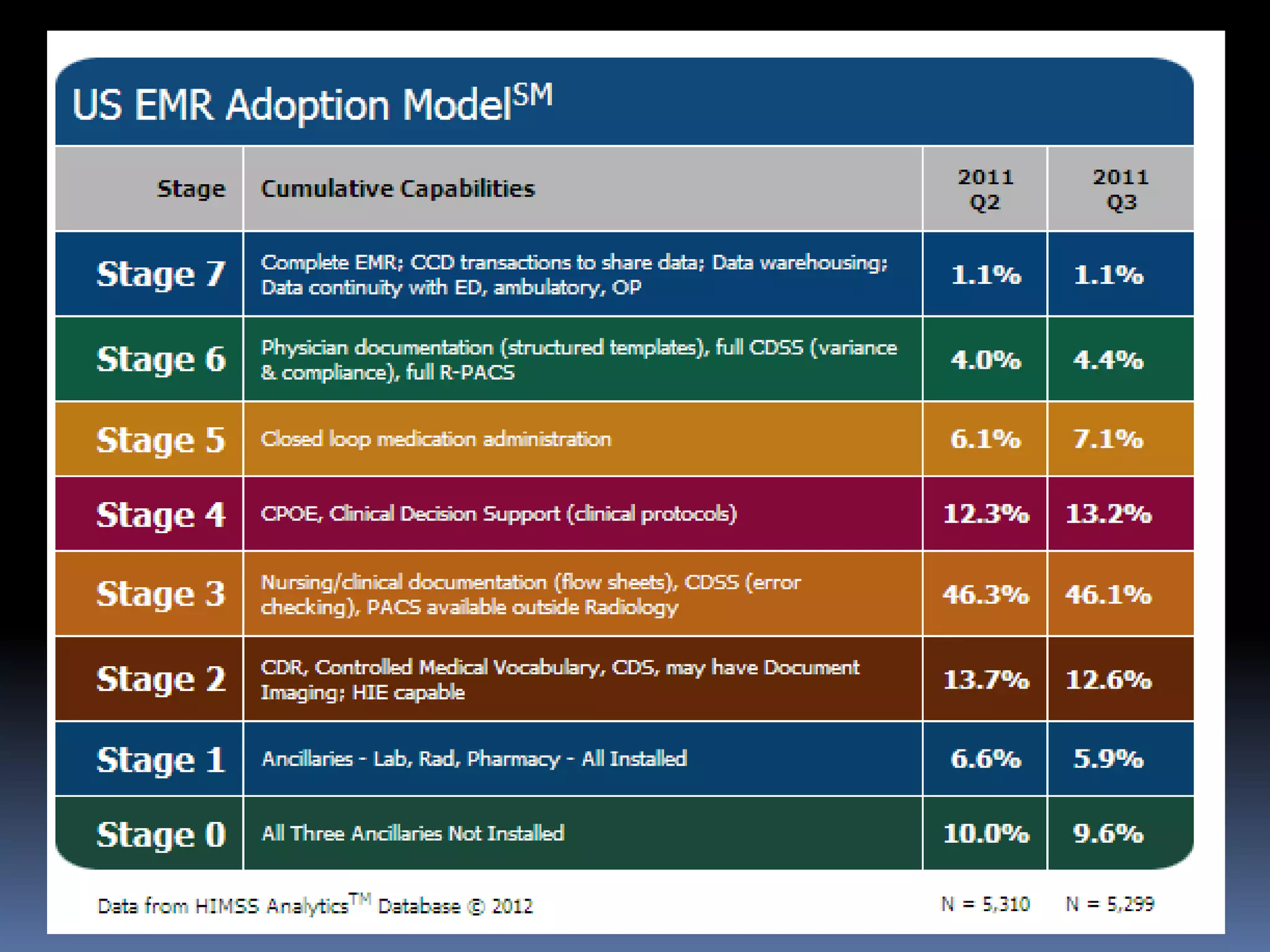
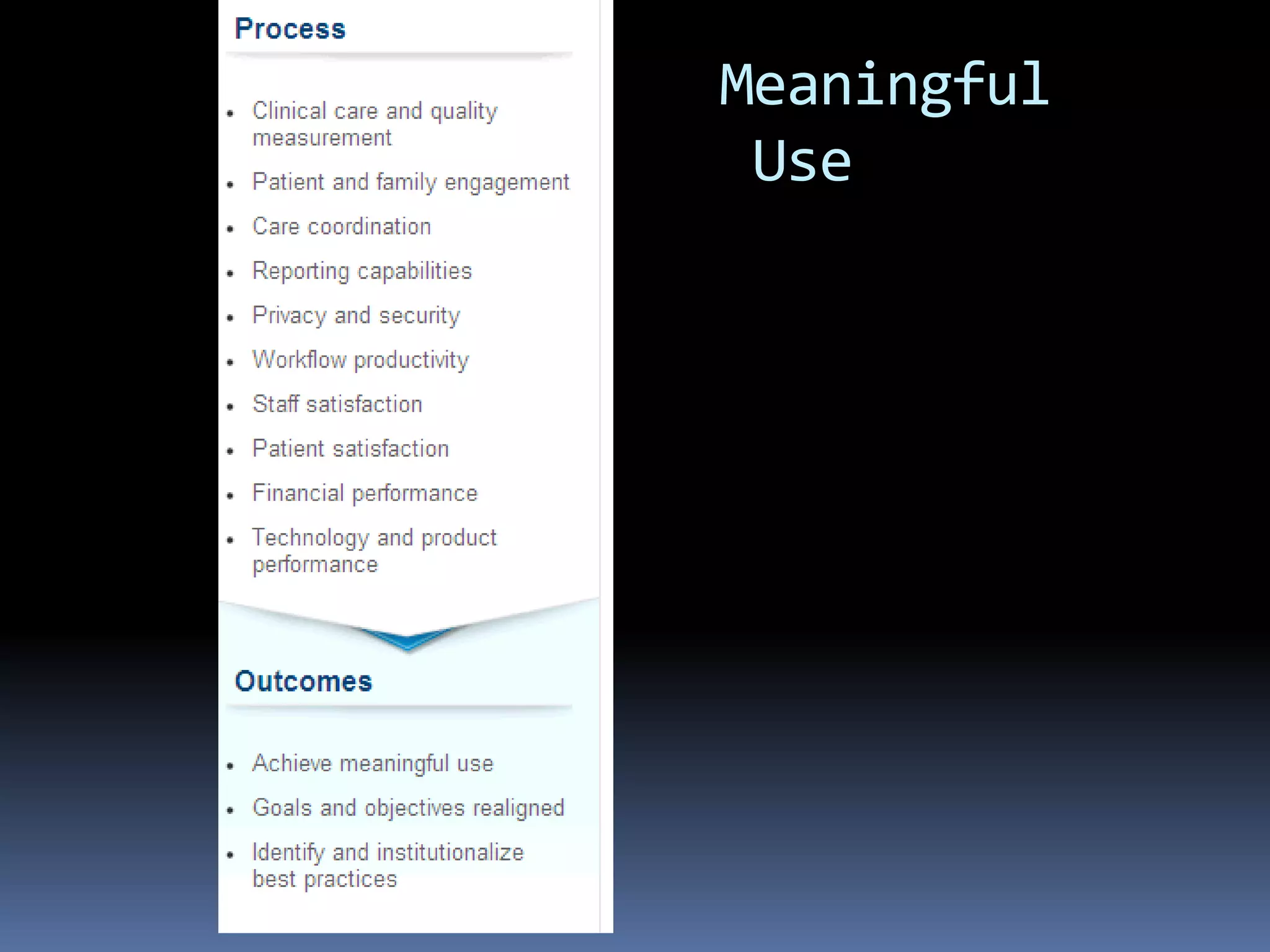
Meaningful
 Use
The Role of Registries

 EMR data available to create a registry for
    any condition
   Study the condition – progression,
    treatments
   Comparative effectiveness of treatments
   Recruit for clinical trials
   Develop clinical decision support
Chronic Kidney
         Disease Registry
 Chronic Kidney Disease Registry
 Established 2009
 60,000 patients from the health system
 Cohort – Adults with two eGFRs less than 60
  within 3 months, outpatient results only, or
  diagnosis of CKD
 http://www.chrp.org/pdf/HSR_12022011_Slid
  es.pdf
Validation Results

 Our dataset’s agreement with EHR-extracted
  data for documentation of the presence and
  absence of comorbid conditions, ranged from
  substantial to near perfect agreement.
 Hypertension and coronary artery disease
  were exceptions
 EMR data accurate for research use
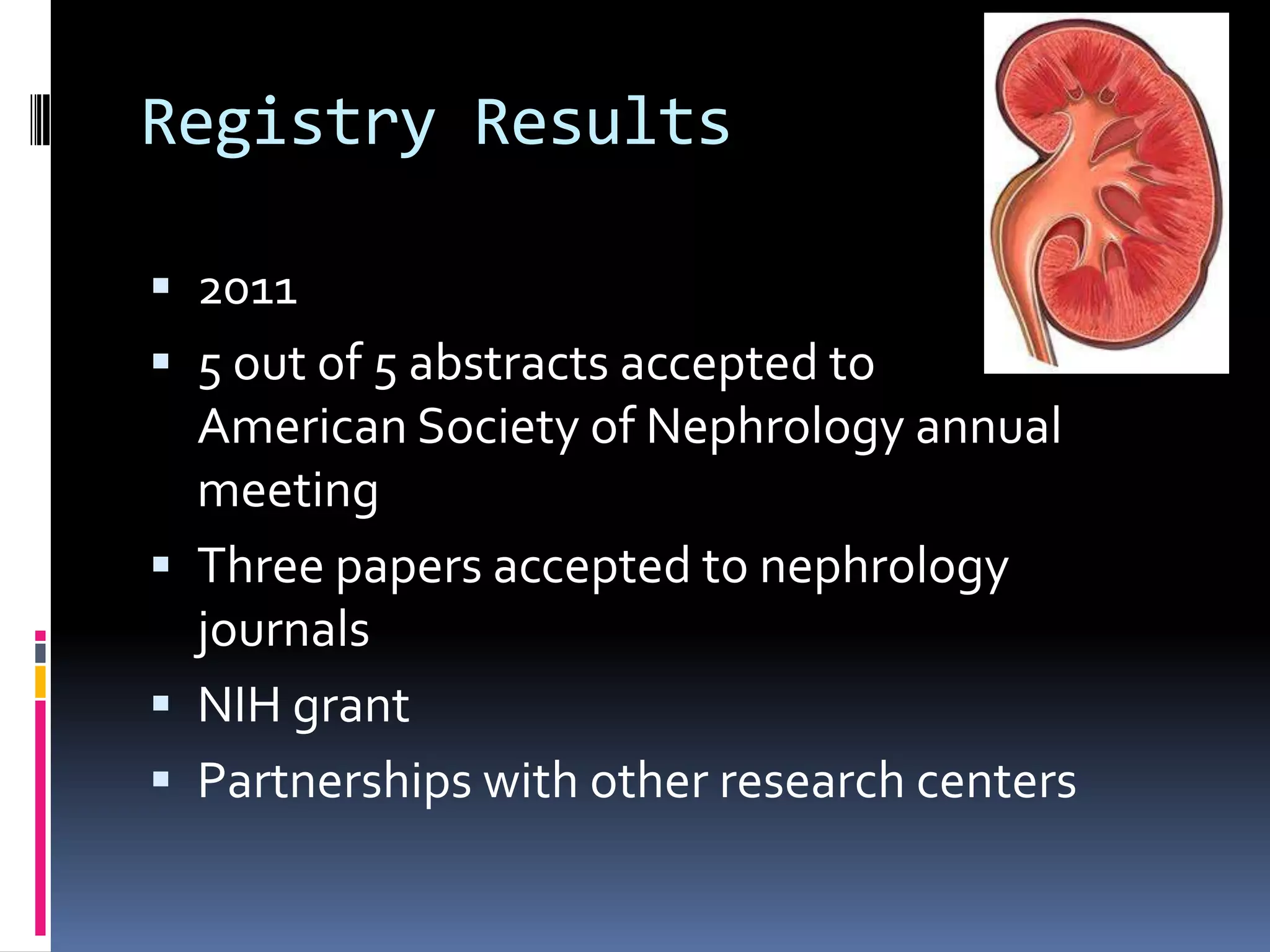
Registry Results

 2011
 5 out of 5 abstracts accepted to
  American Society of Nephrology annual
  meeting
 Three papers accepted to nephrology
  journals
 NIH grant
 Partnerships with other research centers
Pediatric Surgical Site
Infection
 Data from the EMR and the operative record
 When did antibiotics start?
 Was pre-op skin prep done?
 Was the time-out and checklist observed in
  the OR
 Post-op care quality
Patient Reported Outcomes

 Understanding the outcomes of treatment
  incomplete without
 Patient Reported Outcomes Measurement
  Information System
  http://www.nihpromis.org/
 Patient-Centered Outcomes Research
  Institute http://www.pcori.org/
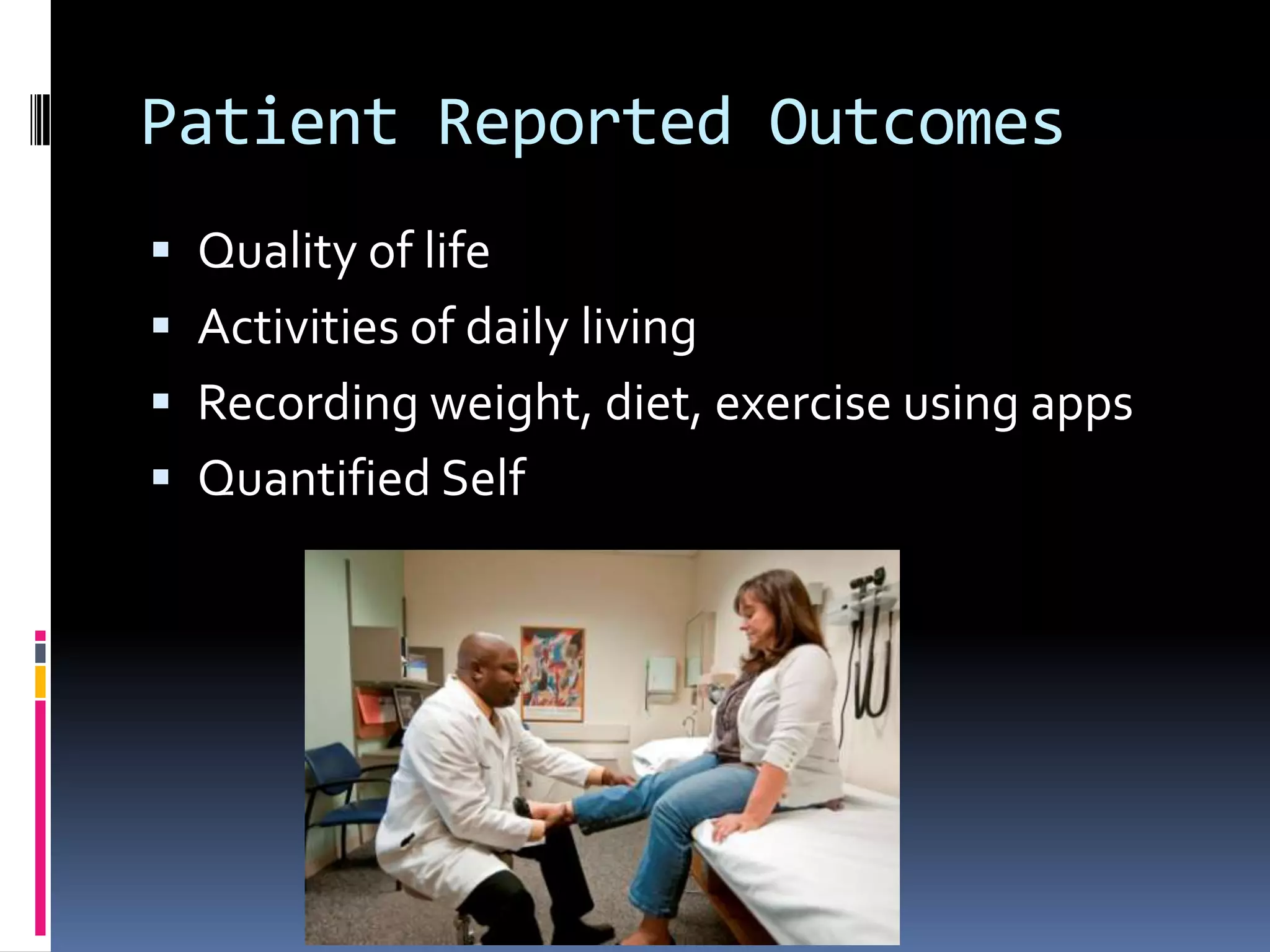
Patient Reported Outcomes
 Quality of life
 Activities of daily living
 Recording weight, diet, exercise using apps
 Quantified Self
Population Health

 New tools to enable the study of disease
  trends and epidemics
 PopHealth - submission of quality measures
  to public health organizations
  http://projectpophealth.org
 Query Health – standards to enable
  Distributed Health Queries
  http://wiki.siframework.org/Query+Health
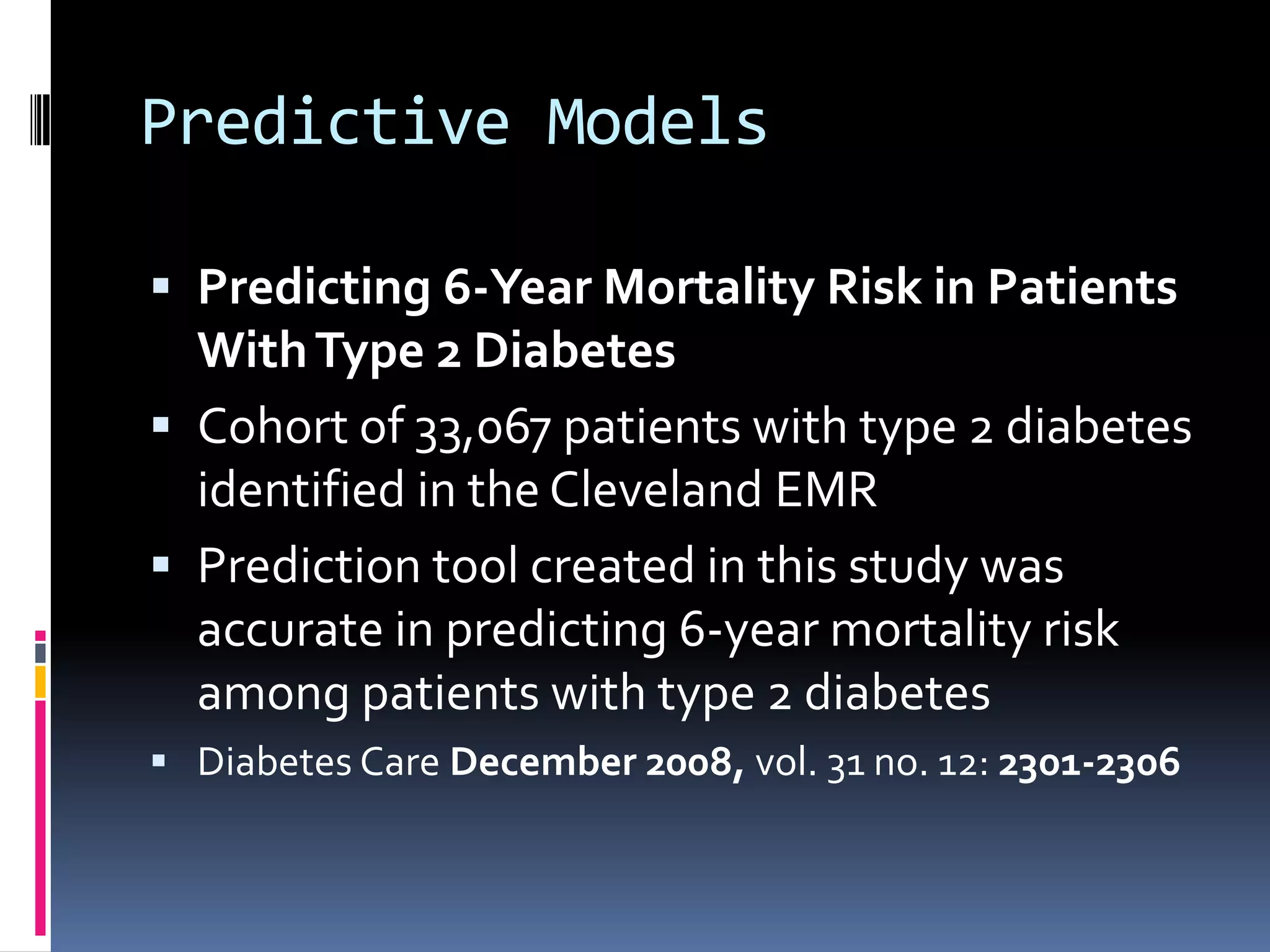
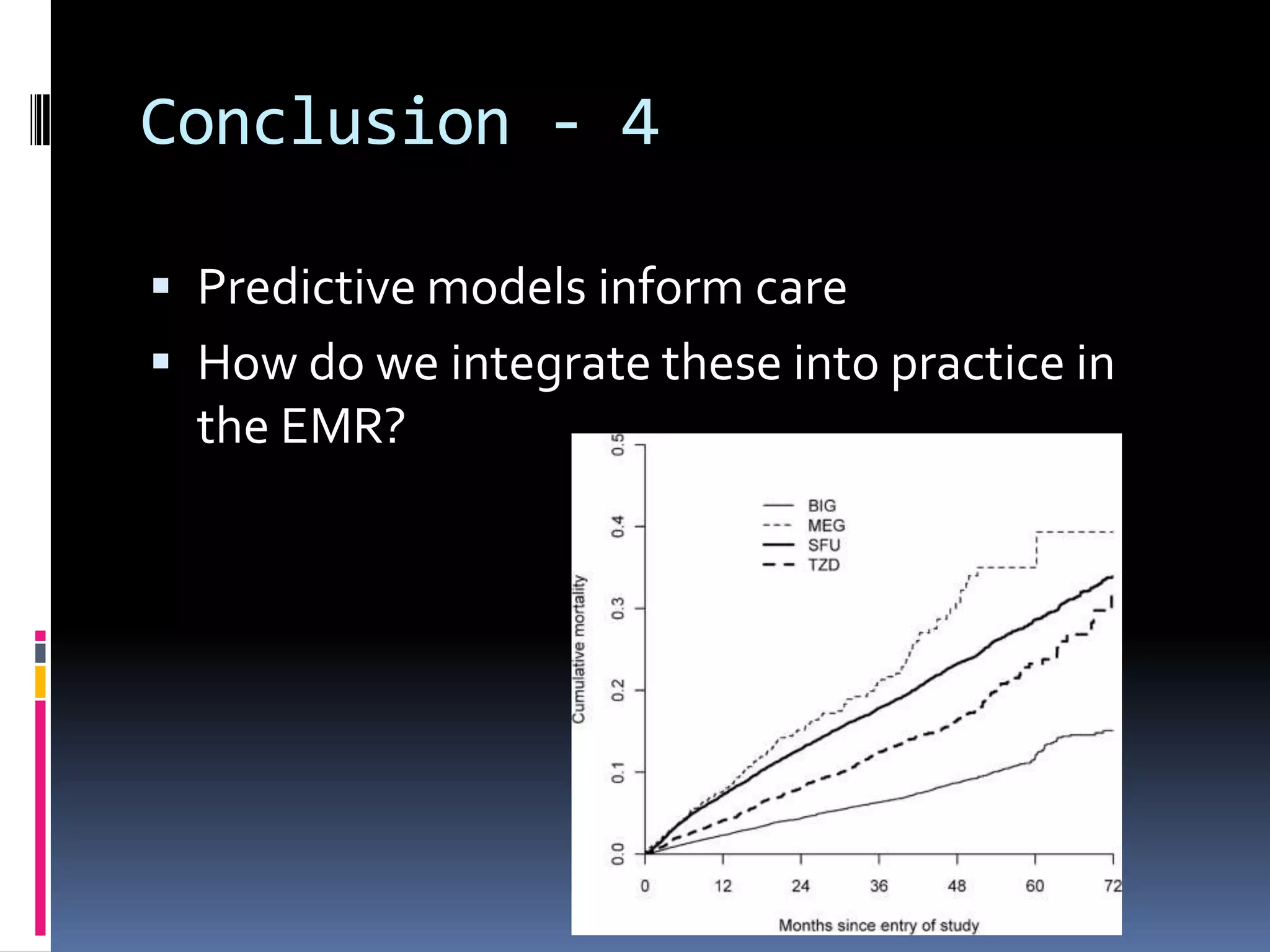
Predictive Models

 Predicting 6-Year Mortality Risk in Patients
  With Type 2 Diabetes
 Cohort of 33,067 patients with type 2 diabetes
  identified in the Cleveland EMR
 Prediction tool created in this study was
  accurate in predicting 6-year mortality risk
  among patients with type 2 diabetes
 Diabetes Care December 2008, vol. 31 no. 12: 2301-2306
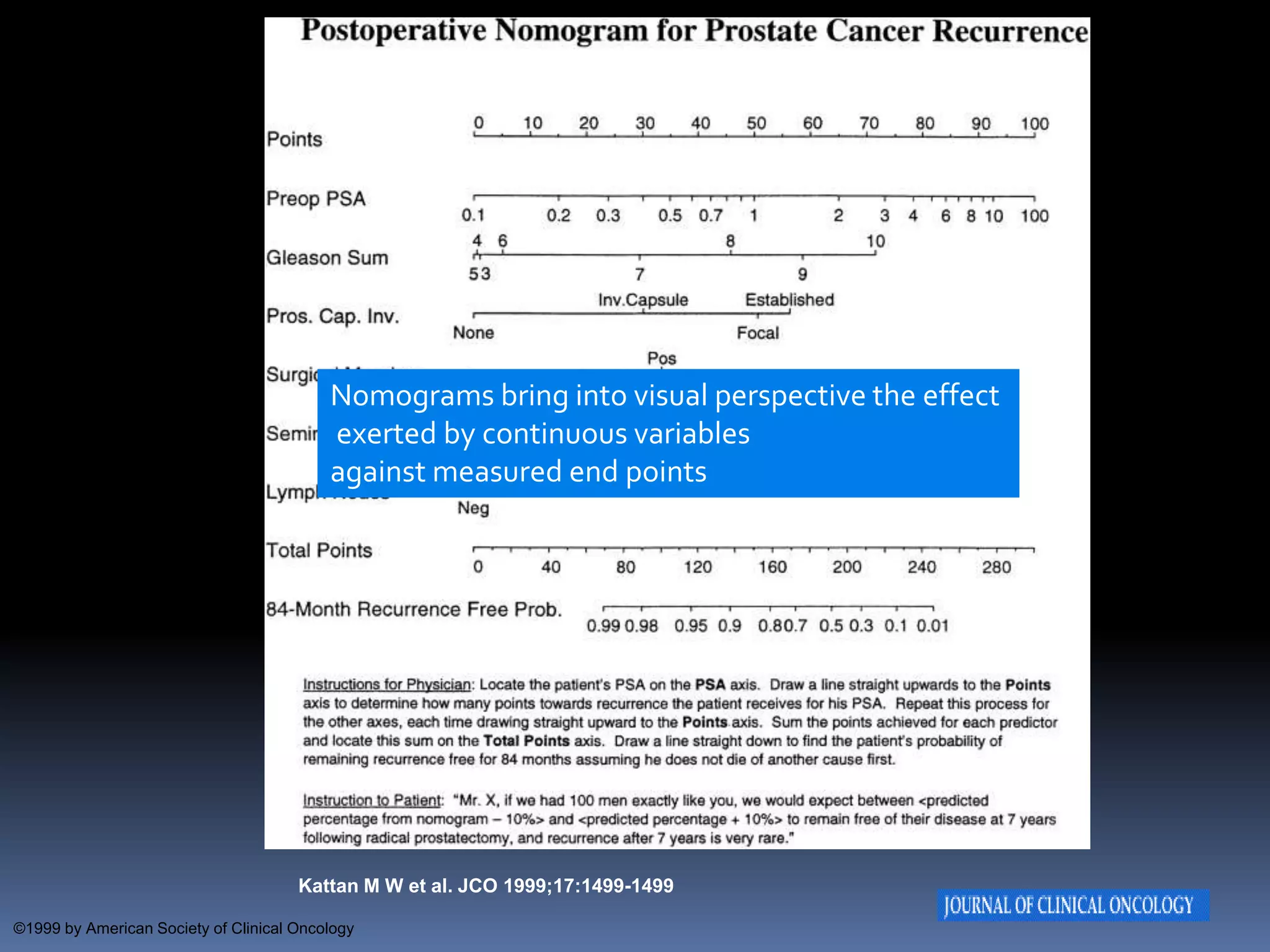
Postoperative nomogram based on 996 patients treated at The Methodist
               Hospital, Houston, TX, for predicting PSA recurrence after radical prostatectomy.


                                          Nomograms bring into visual perspective the effect
                                          exerted by continuous variables
                                          against measured end points


                                      Kattan M W et al. JCO 1999;17:1499-1499

©1999 by American Society of Clinical Oncology
BiCaucasi.an
Nouanide (e.g
  gFemale
   No


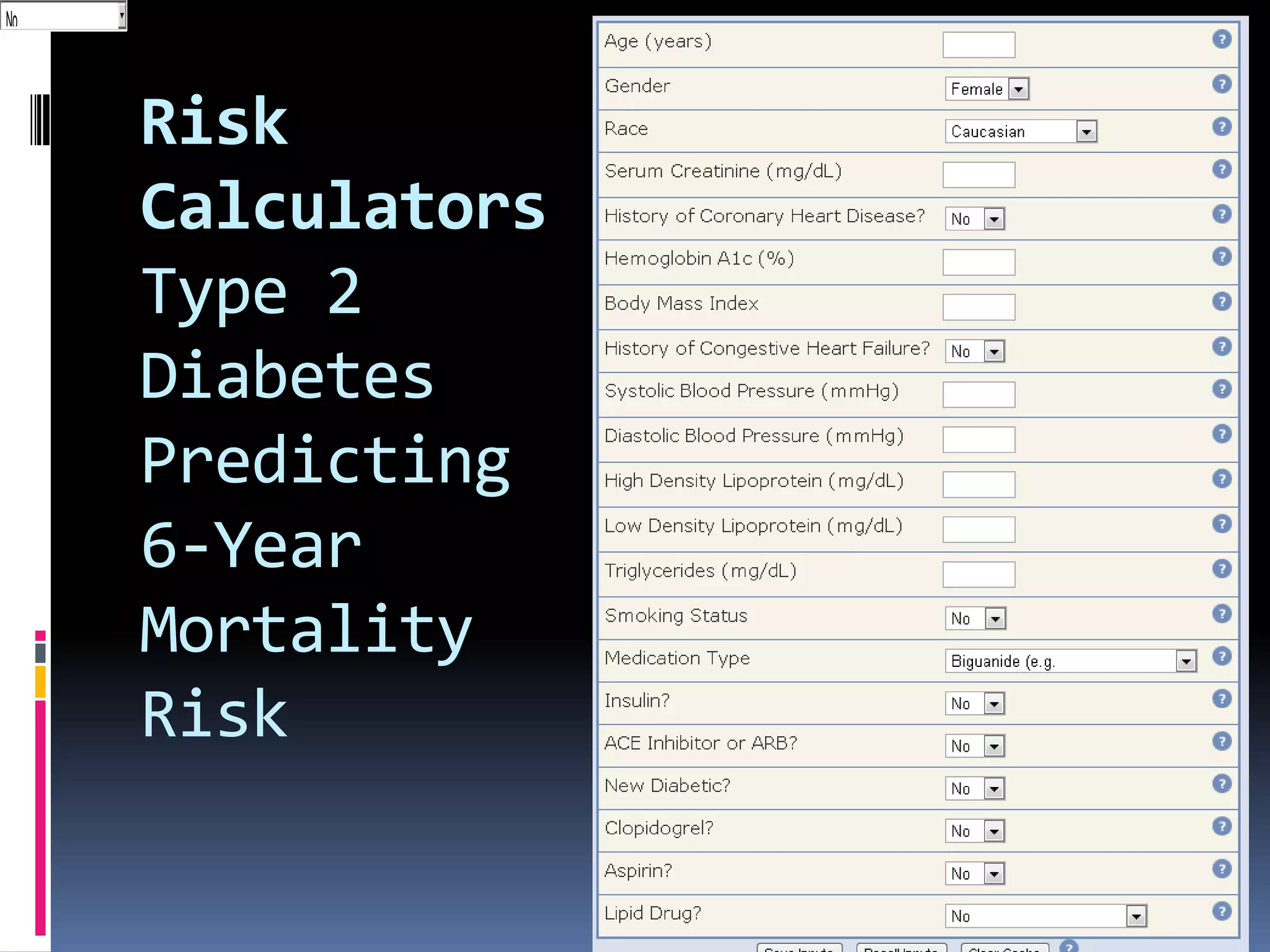
                Risk
                Calculators
                Type 2
                Diabetes
                Predicting
                6-Year
                Mortality
                Risk
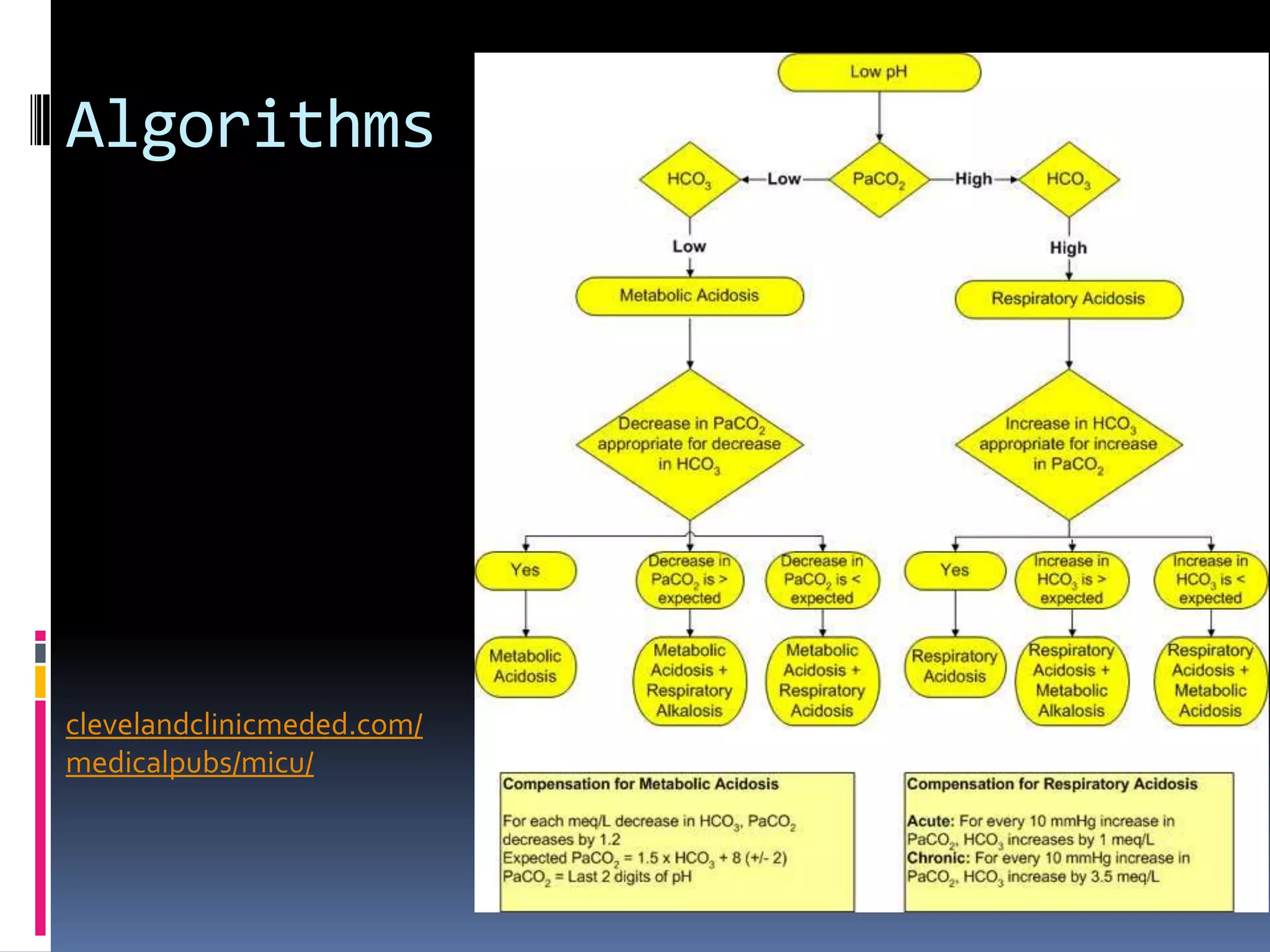
Algorithms


clevelandclinicmeded.com/
medicalpubs/micu/
Against Diagnosis

 The act of diagnosis requires that patients be placed
  in a binary category of either having or not having a
  certain disease.
 These cut-points do not adequately reflect disease
  biology, may inappropriately treat patients
 Risk prediction as an alternative to diagnosis
 Patient risk factors (blood pressure, age) are
  combined into a single statistical model (risk for a
  cardiovascular event within 10 years) and the results
  are used in shared decision making about possible
  treatments.
 Annals of Internal Medicine, August 5, 2008vol. 149 no. 3 200-203
Information Overload

 New information in the       Information about an
  medical literature            individual patient
   PubMed adding over           Lab results
    670,000 new entries per      Vitals
    year                         Imaging
                                 Genomics
Personalized Medicine

 The boundaries are fading between basic
  research and the clinical applications of
  systems biology and proteomics
 New therapeutic models
 Journal of Proteome Research Vol. 3, No. 2, 2004, 179-196.
Example–Parkinson’s Disease

 New Cleveland Clinic partnership with
  23andMe to collect DNA from Parkinson’s
  patients
 Looking for Genome Wide Associations
  (GWAS)
 23andme.com/pd/
Precision Medicine

 ”state-of-the-art molecular profiling to
  create diagnostic, prognostic, and
  therapeutic strategies precisely tailored to
  each patient's requirements.”
 ”The success of precision medicine will
  depend on establishing frameworks for
  …interpreting the influx of information that
  can keep pace with rapid scientific
  developments.”
 N Engl J Med 2012; 366:489-491, 2/ 9/2012
Artificial Intelligence in
Medicine
 Developing a search engine that
  will scan thousands of medical
  records to turn up documents
  related to patient queries.
 Learn based on how it is used
 “We are not contemplating ―
  unless this were an unbelievably
  fantastic success ― letting a
  machine practice medicine.”

 http://www.health2news.com/2012
  /02/10/the-national-library-of-
  medicine-explores-a-i/
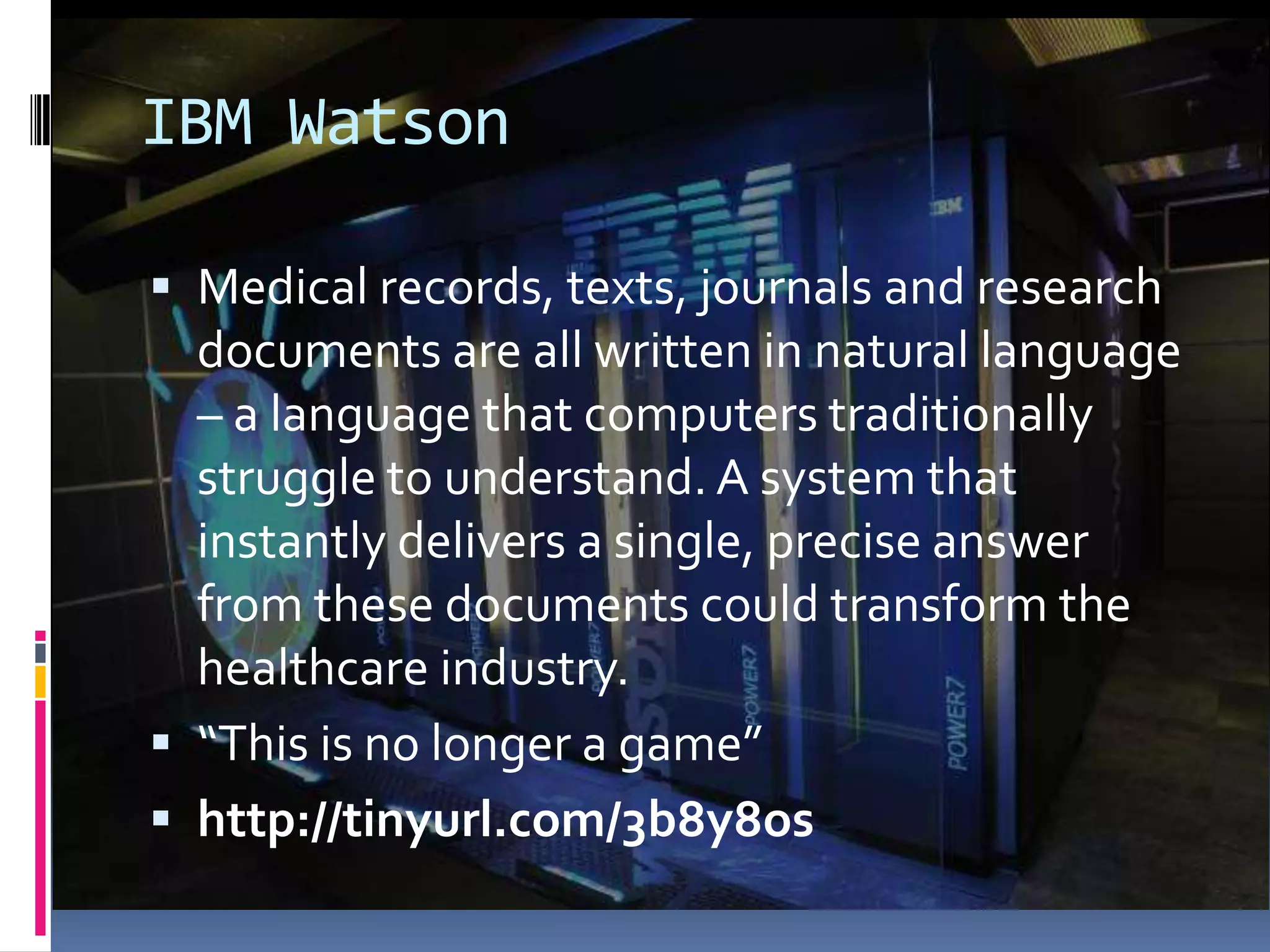
IBM Watson

 Medical records, texts, journals and research
  documents are all written in natural language
  – a language that computers traditionally
  struggle to understand. A system that
  instantly delivers a single, precise answer
  from these documents could transform the
  healthcare industry.
 “This is no longer a game”
 http://tinyurl.com/3b8y8os
Digital Humans
            Convergence of:
             Genomics
             Social media
             mHealth
             Rebooting Clinical Trials
Conclusion - 1

 EMR as the platform for the future of
  medicine
 Data incoming
   Clinical
   Patient Reported
   Genomic
   Proteomic
   Home monitoring
Conclusion - 2

 Exploit all uses of the EMR to
   Improve practice efficiency
   Ensure patient safety
   Learn about your patients
    (registries)
   Compare treatments
   Engage with patients
Conclusion - 3

 Understand Personalized
  and Precision medicine
 How will we integrate
  genomic data in clinical
  practice in the future?
Conclusion - 4

 Predictive models inform care
 How do we integrate these into practice in
  the EMR?
Conclusion - 5

 How can we reduce the lethal lag time?
 Getting medical findings into practice more
  rapidly
 How can we engage patients?
 Real time data on populations
 New technology for Big Data in health care
Contact me
 @JohnSharp
 Ehealth.johnwsharp.com
 Linkedin.com/in/johnsharp
 Slideshare.net/johnsharp
______________________
 ClevelandClinic.org
 @ClevelandClinic
 Facebook.com/ClevelandClinic
 youtube.com/clevelandclinic

Electronic Medical Records: From Clinical Decision Support to Precision Medicine

  • 1.
    From Clinical DecisionSupport To Precision Medicine ELECTRONIC MEDICAL RECORDS
  • 2.
    Cleveland Clinic  1300 bed main hospital  9 Regional Hospitals  54,000 admissions, 2 million visits  Group practice of 2700 salaried physicians and scientists  3000+ research projects  Innovative Medical School  30 spin off companies  Office of Patient Experience
  • 3.
    Lethal Lag Time It takes an average of 17 years to implement clinical research results into daily practice  Unacceptable to patients  Can Electronic Medical Records and Clinical Decision Support Systems change this?
  • 4.
    Electronic Medical Records Comprehensive medical information  Images  Communication with other physicians, medical professionals  Communication with patients  3 million active patients, 10 years
  • 5.
    EMR Inputs andOutputs Inputs EMR Tools Outputs • Clinical • Alerts Secondary Use • Labs • Best practices • Data sets • Devices • Smart sets • Registries • Remote monitoring • Workflow • Quality reports • Pt outcomes • Communication to • Omics other • Social media? providers, patients
  • 6.
  • 7.
    Clinical Decision Support Process for enhancing health-related decisions and actions with pertinent, organized clinical knowledge and patient information  to improve health and healthcare delivery.  Information recipients can include patients, clinicians and others involved in patient care delivery http://www.himss.org/ASP/topics_clinicalDec ision.asp
  • 8.
    Like a GPS,CDS supplies information tailored to the current situation, and organized for maximum value.
  • 9.
  • 10.
  • 11.
    CDS as aStrategic Tool • CDS should be used as a strategic tool for achieving an organization’s priority care delivery objectives. • These objectives are driven by external forces such as • payment models • regulations related to improving care quality and safety • internal needs for improving quality and patient safety • reducing medical errors • increasing efficiency
  • 12.
    EMR Alert Types Clinical Decision Support Target Area of Care Example Preventive care Immunization, screening, disease management guidelines for secondary prevention Diagnosis Suggestions for possible diagnoses that match a patient’s signs and symptoms Planning or implementing Treatment guidelines for specific diagnoses, drug treatment dosage recommendations, alerts for drug-drug interactions Followup management Corollary orders, reminders for drug adverse event monitoring Hospital, provider efficiency Care plans to minimize length of stay, order sets Cost reductions and improved Duplicate testing alerts, drug formulary guidelines patient convenience
  • 13.
    Clinical Decision Support Examples New diagnosis of Rheumatoid Arthritis, prompted to refer to preventive cardiology
  • 14.
    Clinical Decision Support Examples Age > 50 and a fragile fracture diagnosis – order set for bone density scan and appropriate medication regimen  Go to Smart Set
  • 15.
    Clinical Decision Support Examples  Solid organ transplant – chemoprevention for skin cancer
  • 16.
    The CDS Toolbox (moreexamples)  Drug-Drug Interactions  Rules to meet strategic  Drug-Allergy interactions objectives (core measures, antibiotic  Dose Range Checking usage, blood management)  Standardized evidence based  Documentation templates ordersets  Relevant data displays  Links to knowledge references  Point of care reference  Links to local policies information (i.e. InfoButtons)  Web based reference information  Diagnostic decision support tools
  • 17.
    Virtuous Cycle ofClinical Decision Support Registry Measure Practice Guideline CDS http://www2.eerp.usp.br/Nepien/DisponibilizarArquivos/tomada_de_decis%C3%A3o.pdf
  • 19.
  • 20.
    EMR and Qualityof Care  Diabetes care was 35.1 percentage points higher at EHR sites than at paper-based sites  Standards for outcomes was 15.2 percentage points higher  Across all insurance types, EHR sites were associated with significantly higher achievement of care and outcome standards and greater improvement in diabetes care  Better Health Greater Cleveland
  • 21.
  • 22.
    The Role ofRegistries  EMR data available to create a registry for any condition  Study the condition – progression, treatments  Comparative effectiveness of treatments  Recruit for clinical trials  Develop clinical decision support
  • 23.
    Chronic Kidney Disease Registry  Chronic Kidney Disease Registry  Established 2009  60,000 patients from the health system  Cohort – Adults with two eGFRs less than 60 within 3 months, outpatient results only, or diagnosis of CKD  http://www.chrp.org/pdf/HSR_12022011_Slid es.pdf
  • 24.
    Validation Results  Ourdataset’s agreement with EHR-extracted data for documentation of the presence and absence of comorbid conditions, ranged from substantial to near perfect agreement.  Hypertension and coronary artery disease were exceptions  EMR data accurate for research use
  • 25.
    Registry Results  2011 5 out of 5 abstracts accepted to American Society of Nephrology annual meeting  Three papers accepted to nephrology journals  NIH grant  Partnerships with other research centers
  • 26.
    Pediatric Surgical Site Infection Data from the EMR and the operative record  When did antibiotics start?  Was pre-op skin prep done?  Was the time-out and checklist observed in the OR  Post-op care quality
  • 27.
    Patient Reported Outcomes Understanding the outcomes of treatment incomplete without  Patient Reported Outcomes Measurement Information System http://www.nihpromis.org/  Patient-Centered Outcomes Research Institute http://www.pcori.org/
  • 28.
    Patient Reported Outcomes Quality of life  Activities of daily living  Recording weight, diet, exercise using apps  Quantified Self
  • 29.
    Population Health  Newtools to enable the study of disease trends and epidemics  PopHealth - submission of quality measures to public health organizations http://projectpophealth.org  Query Health – standards to enable Distributed Health Queries http://wiki.siframework.org/Query+Health
  • 30.
    Predictive Models  Predicting6-Year Mortality Risk in Patients With Type 2 Diabetes  Cohort of 33,067 patients with type 2 diabetes identified in the Cleveland EMR  Prediction tool created in this study was accurate in predicting 6-year mortality risk among patients with type 2 diabetes  Diabetes Care December 2008, vol. 31 no. 12: 2301-2306
  • 31.
    Postoperative nomogram basedon 996 patients treated at The Methodist Hospital, Houston, TX, for predicting PSA recurrence after radical prostatectomy. Nomograms bring into visual perspective the effect exerted by continuous variables against measured end points Kattan M W et al. JCO 1999;17:1499-1499 ©1999 by American Society of Clinical Oncology
  • 32.
    BiCaucasi.an Nouanide (e.g gFemale No Risk Calculators Type 2 Diabetes Predicting 6-Year Mortality Risk
  • 33.
  • 34.
    Against Diagnosis  Theact of diagnosis requires that patients be placed in a binary category of either having or not having a certain disease.  These cut-points do not adequately reflect disease biology, may inappropriately treat patients  Risk prediction as an alternative to diagnosis  Patient risk factors (blood pressure, age) are combined into a single statistical model (risk for a cardiovascular event within 10 years) and the results are used in shared decision making about possible treatments.  Annals of Internal Medicine, August 5, 2008vol. 149 no. 3 200-203
  • 35.
    Information Overload  Newinformation in the  Information about an medical literature individual patient  PubMed adding over  Lab results 670,000 new entries per  Vitals year  Imaging  Genomics
  • 36.
    Personalized Medicine  Theboundaries are fading between basic research and the clinical applications of systems biology and proteomics  New therapeutic models  Journal of Proteome Research Vol. 3, No. 2, 2004, 179-196.
  • 37.
    Example–Parkinson’s Disease  NewCleveland Clinic partnership with 23andMe to collect DNA from Parkinson’s patients  Looking for Genome Wide Associations (GWAS)  23andme.com/pd/
  • 39.
    Precision Medicine  ”state-of-the-artmolecular profiling to create diagnostic, prognostic, and therapeutic strategies precisely tailored to each patient's requirements.”  ”The success of precision medicine will depend on establishing frameworks for …interpreting the influx of information that can keep pace with rapid scientific developments.”  N Engl J Med 2012; 366:489-491, 2/ 9/2012
  • 40.
    Artificial Intelligence in Medicine Developing a search engine that will scan thousands of medical records to turn up documents related to patient queries.  Learn based on how it is used  “We are not contemplating ― unless this were an unbelievably fantastic success ― letting a machine practice medicine.”  http://www.health2news.com/2012 /02/10/the-national-library-of- medicine-explores-a-i/
  • 41.
    IBM Watson  Medicalrecords, texts, journals and research documents are all written in natural language – a language that computers traditionally struggle to understand. A system that instantly delivers a single, precise answer from these documents could transform the healthcare industry.  “This is no longer a game”  http://tinyurl.com/3b8y8os
  • 42.
    Digital Humans Convergence of:  Genomics  Social media  mHealth  Rebooting Clinical Trials
  • 43.
    Conclusion - 1 EMR as the platform for the future of medicine  Data incoming  Clinical  Patient Reported  Genomic  Proteomic  Home monitoring
  • 44.
    Conclusion - 2 Exploit all uses of the EMR to  Improve practice efficiency  Ensure patient safety  Learn about your patients (registries)  Compare treatments  Engage with patients
  • 45.
    Conclusion - 3 Understand Personalized and Precision medicine  How will we integrate genomic data in clinical practice in the future?
  • 46.
    Conclusion - 4 Predictive models inform care  How do we integrate these into practice in the EMR?
  • 47.
    Conclusion - 5 How can we reduce the lethal lag time?  Getting medical findings into practice more rapidly  How can we engage patients?  Real time data on populations  New technology for Big Data in health care
  • 48.
    Contact me  @JohnSharp Ehealth.johnwsharp.com  Linkedin.com/in/johnsharp  Slideshare.net/johnsharp ______________________  ClevelandClinic.org  @ClevelandClinic  Facebook.com/ClevelandClinic  youtube.com/clevelandclinic