

THE FIRST 72
HOURS
BY MARA L. MULLINIX DVM
DYSTOCIA
• CAN affect the new born in many harmful
ways:
1. HYPOXIA
2. TRAUMA
3. WEAK MOM SYNDROME
4. AND LAST BUT CERTAINLY NOT LEAST
Energy deficit= hypoglycemia+hypothermia
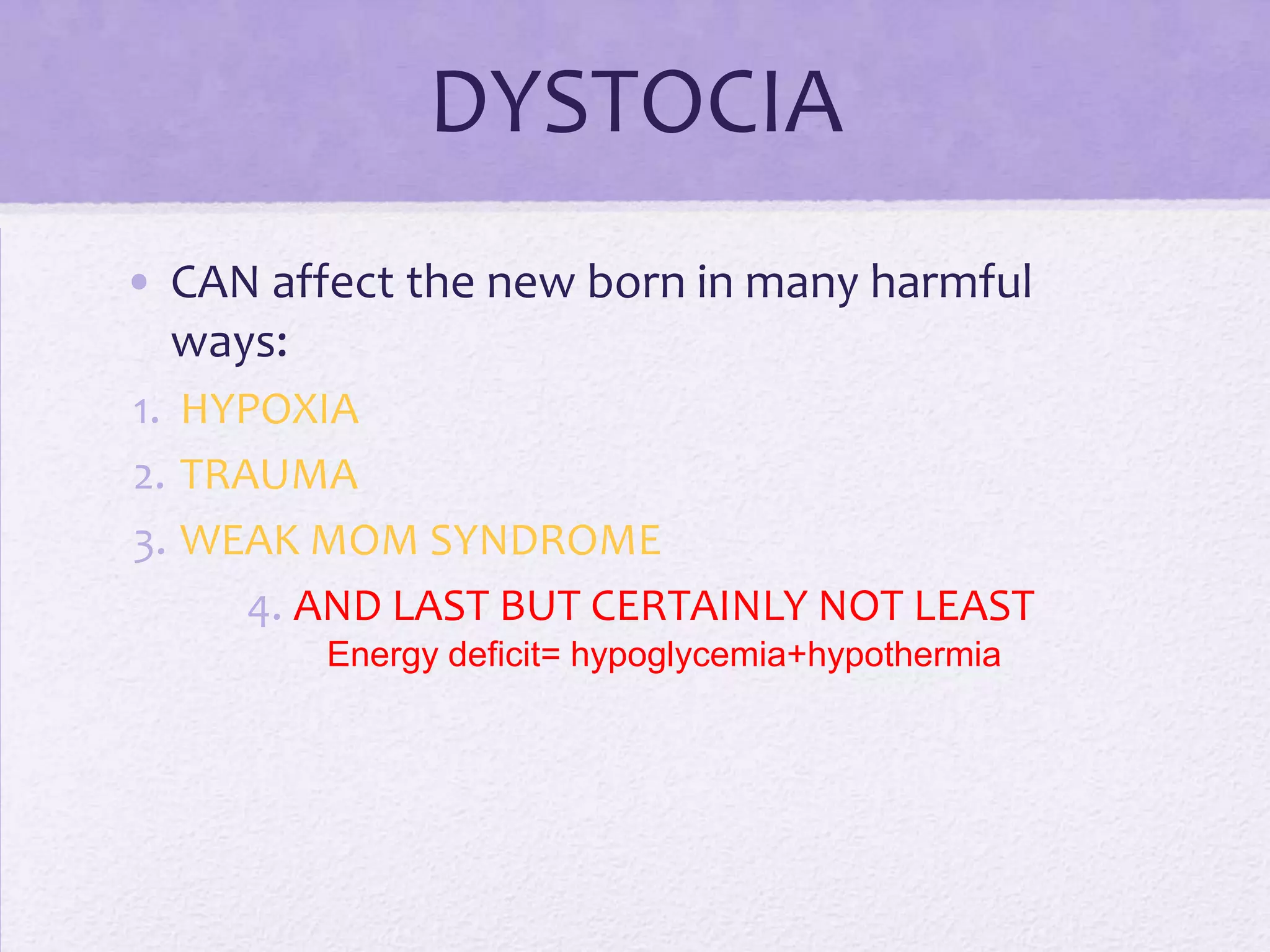
HYPOXIA
Lambs that are affected
due to compression of
their umbilicus during a
difficult labor, have lungs
that are full of fluid and
are unable to exchange
oxygen into the body. So
they begin life with
“pneumonia’
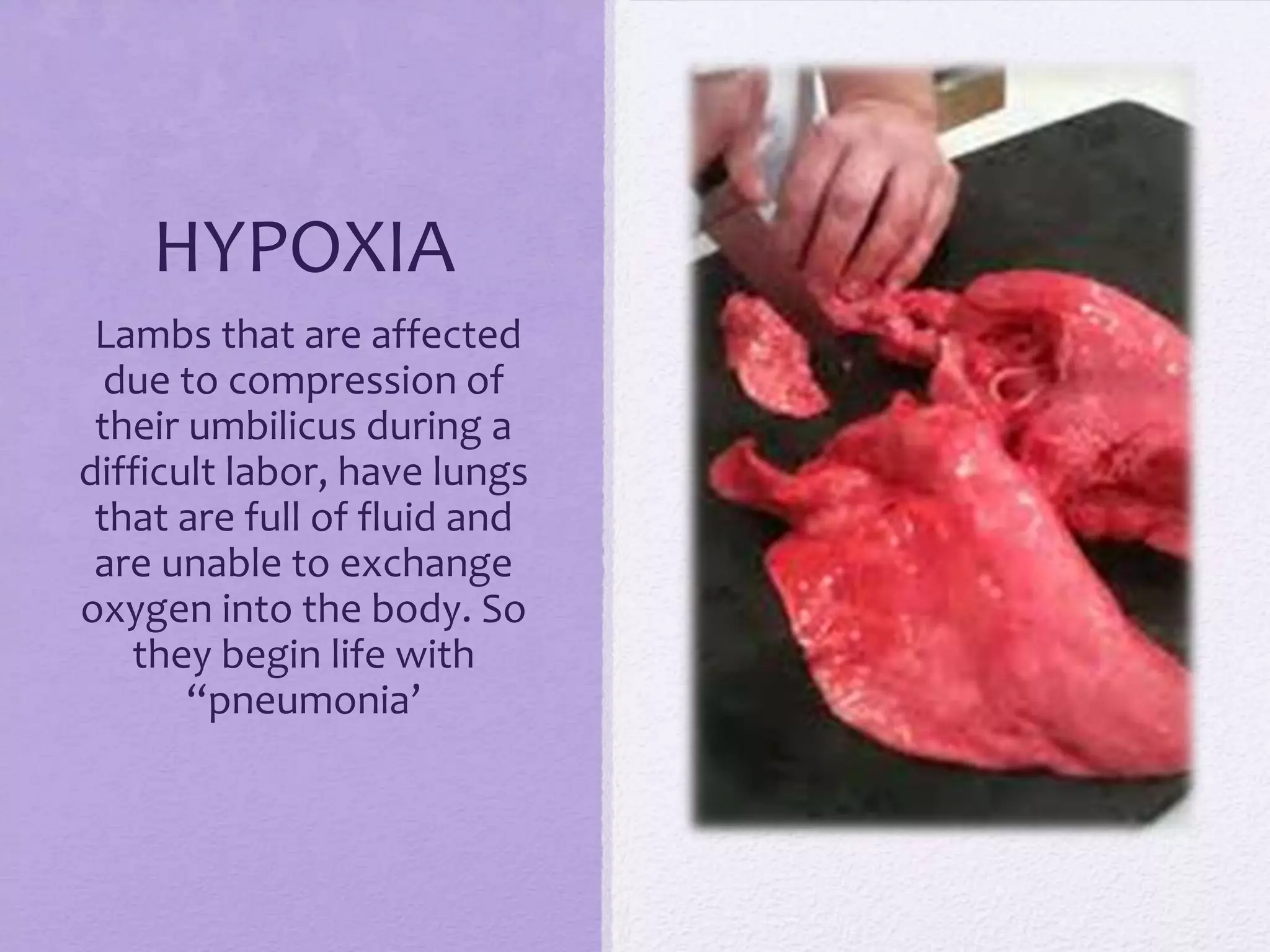
TRAUMA
OK…..
Lets talk about
trauma!
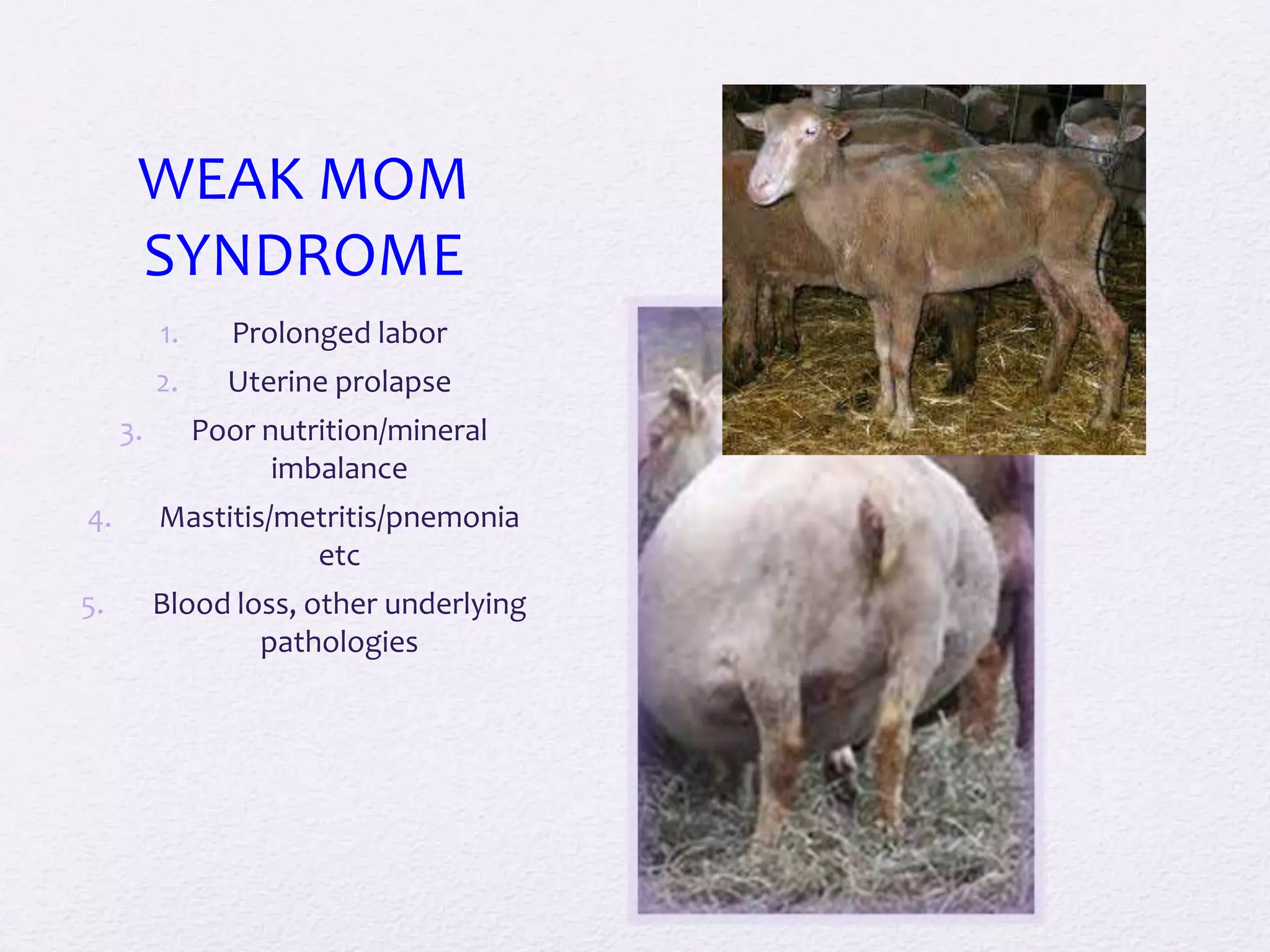
WEAK MOM
SYNDROME
1.
2.
3.

Prolonged labor
Uterine prolapse
Poor nutrition/mineral
imbalance

4.

Mastitis/metritis/pnemonia
etc

5.

Blood loss, other underlying
pathologies
ENERGY DEFICIT due to
DYSTOCIA
• Hypoglycemia and hyperthermia are combined
to cause energy deficiency. When this occurs
during and immediately post delivery :

TIME IS OF THE
ESSENCE!
Energy Deficit
When an neonate becomes hypothermic it utilizes
the brown fat it has stored, prematurely!! This
stored fat is for the tremendous energy boost
needed for the first few hours of life.

HYPOTHERMIA>>>>>>HYPOGLYCEMIA
AND
HYPOPGLYCEMIA>>>>>>HYPOTHERMIA
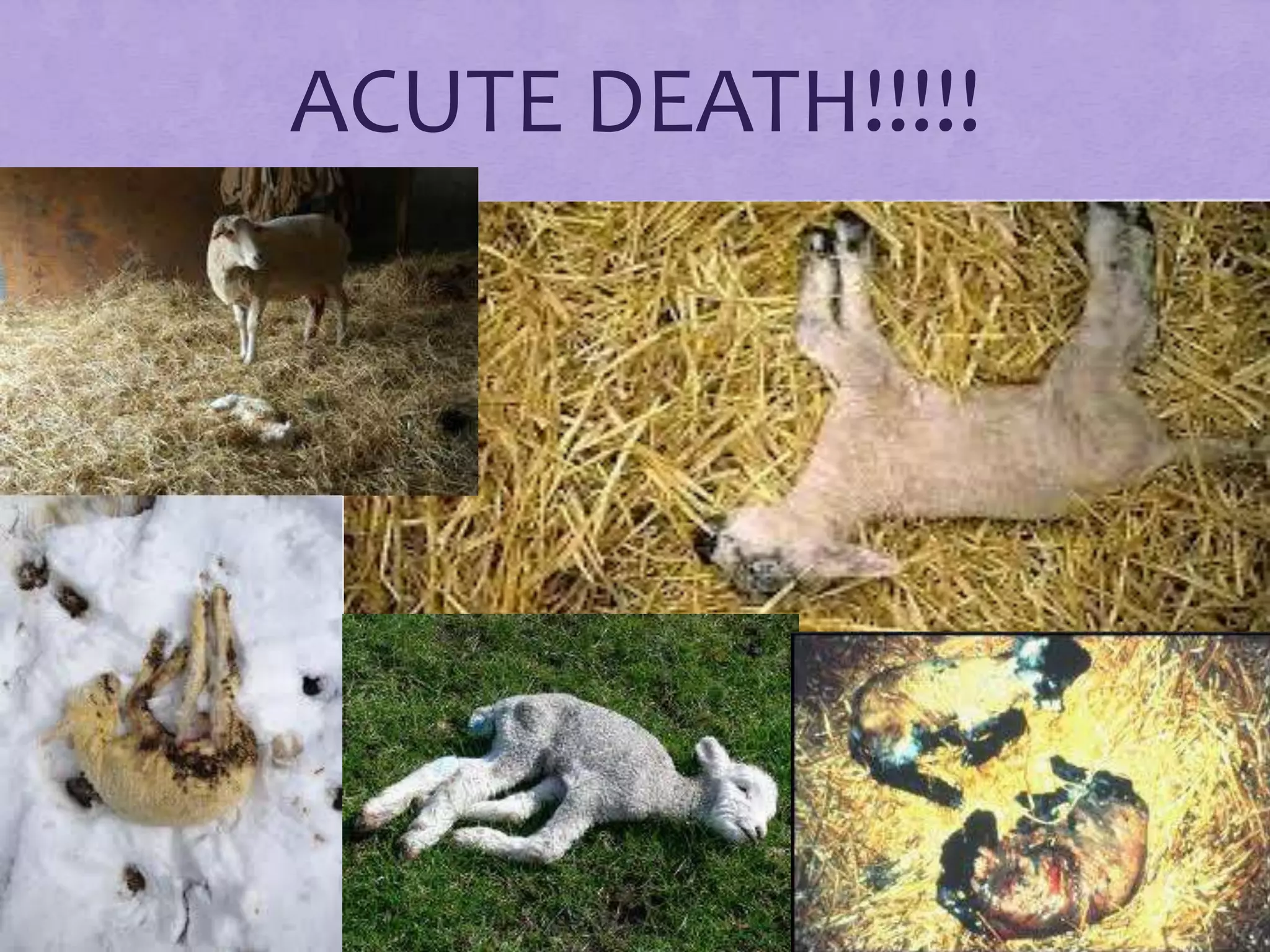
AND left unchecked this leads to……..
ACUTE DEATH!!!!!
Prevention is truly
worth a Pound of
cure!!!
Know “NORMAL”
This may seems simple but know
what’s normal for your species,
breed, and even line of babies!
Baby Goats are different than
Suffolk Lambs are different than
Finn Lambs.
PREVENTION

STOP!
LOOK!
LISTEN!
STOP
EVERY TIME YOU WALK INTO THE BARN
• STOP Talking
• Stop Walking
• Stop thinking about everything else!!!
• Stop and Be a SHEPHERD
• Even those with goats!
LOOK
CHILLED LAMBS
•Are hunched up…Do not STRETCH!

•Are Hollowed out
•Are lethargic and show signs of
dehydration
•Mothers are agitated, pawing or
moving lambs with nose
LISTEN
• Lambs are crying and may sound weak
• Mothers are calling and sometimes banging on
gates and sides of pens

• Or …the lamb isn’t making any noise at all!!
Check The Mother
• Is she MEAN? Is she weak? Is she the MOM?
• Check teats and udder, make sure teats
available for easy nursing..wool tags?, mastitis?
Big udder? Little udder? Big teats or little teats?
• Check colostrum?
• Mother’s experience..how quickly did she dry
off the lambs,
• If more than twins.. should one be removed?
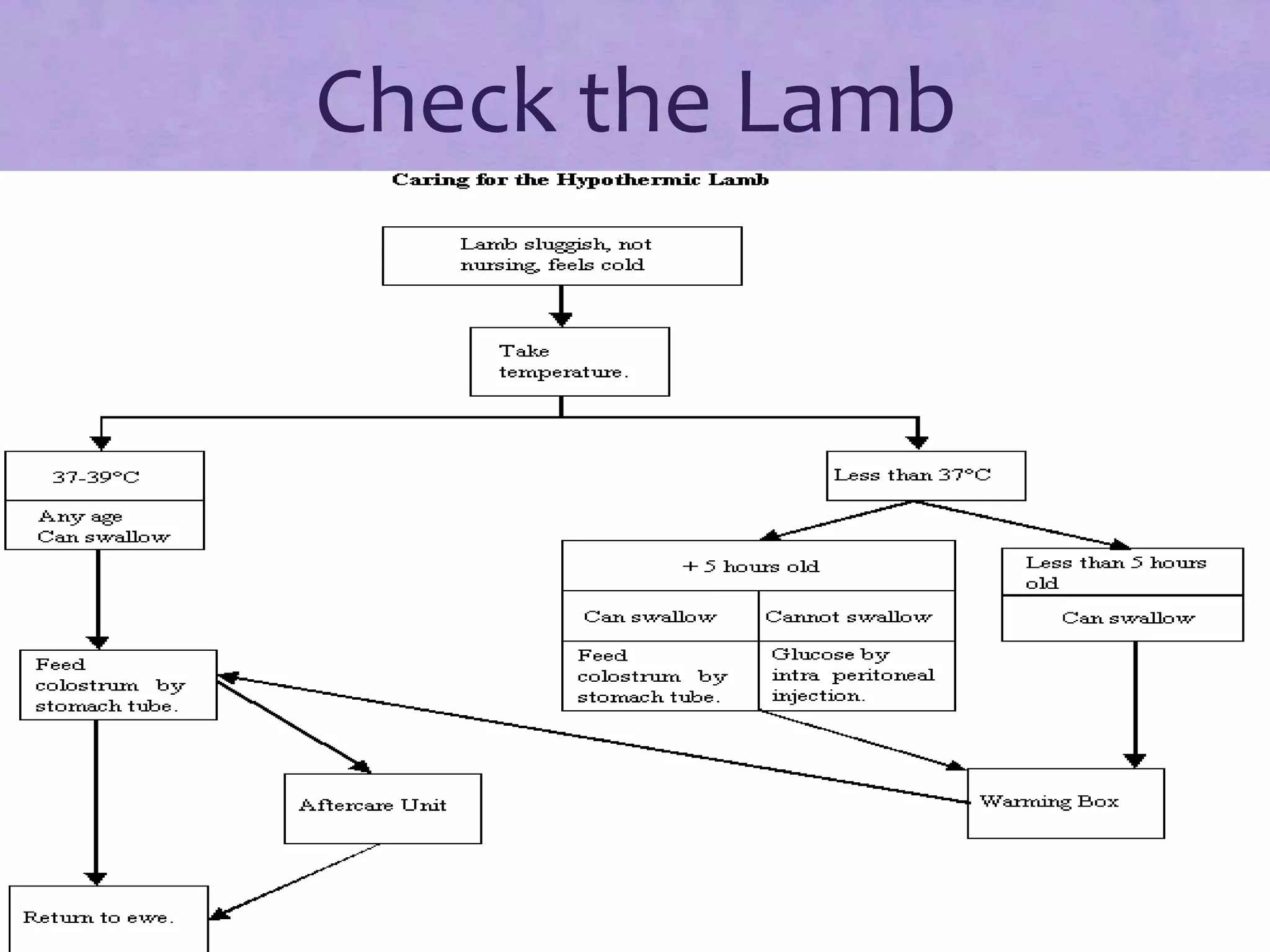
Check the Lamb
• Is it laying flat out, Frozen to the ground?
• Is its mouth cold?
• Check its rectal temperature
Always feed with a bottle
if appropriate
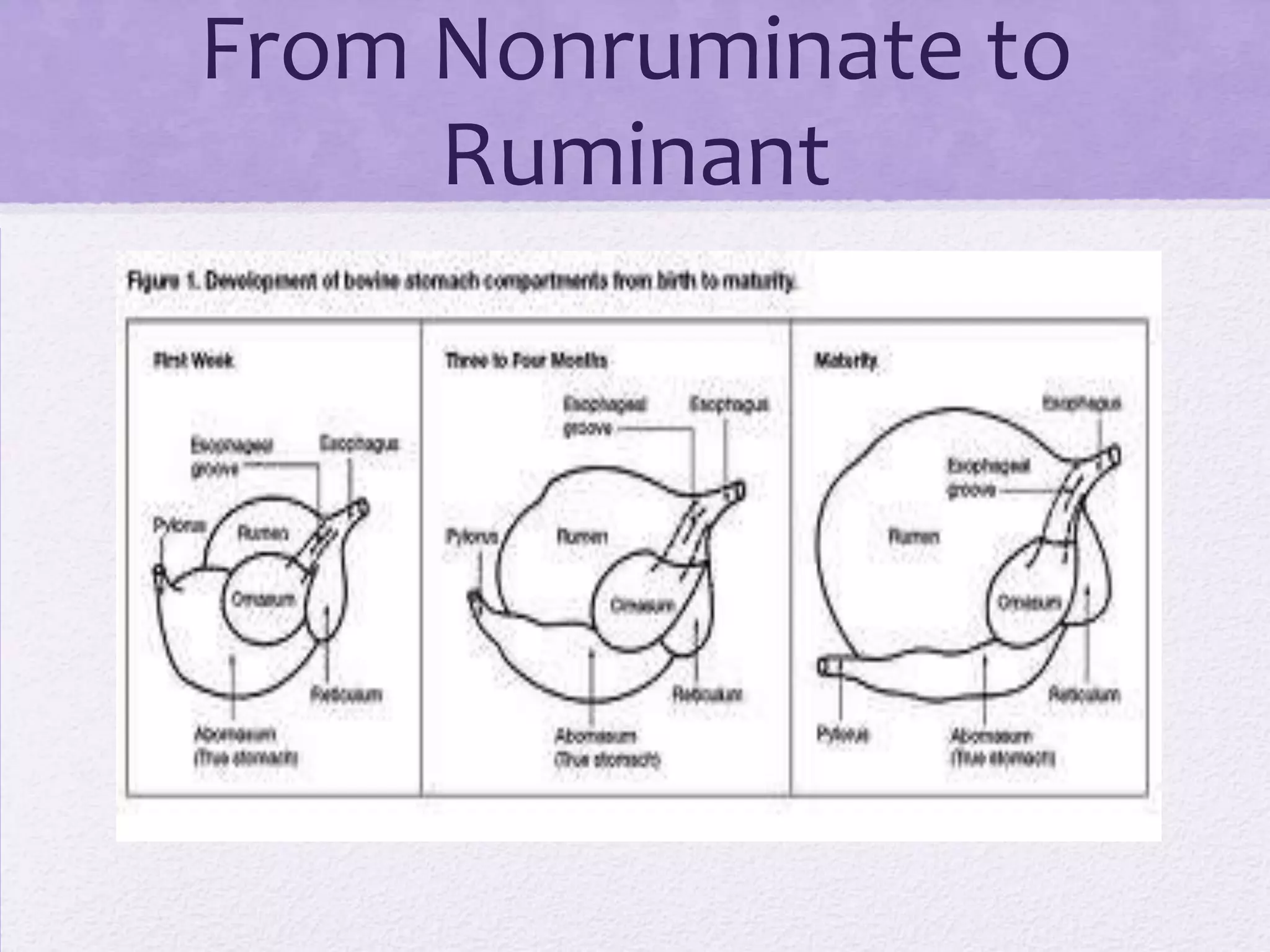
Nursing or the oral administration of certain
chemicals(NaCl and Na Bicarb.) opens the
esophageal or reticular-omasal groove which
directs colostrum (fluids) into the abomasum. By
bypassing the reticulum, omasum and the
rumen, which aren’t mature enough too
function, you decrease the possibility of the
productions of toxins from putrefaction of the
liquid in those organs.
From Nonruminate to
Ruminant
Esophageal
Feeding
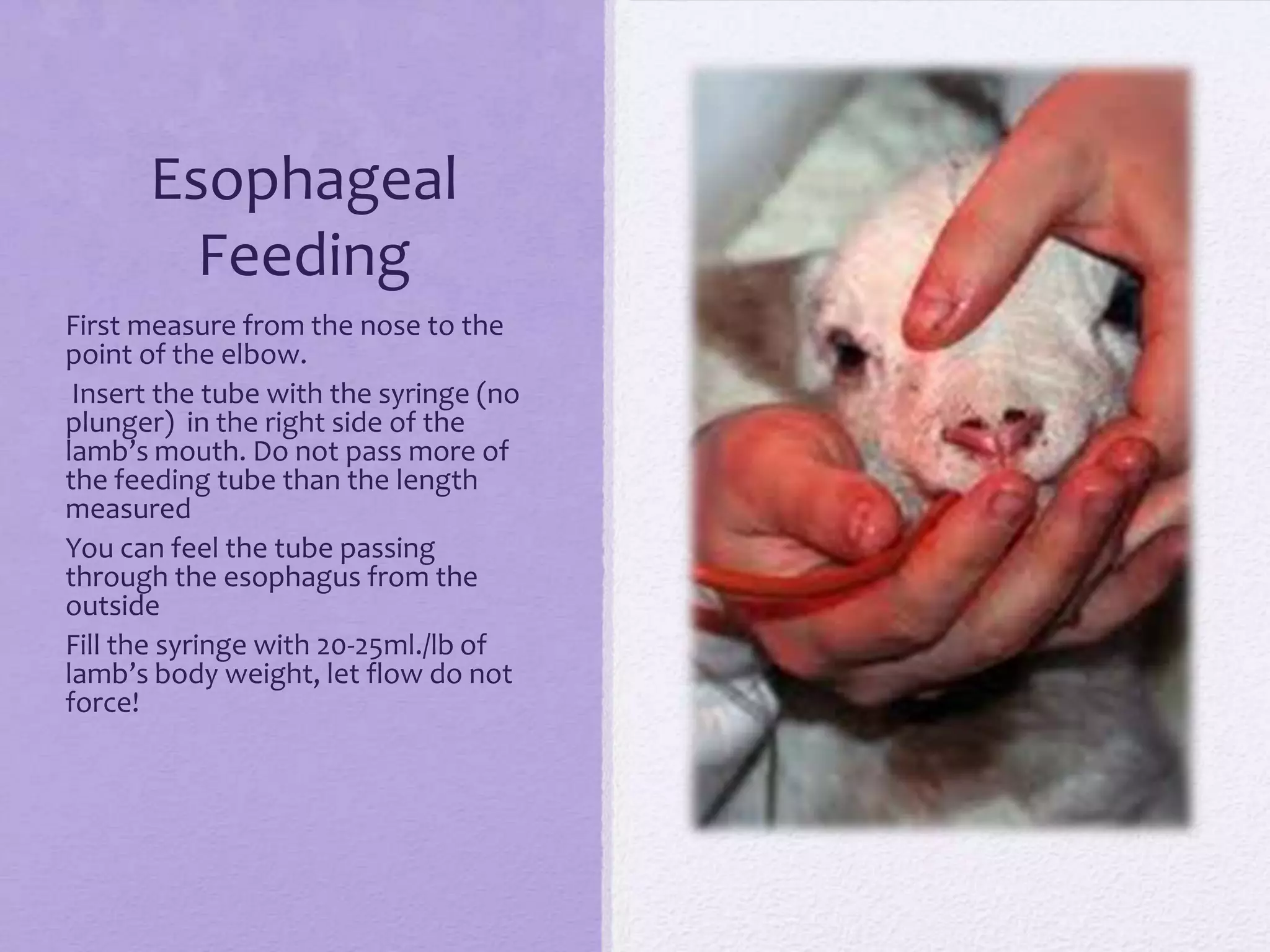
First measure from the nose to the
point of the elbow.
Insert the tube with the syringe (no
plunger) in the right side of the
lamb’s mouth. Do not pass more of
the feeding tube than the length
measured
You can feel the tube passing
through the esophagus from the
outside
Fill the syringe with 20-25ml./lb of
lamb’s body weight, let flow do not
force!
Intraperitoneal fluids
• If the lamb is more than 5 hours old and its
body temperature is less than 98 degrees.
INTRAPERITONEAL FLUIDS SHOULD BE GIVEN
then warm the lamb
• HANG THE LAMB UPSIDE DOWN
• SCRUB THE NAVEL AREA WITH IODINE

• INJECT ONE INCH BEKLOW AND ONE TO THE
LAMBS LEFT SIDE WITH A 20guage 1 inch
NEEDLE with DEXTROSE/FLUID MIXTURE
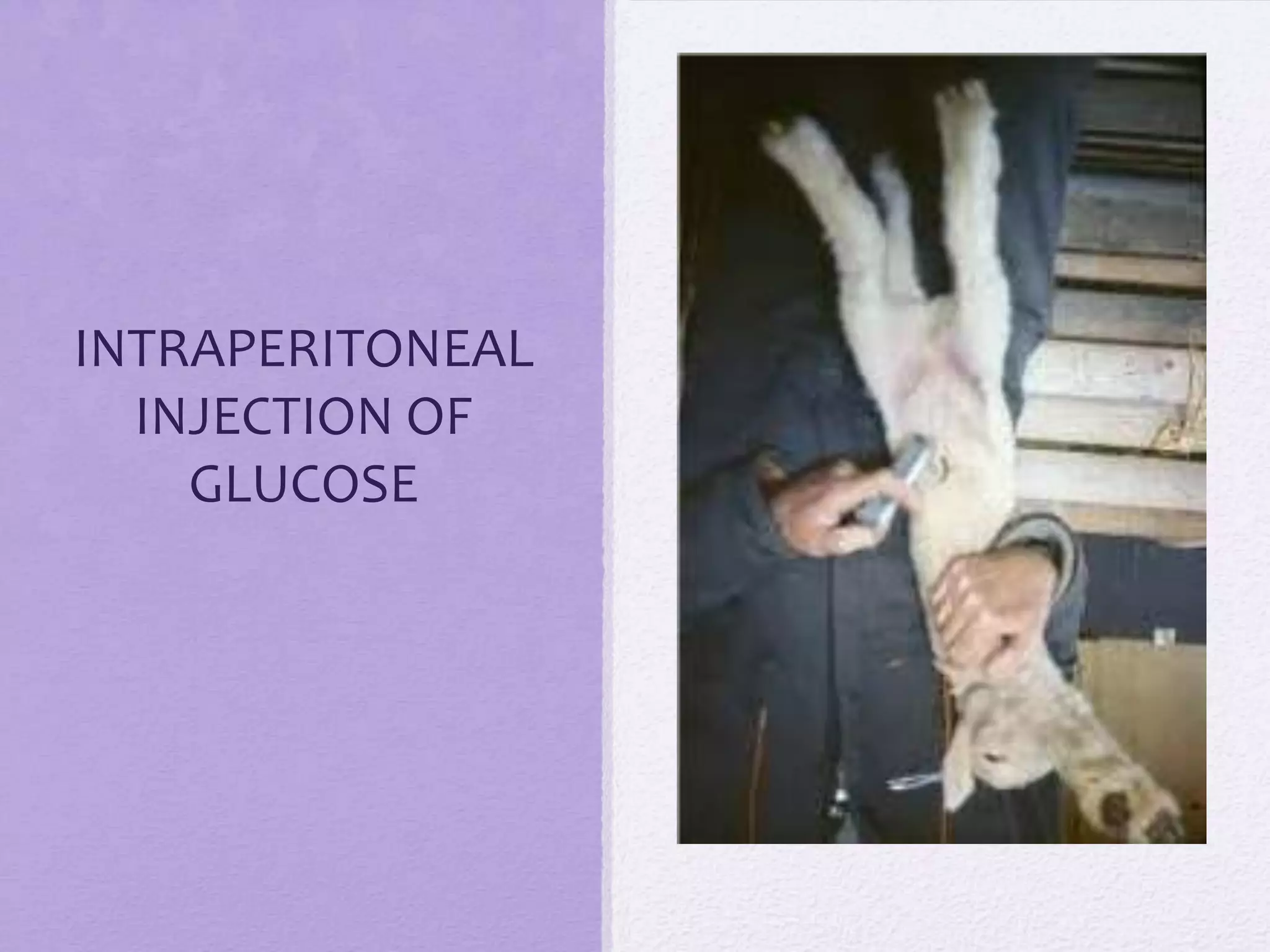
INTRAPERITONEAL
INJECTION OF
GLUCOSE
Intraperitoneal Dextrose
Dosage chart for mixing IP fluids according to
lambs weight
Lambs wt
5lbs

Total amt. 50% dextrose H2O/fluid
25ml.
10ml
15ml

7lbs

35ml

14ml

21ml

10lbs

50ml

20ml

30ml

15lbs

75ml

30ml

45ml
Normal Temperature is
the Goal
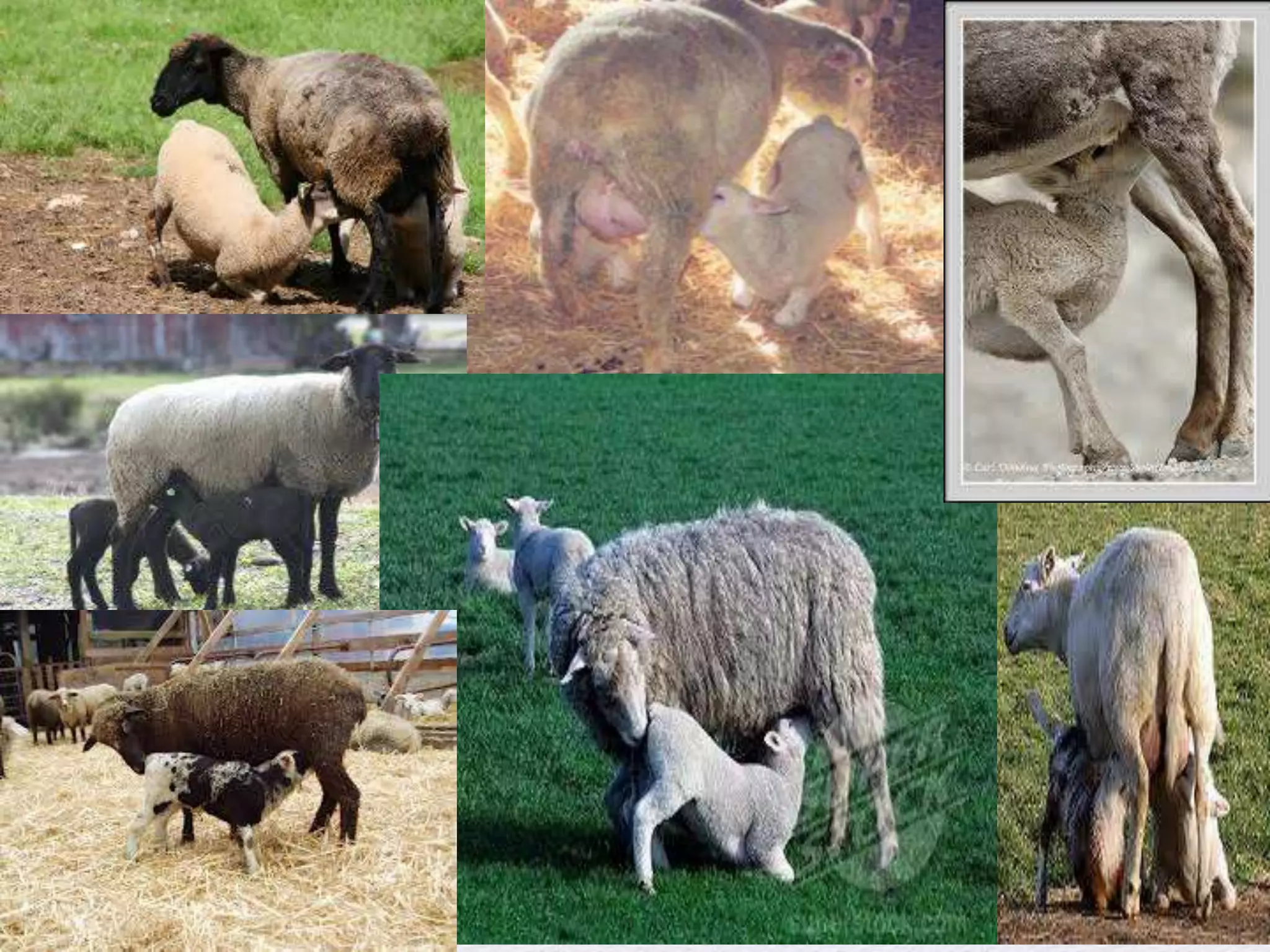
• Once the lamb has achieved normal
temperature return him and his siblings back
to the mother if possible.
• Feed colostrum and milk if necessary but
getting the lamb to nurse on the ewe is ideal!
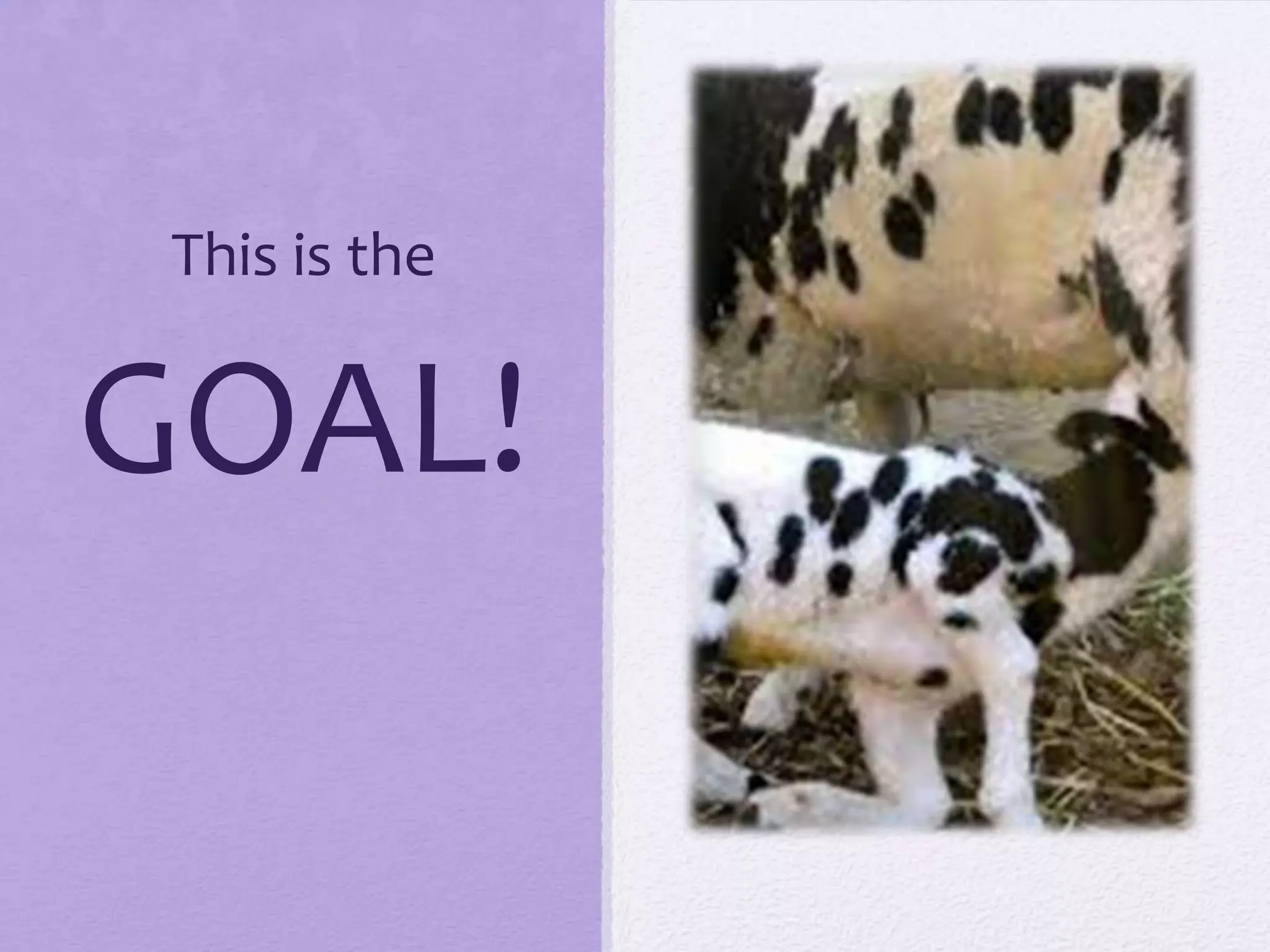
This is the

GOAL!
First 72 Hours

First 72 Hours

  • 1.
    THE FIRST 72 HOURS BYMARA L. MULLINIX DVM
  • 2.
    DYSTOCIA • CAN affectthe new born in many harmful ways: 1. HYPOXIA 2. TRAUMA 3. WEAK MOM SYNDROME 4. AND LAST BUT CERTAINLY NOT LEAST Energy deficit= hypoglycemia+hypothermia
  • 3.
    HYPOXIA Lambs that areaffected due to compression of their umbilicus during a difficult labor, have lungs that are full of fluid and are unable to exchange oxygen into the body. So they begin life with “pneumonia’
  • 4.
  • 5.
    WEAK MOM SYNDROME 1. 2. 3. Prolonged labor Uterineprolapse Poor nutrition/mineral imbalance 4. Mastitis/metritis/pnemonia etc 5. Blood loss, other underlying pathologies
  • 6.
    ENERGY DEFICIT dueto DYSTOCIA • Hypoglycemia and hyperthermia are combined to cause energy deficiency. When this occurs during and immediately post delivery : TIME IS OF THE ESSENCE!
  • 7.
    Energy Deficit When anneonate becomes hypothermic it utilizes the brown fat it has stored, prematurely!! This stored fat is for the tremendous energy boost needed for the first few hours of life. HYPOTHERMIA>>>>>>HYPOGLYCEMIA AND HYPOPGLYCEMIA>>>>>>HYPOTHERMIA AND left unchecked this leads to……..
  • 8.
  • 9.
    Prevention is truly wortha Pound of cure!!!
  • 10.
    Know “NORMAL” This mayseems simple but know what’s normal for your species, breed, and even line of babies! Baby Goats are different than Suffolk Lambs are different than Finn Lambs.
  • 11.
  • 12.
    STOP EVERY TIME YOUWALK INTO THE BARN • STOP Talking • Stop Walking • Stop thinking about everything else!!! • Stop and Be a SHEPHERD • Even those with goats!
  • 13.
    LOOK CHILLED LAMBS •Are hunchedup…Do not STRETCH! •Are Hollowed out •Are lethargic and show signs of dehydration •Mothers are agitated, pawing or moving lambs with nose
  • 14.
    LISTEN • Lambs arecrying and may sound weak • Mothers are calling and sometimes banging on gates and sides of pens • Or …the lamb isn’t making any noise at all!!
  • 15.
    Check The Mother •Is she MEAN? Is she weak? Is she the MOM? • Check teats and udder, make sure teats available for easy nursing..wool tags?, mastitis? Big udder? Little udder? Big teats or little teats? • Check colostrum? • Mother’s experience..how quickly did she dry off the lambs, • If more than twins.. should one be removed?
  • 16.
    Check the Lamb •Is it laying flat out, Frozen to the ground? • Is its mouth cold? • Check its rectal temperature
  • 17.
    Always feed witha bottle if appropriate Nursing or the oral administration of certain chemicals(NaCl and Na Bicarb.) opens the esophageal or reticular-omasal groove which directs colostrum (fluids) into the abomasum. By bypassing the reticulum, omasum and the rumen, which aren’t mature enough too function, you decrease the possibility of the productions of toxins from putrefaction of the liquid in those organs.
  • 18.
  • 19.
    Esophageal Feeding First measure fromthe nose to the point of the elbow. Insert the tube with the syringe (no plunger) in the right side of the lamb’s mouth. Do not pass more of the feeding tube than the length measured You can feel the tube passing through the esophagus from the outside Fill the syringe with 20-25ml./lb of lamb’s body weight, let flow do not force!
  • 20.
    Intraperitoneal fluids • Ifthe lamb is more than 5 hours old and its body temperature is less than 98 degrees. INTRAPERITONEAL FLUIDS SHOULD BE GIVEN then warm the lamb • HANG THE LAMB UPSIDE DOWN • SCRUB THE NAVEL AREA WITH IODINE • INJECT ONE INCH BEKLOW AND ONE TO THE LAMBS LEFT SIDE WITH A 20guage 1 inch NEEDLE with DEXTROSE/FLUID MIXTURE
  • 21.
  • 22.
    Intraperitoneal Dextrose Dosage chartfor mixing IP fluids according to lambs weight Lambs wt 5lbs Total amt. 50% dextrose H2O/fluid 25ml. 10ml 15ml 7lbs 35ml 14ml 21ml 10lbs 50ml 20ml 30ml 15lbs 75ml 30ml 45ml
  • 23.
    Normal Temperature is theGoal • Once the lamb has achieved normal temperature return him and his siblings back to the mother if possible. • Feed colostrum and milk if necessary but getting the lamb to nurse on the ewe is ideal!
  • 24.