Psychology 102: Introduction & overview

Loading...

Flash Player 9 (or above) is needed to view presentations.
We have detected that you do not have it on your computer. To install it, go here.

0 comments

Post a comment

    Post a comment
    Embed Video
    Edit your comment Cancel

    1 Favorite

    Psychology 102: Introduction & overview - Presentation Transcript

    1. Psychology 102: Introduction & Overview Dr James Neill Centre for Applied Psychology University of Canberra 2009
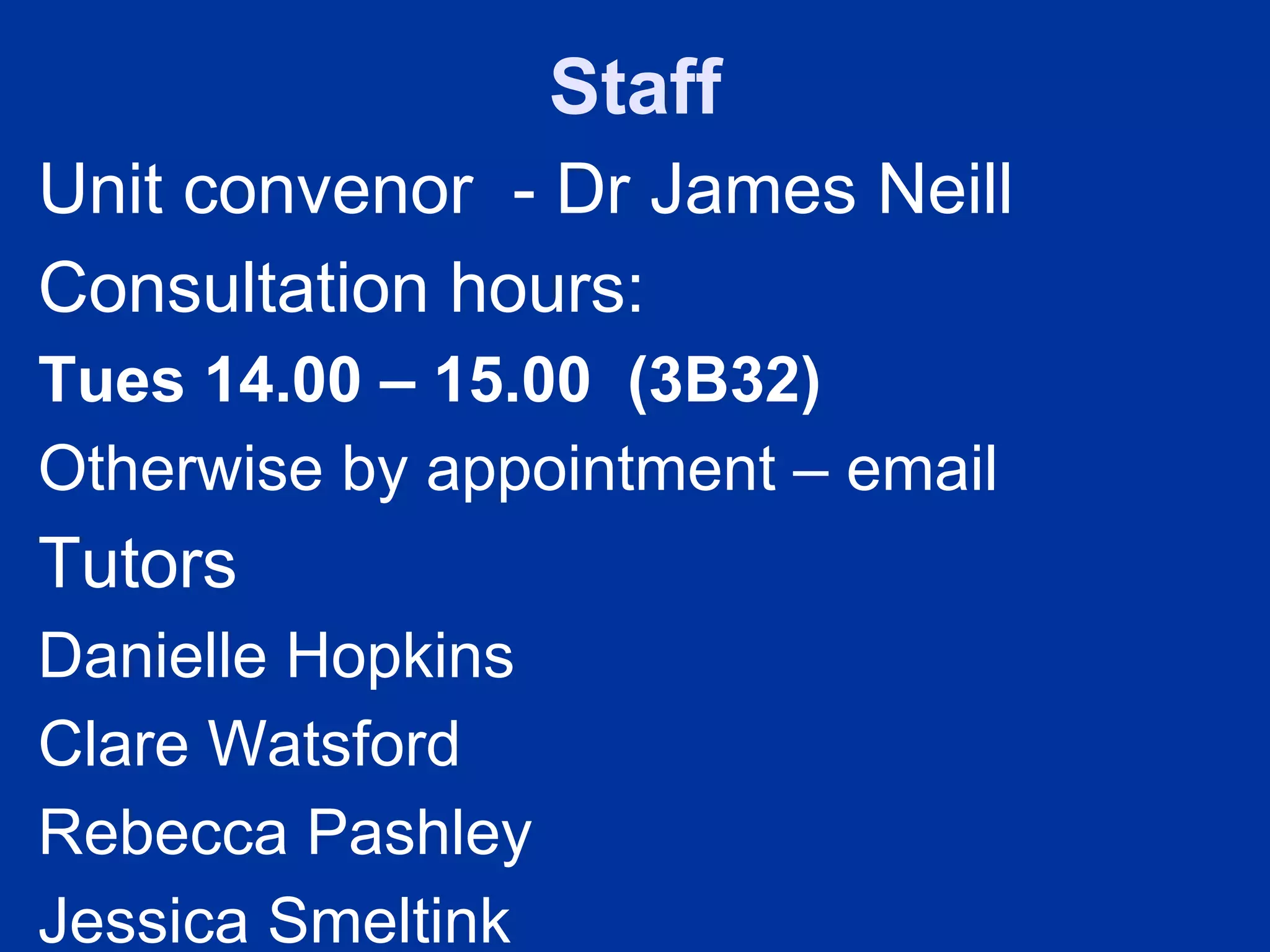
    2. Staff Unit convenor - Dr James Neill Consultation hours: Tues 14.00 – 15.00 (3B32) Otherwise by appointment – email Tutors Danielle Hopkins Clare Watsford Rebecca Pashley Jessica Smeltink
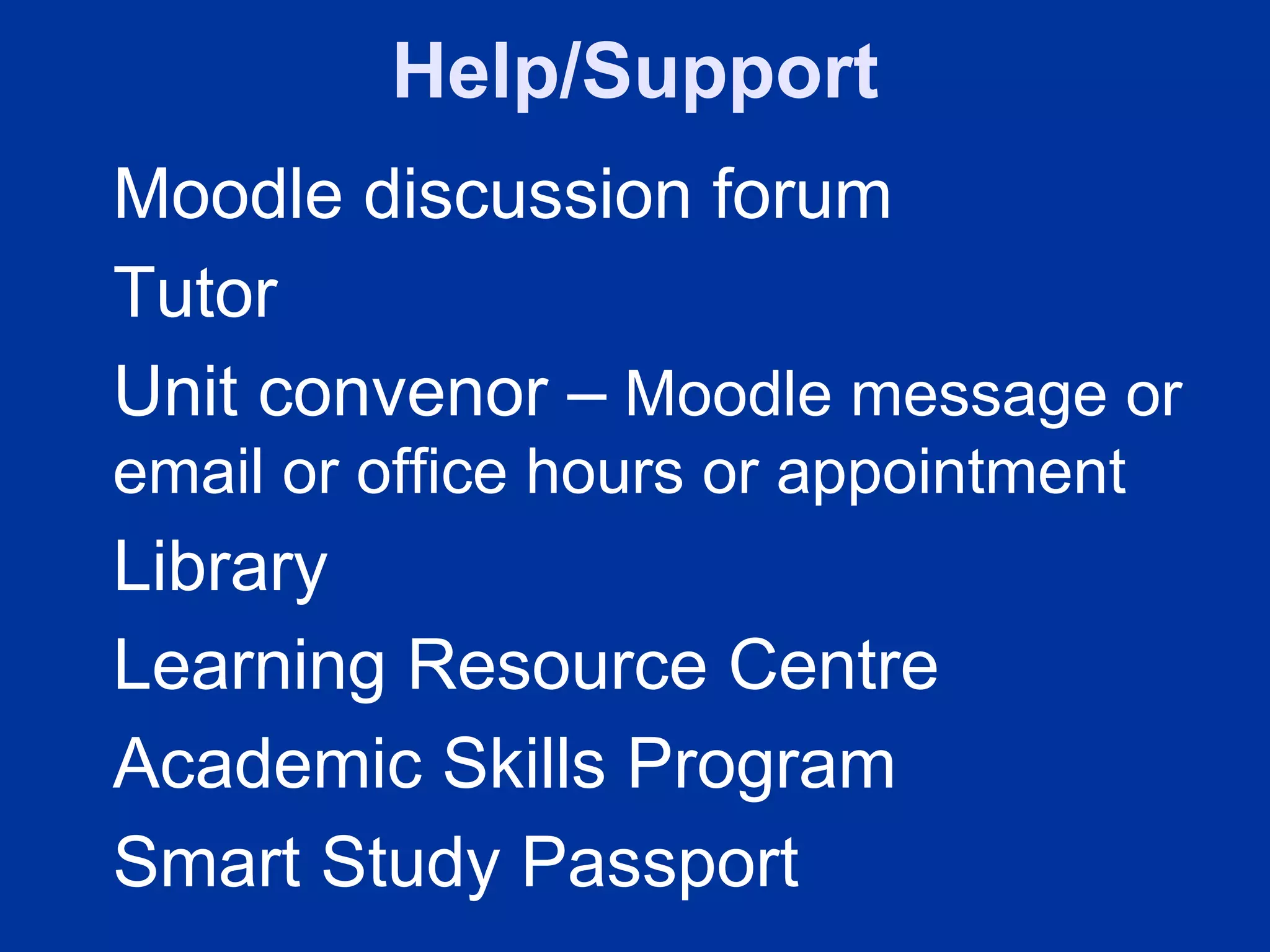
    3. Help/Support Moodle discussion forum Tutor Unit convenor – Moodle message or email or office hours or appointment Library Learning Resource Centre Academic Skills Program Smart Study Passport
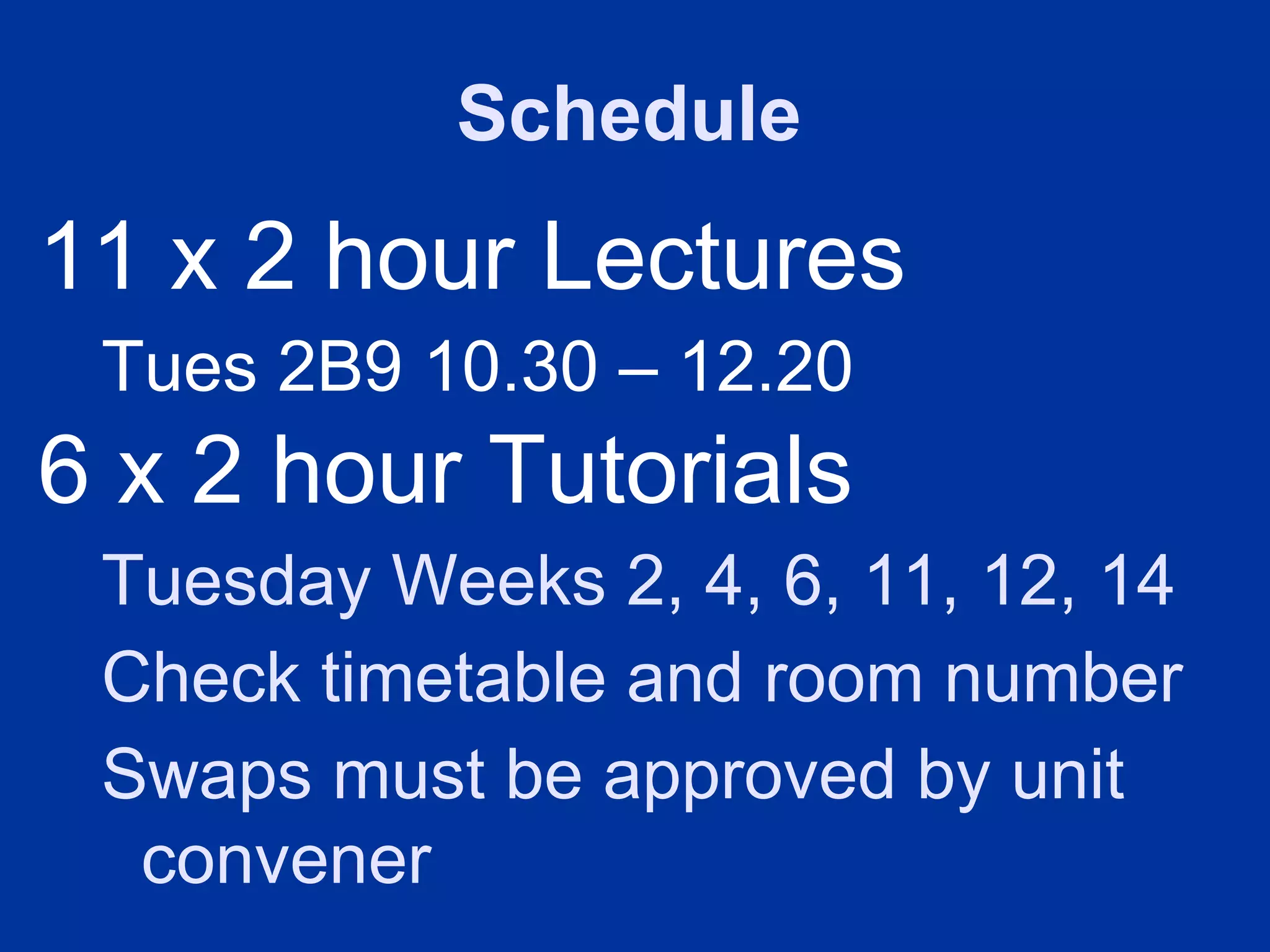
    4. Schedule 11 x 2 hour Lectures Tues 2B9 10.30 – 12.20 6 x 2 hour Tutorials Tuesday Weeks 2, 4, 6, 11, 12, 14 Check timetable and room number Swaps must be approved by unit convener
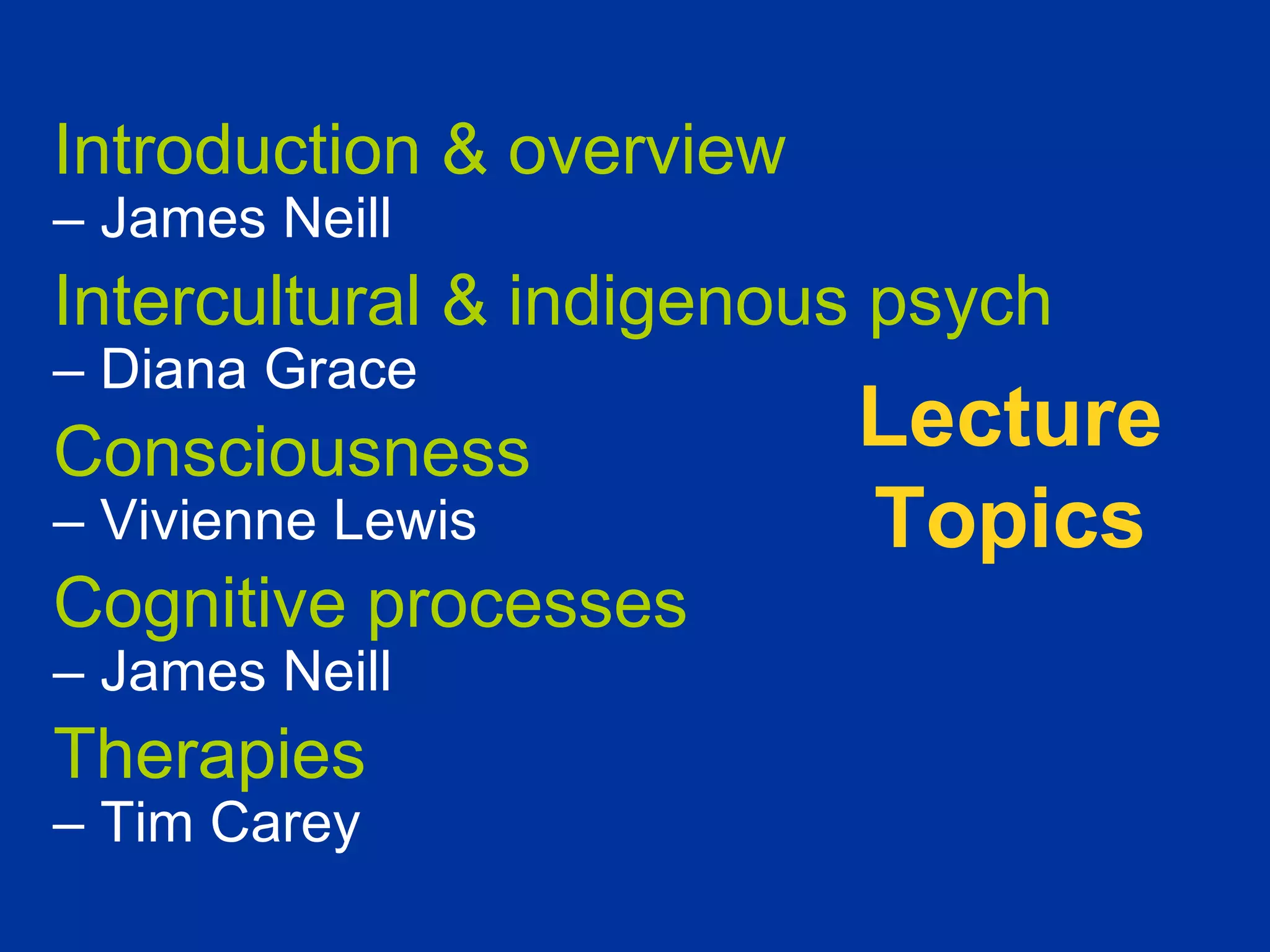
    5. Introduction & overview – James Neill Intercultural & indigenous psych – Diana Grace Consciousness Lecture – Vivienne Lewis Topics Cognitive processes – James Neill Therapies – Tim Carey
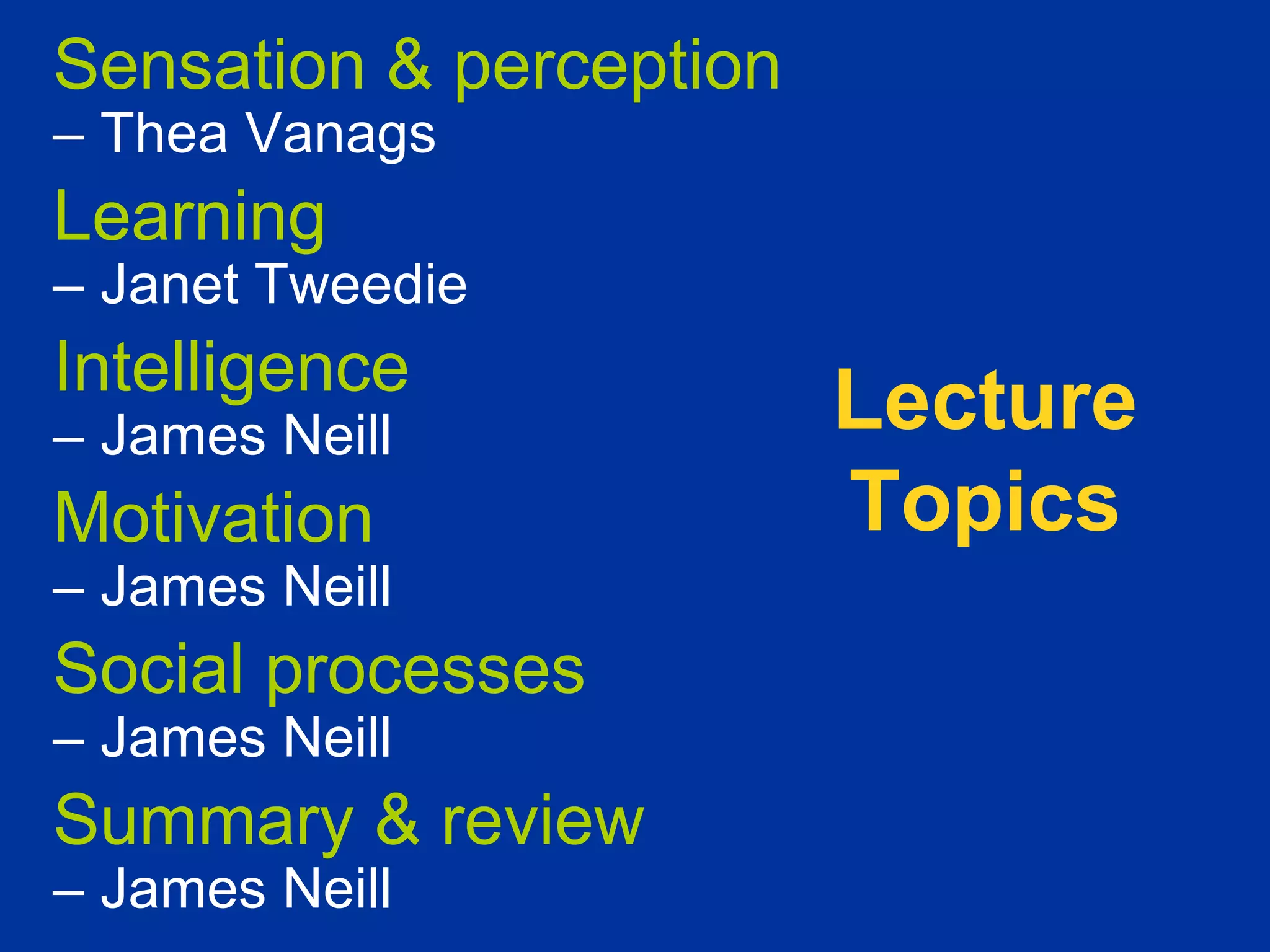
    6. Sensation & perception – Thea Vanags Learning – Janet Tweedie Intelligence – James Neill Lecture Motivation Topics – James Neill Social processes – James Neill Summary & review – James Neill
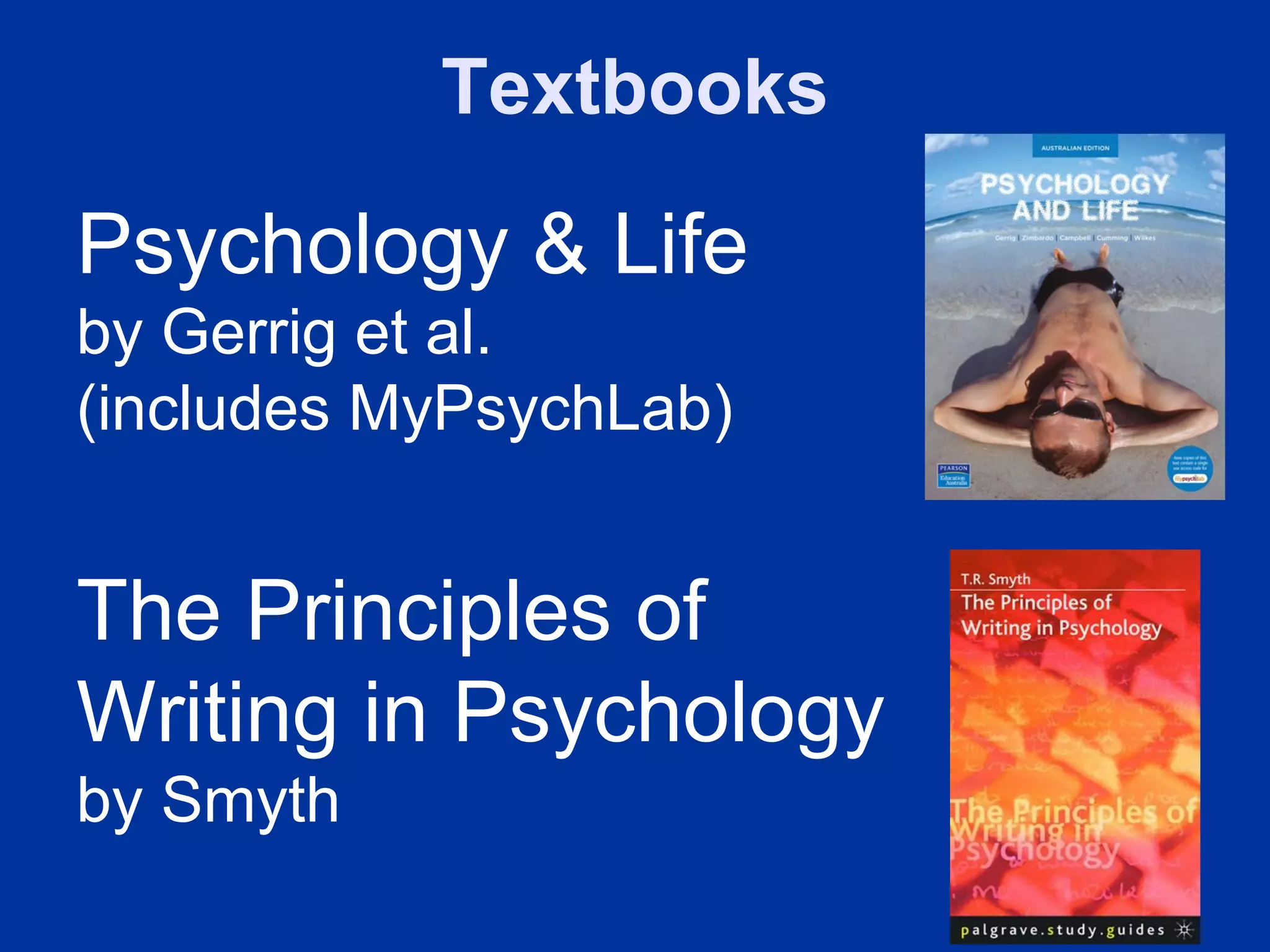
    7. Textbooks Psychology & Life by Gerrig et al. (includes MyPsychLab) The Principles of Writing in Psychology by Smyth
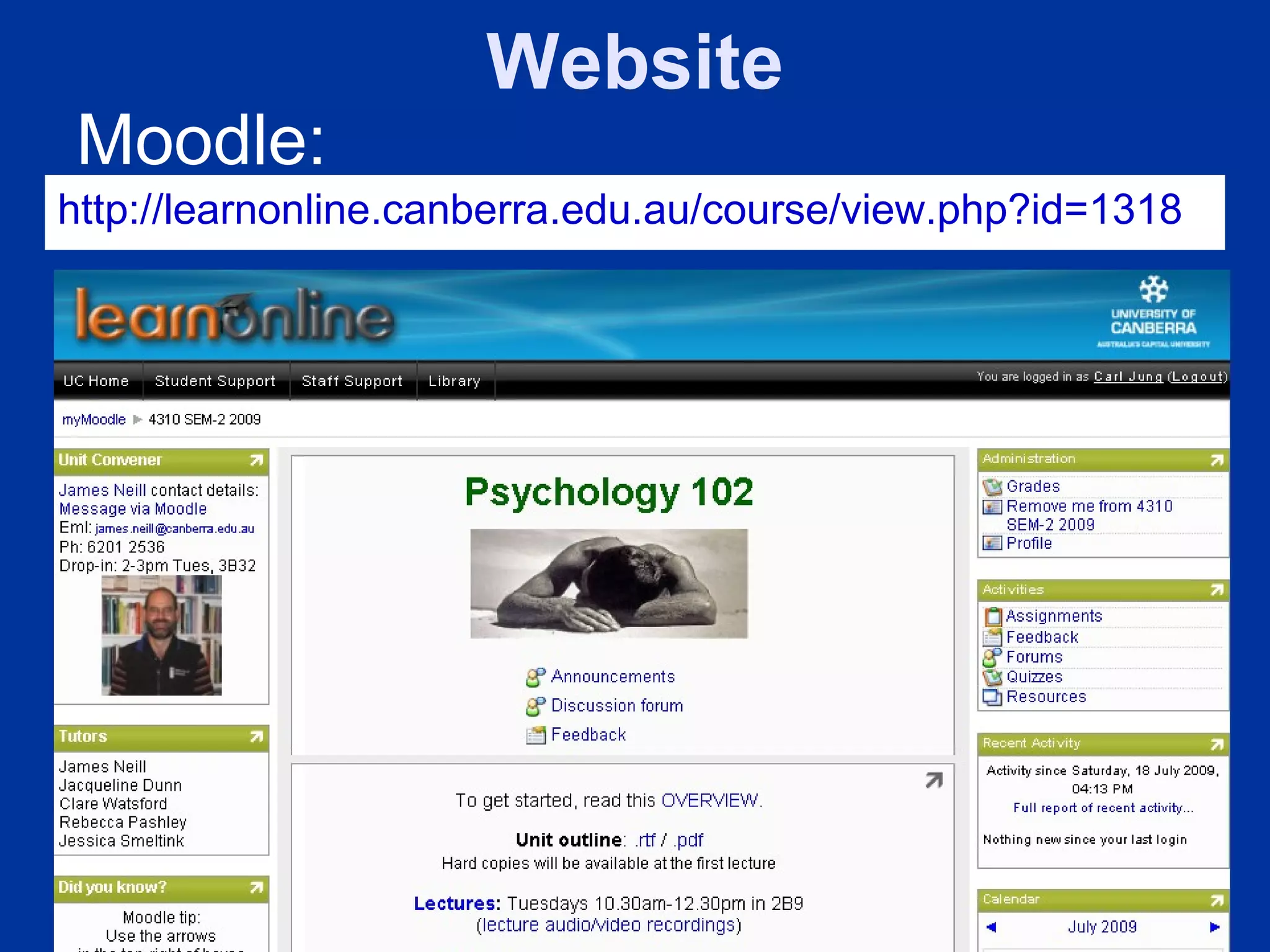
    8. Website Moodle: http://learnonline.canberra.edu.au/course/view.php?id=1318
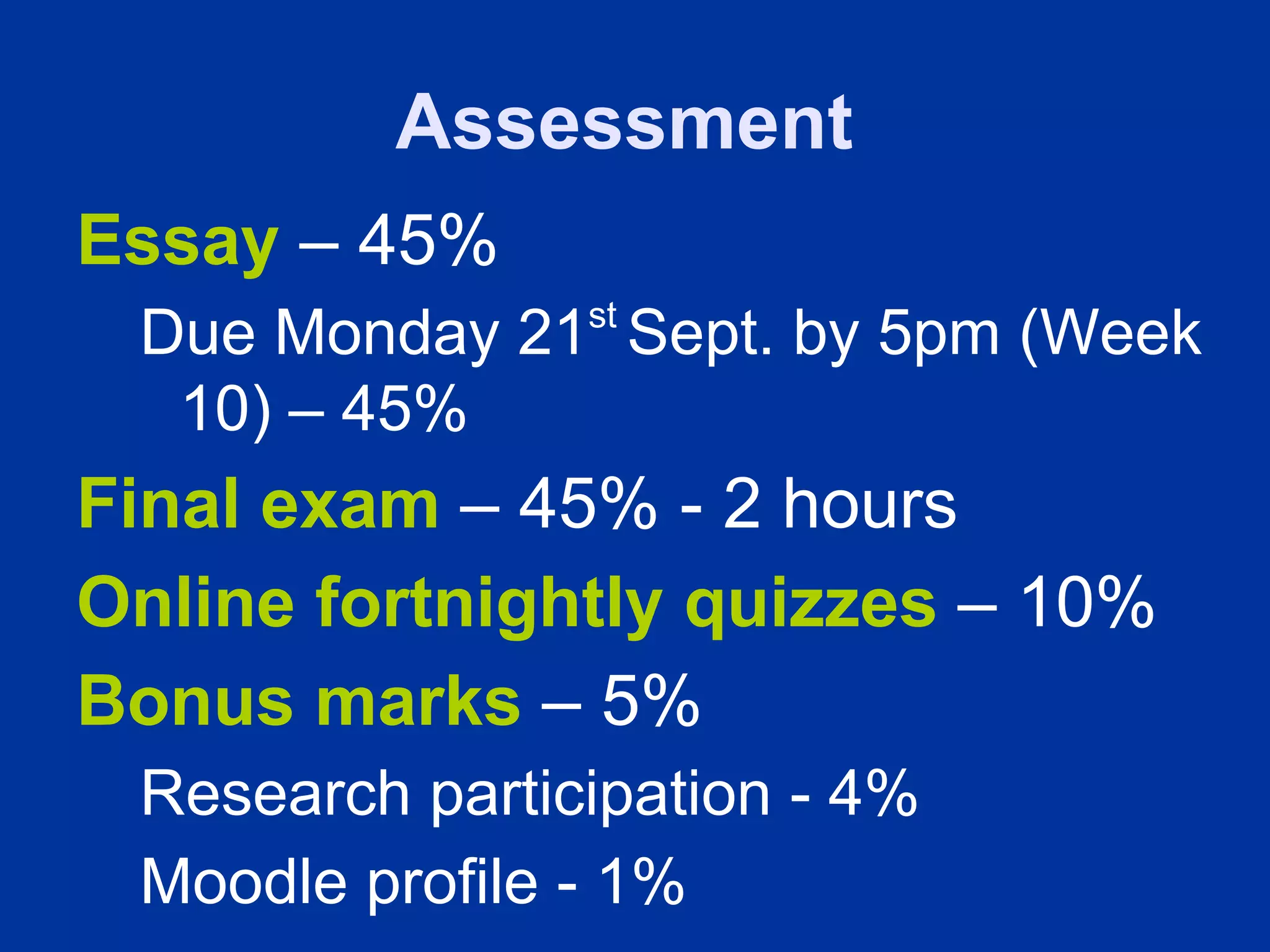
    9. Assessment Essay – 45% st Due Monday 21 Sept. by 5pm (Week 10) – 45% Final exam – 45% - 2 hours Online fortnightly quizzes – 10% Bonus marks – 5% Research participation - 4% Moodle profile - 1%
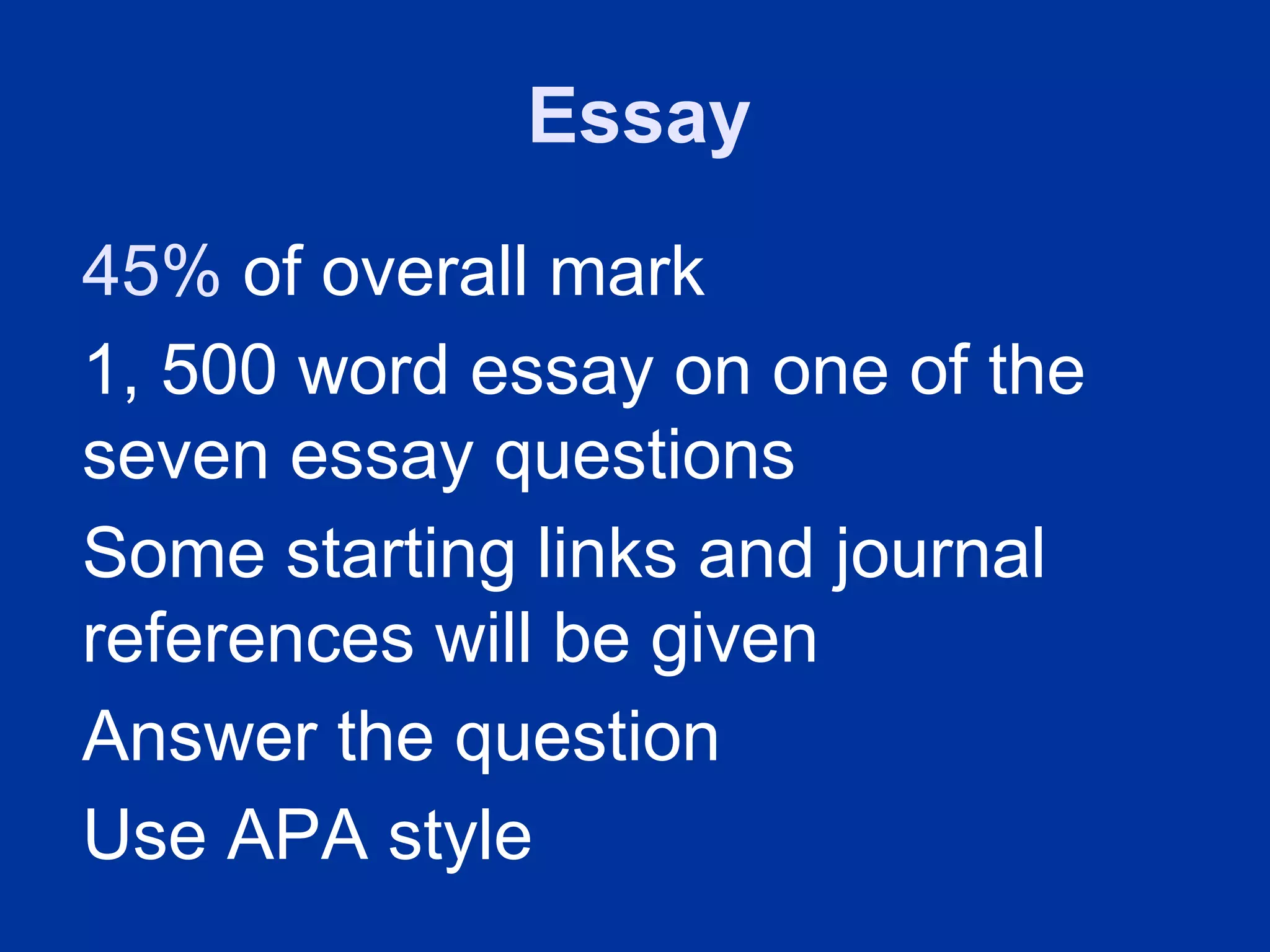
    10. Essay 45% of overall mark 1, 500 word essay on one of the seven essay questions Some starting links and journal references will be given Answer the question Use APA style
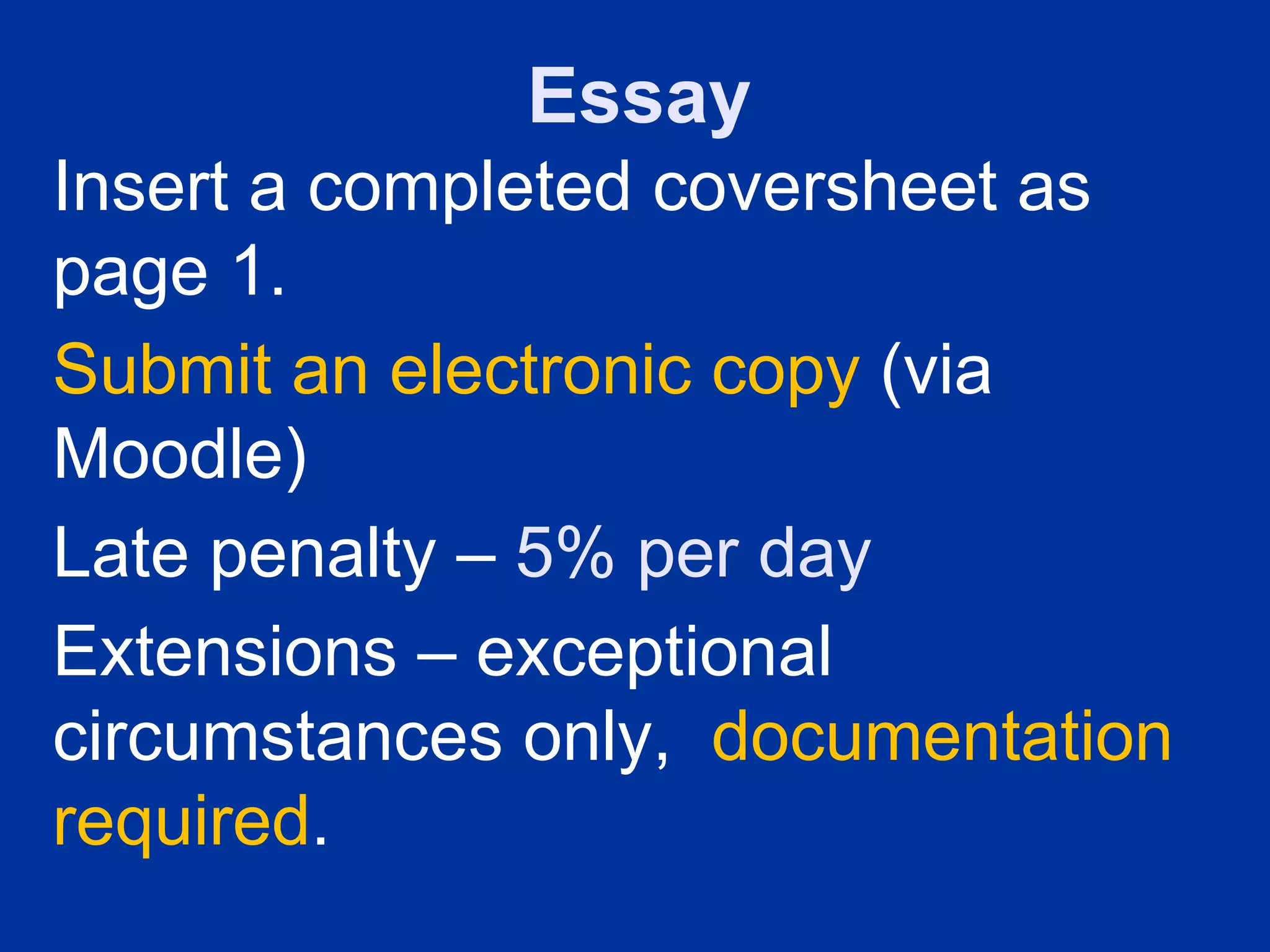
    11. Essay Insert a completed coversheet as page 1. Submit an electronic copy (via Moodle) Late penalty – 5% per day Extensions – exceptional circumstances only, documentation required.
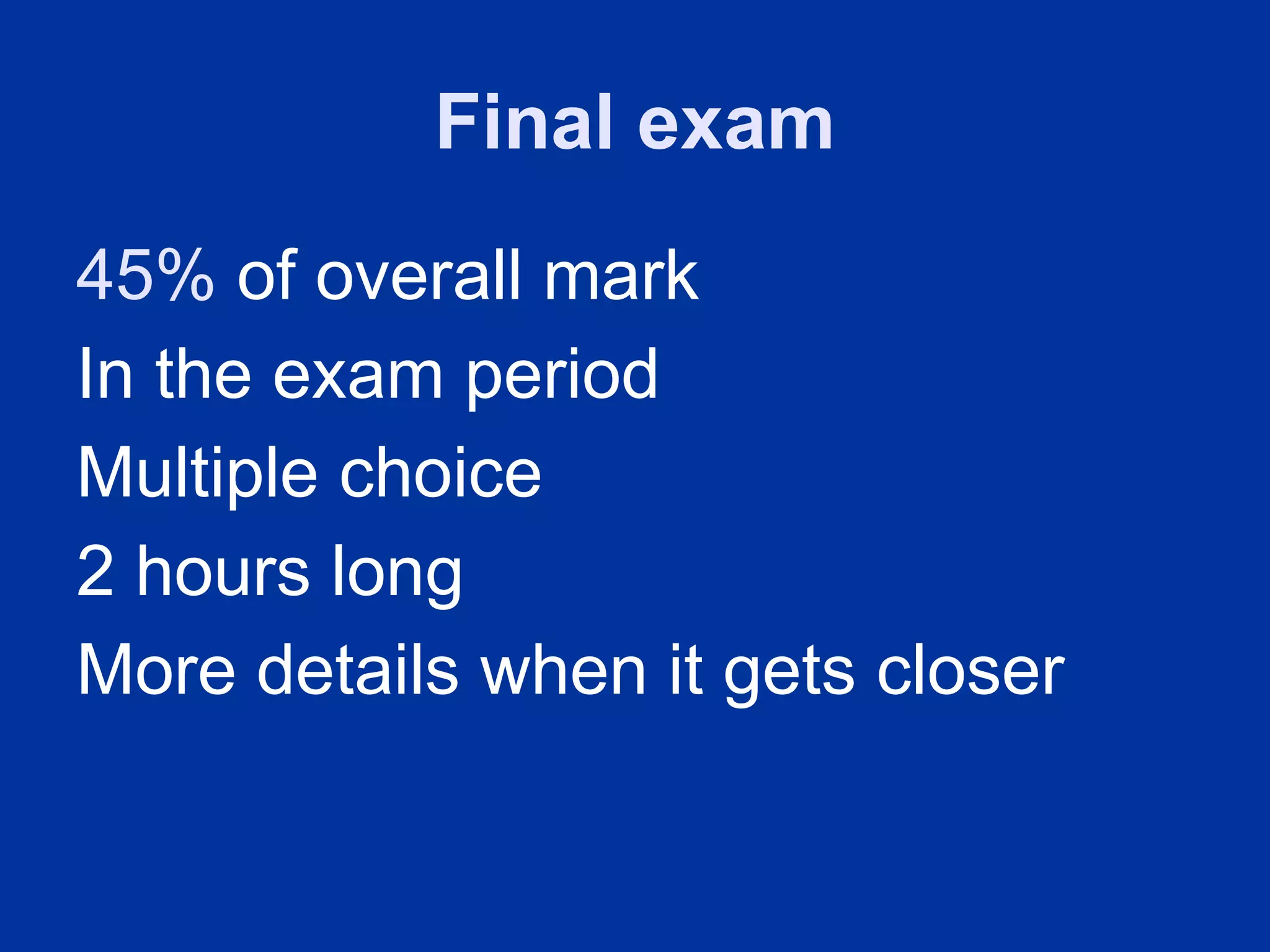
    12. Final exam 45% of overall mark In the exam period Multiple choice 2 hours long More details when it gets closer
    13. Online fortnightly quizzes 6 x 10 minute fortnightly quizzes 10% of overall mark for the unit Best 5 out of the 6 quizzes count Based on lecture, tutorial, and reading content from the previous fortnight
    14. Bonus marks Research Participation Studies listed on the web – 1% per study or hour Keep participation slips and submit with a coversheet to the assignment box by the end of semester For online studies, submit details at the end of the study
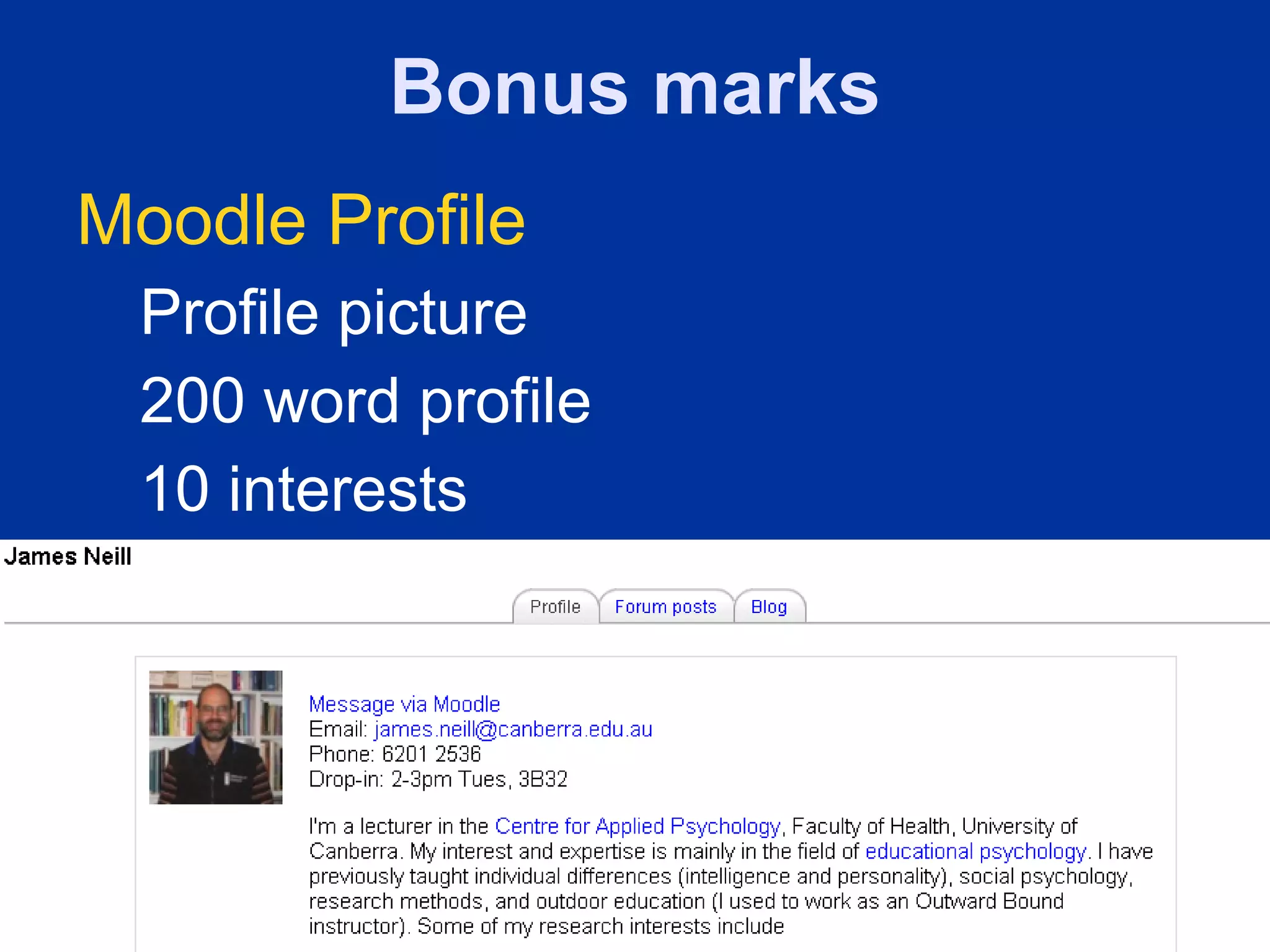
    15. Bonus marks Moodle Profile Profile picture 200 word profile 10 interests
    16. Summary Unit outline – important information! Attendance at Lectures and Tutorials is strongly recommended, but not compulsory Read assigned textbook chapters before lectures and tutorials Help: Use discussion forum Approach tutor
    17. Lecture break – have a stretch -
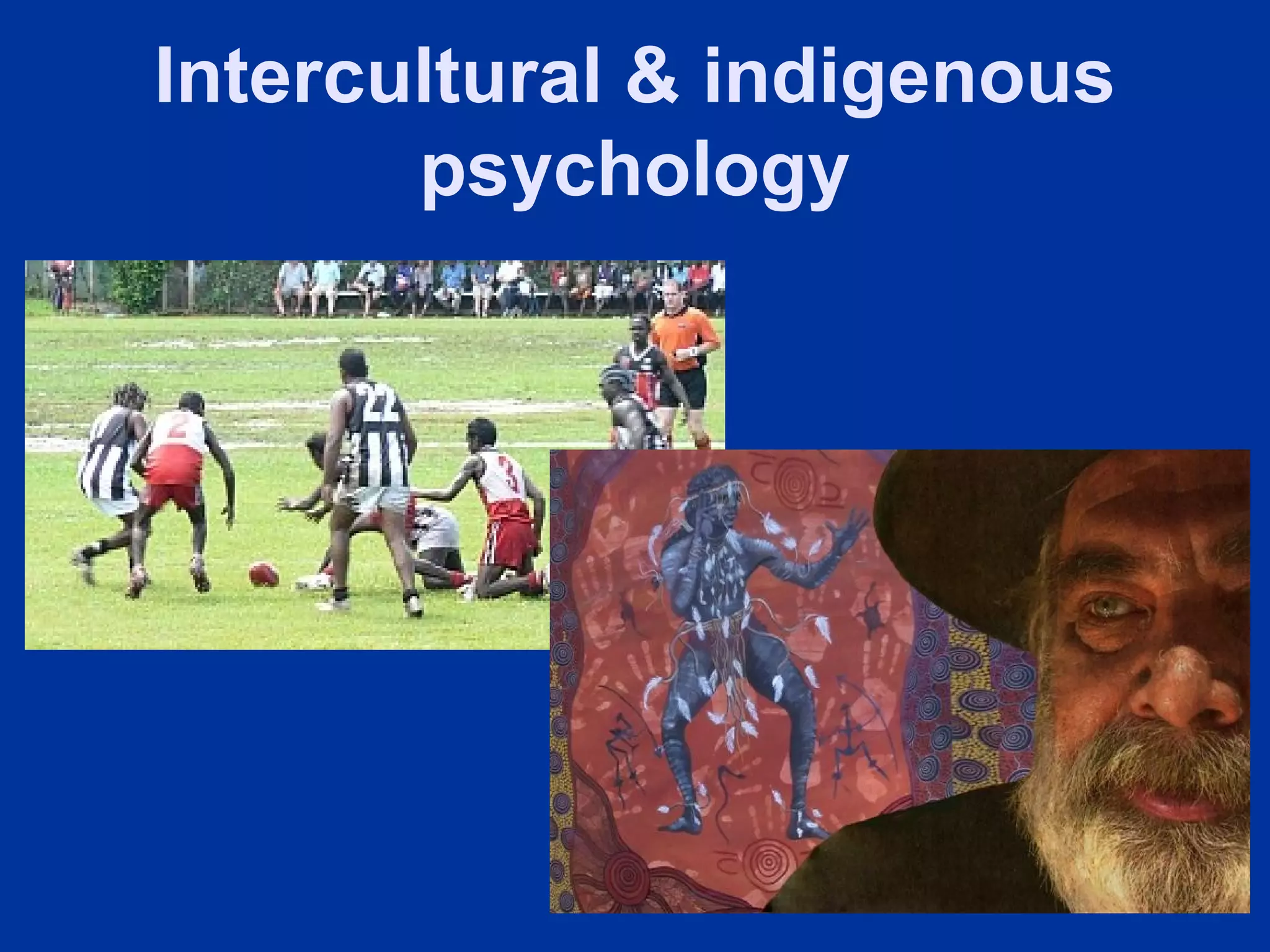
    18. Intercultural & indigenous psychology
    19. Mind, consciousness and alternative states
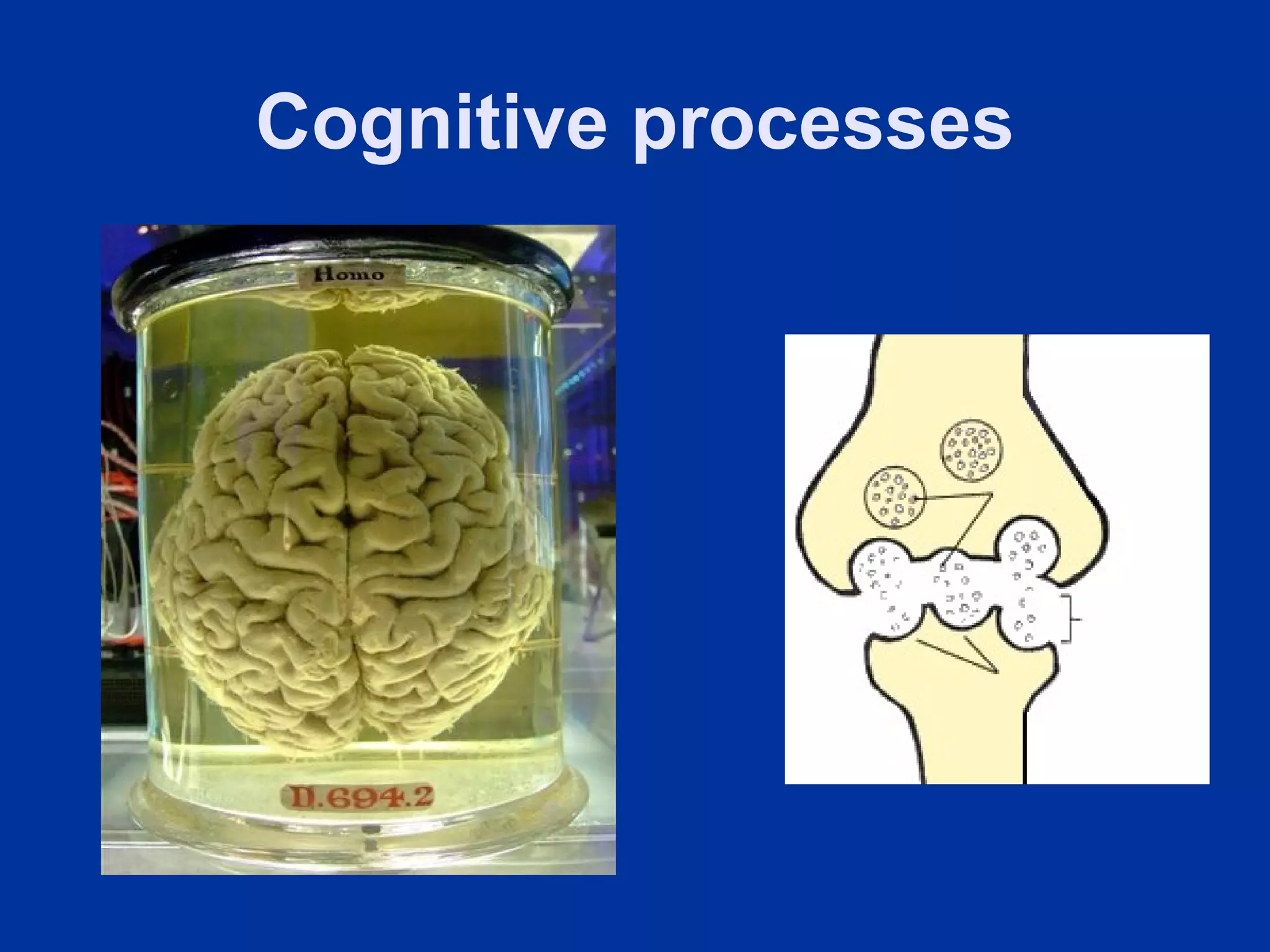
    20. Cognitive processes
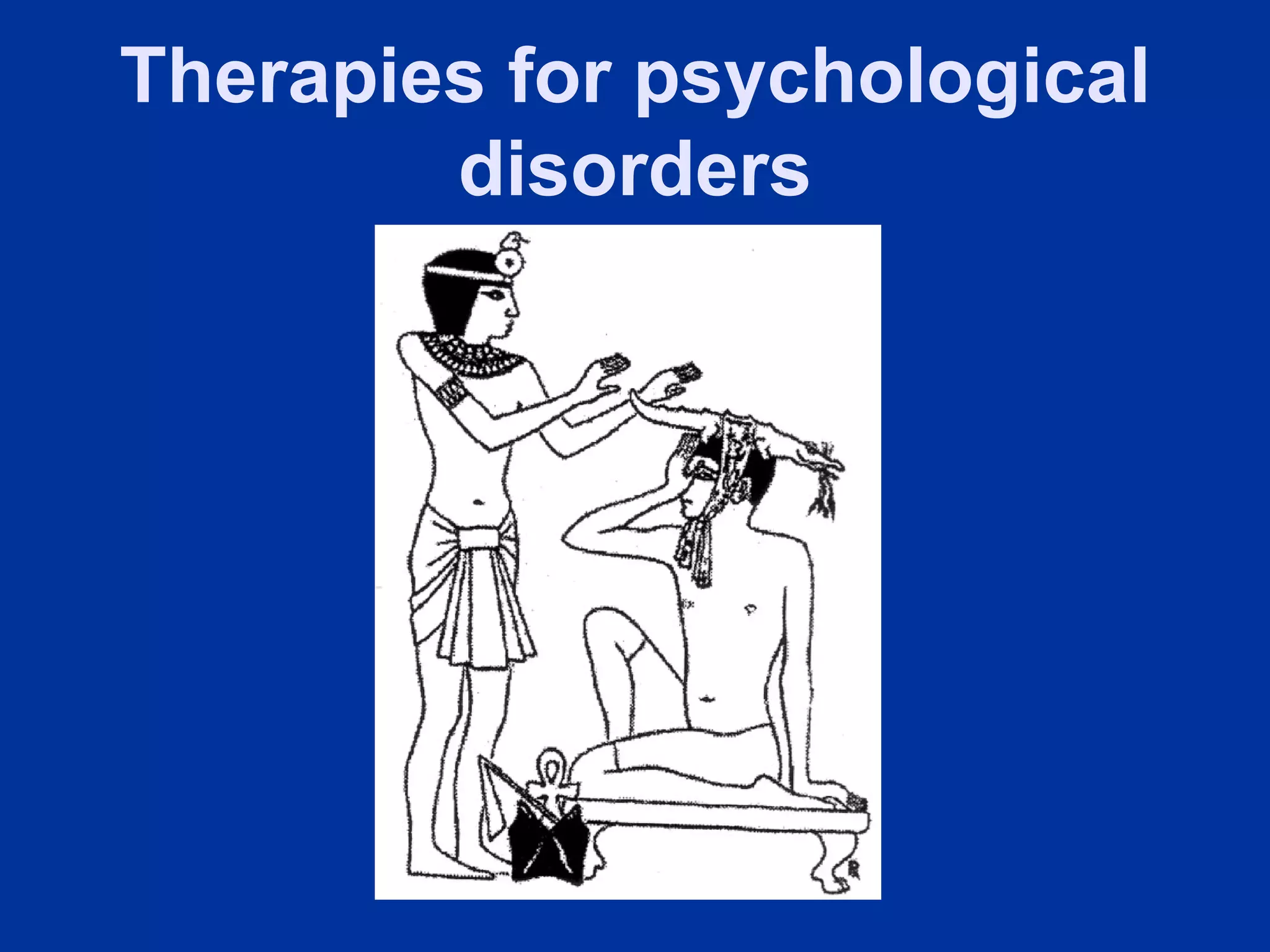
    21. Therapies for psychological disorders
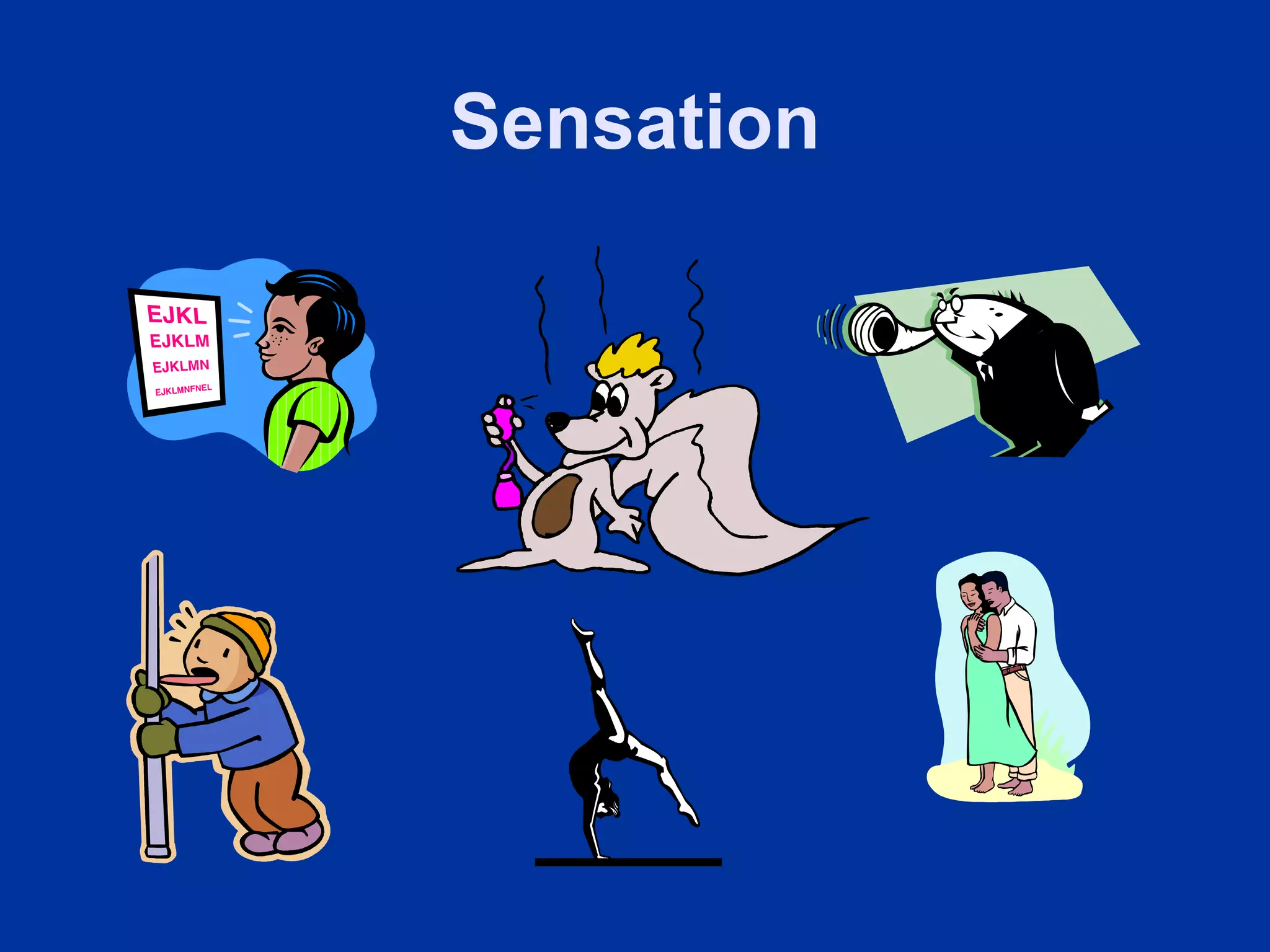
    22. Sensation
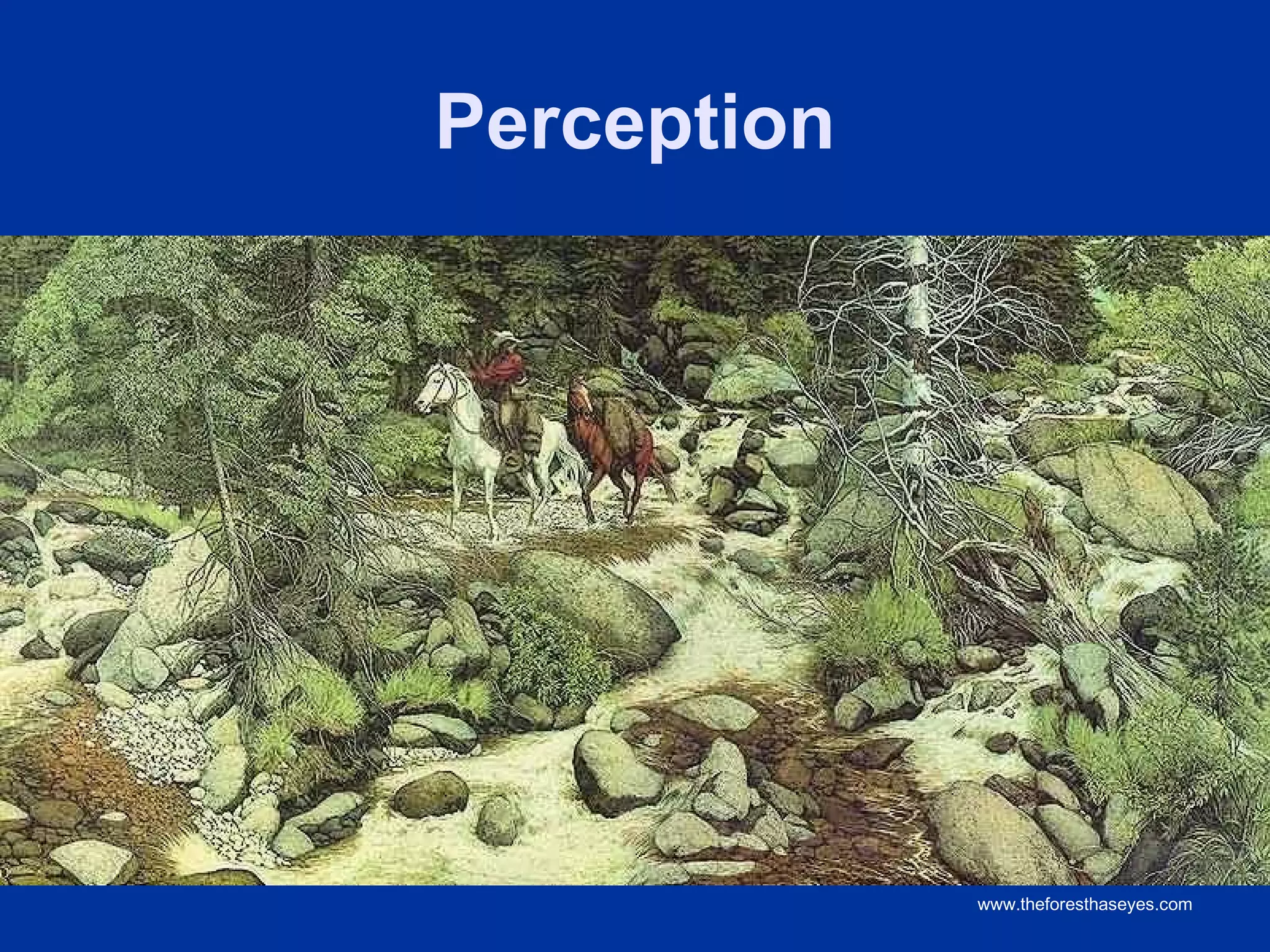
    23. Perception www.theforesthaseyes.com
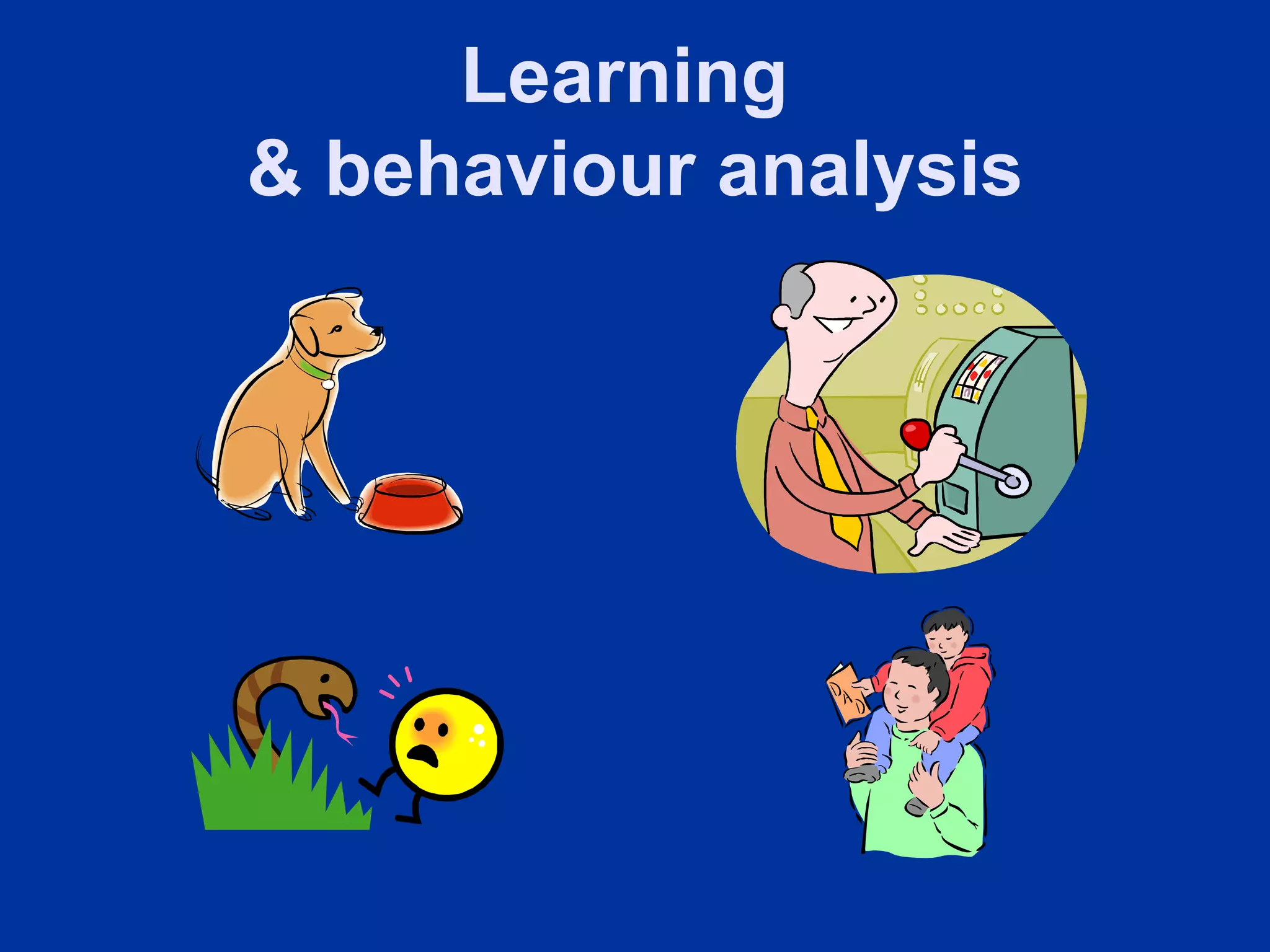
    24. Learning & behaviour analysis
    25. Intelligence & intelligence assessment
    26. Motivation
    27. Social processes, society, and culture www.stevekuo.com www2.help.edu.my
    28. Tell your neighbour ch topics interest you the m And why?
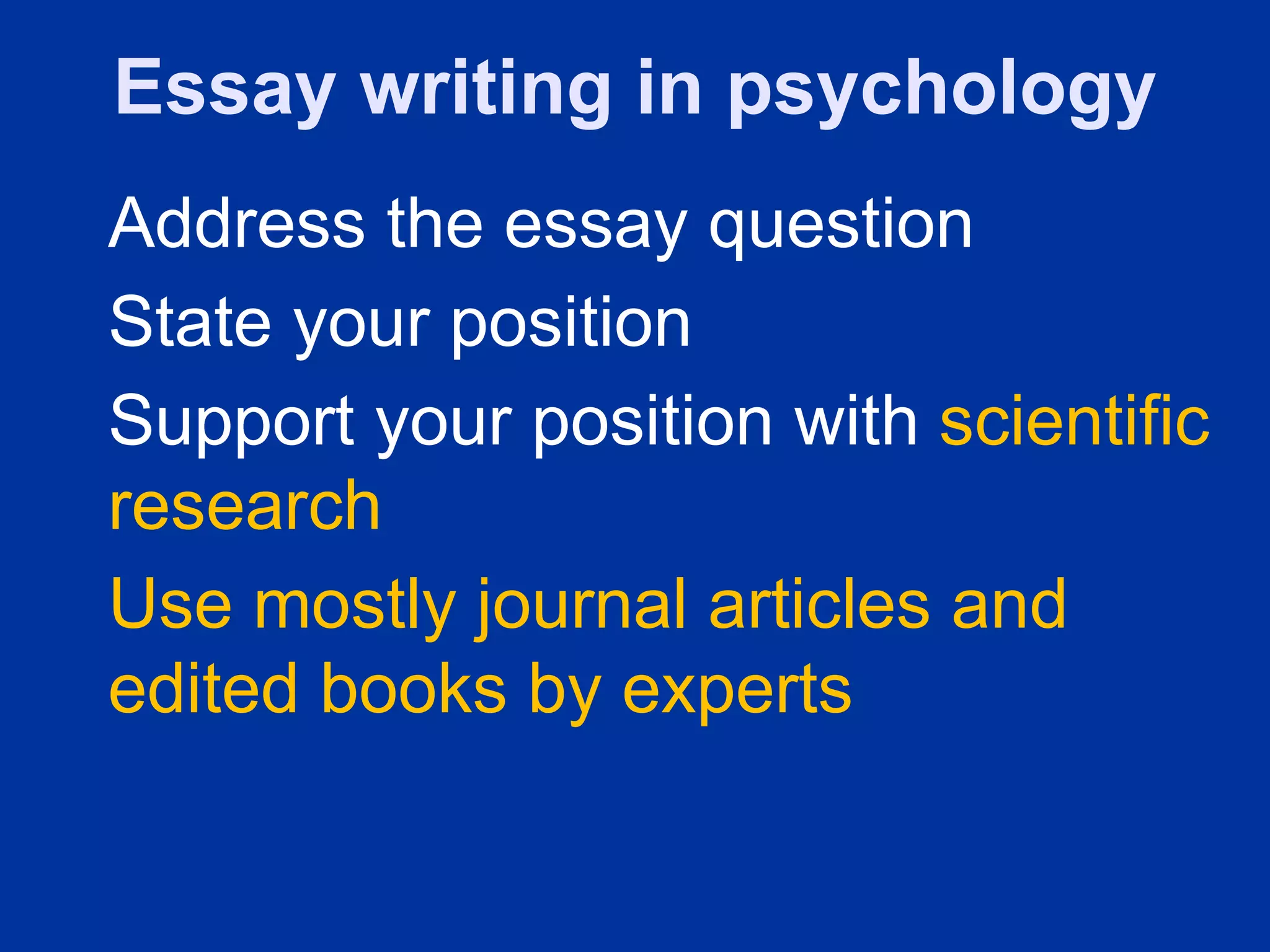
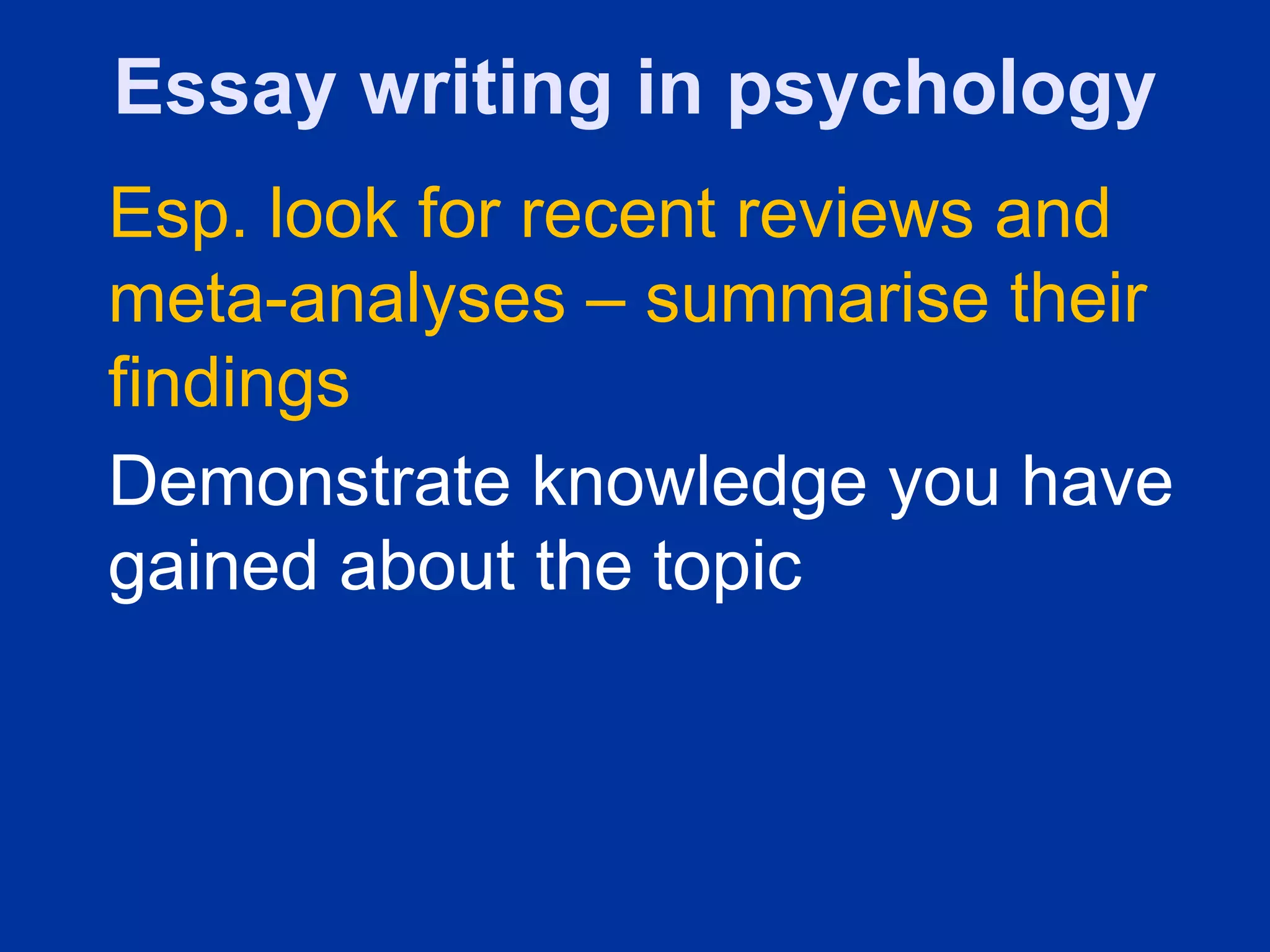
    29. Essay writing in psychology Address the essay question State your position Support your position with scientific research Use mostly journal articles and edited books by experts
    30. Essay writing in psychology Esp. look for recent reviews and meta-analyses – summarise their findings Demonstrate knowledge you have gained about the topic
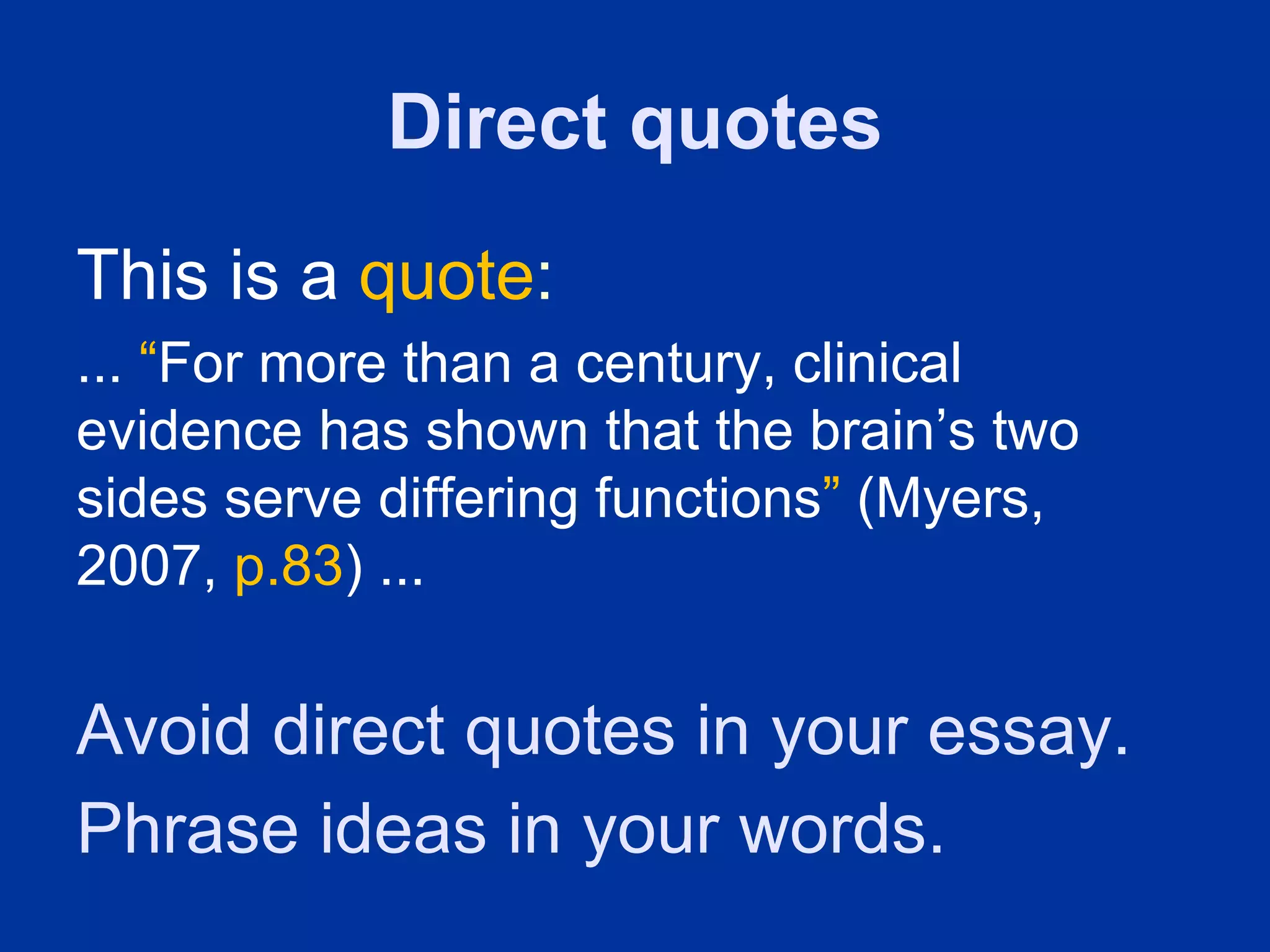
    31. Direct quotes This is a quote: ... “For more than a century, clinical evidence has shown that the brain’s two sides serve differing functions” (Myers, 2007, p.83) ... Avoid direct quotes in your essay. Phrase ideas in your words.
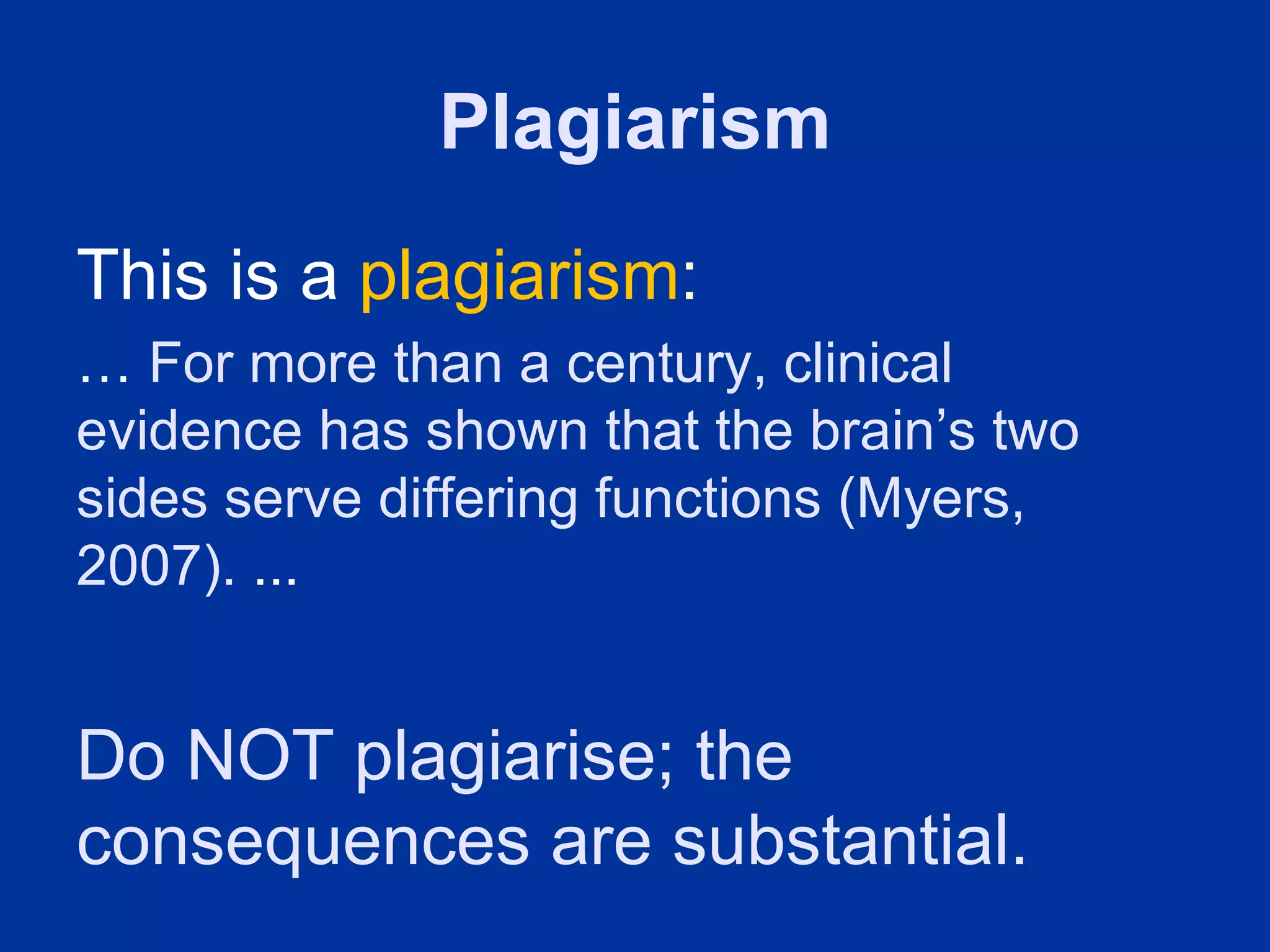
    32. Plagiarism This is a plagiarism: … For more than a century, clinical evidence has shown that the brain’s two sides serve differing functions (Myers, 2007). ... Do NOT plagiarise; the consequences are substantial.
    33. Citations This is citing your sources or references: ... The results of clinical studies have shown that each side of the brain serves a different function (Myers, 2007). ... Do cite your sources in your essay.
    34. Essay writing: What to do Put ideas and information into your own words Cite the sources (reference material) you have read which have informed your ideas.
    35. Essay Topic 1 How can behaviour modification be used to break a habit? Explain with reference to psychological theories and research. Key words Behaviour, Habit, Behaviour modification, Behaviourism, Learning Classical conditioning, Operant conditioning, Reward, Reinforcement, Extinguishing Think about Behaviour modification is a major theoretical and applied clinical and health psychology topic Consider some example habits e.g., smoking, eating, exercise How will you limit/focus the topic?
    36. Essay Topic 2 What are "smart drugs" (also see "cosmetic neurology")? Do smart drugs "work" and if so, how and for what types of tasks and people? What are the risks? Discuss with reference to psychological theories and research. Key words Smart drugs, Neuroenhancement, Cosmetic neurology, Academic performance, Intelligence Think about This is a relatively new topic; might need additional research. Consider the main types of neuroenhancement reported by students and workers. Summarise what is know, but also what is not known.
    37. Essay Topic 3 Why do we dream? Discuss with reference to psychological theories and research. Key words Dreams, Consciousness, Sleep Think about This is a classic psychological topic, but despite much research, conclusive answers are few and far between Sleep– there will be a lot of literature on this Summarise what is known and what is is not known Describe existing theories and research
    38. Essay Topic 4 What are the short and longer-term psychological effects of physical exercise and what causes these effects? Discuss with reference to psychological theories and research. Key words Exercise, Fitness, Aerobic exercise, Anaerobic exercise, Anxiety, Depression Think about This is a well-researched topic Look for recent reviews and meta-analyses – summarise their findings Summarise what is known and what is is not known
    39. Essay Topic 5 What are the human psychological effects of contact with animals? Discuss with reference to psychological theories and research. Key words Pets, Animals, Well-being, Stress, Anxiety, Health, Nature-contact Think about This is an increasingly well-researched topic Look for recent reviews and meta-analyses – summarise their findings Summarise what is known and what is is not known
    40. Essay Topic 6 What is pain? What psychological treatments are recommended for physical pain management and how effective are they? Discuss with reference to psychological theories and research. Key words Pain, Hurt, Sensation, Perception, Cognition Think about This is an increasingly researched health psychology and clinical psychology topic Look for recent reviews and meta-analyses – summarise their findings Summarise what is known and what is is not known
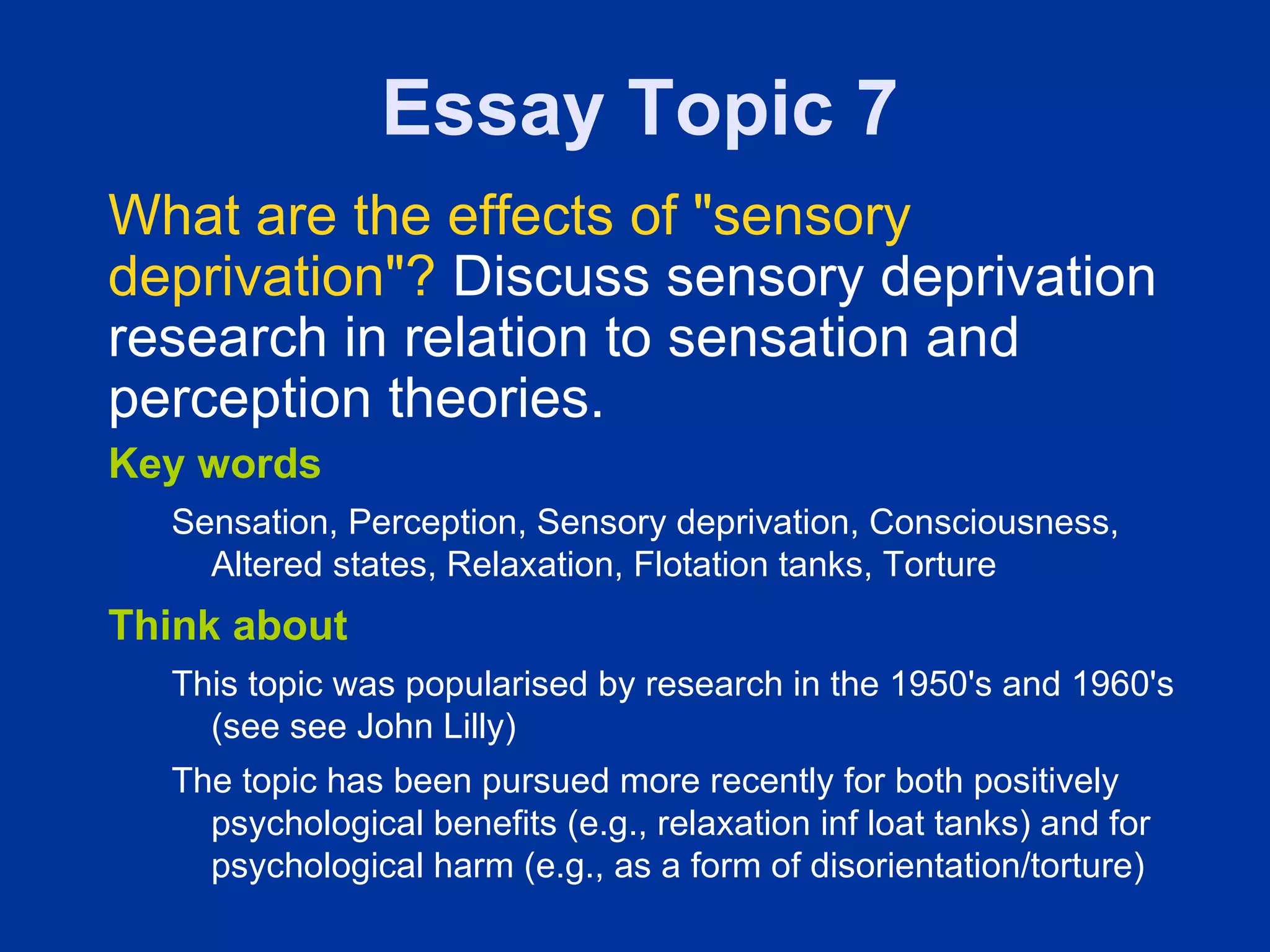
    41. Essay Topic 7 What are the effects of "sensory deprivation"? Discuss sensory deprivation research in relation to sensation and perception theories. Key words Sensation, Perception, Sensory deprivation, Consciousness, Altered states, Relaxation, Flotation tanks, Torture Think about This topic was popularised by research in the 1950's and 1960's (see see John Lilly) The topic has been pursued more recently for both positively psychological benefits (e.g., relaxation inf loat tanks) and for psychological harm (e.g., as a form of disorientation/torture)
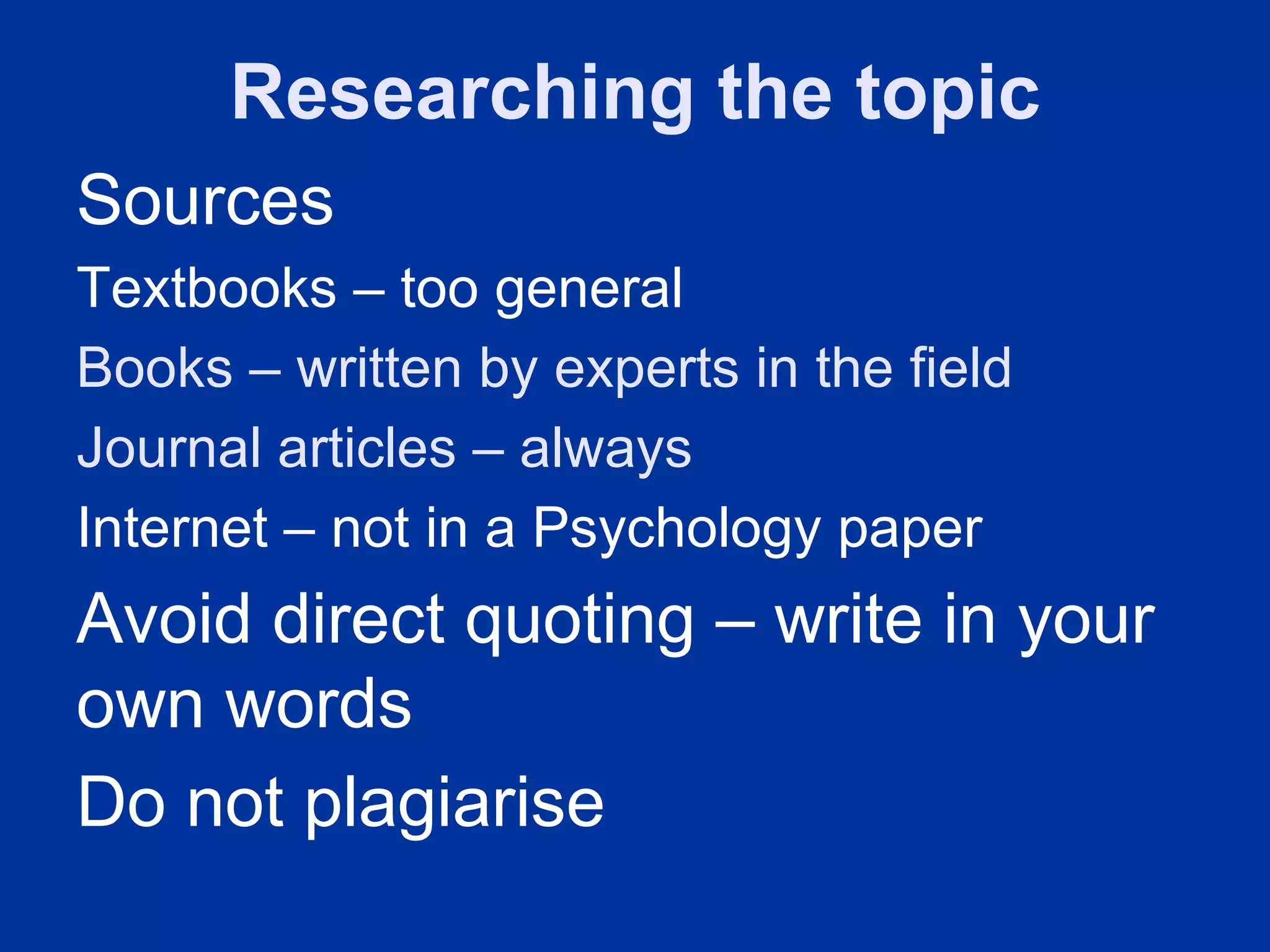
    42. Researching the topic Sources Textbooks – too general Books – written by experts in the field Journal articles – always Internet – not in a Psychology paper Avoid direct quoting – write in your own words Do not plagiarise
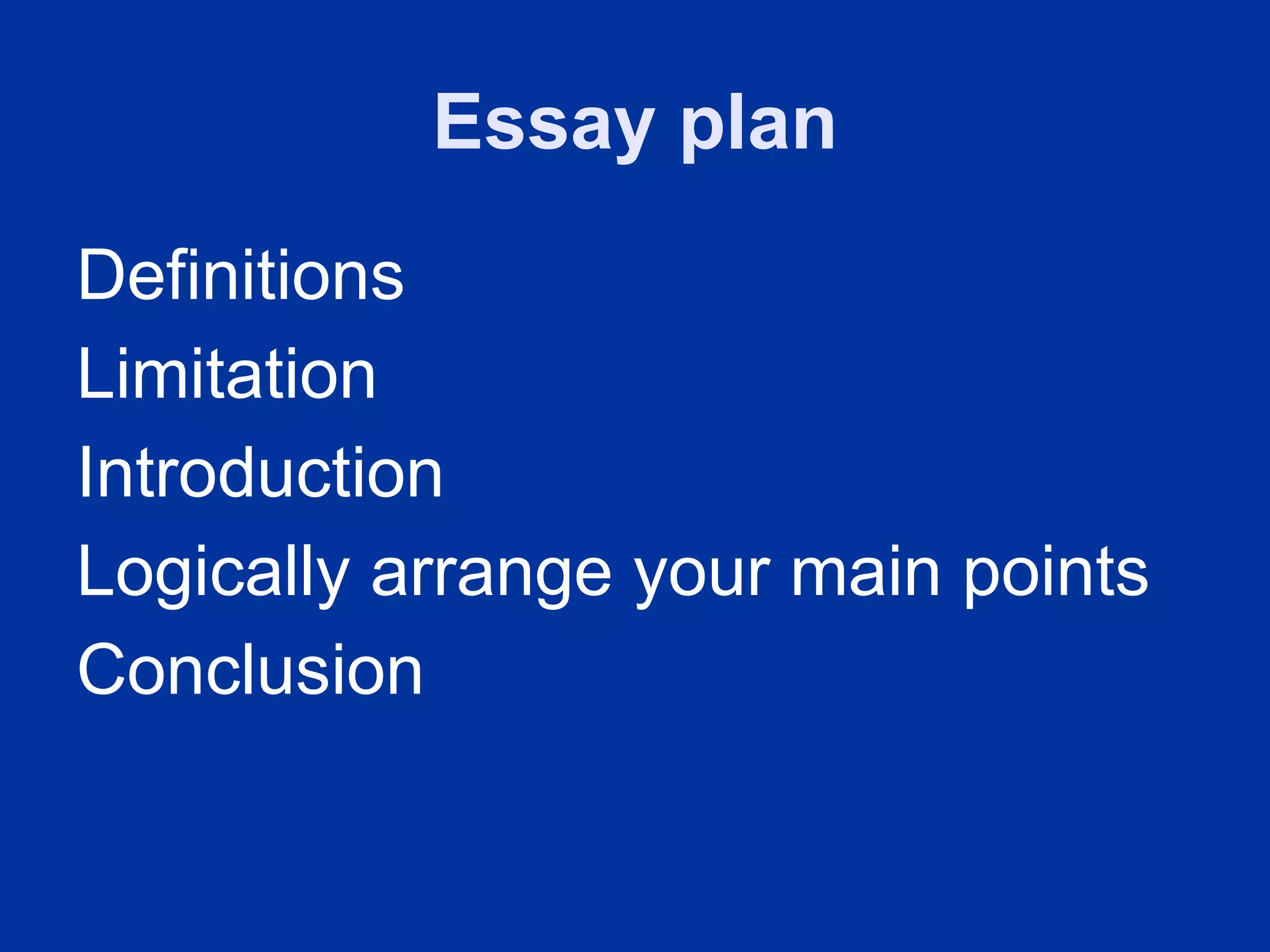
    43. Essay plan Definitions Limitation Introduction Logically arrange your main points Conclusion
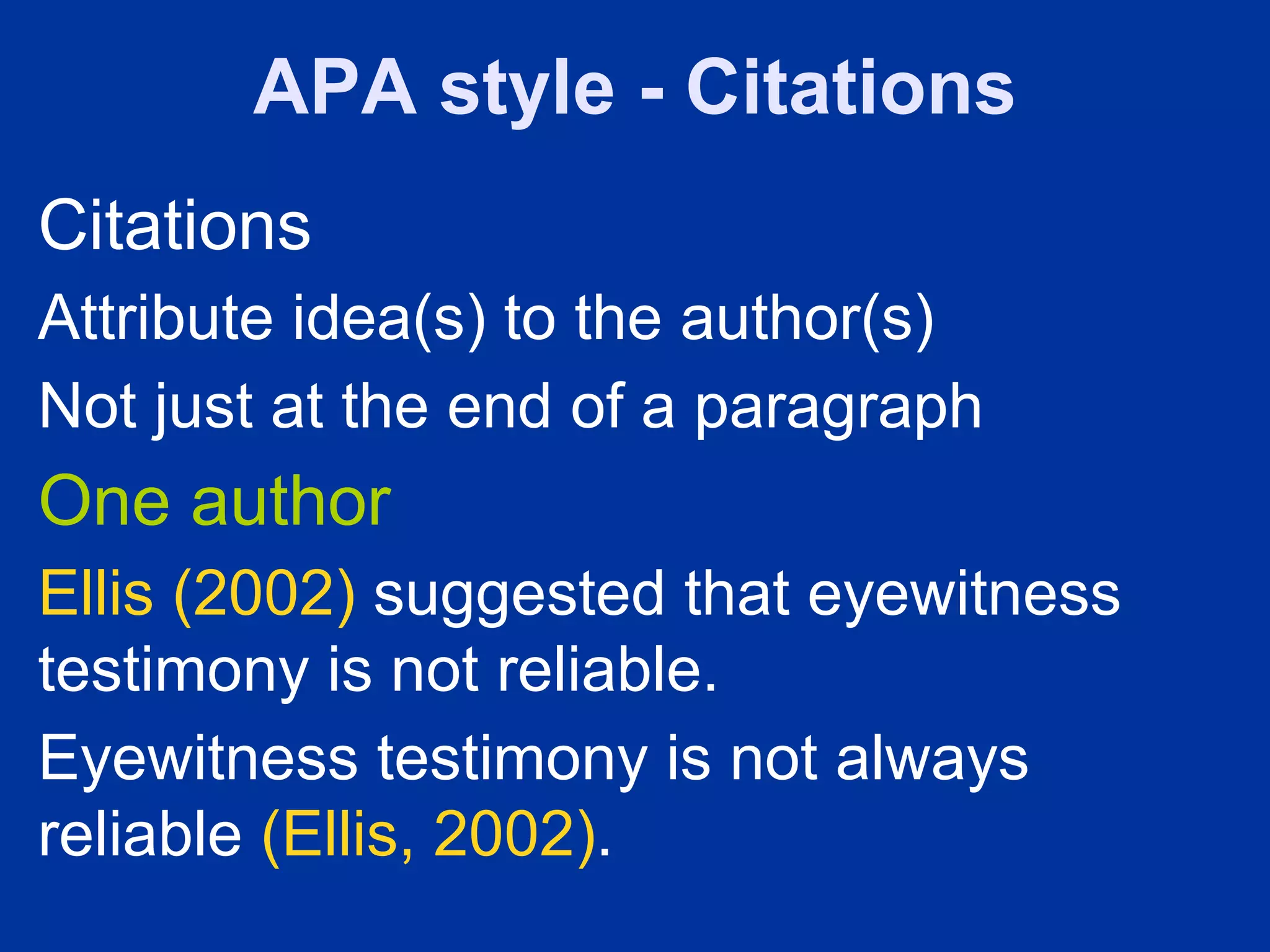
    44. APA style - Citations Citations Attribute idea(s) to the author(s) Not just at the end of a paragraph One author Ellis (2002) suggested that eyewitness testimony is not reliable. Eyewitness testimony is not always reliable (Ellis, 2002).
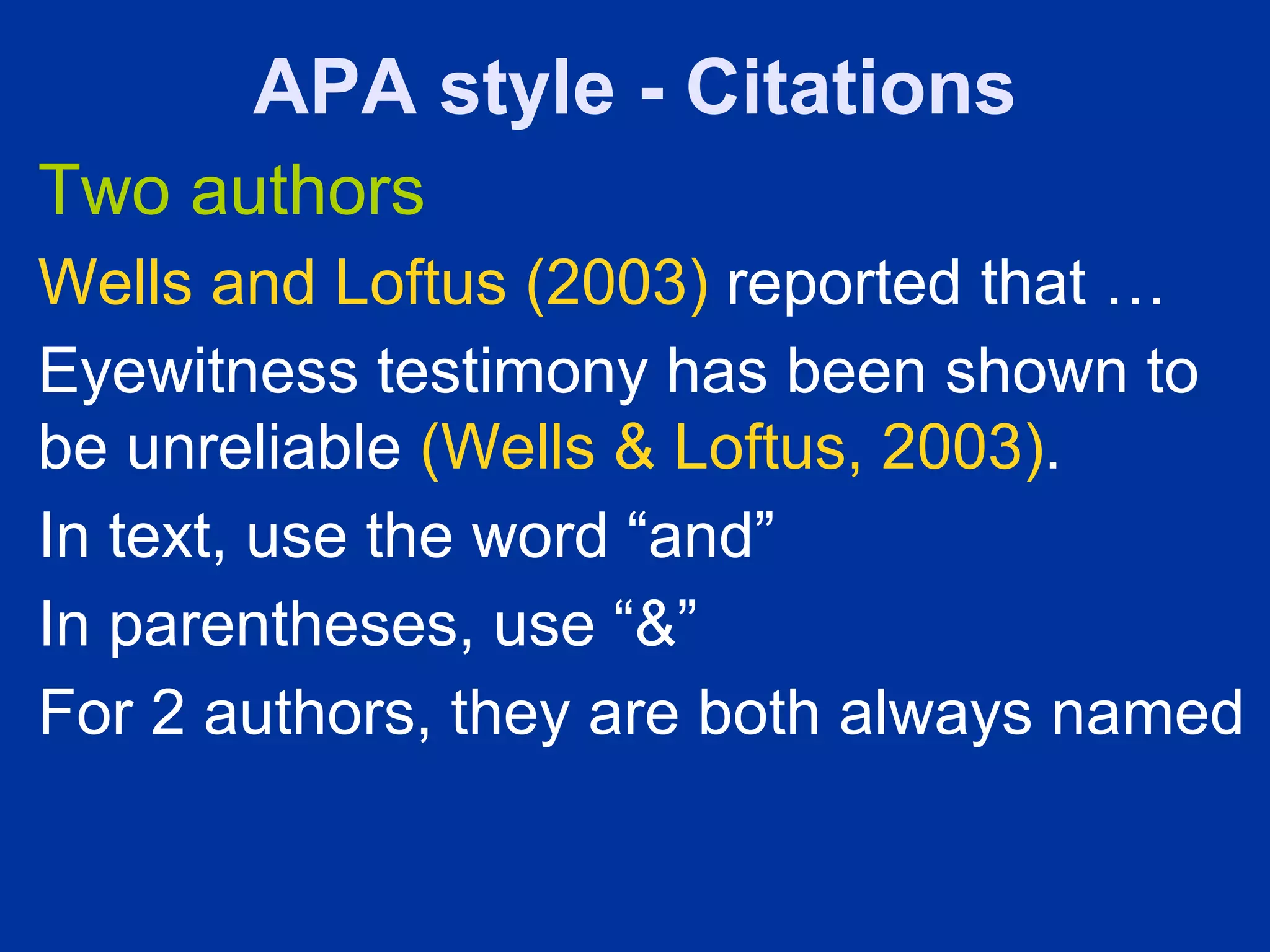
    45. APA style - Citations Two authors Wells and Loftus (2003) reported that … Eyewitness testimony has been shown to be unreliable (Wells & Loftus, 2003). In text, use the word “and” In parentheses, use “&” For 2 authors, they are both always named
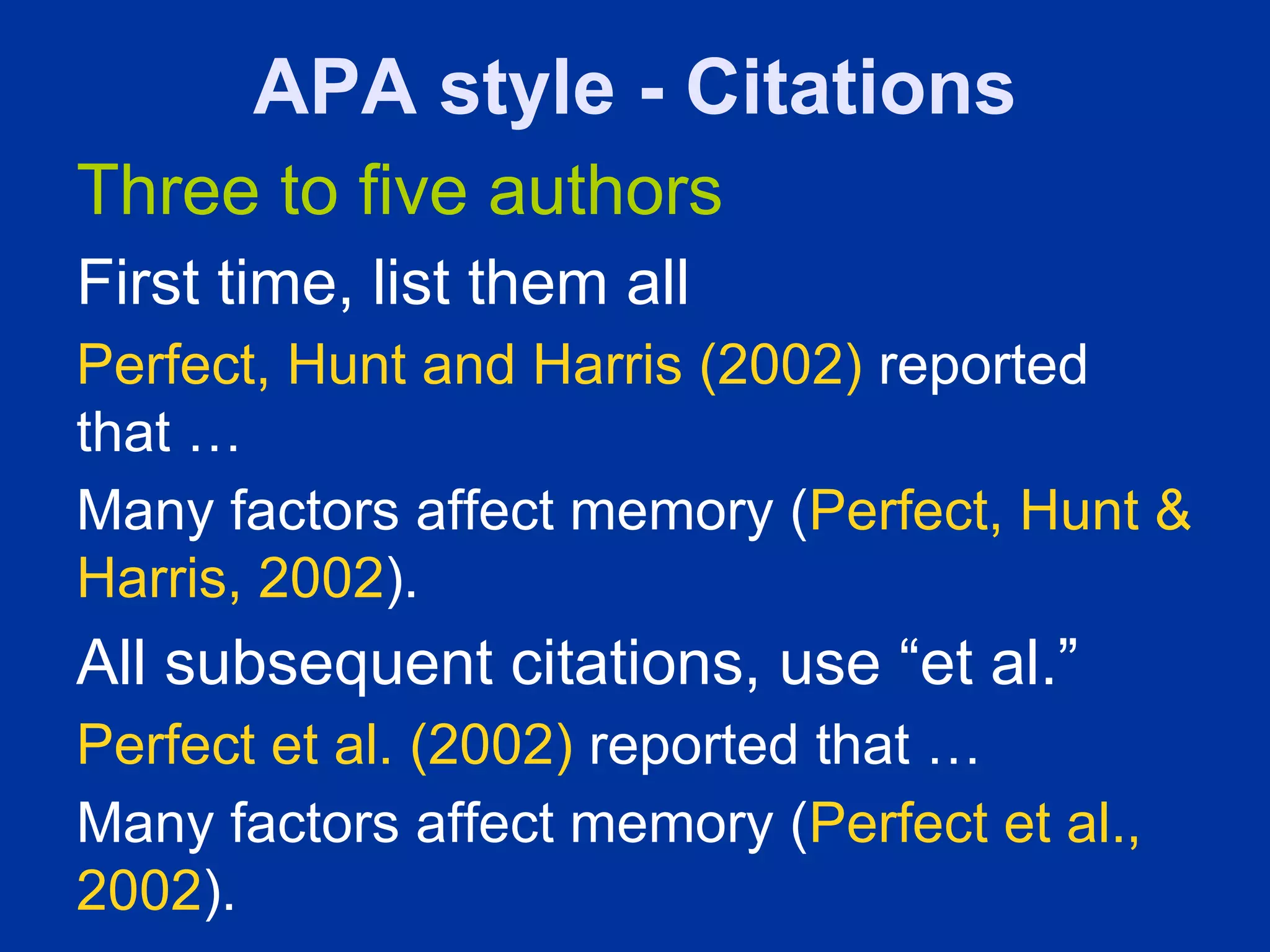
    46. APA style - Citations Three to five authors First time, list them all Perfect, Hunt and Harris (2002) reported that … Many factors affect memory (Perfect, Hunt & Harris, 2002). All subsequent citations, use “et al.” Perfect et al. (2002) reported that … Many factors affect memory (Perfect et al., 2002).
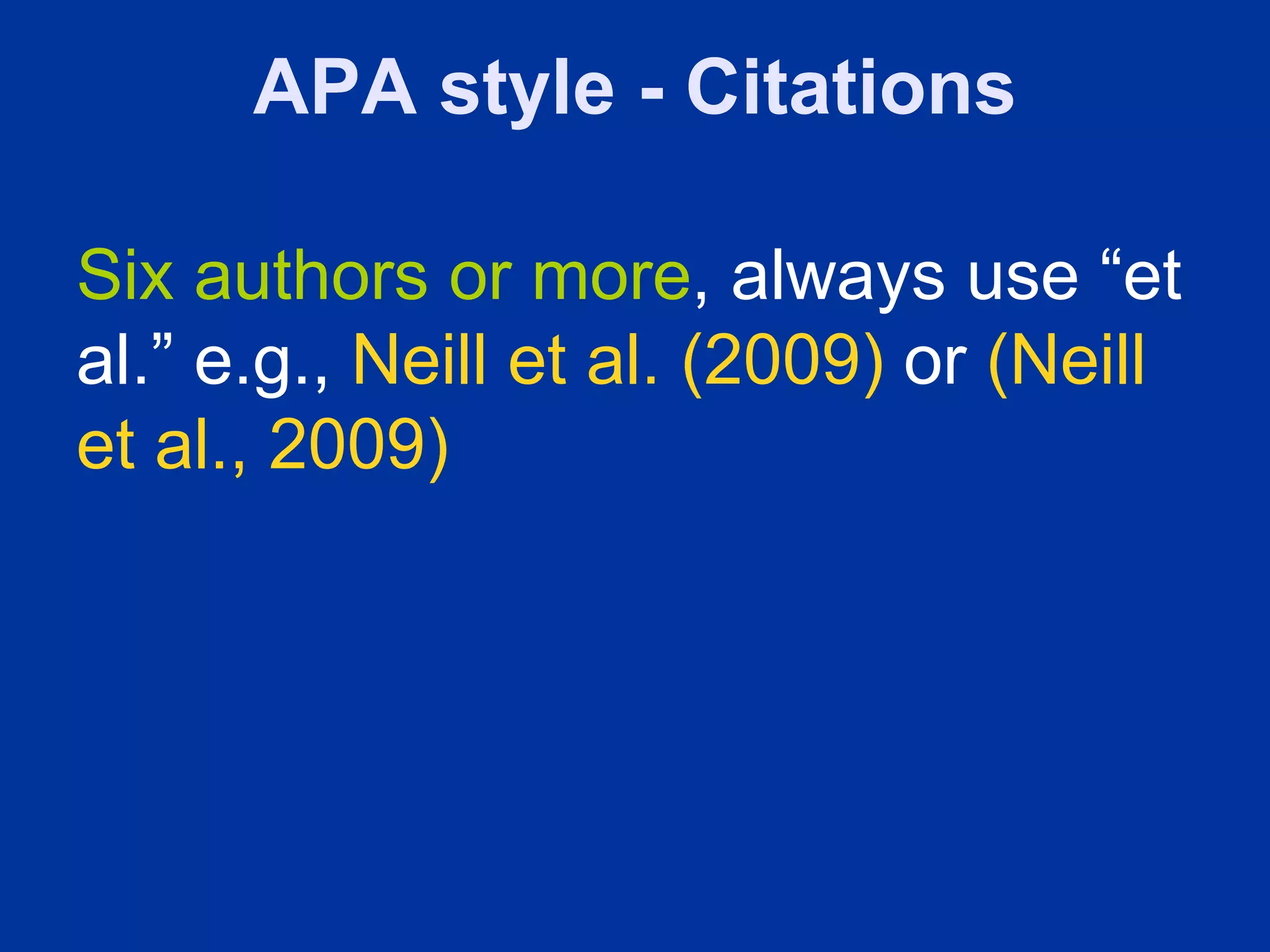
    47. APA style - Citations Six authors or more, always use “et al.” e.g., Neill et al. (2009) or (Neill et al., 2009)
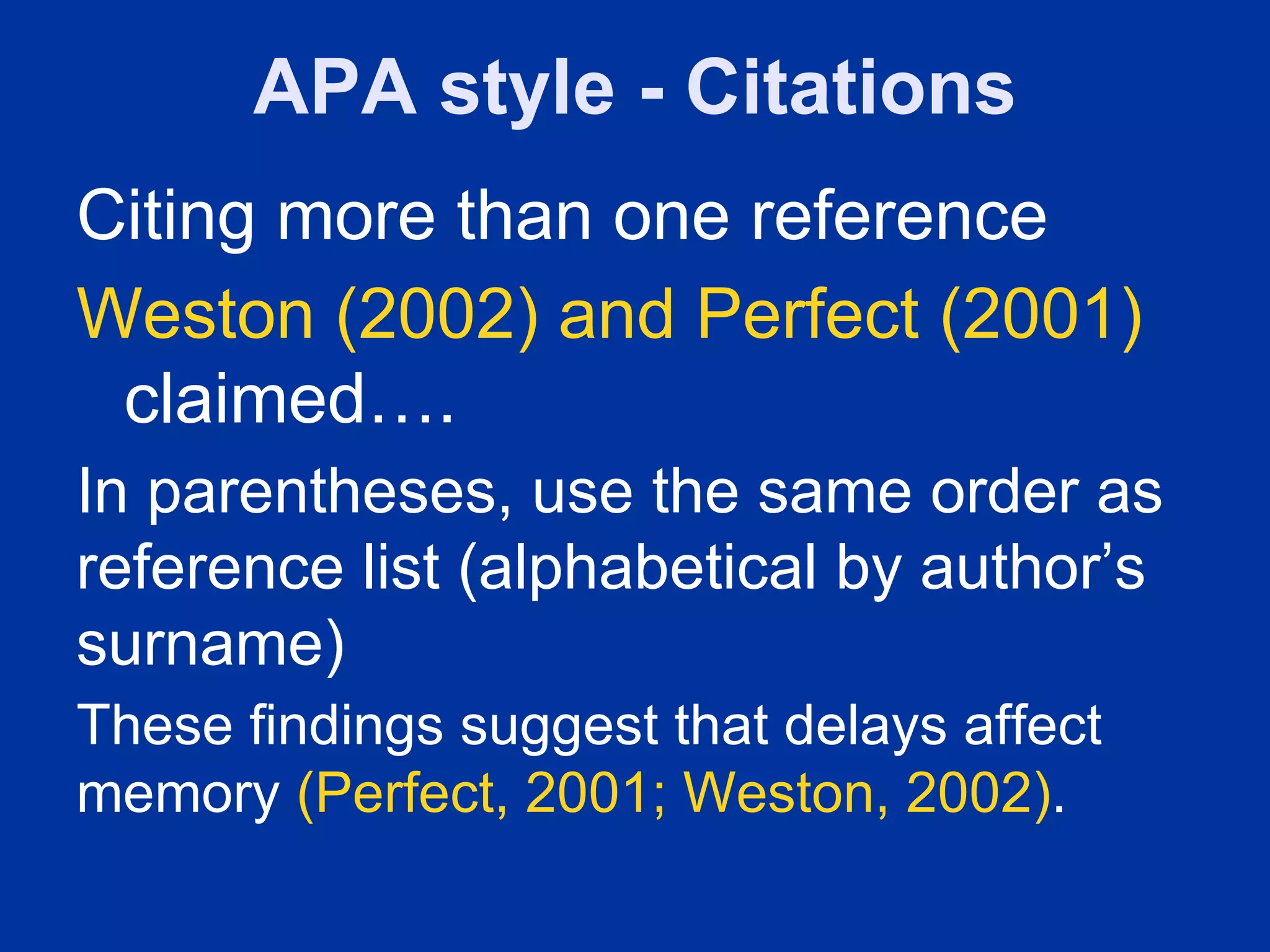
    48. APA style - Citations Citing more than one reference Weston (2002) and Perfect (2001) claimed…. In parentheses, use the same order as reference list (alphabetical by author’s surname) These findings suggest that delays affect memory (Perfect, 2001; Weston, 2002).
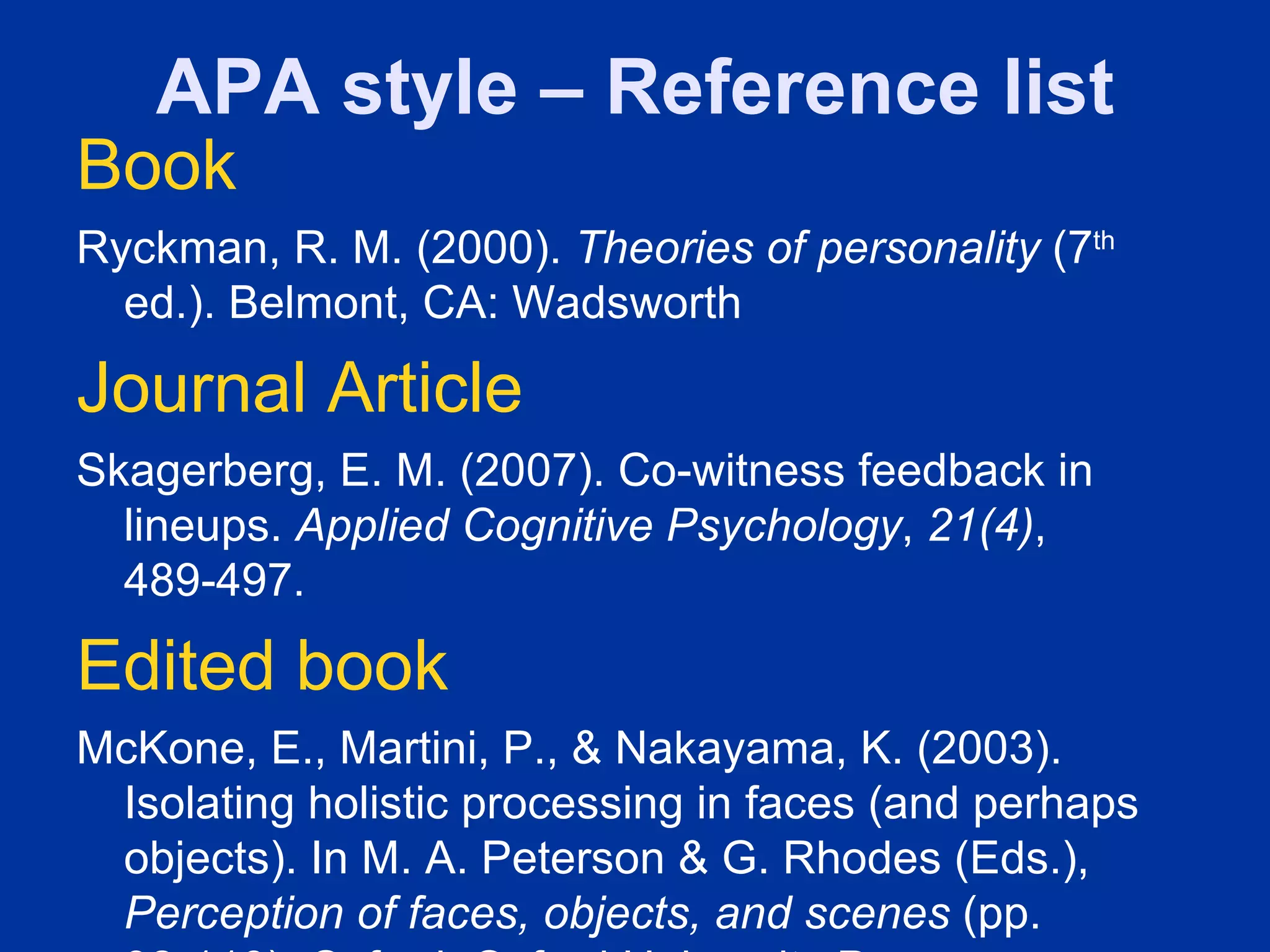
    49. APA style – Reference list Book Ryckman, R. M. (2000). Theories of personality (7th ed.). Belmont, CA: Wadsworth Journal Article Skagerberg, E. M. (2007). Co-witness feedback in lineups. Applied Cognitive Psychology, 21(4), 489-497. Edited book McKone, E., Martini, P., & Nakayama, K. (2003). Isolating holistic processing in faces (and perhaps objects). In M. A. Peterson & G. Rhodes (Eds.), Perception of faces, objects, and scenes (pp.
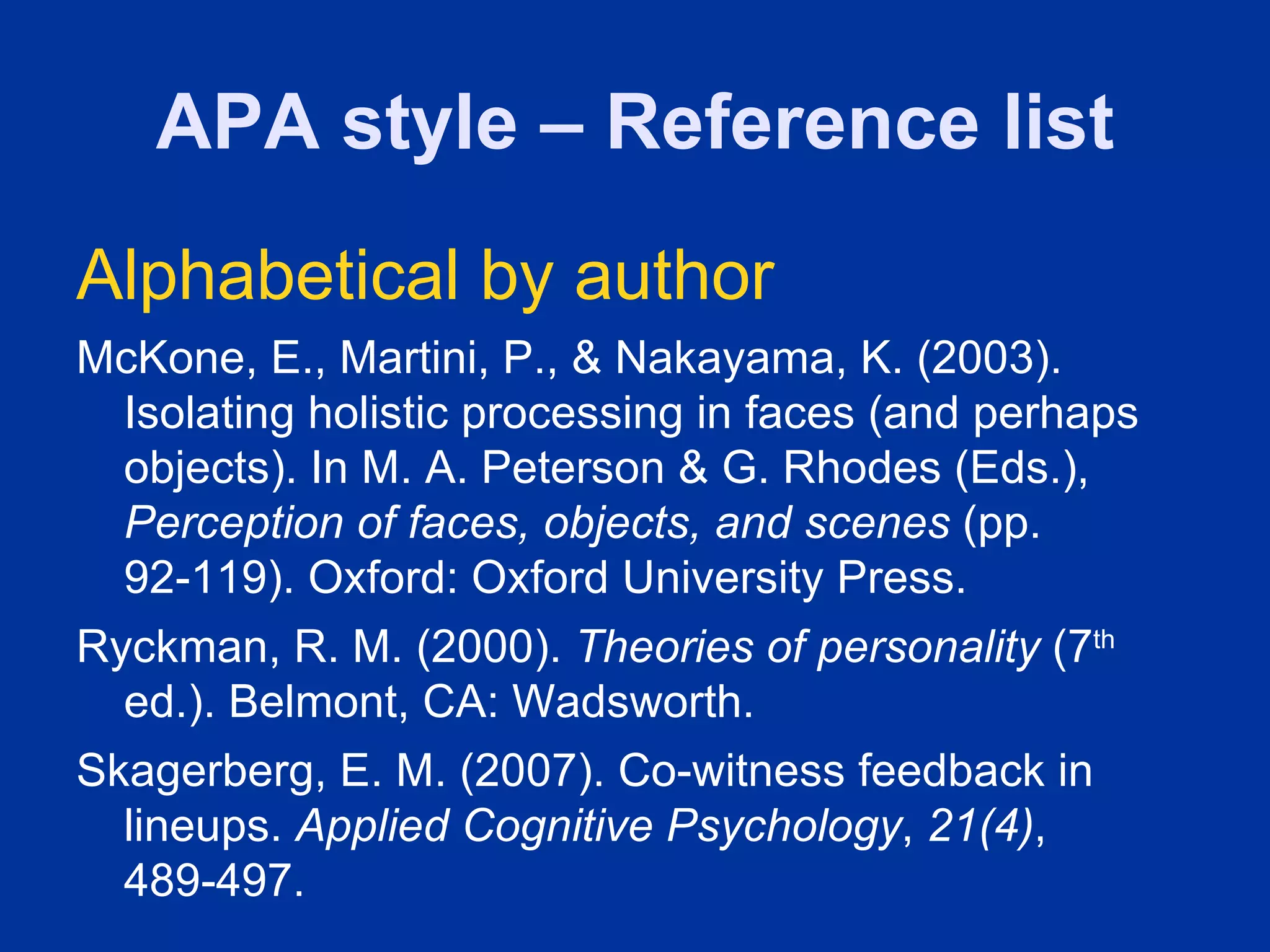
    50. APA style – Reference list Alphabetical by author McKone, E., Martini, P., & Nakayama, K. (2003). Isolating holistic processing in faces (and perhaps objects). In M. A. Peterson & G. Rhodes (Eds.), Perception of faces, objects, and scenes (pp. 92-119). Oxford: Oxford University Press. Ryckman, R. M. (2000). Theories of personality (7th ed.). Belmont, CA: Wadsworth. Skagerberg, E. M. (2007). Co-witness feedback in lineups. Applied Cognitive Psychology, 21(4), 489-497.
    51. Next week Lecture – Intercultural & indigenous psychology (Diana Grace) Tutorials – Tues or Thurs - check Timetable
    SlideShare Zeitgeist 2009

    + University of CanberraUniversity of Canberra Nominate

    custom

    980 views, 1 favs, 1 embeds more stats

    The first lecture for a semester-long introductory more

    More info about this document

    CC Attribution-ShareAlike LicenseCC Attribution-ShareAlike License

    Go to text version

    • Total Views 980
      • 923 on SlideShare
      • 57 from embeds
    • Comments 0
    • Favorites 1
    • Downloads 39
    Most viewed embeds
    • 57 views on http://learnonline.canberra.edu.au

    more

    All embeds
    • 57 views on http://learnonline.canberra.edu.au

    less

    Flagged as inappropriate Flag as inappropriate
    Flag as inappropriate

    Select your reason for flagging this presentation as inappropriate. If needed, use the feedback form to let us know more details.

    Cancel
    File a copyright complaint
    Having problems? Go to our helpdesk?

    Categories