Optimizing sepsis management in ED Dr. Ahmed Alhubaishi Emergency R3
outlines Case for discussion Definitions Approach to septic Pts Litreatures Take home messages
case 51  y/o gentleman  k/c/o  HTN  on atenolol p/w several days of  crampy  abdominal pain , nausea and  loose stools h/o  fever  with chills 2 wks  earlier with mild rt upper quadrant abdominal pain 2 days back ,he was seen by his GP and diagnosed to have  G.E He contineud to have abdominal pain,nausea and mild diarrhoea + fever 40 C , chills/anorexia
No known allergies Not smoker or alcohol consumer No h/o abdominal surgeries He is from india, last visit was 1 yr ago No : cough, chest pain, headache, neck stiffness, sorethroat or urinary complaints
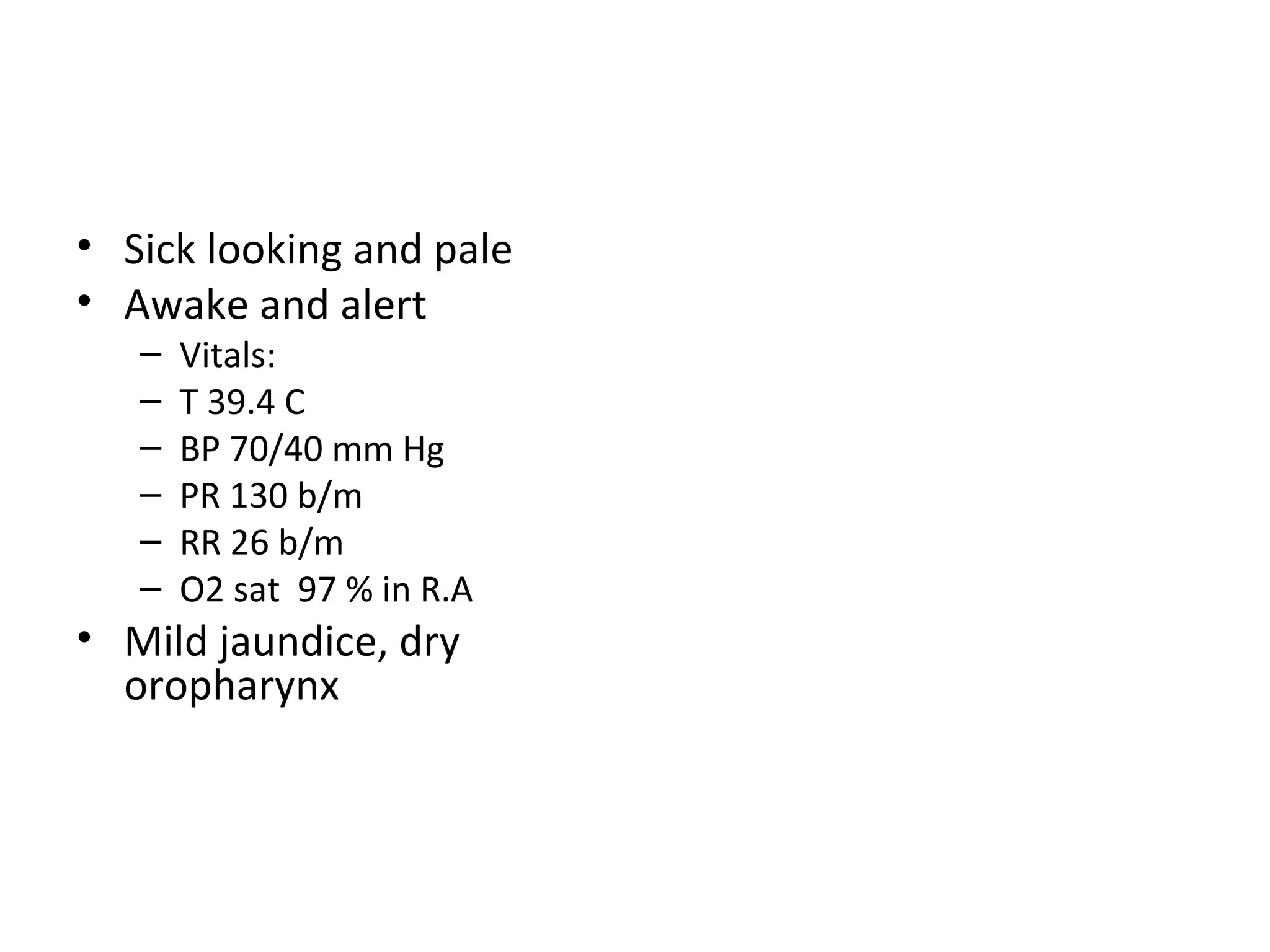
Sick looking and pale Awake and alert Vitals: T 39.4 C BP 70/40 mm Hg PR 130 b/m RR 26 b/m O2 sat  97 % in R.A Mild jaundice, dry oropharynx
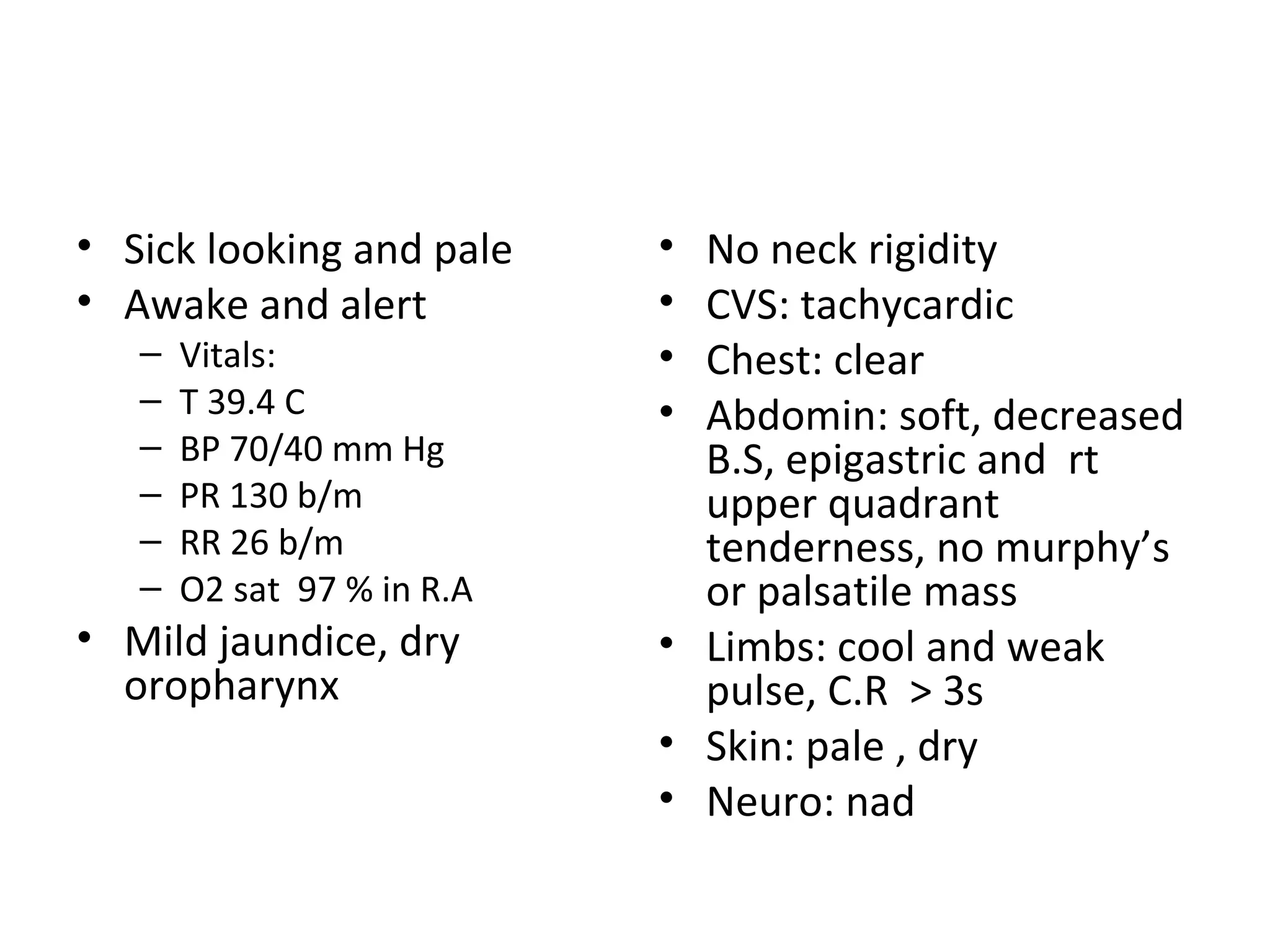
Sick looking and pale Awake and alert Vitals: T 39.4 C BP 70/40 mm Hg PR 130 b/m RR 26 b/m O2 sat  97 % in R.A Mild jaundice, dry oropharynx No neck rigidity CVS: tachycardic Chest: clear Abdomin: soft, decreased B.S, epigastric and  rt upper quadrant  tenderness, no murphy’s or palsatile mass Limbs: cool and weak pulse, C.R  > 3s Skin: pale , dry Neuro: nad
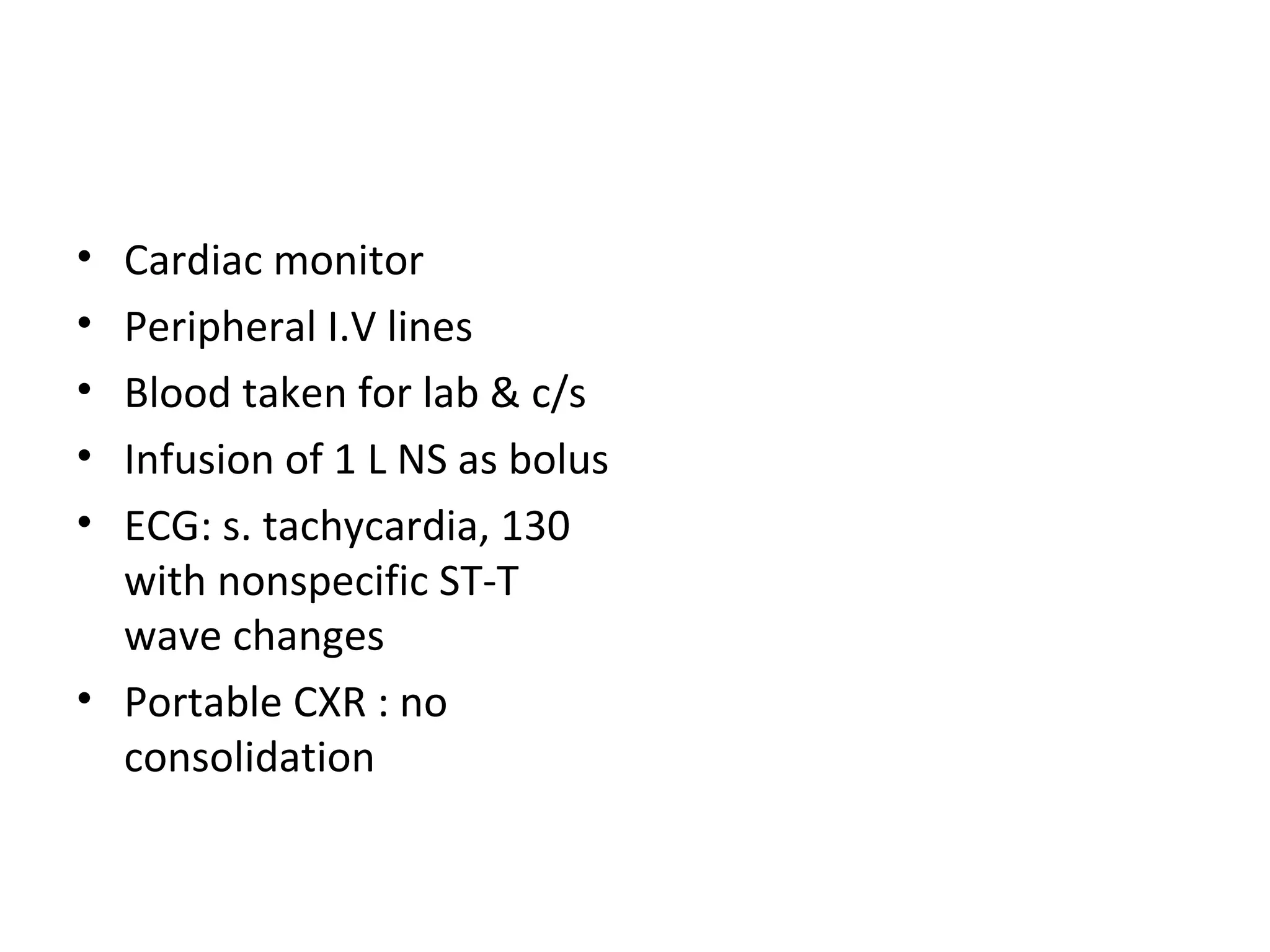
Cardiac monitor Peripheral I.V lines Blood taken for lab & c/s Infusion of 1 L NS as bolus ECG: s. tachycardia, 130 with nonspecific ST-T wave changes Portable CXR : no consolidation
Cardiac monitor Peripheral I.V lines Blood taken for lab & c/s Infusion of 1 L NS as bolus ECG: s. tachycardia, 130 with nonspecific ST-T wave changes Portable CXR : no consolidation WBC  :  2 Hematocrit :  29% PLT:  81 Cr:  1.6  mg/dl[0.8-1.5] T.bili  :  2.9  [0.2-1.3] AST:  84  [17-59] ALT:  93 [11-66] ALP: 205 [38-126] Trop:  0.18 [0.00-0.09]
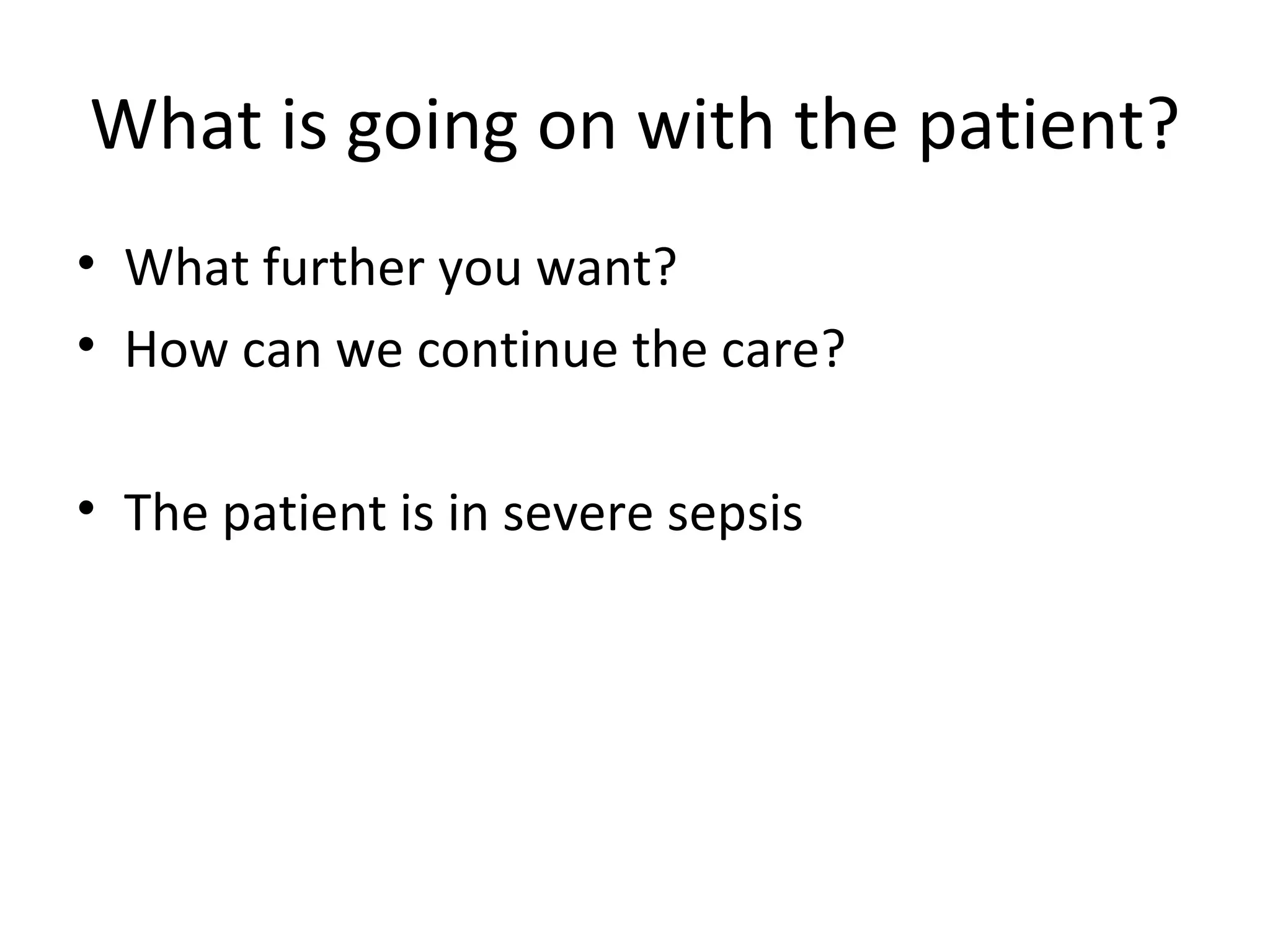
What is going on with the patient? What further you want? How can we continue the care? The patient is in severe sepsis
Additional work-up Lactate 4.6 INR  1.3 Fibrinogen 516[189-434] ABG: ph 7.46, pco2 22, po2 79, hco3 18 base excess -8.1
Additional work-up Lactate 4.6 INR  1.3 Fibrinogen 516[189-434] ABG: ph 7.46, pco2 22, po2 79, hco3 18 base excess -8.1 He received 5 L  NS, no much improvement Norepi.  Drip started CVC and ScvO2 monitor were placed Emperic broad spectrum antibiotics given Pt admitted to ICU
Non-contrast CT abdomin: low attenuated fluid-filled areas in lt liver lobe CT abdomin with IV conrast:  4 cm multiloculated lt hepatic abscess Drained under Ct guidance by interventional radiologist The aspirated fluid sent for culture A drain left in situ
Blood & fluid c/s : strep constellatus [viridans] Antibotics changed according to sensitivity Patient was d/c after 10 days
sepsis
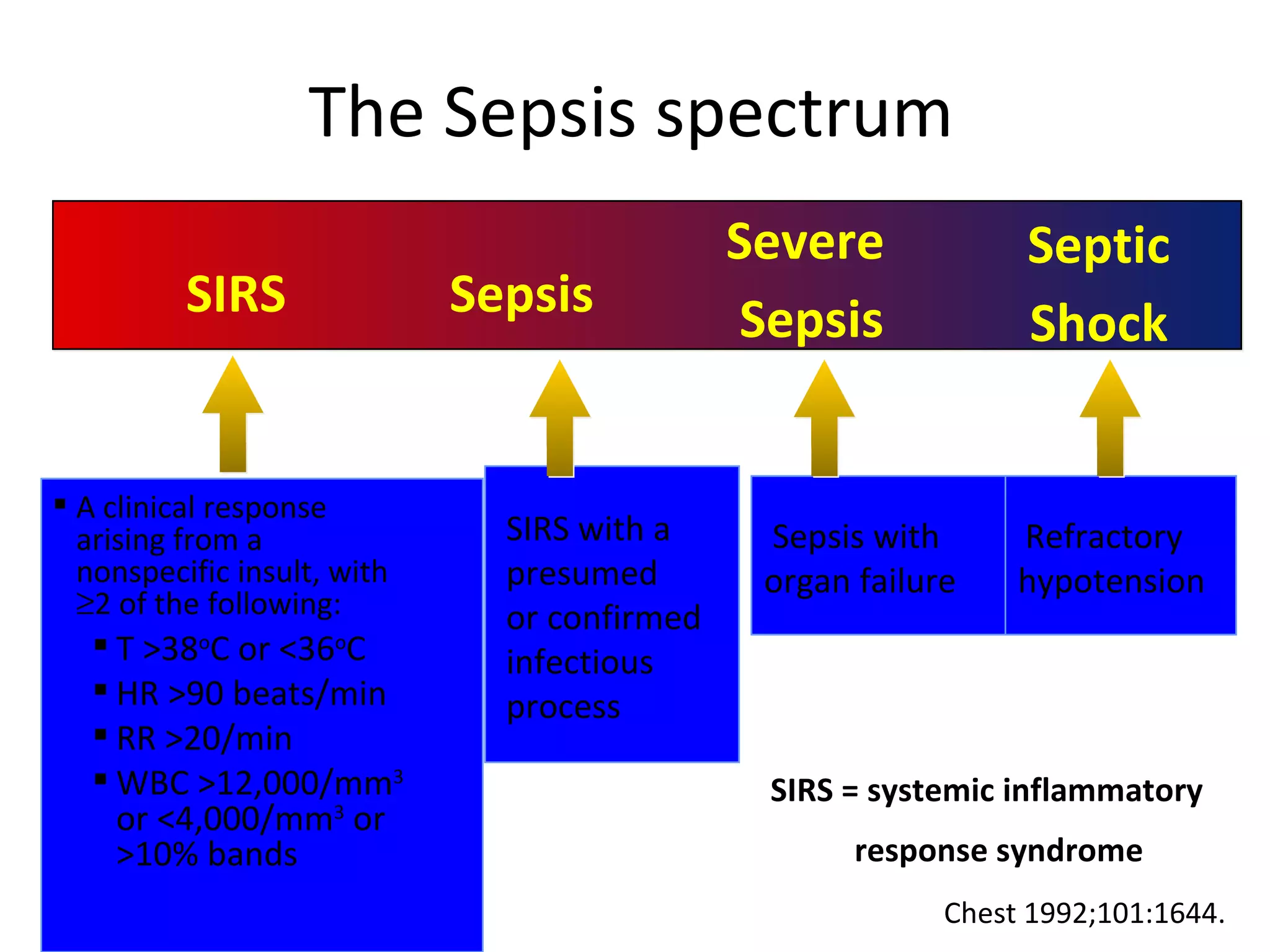
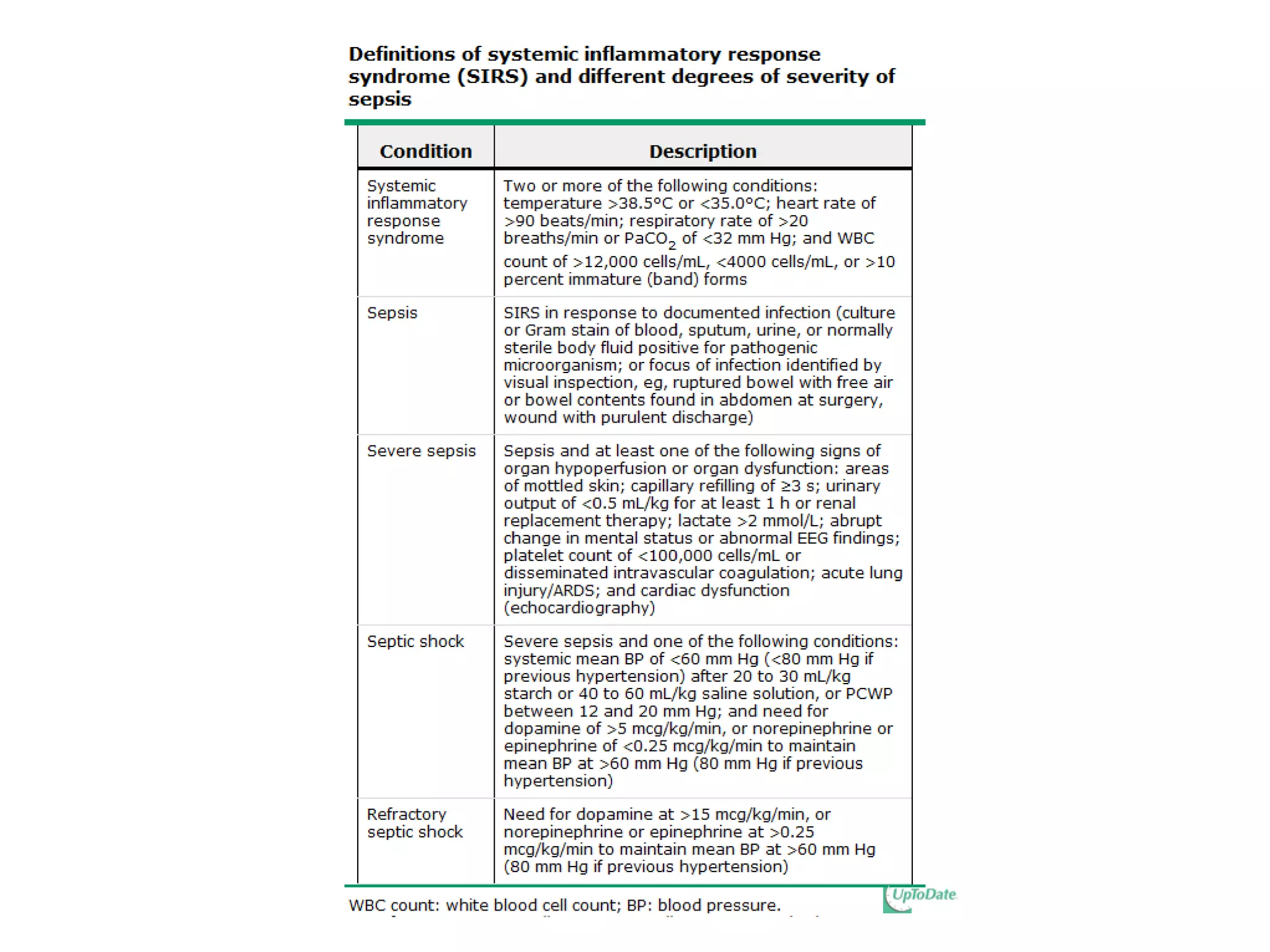
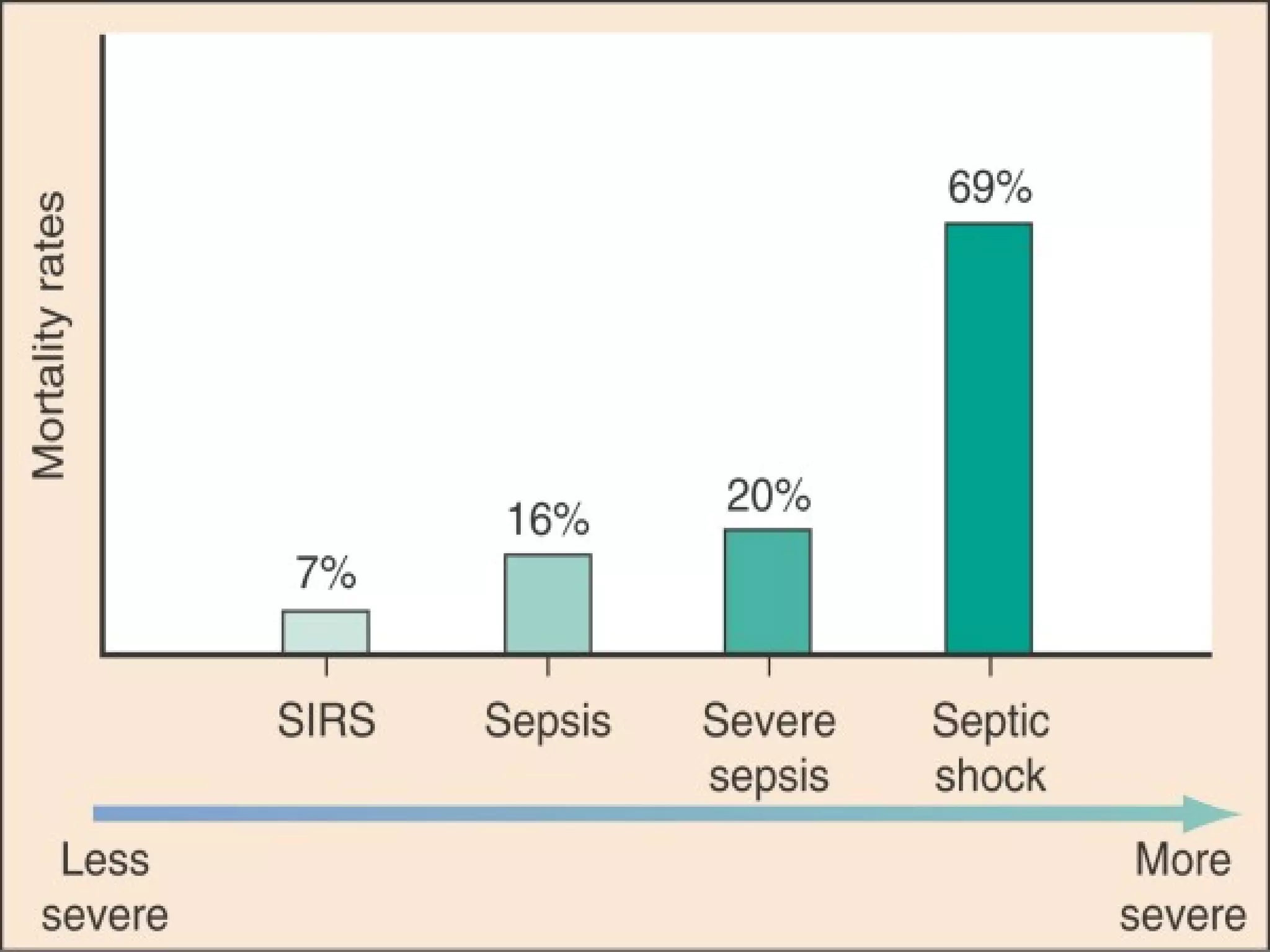
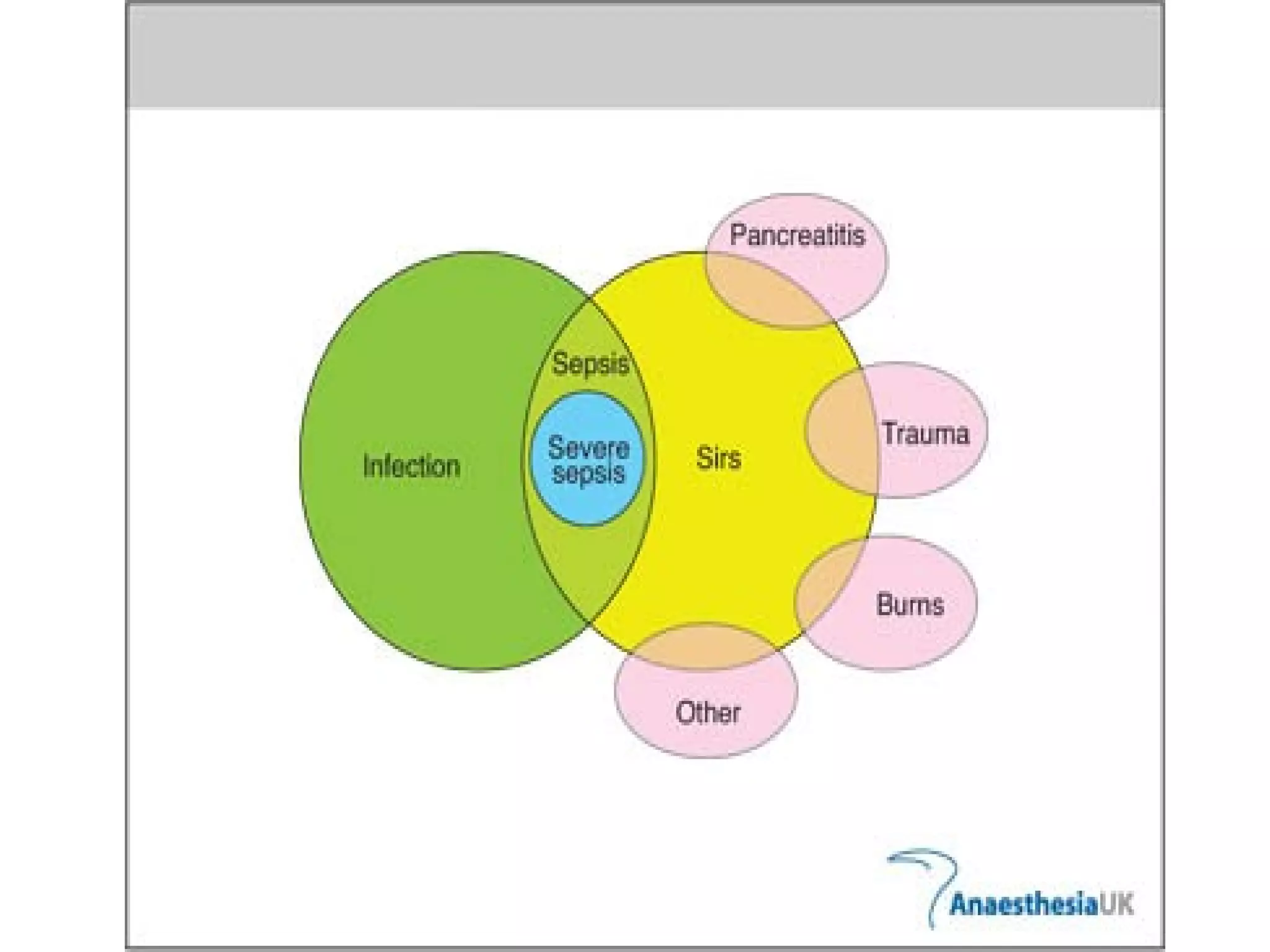
The Sepsis spectrum A clinical response arising from a nonspecific insult, with   2 of the following: T >38 o C or <36 o C HR >90 beats/min RR >20/min WBC >12,000/mm 3  or <4,000/mm 3  or >10% bands SIRS = systemic inflammatory  response syndrome SIRS with a presumed or confirmed  infectious process Chest 1992;101:1644. Sepsis with  organ failure Refractory hypotension Sepsis SIRS Severe  Sepsis Septic Shock


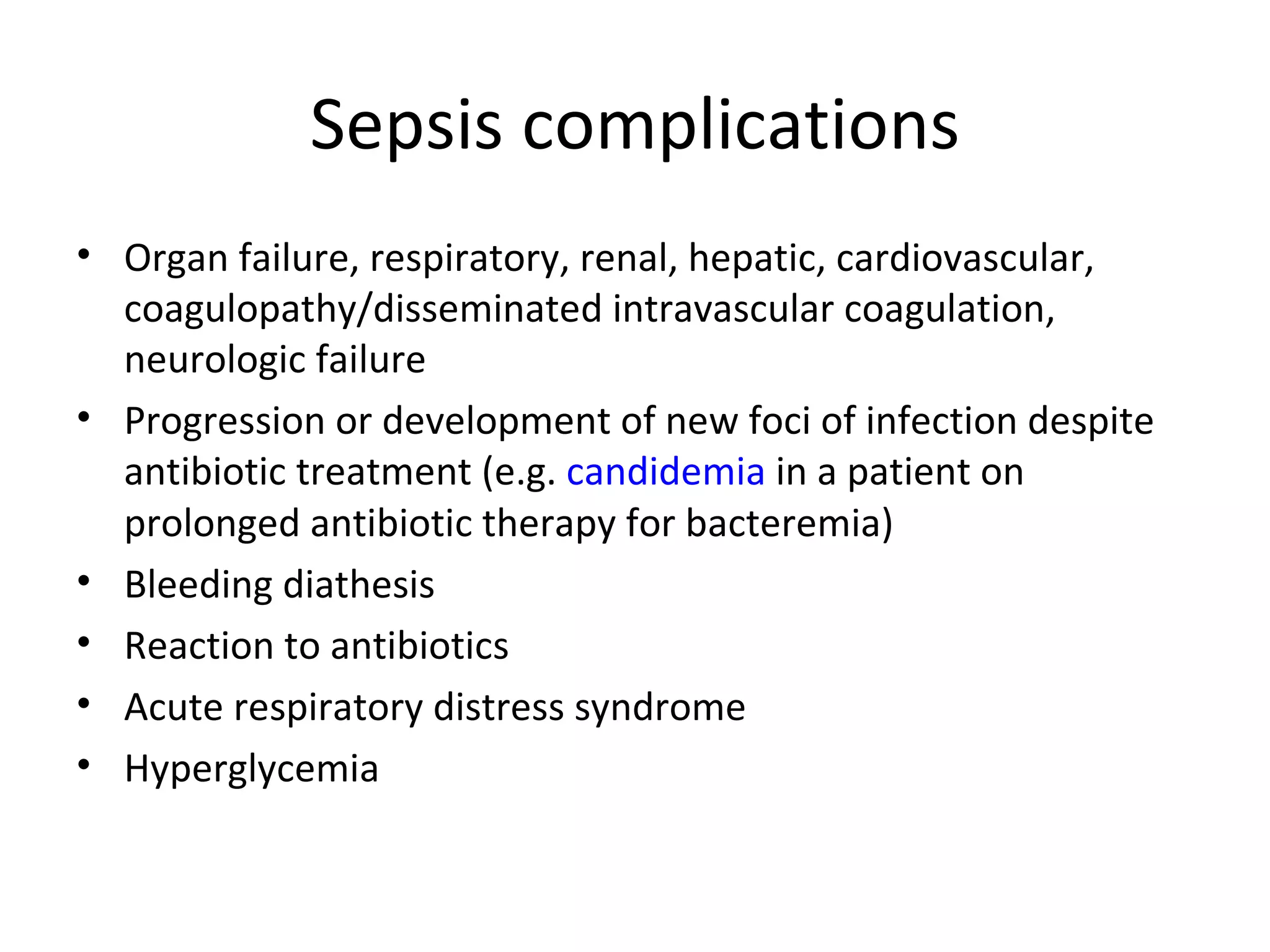
Sepsis complications Organ failure, respiratory, renal, hepatic, cardiovascular, coagulopathy/disseminated intravascular coagulation, neurologic failure  Progression or development of new foci of infection despite antibiotic treatment (e.g.  candidemia  in a patient on prolonged antibiotic therapy for bacteremia)  Bleeding diathesis  Reaction to antibiotics  Acute respiratory distress syndrome  Hyperglycemia
Management  Early goal directed therapy  lung protective ventilation  broad spectrum antibiotics  possibly activated protein C
Early goal directed therapy
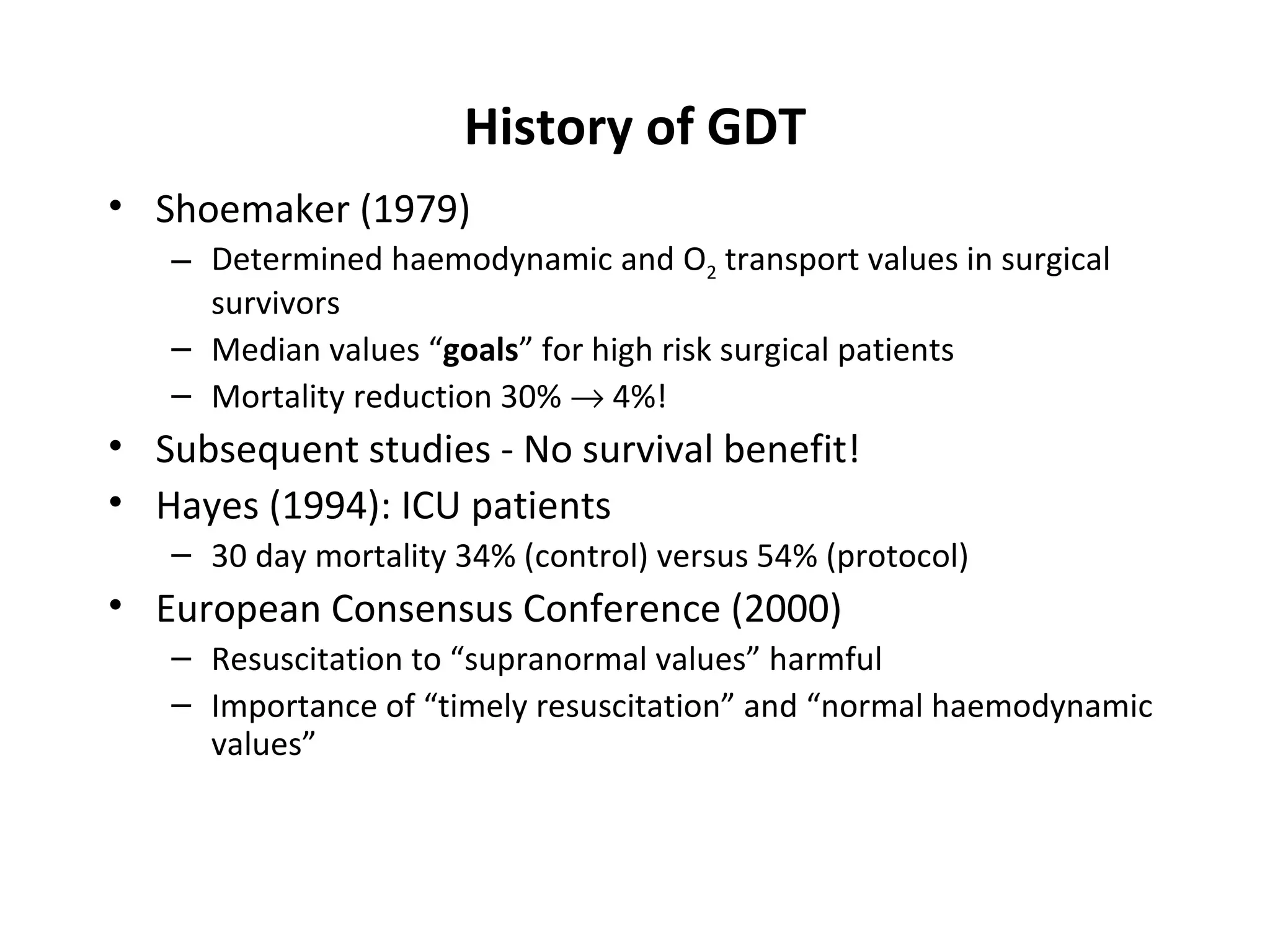
History of GDT Shoemaker (1979) Determined haemodynamic and O 2  transport values in surgical survivors Median values “ goals ” for high risk surgical patients Mortality reduction 30%    4%! Subsequent studies - No survival benefit! Hayes (1994): ICU patients 30 day mortality 34% (control) versus 54% (protocol) European Consensus Conference (2000) Resuscitation to “supranormal values” harmful Importance of “timely resuscitation” and “normal haemodynamic values”
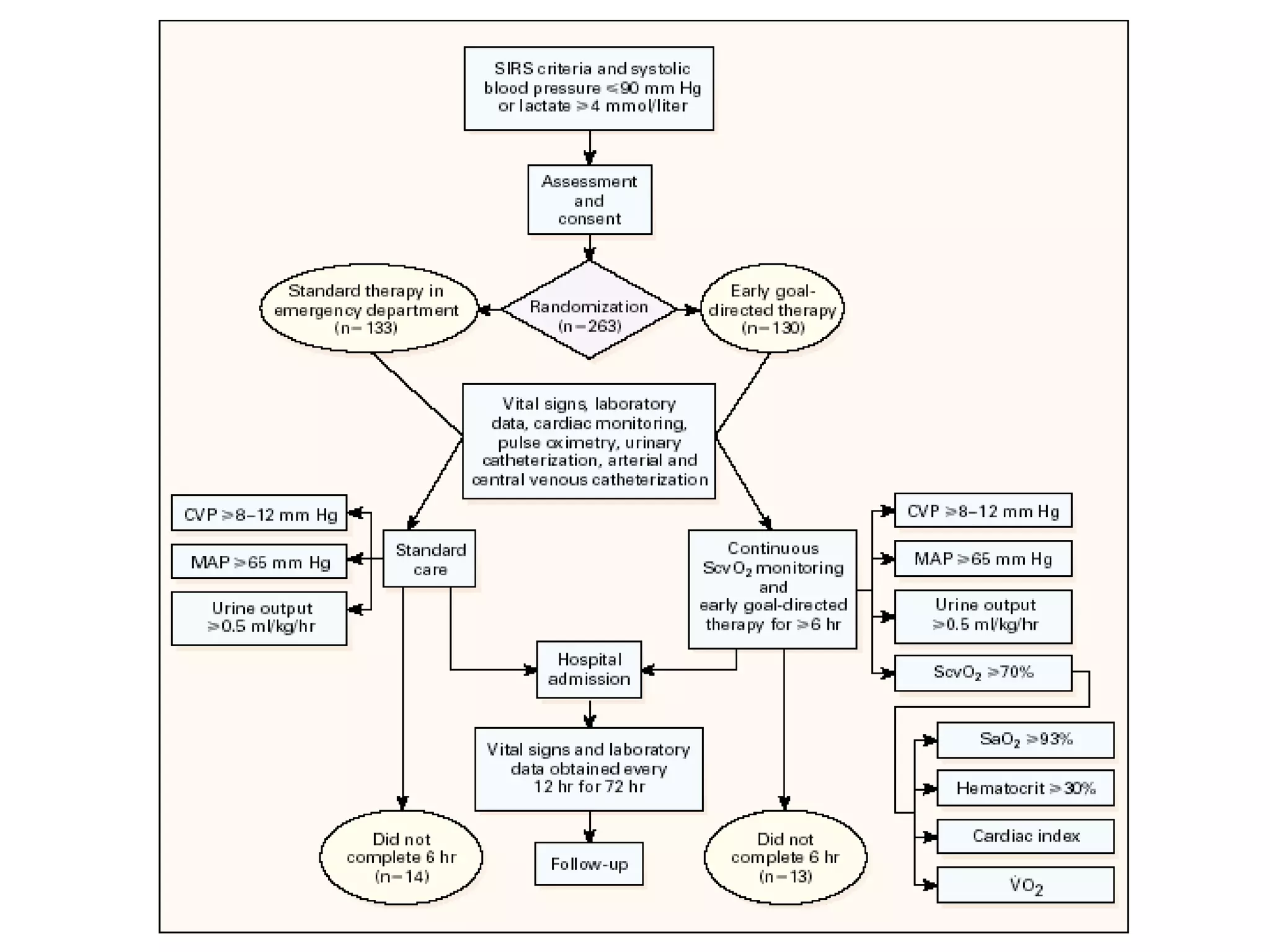
EGDT Rivers & colleagues  [ rivers E,Nguyen B,havstad S,et al. early goal-directed therapyin the treatment of  severe sepsis and septic shock. N Engl J Med 2001  ] RCT Pts with severe sepsis and septic shock Pt enrolled to either EGDT  during the first 6 hrs or the standard therapy
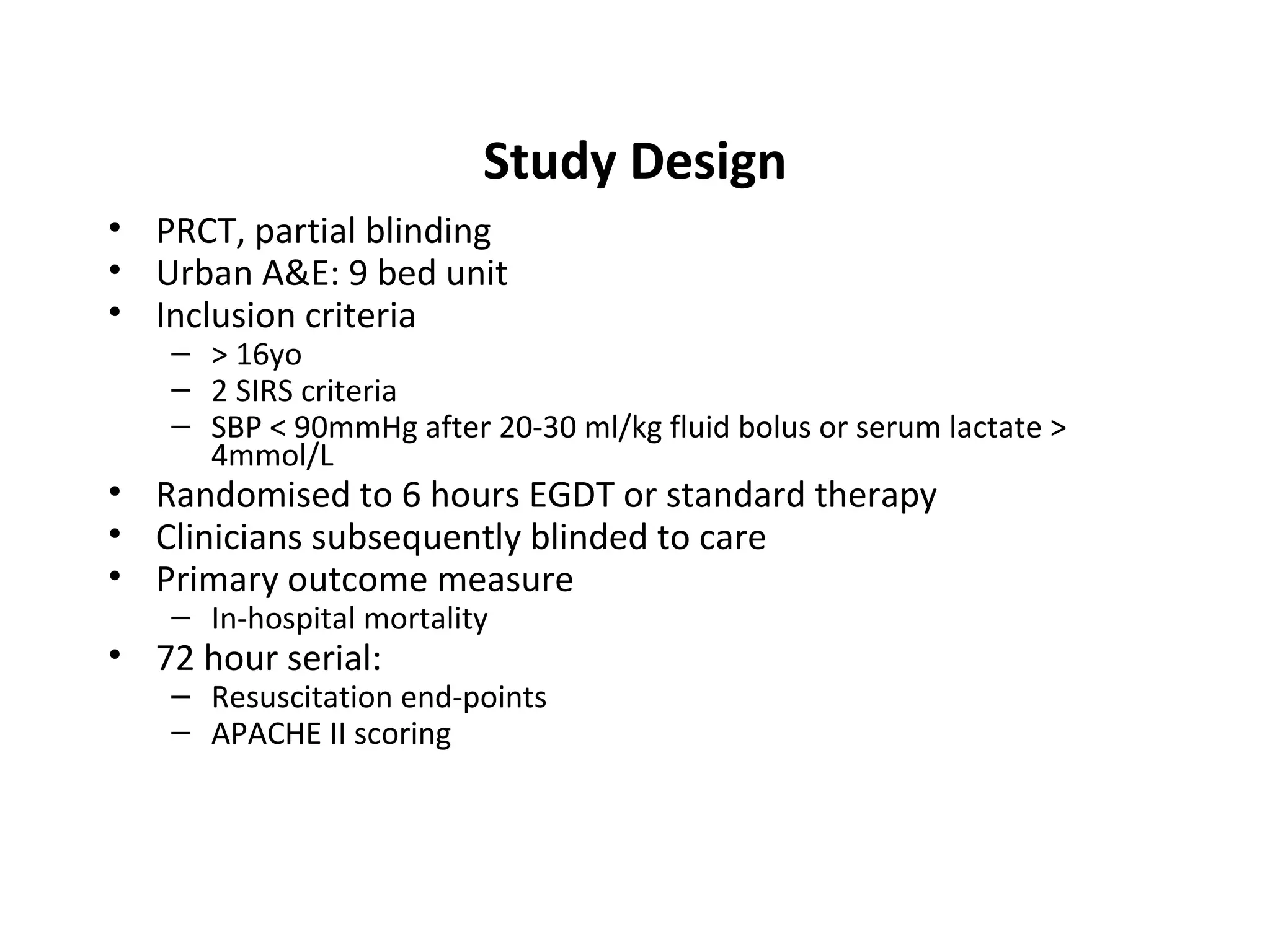
Study Design PRCT, partial blinding Urban A&E: 9 bed unit Inclusion criteria > 16yo 2 SIRS criteria SBP < 90mmHg after 20-30 ml/kg fluid bolus or serum lactate > 4mmol/L Randomised to 6 hours EGDT or standard therapy Clinicians subsequently blinded to care Primary outcome measure In-hospital mortality 72 hour serial: Resuscitation end-points APACHE II scoring
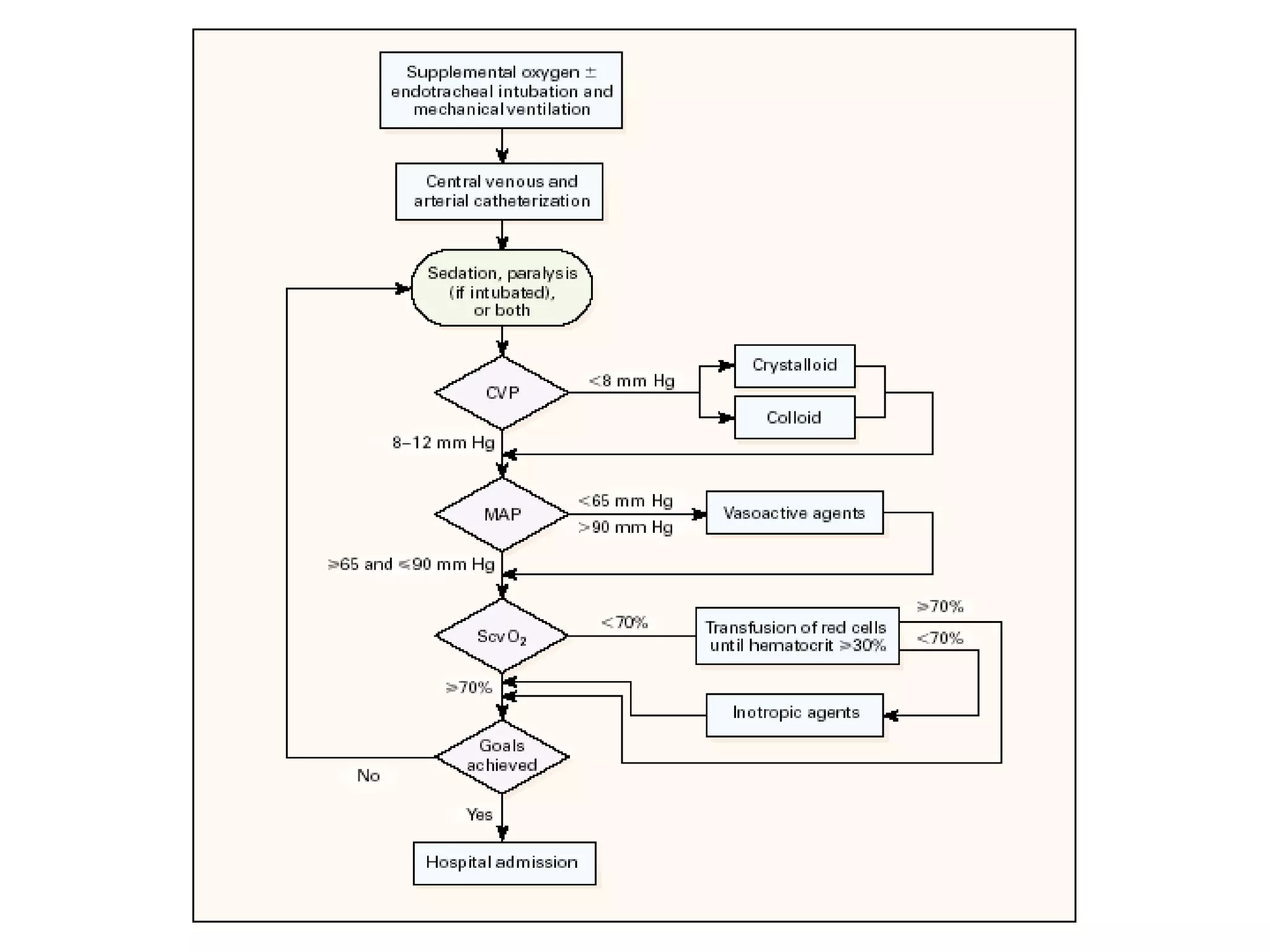
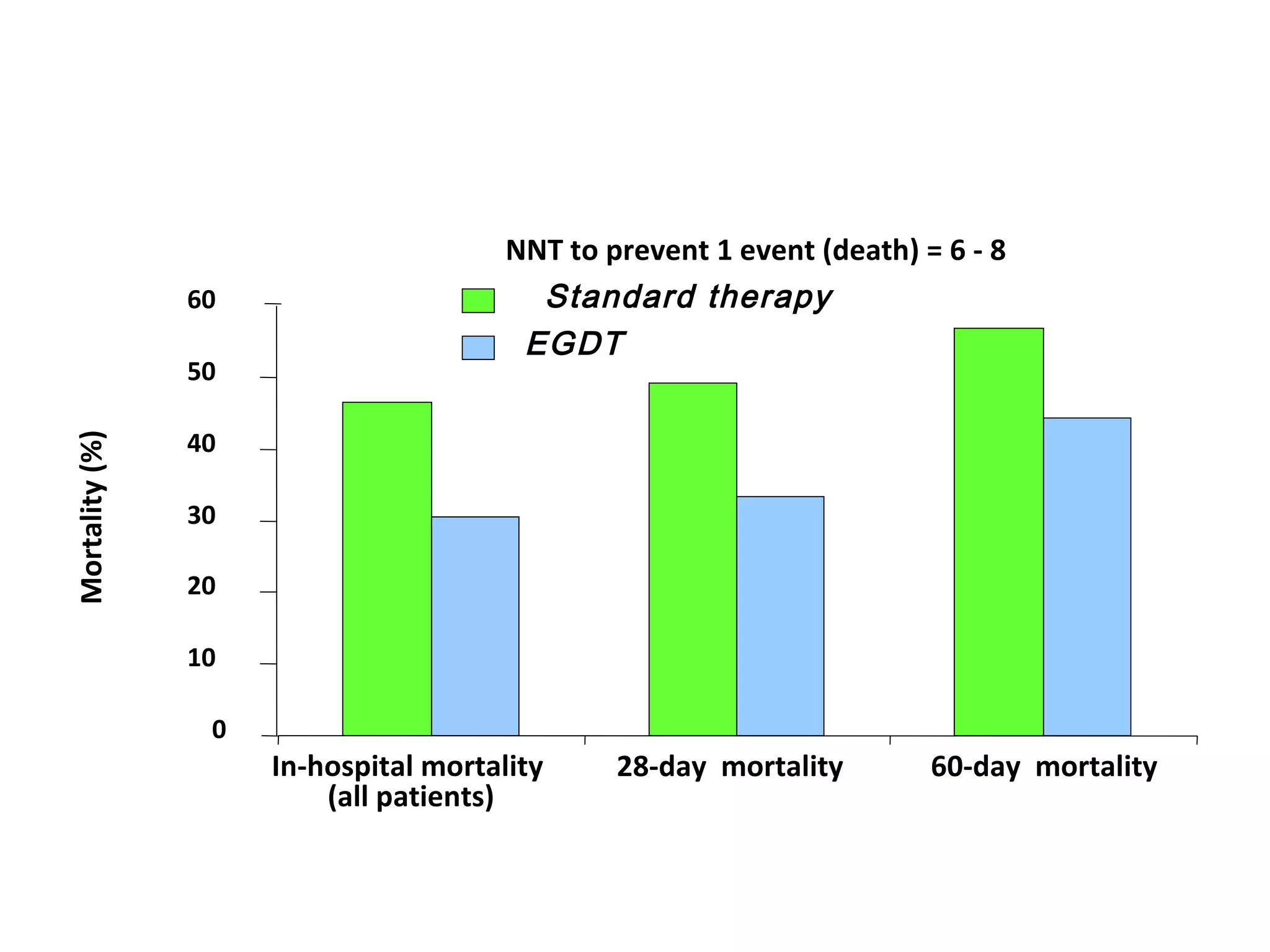
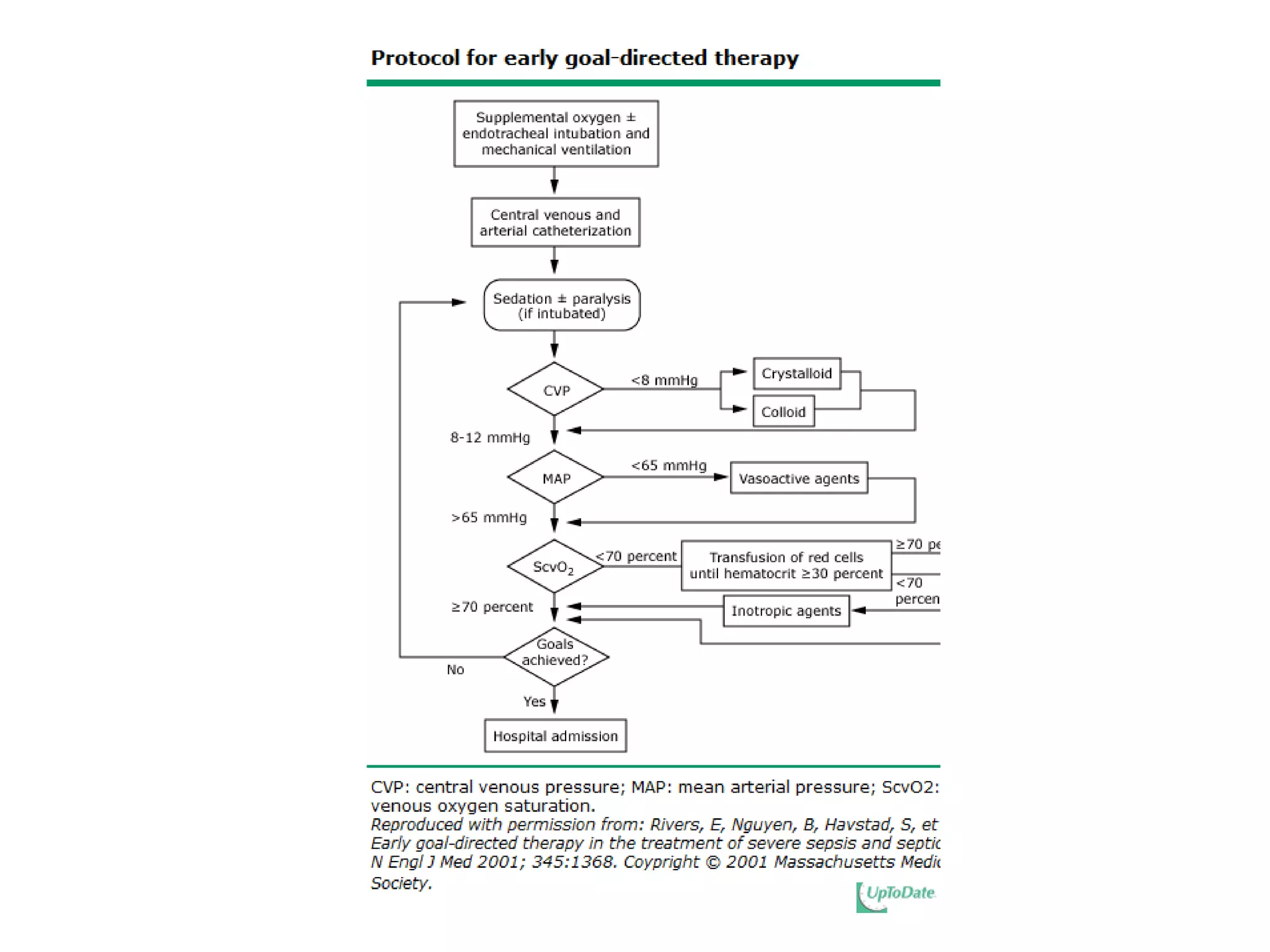
Crystalloids given to keep CVP at 8-12mmHg Vasopressors added if MAP < 65 mmHg PRBCs transfusion if ScvO2 [ central venous oxygen saturation] < 70% to maintain hematocrit > 30% Conclusion : decreased mortality at 28 and 60 days & decreased duration of hospitalization
 
 
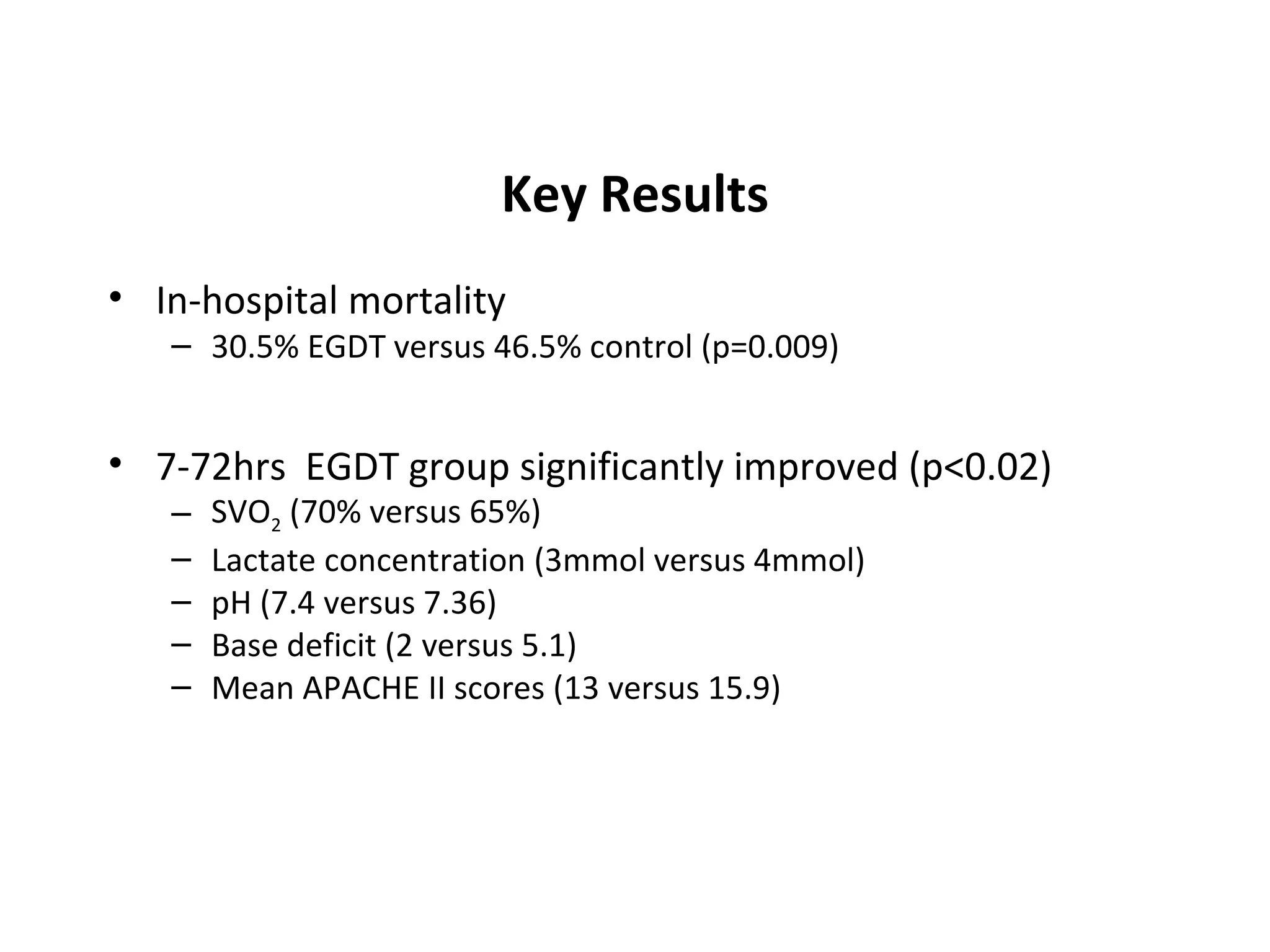
Key Results In-hospital mortality 30.5% EGDT versus 46.5% control (p=0.009) 7-72hrs  EGDT group significantly improved (p<0.02) SVO 2  (70% versus 65%) Lactate concentration (3mmol versus 4mmol) pH (7.4 versus 7.36) Base deficit (2 versus 5.1) Mean APACHE II scores (13 versus 15.9)
In-hospital mortality  (all patients) 0 10 20 30 40 50 60 Standard therapy EGDT 28-day  mortality  60-day  mortality  NNT to prevent 1 event (death) = 6 - 8 Mortality (%)
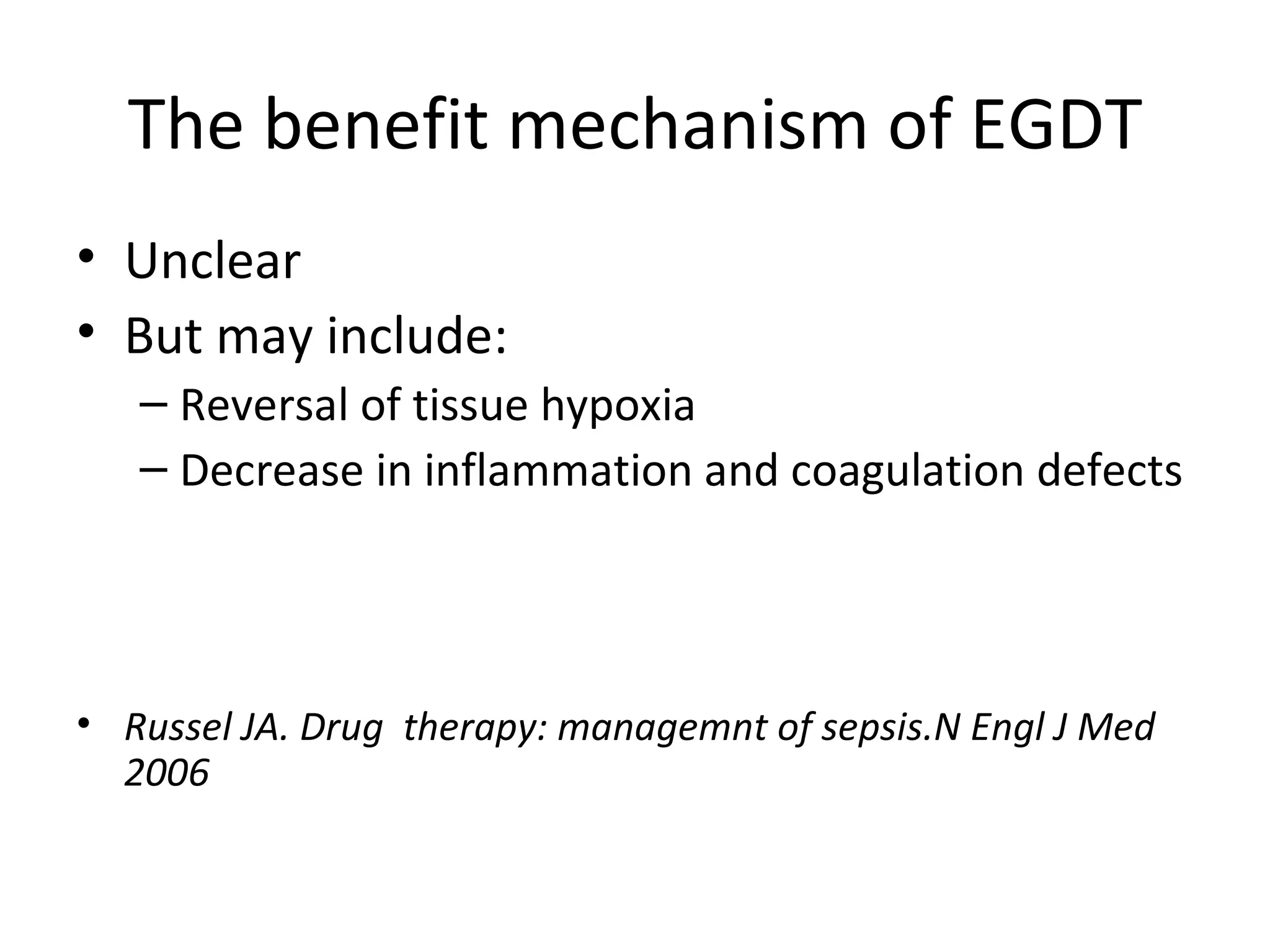
The benefit mechanism of EGDT Unclear But may include: Reversal of tissue hypoxia Decrease in inflammation and coagulation defects Russel JA. Drug  therapy: managemnt of sepsis.N Engl J Med 2006
 
Litreture review  EARLY MANAGEMENT : first priority is stabilization of their airway and breathing.  Next, perfusion to the peripheral tissues should be restored  securing the airway and correcting hypoxemia. Intubation and mechanical ventilation may be required Dellinger, RP, Levy, MM, Carlet, JM, et al. Surviving Sepsis Campaign: international guidelines for management of severe sepsis and septic shock: 2008. Crit Care Med 2008 Sessler, CN, Perry, JC, Varney, KL. Management of severe sepsis and septic shock. Curr Opin Crit Care 2004
Assess perfusion Hypotension is the most common indicator that perfusion is inadequate However, critical hypoperfusion can also occur in the absence of hypotension, especially during early sepsis
catheter (CVC) should be inserted in most patients with severe sepsis or septic shock In one clinical trial, treatment of septic shock guided by the ScvO2 reduced mortality Rivers, E, Nguyen, B, Havstad, S, et al. Early goal-directed therapy in the treatment of severe sepsis and septic shock. N Engl J Med 2001
Restore perfusion early restoration of perfusion is necessary to prevent or limit multiple organ dysfunction, as well as reduce mortality using IVFs, vasopressors, inotropes, and, possibly, red blood cell transfusions Recommendation: patients be managed with therapy aimed at achieving Scvo2 ≥70 percent within six hours of presentation ( Grade 1B ).
 
fluids Recommendation: boluses of intravenous fluids as first-line therapy in patients who demonstrate impaired perfusion ( Grade 1B ).  Fluid boluses are repeated until BP and tissue perfusion are acceptable These parameters should be assessed before and after each fluid bolus.  There are no data to support preferential administration of crystalloid or colloid Hollenberg, SM, Ahrens, TS, Annane, D, et al. Practice parameters for hemodynamic support of sepsis in adult patients: 2004 update. Crit Care Med 2004;  Choi, PT, Yip, G, Quinonez, LG, Cook, DJ. Crystalloids vs. colloids in fluid resuscitation: a systematic review. Crit Care Med 1999
Lactate clearance evaluated as a potential substitute for ScvO2 as the target of resuscitation Jones, AE, Shapiro, NI, Trzeciak, S, et al. Lactate clearance vs central venous oxygen saturation as goals of early sepsis therapy: a randomized clinical trial. JAMA 2010 no difference in hospital mortality, length of stay, ventilator-free days, or incidence of multiorgan failure, suggesting that lactate clearance criteria may be an acceptable alternative to ScvO2 criteria.
We prefer to target an ScvO2 ≥70 percent because it is the more extensively studied resuscitation goal, although a lactate clearance ≥10 percent appears to be a reasonable alternative if ScvO2 monitoring is unavailable
vassopressor second line agents in the treatment of severe sepsis and septic shock after fluids useful in patients who remain hypotensive despite adequate fluid resuscitation or who develop cardiogenic pulmonary edema prefer to use norepinephrine in most patients  Reinhart, K, Bloos, F, Spies, C. Vasoactive drug therapy in sepsis. In: Clinical Trials for the treatment of sepsis, Sibbald, WJ, Vincent, JL (Eds), Springer Verlag, Berlin, 1995 De Backer, D, Biston, P, Devriendt, J, et al. Comparison of dopamine and norepinephrine in the treatment of shock. N Engl J Med 2010
Inotropic therapy For patients who have myocardial dysfunction if ScvO2 remains <70 percent after all of the interventions been discussed  Dobutamine  is the usual inotropic agent Bersten, AD, Hersch, M, Cheung, H, et al. The effect of various sympathomimetics on the regional circulations in hyperdynamic sepsis. Surgery 1992
Red blood cell transfusions  EGDT aggressively utilizes red blood cell transfusions to raise the ScvO2 70 percent of patients in the EGDT group received transfusions, compared to 45 percent in the conventional therapy group Hébert, PC, Wells, G, Blajchman, MA, et al. A multicenter, randomized, controlled clinical trial of transfusion requirements in critical care. Transfusion Requirements in Critical Care Investigators, Canadian Critical Care Trials Group. N Engl J Med 1999
 
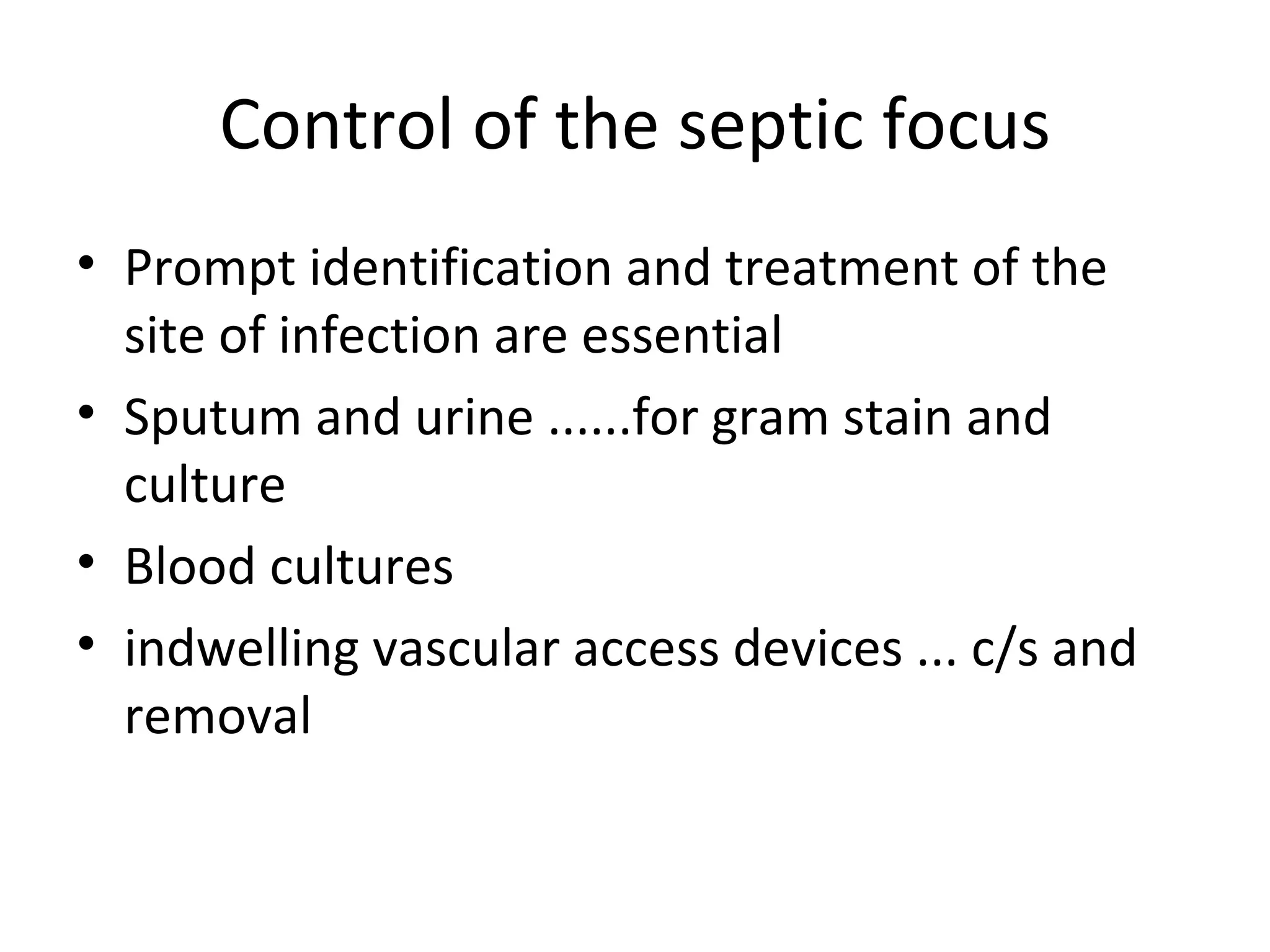
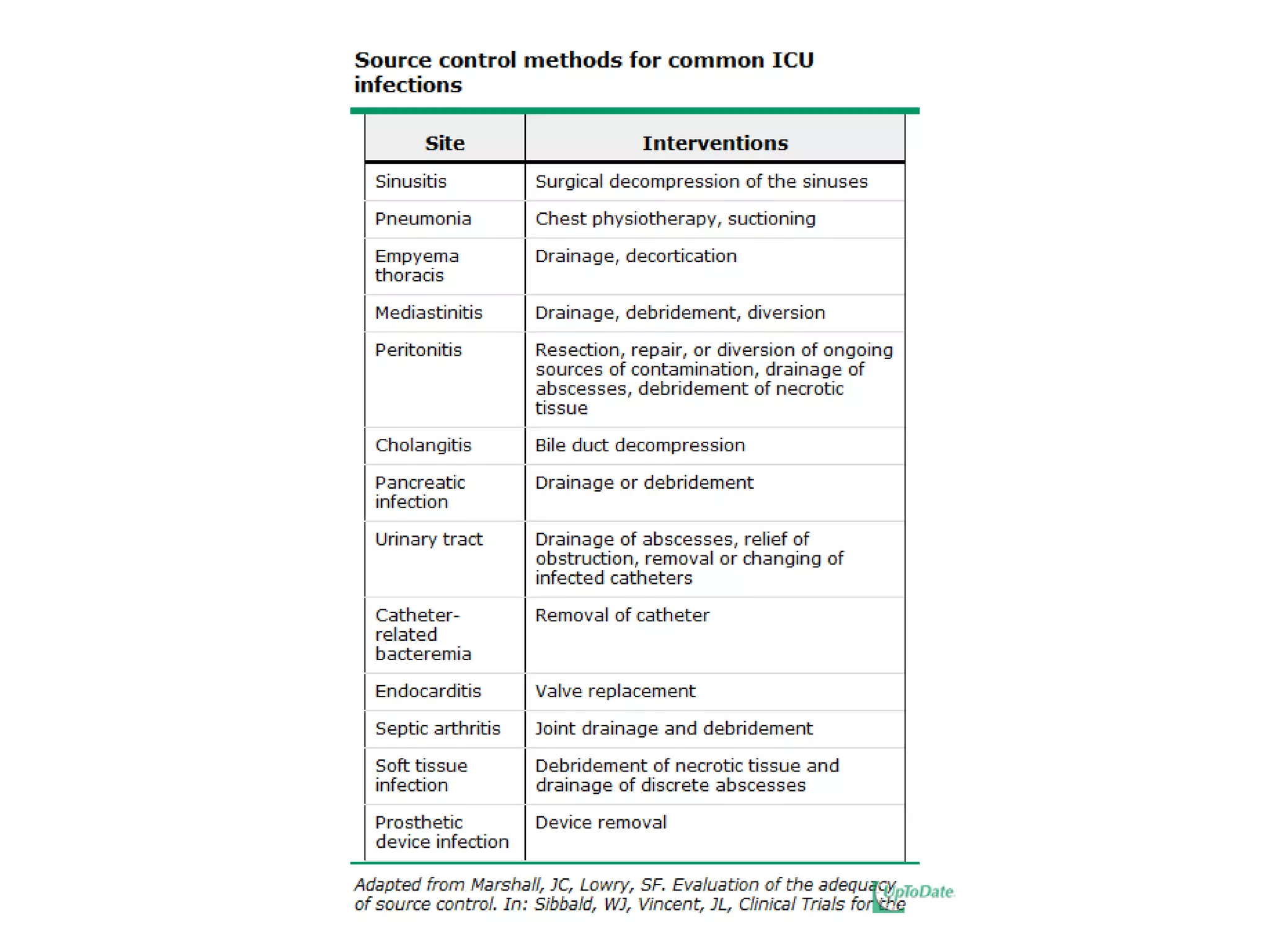
Control of the septic focus Prompt identification and treatment of the site of infection are essential Sputum and urine ......for gram stain and culture Blood cultures indwelling vascular access devices ... c/s and removal
 
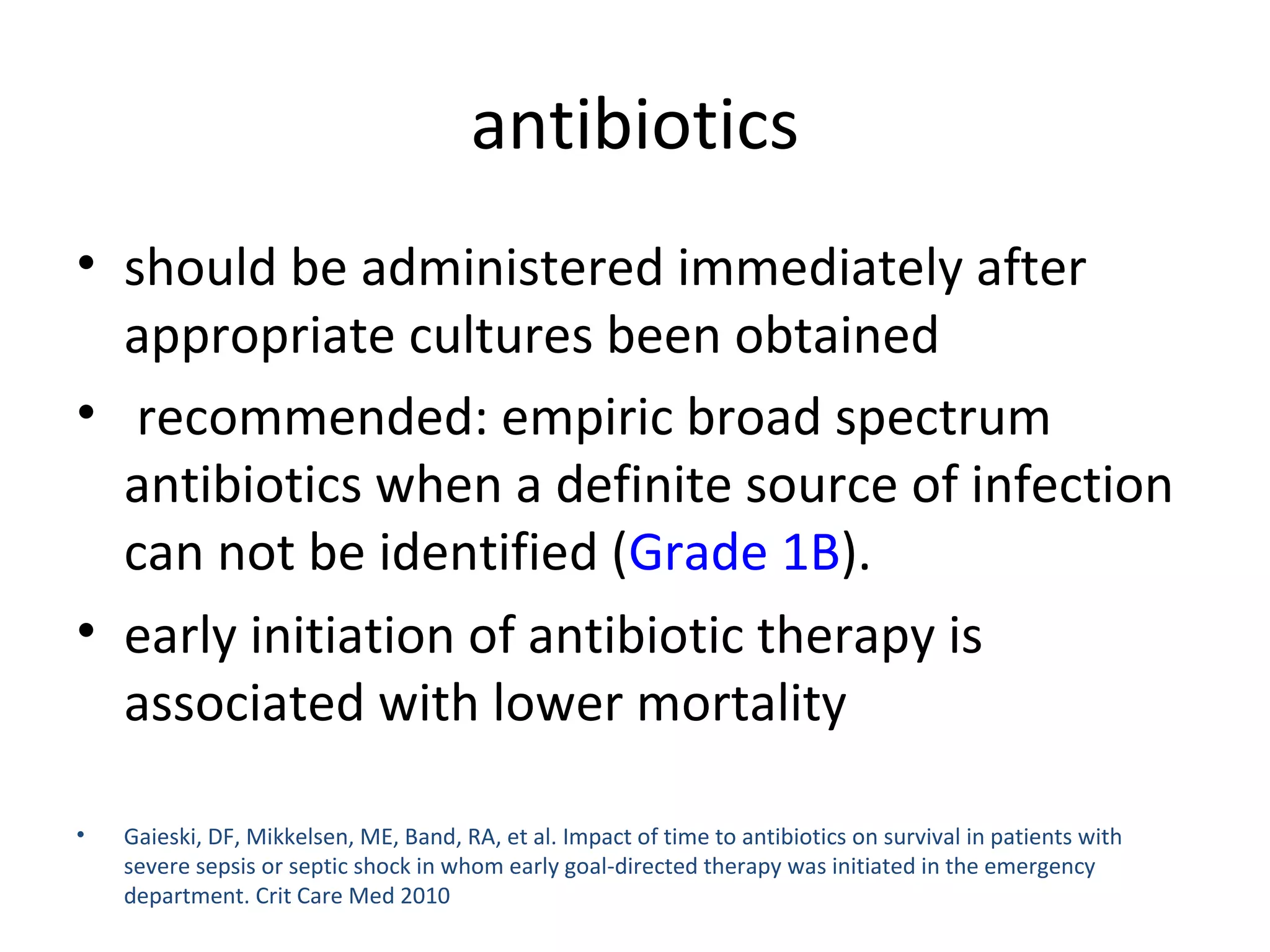
antibiotics should be administered immediately after appropriate cultures been obtained recommended: empiric broad spectrum antibiotics when a definite source of infection can not be identified ( Grade 1B ). early initiation of antibiotic therapy is associated with lower mortality  Gaieski, DF, Mikkelsen, ME, Band, RA, et al. Impact of time to antibiotics on survival in patients with severe sepsis or septic shock in whom early goal-directed therapy was initiated in the emergency department. Crit Care Med 2010
Kumar, A, Roberts, D, Wood, KE, et al. Duration of hypotension before initiation of effective antimicrobial therapy is the critical determinant of survival in human septic shock. Crit Care Med 2006: time to initiation of appropriate antimicrobial therapy was the strongest predictor of mortalit Safdar, N, Handelsman, J, Maki, DG. Does combination antimicrobial therapy reduce mortality in Gram-negative bacteraemia? A meta-analysis. Lancet Infect Dis 2004 several clinical trials and two meta-analyses have failed to demonstrate superior overall efficacy of combination therapy compared to monotherapy with a third generation cephalosporin or a carbapenem recommend use of a single agent with proven efficacy and the least possible toxicity, except in patients who are either neutropenic or whose severe sepsis is due to a known or suspected Pseudomonas infection
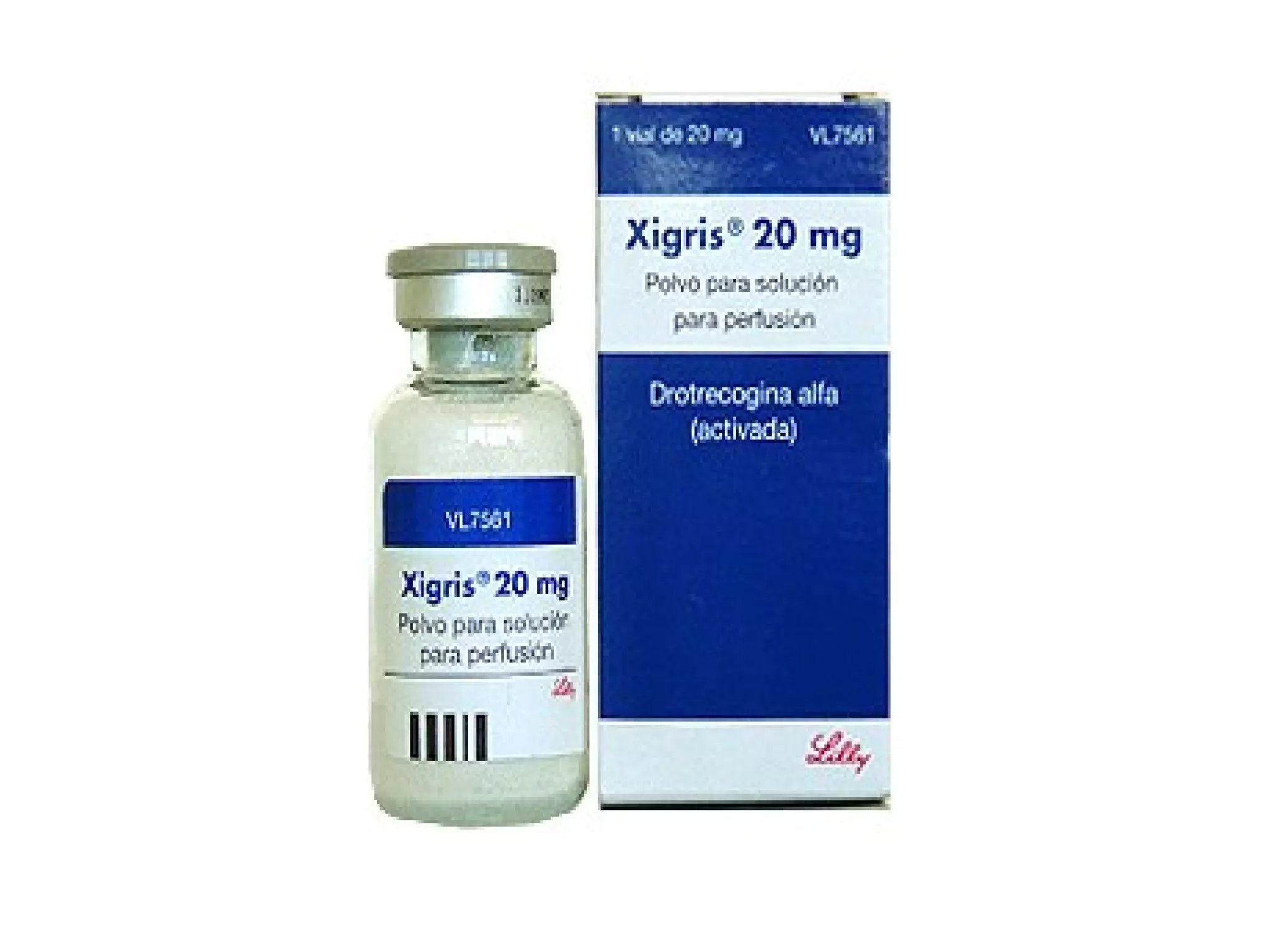
Recombinant human activated protein C multicenter PROWESS trial supported the efficacy of rhAPC Risk of intracranial bleeding-nonstatistically significant  Bernard, GR, Vincent, JL, Laterre, PF, et al. Efficacy and safety of recombinant human activated protein C for severe sepsis. N Engl J Med 2001 ENHANCE trial also found that patients treated  within 0 to 24 hours  from their first sepsis-induced organ dysfunction had significantly lower mortality than those treated after 24 hours Vincent, JL, Bernard, GR, Beale, R, et al. Drotrecogin alfa (activated) treatment in severe sepsis from the global open-label trial ENHANCE: further evidence for survival and safety and implications for early treatment. Crit Care Med 2005
 
Activated protein C 24 mic/kg/hr for 96 hrs Reported to decrease mortality and  to ameliorate organ dysfunction in Pts with severe sepsis  [ APACHE2 score >  25  or dysfunction 2 or more organs ]… decrease mortality by 13 % Not beneficial in low risk Pts Ely EW, Laterre PF,Angus DC, et al. Drotrecogin alfa (activated) administration across clinically important subgroup of Pts with severe sepsis. Crit Care Med 2003
corticosteroids Controversial Theory of adrenal insufficiency ??? Type, timing, dose, duration Recent trial: hydrocort. Did not improve survival or reverse the shock Sprung CL, Annane D, Keh D, et al. hydrocort. Therapy for Pts with septic shock. N Engl J Med 2008
corticosteroids most likely to be beneficial to patients who have severe septic shock (which we define as a SBP <90 mmHg for > 1 hour despite adequate fluid resuscitation and vasopressor administration), especially if begun within 8 hours of the onset of shock. COIITSS Study Investigators, Annane, D, Cariou, A, et al. Corticosteroid treatment and intensive insulin therapy for septic shock in adults: a randomized controlled trial. JAMA 2010 Minneci, PC, Deans, KJ, Eichacker, PQ, Natanson, C. The effects of steroids during sepsis depend on dose and severity of illness: an updated meta-analysis. Clin Microbiol Infect 2009
others Intensive insulin therapy placed critically ill Pts with sepsis at increase risk for serious adverse events related to hypoglycemia N Eng J Med 2008. 358:125 No evidence supports bicarbonate to treat lactic acaedemia in sepsis esp. if  pH > 7.15
Take home messages Early identification of septic pts is very important Early initiation of apprpriate management  will decrease the mortality EGDT is the cornerstone of severe sepsis management
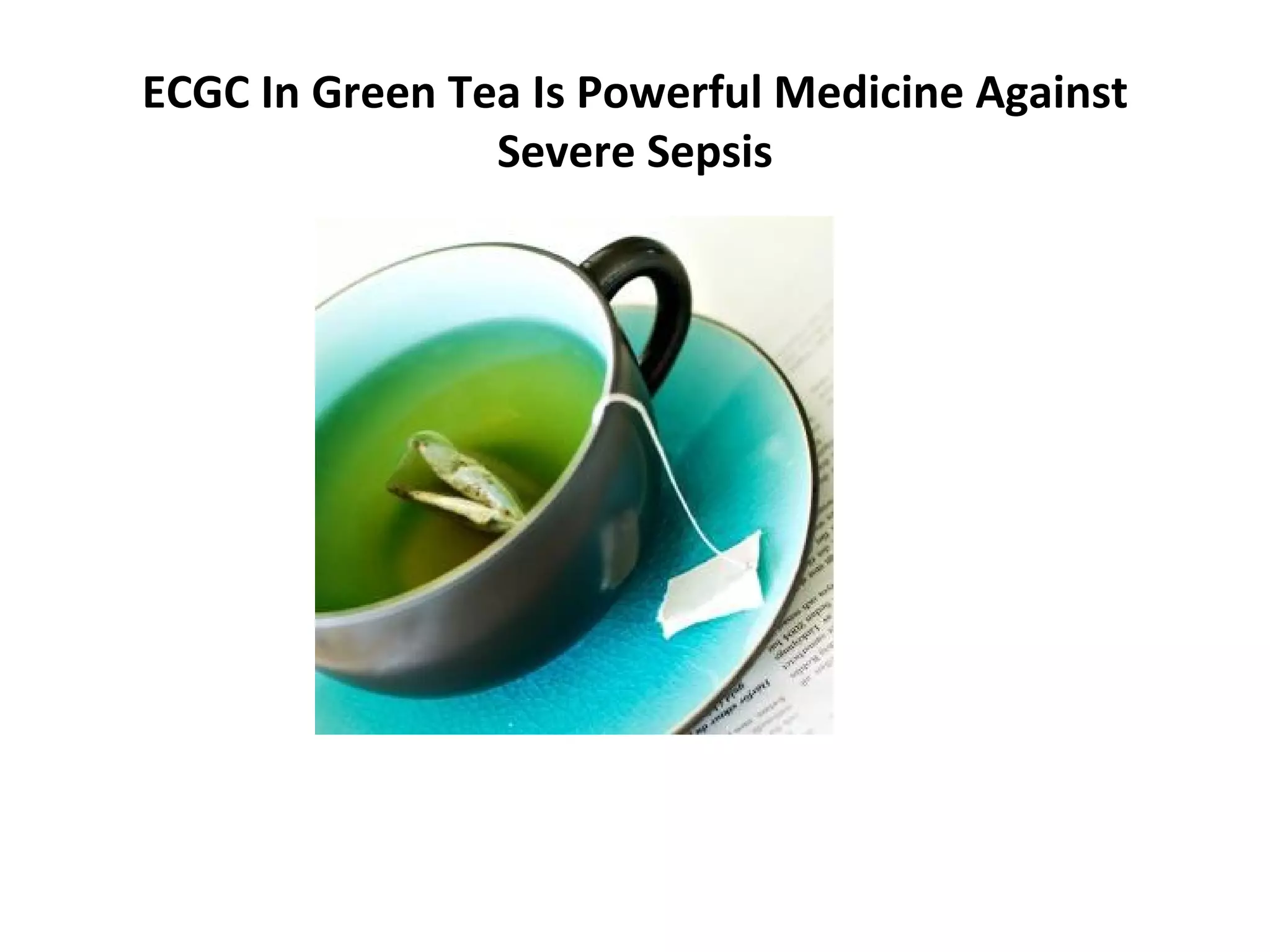
ECGC In Green Tea Is Powerful Medicine Against Severe Sepsis
THANK  YOU
lactate Used as a biomarker for tissue oxygenation and perfusion Enhancing early identification of  Pts with severe sepsis If > or  equal to 4mmol/l , used as major criteria for EGDT For each 10% decraese in s.lactate ,mortality decrease by 11 % Nguyen HB,rivers EP,knoblichBP, et al.Early lactate clearance is associated with improved outcome in severe sepsis and septic shock. Crit Care Med 2004
29 % of infected  Ptswith elevated lactate were normotensive- yet if lactate not cleared within 6 hrs, their mortality ----- 55 % Normal BP doesnot equate to  effective end-organ perfusion When lactate is elevated, the Pt is in critical but  potentially reversible situation [ O2 delivery is not meeting demand ] Nguyen HB,rivers EP,knoblichBP, et al.Early lactate clearance is associated with improved outcome in severe sepsis and septic shock. Crit Care Med 2004
Lung protective mechanical ventilation Use  tidal volume  6cc/kg [ not 12cc/kg ]shown to decrease mortality rate from 40% to 31 %, to reduce organ dysfunction, to lower level of cytokines Ranieri  VM, Suter PM,Tortorella C, et al. Effect of mechanical ventilation on inflammatry mediators in pts with ARDS : RCT. JAMA 1999

Optimzing sepsis management

  • 1.
    Optimizing sepsis managementin ED Dr. Ahmed Alhubaishi Emergency R3
  • 2.
    outlines Case fordiscussion Definitions Approach to septic Pts Litreatures Take home messages
  • 3.
    case 51 y/o gentleman k/c/o HTN on atenolol p/w several days of crampy abdominal pain , nausea and loose stools h/o fever with chills 2 wks earlier with mild rt upper quadrant abdominal pain 2 days back ,he was seen by his GP and diagnosed to have G.E He contineud to have abdominal pain,nausea and mild diarrhoea + fever 40 C , chills/anorexia
  • 4.
    No known allergiesNot smoker or alcohol consumer No h/o abdominal surgeries He is from india, last visit was 1 yr ago No : cough, chest pain, headache, neck stiffness, sorethroat or urinary complaints
  • 5.
    Sick looking andpale Awake and alert Vitals: T 39.4 C BP 70/40 mm Hg PR 130 b/m RR 26 b/m O2 sat 97 % in R.A Mild jaundice, dry oropharynx
  • 6.
    Sick looking andpale Awake and alert Vitals: T 39.4 C BP 70/40 mm Hg PR 130 b/m RR 26 b/m O2 sat 97 % in R.A Mild jaundice, dry oropharynx No neck rigidity CVS: tachycardic Chest: clear Abdomin: soft, decreased B.S, epigastric and rt upper quadrant tenderness, no murphy’s or palsatile mass Limbs: cool and weak pulse, C.R > 3s Skin: pale , dry Neuro: nad
  • 7.
    Cardiac monitor PeripheralI.V lines Blood taken for lab & c/s Infusion of 1 L NS as bolus ECG: s. tachycardia, 130 with nonspecific ST-T wave changes Portable CXR : no consolidation
  • 8.
    Cardiac monitor PeripheralI.V lines Blood taken for lab & c/s Infusion of 1 L NS as bolus ECG: s. tachycardia, 130 with nonspecific ST-T wave changes Portable CXR : no consolidation WBC : 2 Hematocrit : 29% PLT: 81 Cr: 1.6 mg/dl[0.8-1.5] T.bili : 2.9 [0.2-1.3] AST: 84 [17-59] ALT: 93 [11-66] ALP: 205 [38-126] Trop: 0.18 [0.00-0.09]
  • 9.
    What is goingon with the patient? What further you want? How can we continue the care? The patient is in severe sepsis
  • 10.
    Additional work-up Lactate4.6 INR 1.3 Fibrinogen 516[189-434] ABG: ph 7.46, pco2 22, po2 79, hco3 18 base excess -8.1
  • 11.
    Additional work-up Lactate4.6 INR 1.3 Fibrinogen 516[189-434] ABG: ph 7.46, pco2 22, po2 79, hco3 18 base excess -8.1 He received 5 L NS, no much improvement Norepi. Drip started CVC and ScvO2 monitor were placed Emperic broad spectrum antibiotics given Pt admitted to ICU
  • 12.
    Non-contrast CT abdomin:low attenuated fluid-filled areas in lt liver lobe CT abdomin with IV conrast: 4 cm multiloculated lt hepatic abscess Drained under Ct guidance by interventional radiologist The aspirated fluid sent for culture A drain left in situ
  • 13.
    Blood & fluidc/s : strep constellatus [viridans] Antibotics changed according to sensitivity Patient was d/c after 10 days
  • 14.
  • 15.
    The Sepsis spectrumA clinical response arising from a nonspecific insult, with  2 of the following: T >38 o C or <36 o C HR >90 beats/min RR >20/min WBC >12,000/mm 3 or <4,000/mm 3 or >10% bands SIRS = systemic inflammatory response syndrome SIRS with a presumed or confirmed infectious process Chest 1992;101:1644. Sepsis with organ failure Refractory hypotension Sepsis SIRS Severe Sepsis Septic Shock
  • 16.
  • 17.
  • 18.
  • 19.
  • 20.
    Sepsis complications Organfailure, respiratory, renal, hepatic, cardiovascular, coagulopathy/disseminated intravascular coagulation, neurologic failure Progression or development of new foci of infection despite antibiotic treatment (e.g. candidemia in a patient on prolonged antibiotic therapy for bacteremia) Bleeding diathesis Reaction to antibiotics Acute respiratory distress syndrome Hyperglycemia
  • 21.
    Management Earlygoal directed therapy lung protective ventilation broad spectrum antibiotics possibly activated protein C
  • 22.
  • 23.
    History of GDTShoemaker (1979) Determined haemodynamic and O 2 transport values in surgical survivors Median values “ goals ” for high risk surgical patients Mortality reduction 30%  4%! Subsequent studies - No survival benefit! Hayes (1994): ICU patients 30 day mortality 34% (control) versus 54% (protocol) European Consensus Conference (2000) Resuscitation to “supranormal values” harmful Importance of “timely resuscitation” and “normal haemodynamic values”
  • 24.
    EGDT Rivers &colleagues [ rivers E,Nguyen B,havstad S,et al. early goal-directed therapyin the treatment of severe sepsis and septic shock. N Engl J Med 2001 ] RCT Pts with severe sepsis and septic shock Pt enrolled to either EGDT during the first 6 hrs or the standard therapy
  • 25.
    Study Design PRCT,partial blinding Urban A&E: 9 bed unit Inclusion criteria > 16yo 2 SIRS criteria SBP < 90mmHg after 20-30 ml/kg fluid bolus or serum lactate > 4mmol/L Randomised to 6 hours EGDT or standard therapy Clinicians subsequently blinded to care Primary outcome measure In-hospital mortality 72 hour serial: Resuscitation end-points APACHE II scoring
  • 26.
    Crystalloids given tokeep CVP at 8-12mmHg Vasopressors added if MAP < 65 mmHg PRBCs transfusion if ScvO2 [ central venous oxygen saturation] < 70% to maintain hematocrit > 30% Conclusion : decreased mortality at 28 and 60 days & decreased duration of hospitalization
  • 27.
  • 28.
  • 29.
    Key Results In-hospitalmortality 30.5% EGDT versus 46.5% control (p=0.009) 7-72hrs EGDT group significantly improved (p<0.02) SVO 2 (70% versus 65%) Lactate concentration (3mmol versus 4mmol) pH (7.4 versus 7.36) Base deficit (2 versus 5.1) Mean APACHE II scores (13 versus 15.9)
  • 30.
    In-hospital mortality (all patients) 0 10 20 30 40 50 60 Standard therapy EGDT 28-day mortality 60-day mortality NNT to prevent 1 event (death) = 6 - 8 Mortality (%)
  • 31.
    The benefit mechanismof EGDT Unclear But may include: Reversal of tissue hypoxia Decrease in inflammation and coagulation defects Russel JA. Drug therapy: managemnt of sepsis.N Engl J Med 2006
  • 32.
  • 33.
    Litreture review EARLY MANAGEMENT : first priority is stabilization of their airway and breathing. Next, perfusion to the peripheral tissues should be restored securing the airway and correcting hypoxemia. Intubation and mechanical ventilation may be required Dellinger, RP, Levy, MM, Carlet, JM, et al. Surviving Sepsis Campaign: international guidelines for management of severe sepsis and septic shock: 2008. Crit Care Med 2008 Sessler, CN, Perry, JC, Varney, KL. Management of severe sepsis and septic shock. Curr Opin Crit Care 2004
  • 34.
    Assess perfusion Hypotensionis the most common indicator that perfusion is inadequate However, critical hypoperfusion can also occur in the absence of hypotension, especially during early sepsis
  • 35.
    catheter (CVC) shouldbe inserted in most patients with severe sepsis or septic shock In one clinical trial, treatment of septic shock guided by the ScvO2 reduced mortality Rivers, E, Nguyen, B, Havstad, S, et al. Early goal-directed therapy in the treatment of severe sepsis and septic shock. N Engl J Med 2001
  • 36.
    Restore perfusion earlyrestoration of perfusion is necessary to prevent or limit multiple organ dysfunction, as well as reduce mortality using IVFs, vasopressors, inotropes, and, possibly, red blood cell transfusions Recommendation: patients be managed with therapy aimed at achieving Scvo2 ≥70 percent within six hours of presentation ( Grade 1B ).
  • 37.
  • 38.
    fluids Recommendation: bolusesof intravenous fluids as first-line therapy in patients who demonstrate impaired perfusion ( Grade 1B ). Fluid boluses are repeated until BP and tissue perfusion are acceptable These parameters should be assessed before and after each fluid bolus. There are no data to support preferential administration of crystalloid or colloid Hollenberg, SM, Ahrens, TS, Annane, D, et al. Practice parameters for hemodynamic support of sepsis in adult patients: 2004 update. Crit Care Med 2004; Choi, PT, Yip, G, Quinonez, LG, Cook, DJ. Crystalloids vs. colloids in fluid resuscitation: a systematic review. Crit Care Med 1999
  • 39.
    Lactate clearance evaluatedas a potential substitute for ScvO2 as the target of resuscitation Jones, AE, Shapiro, NI, Trzeciak, S, et al. Lactate clearance vs central venous oxygen saturation as goals of early sepsis therapy: a randomized clinical trial. JAMA 2010 no difference in hospital mortality, length of stay, ventilator-free days, or incidence of multiorgan failure, suggesting that lactate clearance criteria may be an acceptable alternative to ScvO2 criteria.
  • 40.
    We prefer totarget an ScvO2 ≥70 percent because it is the more extensively studied resuscitation goal, although a lactate clearance ≥10 percent appears to be a reasonable alternative if ScvO2 monitoring is unavailable
  • 41.
    vassopressor second lineagents in the treatment of severe sepsis and septic shock after fluids useful in patients who remain hypotensive despite adequate fluid resuscitation or who develop cardiogenic pulmonary edema prefer to use norepinephrine in most patients Reinhart, K, Bloos, F, Spies, C. Vasoactive drug therapy in sepsis. In: Clinical Trials for the treatment of sepsis, Sibbald, WJ, Vincent, JL (Eds), Springer Verlag, Berlin, 1995 De Backer, D, Biston, P, Devriendt, J, et al. Comparison of dopamine and norepinephrine in the treatment of shock. N Engl J Med 2010
  • 42.
    Inotropic therapy Forpatients who have myocardial dysfunction if ScvO2 remains <70 percent after all of the interventions been discussed Dobutamine  is the usual inotropic agent Bersten, AD, Hersch, M, Cheung, H, et al. The effect of various sympathomimetics on the regional circulations in hyperdynamic sepsis. Surgery 1992
  • 43.
    Red blood celltransfusions EGDT aggressively utilizes red blood cell transfusions to raise the ScvO2 70 percent of patients in the EGDT group received transfusions, compared to 45 percent in the conventional therapy group Hébert, PC, Wells, G, Blajchman, MA, et al. A multicenter, randomized, controlled clinical trial of transfusion requirements in critical care. Transfusion Requirements in Critical Care Investigators, Canadian Critical Care Trials Group. N Engl J Med 1999
  • 44.
  • 45.
    Control of theseptic focus Prompt identification and treatment of the site of infection are essential Sputum and urine ......for gram stain and culture Blood cultures indwelling vascular access devices ... c/s and removal
  • 46.
  • 47.
    antibiotics should beadministered immediately after appropriate cultures been obtained recommended: empiric broad spectrum antibiotics when a definite source of infection can not be identified ( Grade 1B ). early initiation of antibiotic therapy is associated with lower mortality Gaieski, DF, Mikkelsen, ME, Band, RA, et al. Impact of time to antibiotics on survival in patients with severe sepsis or septic shock in whom early goal-directed therapy was initiated in the emergency department. Crit Care Med 2010
  • 48.
    Kumar, A, Roberts,D, Wood, KE, et al. Duration of hypotension before initiation of effective antimicrobial therapy is the critical determinant of survival in human septic shock. Crit Care Med 2006: time to initiation of appropriate antimicrobial therapy was the strongest predictor of mortalit Safdar, N, Handelsman, J, Maki, DG. Does combination antimicrobial therapy reduce mortality in Gram-negative bacteraemia? A meta-analysis. Lancet Infect Dis 2004 several clinical trials and two meta-analyses have failed to demonstrate superior overall efficacy of combination therapy compared to monotherapy with a third generation cephalosporin or a carbapenem recommend use of a single agent with proven efficacy and the least possible toxicity, except in patients who are either neutropenic or whose severe sepsis is due to a known or suspected Pseudomonas infection
  • 49.
    Recombinant human activatedprotein C multicenter PROWESS trial supported the efficacy of rhAPC Risk of intracranial bleeding-nonstatistically significant Bernard, GR, Vincent, JL, Laterre, PF, et al. Efficacy and safety of recombinant human activated protein C for severe sepsis. N Engl J Med 2001 ENHANCE trial also found that patients treated within 0 to 24 hours from their first sepsis-induced organ dysfunction had significantly lower mortality than those treated after 24 hours Vincent, JL, Bernard, GR, Beale, R, et al. Drotrecogin alfa (activated) treatment in severe sepsis from the global open-label trial ENHANCE: further evidence for survival and safety and implications for early treatment. Crit Care Med 2005
  • 50.
  • 51.
    Activated protein C24 mic/kg/hr for 96 hrs Reported to decrease mortality and to ameliorate organ dysfunction in Pts with severe sepsis [ APACHE2 score > 25 or dysfunction 2 or more organs ]… decrease mortality by 13 % Not beneficial in low risk Pts Ely EW, Laterre PF,Angus DC, et al. Drotrecogin alfa (activated) administration across clinically important subgroup of Pts with severe sepsis. Crit Care Med 2003
  • 52.
    corticosteroids Controversial Theoryof adrenal insufficiency ??? Type, timing, dose, duration Recent trial: hydrocort. Did not improve survival or reverse the shock Sprung CL, Annane D, Keh D, et al. hydrocort. Therapy for Pts with septic shock. N Engl J Med 2008
  • 53.
    corticosteroids most likelyto be beneficial to patients who have severe septic shock (which we define as a SBP <90 mmHg for > 1 hour despite adequate fluid resuscitation and vasopressor administration), especially if begun within 8 hours of the onset of shock. COIITSS Study Investigators, Annane, D, Cariou, A, et al. Corticosteroid treatment and intensive insulin therapy for septic shock in adults: a randomized controlled trial. JAMA 2010 Minneci, PC, Deans, KJ, Eichacker, PQ, Natanson, C. The effects of steroids during sepsis depend on dose and severity of illness: an updated meta-analysis. Clin Microbiol Infect 2009
  • 54.
    others Intensive insulintherapy placed critically ill Pts with sepsis at increase risk for serious adverse events related to hypoglycemia N Eng J Med 2008. 358:125 No evidence supports bicarbonate to treat lactic acaedemia in sepsis esp. if pH > 7.15
  • 55.
    Take home messagesEarly identification of septic pts is very important Early initiation of apprpriate management will decrease the mortality EGDT is the cornerstone of severe sepsis management
  • 56.
    ECGC In GreenTea Is Powerful Medicine Against Severe Sepsis
  • 57.
  • 58.
    lactate Used asa biomarker for tissue oxygenation and perfusion Enhancing early identification of Pts with severe sepsis If > or equal to 4mmol/l , used as major criteria for EGDT For each 10% decraese in s.lactate ,mortality decrease by 11 % Nguyen HB,rivers EP,knoblichBP, et al.Early lactate clearance is associated with improved outcome in severe sepsis and septic shock. Crit Care Med 2004
  • 59.
    29 % ofinfected Ptswith elevated lactate were normotensive- yet if lactate not cleared within 6 hrs, their mortality ----- 55 % Normal BP doesnot equate to effective end-organ perfusion When lactate is elevated, the Pt is in critical but potentially reversible situation [ O2 delivery is not meeting demand ] Nguyen HB,rivers EP,knoblichBP, et al.Early lactate clearance is associated with improved outcome in severe sepsis and septic shock. Crit Care Med 2004
  • 60.
    Lung protective mechanicalventilation Use tidal volume 6cc/kg [ not 12cc/kg ]shown to decrease mortality rate from 40% to 31 %, to reduce organ dysfunction, to lower level of cytokines Ranieri VM, Suter PM,Tortorella C, et al. Effect of mechanical ventilation on inflammatry mediators in pts with ARDS : RCT. JAMA 1999

Editor's Notes

  • #2 ======
  • #26 “ The protocol was as follows: A 500-ml bolus of crystalloid was given every 30 minutes to achieve a central venous pressure of 8 to 12 mm Hg. If the mean arterial pressure was less than 65 mm Hg, vasopressors were given to maintain a mean arterial pressure of at least 65 mm Hg. If the mean arterial pressure was greater than 90 mm Hg, vasodilators were given until it was 90 mm Hg or below. If the central venous oxygen saturation was less than 70 percent, red cells were transfused to achieve a hematocrit of at least 30 percent. After the central venous pressure, mean arterial pressure, and hematocrit were thus optimized, if the central venous oxygen saturation was less than 70 percent, dobutamine administration was started at a dose of 2.5 µg per kilogram of body weight per minute, a dose that was increased by 2.5 µg per kilogram per minute every 30 minutes until the central venous oxygen saturation was 70 percent or higher or until a maximal dose of 20 µg per kilogram per minute was given. Dobutamine was decreased in dose or discontinued if the mean arterial pressure was less than 65 mm Hg or if the heart rate was above 120 beats per minute. To decrease oxygen consumption, patients in whom hemodynamic optimization could not be achieved received mechanical ventilation and sedatives. ” (p. 1370) CVP - central venous pressure MAP - mean arterial pressure ScvO 2 – central venous oxygen saturation SaO 2 - arterial oxygen saturation VO 2 - systemic oxygen consumption. Per communication with Emmanual Rivers: Standard therapy patients were transferred to the ICU as soon as possible; however, most of the standard therapy patients ended up spending about 6 hours in the ED ( 6.5 hours standard therapy vs. 8-9 hours EGDT patients
  • #29 “ The protocol was as follows: A 500-ml bolus of crystalloid was given every 30 minutes to achieve a central venous pressure of 8 to 12 mm Hg. If the mean arterial pressure was less than 65 mm Hg, vasopressors were given to maintain a mean arterial pressure of at least 65 mm Hg. If the mean arterial pressure was greater than 90 mm Hg, vasodilators were given until it was 90 mm Hg or below. If the central venous oxygen saturation was less than 70 percent, red cells were transfused to achieve a hematocrit of at least 30 percent. After the central venous pressure, mean arterial pressure, and hematocrit were thus optimized, if the central venous oxygen saturation was less than 70 percent, dobutamine administration was started at a dose of 2.5 µg per kilogram of body weight per minute, a dose that was increased by 2.5 µg per kilogram per minute every 30 minutes until the central venous oxygen saturation was 70 percent or higher or until a maximal dose of 20 µg per kilogram per minute was given. Dobutamine was decreased in dose or discontinued if the mean arterial pressure was less than 65 mm Hg or if the heart rate was above 120 beats per minute. To decrease oxygen consumption, patients in whom hemodynamic optimization could not be achieved received mechanical ventilation and sedatives. ” (p. 1370) CVP - central venous pressure MAP - mean arterial pressure ScvO 2 – central venous oxygen saturation SaO 2 - arterial oxygen saturation VO 2 - systemic oxygen consumption. Per communication with Emmanual Rivers: Standard therapy patients were transferred to the ICU as soon as possible; however, most of the standard therapy patients ended up spending about 6 hours in the ED ( 6.5 hours standard therapy vs. 8-9 hours EGDT patients