DRIP IRRIGATION
Submitted to:
Department of CIVIL ENGINEERING
Submitted by:
TEJPRAKASH KUMAWAT
13EGBCE034
CONTENTS
• INTRODUTION
• WHAT IS DRIP IRRIGATION ?
• NEED OF DRIP IRRIGATION
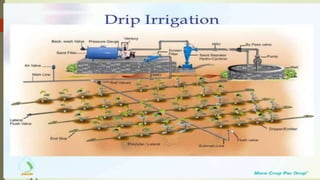
• COMPONENTS OF DRIP IRRIGATION SYSTEM
• TYPICAL LAYOUT OF DRIP IRRIGATION
SYSTEM
• ADVANTAGES
INTRODUCTION
•Also known as trickle irrigation or micro irrigation
•To apply sufficient moisture to the root of the crops- prevent water
stress
• A major difference between drip system and most other systems is
that the balance between crop evapotranspiration and applied water
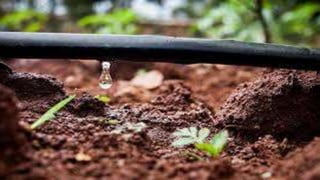
In this system, water is delivered directly to the soil near the roots
of the plant Through a special outlet device called an emitter or
dripper
Water is supply drip by drip at very slow rate 2-10 ltr/hr
The water applied near the root zone spread laterally as well as
vertically due to Capillary action in the soil
WHAT IS DRIP IRRIGATION ?
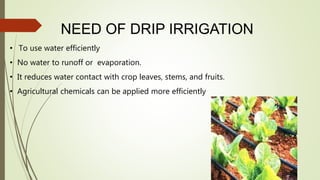
NEED OF DRIP IRRIGATION
• To use water efficiently
• No water to runoff or evaporation.
• It reduces water contact with crop leaves, stems, and fruits.
• Agricultural chemicals can be applied more efficiently
DRIP IRRIGATION IS USEFUL FOR
CROPS…
FRUIT CROPS
Banana,pomegranate,Grapes,Citrus,pineapple,watermelon,mango,
etc.
VEGETABLE CROPS
Cabbage,Cauliflower,,Potato,,Chillis,Radish,Brinjal,,, Capsicum,
Bhindi, Beans, Baby corn,Carrots,Cucumber, Ashgourd,
Gherkins.etc.
COMMERCIAL CROP
, Cotton,.
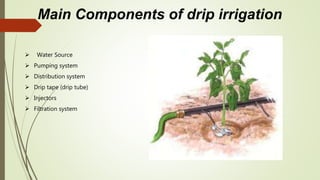
Main Components of drip irrigation
 Water Source
 Pumping system
 Distribution system
 Drip tape (drip tube)
 Injectors
 Filtration system
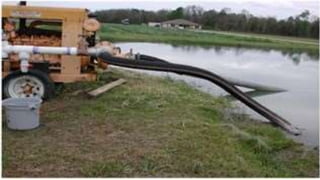
Water source
• Common water sources for drip irrigation are surface water ,groundwater,
and potable water .
• Use the water source that will provide the largest amount of water of
greatest quality and lowest cost.
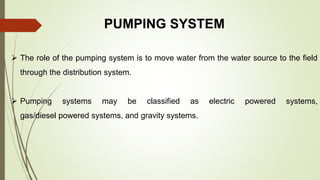
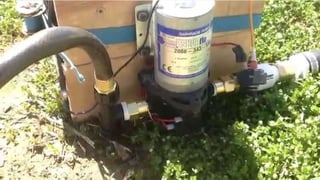
PUMPING SYSTEM
 The role of the pumping system is to move water from the water source to the field
through the distribution system.
 Pumping systems may be classified as electric powered systems,
gas/diesel powered systems, and gravity systems.
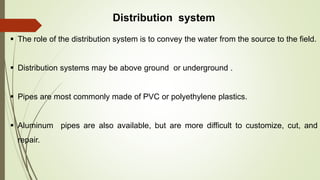
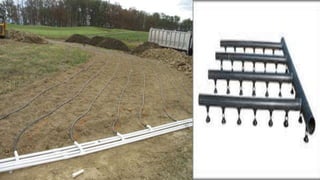
Distribution system
 The role of the distribution system is to convey the water from the source to the field.
 Distribution systems may be above ground or underground .
 Pipes are most commonly made of PVC or polyethylene plastics.
 Aluminum pipes are also available, but are more difficult to customize, cut, and
repair.
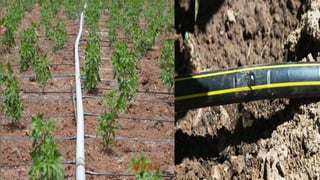
Drip tape
• The drip-irrigation system delivers water to each plant
through a thin polyethylene tape (or tube) with regularly
spaced small holes .
• In the field, drip-irrigation tape should be installed with
emitters upward (looking up) to prevent clogging .
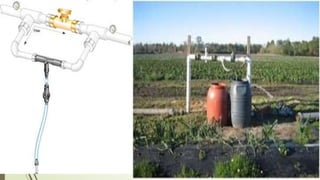
INJECTORS
 Injectors allow the introduction of fertilizer, chemicals and maintenance products
into the irrigation system.
 The most common injectors used with small drip-irrigation systems are the Venturi
(or Mazzei) injector and the Dosatron
 Because Venturi injectors involve no moving parts and are less expensive, they
are commonly used on small farms.
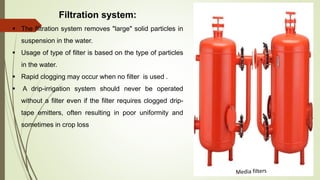
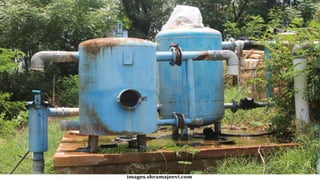
Filtration system:
 The filtration system removes "large" solid particles in
suspension in the water.
 Usage of type of filter is based on the type of particles
in the water.
 Rapid clogging may occur when no filter is used .
 A drip-irrigation system should never be operated
without a filter even if the filter requires clogged drip-
tape emitters, often resulting in poor uniformity and
sometimes in crop loss
Advantages of drip irrigation
 Maximum use of available water.
 No water being available to weeds.
 Maximum crop yield
 High efficiency in the use of fertilizers.
 Low labour and relatively low operation cost.
 No soil erosion.
 No runoff of fertilizers into ground water.
 Less evaporation losses of water as compared to surface irrigation.
 Improves seed germination.
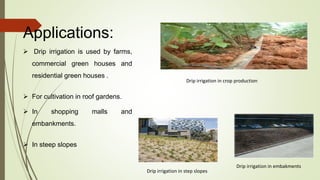
Applications:
 Drip irrigation is used by farms,
commercial green houses and
residential green houses .
 For cultivation in roof gardens.
 In shopping malls and
embankments.
 In steep slopes
Drip irrigation in crop production
Drip irrigation in embakments
Drip irrigation in step slopes
CONCLUSION
Drip irrigation is a latest sub-surface method of
irrigating water with higher water demands in
arid region. It may not be applicable to all
farms. Yet, when properly designed, installed
and managed, drip irrigation may achieve water
conservation by reducing evaporation and deep
drainage when compared to other types of
irrigation such as flood or overhead sprinklers
since water can be more precisely applied to the
plant roots. In addition, drip can eliminate many
diseases that are spread through water contact
with the foliage.
ppt on drip irrigation

ppt on drip irrigation

  • 1.
    DRIP IRRIGATION Submitted to: Departmentof CIVIL ENGINEERING Submitted by: TEJPRAKASH KUMAWAT 13EGBCE034
  • 2.
    CONTENTS • INTRODUTION • WHATIS DRIP IRRIGATION ? • NEED OF DRIP IRRIGATION • COMPONENTS OF DRIP IRRIGATION SYSTEM • TYPICAL LAYOUT OF DRIP IRRIGATION SYSTEM • ADVANTAGES
  • 3.
    INTRODUCTION •Also known astrickle irrigation or micro irrigation •To apply sufficient moisture to the root of the crops- prevent water stress • A major difference between drip system and most other systems is that the balance between crop evapotranspiration and applied water
  • 4.
    In this system,water is delivered directly to the soil near the roots of the plant Through a special outlet device called an emitter or dripper Water is supply drip by drip at very slow rate 2-10 ltr/hr The water applied near the root zone spread laterally as well as vertically due to Capillary action in the soil WHAT IS DRIP IRRIGATION ?
  • 7.
    NEED OF DRIPIRRIGATION • To use water efficiently • No water to runoff or evaporation. • It reduces water contact with crop leaves, stems, and fruits. • Agricultural chemicals can be applied more efficiently
  • 8.
    DRIP IRRIGATION ISUSEFUL FOR CROPS… FRUIT CROPS Banana,pomegranate,Grapes,Citrus,pineapple,watermelon,mango, etc. VEGETABLE CROPS Cabbage,Cauliflower,,Potato,,Chillis,Radish,Brinjal,,, Capsicum, Bhindi, Beans, Baby corn,Carrots,Cucumber, Ashgourd, Gherkins.etc. COMMERCIAL CROP , Cotton,.
  • 9.
    Main Components ofdrip irrigation  Water Source  Pumping system  Distribution system  Drip tape (drip tube)  Injectors  Filtration system
  • 11.
    Water source • Commonwater sources for drip irrigation are surface water ,groundwater, and potable water . • Use the water source that will provide the largest amount of water of greatest quality and lowest cost.
  • 13.
    PUMPING SYSTEM  Therole of the pumping system is to move water from the water source to the field through the distribution system.  Pumping systems may be classified as electric powered systems, gas/diesel powered systems, and gravity systems.
  • 15.
    Distribution system  Therole of the distribution system is to convey the water from the source to the field.  Distribution systems may be above ground or underground .  Pipes are most commonly made of PVC or polyethylene plastics.  Aluminum pipes are also available, but are more difficult to customize, cut, and repair.
  • 17.
    Drip tape • Thedrip-irrigation system delivers water to each plant through a thin polyethylene tape (or tube) with regularly spaced small holes . • In the field, drip-irrigation tape should be installed with emitters upward (looking up) to prevent clogging .
  • 19.
    INJECTORS  Injectors allowthe introduction of fertilizer, chemicals and maintenance products into the irrigation system.  The most common injectors used with small drip-irrigation systems are the Venturi (or Mazzei) injector and the Dosatron  Because Venturi injectors involve no moving parts and are less expensive, they are commonly used on small farms.
  • 21.
    Filtration system:  Thefiltration system removes "large" solid particles in suspension in the water.  Usage of type of filter is based on the type of particles in the water.  Rapid clogging may occur when no filter is used .  A drip-irrigation system should never be operated without a filter even if the filter requires clogged drip- tape emitters, often resulting in poor uniformity and sometimes in crop loss
  • 23.
    Advantages of dripirrigation  Maximum use of available water.  No water being available to weeds.  Maximum crop yield  High efficiency in the use of fertilizers.  Low labour and relatively low operation cost.  No soil erosion.  No runoff of fertilizers into ground water.  Less evaporation losses of water as compared to surface irrigation.  Improves seed germination.
  • 24.
    Applications:  Drip irrigationis used by farms, commercial green houses and residential green houses .  For cultivation in roof gardens.  In shopping malls and embankments.  In steep slopes Drip irrigation in crop production Drip irrigation in embakments Drip irrigation in step slopes
  • 25.
    CONCLUSION Drip irrigation isa latest sub-surface method of irrigating water with higher water demands in arid region. It may not be applicable to all farms. Yet, when properly designed, installed and managed, drip irrigation may achieve water conservation by reducing evaporation and deep drainage when compared to other types of irrigation such as flood or overhead sprinklers since water can be more precisely applied to the plant roots. In addition, drip can eliminate many diseases that are spread through water contact with the foliage.