WORKSHOP: MVP/PRODUCT
• Introduction MVP
– Definiton
– Types
• Product evaluation
• Next steps
Agenda
• What should be our first product?
• What are the core values of our product?
• Who are the customers?
• Is the product ideal for the customers?
• Is it the best product for our customer
segment or are their ways to improve?
• Are we using the right platforms?
Questions
• Understand your current status!
• Understand how you can improve your
product for your core customer segment!
• Get feedback
• Understand where to focus on the next
weeks!
Goal
MVP
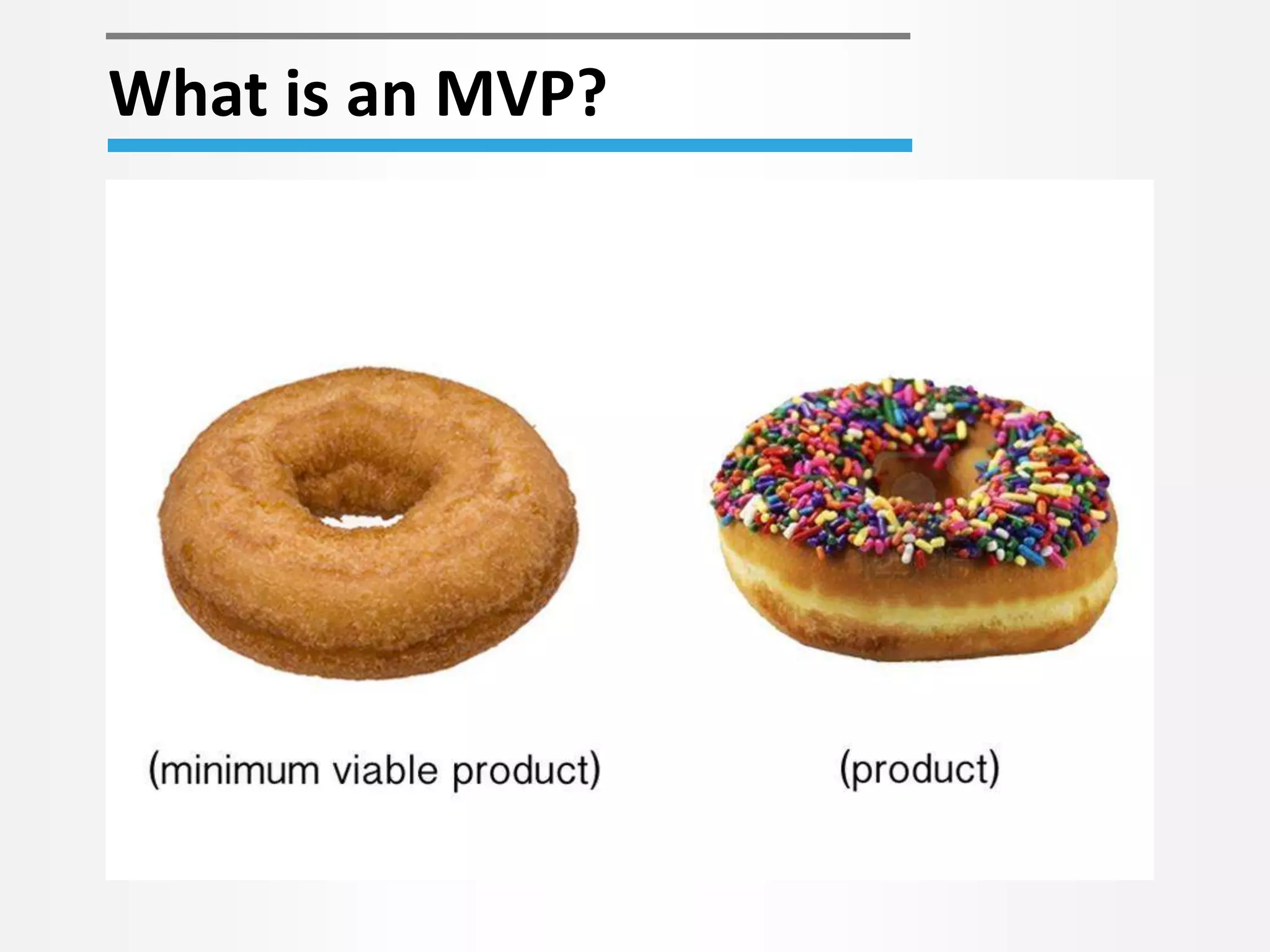
What is an MVP?
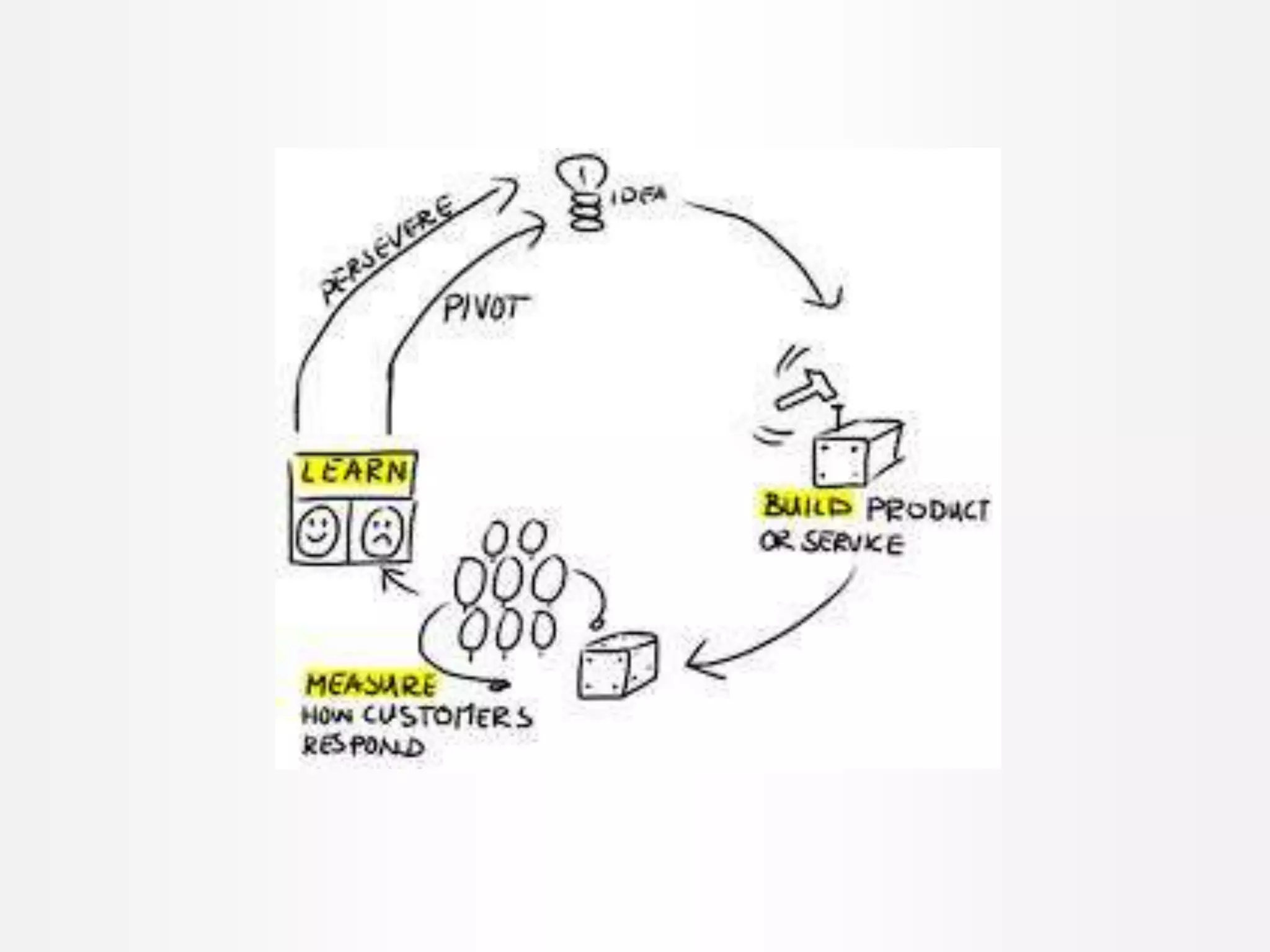
“the smallest thing you can build that lets you
quickly make it around the build/measure/learn
loop”
What is an MVP?
“the smallest thing you can build that lets you
quickly test an assumption”
In general:
Types of MVPs
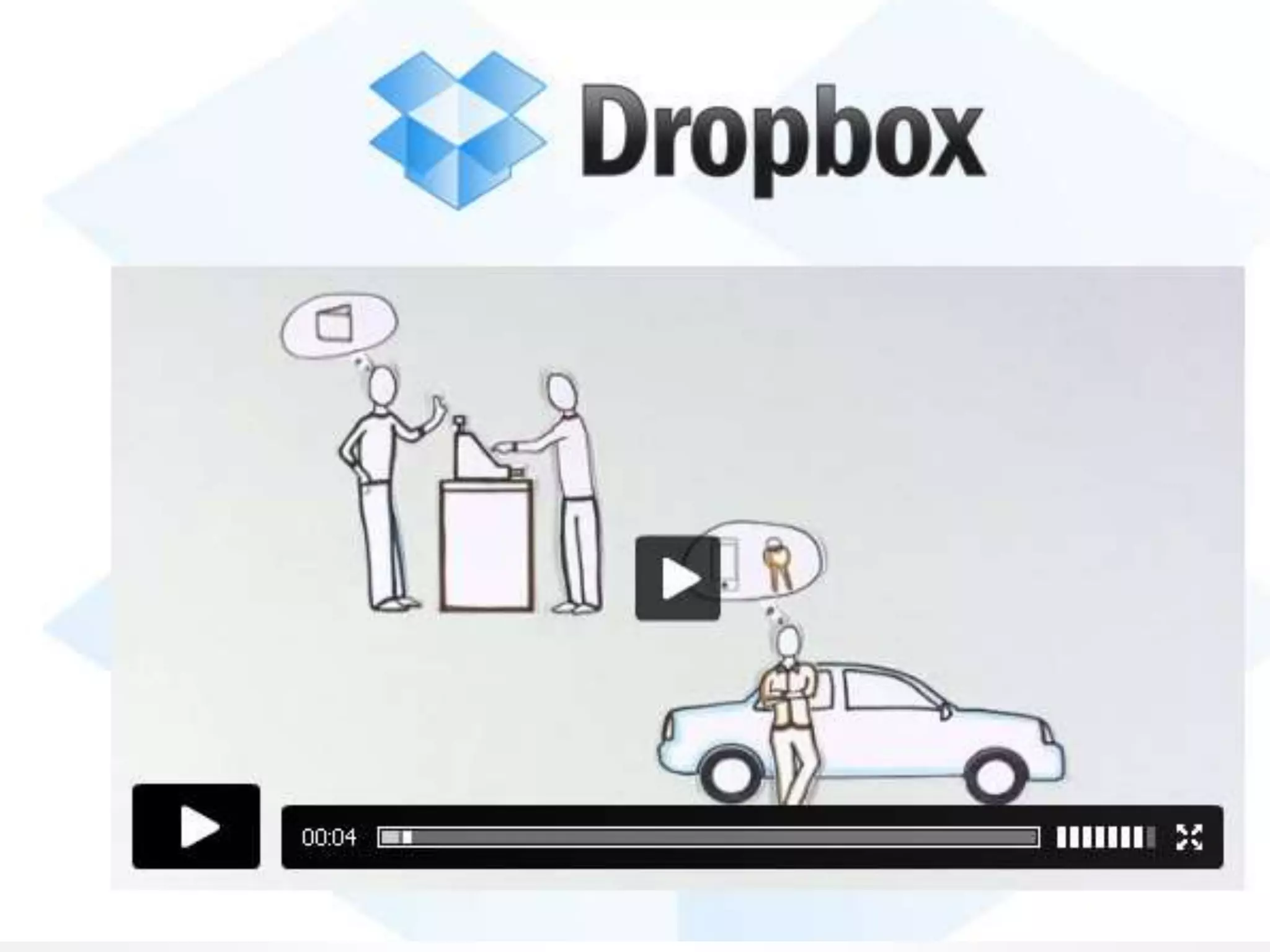
VIDEO MVP
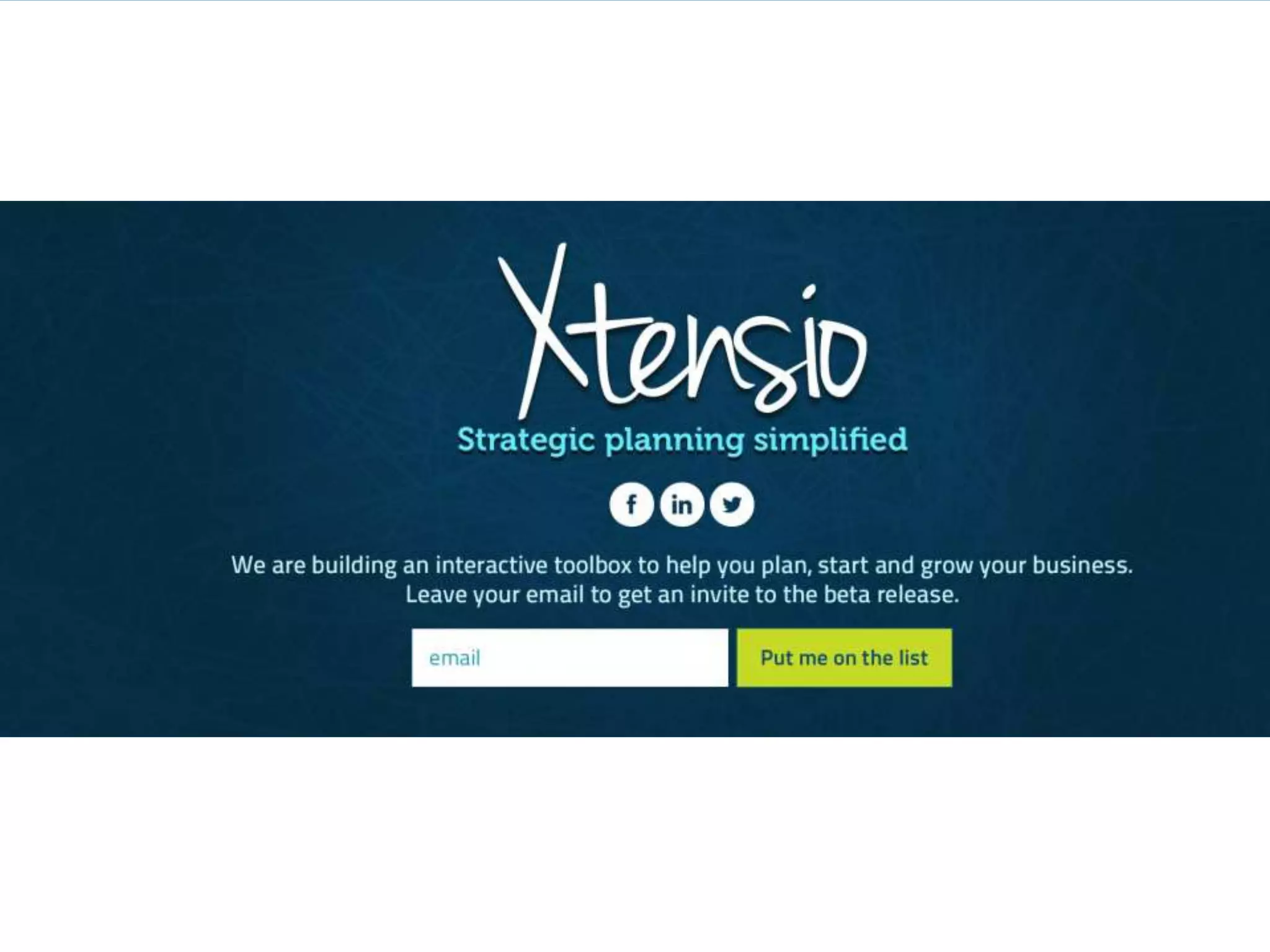
LANDINGPAGE MVP
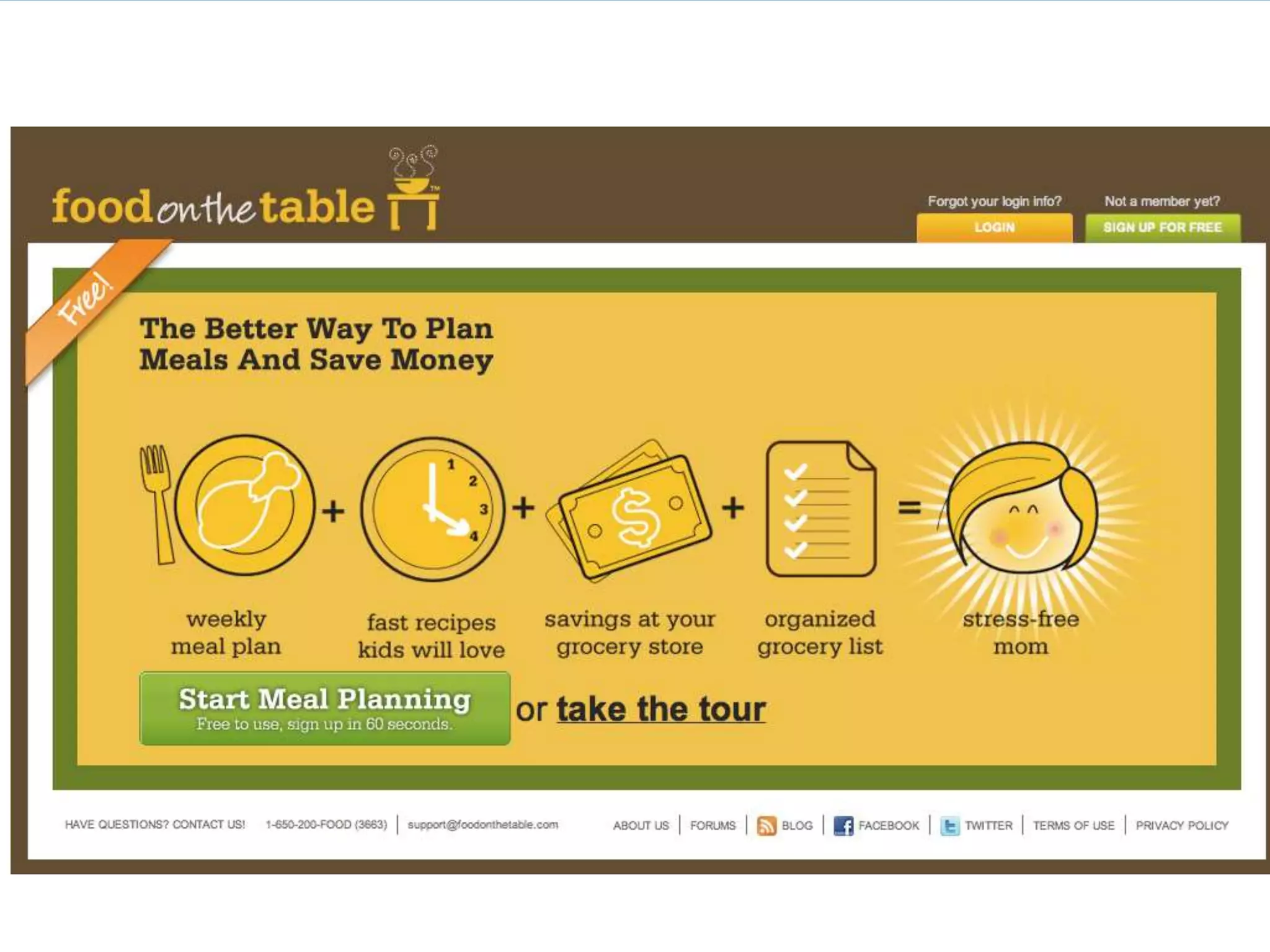
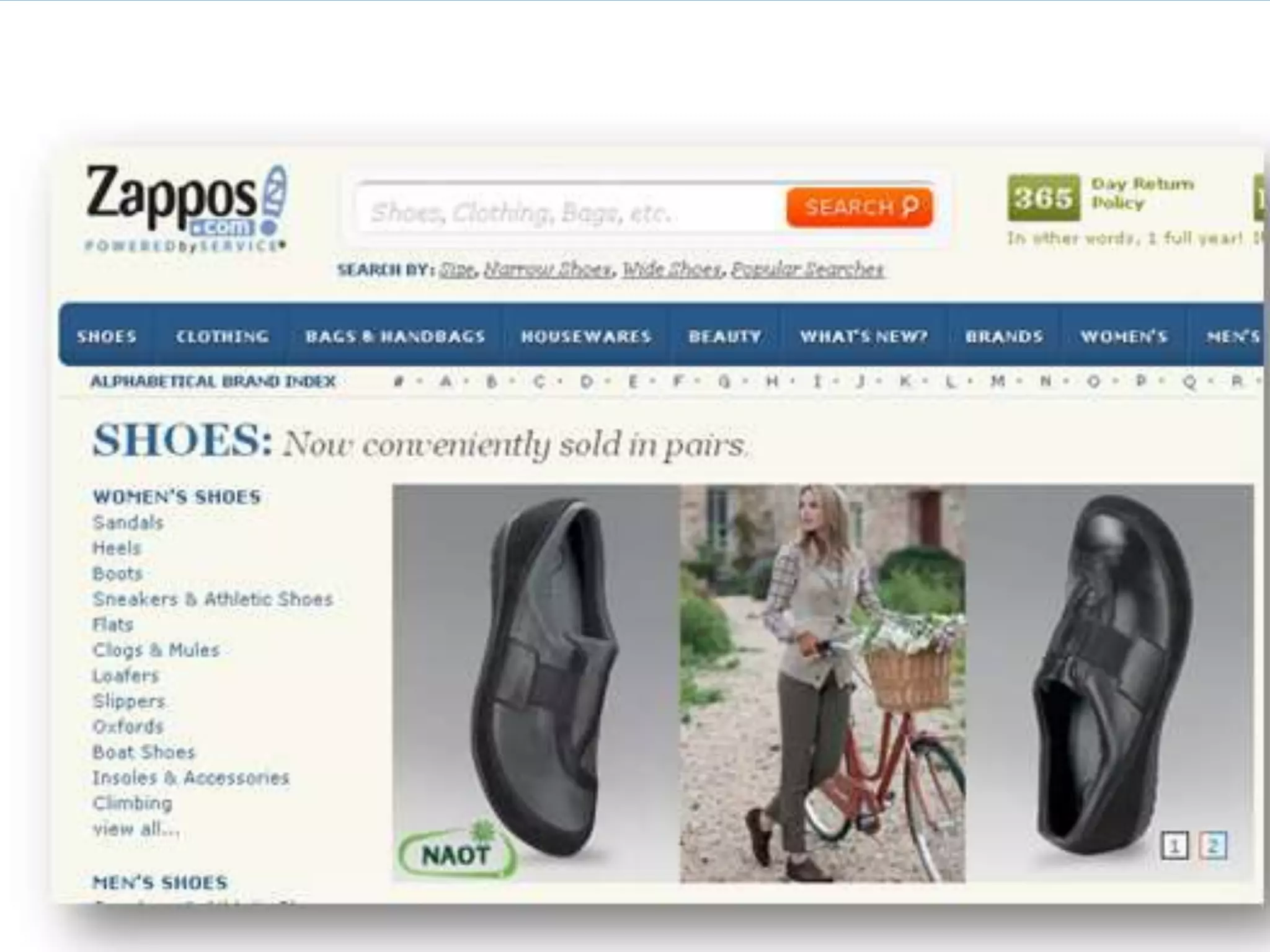
CONCIERGE MVP
WIZARD OF OZ
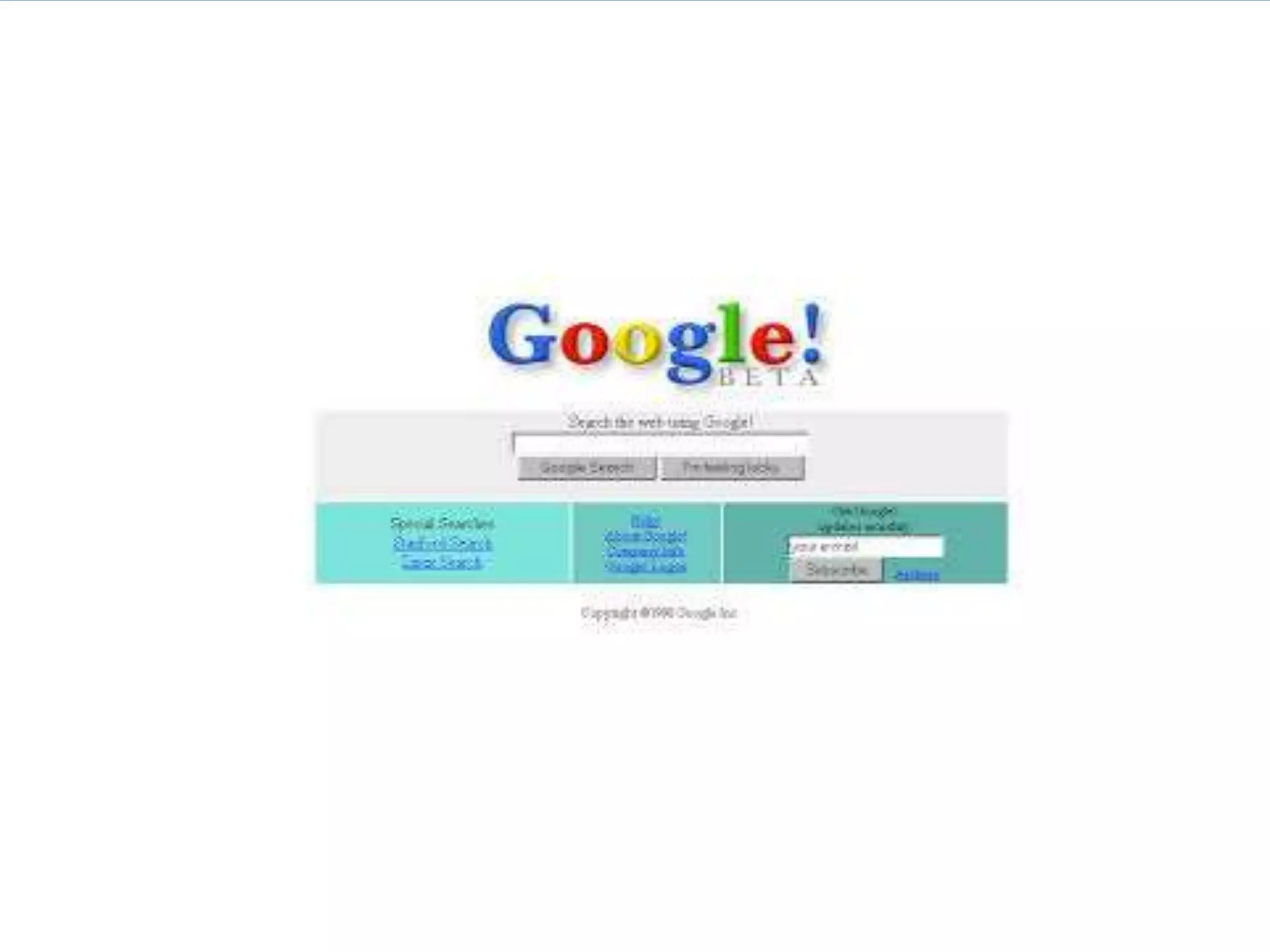
SINGLE FEATURE MVP
What is an MVP?
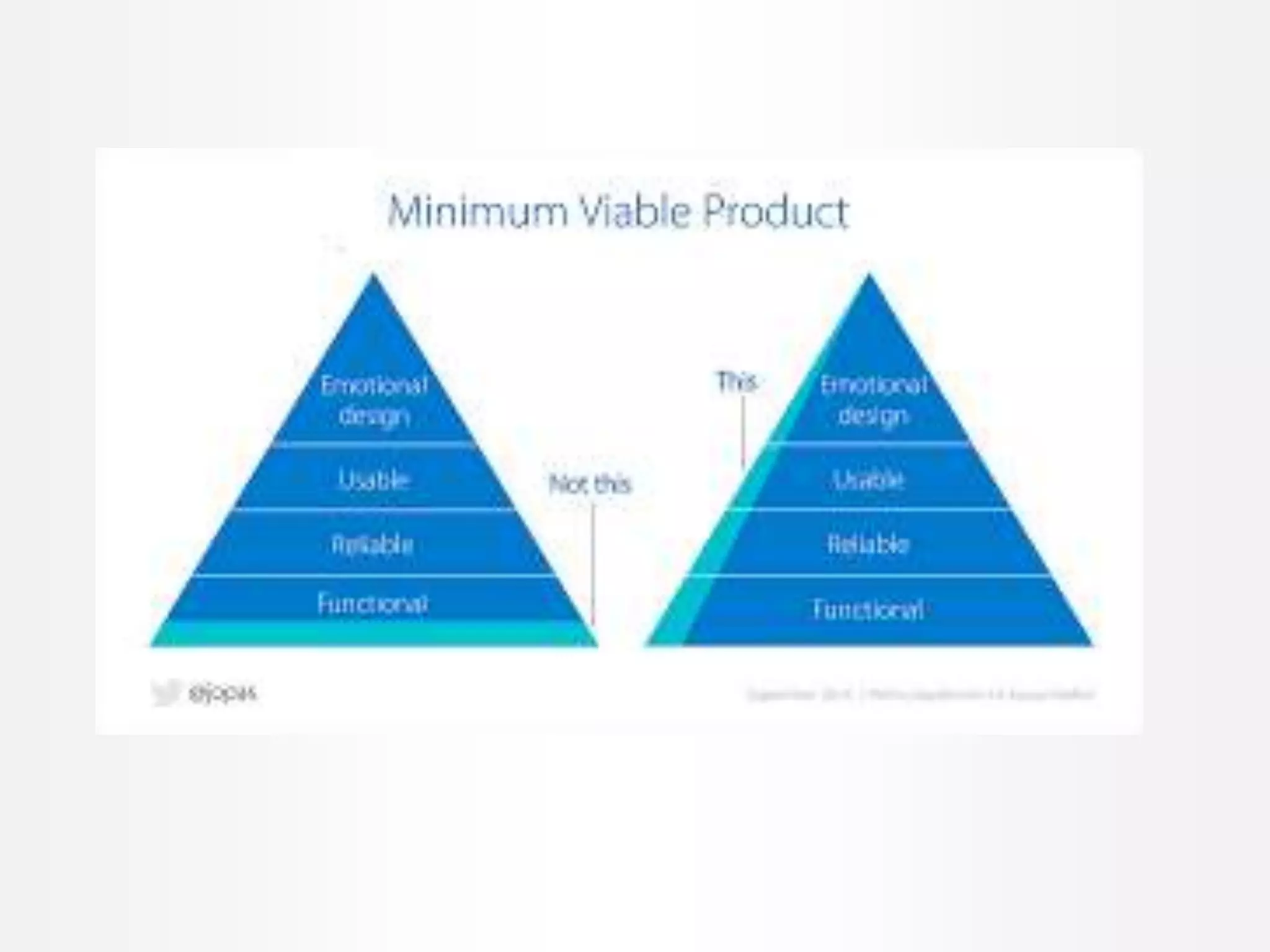
“A Minimum Viable Product is the smallest thing
you can build that delivers customer value (and
as a bonus captures some of that value back).”
Stricter definition:
What is an MVP?
• Helps start the process of learning as quickly
as possible
• You don’t waste time and money to build
something people don’t need
• Allows you to test features and eliminate bugs
• You can focus on doing one thing really good
• Helps you earning money as early as possible
Why do we need an MVP?
• MVPs need the same attention like “real”
products
• They don’t save you from understanding your
customer segment, doing marketing
• They just save you from building complicated
products nobody needs.
• MVPs are useless if you don’t use them to
validate your assumptions
Important
• What should be our first product?
• Is it the best product for our customer
segment or are their ways to improve?
• What are the core values of our product?
• Is the product we have ideal for the
customers?
• Who are the customers?
• Are we using the right platforms?
Questions
YOUR MVP!
WHAT IS YOUR UVP?
YOUR CORE CUSTOMER SEGMENT?
THEIR BIGGEST PROBLEM?
YOUR FEATURES/VALUES?
Which of the features are essential to solve the
user problem?
Exercise
Which features are not essential?
Exercise
Main Question:
• Is there any item that can be removed?
• Is there anything you can change/add to solve
the problem for the Customer Segment
better?!
Group Work
What is the easiest way to test/validate this
product?
What is the easiest way to test/validate those
new features?
Group work 2
• Discuss internally
• Do some more research (Customer interviews)
• Remove features that are not useful/ Build an
MVP around the features you identified
• Build MVPs for features and validate their
impact
Next steps
Workshop MVP

Workshop MVP

  • 1.
  • 2.
    • Introduction MVP –Definiton – Types • Product evaluation • Next steps Agenda
  • 3.
    • What shouldbe our first product? • What are the core values of our product? • Who are the customers? • Is the product ideal for the customers? • Is it the best product for our customer segment or are their ways to improve? • Are we using the right platforms? Questions
  • 4.
    • Understand yourcurrent status! • Understand how you can improve your product for your core customer segment! • Get feedback • Understand where to focus on the next weeks! Goal
  • 5.
  • 6.
    What is anMVP? “the smallest thing you can build that lets you quickly make it around the build/measure/learn loop”
  • 8.
    What is anMVP? “the smallest thing you can build that lets you quickly test an assumption” In general:
  • 9.
  • 10.
  • 12.
  • 14.
  • 16.
  • 18.
  • 20.
    What is anMVP? “A Minimum Viable Product is the smallest thing you can build that delivers customer value (and as a bonus captures some of that value back).” Stricter definition:
  • 21.
  • 23.
    • Helps startthe process of learning as quickly as possible • You don’t waste time and money to build something people don’t need • Allows you to test features and eliminate bugs • You can focus on doing one thing really good • Helps you earning money as early as possible Why do we need an MVP?
  • 24.
    • MVPs needthe same attention like “real” products • They don’t save you from understanding your customer segment, doing marketing • They just save you from building complicated products nobody needs. • MVPs are useless if you don’t use them to validate your assumptions Important
  • 25.
    • What shouldbe our first product? • Is it the best product for our customer segment or are their ways to improve? • What are the core values of our product? • Is the product we have ideal for the customers? • Who are the customers? • Are we using the right platforms? Questions
  • 26.
  • 27.
  • 28.
  • 29.
  • 30.
  • 31.
    Which of thefeatures are essential to solve the user problem? Exercise
  • 32.
    Which features arenot essential? Exercise
  • 33.
    Main Question: • Isthere any item that can be removed? • Is there anything you can change/add to solve the problem for the Customer Segment better?! Group Work
  • 34.
    What is theeasiest way to test/validate this product? What is the easiest way to test/validate those new features? Group work 2
  • 35.
    • Discuss internally •Do some more research (Customer interviews) • Remove features that are not useful/ Build an MVP around the features you identified • Build MVPs for features and validate their impact Next steps

Editor's Notes

  • #3 Brief overview on the topic of lean startup, then we will move to one essential feature and framework, It is hands on so after a short introduction you will create something Change your place Take notes
  • #5 Brief overview on the topic of lean startup, then we will move to one essential feature and framework, It is hands on so after a short introduction you will create something Change your place Take notes
  • #6 Brief overview on the topic of lean startup, then we will move to one essential feature and framework, It is hands on so after a short introduction you will create something Change your place Take notes
  • #8 Which Mentor do you want to talk to, what do you want to achieve with your product, revenue?, team, feedback, processes
  • #10 Which Mentor do you want to talk to, what do you want to achieve with your product, revenue?, team, feedback, processes
  • #11 Which Mentor do you want to talk to, what do you want to achieve with your product, revenue?, team, feedback, processes
  • #13 Brief overview on the topic of lean startup, then we will move to one essential feature and framework, It is hands on so after a short introduction you will create something Change your place Take notes
  • #15 Brief overview on the topic of lean startup, then we will move to one essential feature and framework, It is hands on so after a short introduction you will create something Change your place Take notes
  • #17 Brief overview on the topic of lean startup, then we will move to one essential feature and framework, It is hands on so after a short introduction you will create something Change your place Take notes
  • #19 Brief overview on the topic of lean startup, then we will move to one essential feature and framework, It is hands on so after a short introduction you will create something Change your place Take notes
  • #21 Brief overview on the topic of lean startup, then we will move to one essential feature and framework, It is hands on so after a short introduction you will create something Change your place Take notes
  • #22 Which Mentor do you want to talk to, what do you want to achieve with your product, revenue?, team, feedback, processes
  • #25 Which Mentor do you want to talk to, what do you want to achieve with your product, revenue?, team, feedback, processes
  • #26 Which Mentor do you want to talk to, what do you want to achieve with your product, revenue?, team, feedback, processes
  • #27 Brief overview on the topic of lean startup, then we will move to one essential feature and framework, It is hands on so after a short introduction you will create something Change your place Take notes