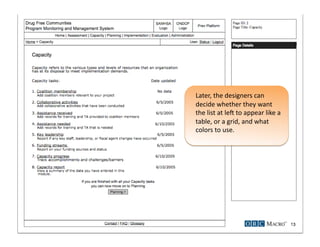
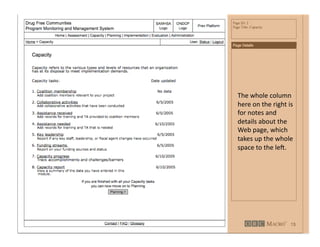
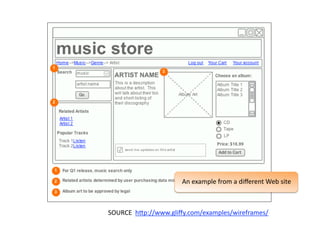
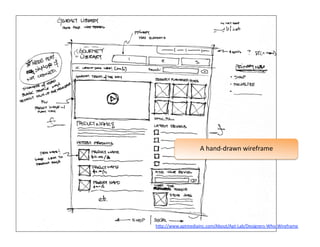
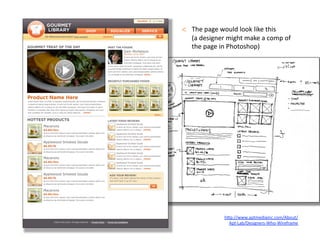
Wireframes are building blueprints for web design, defining the content and functionality of each page without design details such as colors or typography. They can be created using various software tools or even by hand, serving as a design-neutral representation of the site structure. Wireframes assist in the information architecture process and differ from prototypes, allowing effective client communication and planning.
Introduces the topic of wireframes for web design in a presentation context.
Wireframes are building blueprints for web pages, defining content and functionality, showing structure without design details.
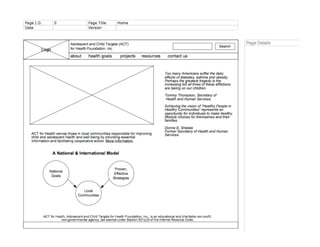
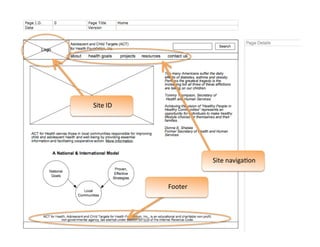
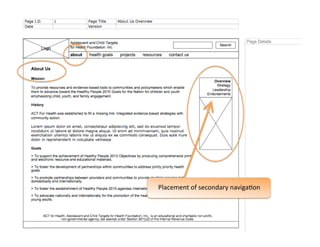
Explains key features of wireframes such as site ID, navigation, and footer placements.
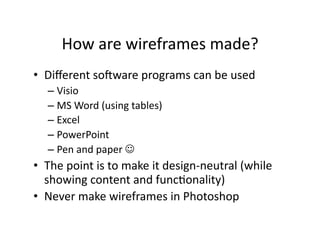
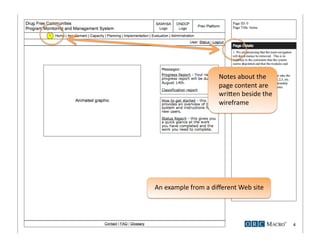
Discusses software for creating wireframes and the importance of design neutrality, alongside note-taking strategies. Highlights how designers can modify wireframe details and the importance of notes about content.
Defines information architecture and its relation to wireframes, including high/low fidelity distinctions.
Introduces storyboards as sequences/processes used in creative fields, differentiating them from wireframes.
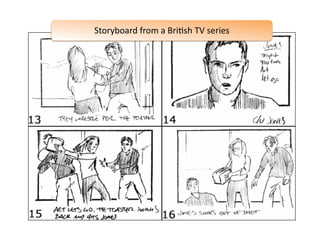
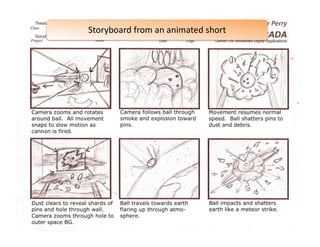
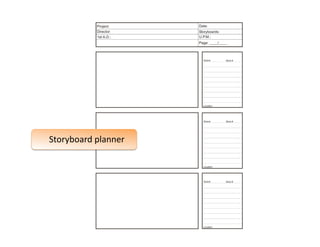
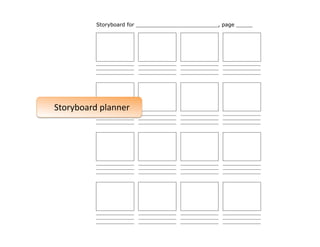
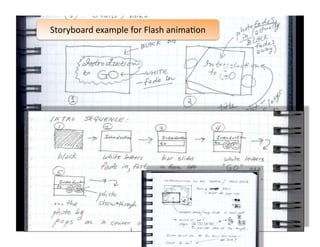
Presents various storyboard examples from TV series to animation and planning tools.
Concludes the presentation on wireframes, reiterating the topic and presenter details.