Web AnalyticsCONCEPTS & THEORIESMKTG*6226 //CLASS LEADERSHIP PRESENTATION // MATT CASS
agenda introduction to web analyticswhy it’s importantbasic concepts & termsweb analytics vs. data miningfocus: analyzing engagementoutput: presentation mattersweb analytics in practice
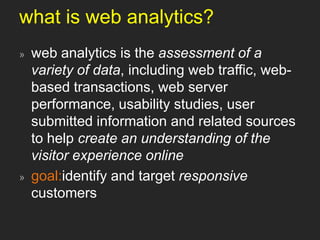
what is web analytics?web analytics is the assessment of a variety of data, including web traffic, web-based transactions, web server performance, usability studies, user submitted information and related sources to help create an understanding of the visitor experience onlinegoal:identify and target responsive customers
why it’s important
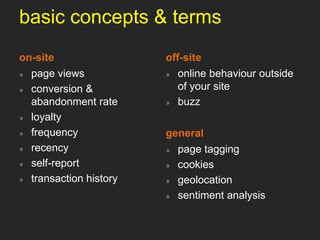
basic concepts & termson-siteoff-sitepage viewsconversion & abandonment rateloyaltyfrequency recencyself-reporttransaction historyonline behaviour outside of your sitebuzz general page tagging
cookies
geolocation
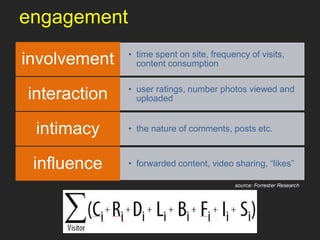
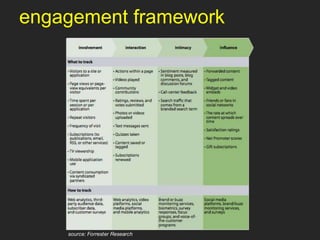
sentiment analysisengagementsource: Forrester Research
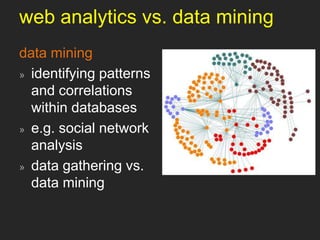
web analytics vs. data miningdata miningidentifying patterns and correlations within databasese.g. social network analysisdata gathering vs. data mining
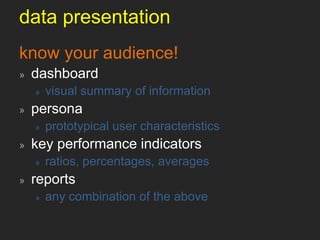
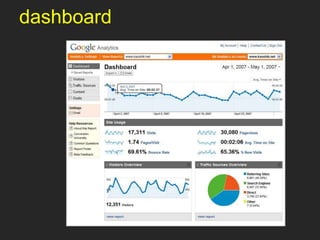
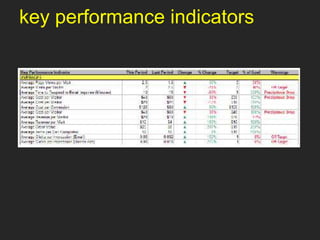
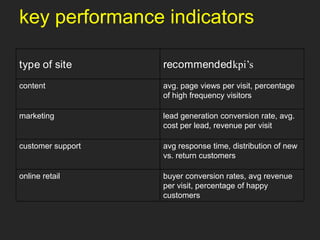
data presentationknow your audience!dashboard	visual summary of informationpersonaprototypical user characteristicskey performance indicatorsratios, percentages, averagesreports	any combination of the above
web analytics in practicedefine your key performance indicatorstie them to your business objectivespresent your data in a meaningful wayknow your audienceuse web analytics as a learning tooltargeting and optimizingmake your “other media” more social
thank you twitter: @mattPROv1facebook: Social Media Marketing Research – Week 6
basic concepts & termshitsan action on a website, e.g. user views a page or downloads a filepage viewsactual visitor views or requests for informationvisitsunit of activity on a website unique visitorsnumber of visitors in a given timeframe unique identified visitorsunique visitor that can be tied to specific personal information
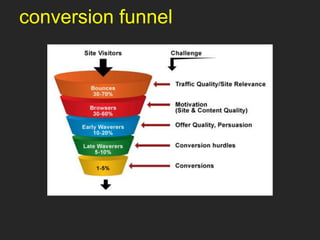
conversion funnel
dashboard
key performance indicators

Web Analytics Concepts & Theories

  • 1.
    Web AnalyticsCONCEPTS &THEORIESMKTG*6226 //CLASS LEADERSHIP PRESENTATION // MATT CASS
  • 2.
    agenda introduction toweb analyticswhy it’s importantbasic concepts & termsweb analytics vs. data miningfocus: analyzing engagementoutput: presentation mattersweb analytics in practice
  • 3.
    what is webanalytics?web analytics is the assessment of a variety of data, including web traffic, web-based transactions, web server performance, usability studies, user submitted information and related sources to help create an understanding of the visitor experience onlinegoal:identify and target responsive customers
  • 4.
  • 7.
    basic concepts &termson-siteoff-sitepage viewsconversion & abandonment rateloyaltyfrequency recencyself-reporttransaction historyonline behaviour outside of your sitebuzz general page tagging
  • 8.
  • 9.
  • 10.
  • 11.
    web analytics vs.data miningdata miningidentifying patterns and correlations within databasese.g. social network analysisdata gathering vs. data mining
  • 12.
    data presentationknow youraudience!dashboard visual summary of informationpersonaprototypical user characteristicskey performance indicatorsratios, percentages, averagesreports any combination of the above
  • 13.
    web analytics inpracticedefine your key performance indicatorstie them to your business objectivespresent your data in a meaningful wayknow your audienceuse web analytics as a learning tooltargeting and optimizingmake your “other media” more social
  • 14.
    thank you twitter:@mattPROv1facebook: Social Media Marketing Research – Week 6
  • 15.
    basic concepts &termshitsan action on a website, e.g. user views a page or downloads a filepage viewsactual visitor views or requests for informationvisitsunit of activity on a website unique visitorsnumber of visitors in a given timeframe unique identified visitorsunique visitor that can be tied to specific personal information
  • 16.
  • 17.
  • 18.
  • 19.
  • 20.

Editor's Notes

  • #8 conversion & abandonment ratenumber of starters vs. number of completersloyaltynumber of visitsfrequency average amount of time between visitsrecencytime since last desired activity
  • #9 involvementthe presence of a person at the various brand touchpointsinteractionthe actions people take while present at those touchpointsintimacythe affection/aversion a person holds for a brandinfluence the likelihood a person is to advocate on behalf of a brandclick depthdurationrecencyloyalty brand feedbackinteraction
  • #10 assess the interaction between internal and external factors