Element of Art:
Form
Physical characteristics
Varieties of Form
Form in relations to other Elements of Art
Form
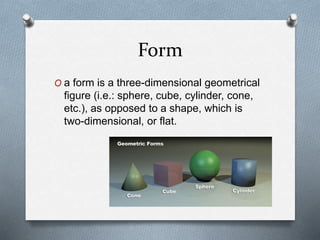
O a form is a three-dimensional geometrical
figure (i.e.: sphere, cube, cylinder, cone,
etc.), as opposed to a shape, which is
two-dimensional, or flat.
Form
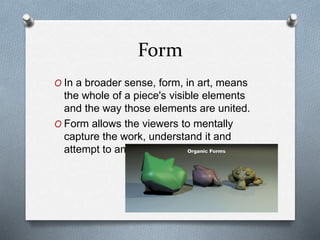
O In a broader sense, form, in art, means
the whole of a piece's visible elements
and the way those elements are united.
O Form allows the viewers to mentally
capture the work, understand it and
attempt to analyze it.
Understanding Form
O Form refers to the visible
elements of a piece,
independent of their meaning.
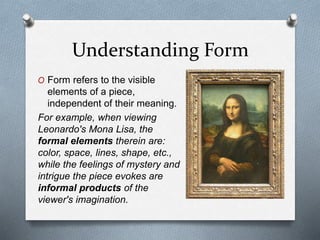
For example, when viewing
Leonardo's Mona Lisa, the
formal elements therein are:
color, space, lines, shape, etc.,
while the feelings of mystery and
intrigue the piece evokes are
informal products of the
viewer's imagination.
Understanding Form
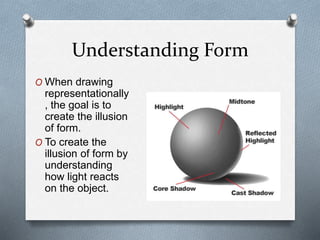
O When drawing
representationally
, the goal is to
create the illusion
of form.
O To create the
illusion of form by
understanding
how light reacts
on the object.
Understanding Form
O Light reacts on objects and is communicated to viewers
through several factors. Adjusting these areas with values of
the local color will result in the illusion of form in a drawing or
painting.
O The highlight is the area where light is hitting the object
directly.
O The midtone is the middle value of the local color of the
object.
O The core shadow is the area(s) that is shaded on the object.
O The cast shadow is the area(s) that is shaded on
surrounding objects and surfaces because of blocked light.
O The reflected highlight is the area on an object that is lighter
because of reflected light off of surrounding objects.
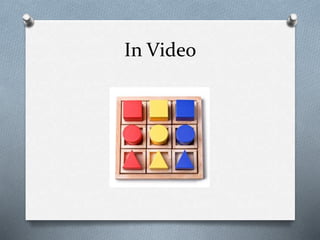
In Video
Plates
Shape:
Plate 11: Brush strokes
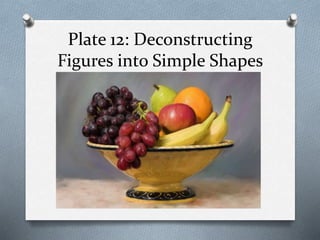
Plate 12: Deconstructing Figures into
Simple Shapes
Form:
Plate 13:Types of Form using pencil
Plate 14: Types of Form using Technical
Pen
Plate 15: Types of Form using brushes
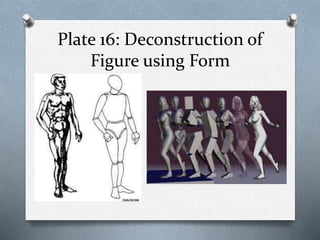
Plate 16: Deconstruction of Figure using
Form
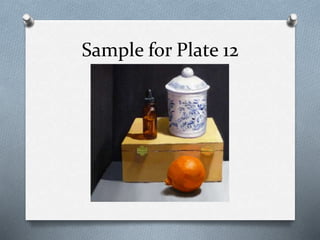
Sample for Plate 12
Plate 12: Deconstructing
Figures into Simple Shapes
Plate 16: Deconstruction of
Figure using Form
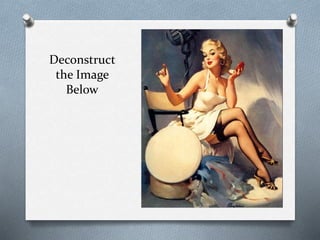
Deconstruct
the Image
Below

Visual perception lesson 5

  • 1.
    Element of Art: Form Physicalcharacteristics Varieties of Form Form in relations to other Elements of Art
  • 2.
    Form O a formis a three-dimensional geometrical figure (i.e.: sphere, cube, cylinder, cone, etc.), as opposed to a shape, which is two-dimensional, or flat.
  • 3.
    Form O In abroader sense, form, in art, means the whole of a piece's visible elements and the way those elements are united. O Form allows the viewers to mentally capture the work, understand it and attempt to analyze it.
  • 4.
    Understanding Form O Formrefers to the visible elements of a piece, independent of their meaning. For example, when viewing Leonardo's Mona Lisa, the formal elements therein are: color, space, lines, shape, etc., while the feelings of mystery and intrigue the piece evokes are informal products of the viewer's imagination.
  • 5.
    Understanding Form O Whendrawing representationally , the goal is to create the illusion of form. O To create the illusion of form by understanding how light reacts on the object.
  • 6.
    Understanding Form O Lightreacts on objects and is communicated to viewers through several factors. Adjusting these areas with values of the local color will result in the illusion of form in a drawing or painting. O The highlight is the area where light is hitting the object directly. O The midtone is the middle value of the local color of the object. O The core shadow is the area(s) that is shaded on the object. O The cast shadow is the area(s) that is shaded on surrounding objects and surfaces because of blocked light. O The reflected highlight is the area on an object that is lighter because of reflected light off of surrounding objects.
  • 7.
  • 8.
    Plates Shape: Plate 11: Brushstrokes Plate 12: Deconstructing Figures into Simple Shapes Form: Plate 13:Types of Form using pencil Plate 14: Types of Form using Technical Pen Plate 15: Types of Form using brushes Plate 16: Deconstruction of Figure using Form
  • 9.
  • 10.
  • 11.
    Plate 16: Deconstructionof Figure using Form
  • 12.