INTERGRATED MARINE
POLLUTION CONTROL
IZZAIDI IZUDDIN BIN AB KARIM
MUHAMMAD HAKIM BIN KHADRI
MUHAMMAD FARIZ BIN NASRUDDEEN
MUHD AFZAN ILMI BIN HASANUDIN
AHMAD WASIM TALHAH BIN MD SAID
Question 1:
Identify and explain the article in
UNCLOS 1982 on responsibilities of
state parties to the marine
environment?
Article 194: Measures to prevent, reduce and
control pollution of the marine environment
• The state parties have a responsibilities to prevent,
reduce and control pollution of the marine
environment from any source or pollution.
• The state parties shall take all measures necessary to
ensure that activities under their jurisdiction not to
cause damage to their environment and other state.
• The release of toxic, harmful or noxious substances from
land-based sources, atmosphere or by dumping;
• Pollution from vessels, in particular measures for
preventing accidents and dealing with emergencies,
ensuring the safety of operations at sea, preventing
intentional and unintentional discharges, and regulating the
design, construction, equipment, operation and manning of
vessels;
• Pollution from installations and devices used in exploration
or exploitation of the natural resources of the seabed and
subsoil, in particular measures for preventing accidents and
dealing with emergencies, ensuring the safety of operations
at sea, and regulating the design, construction, equipment,
operation and manning of such installations or devices;
• Pollution from other installations and devices
operating in the marine environment, in
particular measures for preventing accidents
and dealing with emergencies, ensuring the
safety of operations at sea, and regulating the
design, construction, equipment, operation
and manning of such installations or devices.
Question 2 :
Explain 5 oil pollution combating
equipments that should be stockpiled.
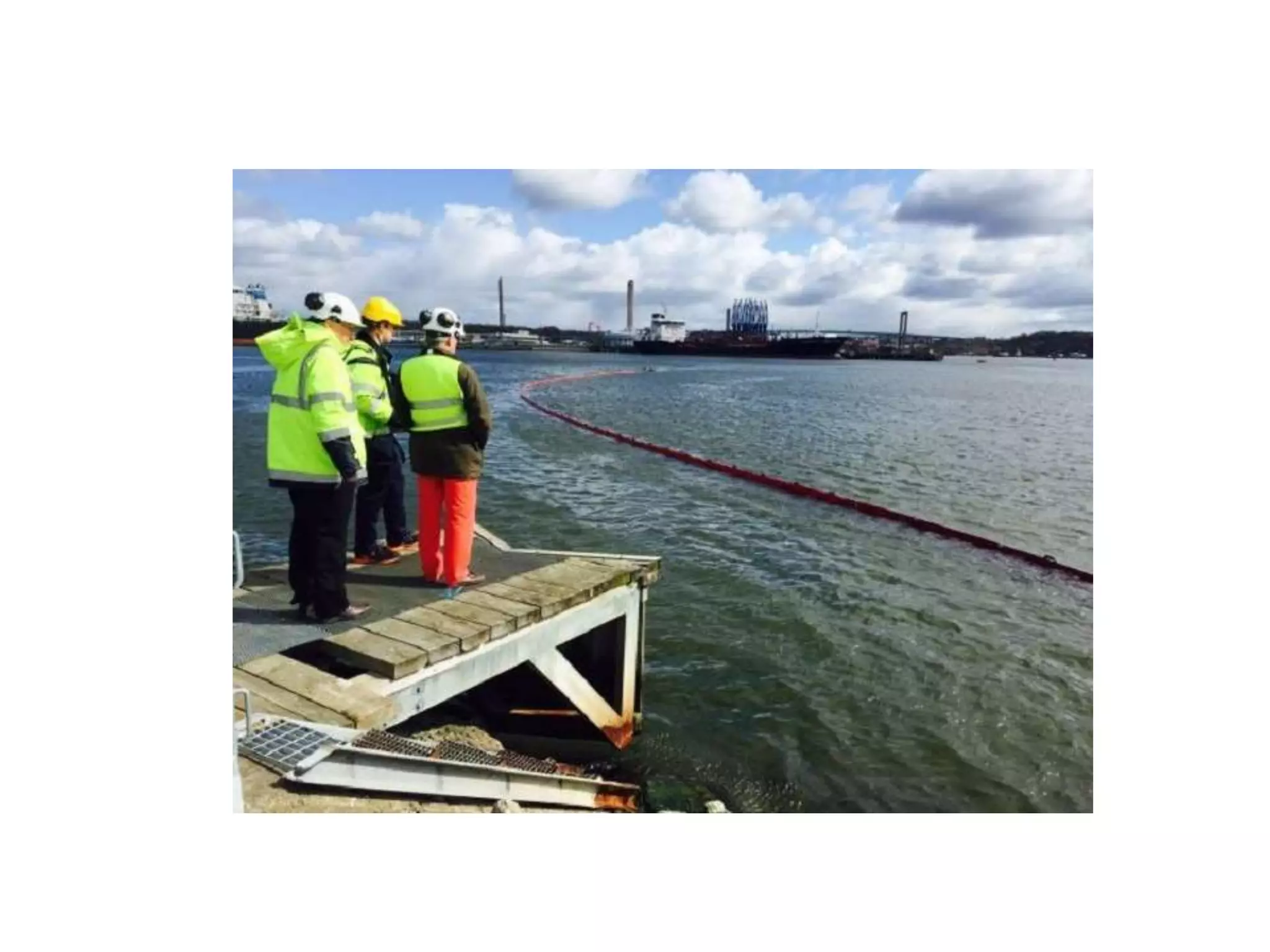
Booms
• A boom is a floating barrier that can be towed or
anchored into place.
• All booms have a freeboard above the water to
collect the oil and a skirt below the water to stop
the oil moving under the boom. Booms can be
used:
– along shorelines or at sea
– to contain oil until it is recovered
– to prevent oil from entering sensitive areas or to
divert it to less sensitive areas
– to stop oil from stranding on shorelines.
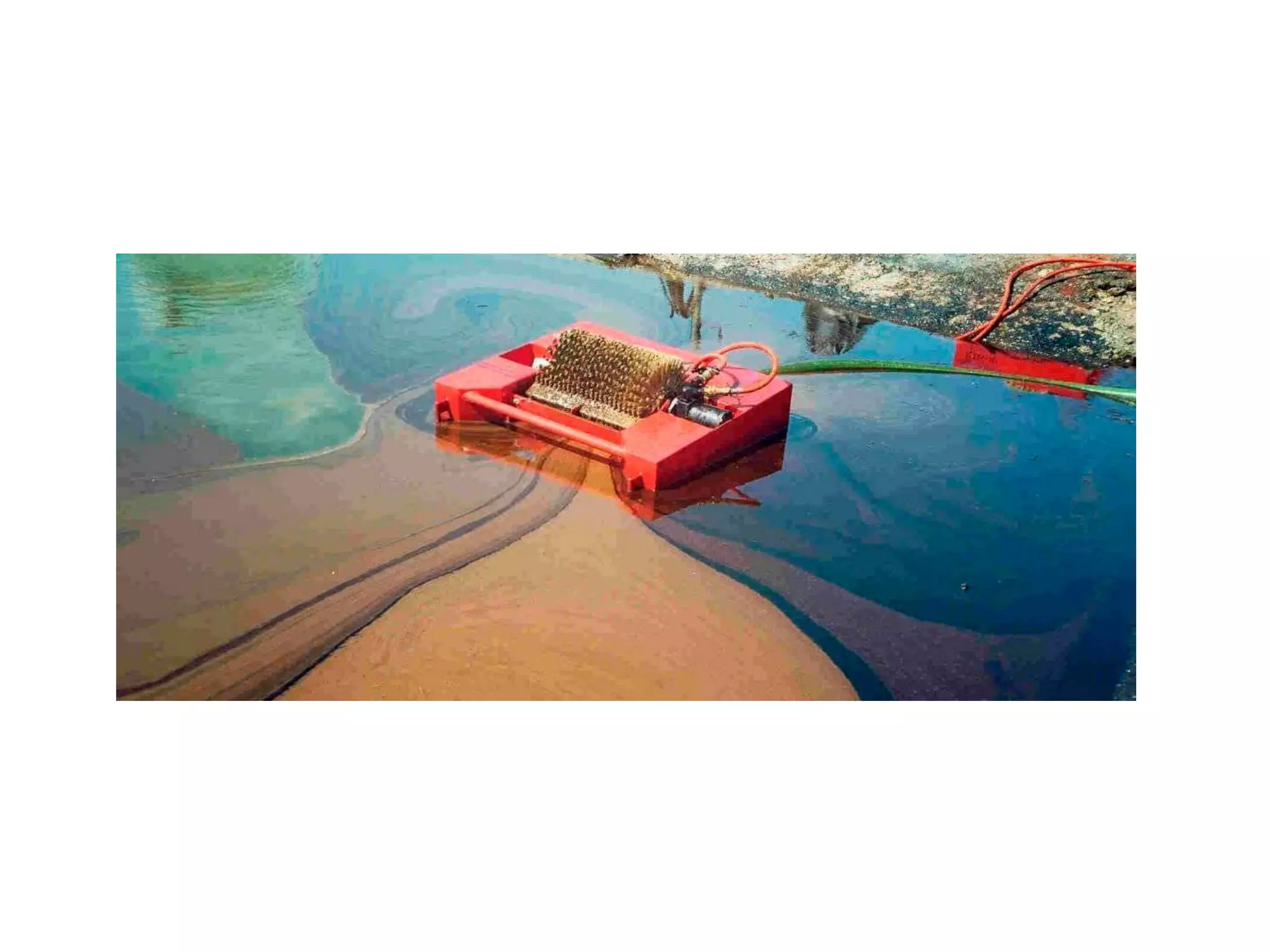
Skimmers
• Skimmers remove oil from the water’s surface.
• Only lighter oils can be separated and
removed from the water in this method
• The skimmed oil is then stored in tanks
awaiting disposal.
• Booms are used to concentrate the oil to
make it thick enough to be skimmed off the
surface.
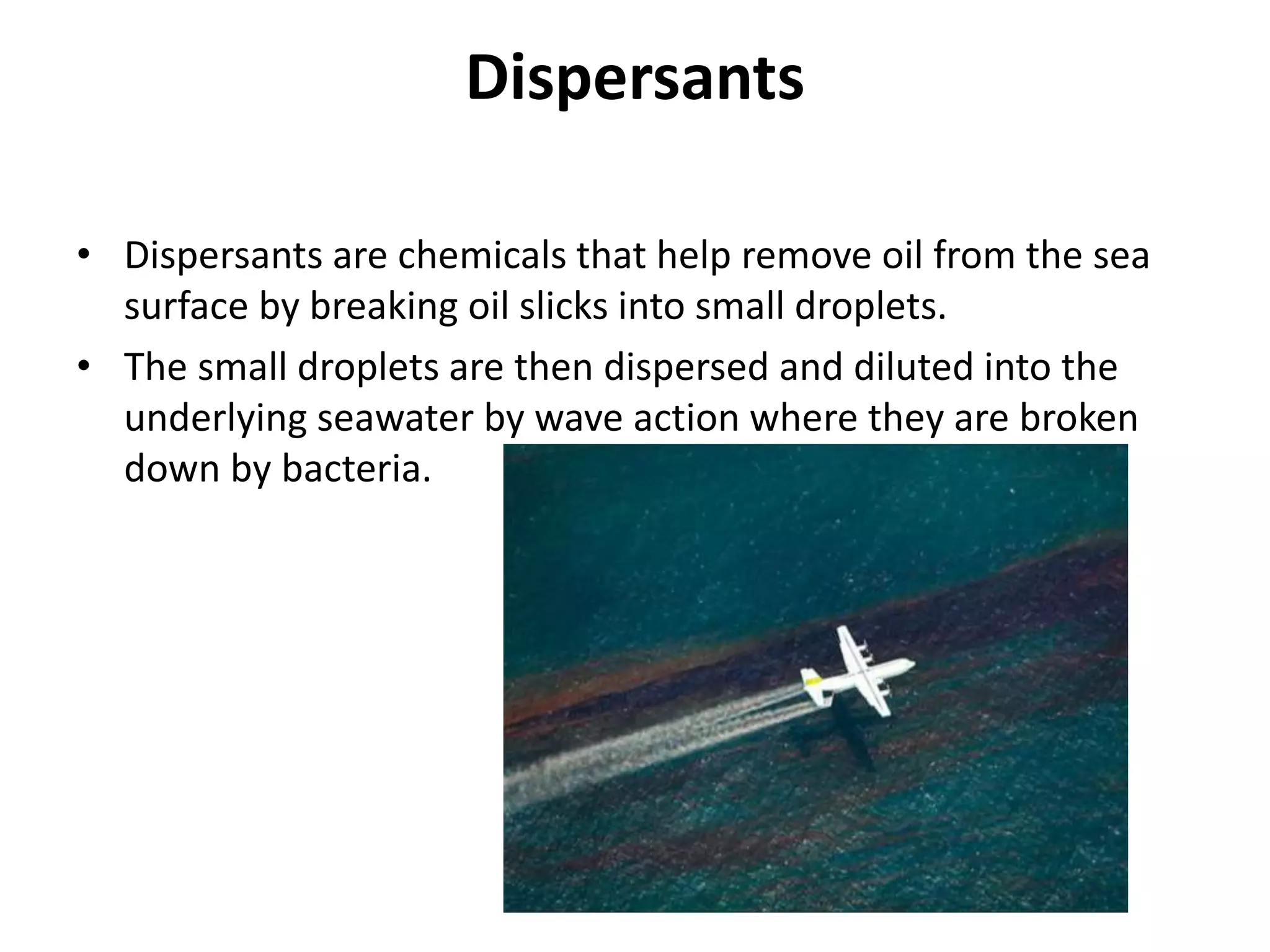
Dispersants
• Dispersants are chemicals that help remove oil from the sea
surface by breaking oil slicks into small droplets.
• The small droplets are then dispersed and diluted into the
underlying seawater by wave action where they are broken
down by bacteria.
Sorbents
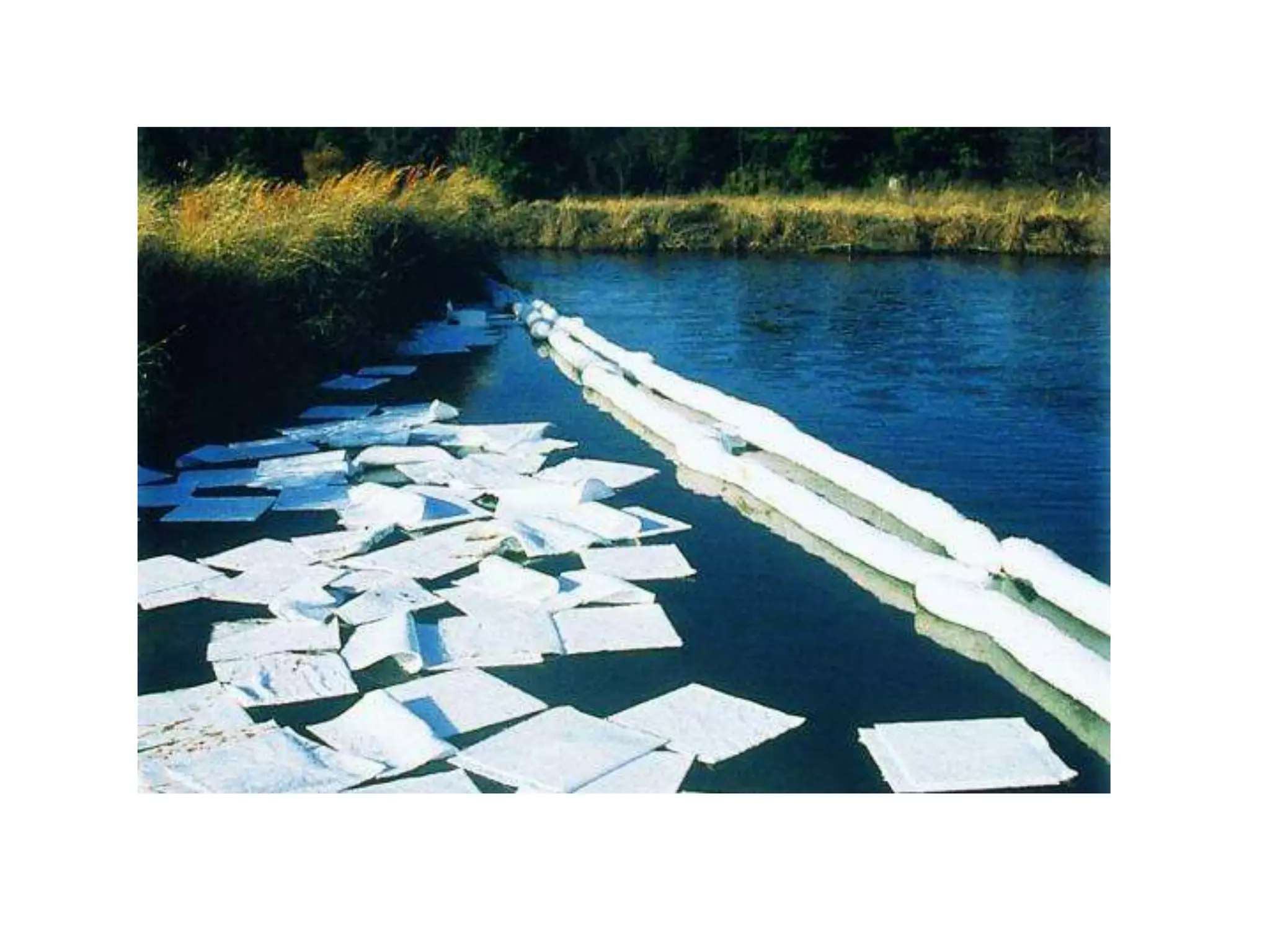
• Sorbents are materials that attract and hold
oils.
• Most sorbents rely on oil being absorbed into
them, like a sponge.
• Sorbents can be in the form of booms, pillows,
pads or snares.
• They are generally made from polypropylene
or polyethylene and can be wrung out and
reused.
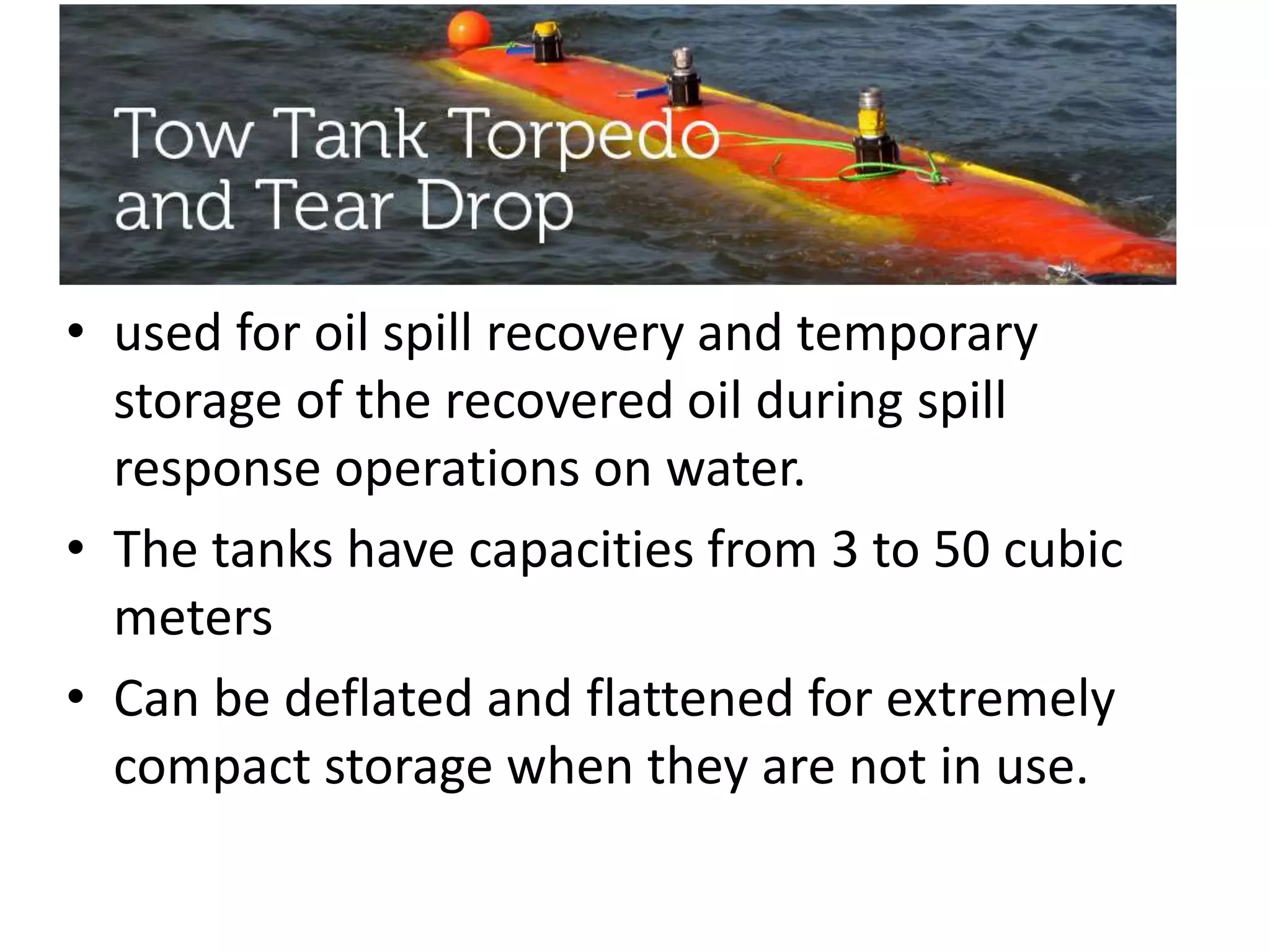
• used for oil spill recovery and temporary
storage of the recovered oil during spill
response operations on water.
• The tanks have capacities from 3 to 50 cubic
meters
• Can be deflated and flattened for extremely
compact storage when they are not in use.

UNCLOS 1982 - Responsibilities of state parties to the marine environment.

  • 1.
    INTERGRATED MARINE POLLUTION CONTROL IZZAIDIIZUDDIN BIN AB KARIM MUHAMMAD HAKIM BIN KHADRI MUHAMMAD FARIZ BIN NASRUDDEEN MUHD AFZAN ILMI BIN HASANUDIN AHMAD WASIM TALHAH BIN MD SAID
  • 2.
    Question 1: Identify andexplain the article in UNCLOS 1982 on responsibilities of state parties to the marine environment?
  • 3.
    Article 194: Measuresto prevent, reduce and control pollution of the marine environment • The state parties have a responsibilities to prevent, reduce and control pollution of the marine environment from any source or pollution. • The state parties shall take all measures necessary to ensure that activities under their jurisdiction not to cause damage to their environment and other state.
  • 4.
    • The releaseof toxic, harmful or noxious substances from land-based sources, atmosphere or by dumping; • Pollution from vessels, in particular measures for preventing accidents and dealing with emergencies, ensuring the safety of operations at sea, preventing intentional and unintentional discharges, and regulating the design, construction, equipment, operation and manning of vessels; • Pollution from installations and devices used in exploration or exploitation of the natural resources of the seabed and subsoil, in particular measures for preventing accidents and dealing with emergencies, ensuring the safety of operations at sea, and regulating the design, construction, equipment, operation and manning of such installations or devices;
  • 5.
    • Pollution fromother installations and devices operating in the marine environment, in particular measures for preventing accidents and dealing with emergencies, ensuring the safety of operations at sea, and regulating the design, construction, equipment, operation and manning of such installations or devices.
  • 6.
    Question 2 : Explain5 oil pollution combating equipments that should be stockpiled.
  • 7.
    Booms • A boomis a floating barrier that can be towed or anchored into place. • All booms have a freeboard above the water to collect the oil and a skirt below the water to stop the oil moving under the boom. Booms can be used: – along shorelines or at sea – to contain oil until it is recovered – to prevent oil from entering sensitive areas or to divert it to less sensitive areas – to stop oil from stranding on shorelines.
  • 9.
    Skimmers • Skimmers removeoil from the water’s surface. • Only lighter oils can be separated and removed from the water in this method • The skimmed oil is then stored in tanks awaiting disposal. • Booms are used to concentrate the oil to make it thick enough to be skimmed off the surface.
  • 11.
    Dispersants • Dispersants arechemicals that help remove oil from the sea surface by breaking oil slicks into small droplets. • The small droplets are then dispersed and diluted into the underlying seawater by wave action where they are broken down by bacteria.
  • 12.
    Sorbents • Sorbents arematerials that attract and hold oils. • Most sorbents rely on oil being absorbed into them, like a sponge. • Sorbents can be in the form of booms, pillows, pads or snares. • They are generally made from polypropylene or polyethylene and can be wrung out and reused.
  • 14.
    • used foroil spill recovery and temporary storage of the recovered oil during spill response operations on water. • The tanks have capacities from 3 to 50 cubic meters • Can be deflated and flattened for extremely compact storage when they are not in use.