Universal Design for LearningCreating effective  and efficient learning for everyoneBetty Nelson, Ph.D.Jenelle Hodges, M.S.University of Alabama at BirminghamCollege of Arts and Sciences
But Do we all learn the same?The world is full of many different people..
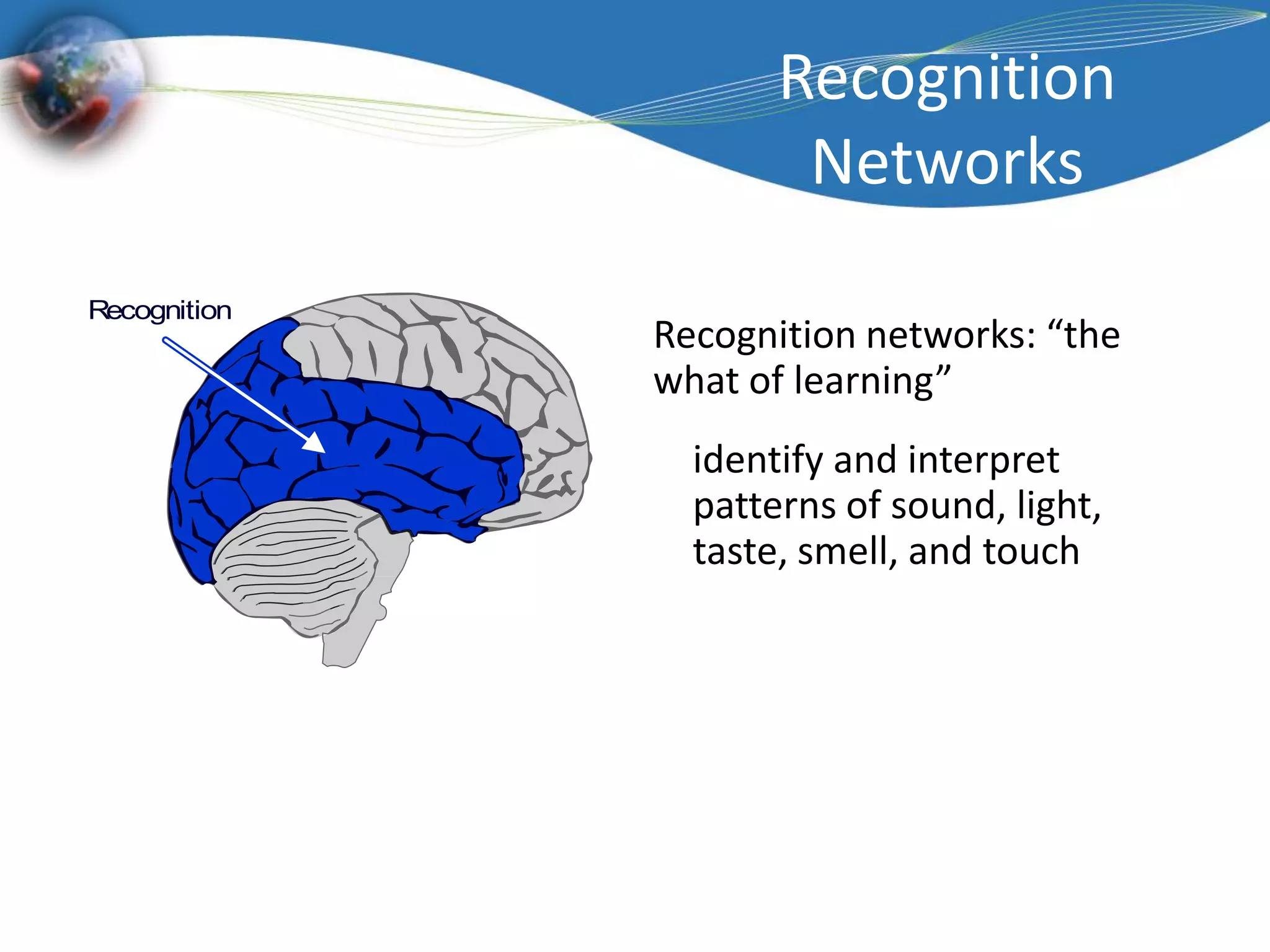
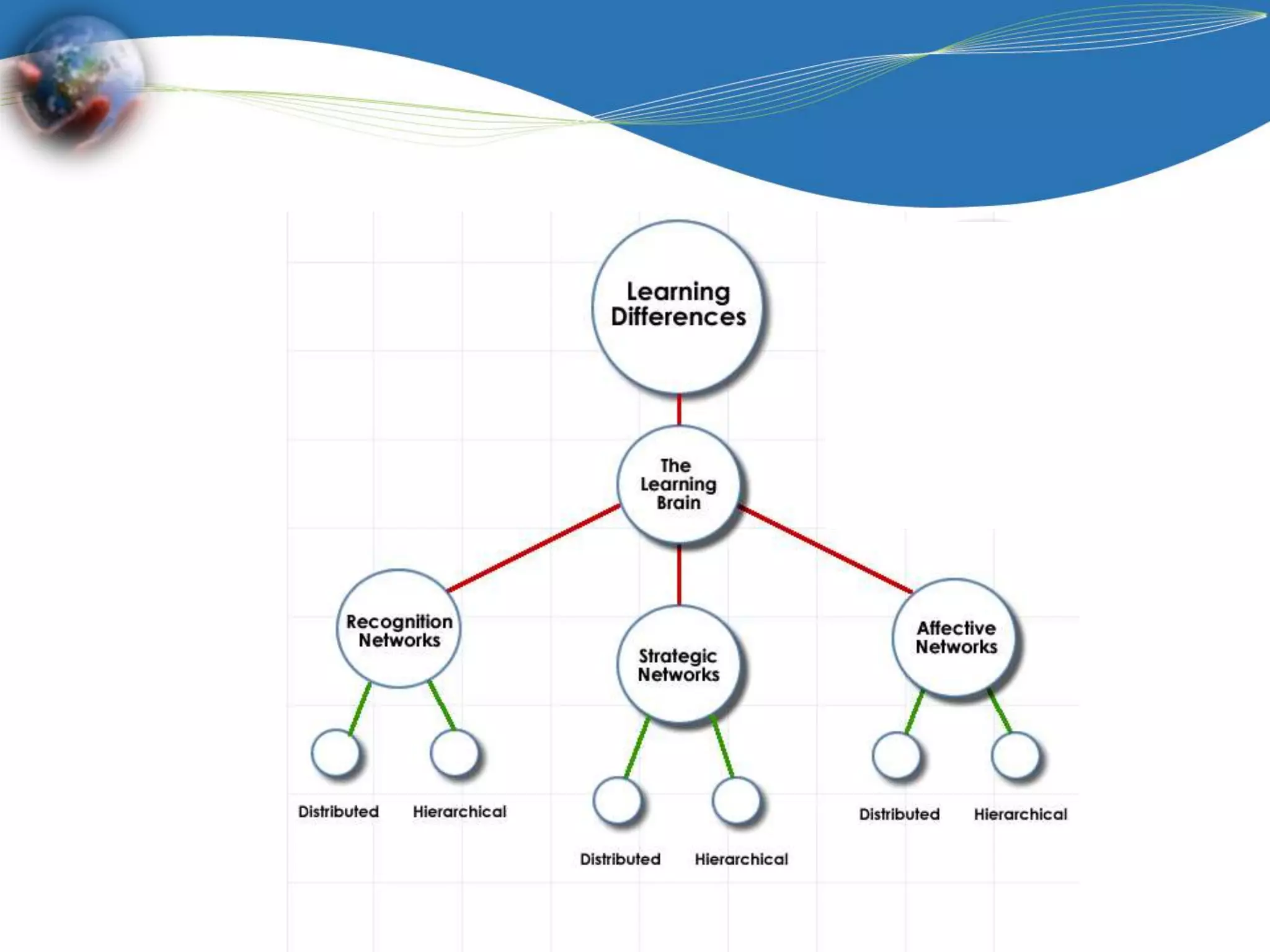
Recognition NetworksRecognition networks: “the what of learning”identify and interpret patterns of sound, light, taste, smell, and touch
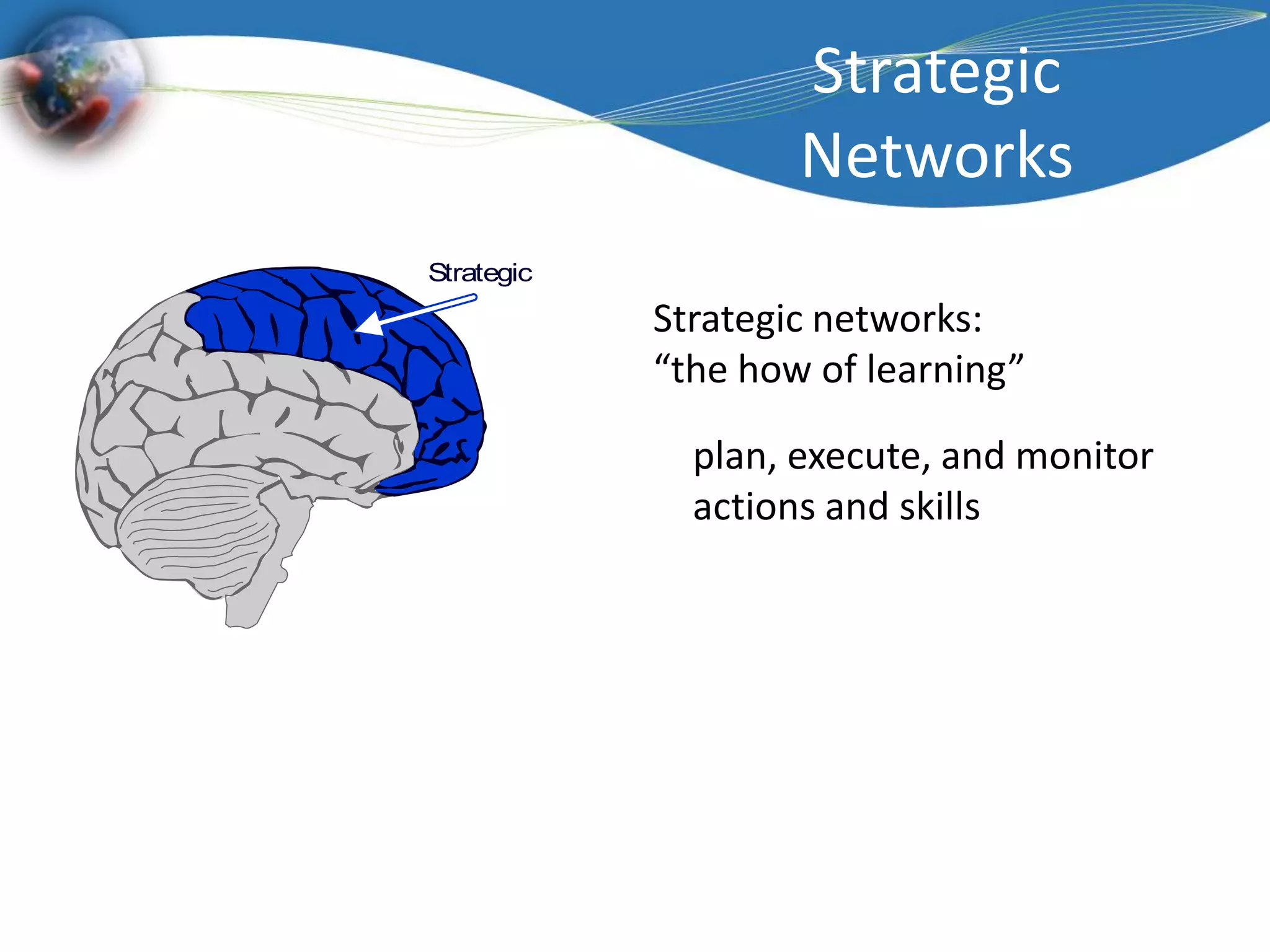
Strategic NetworksStrategic networks: “the how of learning”plan, execute, and monitor actions and skills
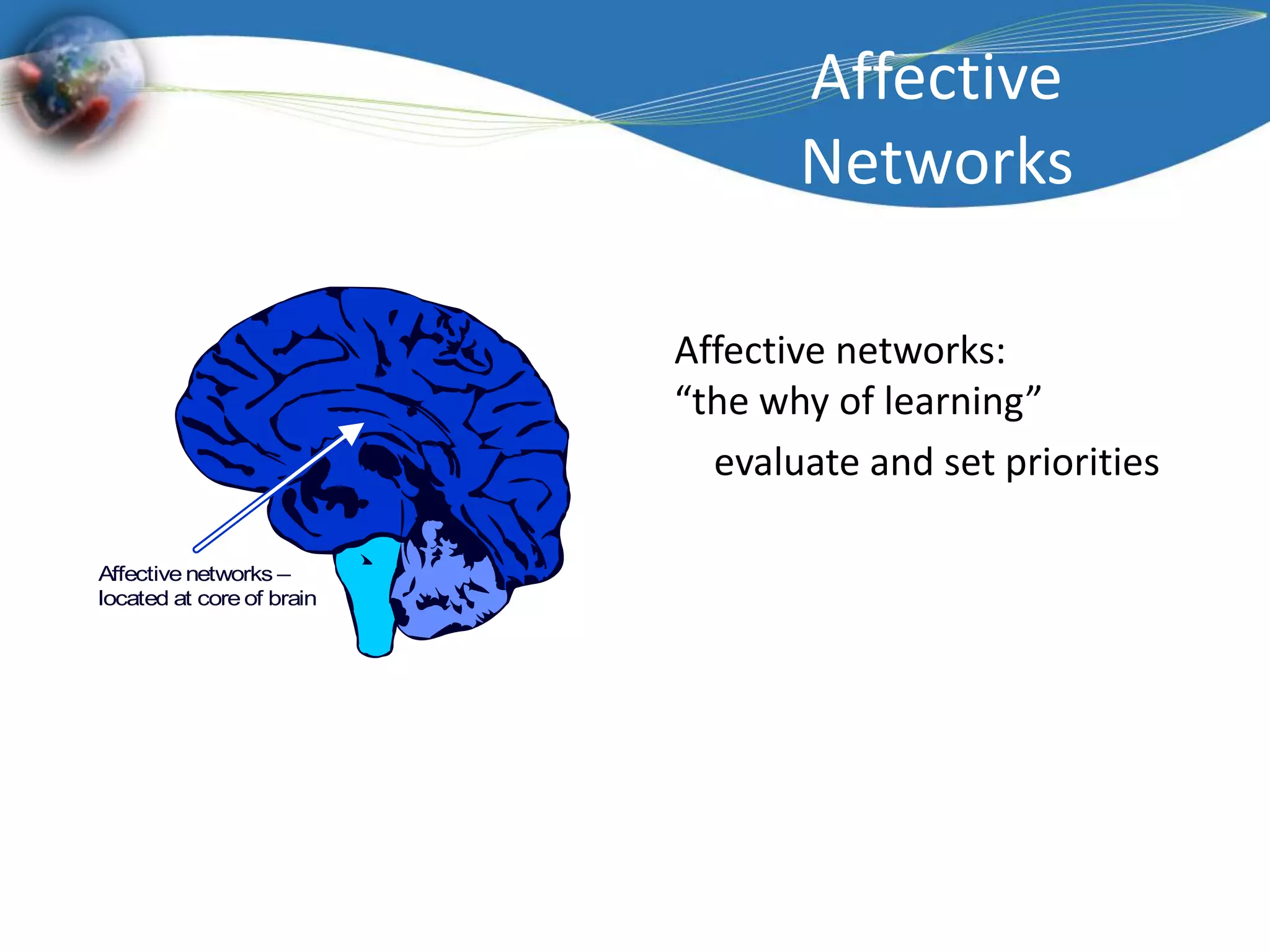
Affective NetworksAffective networks: “the why of learning”evaluate and set priorities
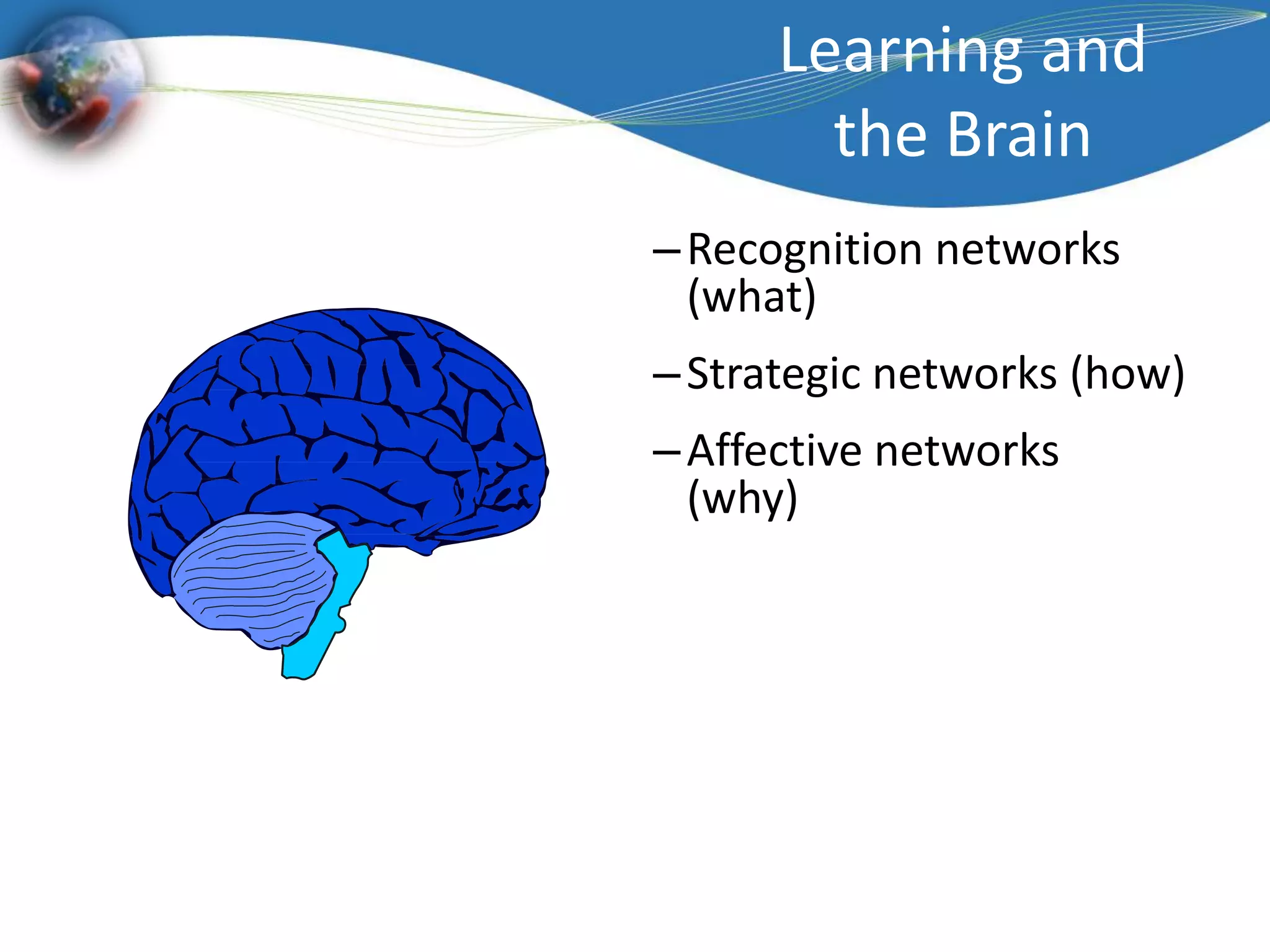
Learning and the BrainRecognition networks (what)Strategic networks (how)Affective networks  (why)
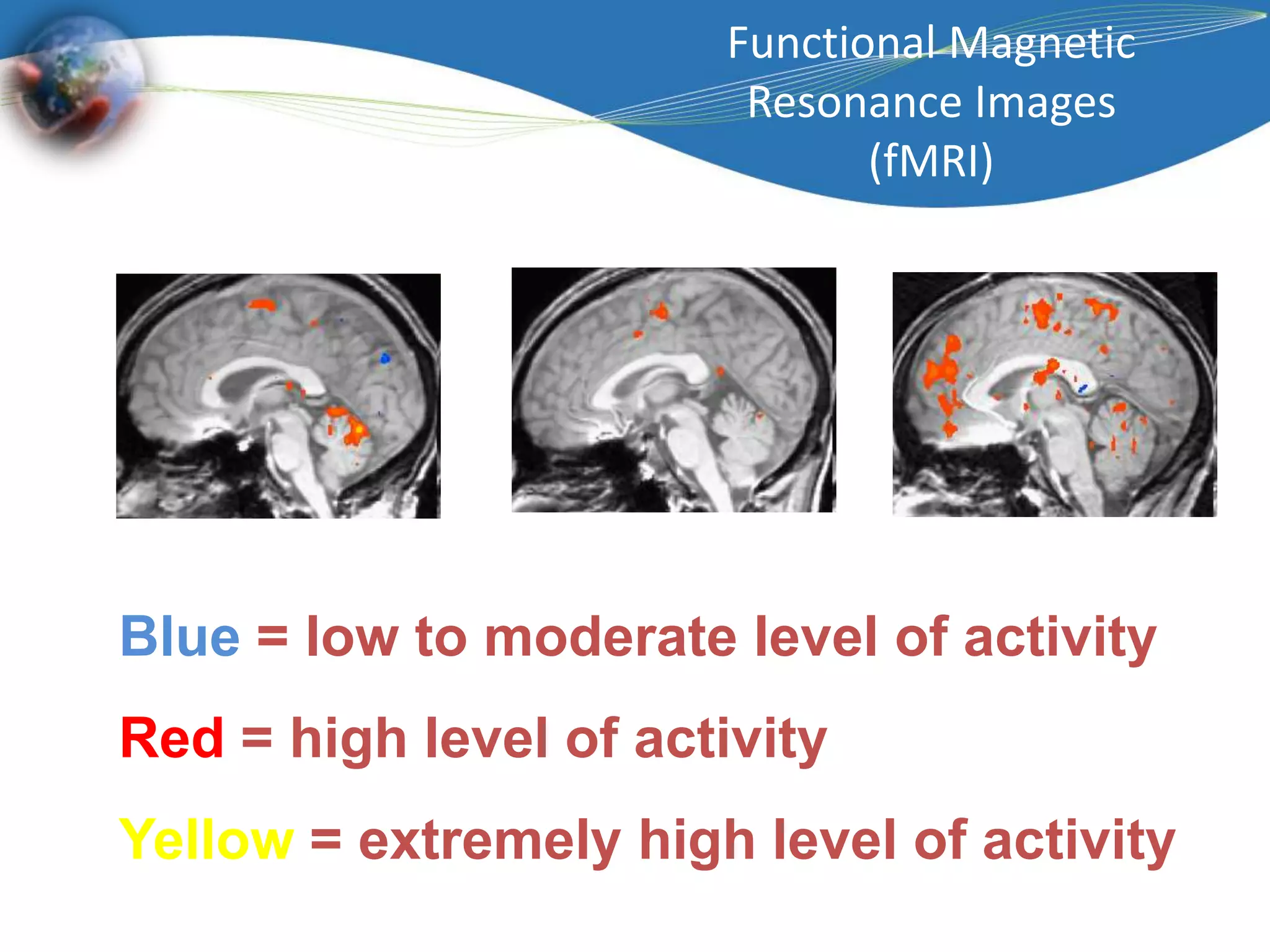
Functional Magnetic Resonance Images (fMRI) Blue = low to moderate level of activity Red = high level of activityYellow = extremely high level of activity
Today’s LearnerSo if we all receive information differently…What does today’s classroom look like?How does learning take place?Where does learning today take place?
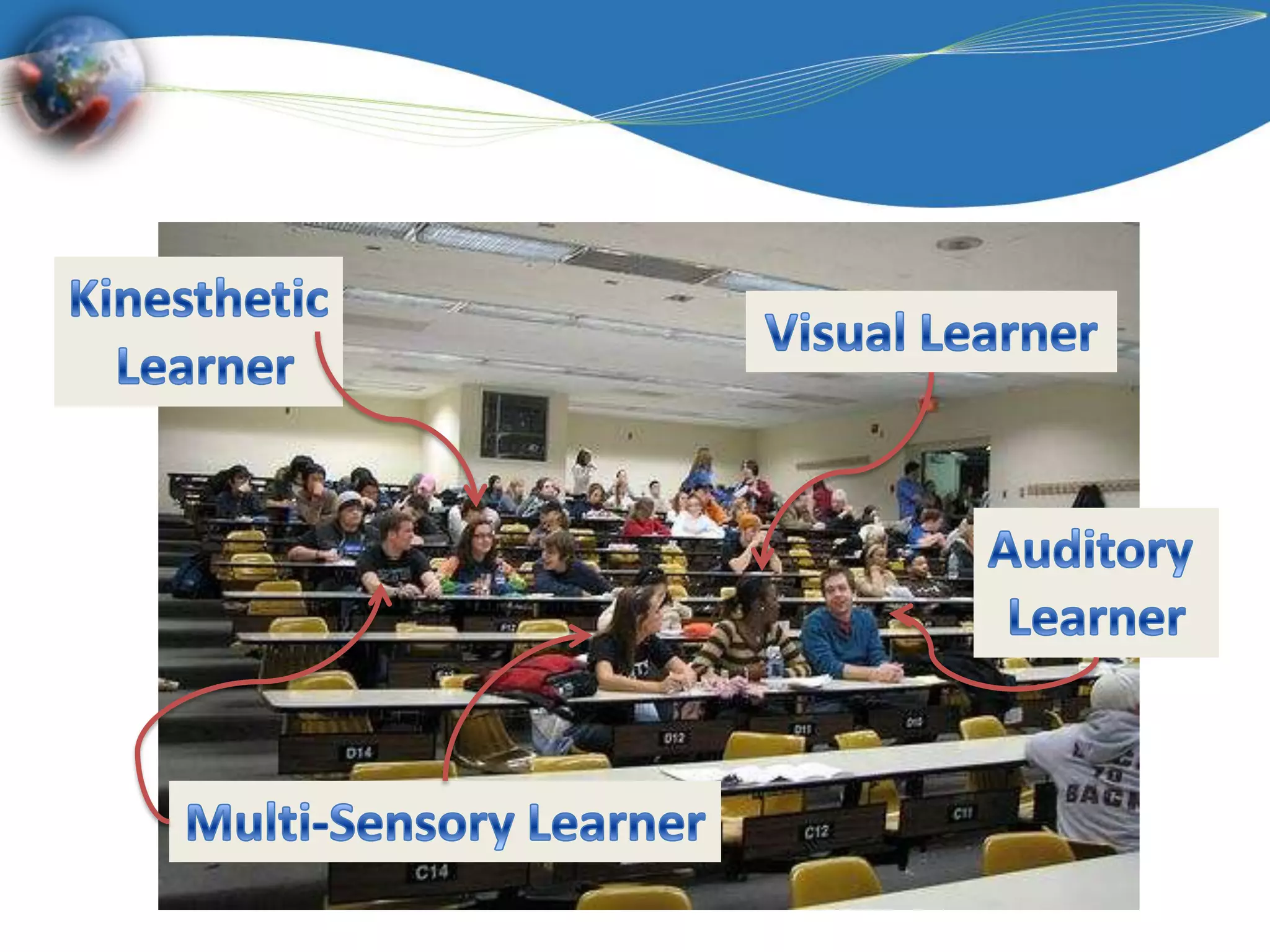
Kinesthetic LearnerVisual LearnerAuditory LearnerMulti-Sensory Learner
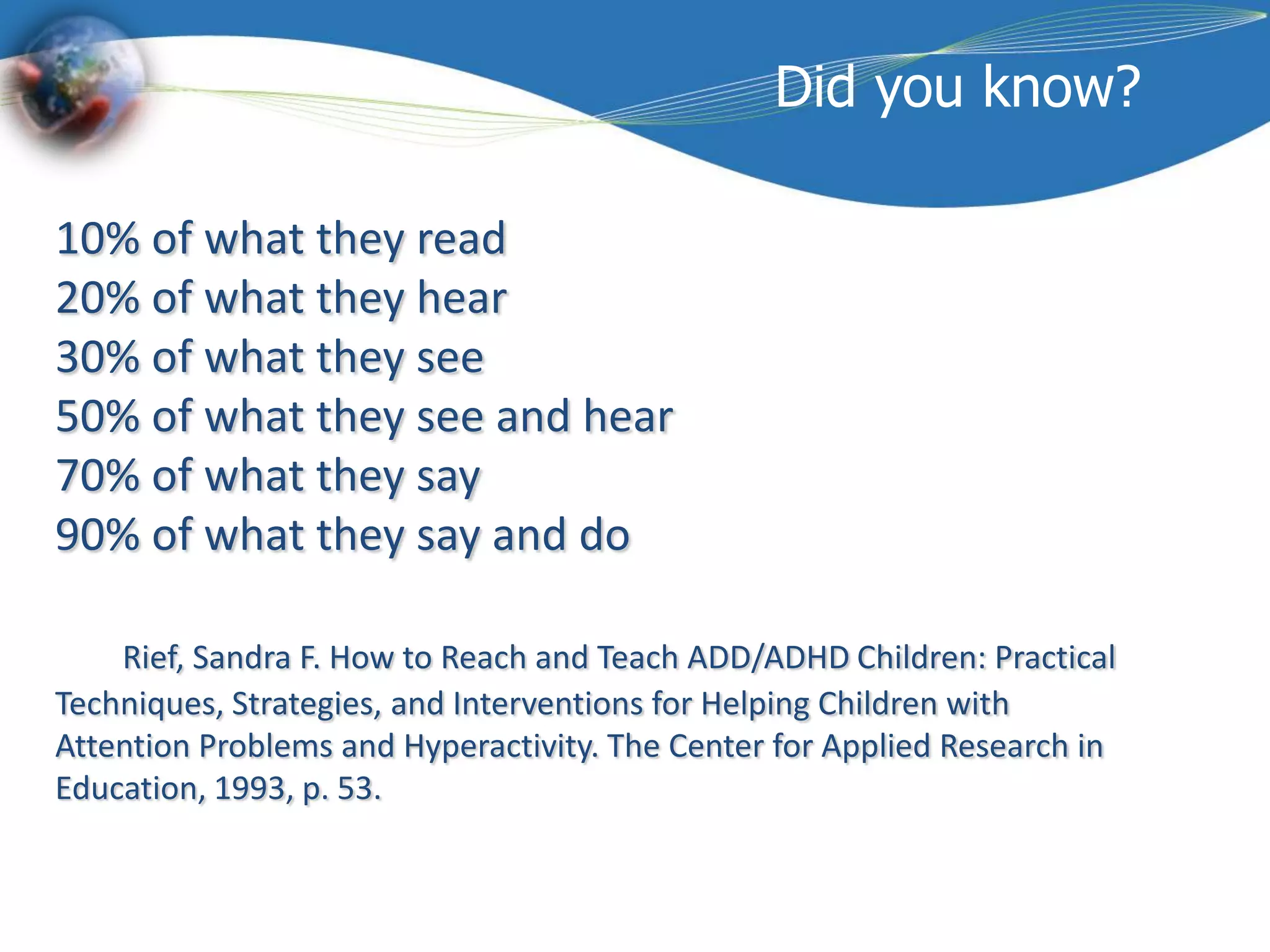
Did you know?10% of what they read 20% of what they hear 30% of what they see 50% of what they see and hear 70% of what they say 90% of what they say and do Rief, Sandra F. How to Reach and Teach ADD/ADHD Children: Practical Techniques, Strategies, and Interventions for Helping Children with Attention Problems and Hyperactivity. The Center for Applied Research in Education, 1993, p. 53.
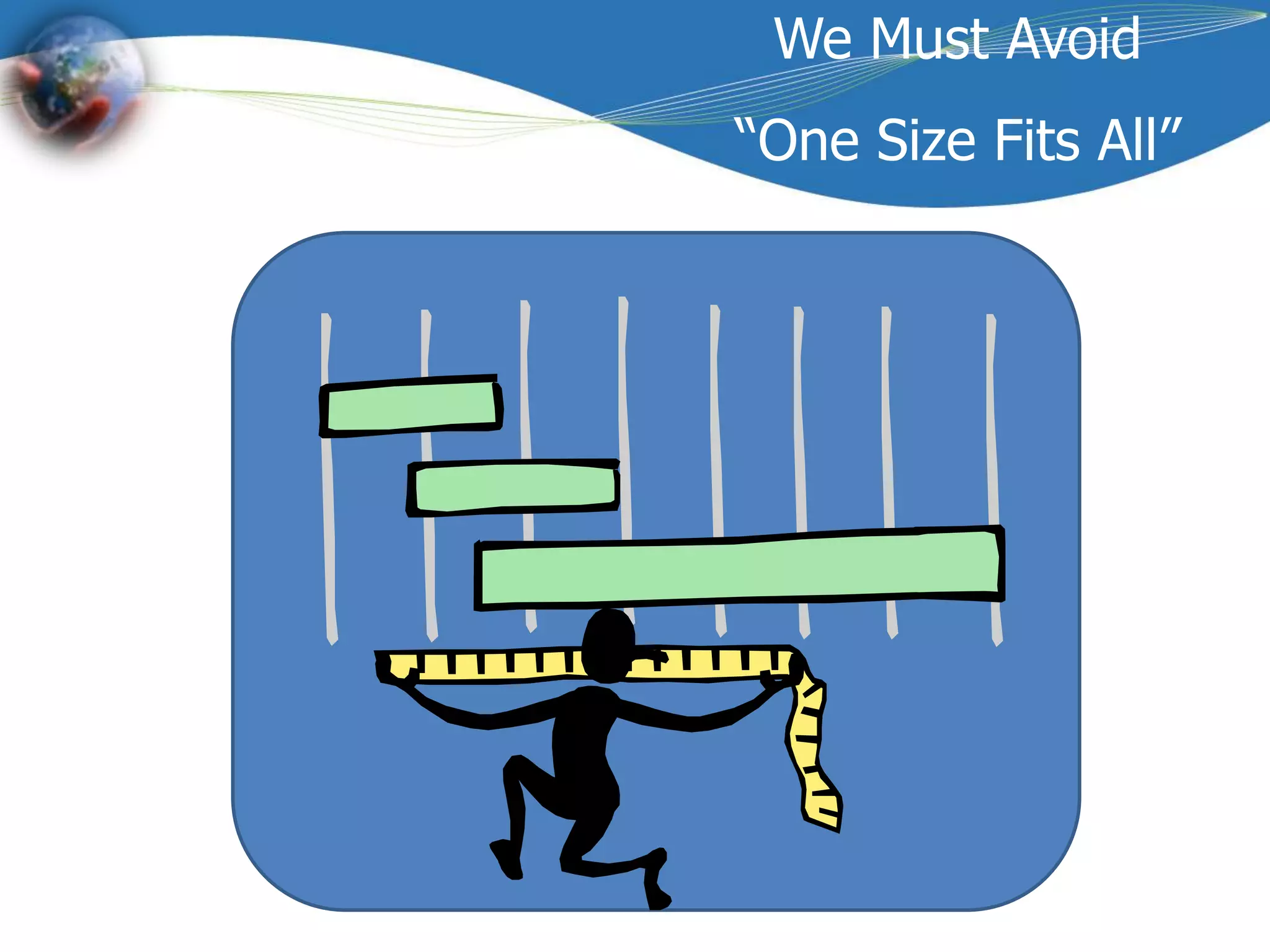
We Must Avoid “One Size Fits All”
The Issue Facing EducatorsTeachers look for ways to…Adapt curriculumModify instructional strategiesAssess students in ways that permit them to demonstrate their mastery of what they’ve been taughtOne answer?UDL or Universal Design for Learning13
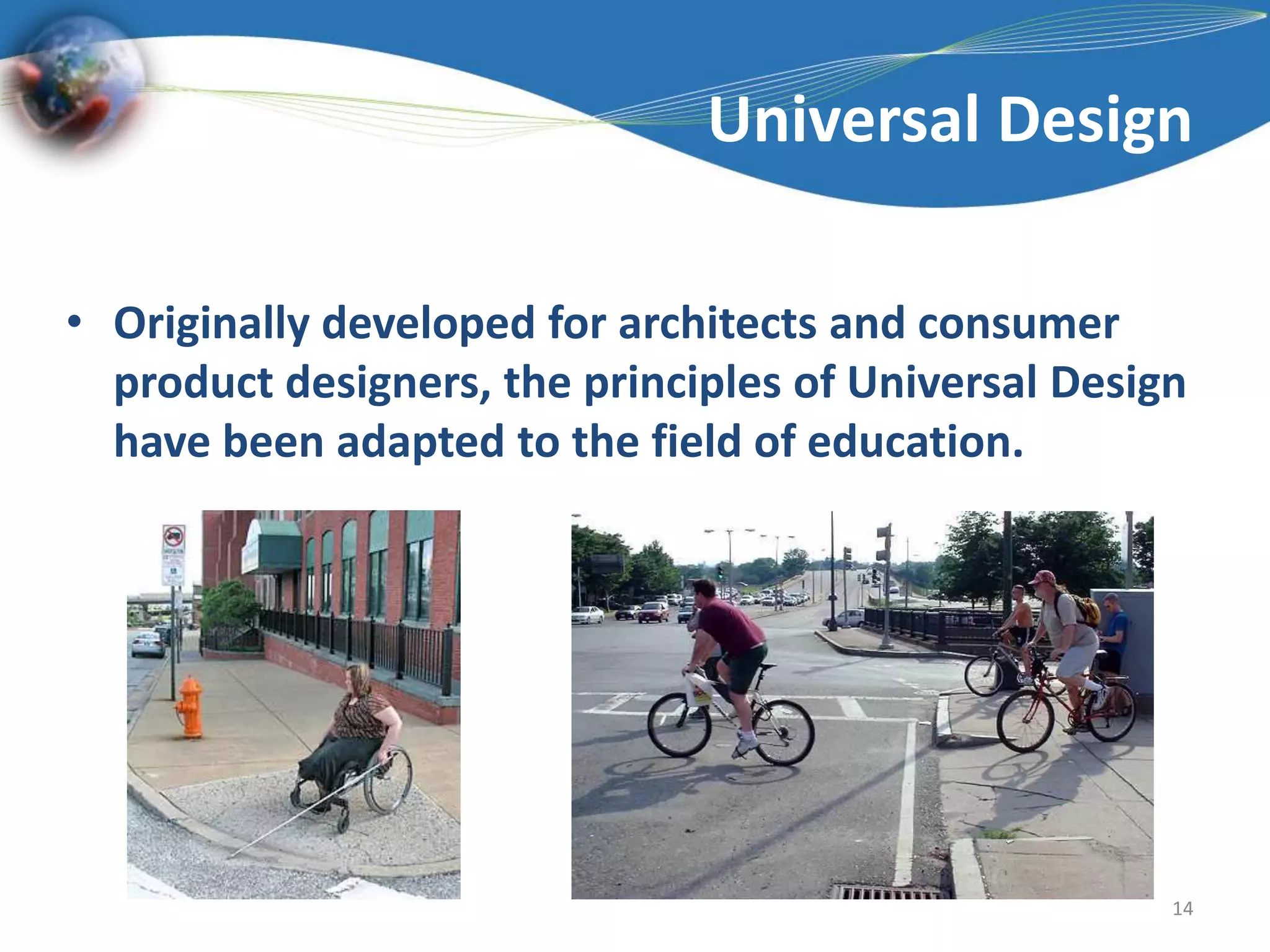
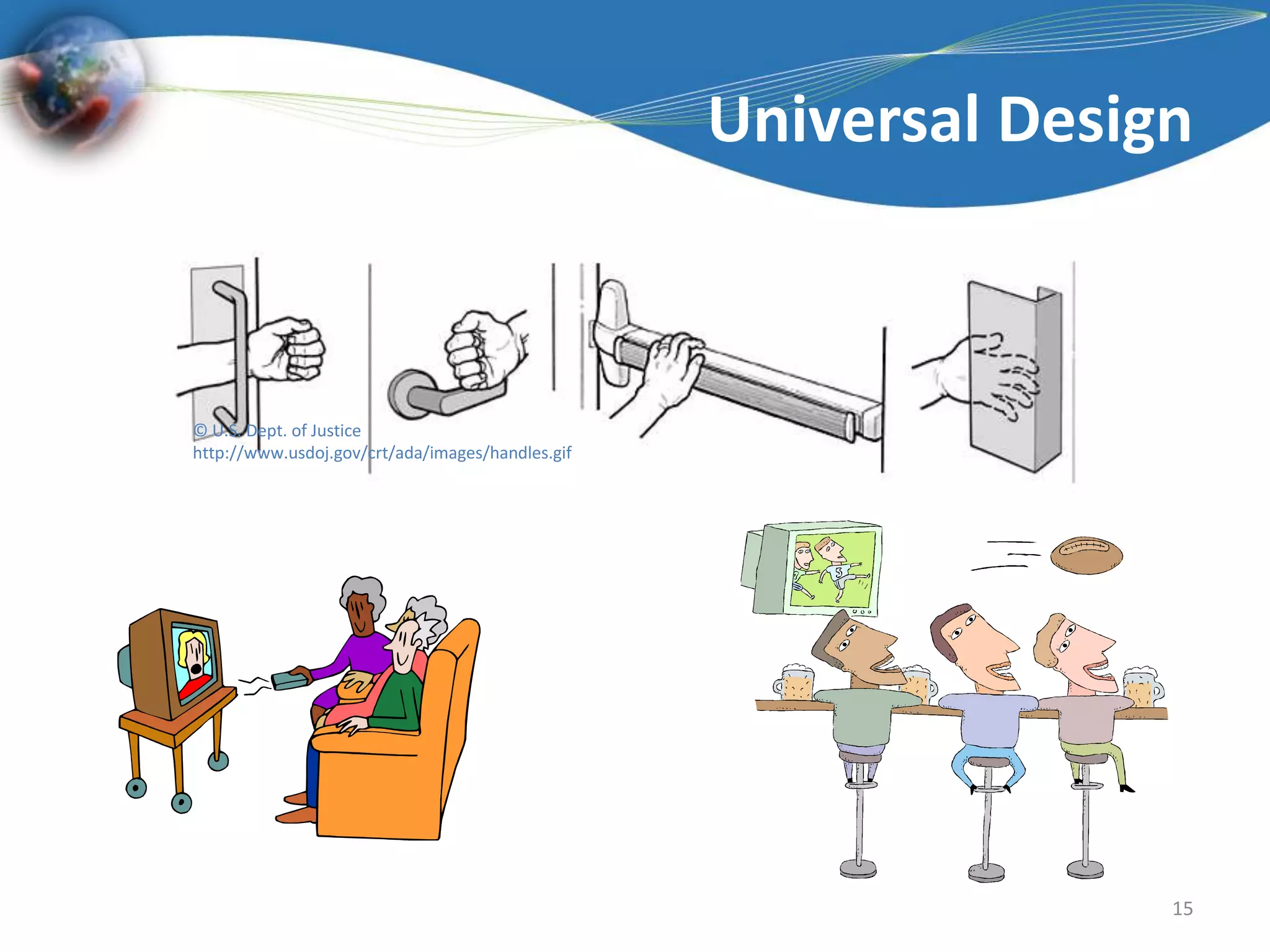
Universal DesignOriginally developed for architects and consumer product designers, the principles of Universal Design have been adapted to the field of education.14
Universal Design15© U.S. Dept. of Justice http://www.usdoj.gov/crt/ada/images/handles.gif
Universal Design for Learning(UDL)One concise description is…The central practical premise of UDL is that a curriculum should include alternatives to make it accessible and appropriate for individuals with different backgrounds, learning styles, and disabilities in widely varied learning contexts.  The universal in universal design does not imply one optimal solution for everyone. Rather, it reflects an awareness of the unique nature of each learner and the need to accommodate differences, create learning experiences that suit the learner, and maximizes his or her ability to progress. (Rose & Meyer, 2002, page 70)16
Why is it so important…Capturing the global cognitive talents of our students– maximizing students’ potentialStudent recruitmentStudent retention Teaching using methods that promote retention of what is learnedGlobal competition 17
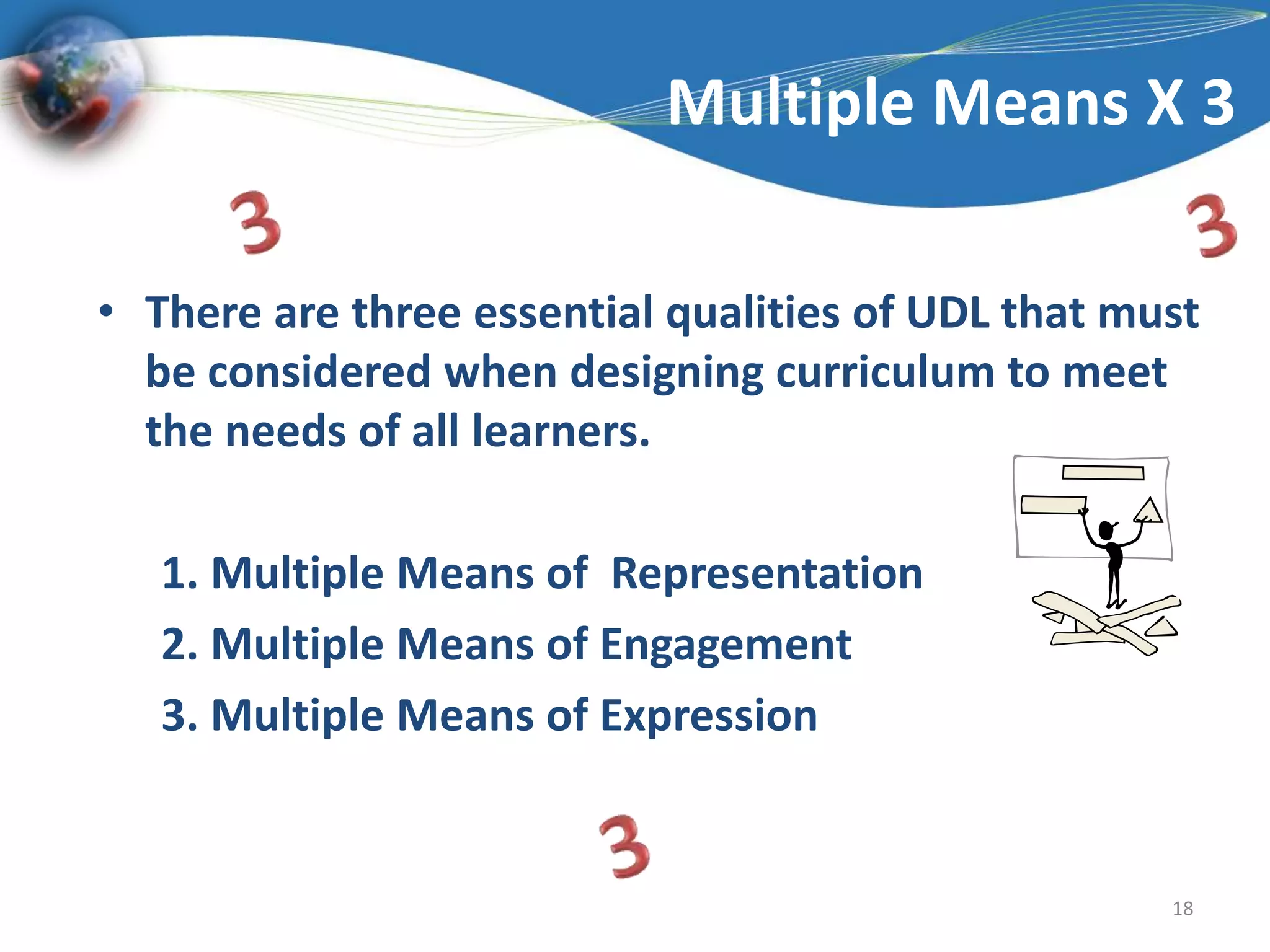
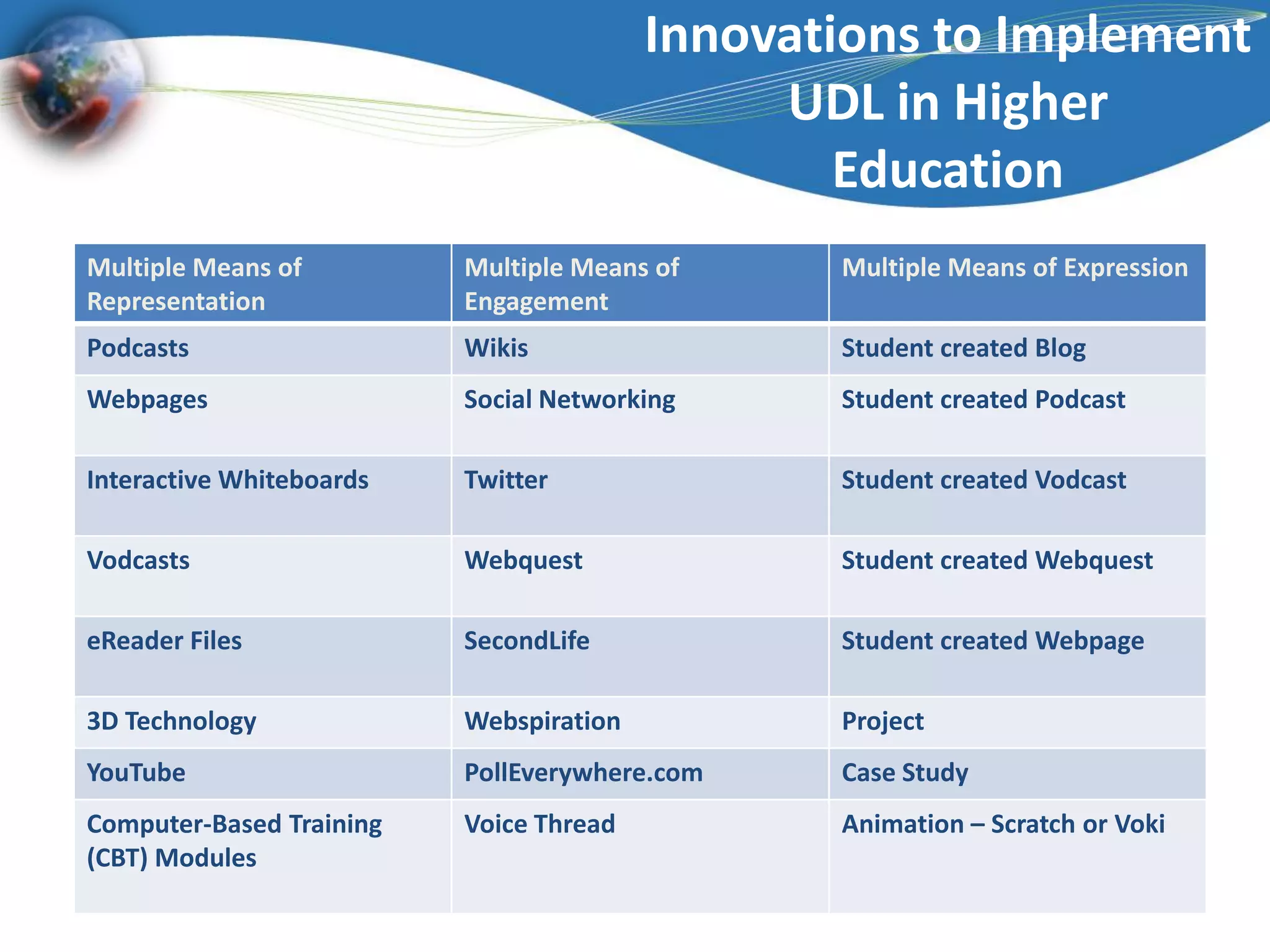
Multiple Means X 3There are three essential qualities of UDL that must be considered when designing curriculum to meet the needs of all learners.1. Multiple Means of  Representation2. Multiple Means of Engagement3. Multiple Means of Expression18333
Lets think about it…What are multiple ways to present lesson content?What are multiple ways to engage students?What are multiple ways students can express themselves?*Auditory learners?*Visual learners?*Tactile or kinesthetic learners?*What are your affective options?*What are your technology options?
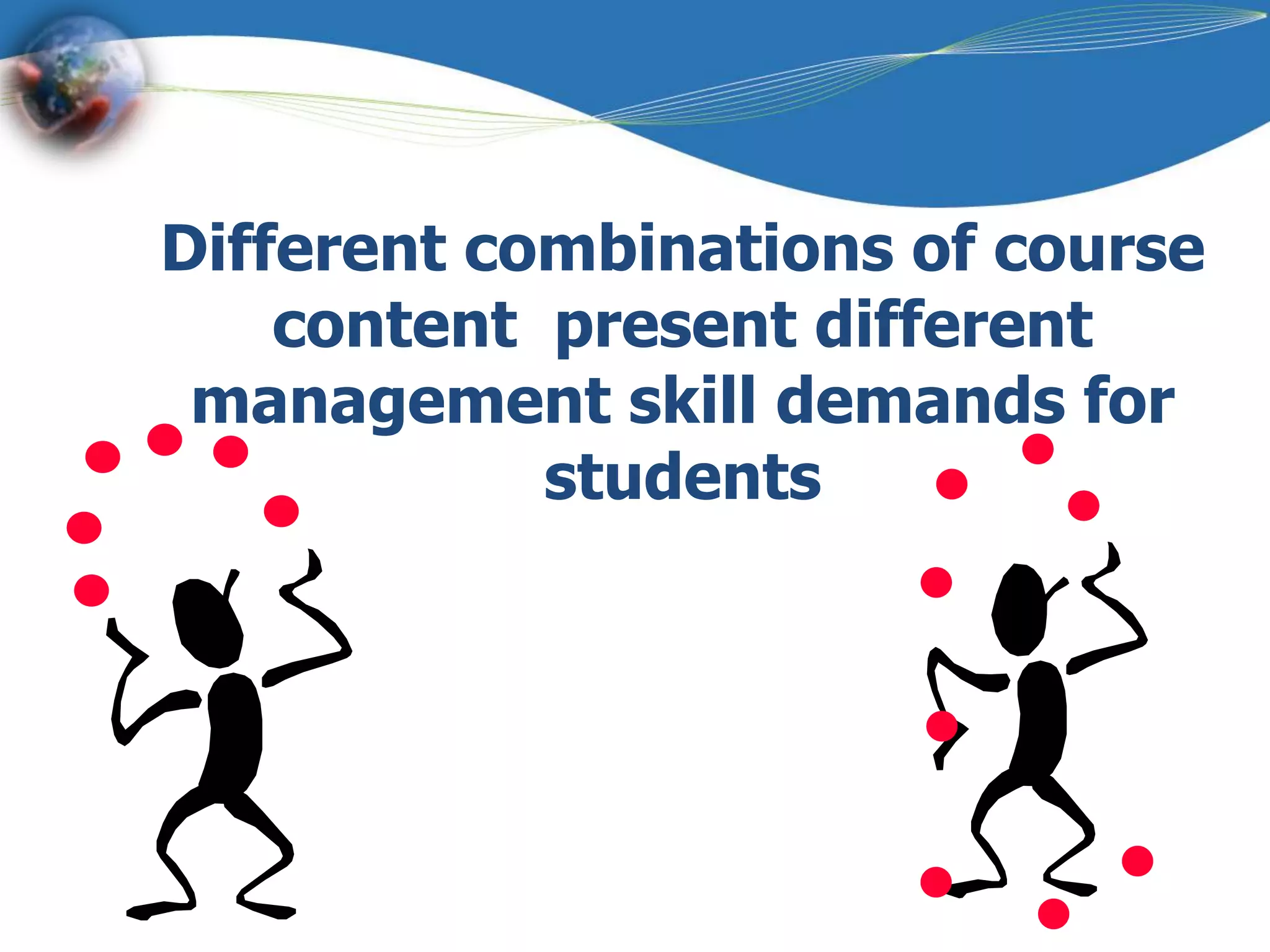
Different combinations of course content  present different management skill demands for students
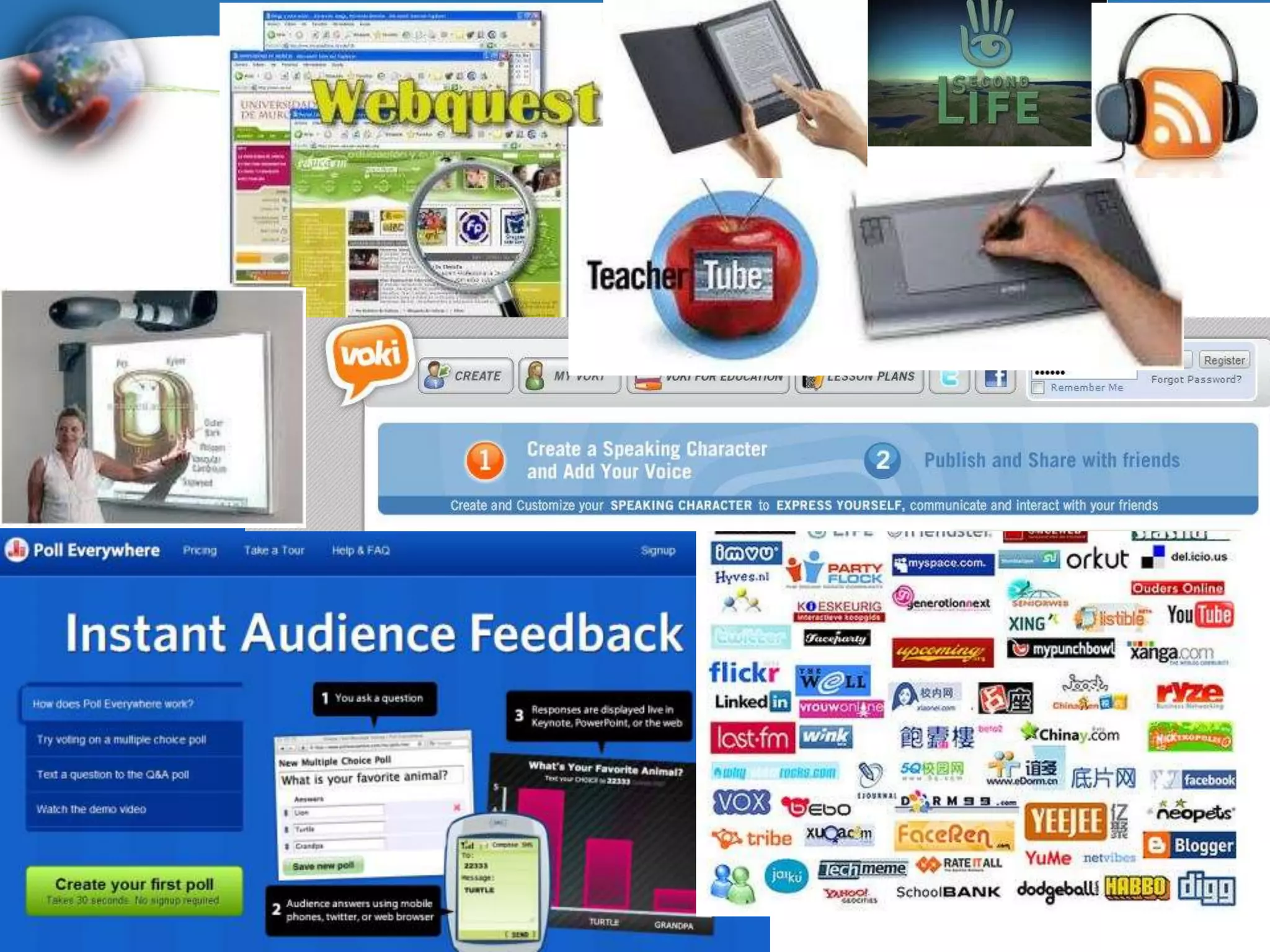
Innovations to Implement UDL in Higher Education
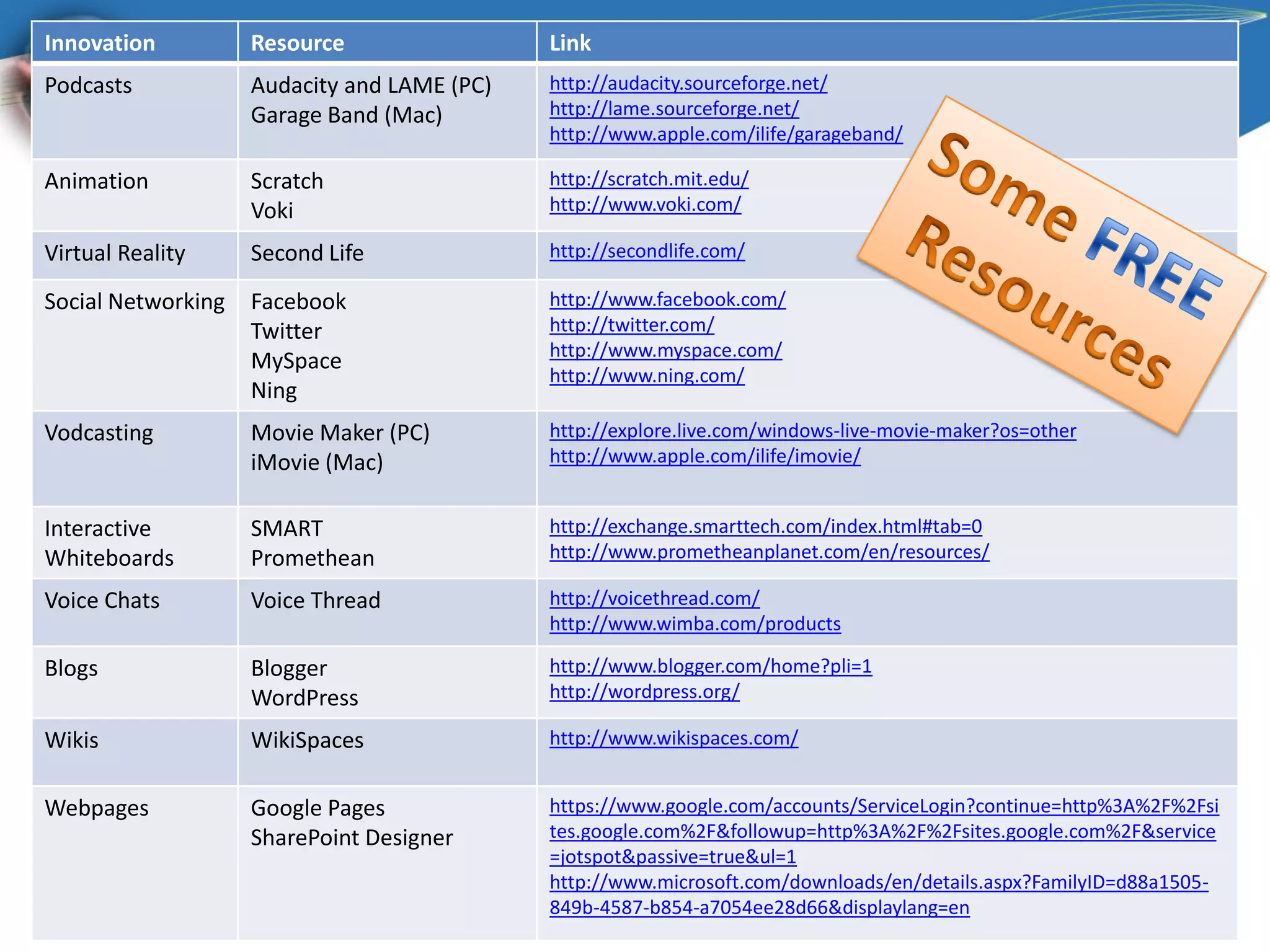
SomeFREEResources
Meeting the ChallengeAll too often we are digital immigrants teaching in a digital native’s world.  We must find a way to bridge the gap.  UDL is the answer to reaching all of our different types of learners. This is a PBS Special on Digital Media: New Learners of the 21st Century. It has interviews with John SeelyBrown, James Gee, and several other prominent people in the field of Instructional Design and Education. http://video.pbs.org/video/1797357384/ 
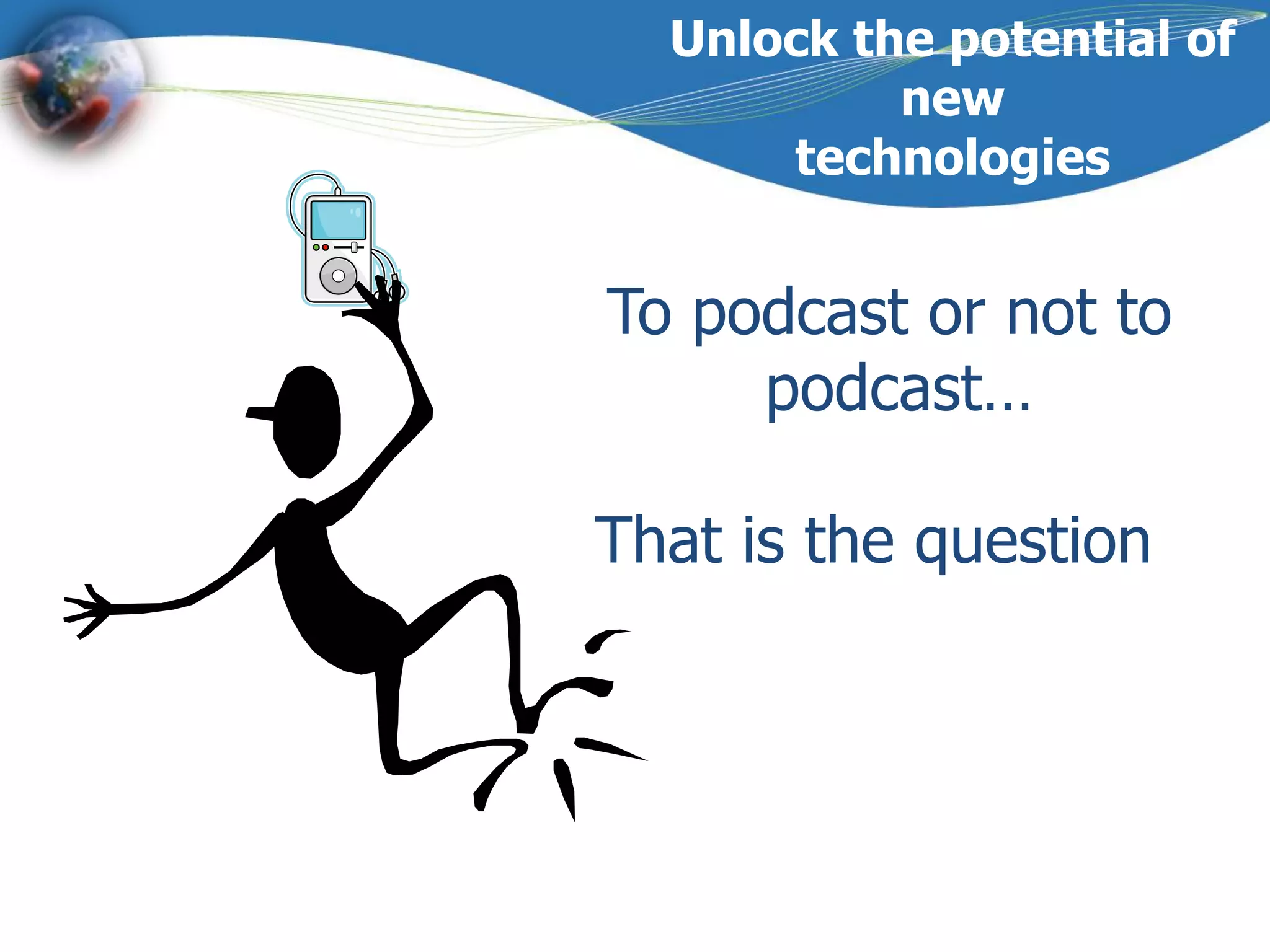
Unlock the potential of new technologiesTo podcast or not to podcast…That is the question !
Thank you!Any questions, comments, or for further information please feel free to contact us at:Dr. Nelson  - benelson@uab.eduJenelle Hodges – jmhodges@uab.edu

UDL - Creating effective and efficient learning for everyone

  • 1.
    Universal Design forLearningCreating effective and efficient learning for everyoneBetty Nelson, Ph.D.Jenelle Hodges, M.S.University of Alabama at BirminghamCollege of Arts and Sciences
  • 2.
    But Do weall learn the same?The world is full of many different people..
  • 3.
    Recognition NetworksRecognition networks:“the what of learning”identify and interpret patterns of sound, light, taste, smell, and touch
  • 4.
    Strategic NetworksStrategic networks:“the how of learning”plan, execute, and monitor actions and skills
  • 5.
    Affective NetworksAffective networks:“the why of learning”evaluate and set priorities
  • 6.
    Learning and theBrainRecognition networks (what)Strategic networks (how)Affective networks (why)
  • 8.
    Functional Magnetic ResonanceImages (fMRI) Blue = low to moderate level of activity Red = high level of activityYellow = extremely high level of activity
  • 9.
    Today’s LearnerSo ifwe all receive information differently…What does today’s classroom look like?How does learning take place?Where does learning today take place?
  • 10.
    Kinesthetic LearnerVisual LearnerAuditoryLearnerMulti-Sensory Learner
  • 11.
    Did you know?10%of what they read 20% of what they hear 30% of what they see 50% of what they see and hear 70% of what they say 90% of what they say and do Rief, Sandra F. How to Reach and Teach ADD/ADHD Children: Practical Techniques, Strategies, and Interventions for Helping Children with Attention Problems and Hyperactivity. The Center for Applied Research in Education, 1993, p. 53.
  • 12.
    We Must Avoid“One Size Fits All”
  • 13.
    The Issue FacingEducatorsTeachers look for ways to…Adapt curriculumModify instructional strategiesAssess students in ways that permit them to demonstrate their mastery of what they’ve been taughtOne answer?UDL or Universal Design for Learning13
  • 14.
    Universal DesignOriginally developedfor architects and consumer product designers, the principles of Universal Design have been adapted to the field of education.14
  • 15.
    Universal Design15© U.S.Dept. of Justice http://www.usdoj.gov/crt/ada/images/handles.gif
  • 16.
    Universal Design forLearning(UDL)One concise description is…The central practical premise of UDL is that a curriculum should include alternatives to make it accessible and appropriate for individuals with different backgrounds, learning styles, and disabilities in widely varied learning contexts. The universal in universal design does not imply one optimal solution for everyone. Rather, it reflects an awareness of the unique nature of each learner and the need to accommodate differences, create learning experiences that suit the learner, and maximizes his or her ability to progress. (Rose & Meyer, 2002, page 70)16
  • 17.
    Why is itso important…Capturing the global cognitive talents of our students– maximizing students’ potentialStudent recruitmentStudent retention Teaching using methods that promote retention of what is learnedGlobal competition 17
  • 18.
    Multiple Means X3There are three essential qualities of UDL that must be considered when designing curriculum to meet the needs of all learners.1. Multiple Means of Representation2. Multiple Means of Engagement3. Multiple Means of Expression18333
  • 19.
    Lets think aboutit…What are multiple ways to present lesson content?What are multiple ways to engage students?What are multiple ways students can express themselves?*Auditory learners?*Visual learners?*Tactile or kinesthetic learners?*What are your affective options?*What are your technology options?
  • 20.
    Different combinations ofcourse content present different management skill demands for students
  • 21.
    Innovations to ImplementUDL in Higher Education
  • 23.
  • 24.
    Meeting the ChallengeAlltoo often we are digital immigrants teaching in a digital native’s world. We must find a way to bridge the gap. UDL is the answer to reaching all of our different types of learners. This is a PBS Special on Digital Media: New Learners of the 21st Century. It has interviews with John SeelyBrown, James Gee, and several other prominent people in the field of Instructional Design and Education. http://video.pbs.org/video/1797357384/ 
  • 25.
    Unlock the potentialof new technologiesTo podcast or not to podcast…That is the question !
  • 26.
    Thank you!Any questions,comments, or for further information please feel free to contact us at:Dr. Nelson - benelson@uab.eduJenelle Hodges – jmhodges@uab.edu

Editor's Notes

  • #14 With the grwing movement towards swerving all learners in the general education classroom coupled with legislative mandates that pupils with disabilities be involved with and progress in the general education curriculum, it is not uncommon to find teachers searching for ways to do three things.Adapt curriculumModify instructional strategiesAssess students in ways that permit them to demonstrate their mastery of what they’ve been taught