Different Types
of Maps
Part II
Vineesh V,
Assistant Professor Geography,
Directorate of Collegiate Education,
Government of Kerala, India
https://g.page/vineeshvc
https://geogisgeo.blogspot.com
Choropleth Map
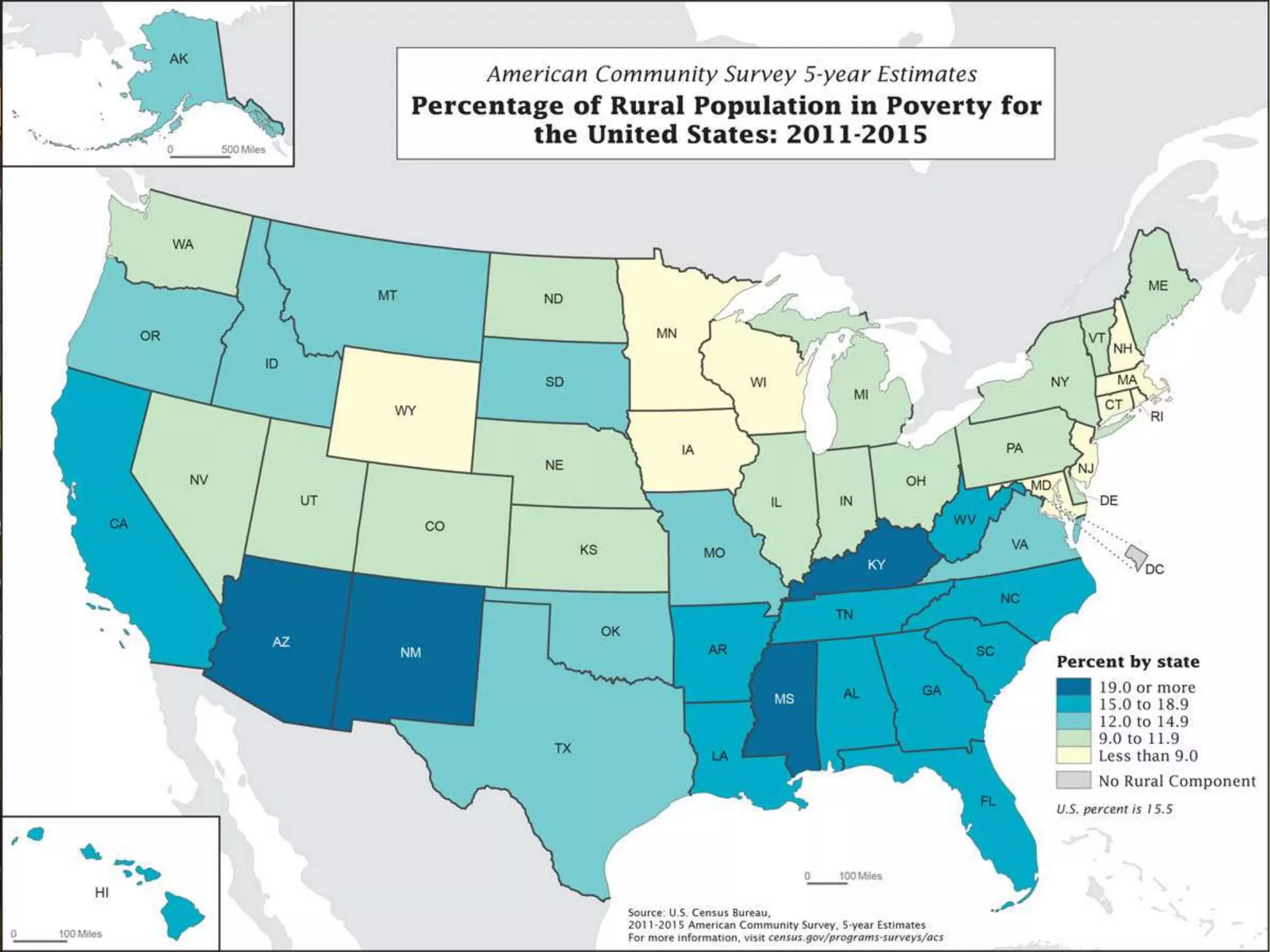
A Choropleth Map (from Greek χῶρος
"area/region" and πλῆθος "multitude") is a
type of thematic map in which areas are
shaded or patterned in proportion to a
statistical variable that represents an
aggregate summary of a geographic
characteristic within each area, such as
population density or per-capita income.
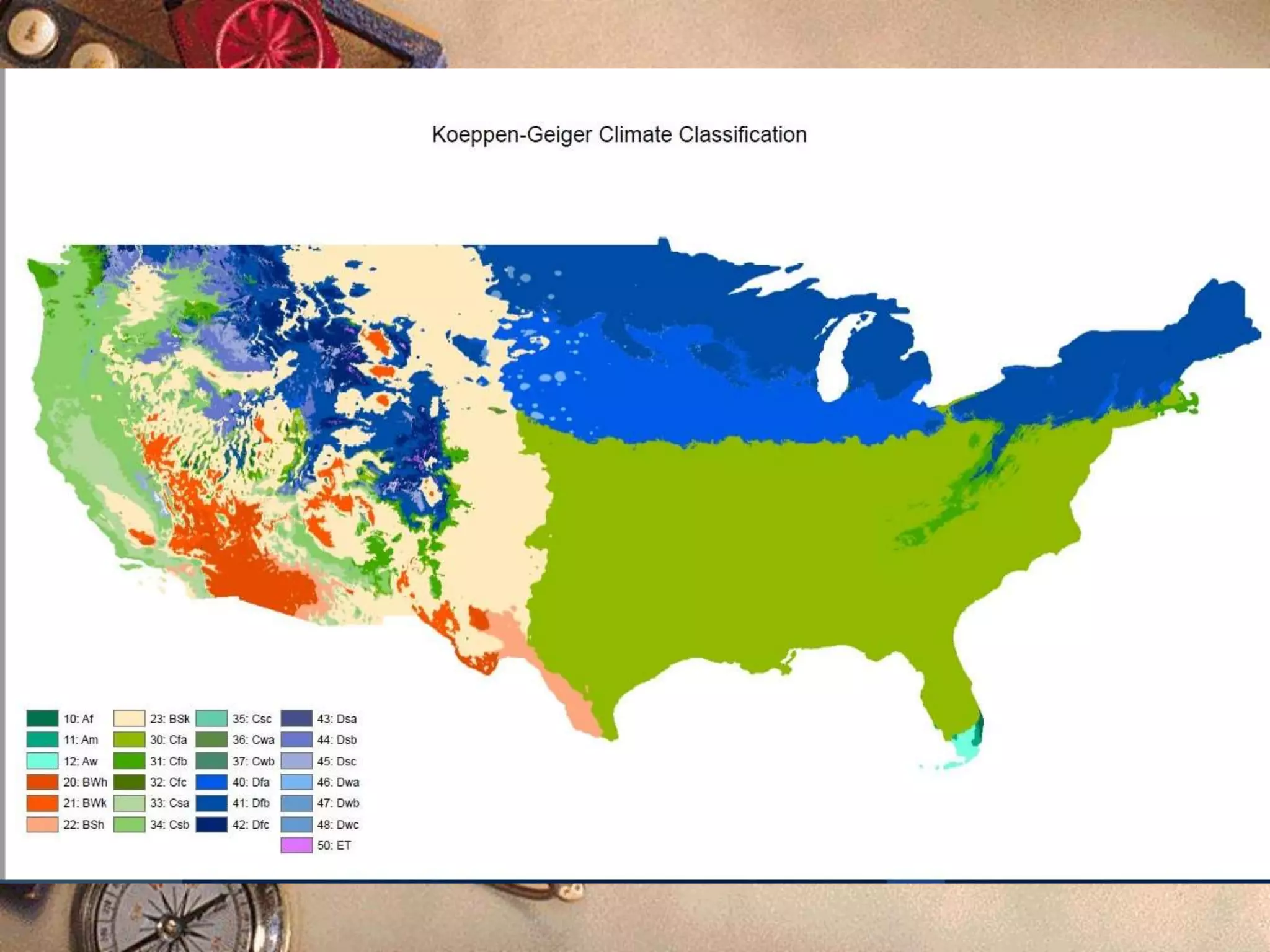
Chorochromatic Map
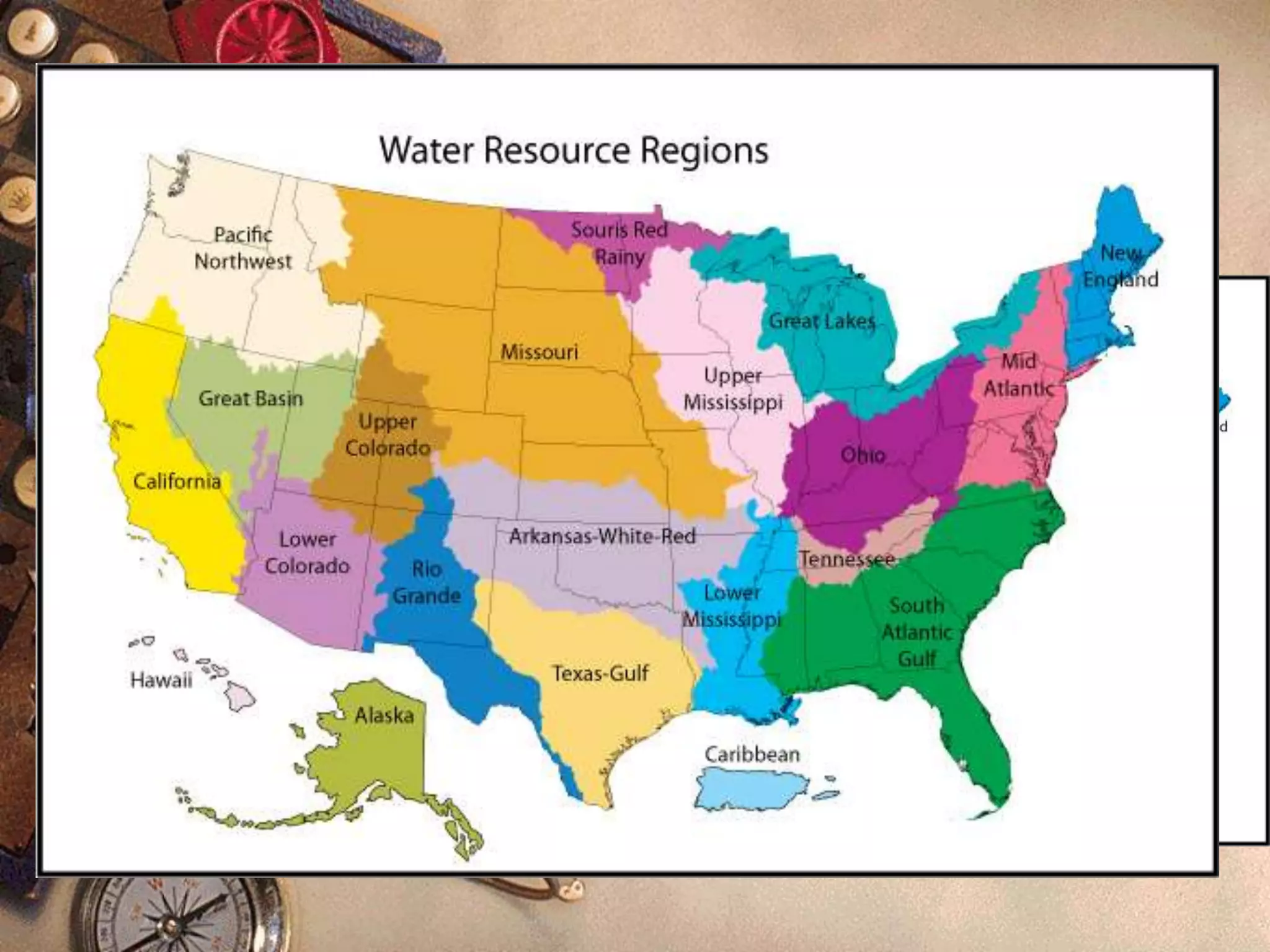
A Chorochromatic Map (from Greek χώρα
[khṓra, “location”] and χρῶμα [khrôma,
“color”]), also known as an area-class or
qualitative area maps, is a type of thematic
map that portray regions of categorical or
nominal data using variations in color
symbols.
Choroschematic Map
Choroschematic
The qualitative locational data can be
represented by the employment of qualitative
point symbols or numerals. This technique of
mapping is called choroschematic. When
symbols are used the map will give only
locational particulars.
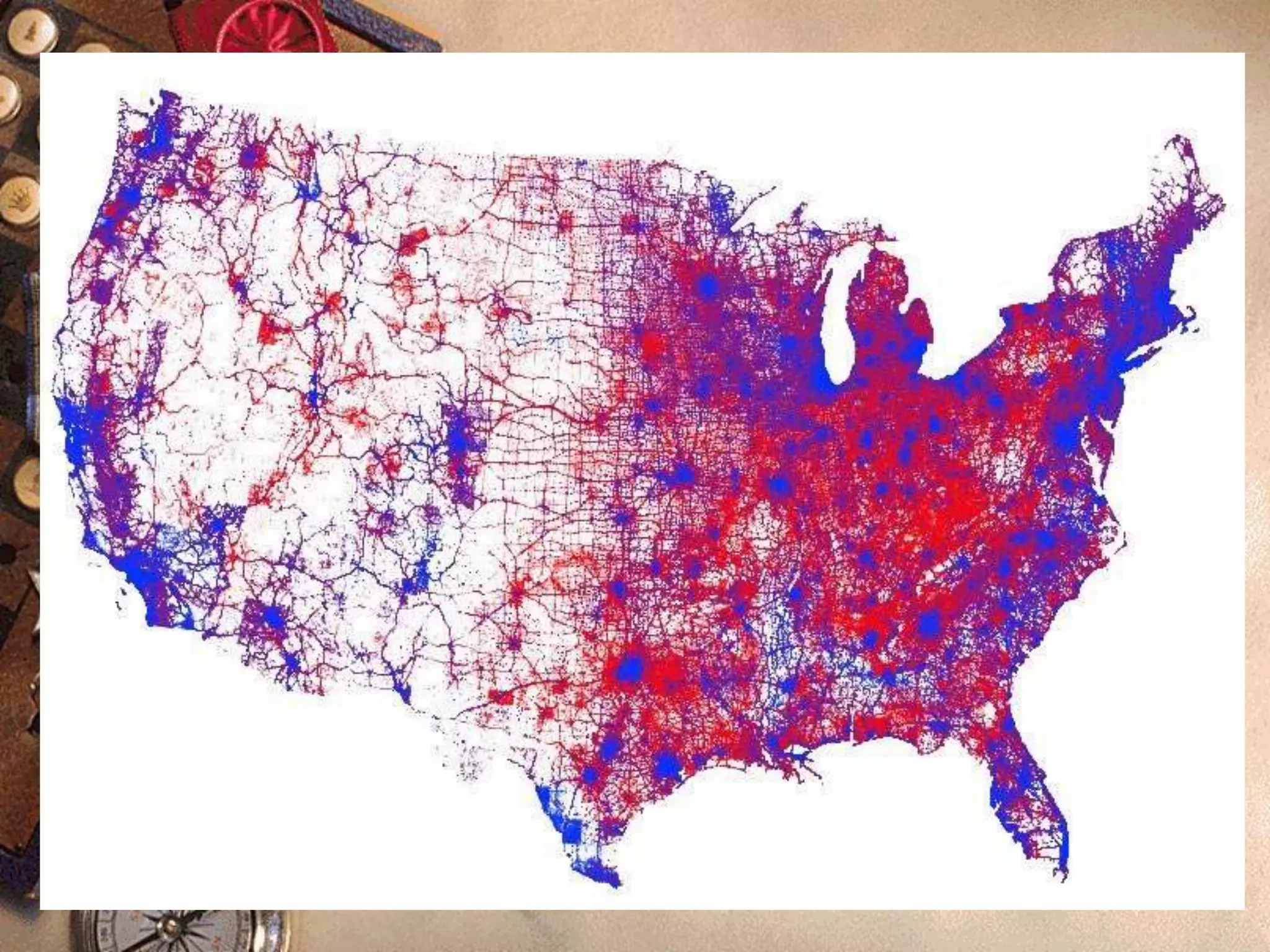
Dot Distribution Map
A dot distribution map, or dot density map, is
a map type that uses a dot symbol to show
the presence of a feature or a phenomenon.
Dot maps rely on a visual scatter to show
spatial pattern.
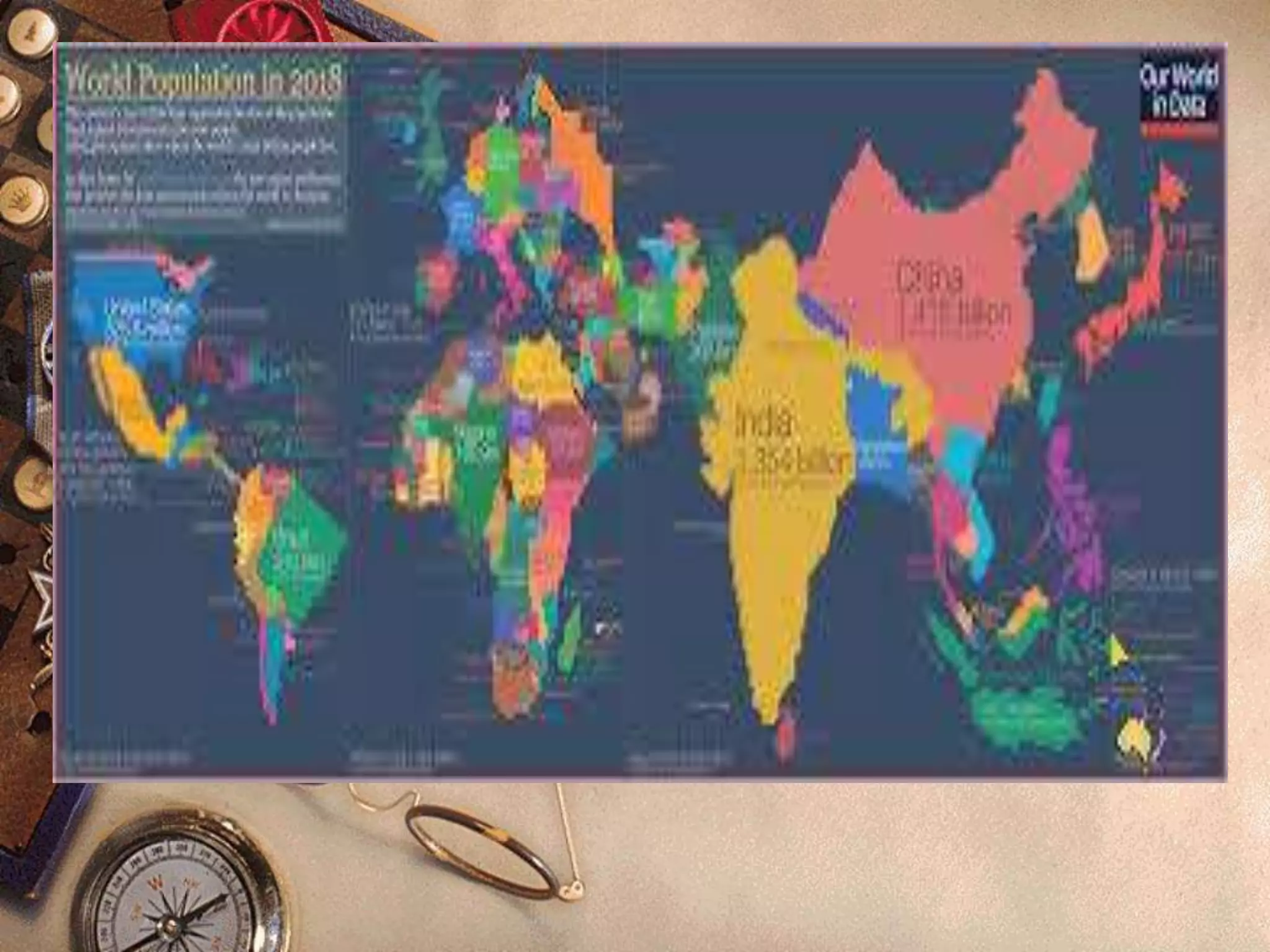
Cartogram
A cartogram is a map in which some
thematic mapping variable – such as travel
time, population, or GNP – is substituted for
land area or distance. The geometry or space
of the map is distorted, sometimes extremely,
in order to convey the information of this
alternate variable.
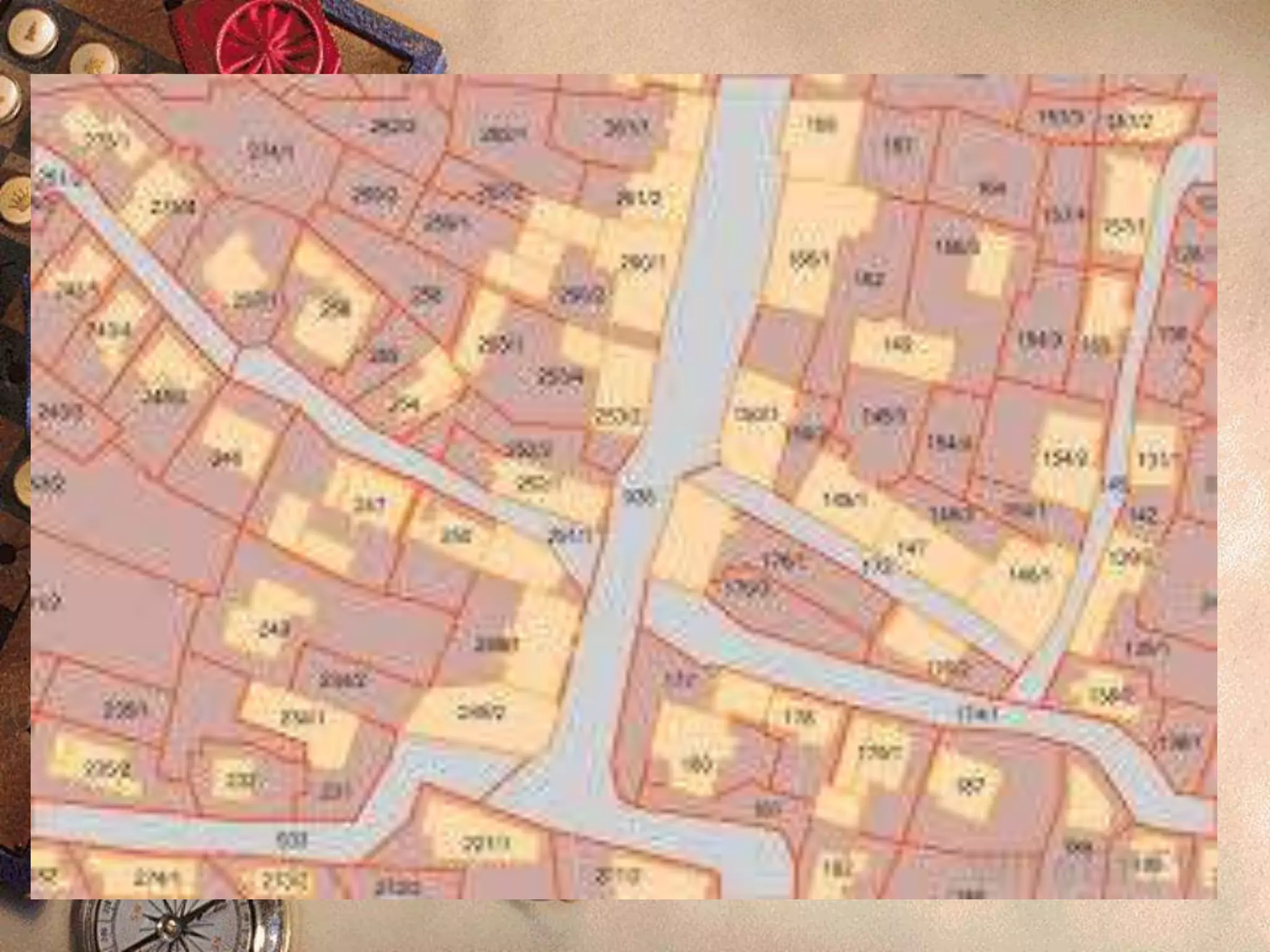
Cadastrel
A cadastre is a comprehensive land recording
of the real estate or real property's metes-
and-bounds of a country. In most countries,
legal systems have developed around the
original administrative systems and use the
cadastre to define the dimensions and
location of land parcels described in legal
documentation.
Topographic Map
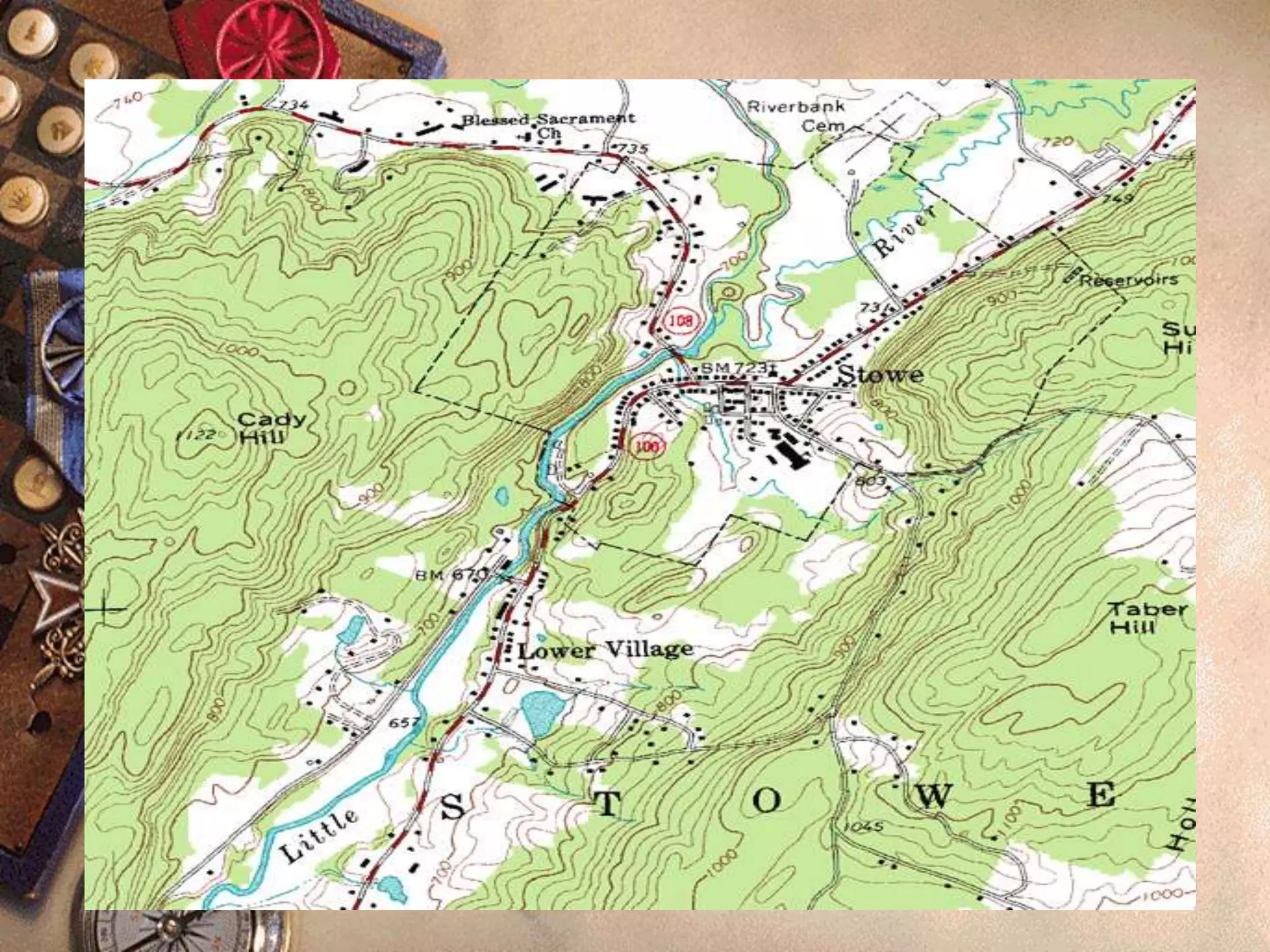
A topographic map or topographic sheet is a type of map characterized
by large-scale detail and quantitative representation of relief, usually
using contour lines (connecting points of equal elevation), but
historically using a variety of methods. Traditional definitions require a
topographic map to show both natural and artificial features.[2] A
topographic survey is typically based upon systematic observation and
published as a map series, made up of two or more map sheets that
combine to form the whole map. A topographic map series uses a
common specification that includes the range of cartographic symbols
employed, as well as a standard geodetic framework that defines the map
projection, coordinate system, ellipsoid and geodetic datum. Official
topographic maps also adopt a national grid referencing system.
Contour Line
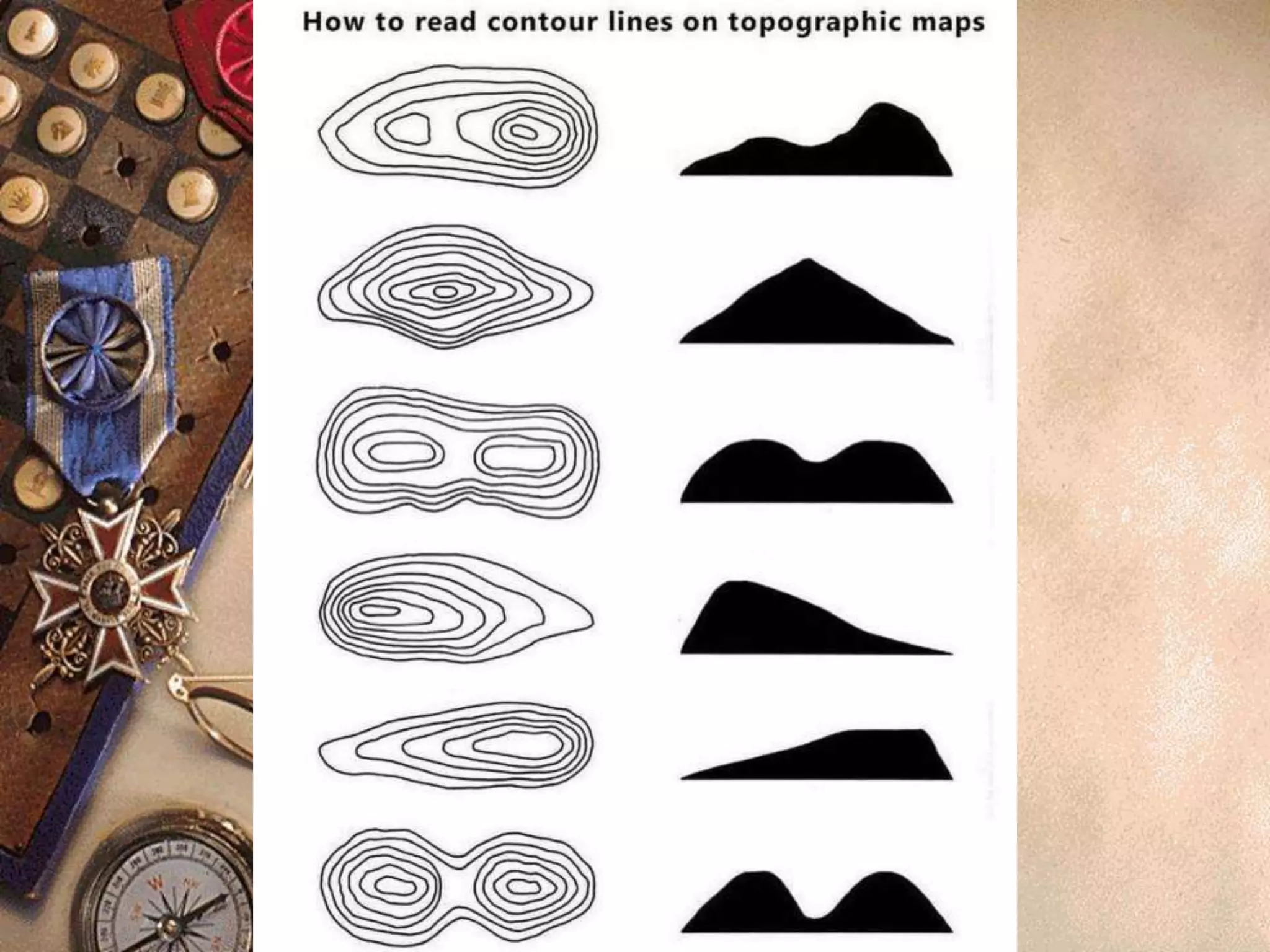
In cartography, a contour line (often just
called a "contour") joins points of equal
elevation (height) above a given level, such
as mean sea level. A contour map is a map
illustrated with contour lines, for example a
topographic map, which thus shows valleys
and hills, and the steepness or gentleness of
slopes. The contour interval of a contour map
is the difference in elevation between
successive contour lines
Isopleth Maps
Isopleth maps simplify information about a
region by showing areas with continuous
distribution. Isopleth maps may use lines to
show areas where elevation, temperature,
rainfall, or some other quality is the same;
values between lines can be interpolated.
Types of-maps - part 2

Types of-maps - part 2

  • 1.
    Different Types of Maps PartII Vineesh V, Assistant Professor Geography, Directorate of Collegiate Education, Government of Kerala, India https://g.page/vineeshvc https://geogisgeo.blogspot.com
  • 2.
    Choropleth Map A ChoroplethMap (from Greek χῶρος "area/region" and πλῆθος "multitude") is a type of thematic map in which areas are shaded or patterned in proportion to a statistical variable that represents an aggregate summary of a geographic characteristic within each area, such as population density or per-capita income.
  • 4.
    Chorochromatic Map A ChorochromaticMap (from Greek χώρα [khṓra, “location”] and χρῶμα [khrôma, “color”]), also known as an area-class or qualitative area maps, is a type of thematic map that portray regions of categorical or nominal data using variations in color symbols.
  • 6.
    Choroschematic Map Choroschematic The qualitativelocational data can be represented by the employment of qualitative point symbols or numerals. This technique of mapping is called choroschematic. When symbols are used the map will give only locational particulars.
  • 8.
    Dot Distribution Map Adot distribution map, or dot density map, is a map type that uses a dot symbol to show the presence of a feature or a phenomenon. Dot maps rely on a visual scatter to show spatial pattern.
  • 10.
    Cartogram A cartogram isa map in which some thematic mapping variable – such as travel time, population, or GNP – is substituted for land area or distance. The geometry or space of the map is distorted, sometimes extremely, in order to convey the information of this alternate variable.
  • 12.
    Cadastrel A cadastre isa comprehensive land recording of the real estate or real property's metes- and-bounds of a country. In most countries, legal systems have developed around the original administrative systems and use the cadastre to define the dimensions and location of land parcels described in legal documentation.
  • 14.
    Topographic Map A topographicmap or topographic sheet is a type of map characterized by large-scale detail and quantitative representation of relief, usually using contour lines (connecting points of equal elevation), but historically using a variety of methods. Traditional definitions require a topographic map to show both natural and artificial features.[2] A topographic survey is typically based upon systematic observation and published as a map series, made up of two or more map sheets that combine to form the whole map. A topographic map series uses a common specification that includes the range of cartographic symbols employed, as well as a standard geodetic framework that defines the map projection, coordinate system, ellipsoid and geodetic datum. Official topographic maps also adopt a national grid referencing system.
  • 16.
    Contour Line In cartography,a contour line (often just called a "contour") joins points of equal elevation (height) above a given level, such as mean sea level. A contour map is a map illustrated with contour lines, for example a topographic map, which thus shows valleys and hills, and the steepness or gentleness of slopes. The contour interval of a contour map is the difference in elevation between successive contour lines
  • 18.
    Isopleth Maps Isopleth mapssimplify information about a region by showing areas with continuous distribution. Isopleth maps may use lines to show areas where elevation, temperature, rainfall, or some other quality is the same; values between lines can be interpolated.