Types of digital computers
 Khizra Ashraf (42)
 Aqsa Bibi (04)
 Tabassum Sabir (03)
 Rimsha Ijaz (22)
 Sehrish Sharif (13)
 Maryam Siddique (05)
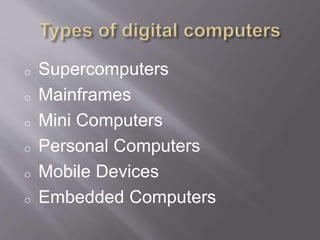
o Supercomputers
o Mainframes
o Mini Computers
o Personal Computers
o Mobile Devices
o Embedded Computers
 Developed in 1980’s by Cray.
 Heavy , powerful , expensive.
 Process large amount of data.
 Store more than 20,000 times data than desktop
computers.
 Solve complicated problems.
 Thousands computers can be connected at same time.
 Use in weather forecasting , aircraft designs , online
banking.
 Examples:
 CRAY-1,CRAY-2 etc.
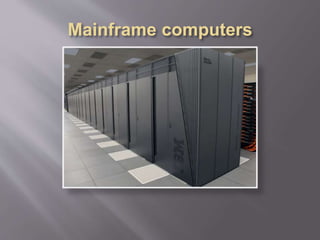
 Introduced in 1975.
 Large in size , can store large amount of
data/instructions information.
 Has multiple processors and can process millions
of instructions per second.
 They can be use in large organizations such as in
banks , in airlines for scheduling and reservation of
seats.
 Special use in Network environment.
 Examples:
 IBM S/390,Control Data CYBER 176 etc.
 First introduced in mid of 1960’s.
 Also known as midrange computers.
 Small in size , costly than PCs , having multiple
processors.
 Processing speed is less than mainframe but more
than PC.
 Use in business , education , in Govt
Departments.
 Mostly use as server in network environment.
 Examples:
 IBM AS/400 , IBM System 360,HP 3000 etc.
 First designed by IBM in 1981 names as IBM-PC.
 Also known as microcomputers.
 small in size , less expensive , consist of processor
, input/output devices , storage devices
,communication devices.
 “PC-compatible” refers to any personal computer
based on original IBM personal computer design.
 PC and PC-compatible use Windows operating
system while Apple usually use Macintosh
operating system (Mac OS).
 Companies making PCs Dell , HP , Toshiba.
Types of
PCs:
 Desktop
Computers
 Server Computer
 Workstation
 Notebook
Computers
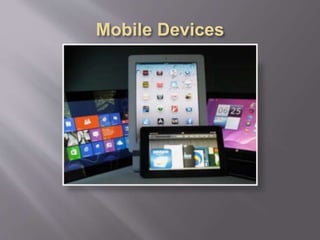
 Small in size , can fit in pocket or in one hand ,
internet enabled device.
 Don’t have Disk Drives.
 Stores information and programs permanently on
special storage media like Memory cards.
 Can be connect to PC for exchange data.
 Examples:
 Handheld computers , PDAs (personal digital
assistant) , smart phones, portable media players ,
digital computers etc.
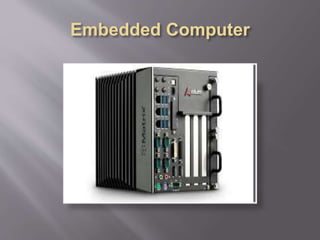
 Also called microcontroller.
 Computing device , limited hardware , have circuit
board , control functions of device.
 Use in many electronic devices like mobiles and
digital telephone , printers , DVD players , fax
machines , photocopy machines etc.
 In medical equipment , washing machines ,
microwave oven.
 Example:
 Microcontroller in a printer monitors the functions
of printer.
Types of digital computers

Types of digital computers

  • 1.
  • 2.
     Khizra Ashraf(42)  Aqsa Bibi (04)  Tabassum Sabir (03)  Rimsha Ijaz (22)  Sehrish Sharif (13)  Maryam Siddique (05)
  • 3.
    o Supercomputers o Mainframes oMini Computers o Personal Computers o Mobile Devices o Embedded Computers
  • 4.
     Developed in1980’s by Cray.  Heavy , powerful , expensive.  Process large amount of data.  Store more than 20,000 times data than desktop computers.  Solve complicated problems.  Thousands computers can be connected at same time.  Use in weather forecasting , aircraft designs , online banking.  Examples:  CRAY-1,CRAY-2 etc.
  • 6.
     Introduced in1975.  Large in size , can store large amount of data/instructions information.  Has multiple processors and can process millions of instructions per second.  They can be use in large organizations such as in banks , in airlines for scheduling and reservation of seats.  Special use in Network environment.  Examples:  IBM S/390,Control Data CYBER 176 etc.
  • 8.
     First introducedin mid of 1960’s.  Also known as midrange computers.  Small in size , costly than PCs , having multiple processors.  Processing speed is less than mainframe but more than PC.  Use in business , education , in Govt Departments.  Mostly use as server in network environment.  Examples:  IBM AS/400 , IBM System 360,HP 3000 etc.
  • 9.
     First designedby IBM in 1981 names as IBM-PC.  Also known as microcomputers.  small in size , less expensive , consist of processor , input/output devices , storage devices ,communication devices.  “PC-compatible” refers to any personal computer based on original IBM personal computer design.  PC and PC-compatible use Windows operating system while Apple usually use Macintosh operating system (Mac OS).  Companies making PCs Dell , HP , Toshiba.
  • 10.
    Types of PCs:  Desktop Computers Server Computer  Workstation  Notebook Computers
  • 11.
     Small insize , can fit in pocket or in one hand , internet enabled device.  Don’t have Disk Drives.  Stores information and programs permanently on special storage media like Memory cards.  Can be connect to PC for exchange data.  Examples:  Handheld computers , PDAs (personal digital assistant) , smart phones, portable media players , digital computers etc.
  • 13.
     Also calledmicrocontroller.  Computing device , limited hardware , have circuit board , control functions of device.  Use in many electronic devices like mobiles and digital telephone , printers , DVD players , fax machines , photocopy machines etc.  In medical equipment , washing machines , microwave oven.  Example:  Microcontroller in a printer monitors the functions of printer.