Ruchi Chaudhary, Warren Tom, Iris Casuga, Dinesh Cyanam, Vinay Mittal, Nick Khazanov, Paul Williams, Asha Kamat, Dumitru Brinza, Janice Au-Young, Seth Sadis, Fiona C. L. Hyland. Thermo Fisher Scientific, South San Francisco, CA 94088
RESULTS
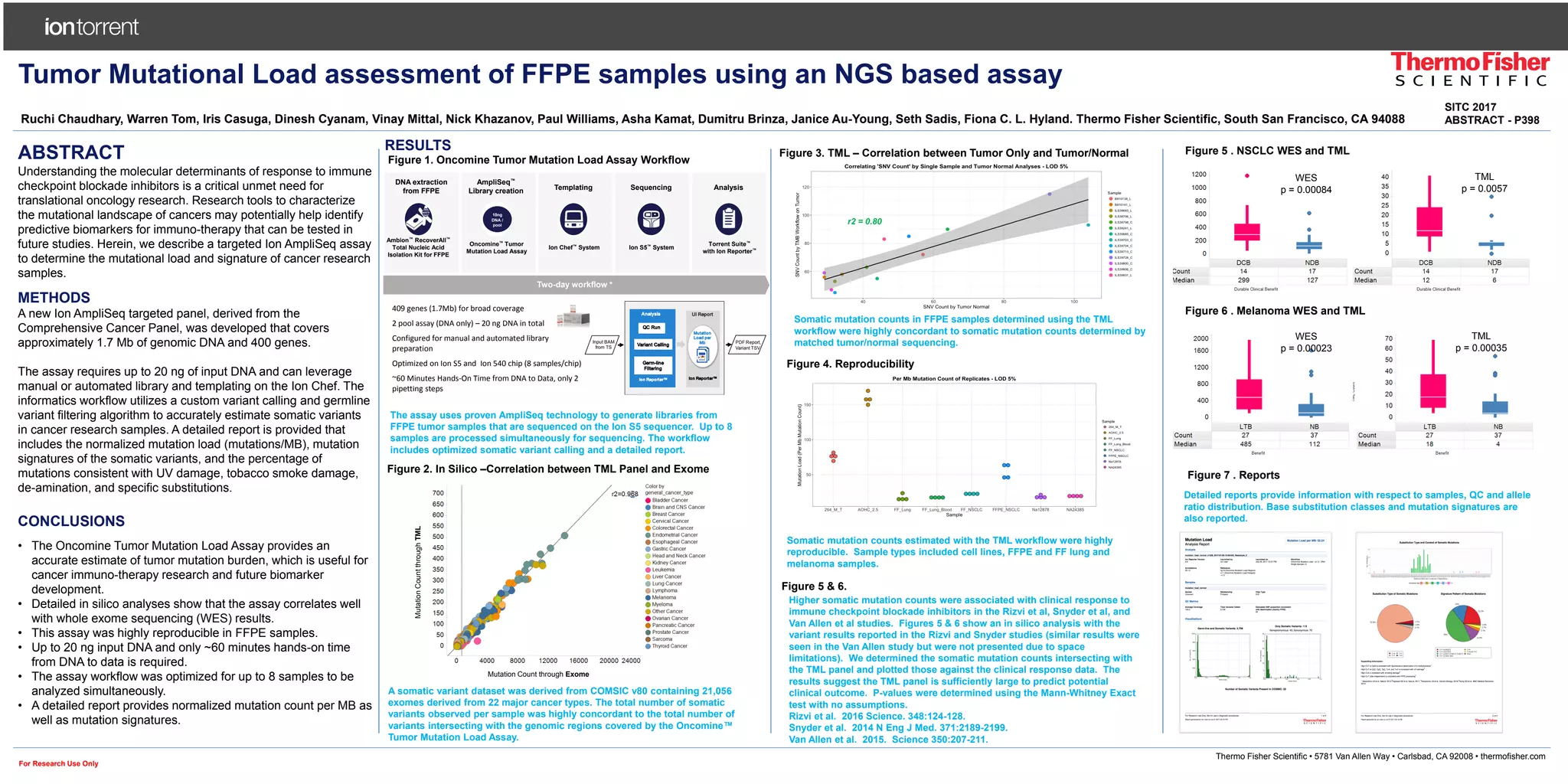
Figure 1. Oncomine Tumor Mutation Load Assay Workflow
Tumor Mutational Load assessment of FFPE samples using an NGS based assay
Thermo Fisher Scientific • 5781 Van Allen Way • Carlsbad, CA 92008 • thermofisher.com
ABSTRACT
Understanding the molecular determinants of response to immune
checkpoint blockade inhibitors is a critical unmet need for
translational oncology research. Research tools to characterize
the mutational landscape of cancers may potentially help identify
predictive biomarkers for immuno-therapy that can be tested in
future studies. Herein, we describe a targeted Ion AmpliSeq assay
to determine the mutational load and signature of cancer research
samples.
METHODS
A new Ion AmpliSeq targeted panel, derived from the
Comprehensive Cancer Panel, was developed that covers
approximately 1.7 Mb of genomic DNA and 400 genes.
The assay requires up to 20 ng of input DNA and can leverage
manual or automated library and templating on the Ion Chef. The
informatics workflow utilizes a custom variant calling and germline
variant filtering algorithm to accurately estimate somatic variants
in cancer research samples. A detailed report is provided that
includes the normalized mutation load (mutations/MB), mutation
signatures of the somatic variants, and the percentage of
mutations consistent with UV damage, tobacco smoke damage,
de-amination, and specific substitutions.
CONCLUSIONS
• The Oncomine Tumor Mutation Load Assay provides an
accurate estimate of tumor mutation burden, which is useful for
cancer immuno-therapy research and future biomarker
development.
• Detailed in silico analyses show that the assay correlates well
with whole exome sequencing (WES) results.
• This assay was highly reproducible in FFPE samples.
• Up to 20 ng input DNA and only ~60 minutes hands-on time
from DNA to data is required.
• The assay workflow was optimized for up to 8 samples to be
analyzed simultaneously.
• A detailed report provides normalized mutation count per MB as
well as mutation signatures.
SITC 2017
ABSTRACT - P398
Figure 2. In Silico –Correlation between TML Panel and Exome
Figure 3. TML – Correlation between Tumor Only and Tumor/Normal
Figure 4. Reproducibility
DNA extraction
from FFPE
AmpliSeq™
Library creation Templating Sequencing Analysis
Ambion™ RecoverAll™
Total Nucleic Acid
Isolation Kit for FFPE
Oncomine™ Tumor
Mutation Load Assay
Ion Chef™ System Ion S5™ System
Torrent Suite™
with Ion Reporter™
Two-day workflow *
409 genes (1.7Mb) for broad coverage
2 pool assay (DNA only) – 20 ng DNA in total
Configured for manual and automated library
preparation
Optimized on Ion S5 and Ion 540 chip (8 samples/chip)
~60 Minutes Hands-On Time from DNA to Data, only 2
pipetting steps
UI ReportAnalysis
Ion Reporter™
Variant Calling
Germ-line
Filtering
Ion Reporter™
QC Run
Input BAM
from TS
Mutation
Load per
Mb PDF Report,
Variant TSV
10ng
DNA /
pool
A somatic variant dataset was derived from COMSIC v80 containing 21,056
exomes derived from 22 major cancer types. The total number of somatic
variants observed per sample was highly concordant to the total number of
variants intersecting with the genomic regions covered by the Oncomine™
Tumor Mutation Load Assay.


For Research Use Only
r2 = 0.80
Mutation Count through Exome
MutationCountthroughTML
Figure 7 . Reports
The assay uses proven AmpliSeq technology to generate libraries from
FFPE tumor samples that are sequenced on the Ion S5 sequencer. Up to 8
samples are processed simultaneously for sequencing. The workflow
includes optimized somatic variant calling and a detailed report.
Somatic mutation counts in FFPE samples determined using the TML
workflow were highly concordant to somatic mutation counts determined by
matched tumor/normal sequencing.
Somatic mutation counts estimated with the TML workflow were highly
reproducible. Sample types included cell lines, FFPE and FF lung and
melanoma samples.
Detailed reports provide information with respect to samples, QC and allele
ratio distribution. Base substitution classes and mutation signatures are
also reported.
Figure 6 . Melanoma WES and TML
Higher somatic mutation counts were associated with clinical response to
immune checkpoint blockade inhibitors in the Rizvi et al, Snyder et al, and
Van Allen et al studies. Figures 5 & 6 show an in silico analysis with the
variant results reported in the Rizvi and Snyder studies (similar results were
seen in the Van Allen study but were not presented due to space
limitations). We determined the somatic mutation counts intersecting with
the TML panel and plotted those against the clinical response data. The
results suggest the TML panel is sufficiently large to predict potential
clinical outcome. P-values were determined using the Mann-Whitney Exact
test with no assumptions.
Rizvi et al. 2016 Science. 348:124-128.
Snyder et al. 2014 N Eng J Med. 371:2189-2199.
Van Allen et al. 2015. Science 350:207-211.
Figure 5 . NSCLC WES and TML
Figure 5 & 6.
WES
p = 0.00084
TML
p = 0.0057
WES
p = 0.00023
TML
p = 0.00035

Tumor Mutational Load assessment of FFPE samples using an NGS based assay

  • 1.
    Ruchi Chaudhary, WarrenTom, Iris Casuga, Dinesh Cyanam, Vinay Mittal, Nick Khazanov, Paul Williams, Asha Kamat, Dumitru Brinza, Janice Au-Young, Seth Sadis, Fiona C. L. Hyland. Thermo Fisher Scientific, South San Francisco, CA 94088 RESULTS Figure 1. Oncomine Tumor Mutation Load Assay Workflow Tumor Mutational Load assessment of FFPE samples using an NGS based assay Thermo Fisher Scientific • 5781 Van Allen Way • Carlsbad, CA 92008 • thermofisher.com ABSTRACT Understanding the molecular determinants of response to immune checkpoint blockade inhibitors is a critical unmet need for translational oncology research. Research tools to characterize the mutational landscape of cancers may potentially help identify predictive biomarkers for immuno-therapy that can be tested in future studies. Herein, we describe a targeted Ion AmpliSeq assay to determine the mutational load and signature of cancer research samples. METHODS A new Ion AmpliSeq targeted panel, derived from the Comprehensive Cancer Panel, was developed that covers approximately 1.7 Mb of genomic DNA and 400 genes. The assay requires up to 20 ng of input DNA and can leverage manual or automated library and templating on the Ion Chef. The informatics workflow utilizes a custom variant calling and germline variant filtering algorithm to accurately estimate somatic variants in cancer research samples. A detailed report is provided that includes the normalized mutation load (mutations/MB), mutation signatures of the somatic variants, and the percentage of mutations consistent with UV damage, tobacco smoke damage, de-amination, and specific substitutions. CONCLUSIONS • The Oncomine Tumor Mutation Load Assay provides an accurate estimate of tumor mutation burden, which is useful for cancer immuno-therapy research and future biomarker development. • Detailed in silico analyses show that the assay correlates well with whole exome sequencing (WES) results. • This assay was highly reproducible in FFPE samples. • Up to 20 ng input DNA and only ~60 minutes hands-on time from DNA to data is required. • The assay workflow was optimized for up to 8 samples to be analyzed simultaneously. • A detailed report provides normalized mutation count per MB as well as mutation signatures. SITC 2017 ABSTRACT - P398 Figure 2. In Silico –Correlation between TML Panel and Exome Figure 3. TML – Correlation between Tumor Only and Tumor/Normal Figure 4. Reproducibility DNA extraction from FFPE AmpliSeq™ Library creation Templating Sequencing Analysis Ambion™ RecoverAll™ Total Nucleic Acid Isolation Kit for FFPE Oncomine™ Tumor Mutation Load Assay Ion Chef™ System Ion S5™ System Torrent Suite™ with Ion Reporter™ Two-day workflow * 409 genes (1.7Mb) for broad coverage 2 pool assay (DNA only) – 20 ng DNA in total Configured for manual and automated library preparation Optimized on Ion S5 and Ion 540 chip (8 samples/chip) ~60 Minutes Hands-On Time from DNA to Data, only 2 pipetting steps UI ReportAnalysis Ion Reporter™ Variant Calling Germ-line Filtering Ion Reporter™ QC Run Input BAM from TS Mutation Load per Mb PDF Report, Variant TSV 10ng DNA / pool A somatic variant dataset was derived from COMSIC v80 containing 21,056 exomes derived from 22 major cancer types. The total number of somatic variants observed per sample was highly concordant to the total number of variants intersecting with the genomic regions covered by the Oncomine™ Tumor Mutation Load Assay. For Research Use Only r2 = 0.80 Mutation Count through Exome MutationCountthroughTML Figure 7 . Reports The assay uses proven AmpliSeq technology to generate libraries from FFPE tumor samples that are sequenced on the Ion S5 sequencer. Up to 8 samples are processed simultaneously for sequencing. The workflow includes optimized somatic variant calling and a detailed report. Somatic mutation counts in FFPE samples determined using the TML workflow were highly concordant to somatic mutation counts determined by matched tumor/normal sequencing. Somatic mutation counts estimated with the TML workflow were highly reproducible. Sample types included cell lines, FFPE and FF lung and melanoma samples. Detailed reports provide information with respect to samples, QC and allele ratio distribution. Base substitution classes and mutation signatures are also reported. Figure 6 . Melanoma WES and TML Higher somatic mutation counts were associated with clinical response to immune checkpoint blockade inhibitors in the Rizvi et al, Snyder et al, and Van Allen et al studies. Figures 5 & 6 show an in silico analysis with the variant results reported in the Rizvi and Snyder studies (similar results were seen in the Van Allen study but were not presented due to space limitations). We determined the somatic mutation counts intersecting with the TML panel and plotted those against the clinical response data. The results suggest the TML panel is sufficiently large to predict potential clinical outcome. P-values were determined using the Mann-Whitney Exact test with no assumptions. Rizvi et al. 2016 Science. 348:124-128. Snyder et al. 2014 N Eng J Med. 371:2189-2199. Van Allen et al. 2015. Science 350:207-211. Figure 5 . NSCLC WES and TML Figure 5 & 6. WES p = 0.00084 TML p = 0.0057 WES p = 0.00023 TML p = 0.00035