Thermo Fisher Scientific • Street Address • City, ST ZIP Code • thermofisher.com
Mark Shannon, Lauren Tracy, Amy Shi, Ferrier Le, Deanna de Castro, and Noah Elder, Thermo Fisher Scientific, 180 Oyster Point Blvd, South San Francisco, CA 94080
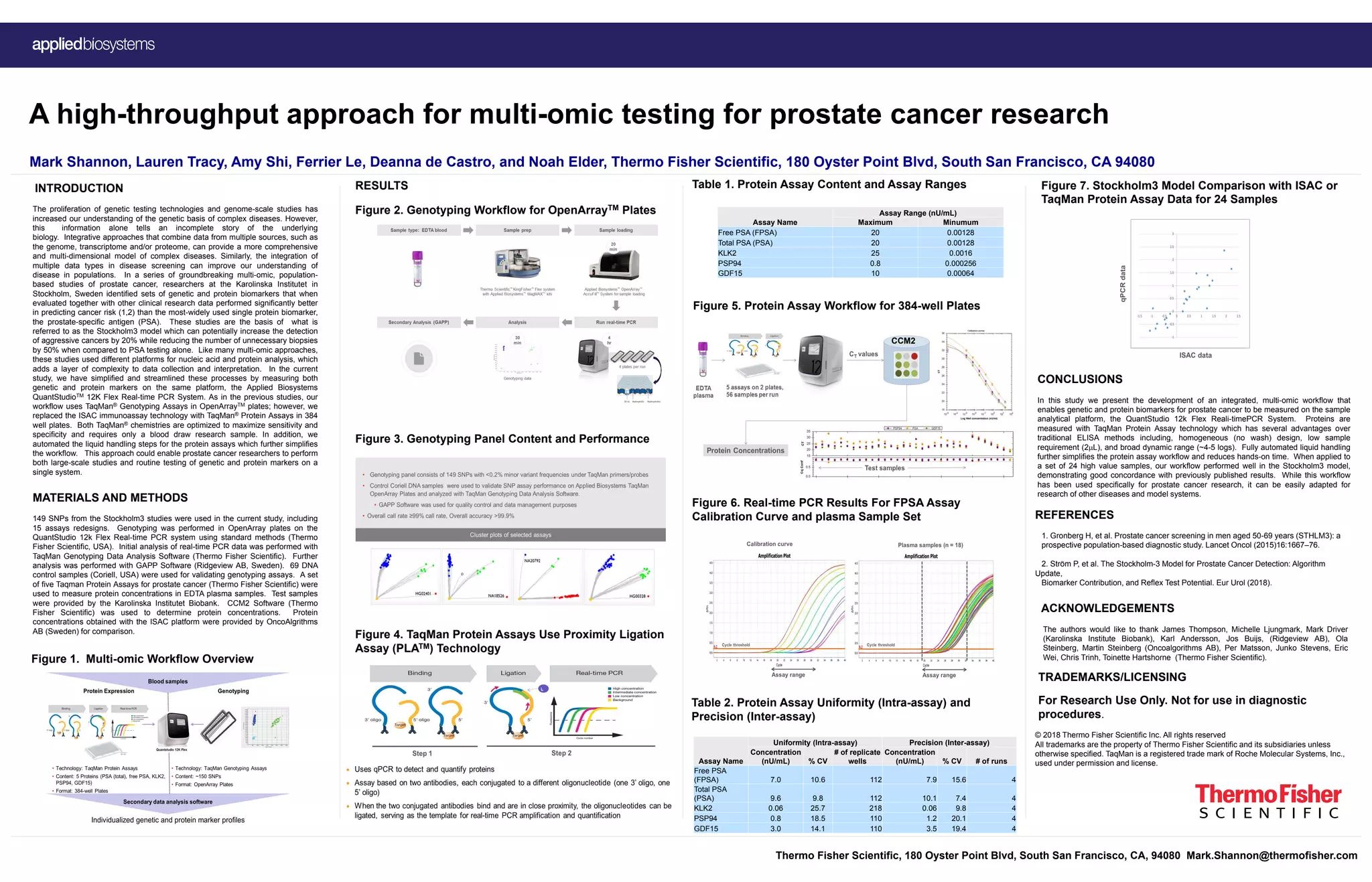
Figure 5. Protein Assay Workflow for 384-well Plates
INTRODUCTION
The proliferation of genetic testing technologies and genome-scale studies has
increased our understanding of the genetic basis of complex diseases. However,
this information alone tells an incomplete story of the underlying
biology. Integrative approaches that combine data from multiple sources, such as
the genome, transcriptome and/or proteome, can provide a more comprehensive
and multi-dimensional model of complex diseases. Similarly, the integration of
multiple data types in disease screening can improve our understanding of
disease in populations. In a series of groundbreaking multi-omic, population-
based studies of prostate cancer, researchers at the Karolinska Institutet in
Stockholm, Sweden identified sets of genetic and protein biomarkers that when
evaluated together with other clinical research data performed significantly better
in predicting cancer risk (1,2) than the most-widely used single protein biomarker,
the prostate-specific antigen (PSA). These studies are the basis of what is
referred to as the Stockholm3 model which can potentially increase the detection
of aggressive cancers by 20% while reducing the number of unnecessary biopsies
by 50% when compared to PSA testing alone. Like many multi-omic approaches,
these studies used different platforms for nucleic acid and protein analysis, which
adds a layer of complexity to data collection and interpretation. In the current
study, we have simplified and streamlined these processes by measuring both
genetic and protein markers on the same platform, the Applied Biosystems
QuantStudioTM 12K Flex Real-time PCR System. As in the previous studies, our
workflow uses TaqMan® Genotyping Assays in OpenArrayTM plates; however, we
replaced the ISAC immunoassay technology with TaqMan® Protein Assays in 384
well plates. Both TaqMan® chemistries are optimized to maximize sensitivity and
specificity and requires only a blood draw research sample. In addition, we
automated the liquid handling steps for the protein assays which further simplifies
the workflow. This approach could enable prostate cancer researchers to perform
both large-scale studies and routine testing of genetic and protein markers on a
single system.
MATERIALS AND METHODS
149 SNPs from the Stockholm3 studies were used in the current study, including
15 assays redesigns. Genotyping was performed in OpenArray plates on the
QuantStudio 12k Flex Real-time PCR system using standard methods (Thermo
Fisher Scientific, USA). Initial analysis of real-time PCR data was performed with
TaqMan Genotyping Data Analysis Software (Thermo Fisher Scientific). Further
analysis was performed with GAPP Software (Ridgeview AB, Sweden). 69 DNA
control samples (Coriell, USA) were used for validating genotyping assays. A set
of five Taqman Protein Assays for prostate cancer (Thermo Fisher Scientific) were
used to measure protein concentrations in EDTA plasma samples. Test samples
were provided by the Karolinska Institutet Biobank. CCM2 Software (Thermo
Fisher Scientific) was used to determine protein concentrations. Protein
concentrations obtained with the ISAC platform were provided by OncoAlgrithms
AB (Sweden) for comparison.
REFERENCES
1. Gronberg H, et al. Prostate cancer screening in men aged 50-69 years (STHLM3): a
prospective population-based diagnostic study. Lancet Oncol (2015)16:1667–76.
2. Ström P, et al. The Stockholm-3 Model for Prostate Cancer Detection: Algorithm
Update,
Biomarker Contribution, and Reflex Test Potential. Eur Urol (2018).
ACKNOWLEDGEMENTS
The authors would like to thank James Thompson, Michelle Ljungmark, Mark Driver
(Karolinska Institute Biobank), Karl Andersson, Jos Buijs, (Ridgeview AB), Ola
Steinberg, Martin Steinberg (Oncoalgorithms AB), Per Matsson, Junko Stevens, Eric
Wei, Chris Trinh, Toinette Hartshorne (Thermo Fisher Scientific).
TRADEMARKS/LICENSING
For Research Use Only. Not for use in diagnostic
procedures.
© 2018 Thermo Fisher Scientific Inc. All rights reserved
All trademarks are the property of Thermo Fisher Scientific and its subsidiaries unless
otherwise specified. TaqMan is a registered trade mark of Roche Molecular Systems, Inc.,
used under permission and license.
A high-throughput approach for multi-omic testing for prostate cancer research
Figure 1. Multi-omic Workflow Overview
Figure 2. Genotyping Workflow for OpenArrayTM Plates
Figure 7. Stockholm3 Model Comparison with ISAC or
TaqMan Protein Assay Data for 24 Samples
CONCLUSIONS
In this study we present the development of an integrated, multi-omic workflow that
enables genetic and protein biomarkers for prostate cancer to be measured on the sample
analytical platform, the QuantStudio 12k Flex Reali-timePCR System. Proteins are
measured with TaqMan Protein Assay technology which has several advantages over
traditional ELISA methods including, homogeneous (no wash) design, low sample
requirement (2mL), and broad dynamic range (~4-5 logs). Fully automated liquid handling
further simplifies the protein assay workflow and reduces hands-on time. When applied to
a set of 24 high value samples, our workflow performed well in the Stockholm3 model,
demonstrating good concordance with previously published results. While this workflow
has been used specifically for prostate cancer research, it can be easily adapted for
research of other diseases and model systems.
Thermo Fisher Scientific, 180 Oyster Point Blvd, South San Francisco, CA, 94080 Mark.Shannon@thermofisher.com
Figure 3. Genotyping Panel Content and Performance
RESULTS
Figure 4. TaqMan Protein Assays Use Proximity Ligation
Assay (PLATM) Technology
Table 1. Protein Assay Content and Assay Ranges
Table 2. Protein Assay Uniformity (Intra-assay) and
Precision (Inter-assay)
Assay Name
Assay Range (nU/mL)
Maximum Minumum
Free PSA (FPSA) 20 0.00128
Total PSA (PSA) 20 0.00128
KLK2 25 0.0016
PSP94 0.8 0.000256
GDF15 10 0.00064
CCM2
Assay Name
Uniformity (Intra-assay) Precision (Inter-assay)
Concentration
(nU/mL) % CV
# of replicate
wells
Concentration
(nU/mL) % CV # of runs
Free PSA
(FPSA) 7.0 10.6 112 7.9 15.6 4
Total PSA
(PSA) 9.6 9.8 112 10.1 7.4 4
KLK2 0.06 25.7 218 0.06 9.8 4
PSP94 0.8 18.5 110 1.2 20.1 4
GDF15 3.0 14.1 110 3.5 19.4 4
Figure 6. Real-time PCR Results For FPSA Assay
Calibration Curve and plasma Sample Set

A high-throughput approach for multi-omic testing for prostate cancer research

  • 1.
    Thermo Fisher Scientific• Street Address • City, ST ZIP Code • thermofisher.com Mark Shannon, Lauren Tracy, Amy Shi, Ferrier Le, Deanna de Castro, and Noah Elder, Thermo Fisher Scientific, 180 Oyster Point Blvd, South San Francisco, CA 94080 Figure 5. Protein Assay Workflow for 384-well Plates INTRODUCTION The proliferation of genetic testing technologies and genome-scale studies has increased our understanding of the genetic basis of complex diseases. However, this information alone tells an incomplete story of the underlying biology. Integrative approaches that combine data from multiple sources, such as the genome, transcriptome and/or proteome, can provide a more comprehensive and multi-dimensional model of complex diseases. Similarly, the integration of multiple data types in disease screening can improve our understanding of disease in populations. In a series of groundbreaking multi-omic, population- based studies of prostate cancer, researchers at the Karolinska Institutet in Stockholm, Sweden identified sets of genetic and protein biomarkers that when evaluated together with other clinical research data performed significantly better in predicting cancer risk (1,2) than the most-widely used single protein biomarker, the prostate-specific antigen (PSA). These studies are the basis of what is referred to as the Stockholm3 model which can potentially increase the detection of aggressive cancers by 20% while reducing the number of unnecessary biopsies by 50% when compared to PSA testing alone. Like many multi-omic approaches, these studies used different platforms for nucleic acid and protein analysis, which adds a layer of complexity to data collection and interpretation. In the current study, we have simplified and streamlined these processes by measuring both genetic and protein markers on the same platform, the Applied Biosystems QuantStudioTM 12K Flex Real-time PCR System. As in the previous studies, our workflow uses TaqMan® Genotyping Assays in OpenArrayTM plates; however, we replaced the ISAC immunoassay technology with TaqMan® Protein Assays in 384 well plates. Both TaqMan® chemistries are optimized to maximize sensitivity and specificity and requires only a blood draw research sample. In addition, we automated the liquid handling steps for the protein assays which further simplifies the workflow. This approach could enable prostate cancer researchers to perform both large-scale studies and routine testing of genetic and protein markers on a single system. MATERIALS AND METHODS 149 SNPs from the Stockholm3 studies were used in the current study, including 15 assays redesigns. Genotyping was performed in OpenArray plates on the QuantStudio 12k Flex Real-time PCR system using standard methods (Thermo Fisher Scientific, USA). Initial analysis of real-time PCR data was performed with TaqMan Genotyping Data Analysis Software (Thermo Fisher Scientific). Further analysis was performed with GAPP Software (Ridgeview AB, Sweden). 69 DNA control samples (Coriell, USA) were used for validating genotyping assays. A set of five Taqman Protein Assays for prostate cancer (Thermo Fisher Scientific) were used to measure protein concentrations in EDTA plasma samples. Test samples were provided by the Karolinska Institutet Biobank. CCM2 Software (Thermo Fisher Scientific) was used to determine protein concentrations. Protein concentrations obtained with the ISAC platform were provided by OncoAlgrithms AB (Sweden) for comparison. REFERENCES 1. Gronberg H, et al. Prostate cancer screening in men aged 50-69 years (STHLM3): a prospective population-based diagnostic study. Lancet Oncol (2015)16:1667–76. 2. Ström P, et al. The Stockholm-3 Model for Prostate Cancer Detection: Algorithm Update, Biomarker Contribution, and Reflex Test Potential. Eur Urol (2018). ACKNOWLEDGEMENTS The authors would like to thank James Thompson, Michelle Ljungmark, Mark Driver (Karolinska Institute Biobank), Karl Andersson, Jos Buijs, (Ridgeview AB), Ola Steinberg, Martin Steinberg (Oncoalgorithms AB), Per Matsson, Junko Stevens, Eric Wei, Chris Trinh, Toinette Hartshorne (Thermo Fisher Scientific). TRADEMARKS/LICENSING For Research Use Only. Not for use in diagnostic procedures. © 2018 Thermo Fisher Scientific Inc. All rights reserved All trademarks are the property of Thermo Fisher Scientific and its subsidiaries unless otherwise specified. TaqMan is a registered trade mark of Roche Molecular Systems, Inc., used under permission and license. A high-throughput approach for multi-omic testing for prostate cancer research Figure 1. Multi-omic Workflow Overview Figure 2. Genotyping Workflow for OpenArrayTM Plates Figure 7. Stockholm3 Model Comparison with ISAC or TaqMan Protein Assay Data for 24 Samples CONCLUSIONS In this study we present the development of an integrated, multi-omic workflow that enables genetic and protein biomarkers for prostate cancer to be measured on the sample analytical platform, the QuantStudio 12k Flex Reali-timePCR System. Proteins are measured with TaqMan Protein Assay technology which has several advantages over traditional ELISA methods including, homogeneous (no wash) design, low sample requirement (2mL), and broad dynamic range (~4-5 logs). Fully automated liquid handling further simplifies the protein assay workflow and reduces hands-on time. When applied to a set of 24 high value samples, our workflow performed well in the Stockholm3 model, demonstrating good concordance with previously published results. While this workflow has been used specifically for prostate cancer research, it can be easily adapted for research of other diseases and model systems. Thermo Fisher Scientific, 180 Oyster Point Blvd, South San Francisco, CA, 94080 Mark.Shannon@thermofisher.com Figure 3. Genotyping Panel Content and Performance RESULTS Figure 4. TaqMan Protein Assays Use Proximity Ligation Assay (PLATM) Technology Table 1. Protein Assay Content and Assay Ranges Table 2. Protein Assay Uniformity (Intra-assay) and Precision (Inter-assay) Assay Name Assay Range (nU/mL) Maximum Minumum Free PSA (FPSA) 20 0.00128 Total PSA (PSA) 20 0.00128 KLK2 25 0.0016 PSP94 0.8 0.000256 GDF15 10 0.00064 CCM2 Assay Name Uniformity (Intra-assay) Precision (Inter-assay) Concentration (nU/mL) % CV # of replicate wells Concentration (nU/mL) % CV # of runs Free PSA (FPSA) 7.0 10.6 112 7.9 15.6 4 Total PSA (PSA) 9.6 9.8 112 10.1 7.4 4 KLK2 0.06 25.7 218 0.06 9.8 4 PSP94 0.8 18.5 110 1.2 20.1 4 GDF15 3.0 14.1 110 3.5 19.4 4 Figure 6. Real-time PCR Results For FPSA Assay Calibration Curve and plasma Sample Set