LOCAL EFFECTS OF TUMORS
AND METASTASIS
REFERENCES
● Abellof's Clinical Oncology
● Seminars in Radiation Oncology October 2009.
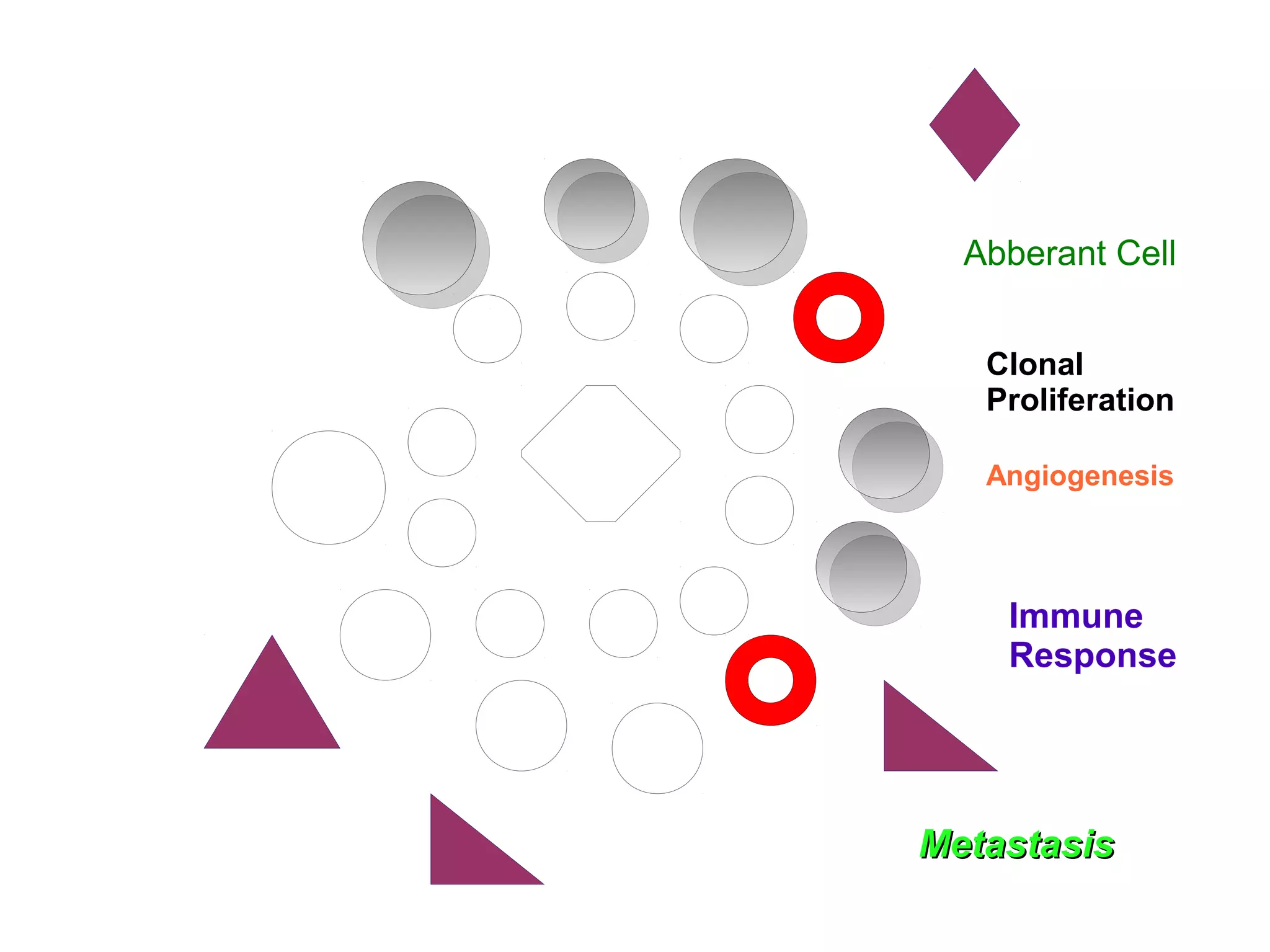
Abberant Cell
Clonal
Proliferation
Immune
Response
MetastasisMetastasis
Angiogenesis
CONCEPT OF TUMORCONCEPT OF TUMOR
MICROENVIRONMENTMICROENVIRONMENT
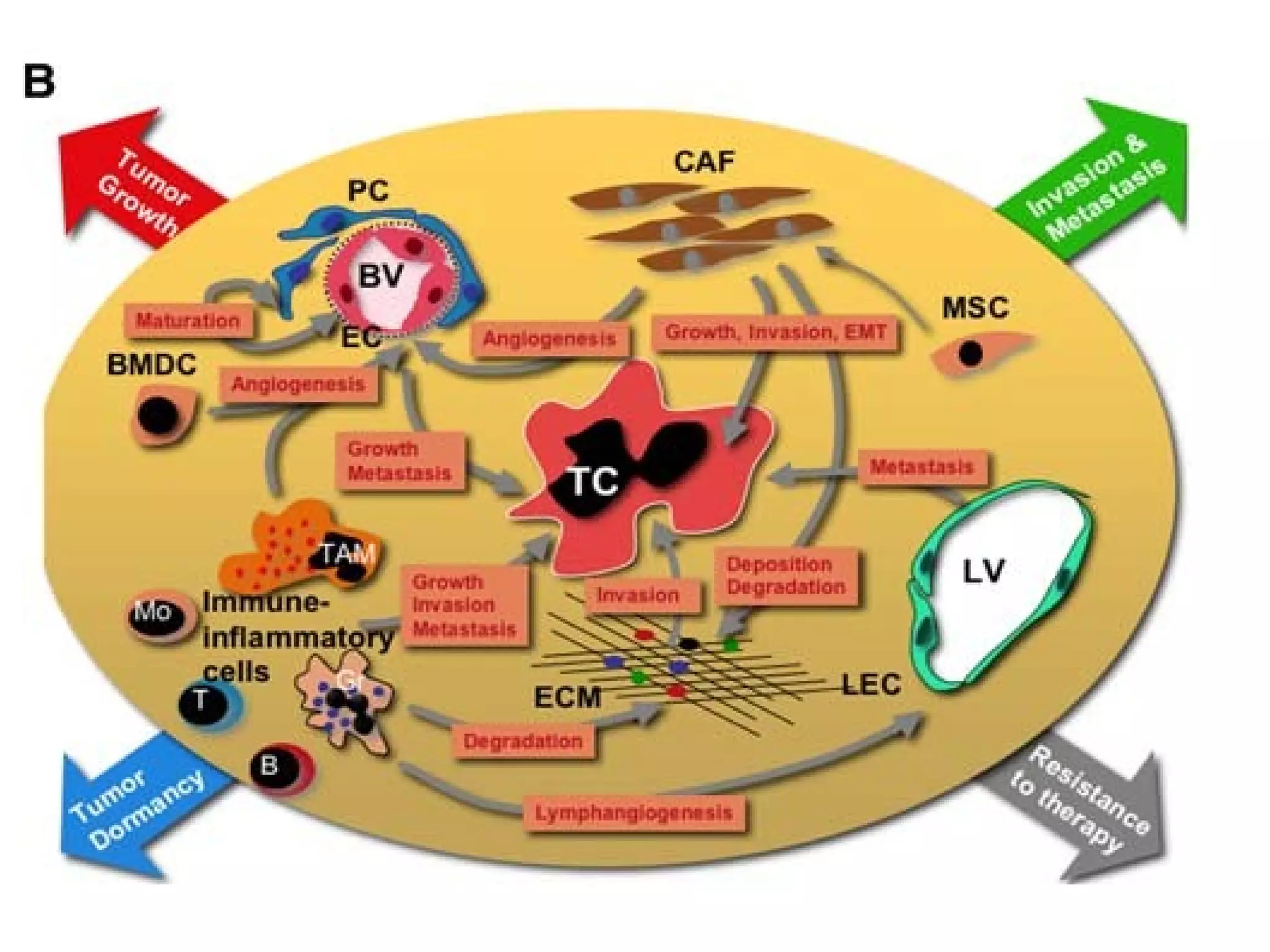
● Cancer involves complex multiple heterotypic
interactions.
● Tumor microenvironment or STROMA
influences
1) Growth
2) Ability to progress
3) Metastasise
IMMUNE RESPONSE
CHRONIC INFLAMMATION
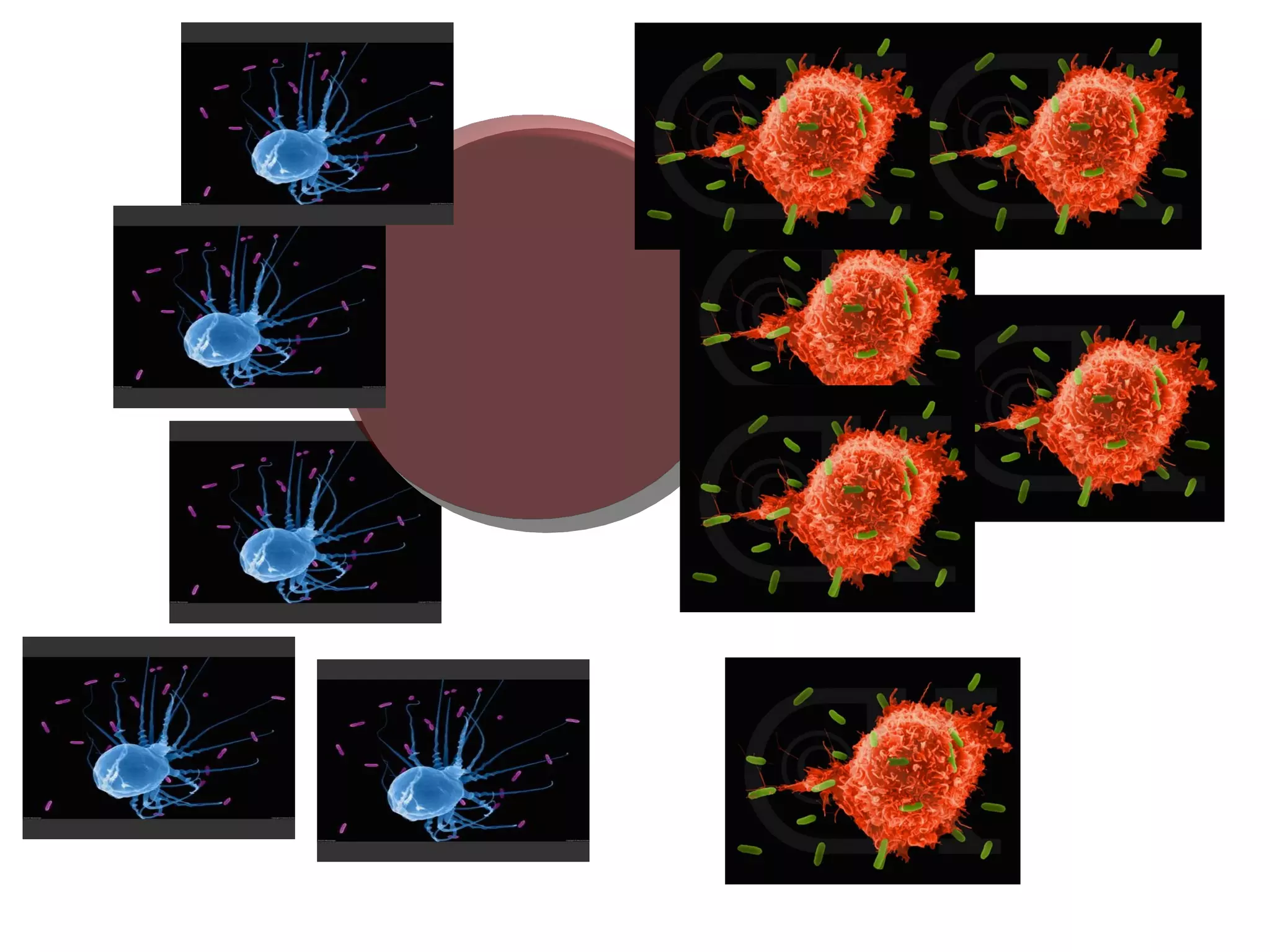
● Hepatitis B & C lead to hepatic cancer; H Pylori
leading to Gastric Cancer.
● Rudolf Virchow in 1863 linked association of
leukocytes in tumor tissues.
● Experimentally, pro-inflammatory substances
favor tumor growth, angiogenesis and
metastasis.
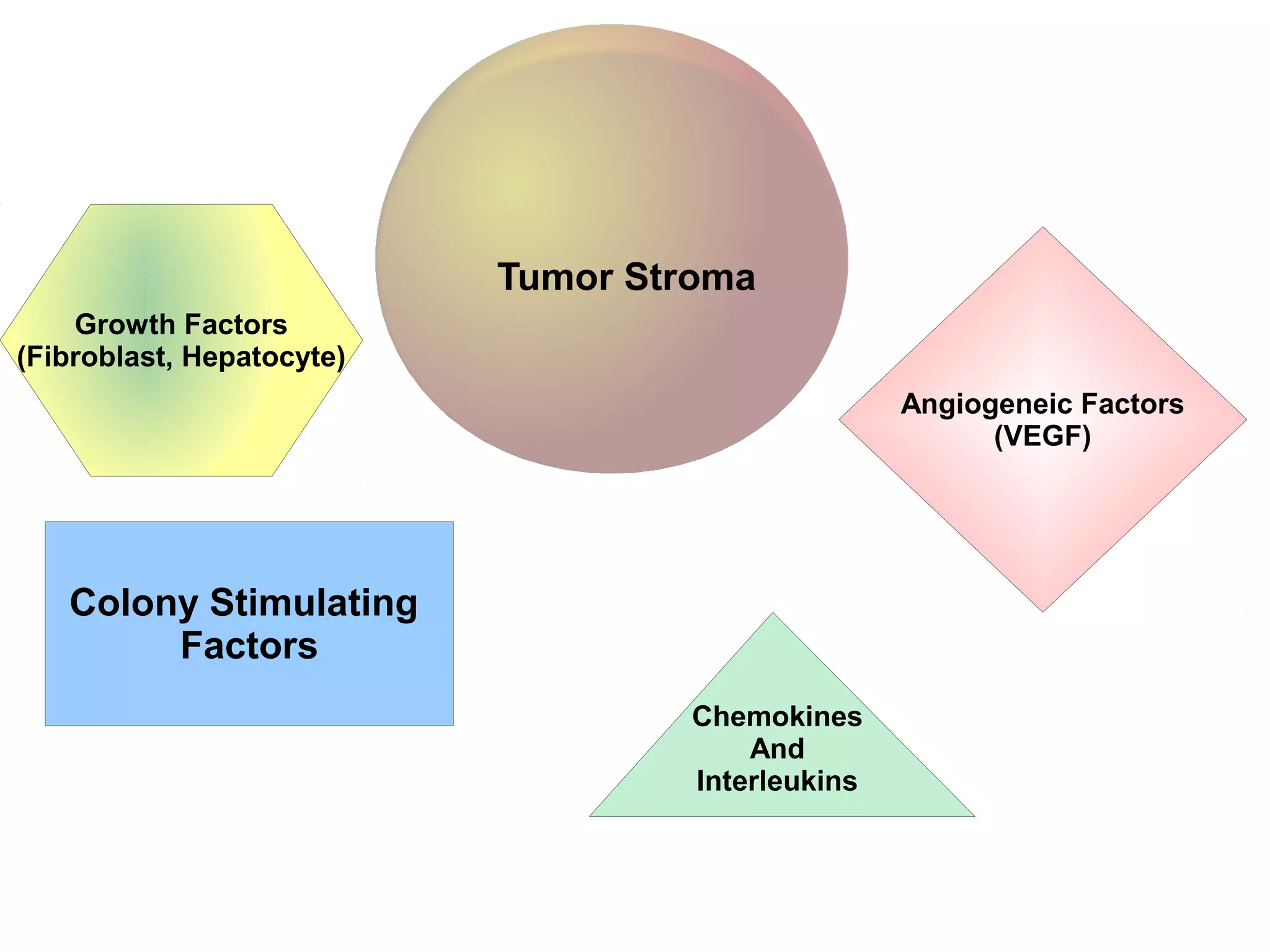
Colony Stimulating
Factors
Chemokines
And
Interleukins
Angiogeneic Factors
(VEGF)
Tumor Stroma
Growth Factors
(Fibroblast, Hepatocyte)
ROLE OF TGF β
● Associated with T Cell suppression and inhibition
of proliferation of lymphocytes.
● Reduces immune cell activation, blocks anti
tumor activity.
● Promotes angiogenesis and over expression
causes abberant extracellular matrix.
● Production tightly regulated in normal cells.
COX 2 and Prostaglandin
Synthesis
Chemoprevention strategy
CHRONIC INFLAMMATION
● Upregulation of non specific proinflammatory
cytokines.
● Increased conversion of normal cells to pre-
neoplastic foci.
● Gain of function in somatic mutations
transforms cells for tumor initiation.
TUMOR ANGIOGENESIS
● Switching on of “angiogenic switch”: balance
between
1) Tumor genes
2) Signals from tumor stroma and recruited
inflammatory cells.
3) Hypoxia
● Endothelial cells are influenced majorly by
Vascular Endothelial Growth Factor (VEGF).
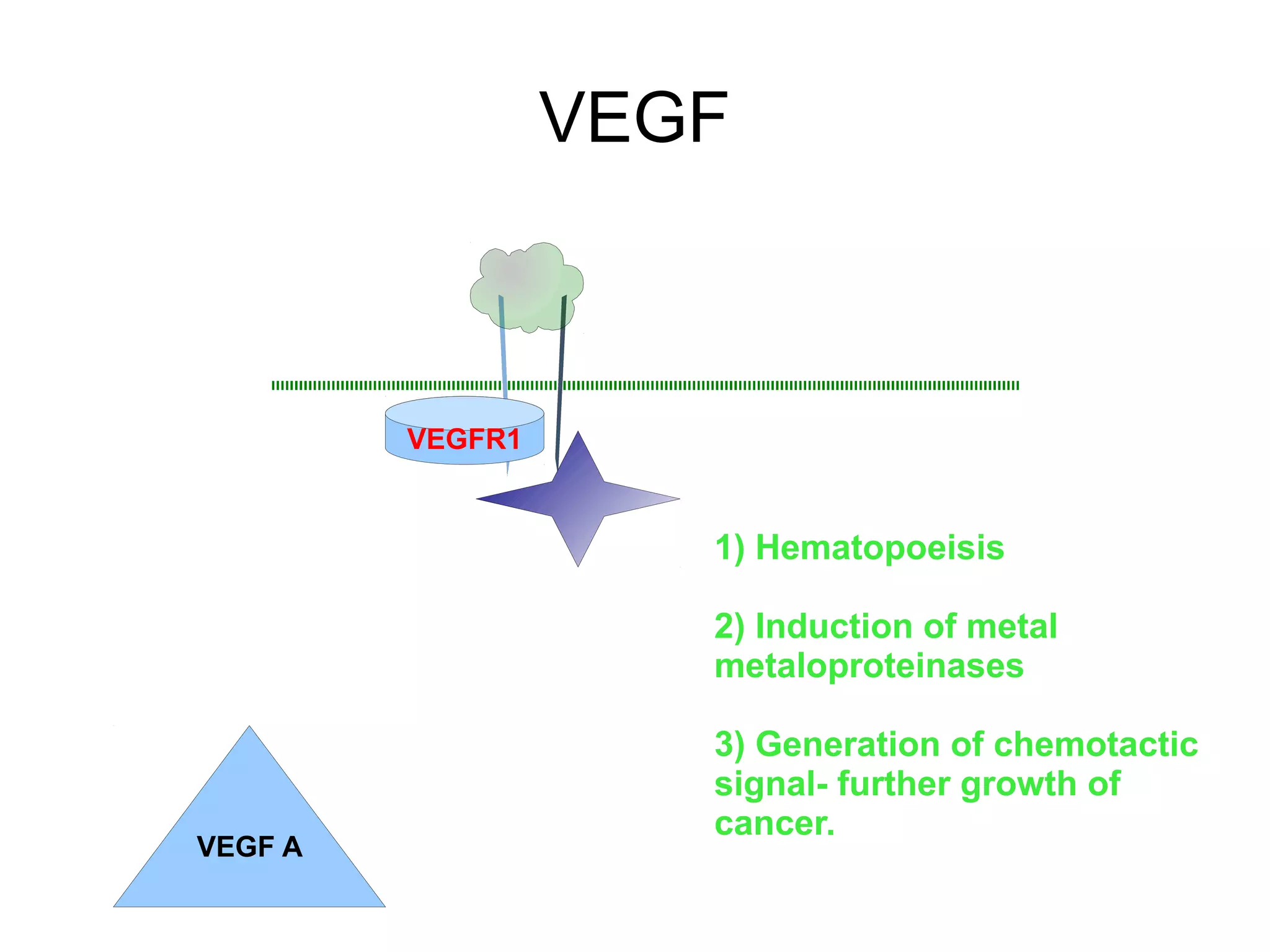
VEGF
VEGFR1
VEGF A
1) Hematopoeisis
2) Induction of metal
metaloproteinases
3) Generation of chemotactic
signal- further growth of
cancer.
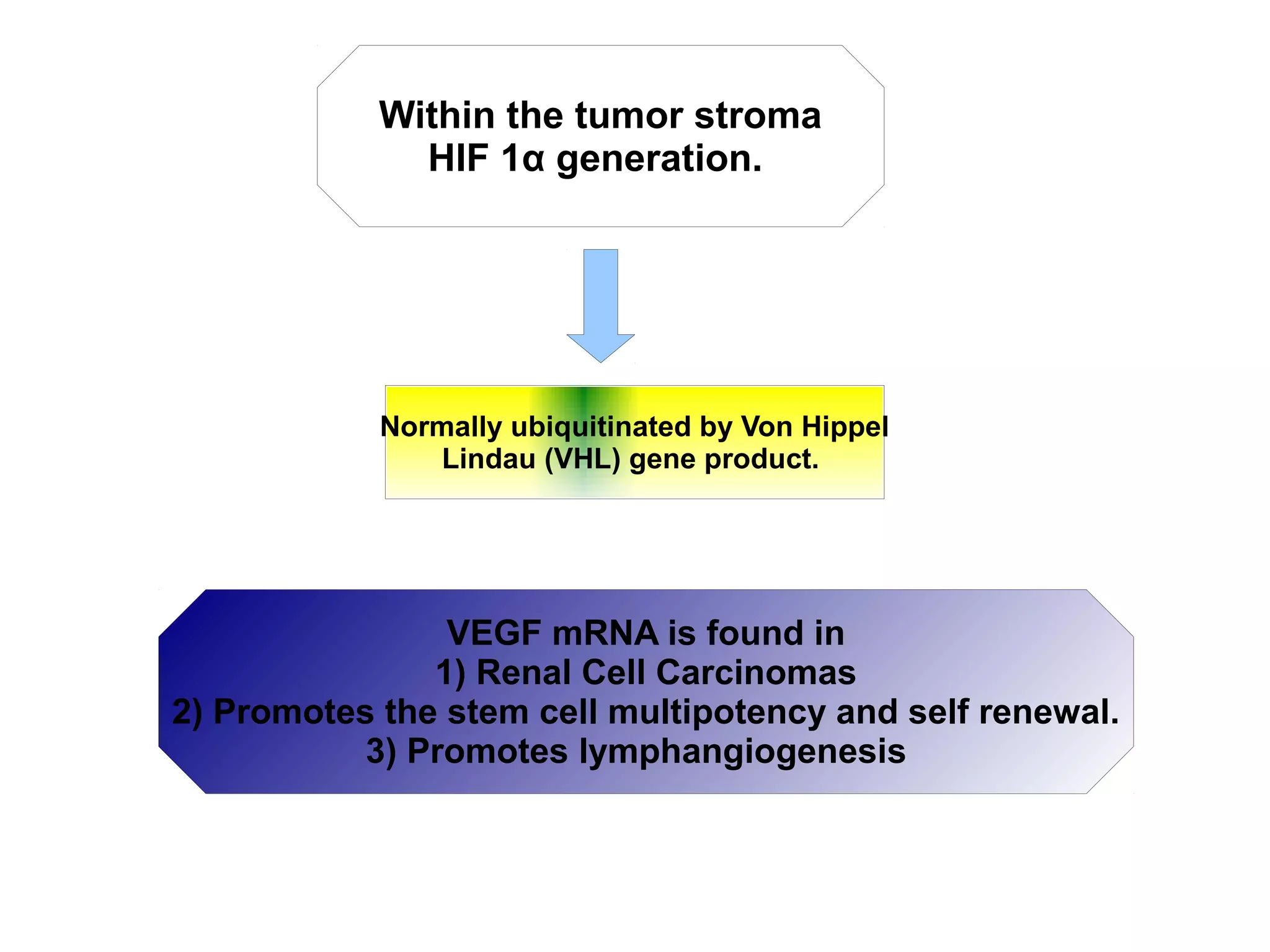
Within the tumor stroma
HIF 1α generation.
Normally ubiquitinated by Von Hippel
Lindau (VHL) gene product.
VEGF mRNA is found in
1) Renal Cell Carcinomas
2) Promotes the stem cell multipotency and self renewal.
3) Promotes lymphangiogenesis
Extensive cross talk between the inflammatory cascade and tumor angiogenesis
METASTASISMETASTASIS
““Change of state”Change of state”
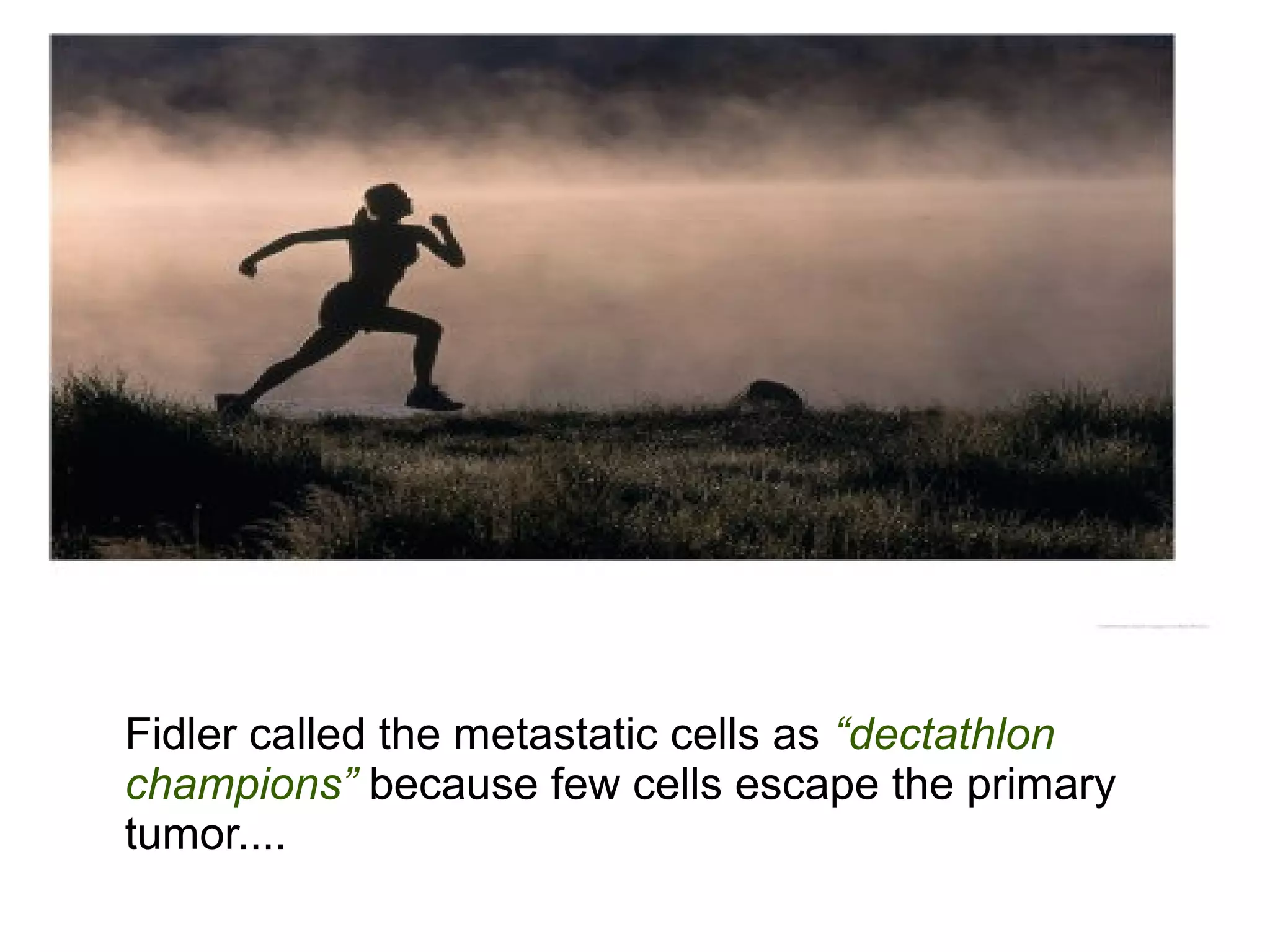
Fidler called the metastatic cells as “dectathlon
champions” because few cells escape the primary
tumor....
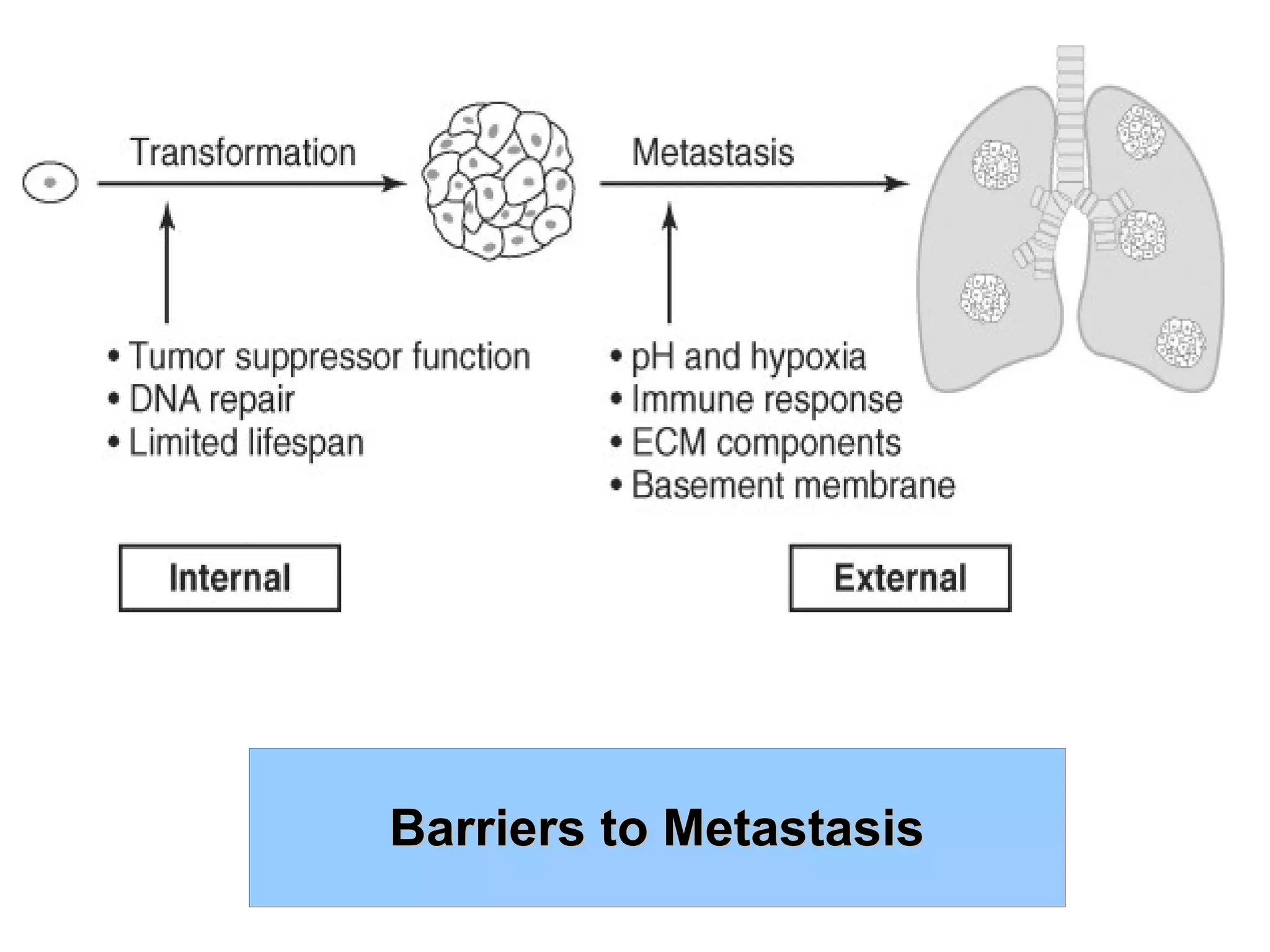
Barriers to MetastasisBarriers to Metastasis
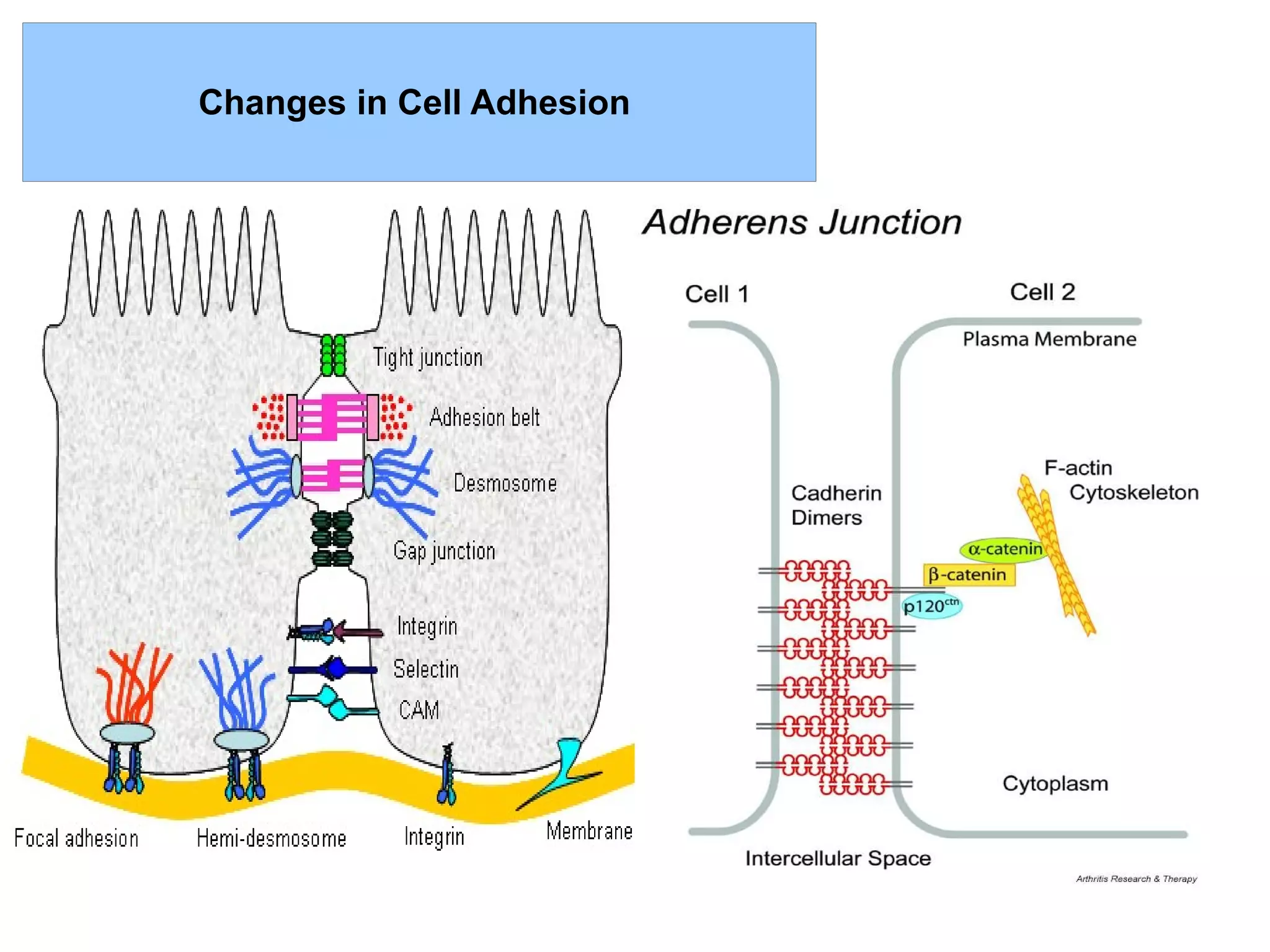
Changes in Cell Adhesion
Switch from E Cadherin to N-cadherin expression (a
Mesenchymal cell marker)
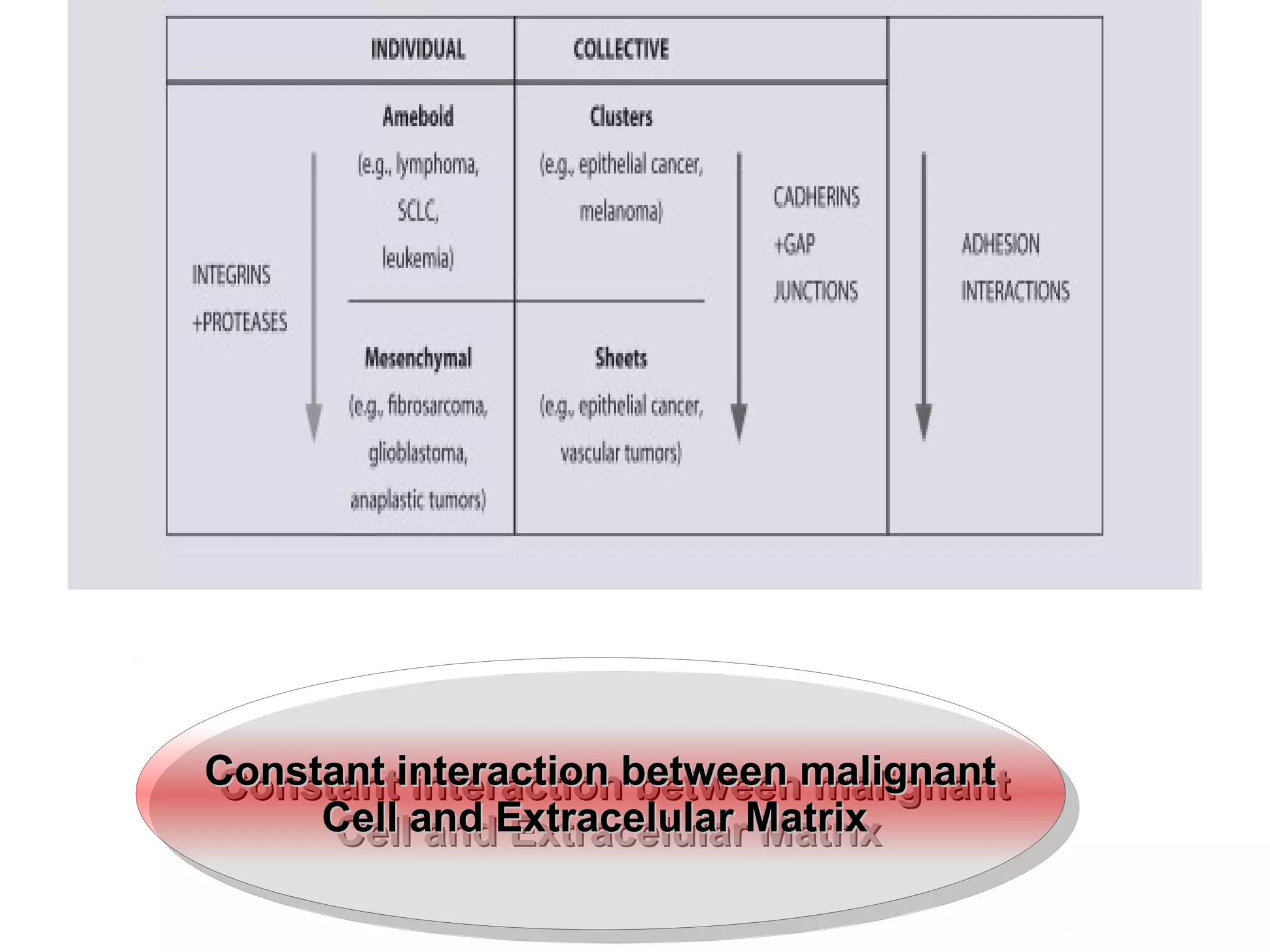
Constant interaction between malignantConstant interaction between malignant
Cell and Extracelular MatrixCell and Extracelular Matrix
Constant interaction between malignantConstant interaction between malignant
Cell and Extracelular MatrixCell and Extracelular Matrix
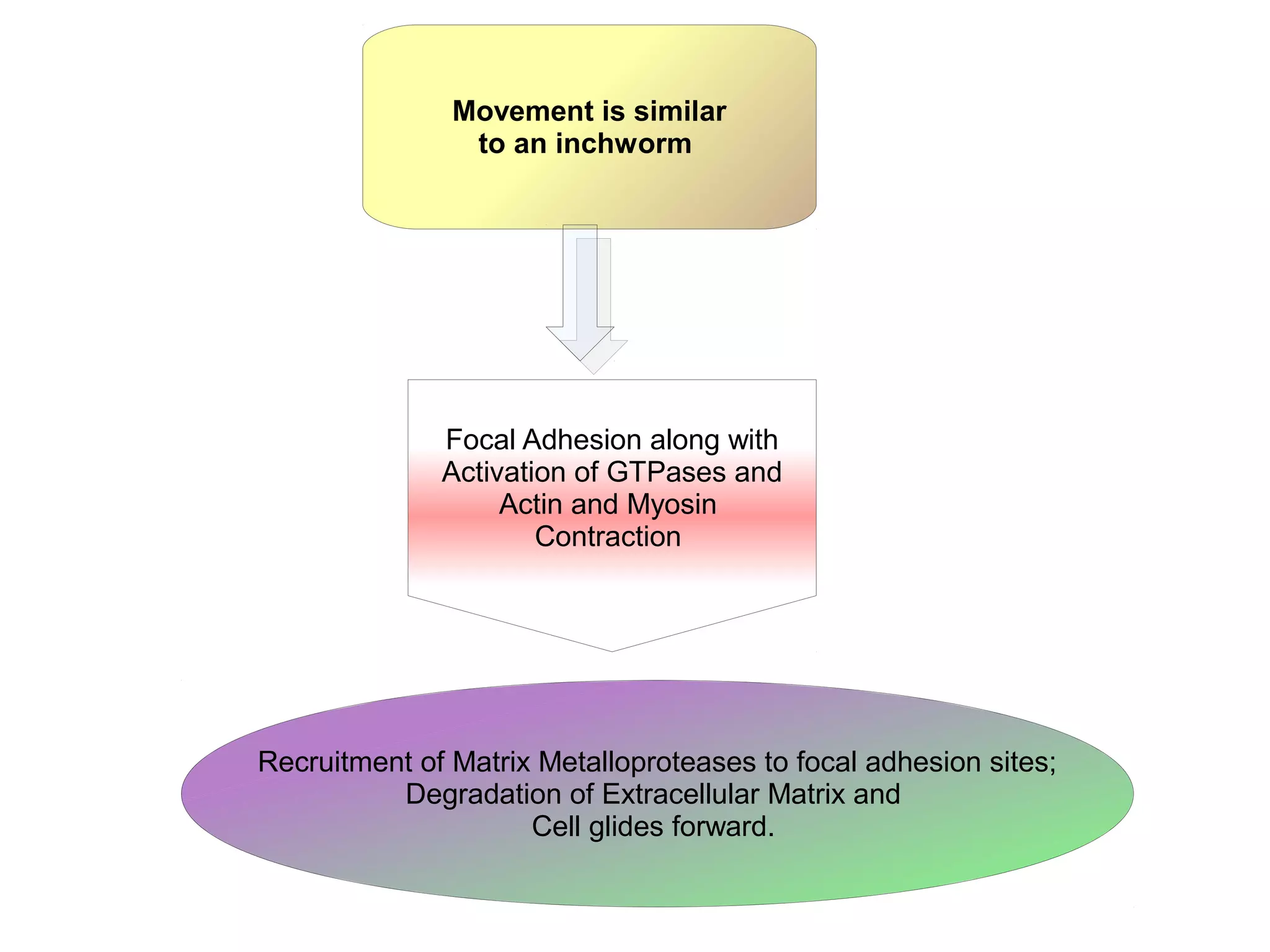
Movement is similar
to an inchworm
Focal Adhesion along with
Activation of GTPases and
Actin and Myosin
Contraction
Recruitment of Matrix Metalloproteases to focal adhesion sites;
Degradation of Extracellular Matrix and
Cell glides forward.
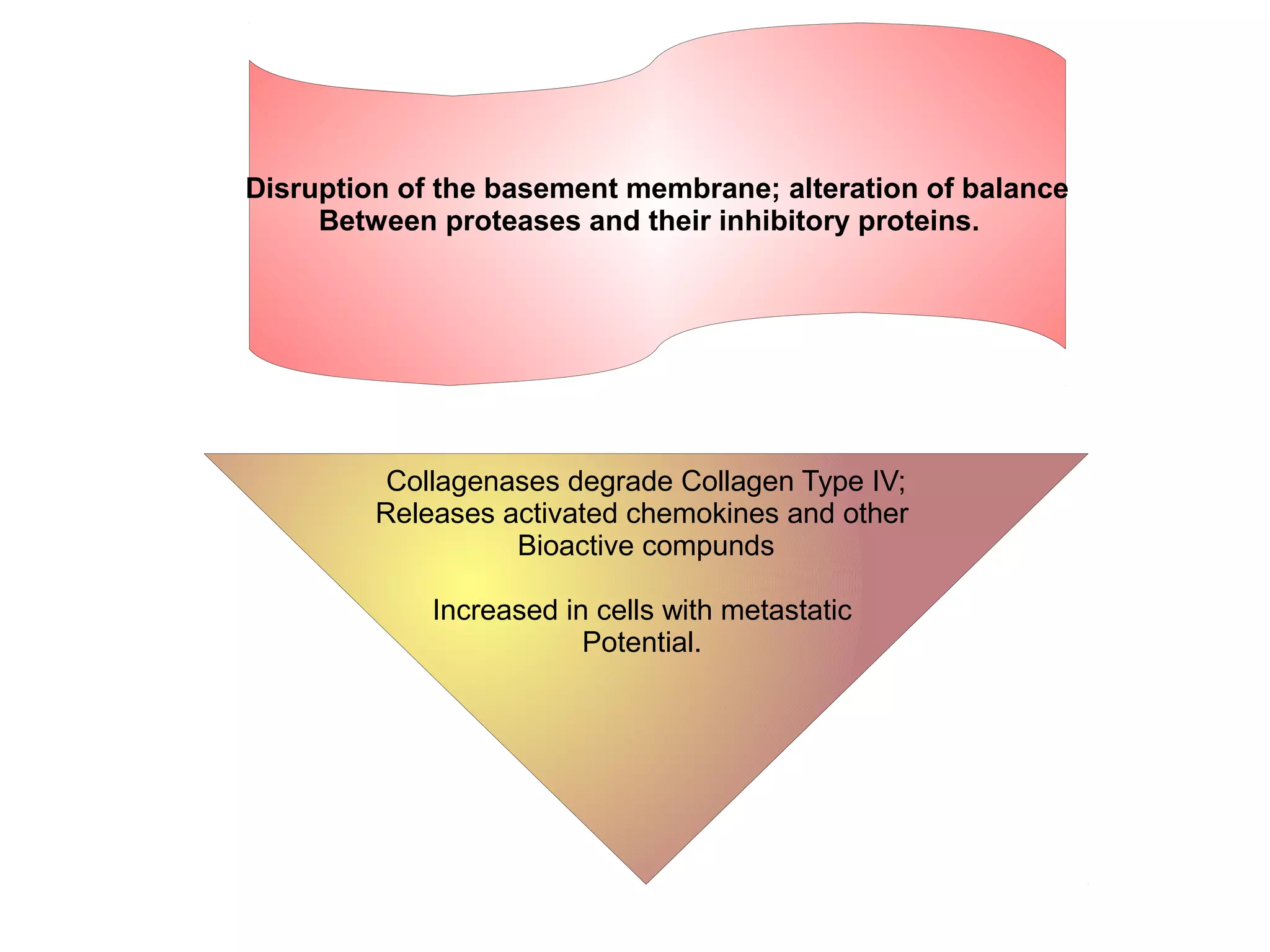
Disruption of the basement membrane; alteration of balance
Between proteases and their inhibitory proteins.
Collagenases degrade Collagen Type IV;
Releases activated chemokines and other
Bioactive compunds
Increased in cells with metastatic
Potential.
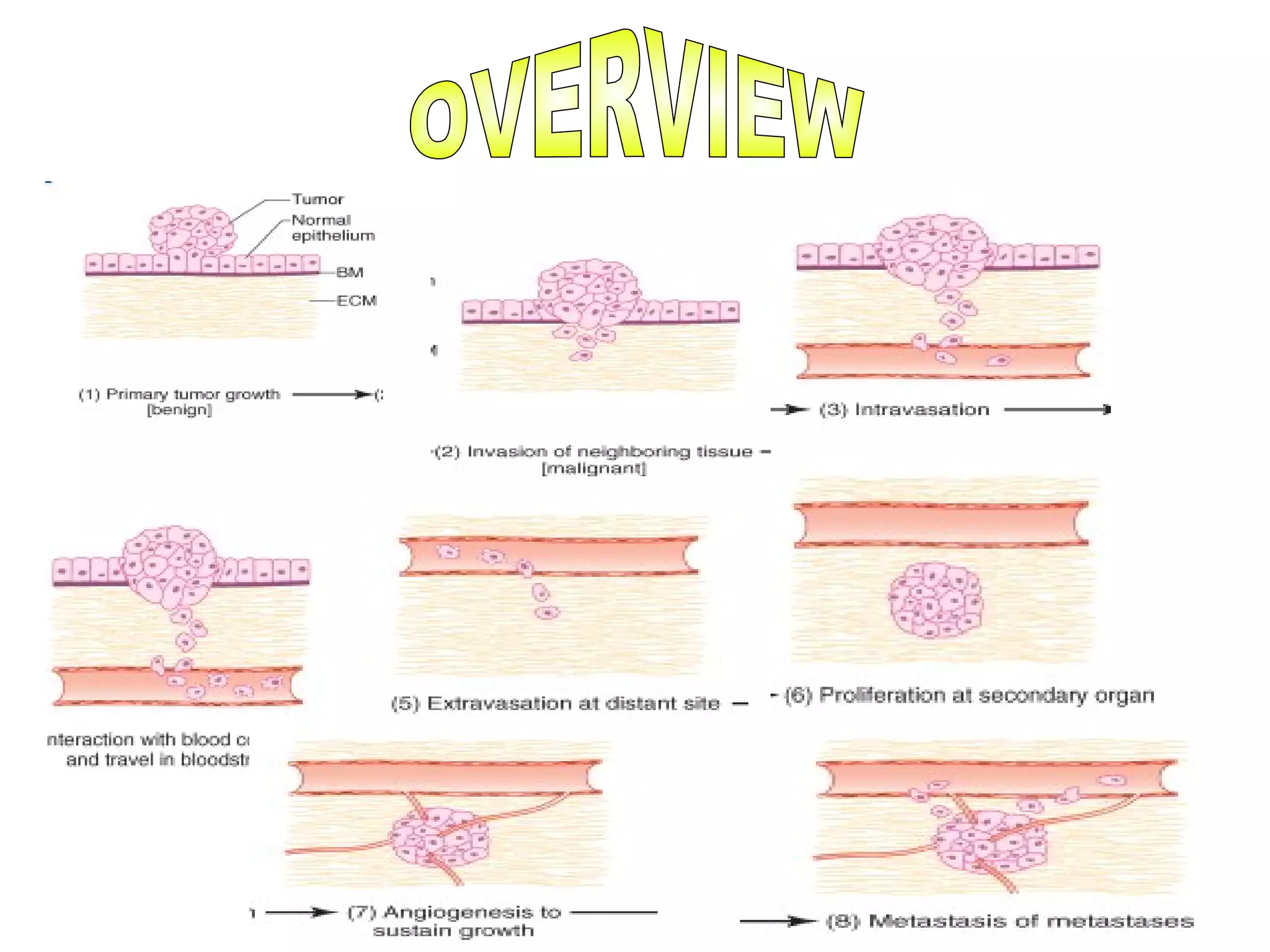
INTRAVASATION
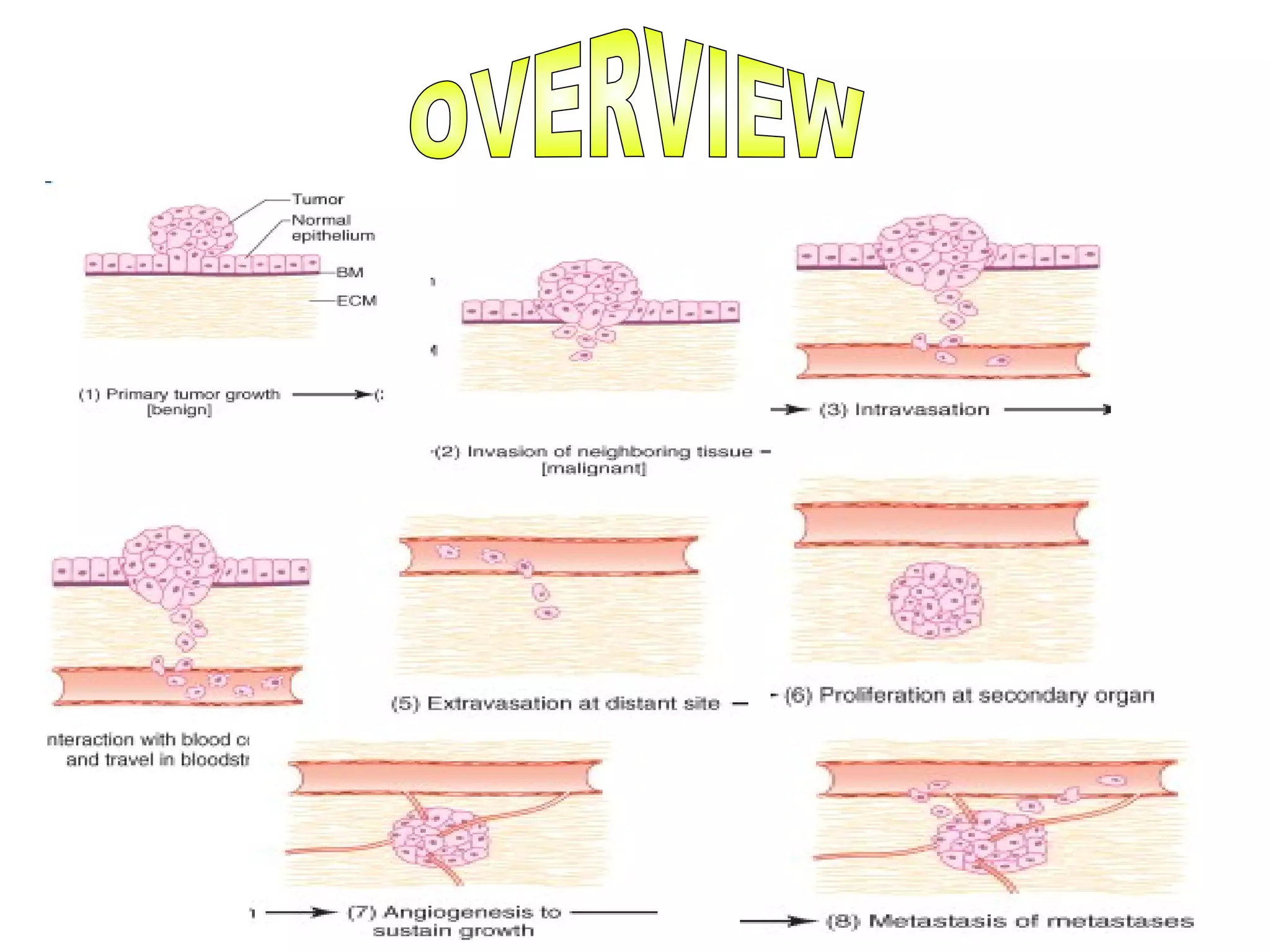
● The entry of tumor cells into circulation is
intravasation.
● The exit of tumor cells from circulation is
extravasation.
● Escape easy through abnormal vasculature.
● Chemokines as “attractants” guide cells in
circulation.
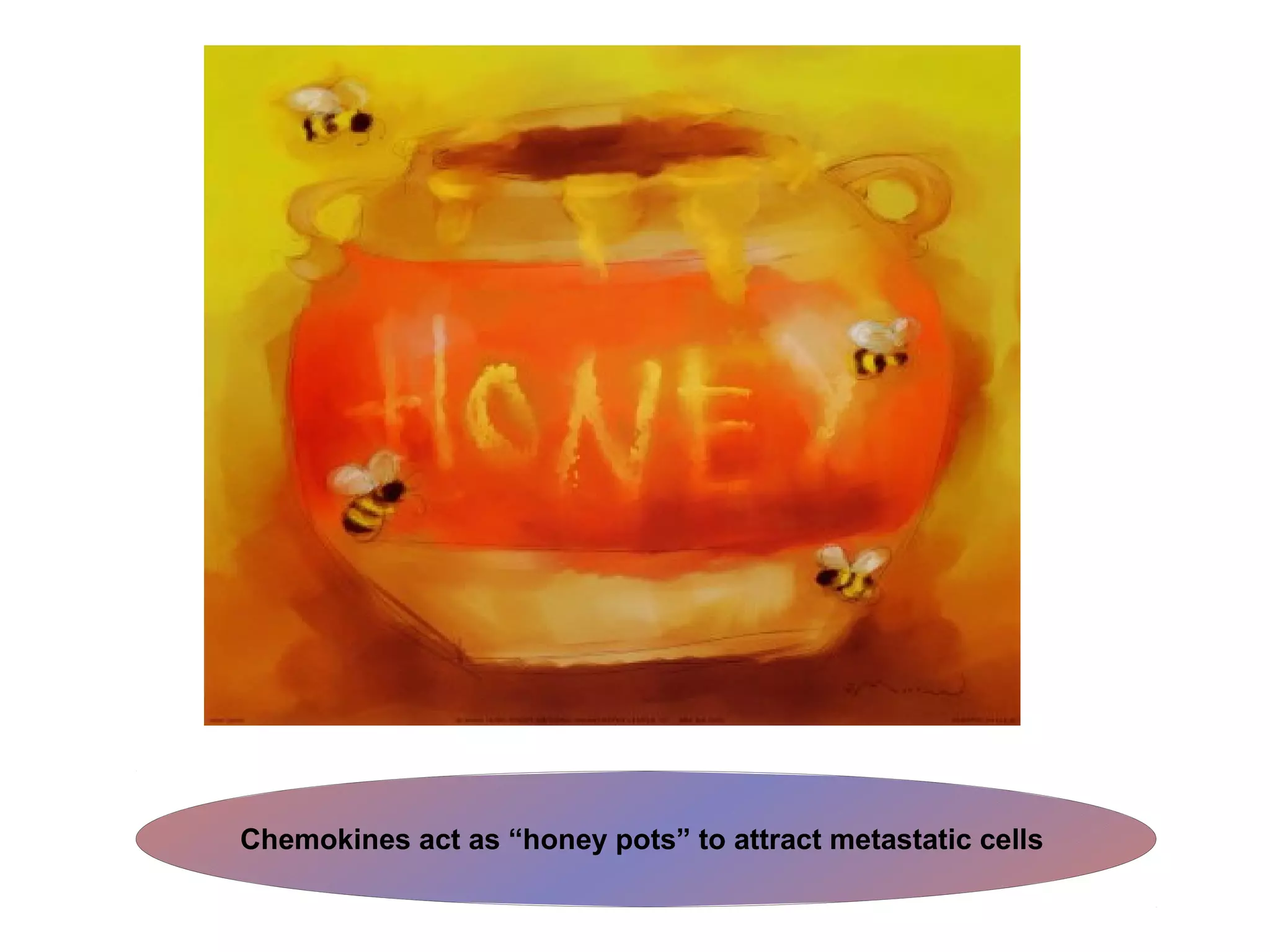
Chemokines act as “honey pots” to attract metastatic cells
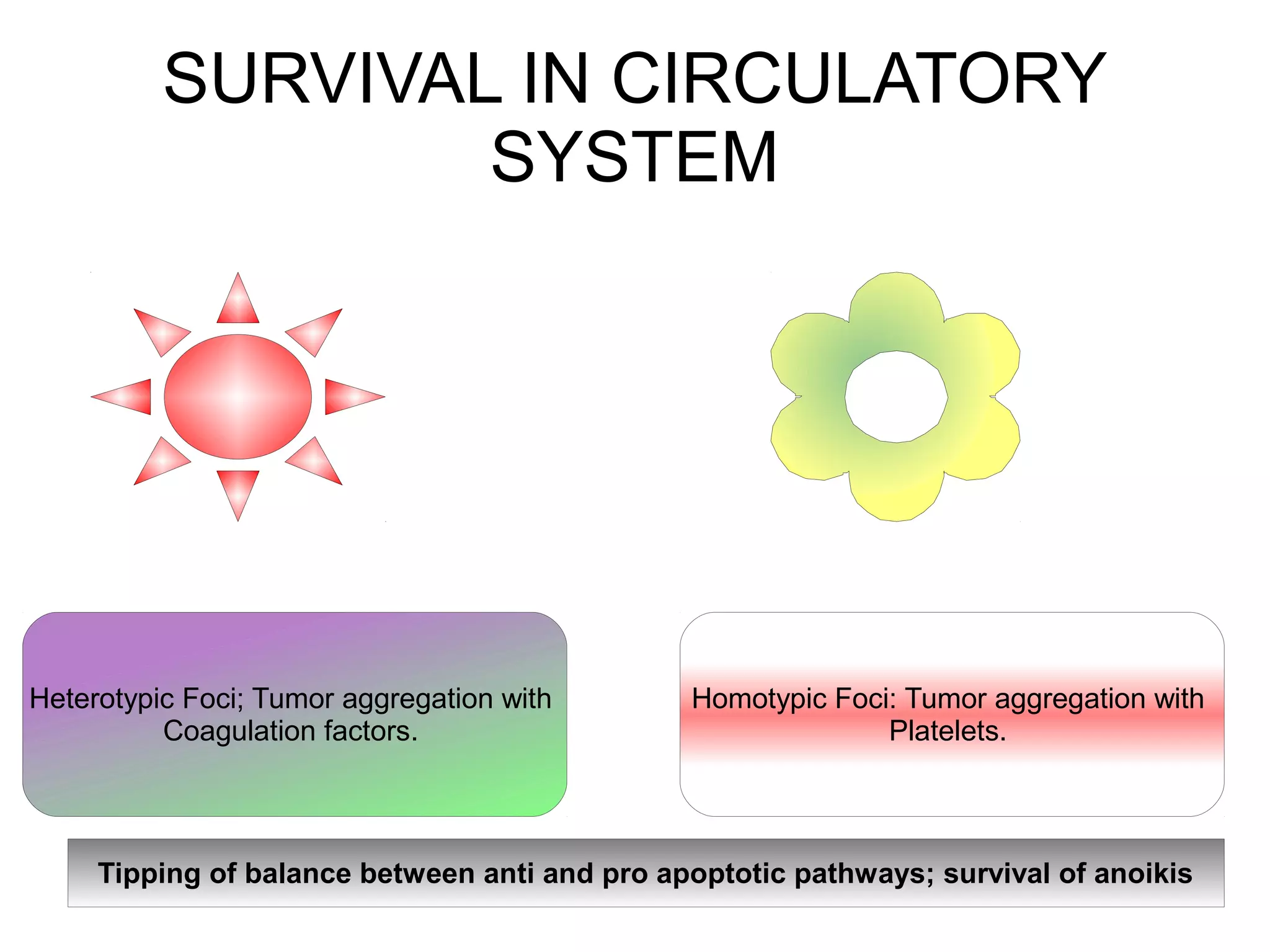
SURVIVAL IN CIRCULATORY
SYSTEM
Heterotypic Foci; Tumor aggregation with
Coagulation factors.
Homotypic Foci: Tumor aggregation with
Platelets.
Tipping of balance between anti and pro apoptotic pathways; survival of anoikis
EXTRAVASATION
1) Increased expression of Cell Adhesion
Molecules
2) VEGF increases vascular permeability
3) Some tumor cells may follow White Blood Cell
motility patterns
PROLIFERATION
● Final step; host tissue influences growth by
auto/para/endocrine pathways.
● e.g. Liver synthesises IGF-1 (Insulin Like
Growth Factor) which stimulates cells from
breast, colon and bladder.
● These cells over express receptors for these
ligands.
ANGIOGENESIS
● VEGF is well characterised.
● Stimulates endothelial cells; pericytes and
increasing vascular permeability.
● Key molecule for homing of VEGF-R positive
bone marrow derived progenitor cells.
Paget's Seed and Soil Hypothesis
Tumors Cells= Seed
Permissive role of environment=Soil.
The hypothesis where cancer cells are able to
survive and proliferate is still the conceptual
model in modern cancer research.
Role of Cancer Stem Cells or Cancer Initiating
Cells. (CSC/CIC)
PERMISSIVE ROLE OF VEGF-1 BONE
MARROW DERIVED CELLS
● They migrate to colonise target areas.
● Express hematopoietic markers- CD34, CD116,
c-kit, integrins and chemokine receptors.
● Promote homing and attachment to the target
tissue.
RECREATE SUPPORTIVE
MICROENVIRONMENT
● Secretion of chemokines + Release of
angiogenic factors (VEGF-A).
● Chemoattractant proteins S100A8 and S100A9
were initially detected.
● Metastatic niches and process has major
clinical implications.
THERAPY INDUCED MODIFICATION OF STROMA
IMPACTS TUMOR PROGRESSION
Radiotherapy:
1) Affects tumor stroma
2) Bidirectional cell signalling
3) Stroma exerts tumor promoting effects
● Tumor recurrences in irradiated field have a
poor prognosis.
CULPRIT?
● Impaired angiogenic response
● Hypoxia upregulates matricellular protein
CYR61 and integrin άVβ5 mediating survival in
hypoxic conditions.
● Selects hypoxia resistant, invasive and
metastatic phenotype.
FURTHER INSULT
● Antiapoptotic factors like IGF and pro
inflammatory cytokines (GM-CSF) are
generated.
● Generation of tumor promoting factors like EGF.
INCREASED SURVIVAL OF
CSC/CIC
● Identified by Cluster of Differentiation (CD Number).
● Breast cancer experimental model CD44+/CD24-
shows few or absent double strand breaks.
● CD133+ glioma cell lines is more resistant as
compared to CD133- lines.
● Radio Resistance= efficient repair.
CLINICAL EXAMPLE OF MALIGNANT
GLIOBLASTOMA MICROENVIRONMENT
1) PERMISSIVE ROLE OF TGF-β
Prime role identified in :
● Suppression of host immune responses
● Augments angiogenesis.
Inactivating mutations of TGFβ2 are infrequent.
TGFβ antisense compound AP12009 targets
mRNA; reduces cell proliferation in all glioma cell
lines.
Hau P et al. Oligonucleotides 17;201-212, 2007
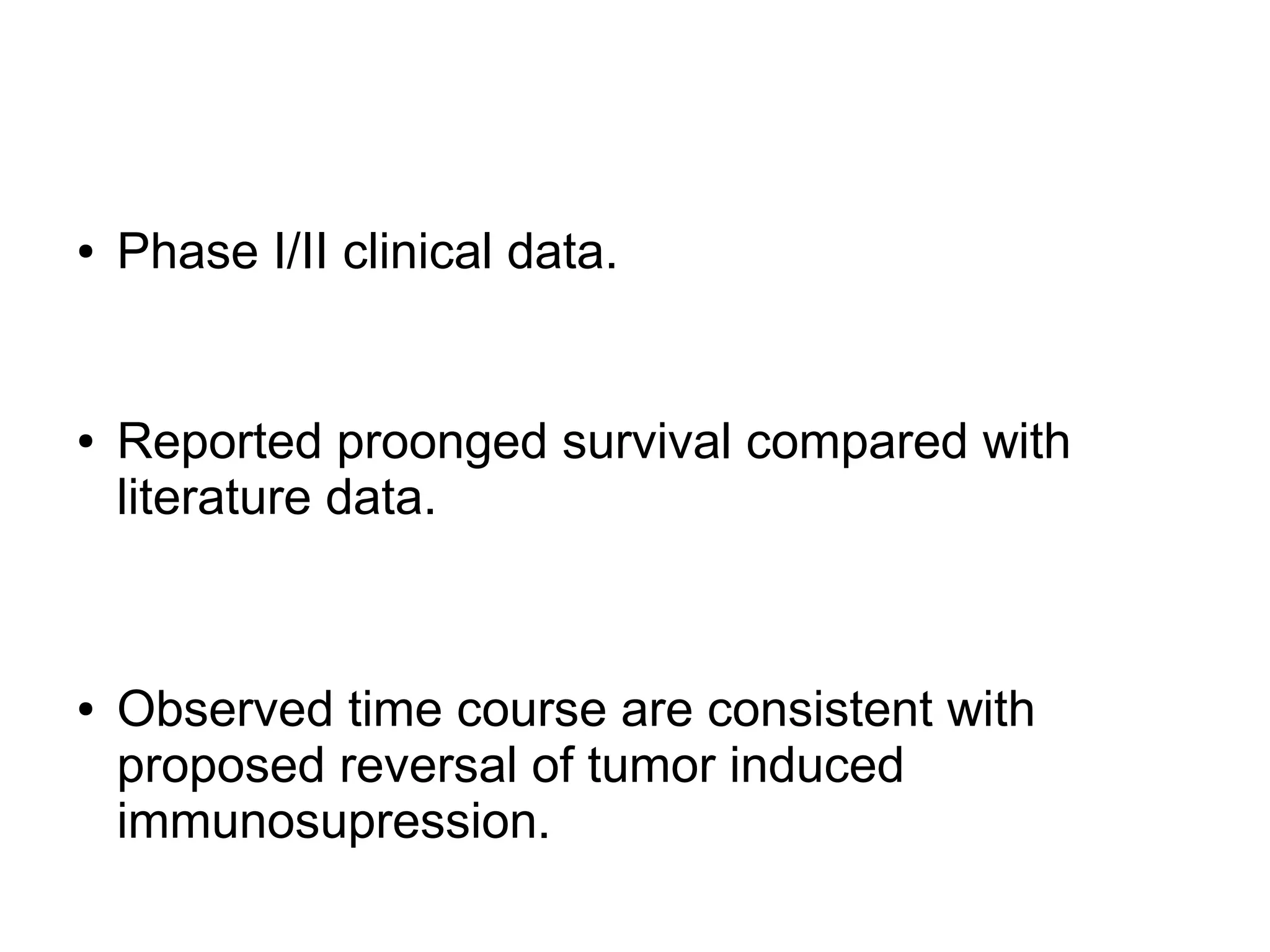
● Phase I/II clinical data.
● Reported proonged survival compared with
literature data.
● Observed time course are consistent with
proposed reversal of tumor induced
immunosupression.
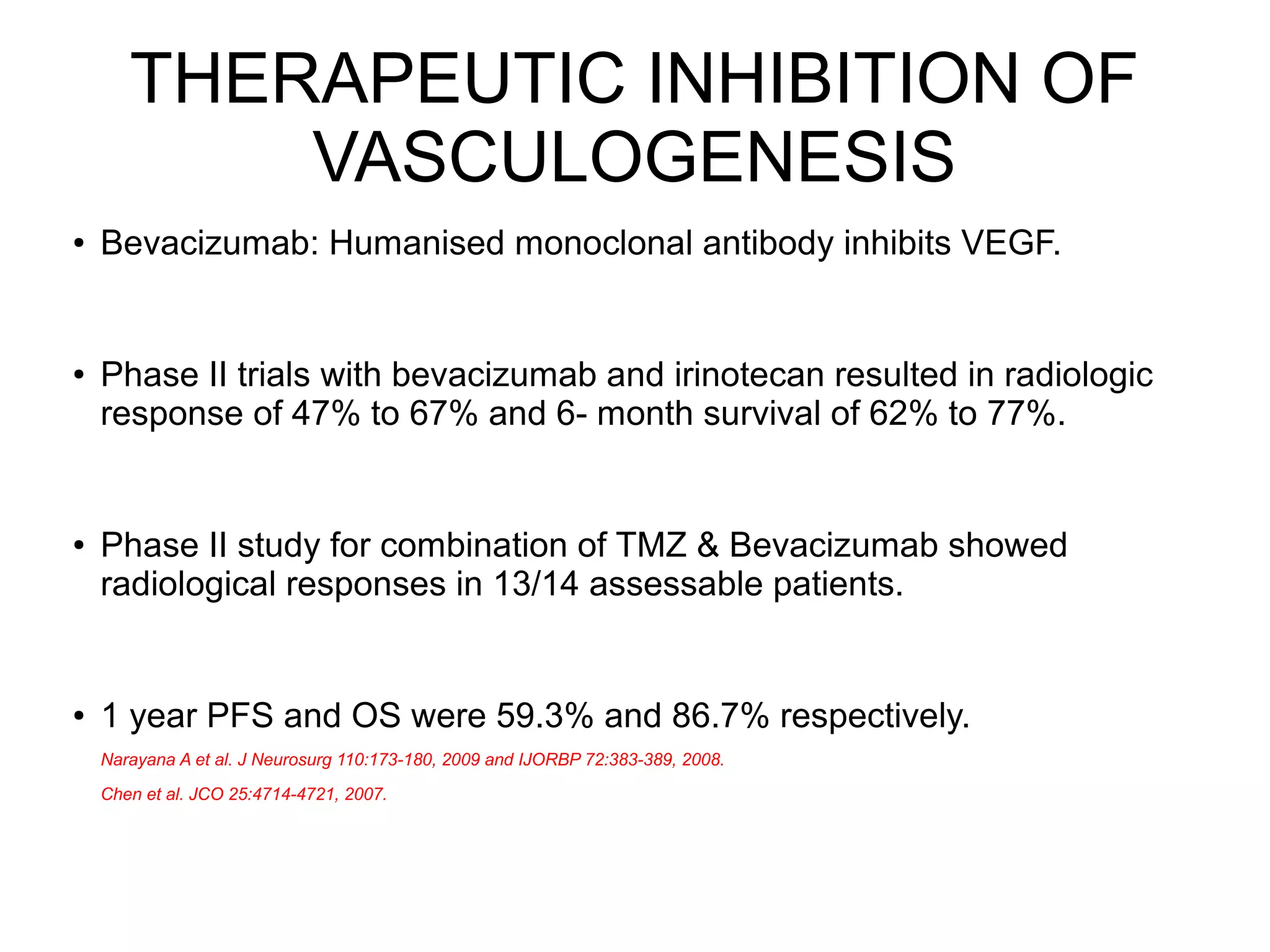
THERAPEUTIC INHIBITION OF
VASCULOGENESIS
● Bevacizumab: Humanised monoclonal antibody inhibits VEGF.
● Phase II trials with bevacizumab and irinotecan resulted in radiologic
response of 47% to 67% and 6- month survival of 62% to 77%.
● Phase II study for combination of TMZ & Bevacizumab showed
radiological responses in 13/14 assessable patients.
● 1 year PFS and OS were 59.3% and 86.7% respectively.
Narayana A et al. J Neurosurg 110:173-180, 2009 and IJORBP 72:383-389, 2008.
Chen et al. JCO 25:4714-4721, 2007.
● Although impressive results; 70% patients recur
locally; 30% recurred as extensive gliomatosis.
● Biopsy correlation showed invasive
mesenchymal phenotype.
● Blocking VEGF results in angiogenic
independent GBM stem cell growth with
upregulation of proinvasive genes.
Sakariassen et al. Proc Natl Acad Sci USA 101:16466-16471,2006
● Interesting aspect of Lithium used for bipolar
disorders.
● Inhibits migration of glioblastoma cells; inhibits
GSK 3 protein regulating metabolism, cell
division and death.
● Phase II multi institutional trial of Lithium, TMZ
and Bevacizumab is proposed.
HYPOXIA
● HIF 1α upregulates invasive genotype: CXCR4, SDF-
1(ligand of CXCR4), VEGF and MMP.
● SDF-1 exerts proliferative, anti apoptotic, and
chemotactic effects on glioma cell lines in vitro.
● Promotes glioma cell line invasion by recruitment of
MMP.
● Attractive targets for future therapy to prevent
invasion.
EFFECT OF RADIATION ON GBM
MICROENVIRONMENT
RADIATION INDUCED TGF-β
● Reactive Oxygen Species promotes generation of
TGF-β by LAP (latency Associated Peptide)
complex by conformational change.
● Inhibits DNA Repair genes; blunts ATM identified
radiation damaged DNA strand breaks.
● Inhibitor to TGF causes reduced invasiveness and
potentially increase effectiveness of external
radiation.
SEED AND SOIL REVISITED
● Glioblastoma is like pulled out weed; but soil
still remains hospitable to scattered seeds.
● Therapy by itself affects the microenvironment.
● Potentially blocking the deleterious effect of
cytokine cascade would limit toxicity and
protect normal brain function.
THANKS.
ANY QUESTIONS?

Tumor And Microenvironment

  • 1.
    LOCAL EFFECTS OFTUMORS AND METASTASIS
  • 2.
    REFERENCES ● Abellof's ClinicalOncology ● Seminars in Radiation Oncology October 2009.
  • 3.
  • 4.
    CONCEPT OF TUMORCONCEPTOF TUMOR MICROENVIRONMENTMICROENVIRONMENT
  • 5.
    ● Cancer involvescomplex multiple heterotypic interactions. ● Tumor microenvironment or STROMA influences 1) Growth 2) Ability to progress 3) Metastasise
  • 7.
    IMMUNE RESPONSE CHRONIC INFLAMMATION ●Hepatitis B & C lead to hepatic cancer; H Pylori leading to Gastric Cancer. ● Rudolf Virchow in 1863 linked association of leukocytes in tumor tissues. ● Experimentally, pro-inflammatory substances favor tumor growth, angiogenesis and metastasis.
  • 9.
  • 10.
    ROLE OF TGFβ ● Associated with T Cell suppression and inhibition of proliferation of lymphocytes. ● Reduces immune cell activation, blocks anti tumor activity. ● Promotes angiogenesis and over expression causes abberant extracellular matrix. ● Production tightly regulated in normal cells.
  • 11.
    COX 2 andProstaglandin Synthesis Chemoprevention strategy
  • 12.
    CHRONIC INFLAMMATION ● Upregulationof non specific proinflammatory cytokines. ● Increased conversion of normal cells to pre- neoplastic foci. ● Gain of function in somatic mutations transforms cells for tumor initiation.
  • 13.
    TUMOR ANGIOGENESIS ● Switchingon of “angiogenic switch”: balance between 1) Tumor genes 2) Signals from tumor stroma and recruited inflammatory cells. 3) Hypoxia ● Endothelial cells are influenced majorly by Vascular Endothelial Growth Factor (VEGF).
  • 14.
    VEGF VEGFR1 VEGF A 1) Hematopoeisis 2)Induction of metal metaloproteinases 3) Generation of chemotactic signal- further growth of cancer.
  • 15.
    Within the tumorstroma HIF 1α generation. Normally ubiquitinated by Von Hippel Lindau (VHL) gene product. VEGF mRNA is found in 1) Renal Cell Carcinomas 2) Promotes the stem cell multipotency and self renewal. 3) Promotes lymphangiogenesis
  • 16.
    Extensive cross talkbetween the inflammatory cascade and tumor angiogenesis
  • 17.
  • 19.
    Fidler called themetastatic cells as “dectathlon champions” because few cells escape the primary tumor....
  • 20.
  • 21.
  • 22.
    Switch from ECadherin to N-cadherin expression (a Mesenchymal cell marker)
  • 23.
    Constant interaction betweenmalignantConstant interaction between malignant Cell and Extracelular MatrixCell and Extracelular Matrix Constant interaction between malignantConstant interaction between malignant Cell and Extracelular MatrixCell and Extracelular Matrix
  • 24.
    Movement is similar toan inchworm Focal Adhesion along with Activation of GTPases and Actin and Myosin Contraction Recruitment of Matrix Metalloproteases to focal adhesion sites; Degradation of Extracellular Matrix and Cell glides forward.
  • 25.
    Disruption of thebasement membrane; alteration of balance Between proteases and their inhibitory proteins. Collagenases degrade Collagen Type IV; Releases activated chemokines and other Bioactive compunds Increased in cells with metastatic Potential.
  • 26.
    INTRAVASATION ● The entryof tumor cells into circulation is intravasation. ● The exit of tumor cells from circulation is extravasation. ● Escape easy through abnormal vasculature. ● Chemokines as “attractants” guide cells in circulation.
  • 27.
    Chemokines act as“honey pots” to attract metastatic cells
  • 28.
    SURVIVAL IN CIRCULATORY SYSTEM HeterotypicFoci; Tumor aggregation with Coagulation factors. Homotypic Foci: Tumor aggregation with Platelets. Tipping of balance between anti and pro apoptotic pathways; survival of anoikis
  • 29.
    EXTRAVASATION 1) Increased expressionof Cell Adhesion Molecules 2) VEGF increases vascular permeability 3) Some tumor cells may follow White Blood Cell motility patterns
  • 30.
    PROLIFERATION ● Final step;host tissue influences growth by auto/para/endocrine pathways. ● e.g. Liver synthesises IGF-1 (Insulin Like Growth Factor) which stimulates cells from breast, colon and bladder. ● These cells over express receptors for these ligands.
  • 31.
    ANGIOGENESIS ● VEGF iswell characterised. ● Stimulates endothelial cells; pericytes and increasing vascular permeability. ● Key molecule for homing of VEGF-R positive bone marrow derived progenitor cells.
  • 33.
    Paget's Seed andSoil Hypothesis Tumors Cells= Seed Permissive role of environment=Soil. The hypothesis where cancer cells are able to survive and proliferate is still the conceptual model in modern cancer research.
  • 34.
    Role of CancerStem Cells or Cancer Initiating Cells. (CSC/CIC)
  • 35.
    PERMISSIVE ROLE OFVEGF-1 BONE MARROW DERIVED CELLS ● They migrate to colonise target areas. ● Express hematopoietic markers- CD34, CD116, c-kit, integrins and chemokine receptors. ● Promote homing and attachment to the target tissue.
  • 36.
    RECREATE SUPPORTIVE MICROENVIRONMENT ● Secretionof chemokines + Release of angiogenic factors (VEGF-A). ● Chemoattractant proteins S100A8 and S100A9 were initially detected. ● Metastatic niches and process has major clinical implications.
  • 37.
    THERAPY INDUCED MODIFICATIONOF STROMA IMPACTS TUMOR PROGRESSION Radiotherapy: 1) Affects tumor stroma 2) Bidirectional cell signalling 3) Stroma exerts tumor promoting effects ● Tumor recurrences in irradiated field have a poor prognosis.
  • 38.
    CULPRIT? ● Impaired angiogenicresponse ● Hypoxia upregulates matricellular protein CYR61 and integrin άVβ5 mediating survival in hypoxic conditions. ● Selects hypoxia resistant, invasive and metastatic phenotype.
  • 39.
    FURTHER INSULT ● Antiapoptoticfactors like IGF and pro inflammatory cytokines (GM-CSF) are generated. ● Generation of tumor promoting factors like EGF.
  • 40.
    INCREASED SURVIVAL OF CSC/CIC ●Identified by Cluster of Differentiation (CD Number). ● Breast cancer experimental model CD44+/CD24- shows few or absent double strand breaks. ● CD133+ glioma cell lines is more resistant as compared to CD133- lines. ● Radio Resistance= efficient repair.
  • 41.
    CLINICAL EXAMPLE OFMALIGNANT GLIOBLASTOMA MICROENVIRONMENT
  • 42.
    1) PERMISSIVE ROLEOF TGF-β Prime role identified in : ● Suppression of host immune responses ● Augments angiogenesis. Inactivating mutations of TGFβ2 are infrequent. TGFβ antisense compound AP12009 targets mRNA; reduces cell proliferation in all glioma cell lines. Hau P et al. Oligonucleotides 17;201-212, 2007
  • 43.
    ● Phase I/IIclinical data. ● Reported proonged survival compared with literature data. ● Observed time course are consistent with proposed reversal of tumor induced immunosupression.
  • 44.
    THERAPEUTIC INHIBITION OF VASCULOGENESIS ●Bevacizumab: Humanised monoclonal antibody inhibits VEGF. ● Phase II trials with bevacizumab and irinotecan resulted in radiologic response of 47% to 67% and 6- month survival of 62% to 77%. ● Phase II study for combination of TMZ & Bevacizumab showed radiological responses in 13/14 assessable patients. ● 1 year PFS and OS were 59.3% and 86.7% respectively. Narayana A et al. J Neurosurg 110:173-180, 2009 and IJORBP 72:383-389, 2008. Chen et al. JCO 25:4714-4721, 2007.
  • 45.
    ● Although impressiveresults; 70% patients recur locally; 30% recurred as extensive gliomatosis. ● Biopsy correlation showed invasive mesenchymal phenotype. ● Blocking VEGF results in angiogenic independent GBM stem cell growth with upregulation of proinvasive genes. Sakariassen et al. Proc Natl Acad Sci USA 101:16466-16471,2006
  • 46.
    ● Interesting aspectof Lithium used for bipolar disorders. ● Inhibits migration of glioblastoma cells; inhibits GSK 3 protein regulating metabolism, cell division and death. ● Phase II multi institutional trial of Lithium, TMZ and Bevacizumab is proposed.
  • 47.
    HYPOXIA ● HIF 1αupregulates invasive genotype: CXCR4, SDF- 1(ligand of CXCR4), VEGF and MMP. ● SDF-1 exerts proliferative, anti apoptotic, and chemotactic effects on glioma cell lines in vitro. ● Promotes glioma cell line invasion by recruitment of MMP. ● Attractive targets for future therapy to prevent invasion.
  • 48.
    EFFECT OF RADIATIONON GBM MICROENVIRONMENT
  • 49.
    RADIATION INDUCED TGF-β ●Reactive Oxygen Species promotes generation of TGF-β by LAP (latency Associated Peptide) complex by conformational change. ● Inhibits DNA Repair genes; blunts ATM identified radiation damaged DNA strand breaks. ● Inhibitor to TGF causes reduced invasiveness and potentially increase effectiveness of external radiation.
  • 50.
    SEED AND SOILREVISITED ● Glioblastoma is like pulled out weed; but soil still remains hospitable to scattered seeds. ● Therapy by itself affects the microenvironment. ● Potentially blocking the deleterious effect of cytokine cascade would limit toxicity and protect normal brain function.
  • 51.