



Transport Geography
Choice of mode of Transport
Pavithra senthilkumar,
Msc.,geography,
Mk university,
Madurai.
Introduction
• TRANSPORT is responsible for the physical movement
of materials between points in the supply chain.
• At the heart of logistics are transport vehicles moving
goods between suppliers and customers.
Mode of Transport
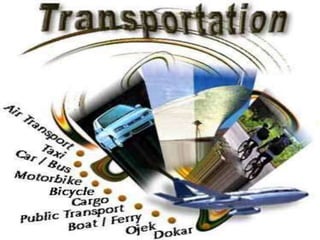
• The mode of transport describes the type of
transport used.
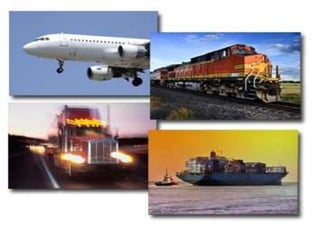
• There are basically five different options;
*Rail * Road * Air
* Water * Pipeline
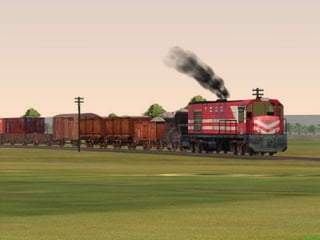
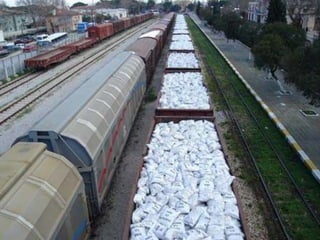
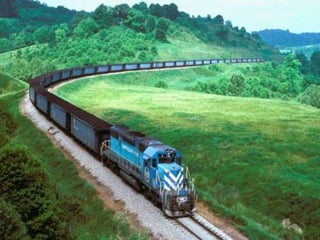
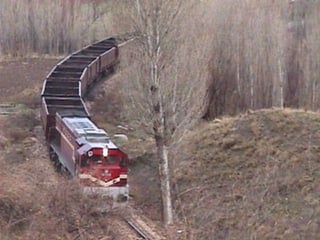
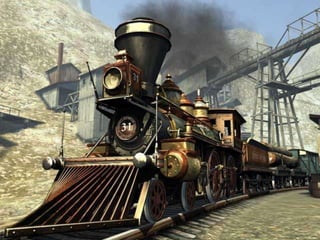
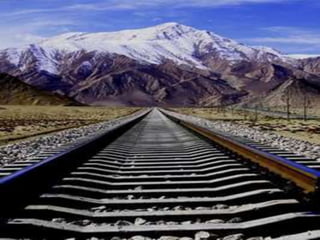
Rail
• Most commonly used for heavy and bulky loads
over long land journeys.
• They are almost invariably public carriers rather
than private carriers.
• The rail service is not nationalised, it is allowed
a monopoly.
Advantage of Rail
• Rail is that once the infrastructure is in place, it
has very high capacity and low unit costs.
• Railway is the safest form of transport.
• Railways perform many public utility services.
• Unit transport cost is low.
Disadvantage of Rail
• Its inflexibility.
• Trains can only travel along specified routes
between fixed terminals, and cannot stop at
intermediary points.
• Obvious limitation of only being used on land.
• Rail transport cannot provide door to door
service.
Road
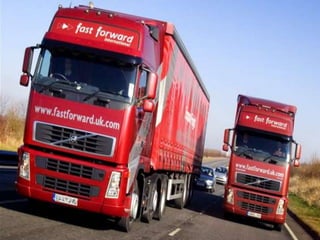
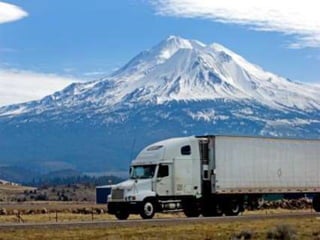
• The most widely used mode of transport and is
used at least somewhere in almost all supply
chains.
• Road transport can normally carry loads up to,
say, 20–30 tonnes.
Advantage of Road
• Main benefit is flexibility, being able to visit
almost any location.
• Travel speed can be an important consideration.
• Use extensive road networks.
• Large number of carriers working in the same
areas.
• Easy to monitor location of goods.
Disadvantage of Road
• These become relatively expensive,so road
transport is generally used for shorter distances.
• Used for delivering finished goods than bulky raw
materials.
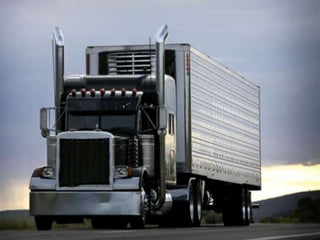
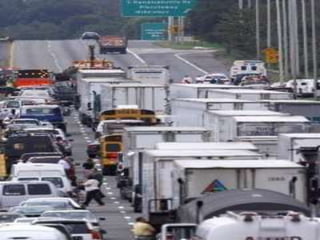
• Lorries are particularly vulnerable to congestion
and traffic delays.
• Obvious limitation of only being used on land
Different types of road vehicle
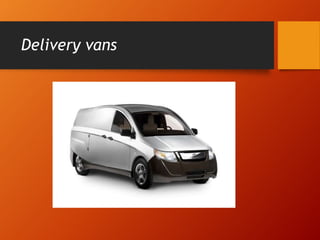
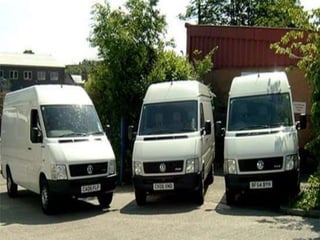
• Delivery vans
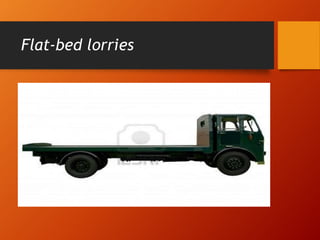
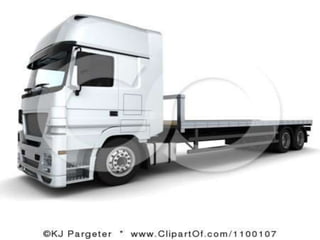
• Flat-bed lorries
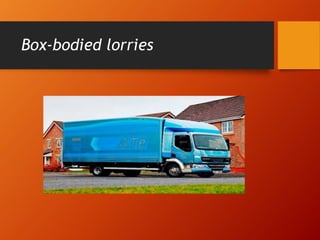
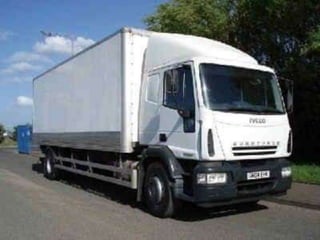
• Box-bodied lorries
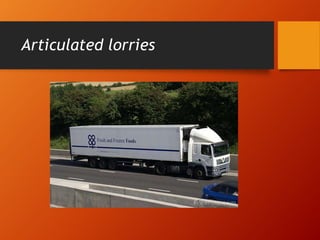
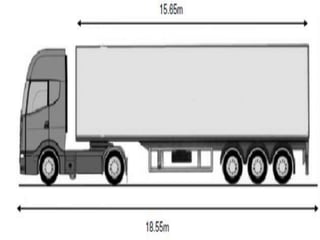
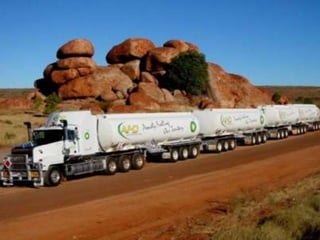
• Articulated lorries
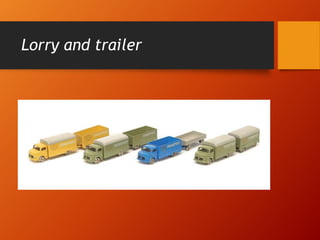
• Lorry and trailer
Delivery vans
Flat-bed lorries
Box-bodied lorries
Articulated lorries
Lorry and trailer
Water
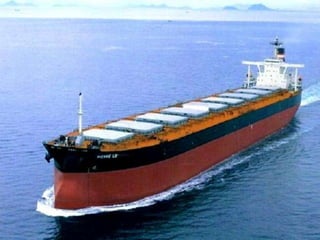
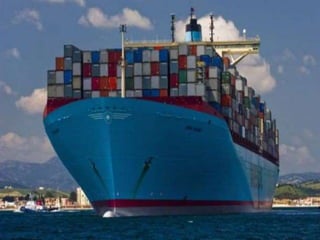
• Most supply chains use shipping to cross the
oceans , over 90% of world trade is moved by sea
(UK, Australia , USA..)
Advantage of Water
• Ideal for transporting heavy and bulky goods.
• Suitable for products with long lead times.
• Cheapest traffic means Requires cheap motor
powers than for airplanes.
Disadvantage of Water
• Longer lead/delivery times and slow.
• Difficult to monitor exact location of goods in
transit.
• Its inflexibility in being limited to appropriate
ports.
• Transfers to ships take time.
Basically three types of water
transport;
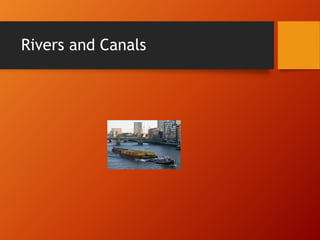
• Rivers and Canals
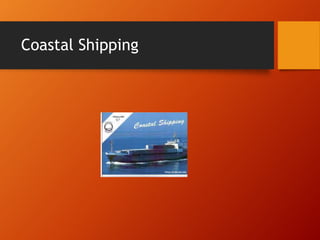
• Coastal Shipping
• Ocean Transport
Rivers and Canals
Coastal Shipping
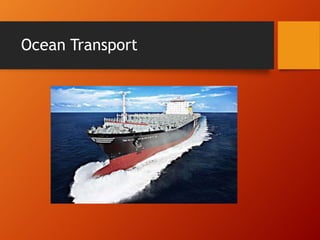
Ocean Transport
Different types of vessel
• General cargo ships
• Bulk carriers
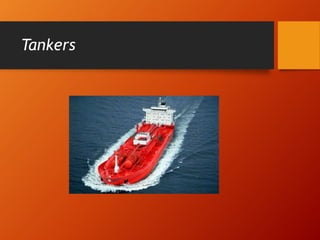
• Tankers
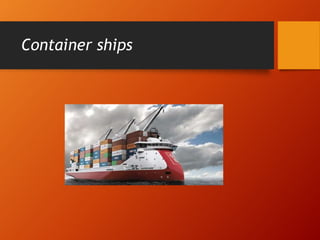
• Container ships
• Ferries
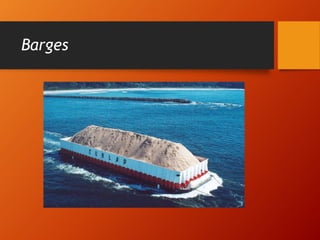
• Barges
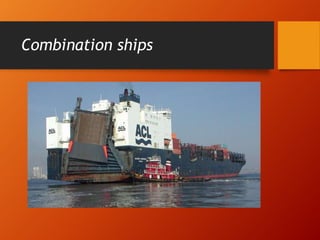
• Combination ships
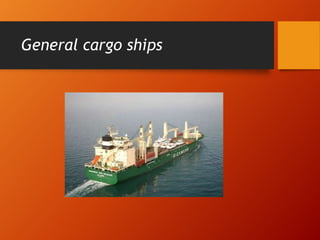
General cargo ships
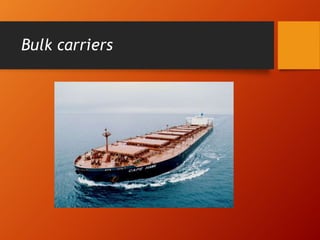
Bulk carriers
Tankers
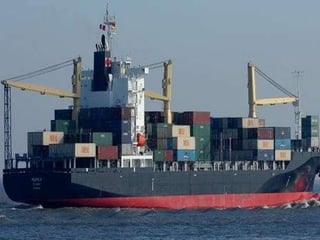
Container ships
Ferries
Barges
Combination ships
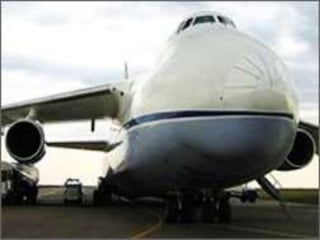
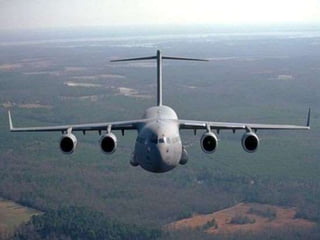
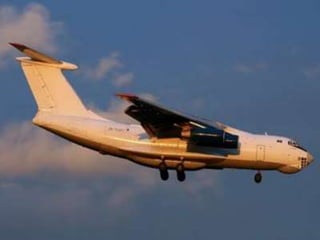
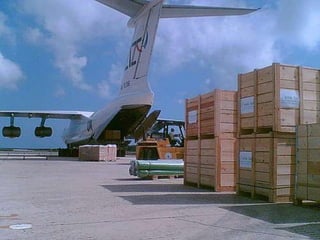
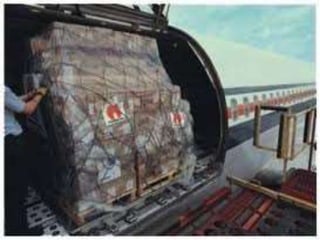
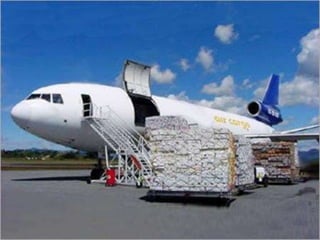
Air
• Passengers account for most airline business,
with eight billion passenger kilometres flown a
year in the UK.
Avantage of Air
• Main advantage is speed of delivery.
• Useful for Cargo companies For ex; Yurtici , UPS ,
Aras etc..
Disavantage of Air
• Transfers to plane take time in the airport.
• It is costly transport.
• Competition can also be fierce.
• Weight limits is prevent carrying amount of
materials .
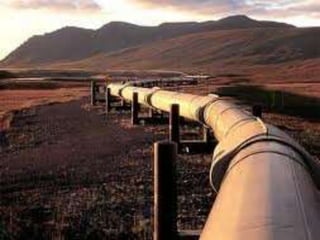
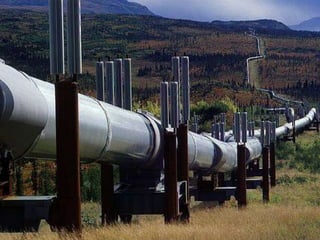
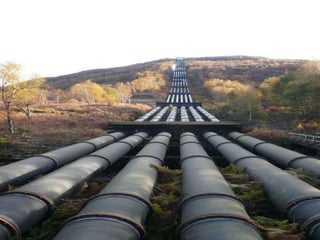
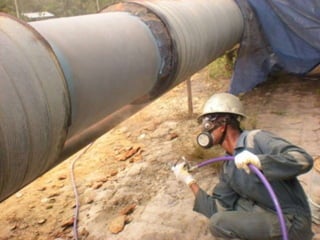
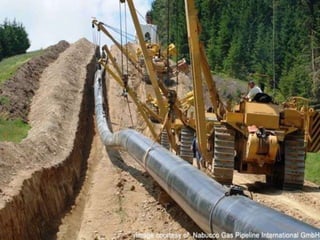
Pipeline
• The main uses of pipelines are oil and gas
together with the utilities of water and sewage.
• They can also be used for a few other types of
product such as pulverised coal in oil.
Advantage of Pipeline
• Moving large quantities over long distances.
• Cheapest way of moving liquids For ex; oil and
gas.
• Local networks can add flexibility by delivering
to a wide range of locations.
Disadvantage of Pipeline
• Being slow.
• Inflexible.
• Only carrying large volumes of certain types of
fluid.
• Huge initial investment of building dedicated
pipelines.
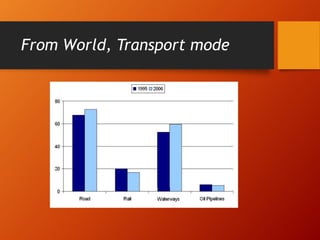
From World, Transport mode
Choice of Mode
• Choice of mode depends on a variety of factors .
The main ones are the nature of materials to
move, the volume and distance.
Other factors include:
• Value of materials
• Importance
• Transit times,
• Reliability
• Cost and flexibility to negotiate rates
• Reputation and stability of carrier
• Security, loss and damage
• Schedules and frequency of delivery
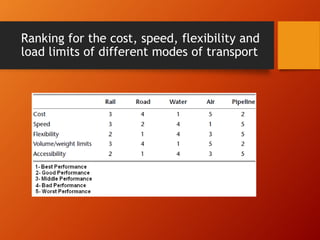
Ranking for the cost, speed, flexibility and
load limits of different modes of transport
Transport geography

Transport geography

  • 1.
    Transport Geography Choice ofmode of Transport Pavithra senthilkumar, Msc.,geography, Mk university, Madurai.
  • 2.
    Introduction • TRANSPORT isresponsible for the physical movement of materials between points in the supply chain. • At the heart of logistics are transport vehicles moving goods between suppliers and customers.
  • 5.
    Mode of Transport •The mode of transport describes the type of transport used. • There are basically five different options; *Rail * Road * Air * Water * Pipeline
  • 7.
    Rail • Most commonlyused for heavy and bulky loads over long land journeys. • They are almost invariably public carriers rather than private carriers. • The rail service is not nationalised, it is allowed a monopoly.
  • 10.
    Advantage of Rail •Rail is that once the infrastructure is in place, it has very high capacity and low unit costs. • Railway is the safest form of transport. • Railways perform many public utility services. • Unit transport cost is low.
  • 13.
    Disadvantage of Rail •Its inflexibility. • Trains can only travel along specified routes between fixed terminals, and cannot stop at intermediary points. • Obvious limitation of only being used on land. • Rail transport cannot provide door to door service.
  • 16.
    Road • The mostwidely used mode of transport and is used at least somewhere in almost all supply chains. • Road transport can normally carry loads up to, say, 20–30 tonnes.
  • 19.
    Advantage of Road •Main benefit is flexibility, being able to visit almost any location. • Travel speed can be an important consideration. • Use extensive road networks. • Large number of carriers working in the same areas. • Easy to monitor location of goods.
  • 22.
    Disadvantage of Road •These become relatively expensive,so road transport is generally used for shorter distances. • Used for delivering finished goods than bulky raw materials. • Lorries are particularly vulnerable to congestion and traffic delays. • Obvious limitation of only being used on land
  • 25.
    Different types ofroad vehicle • Delivery vans • Flat-bed lorries • Box-bodied lorries • Articulated lorries • Lorry and trailer
  • 26.
  • 28.
  • 30.
  • 32.
  • 34.
  • 36.
    Water • Most supplychains use shipping to cross the oceans , over 90% of world trade is moved by sea (UK, Australia , USA..)
  • 39.
    Advantage of Water •Ideal for transporting heavy and bulky goods. • Suitable for products with long lead times. • Cheapest traffic means Requires cheap motor powers than for airplanes.
  • 40.
    Disadvantage of Water •Longer lead/delivery times and slow. • Difficult to monitor exact location of goods in transit. • Its inflexibility in being limited to appropriate ports. • Transfers to ships take time.
  • 43.
    Basically three typesof water transport; • Rivers and Canals • Coastal Shipping • Ocean Transport
  • 44.
  • 45.
  • 46.
  • 47.
    Different types ofvessel • General cargo ships • Bulk carriers • Tankers • Container ships • Ferries • Barges • Combination ships
  • 48.
  • 49.
  • 50.
  • 51.
  • 52.
  • 53.
  • 54.
  • 55.
    Air • Passengers accountfor most airline business, with eight billion passenger kilometres flown a year in the UK.
  • 58.
    Avantage of Air •Main advantage is speed of delivery. • Useful for Cargo companies For ex; Yurtici , UPS , Aras etc..
  • 61.
    Disavantage of Air •Transfers to plane take time in the airport. • It is costly transport. • Competition can also be fierce. • Weight limits is prevent carrying amount of materials .
  • 64.
    Pipeline • The mainuses of pipelines are oil and gas together with the utilities of water and sewage. • They can also be used for a few other types of product such as pulverised coal in oil.
  • 67.
    Advantage of Pipeline •Moving large quantities over long distances. • Cheapest way of moving liquids For ex; oil and gas. • Local networks can add flexibility by delivering to a wide range of locations.
  • 69.
    Disadvantage of Pipeline •Being slow. • Inflexible. • Only carrying large volumes of certain types of fluid. • Huge initial investment of building dedicated pipelines.
  • 72.
  • 73.
    Choice of Mode •Choice of mode depends on a variety of factors . The main ones are the nature of materials to move, the volume and distance.
  • 74.
    Other factors include: •Value of materials • Importance • Transit times, • Reliability • Cost and flexibility to negotiate rates • Reputation and stability of carrier • Security, loss and damage • Schedules and frequency of delivery
  • 75.
    Ranking for thecost, speed, flexibility and load limits of different modes of transport