
Product Principles
The difference between good and great
Every company has a Mission Statement
An agreed upon, lasting statement that all employees know by heart
As PMs, we translate the Mission Statement into Product
All the decisions we make should be consistent with, and advance the mission
But, translating lofty Mission Statement to Product is tough
How does “To re-imagine commerce in ways that build a more fulfilling and lasting
world” help me design a new review system for Etsy items?
Product Principles make the Mission Statement actionable
Set of rules that we as PMs can use to make decisions
Examples
Let’s go through a few
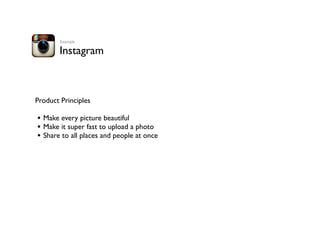
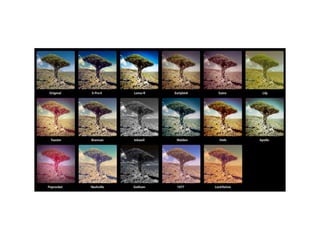
Instagram
Product Principles
• Make every picture beautiful
• Make it super fast to upload a photo
• Share to all places and people at once
Example
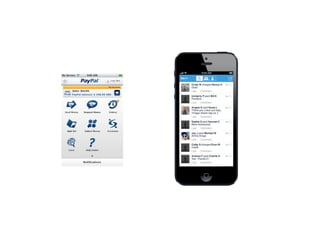
Venmo
Product Principles
• Easy
• Fun
• Trustworthy
Example
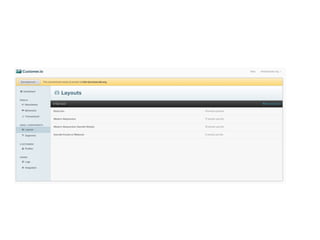
Customer.io
Product Principles
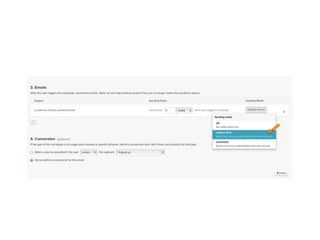
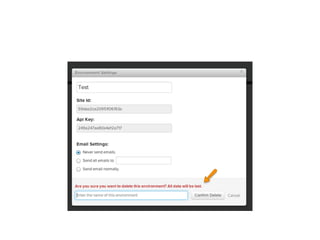
• Make it hard to make mistakes
• Make our users feel like they have superpowers
• Make our users’ success easy to share
Example
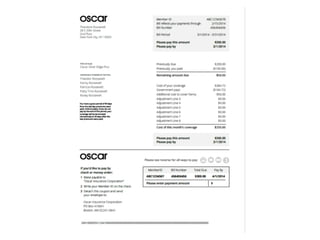
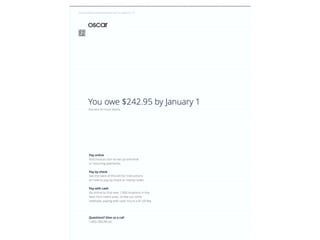
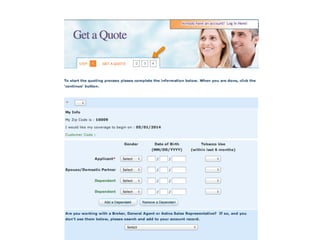
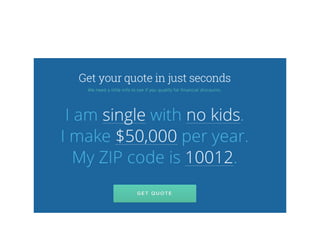
Oscar
Product Principles
• Simple
• Friendly
• Smart
Example
Difference between Good and Great
Why have product principles?
VP sign-off not required
Codified principles enable autonomous, consistent decision-making at every level
Clarifies when to say ‘yes’ and ‘no’
Prioritization and resource distribution becomes clearer
Data isn’t necessary to justify every decision
Easier to gain consensus on decisions hard data can’t answer
Easier to think of delivery drones
Less copy-cating, more first-moving
Forming Product Principles
What qualities should Product Principles have?
Easy to remember
No more than 5. Ideally 3. Everyone at the company should know them by heart.
Written in clear, direct, decisive language
Help PMs and others make decisions
Play at some emotional level
Get at how your users should feel as they use your product.
Specific to your company
Emphasize your POV and how you’re different from competitors
Product Principles at Etsy
Working with PMs to form product principles
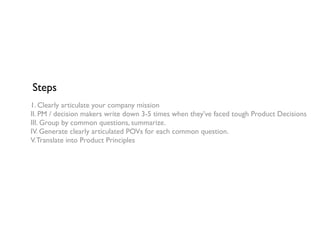
Steps
1. Clearly articulate your company mission
II. PM / decision makers write down 3-5 times when they’ve faced tough Product Decisions
III. Group by common questions, summarize.
IV. Generate clearly articulated POVs for each common question.
V.Translate into Product Principles
Questions?
@ashaegupta

Product Principles