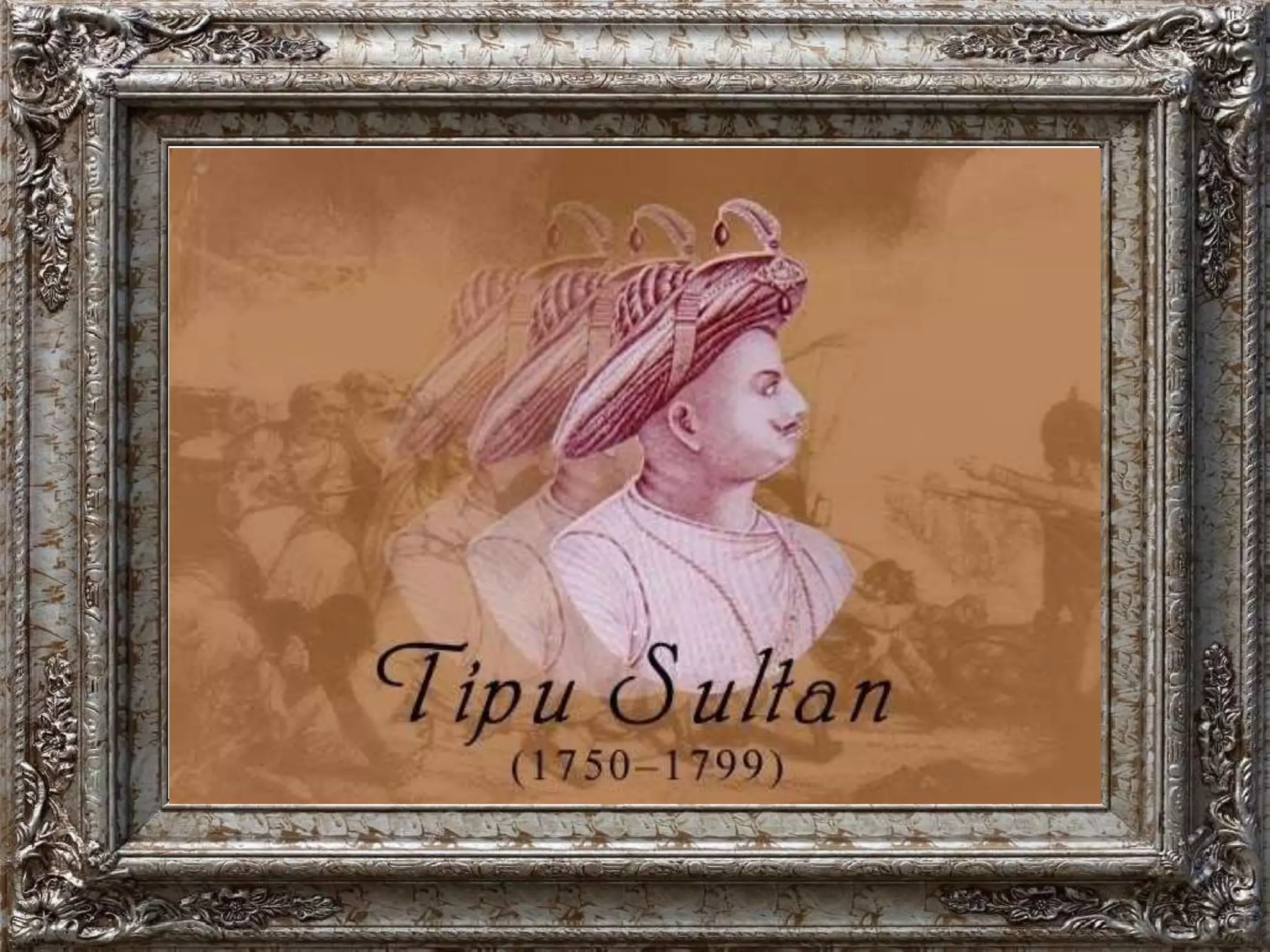
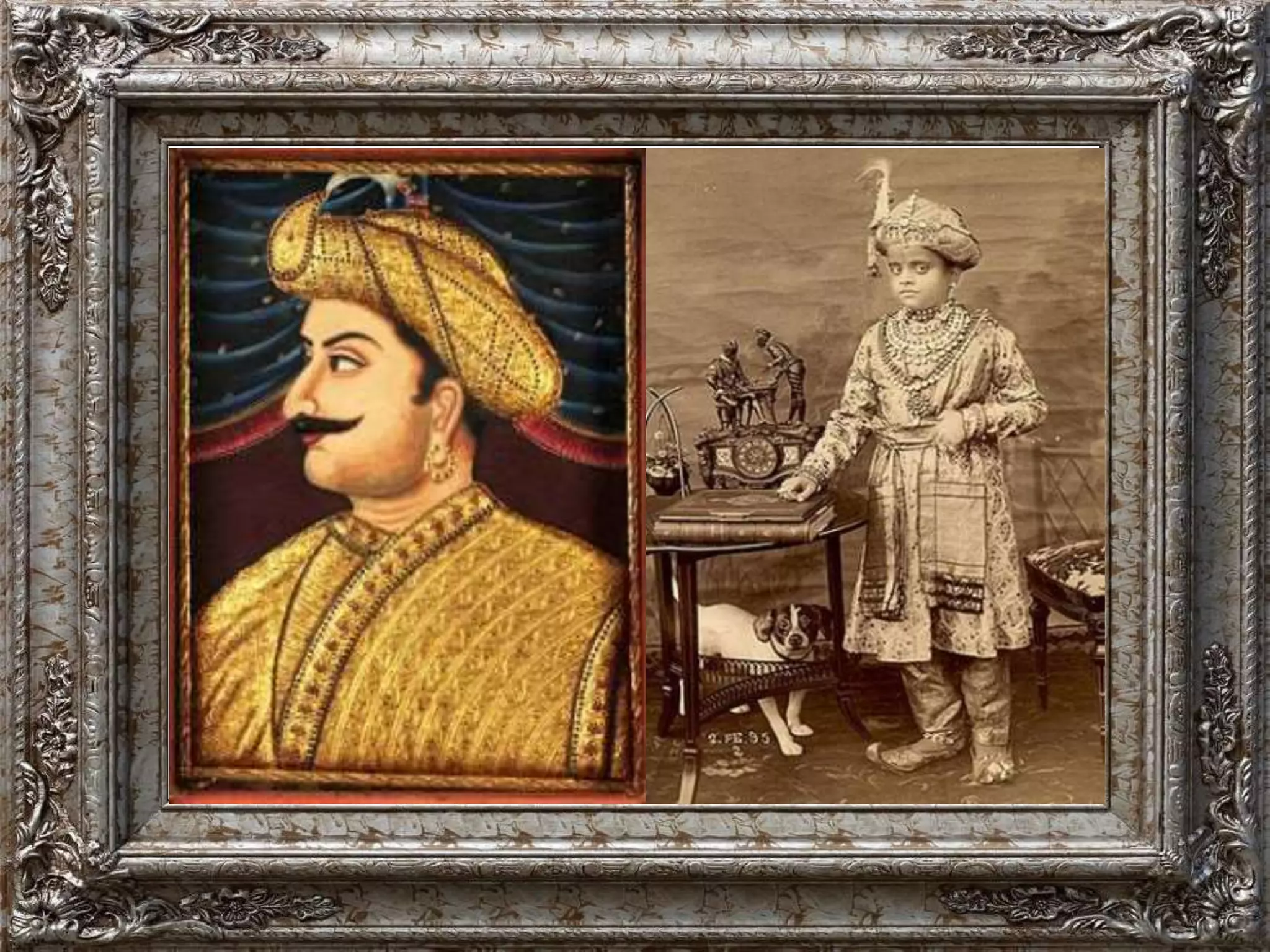
Tipu Sultan, prominently known as Sher-e-Mysore (Tiger 
of Mysore) is also given the sobriquet of Sher-e-Hind 
and Sher-e-Mashriq (Tiger of the East). A legendary ruler, 
he not only opposed British rule in South India but 
also played a major role in keeping the British forces 
away from South India . He was one of those rare rulers 
who had the gumption to challenge the British 
Government. 
No wonder, the mighty Tippoo Sahib (as addressed by 
British) defeated the foreign invaders in the First and 
Second Anglo Mysore War and even dictated terms to 
the British in the subsequent Treaty of Madras and 
Mangalore respectively.
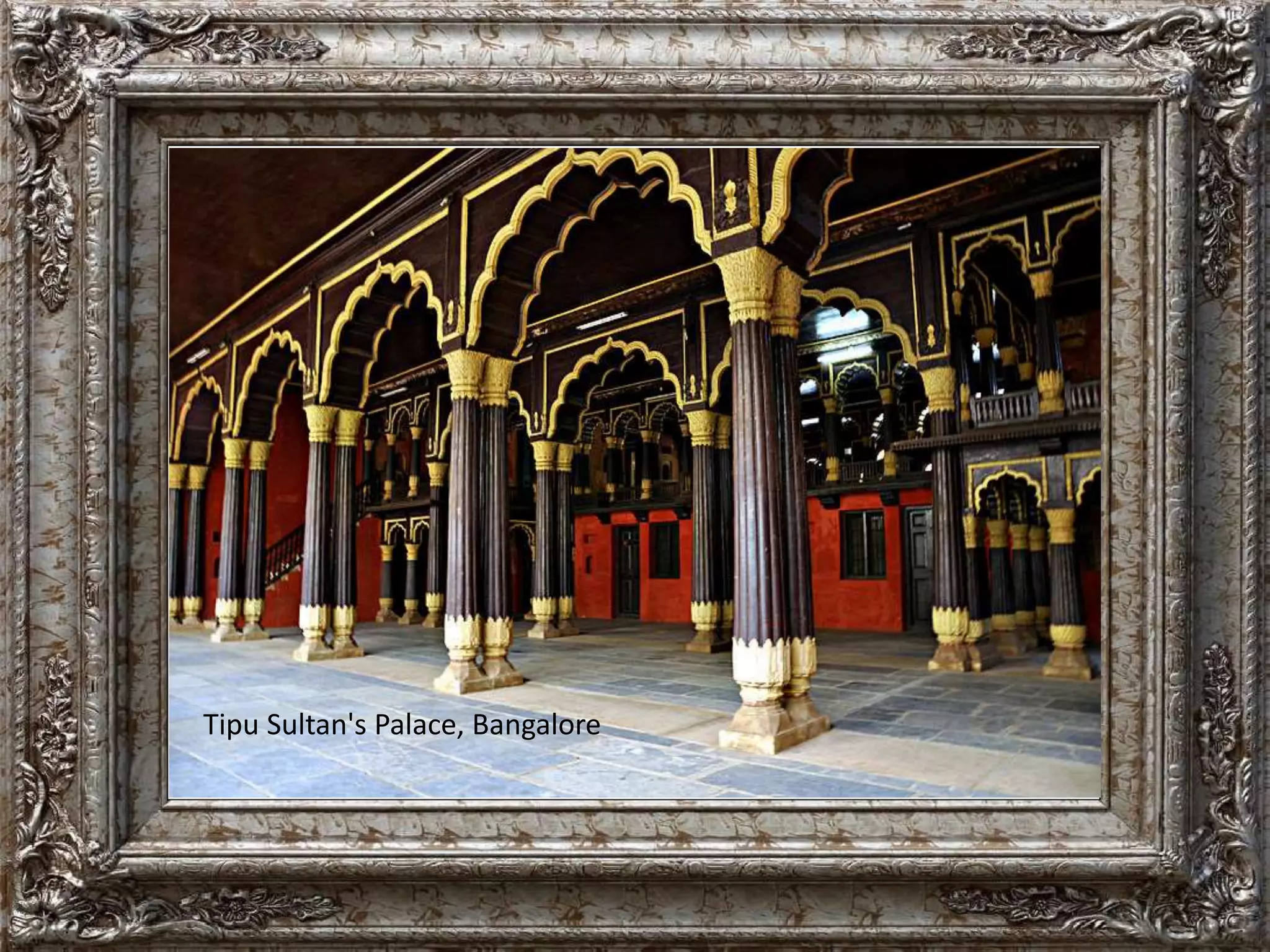
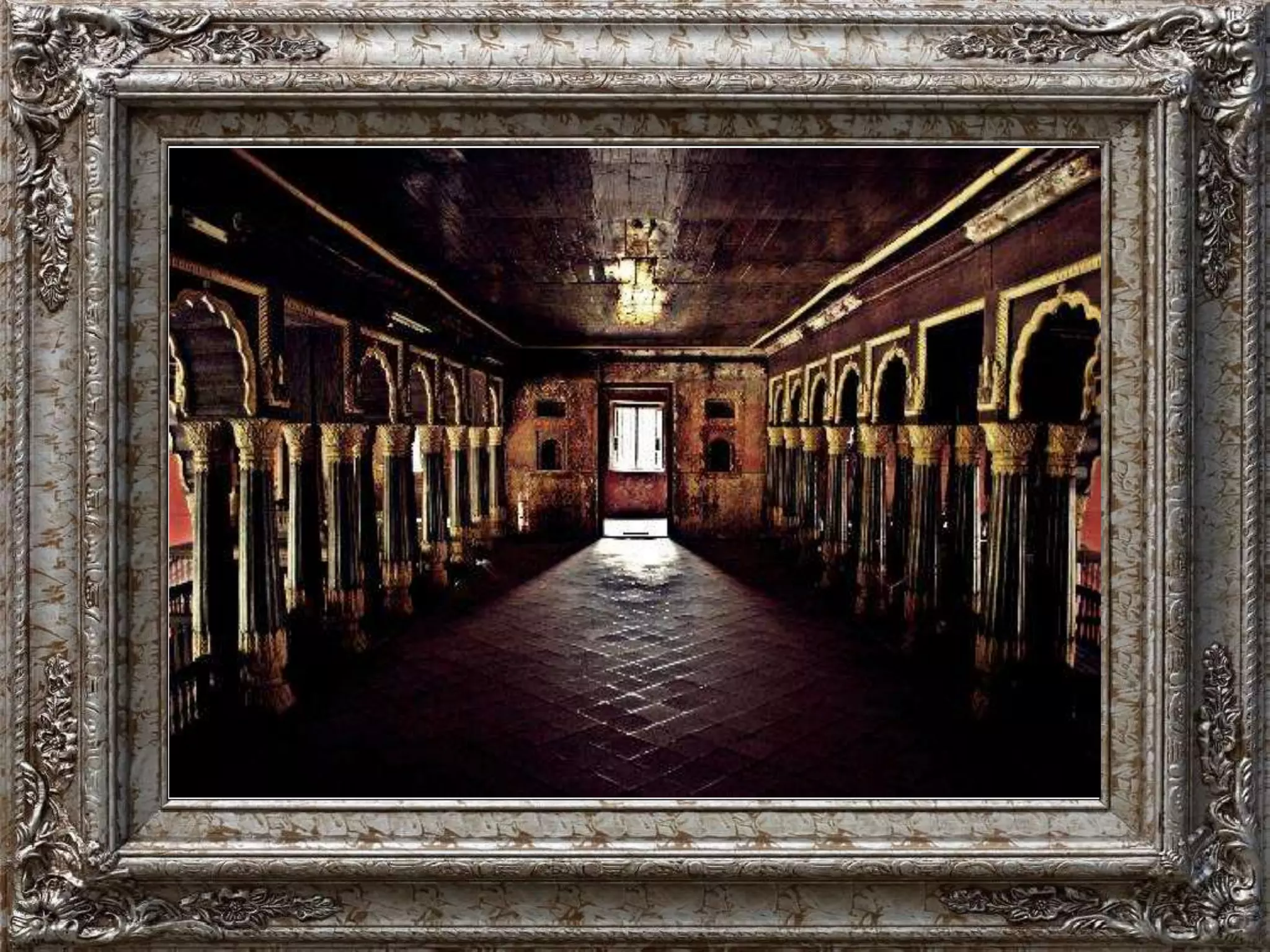
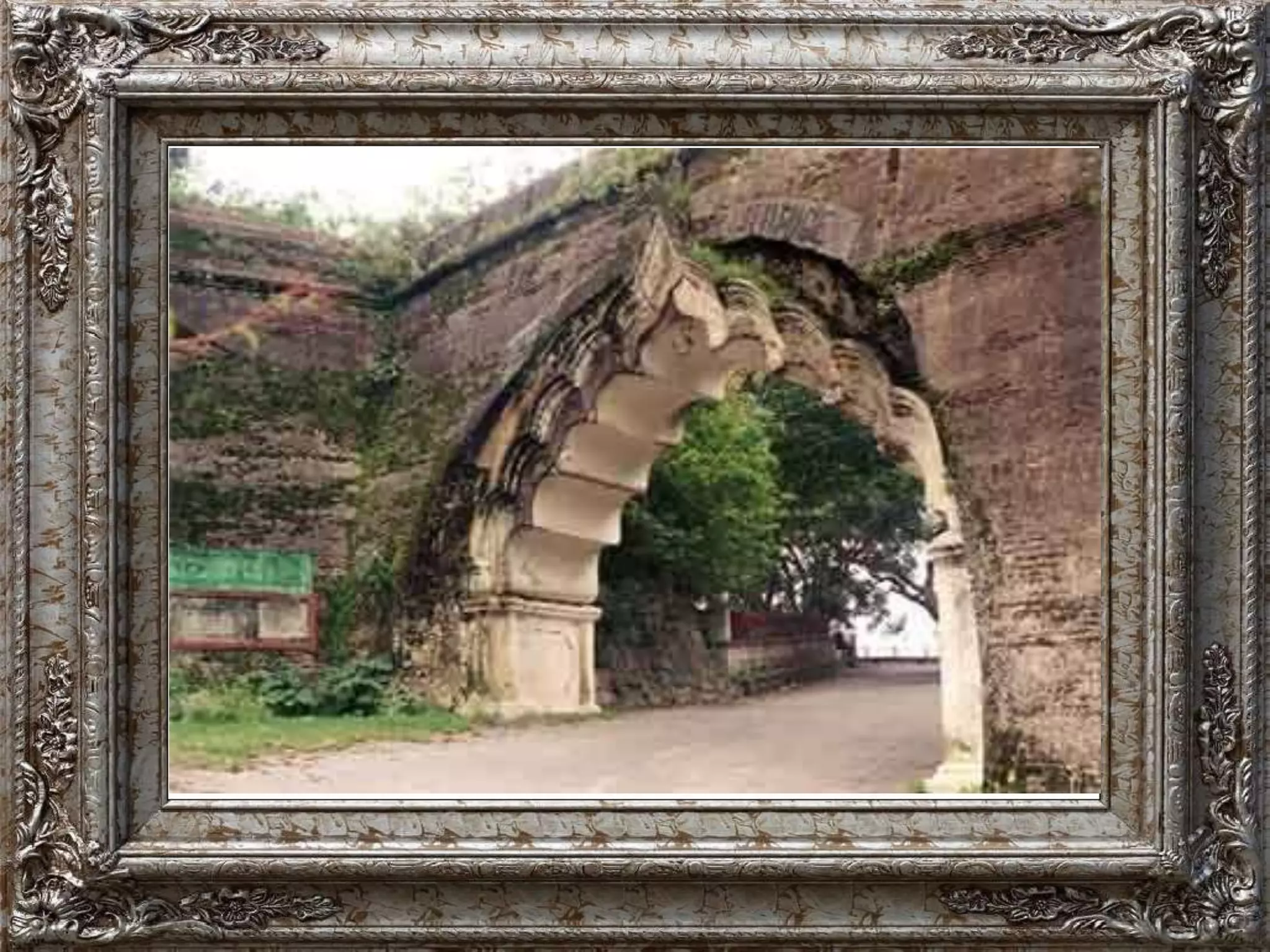
Tipu Sultan's Palace, Bangalore
After Hyder Ali died due to Carbuncle in the year 
1782, Tipu became the new ruler of Mysore. This 
new ruler who had already fought two war – First 
Anglo Mysore and Second Anglo Mysore War under 
the leadership of his father knew that British forces 
were a great threat to the independent Kingdom of 
Mysore. He therefore focused more on 
military advances especially Mysorean rockets which 
were successfully used by his father in the Second 
Anglo Mysore War against the British.
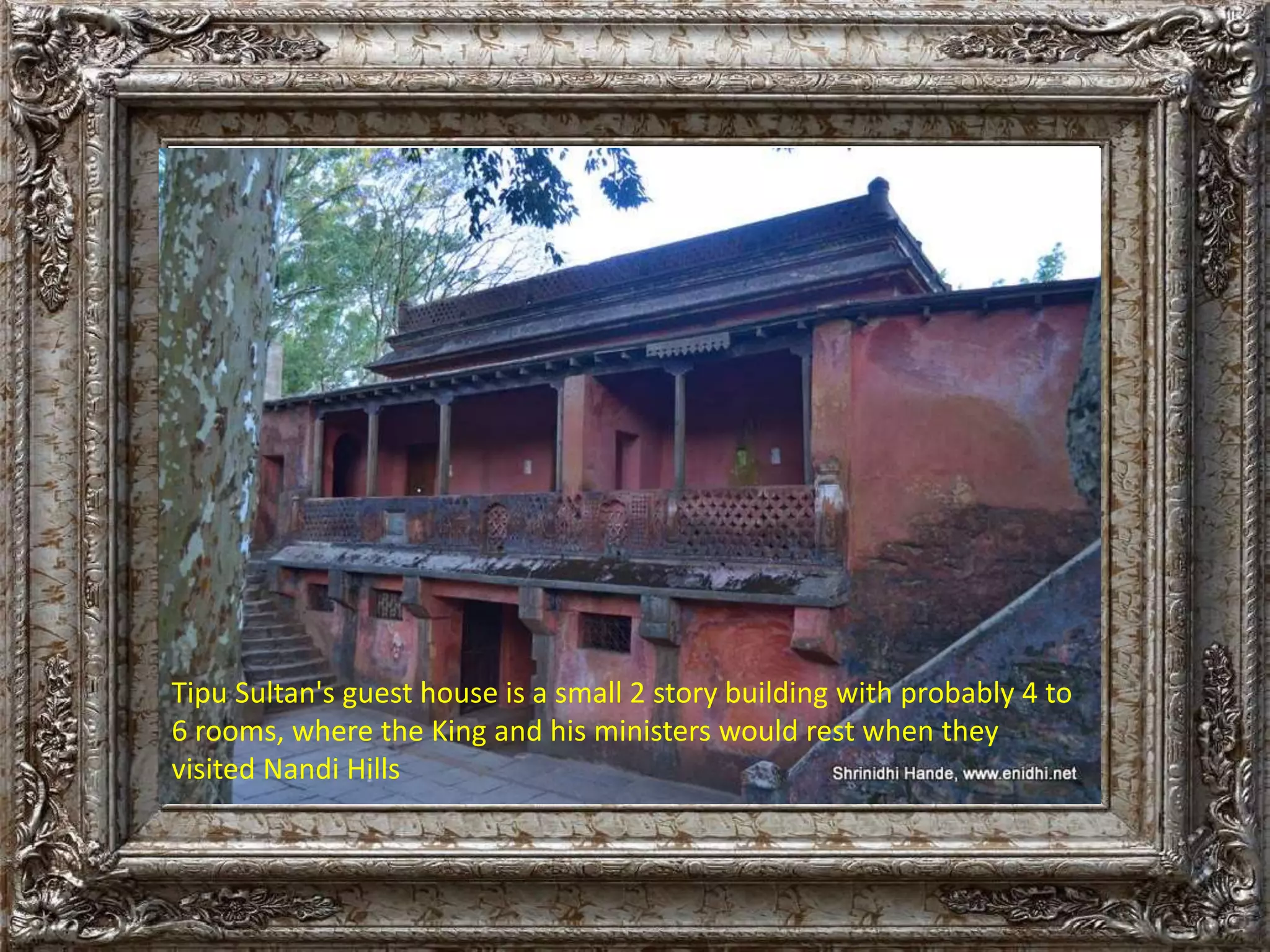
Tipu Sultan's guest house is a small 2 story building with probably 4 to 
6 rooms, where the King and his ministers would rest when they 
visited Nandi Hills
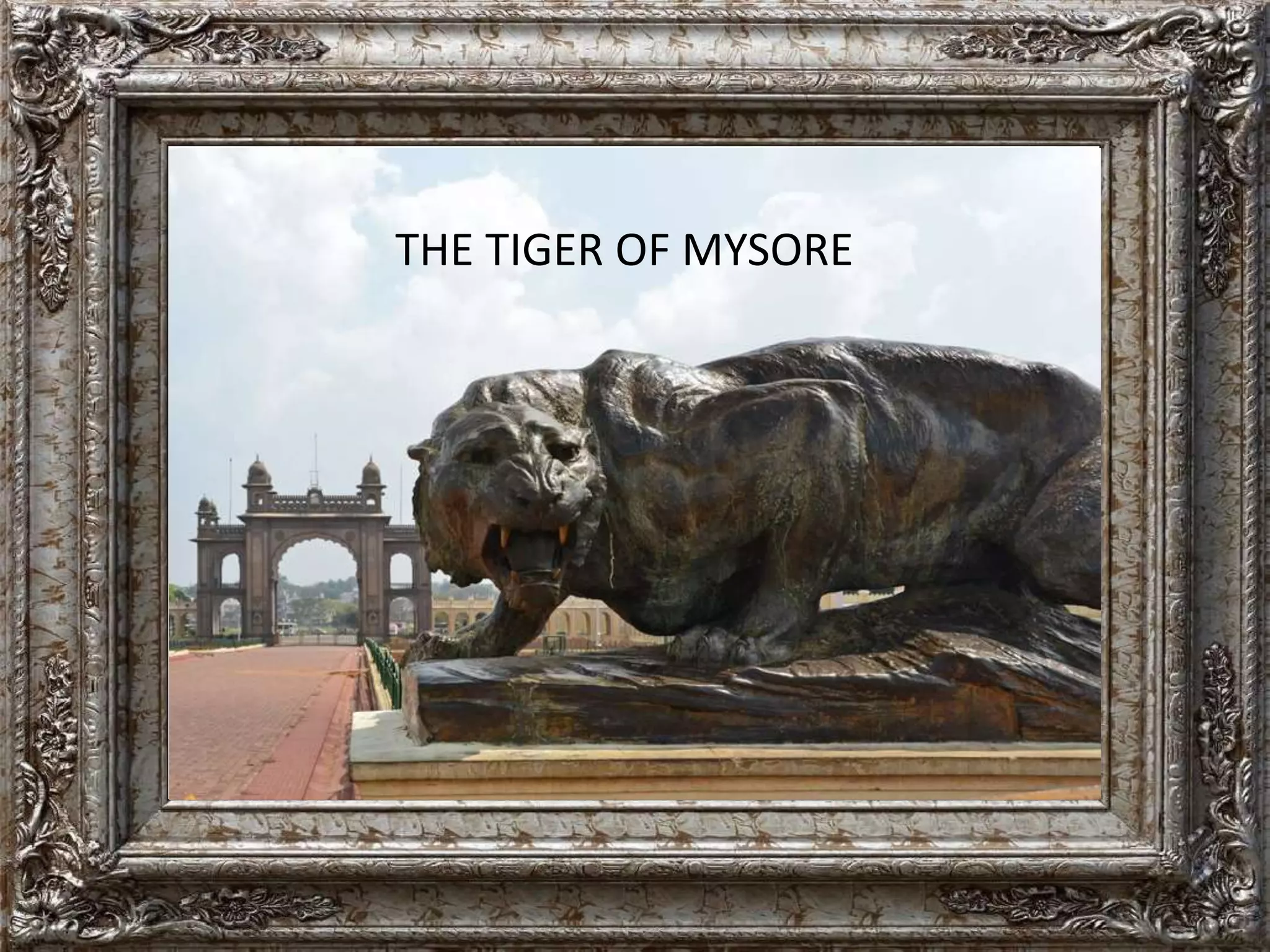
THE TIGER OF MYSORE
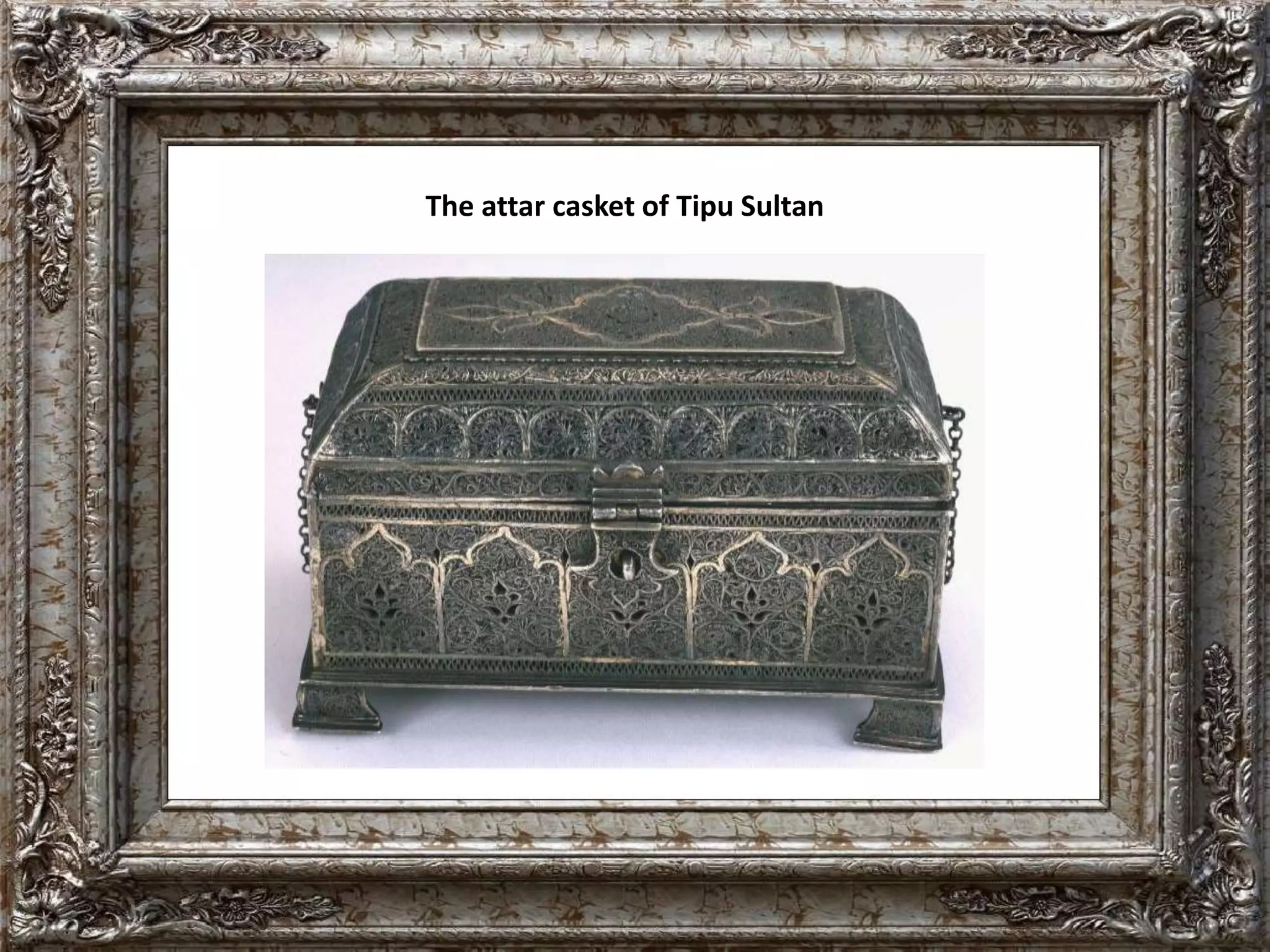
The attar casket of Tipu Sultan
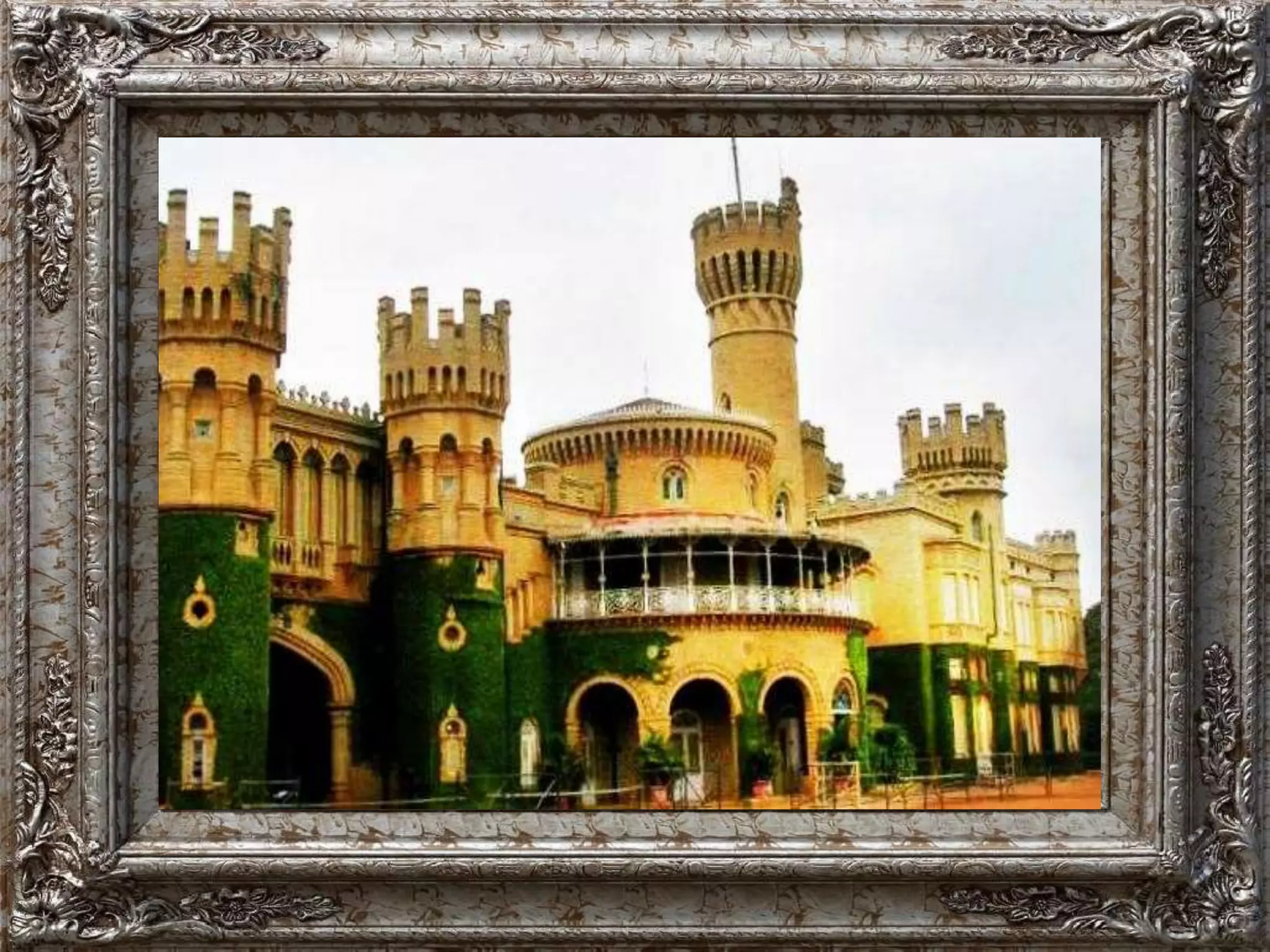
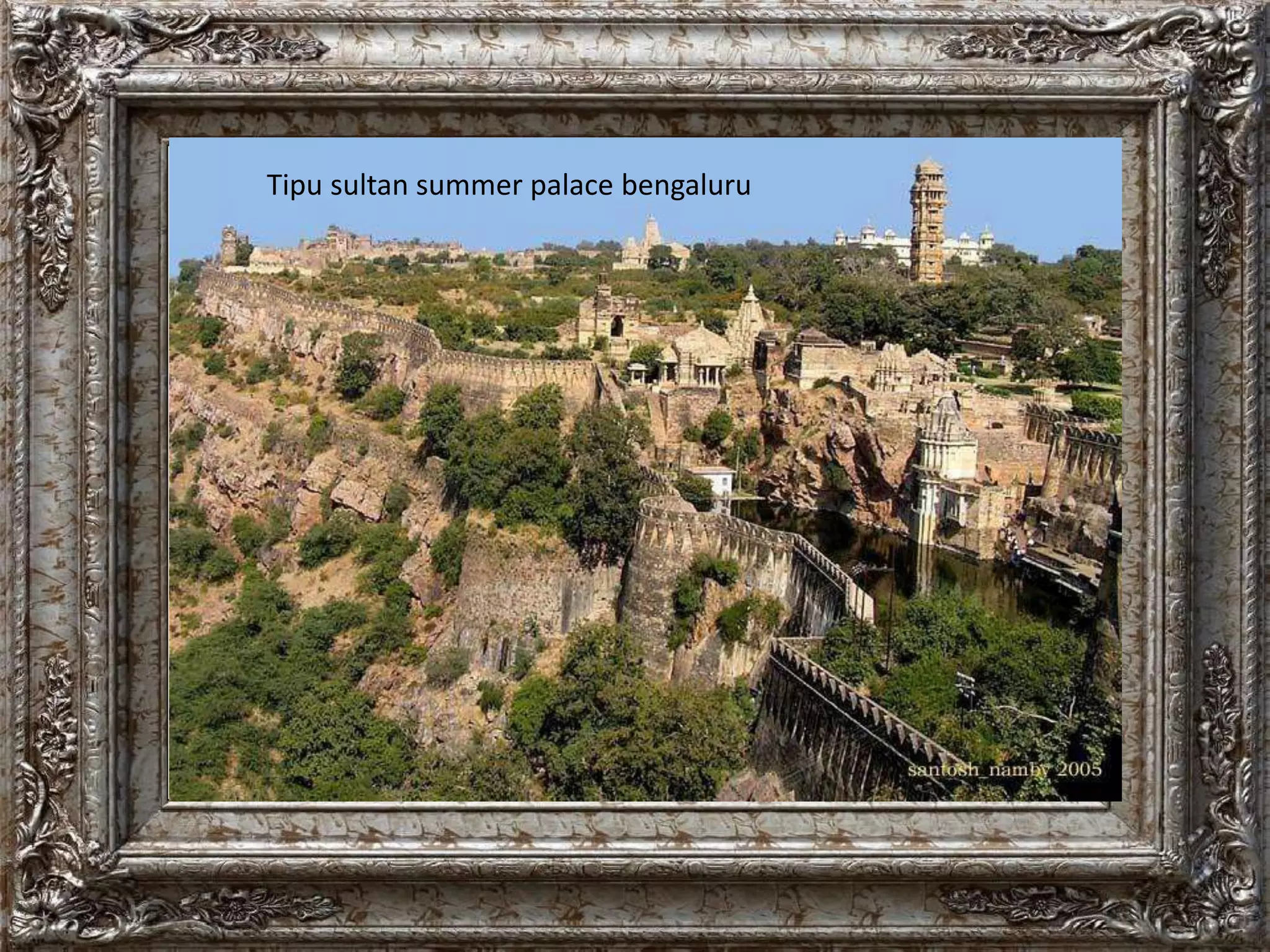
Tipu sultan summer palace bengaluru
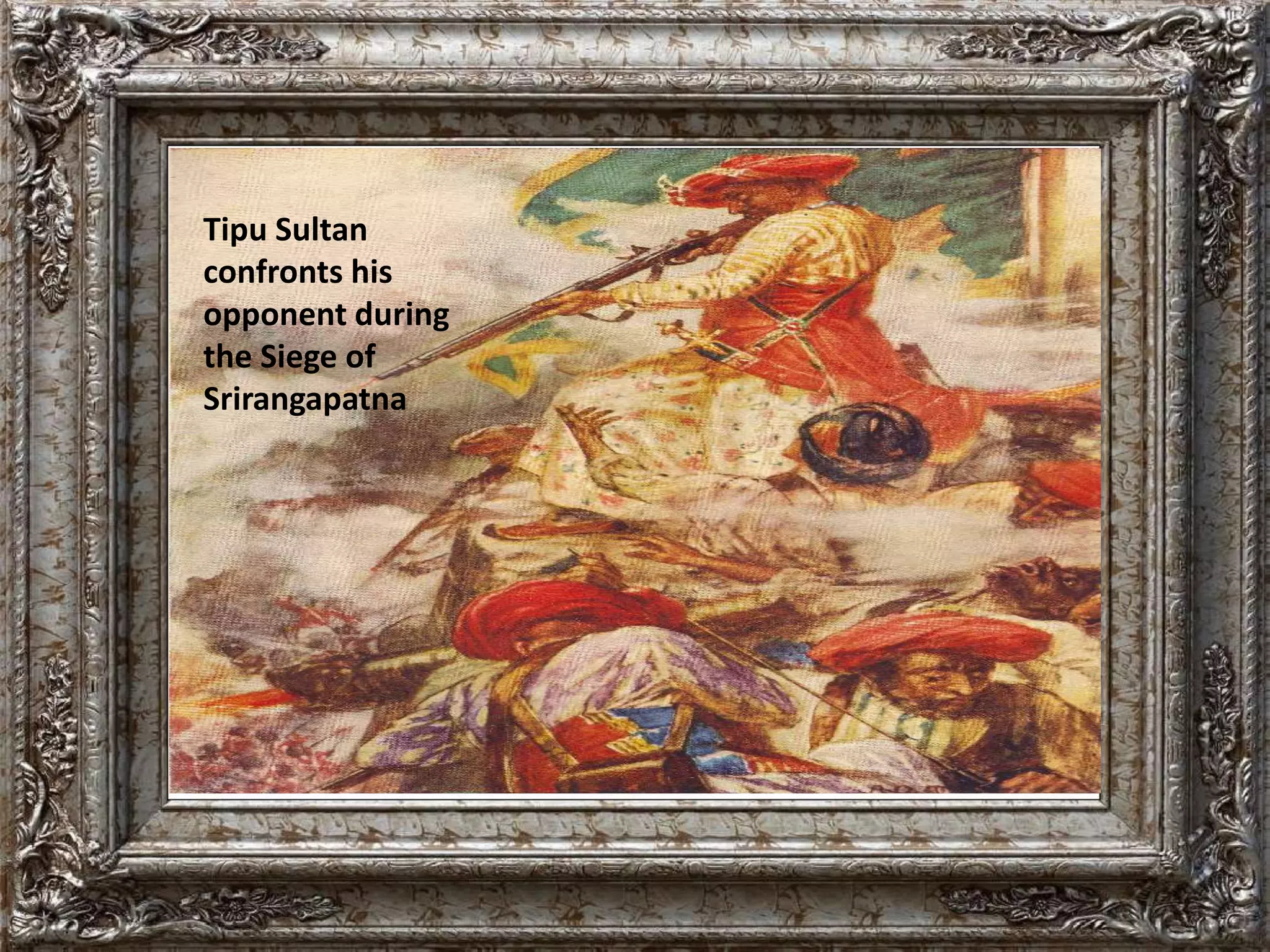
Tipu Sultan 
confronts his 
opponent during 
the Siege of 
Srirangapatna
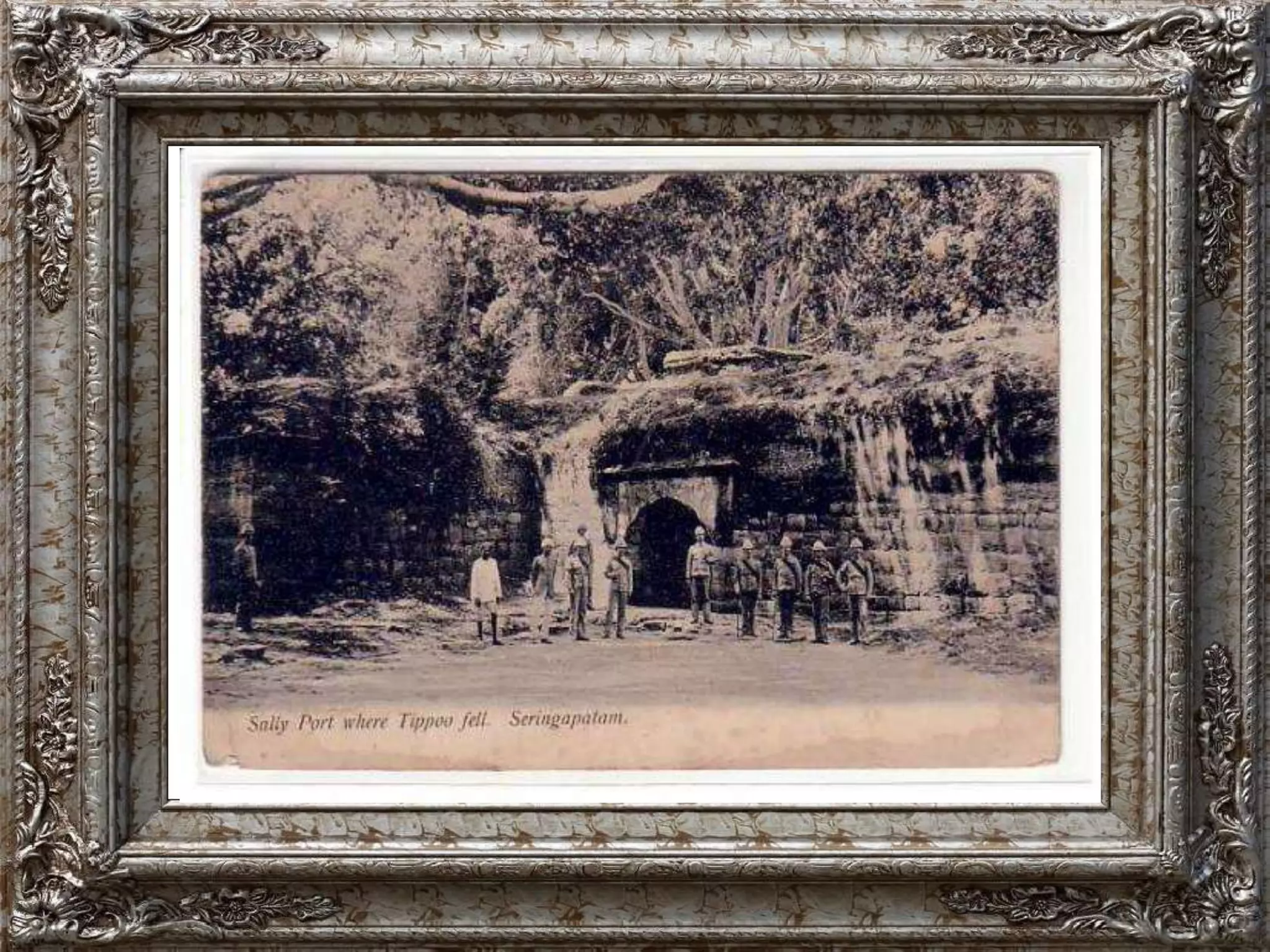
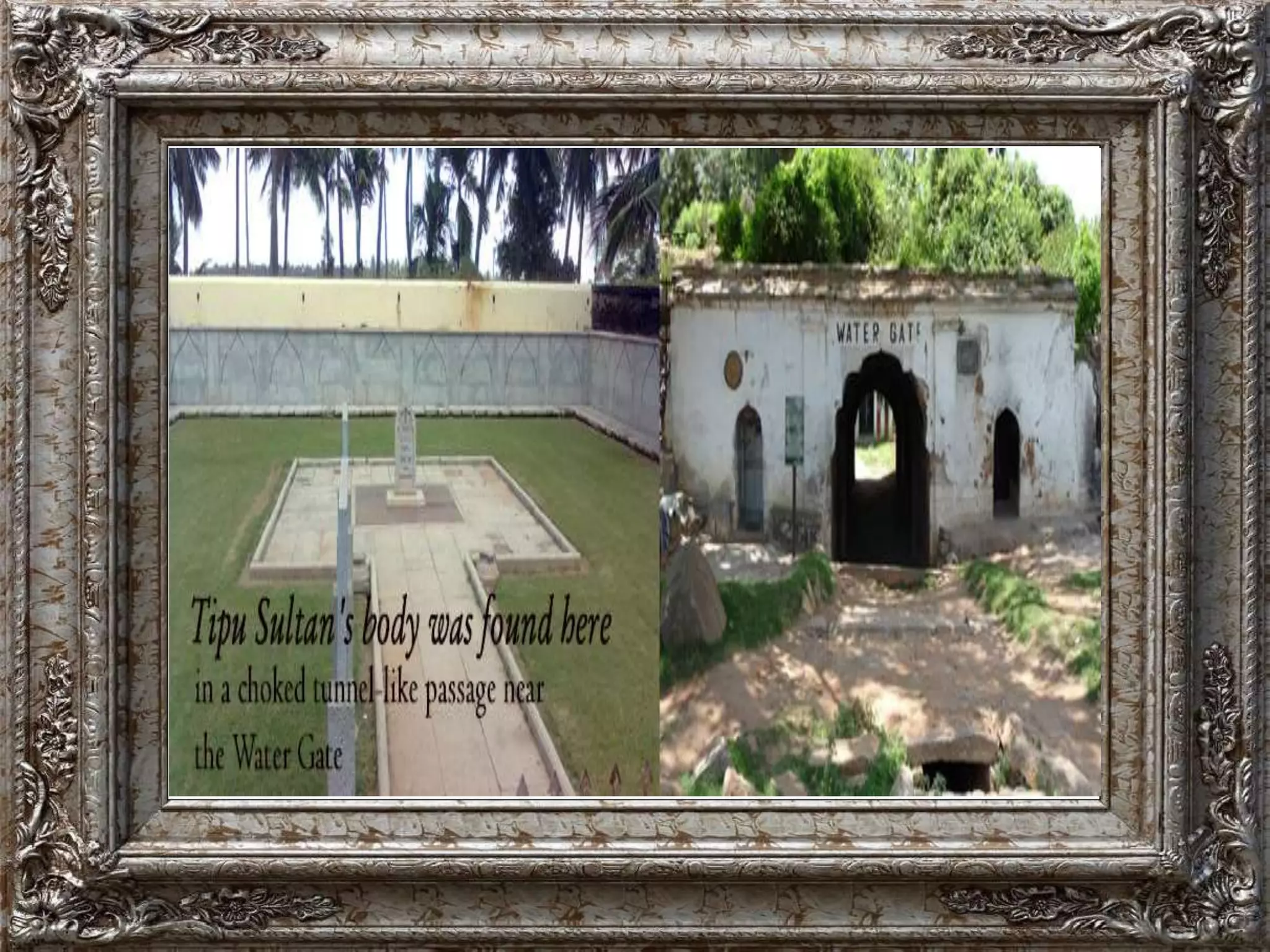
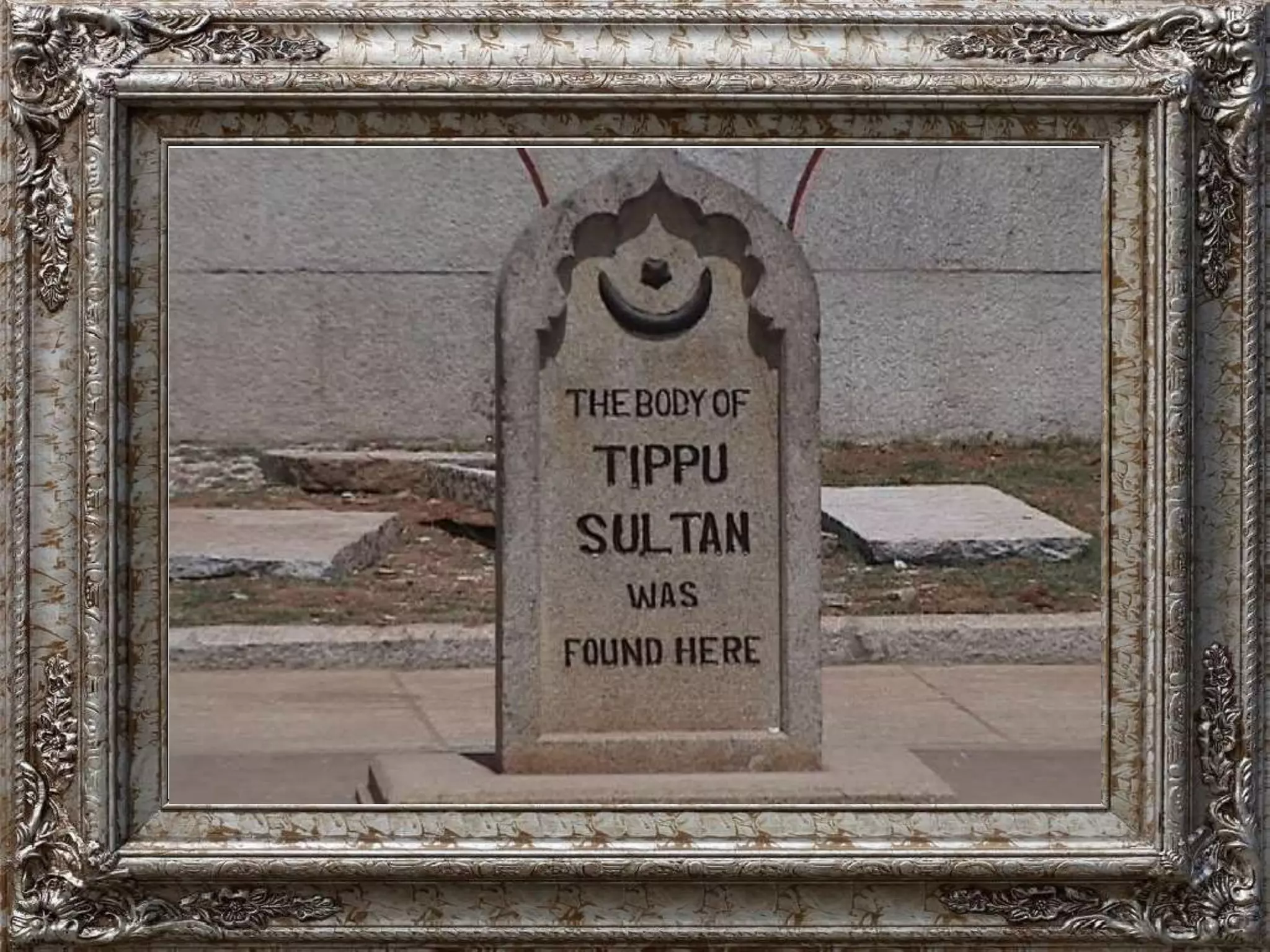
The Fourth Anglo Mysore War that led to the Death of Tipu 
Sultan 
Srirangapatnam, the island fortress was the capital of 
Mysore during the 18th century. It was so well 
organized with good trade routes that British feared 
terrible consequences. In addition, the ruler of Mysore 
had an effective army as that of British army. This led 
to four wars back to back. Although the first two wars 
were won by the Ruler of Mysore, the third had dire 
consequences – Tipu’s two son aged 8 and 10 
were detained by the British forces. Finally, in the 
fourth, Tipu Sultan the ruler of Mysore breath’d his 
last in 1799 at Srirangapatnam.
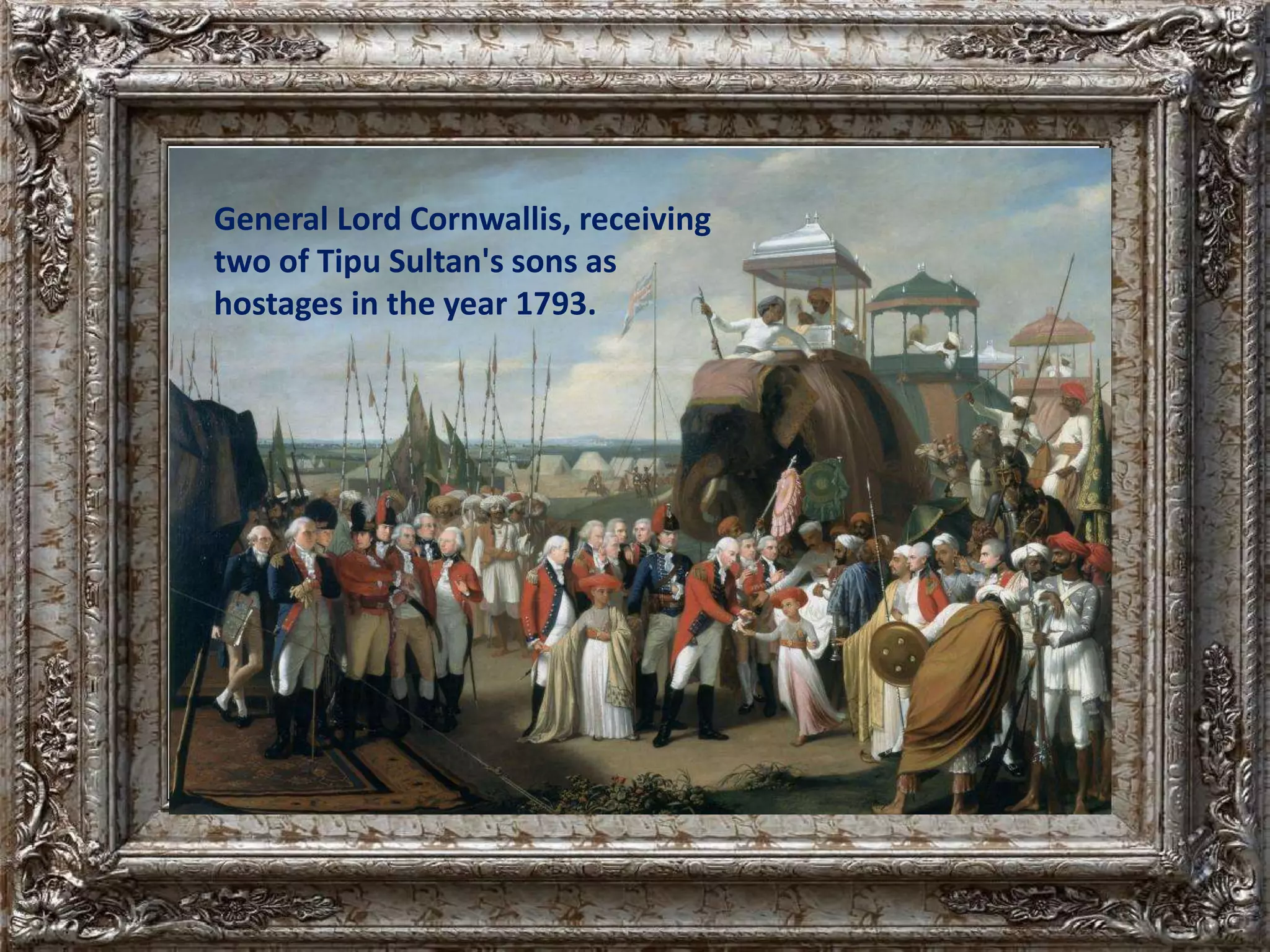
General Lord Cornwallis, receiving 
two of Tipu Sultan's sons as 
hostages in the year 1793.
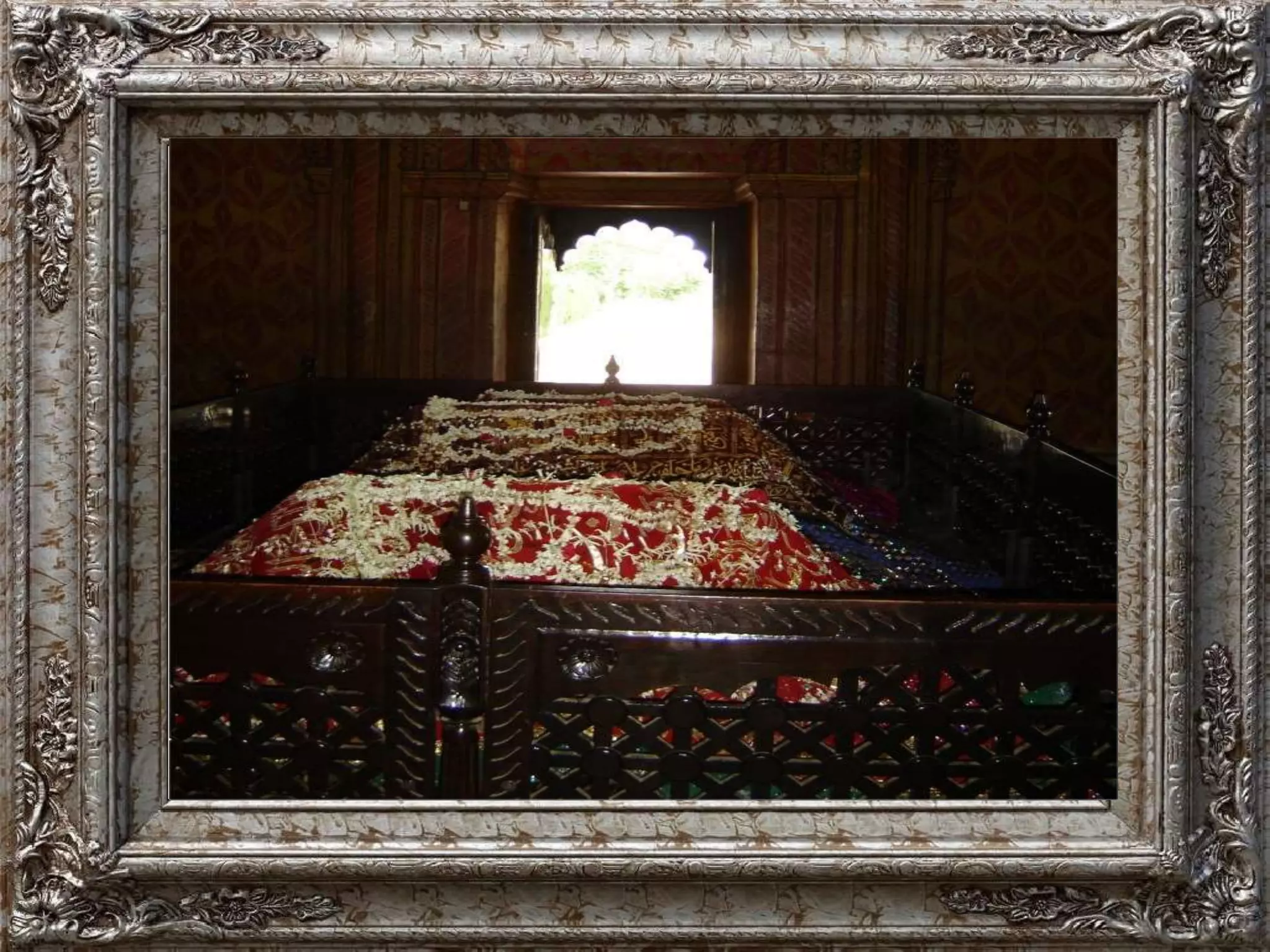
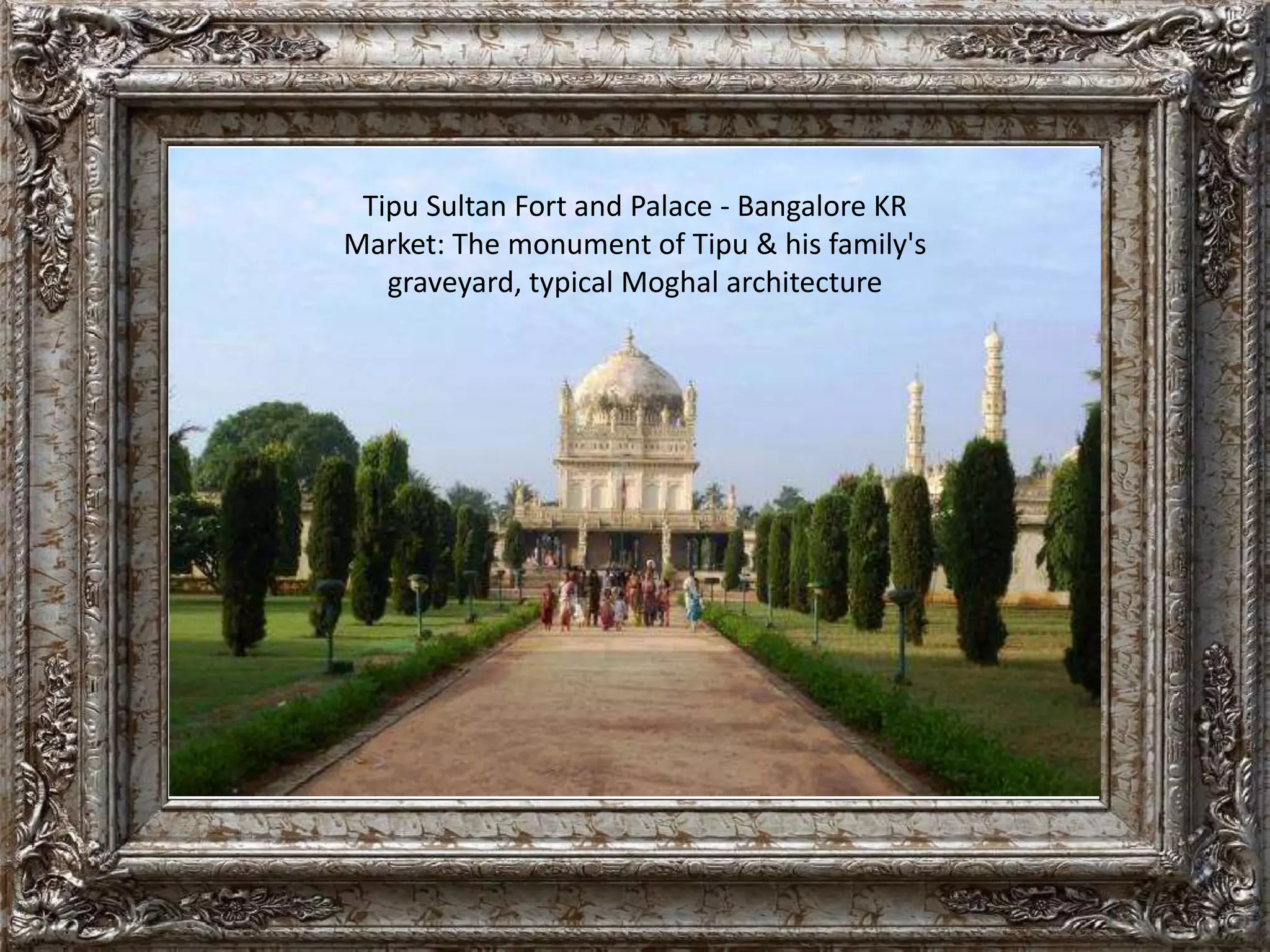
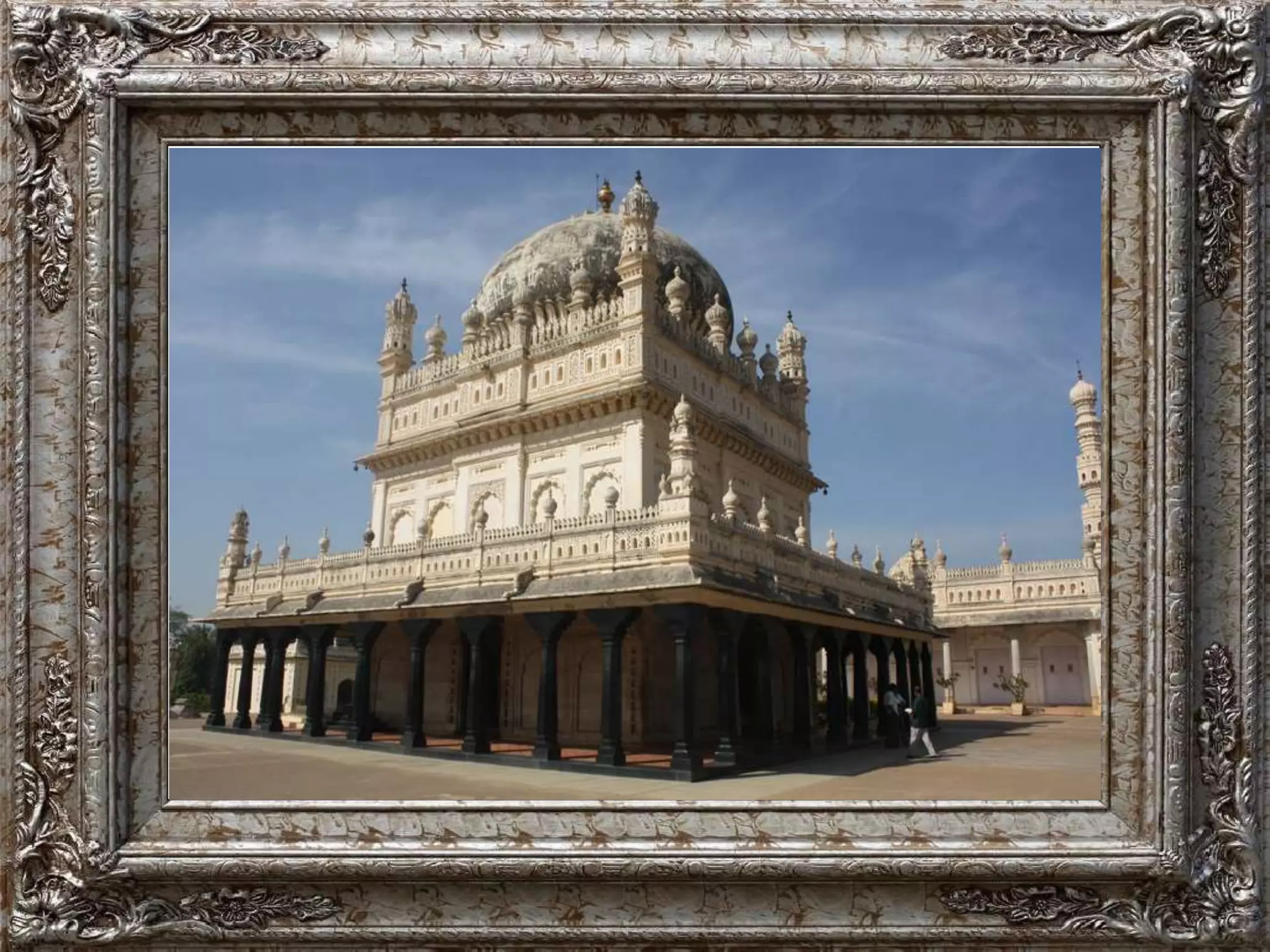
Tipu Sultan Fort and Palace - Bangalore KR 
Market: The monument of Tipu & his family's 
graveyard, typical Moghal architecture
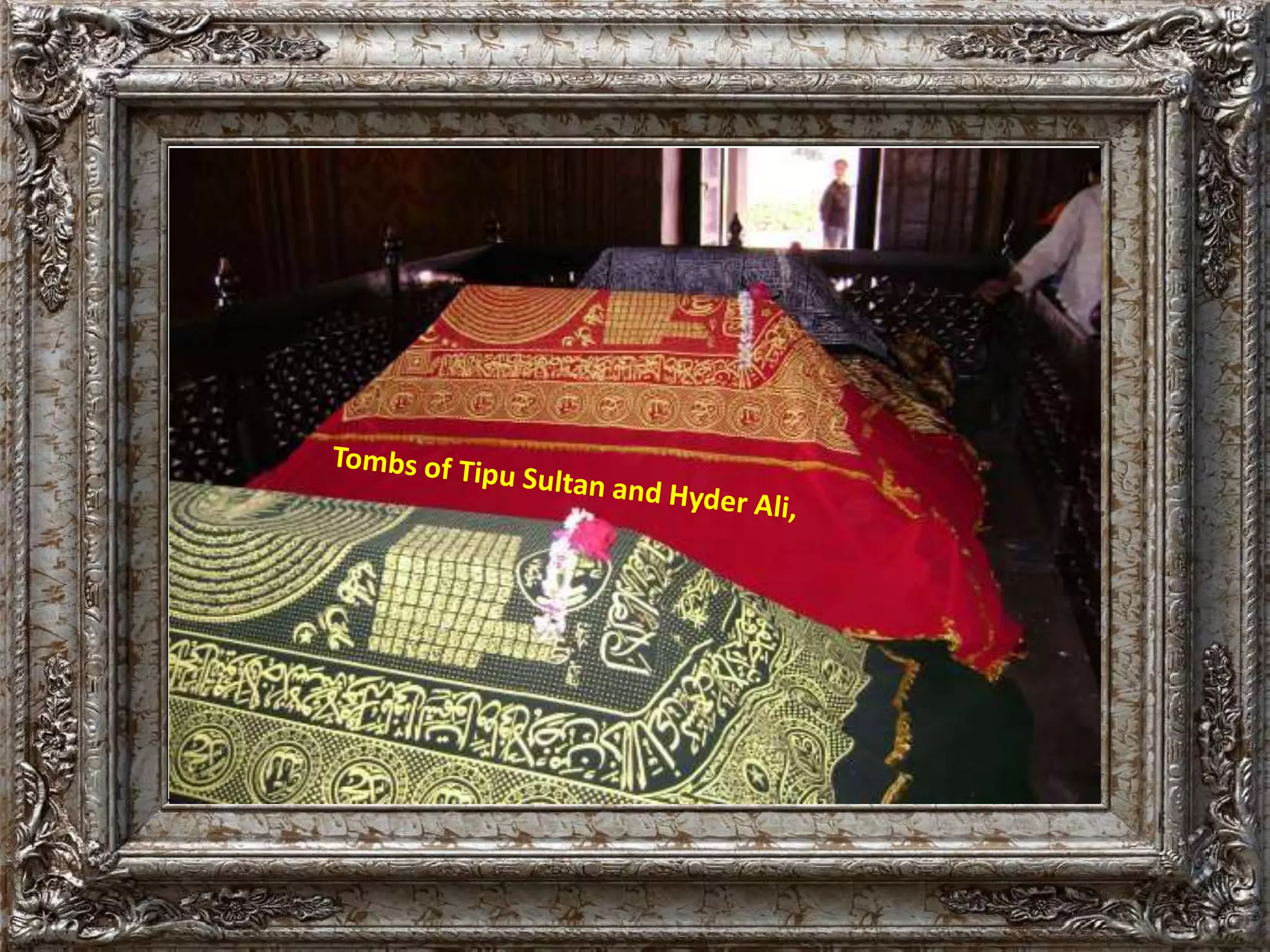
Tipu Sultan Fort and Palace - Bangalore KR 
Market: The monument of Tipu & his family's 
graveyard, typical Moghal architecture
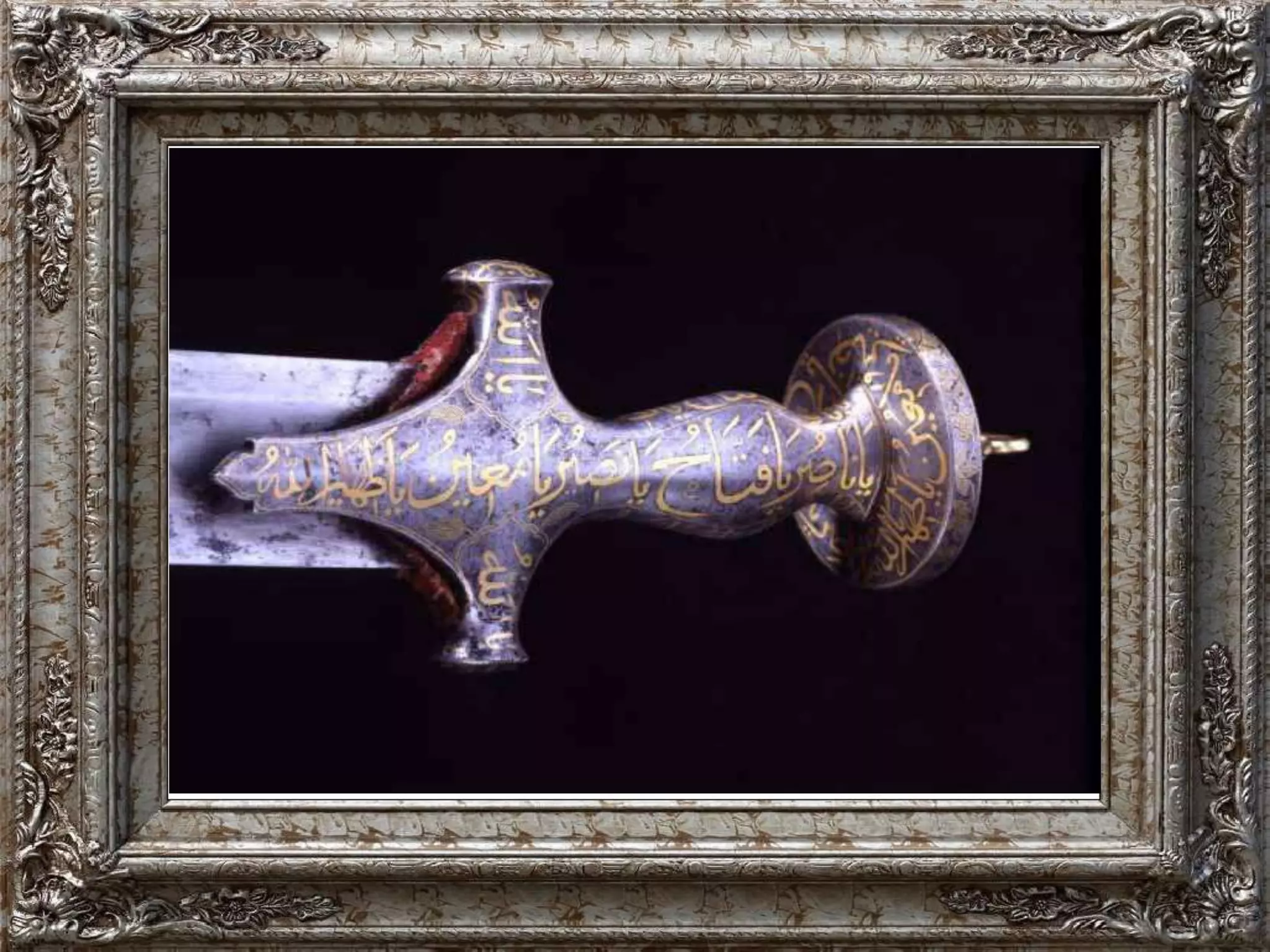
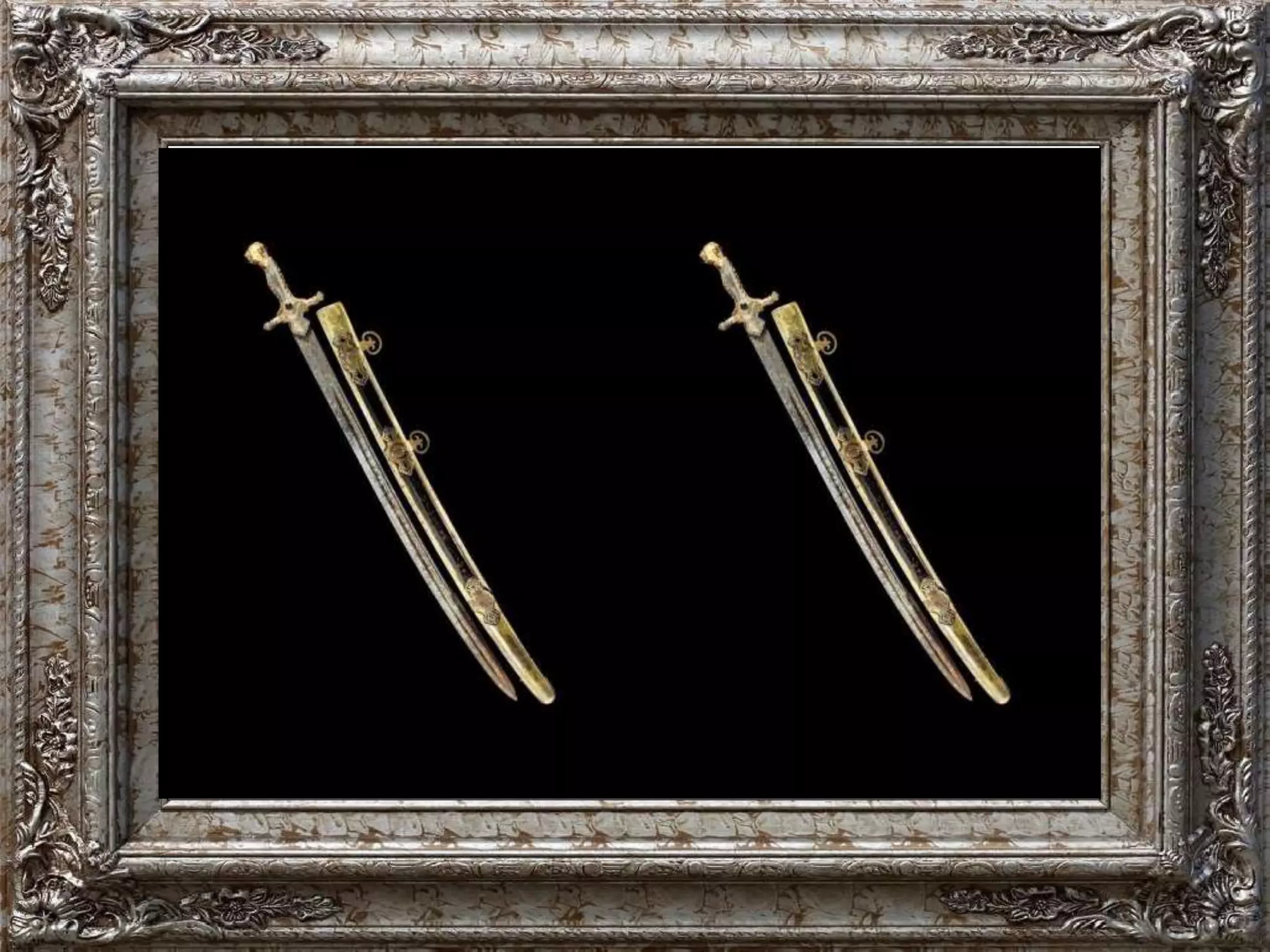
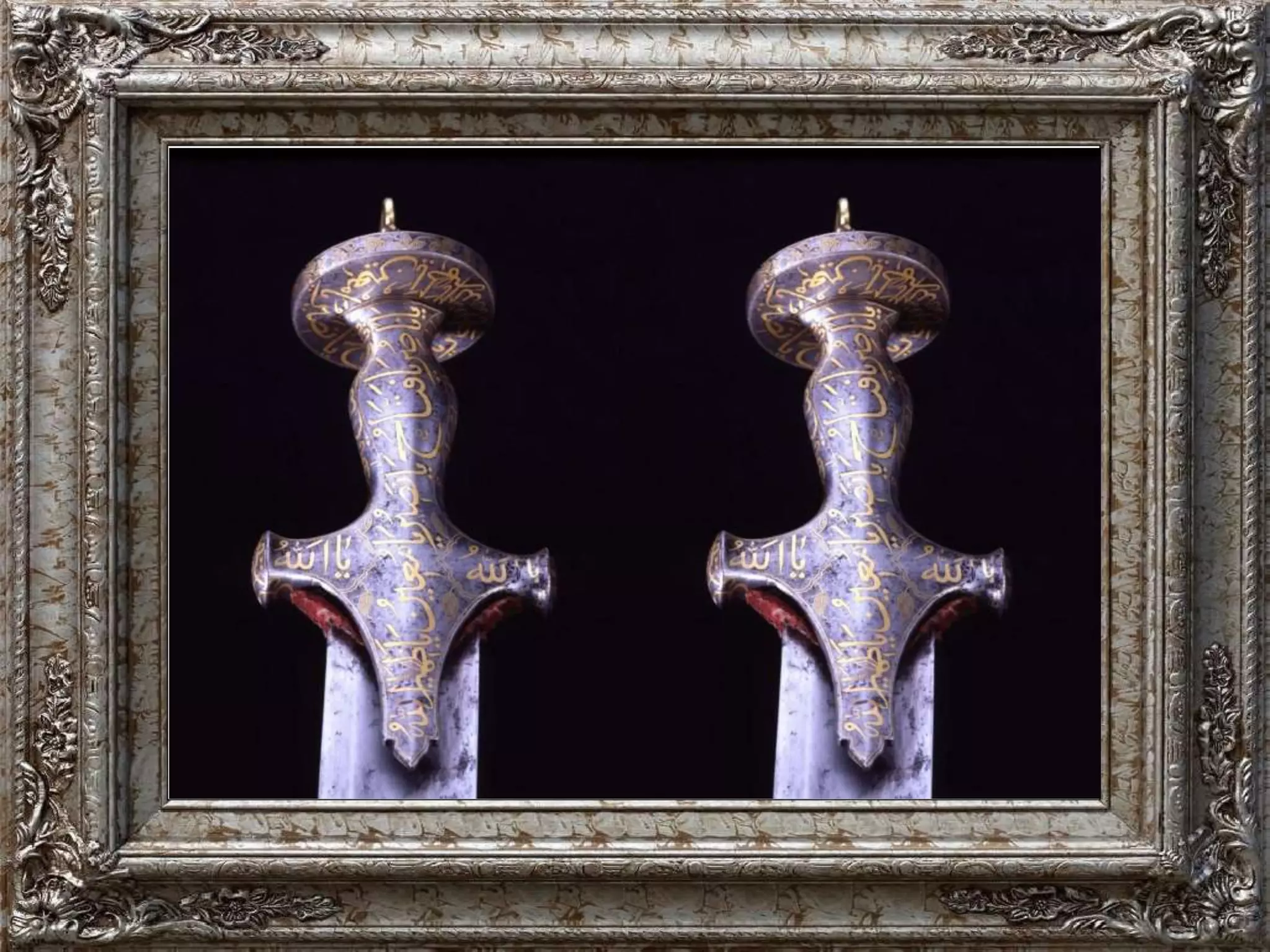
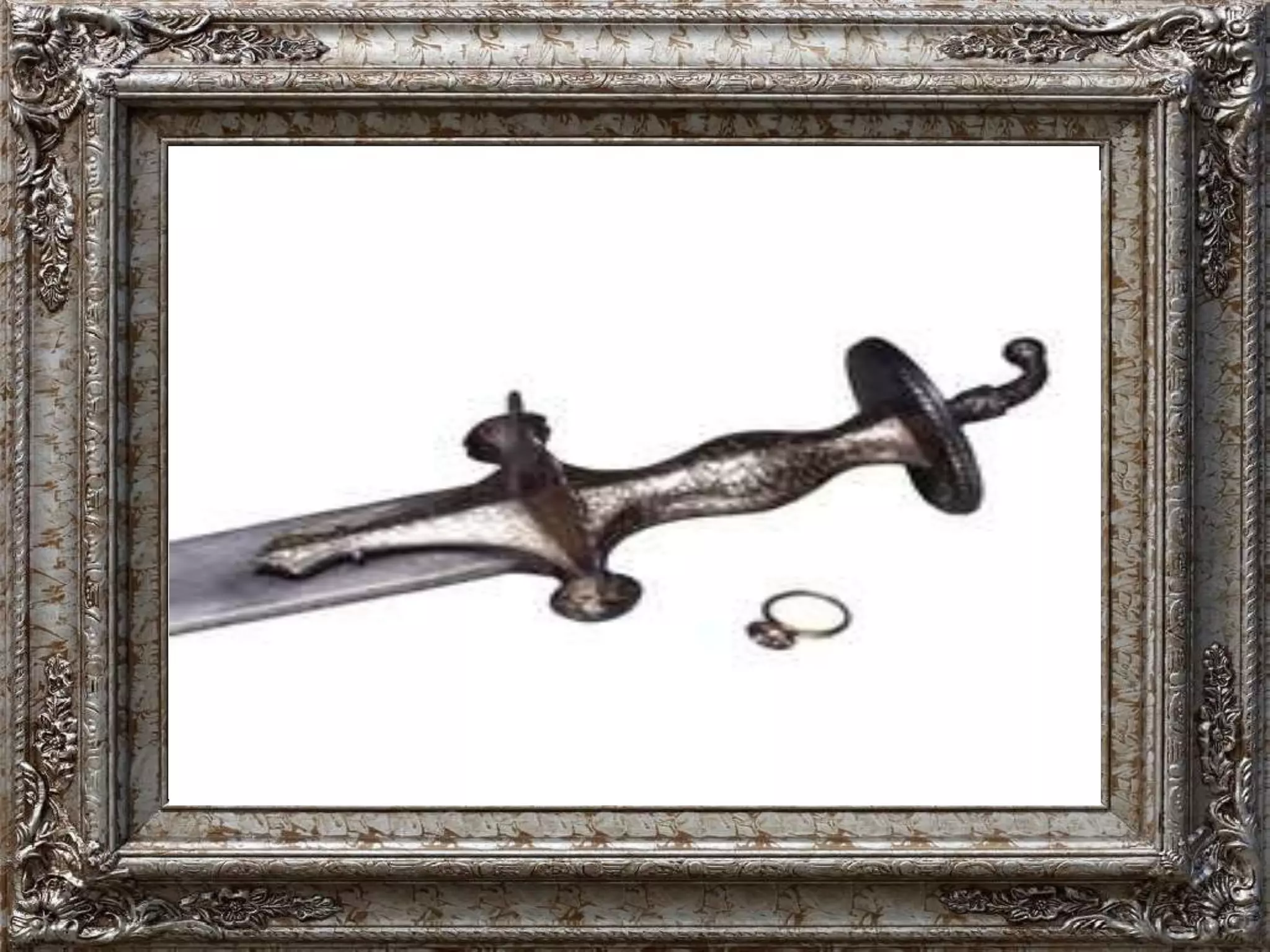
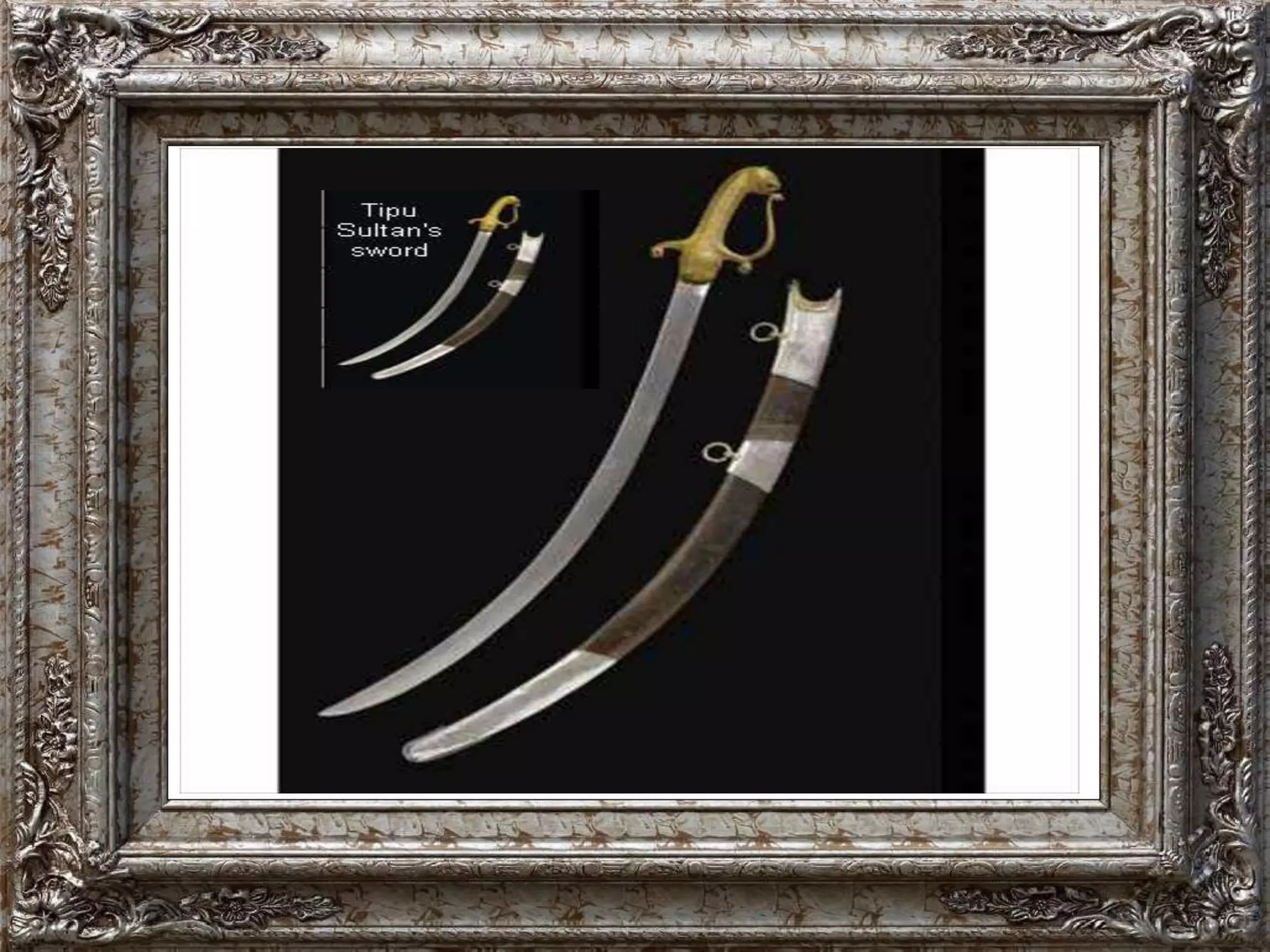
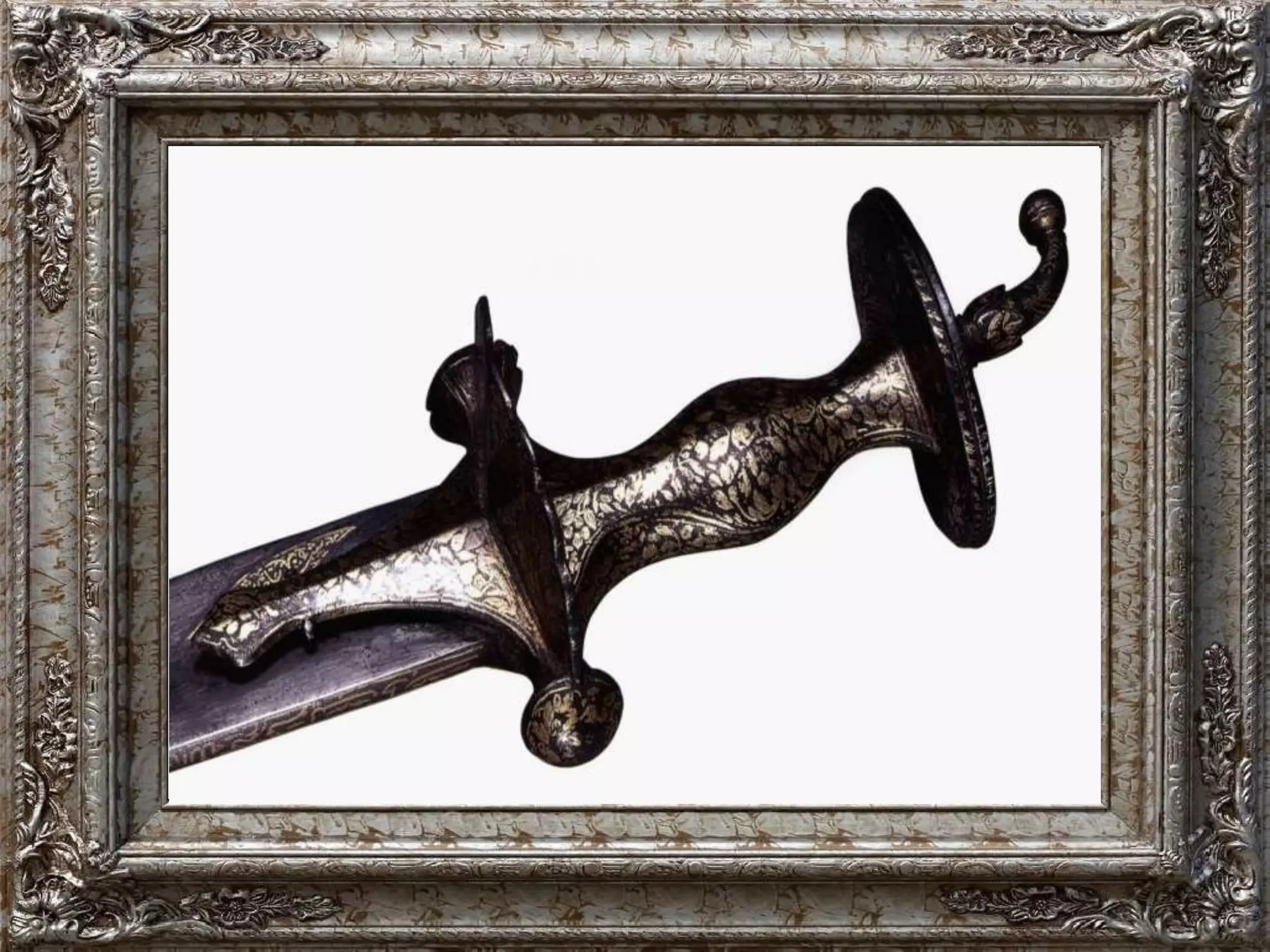
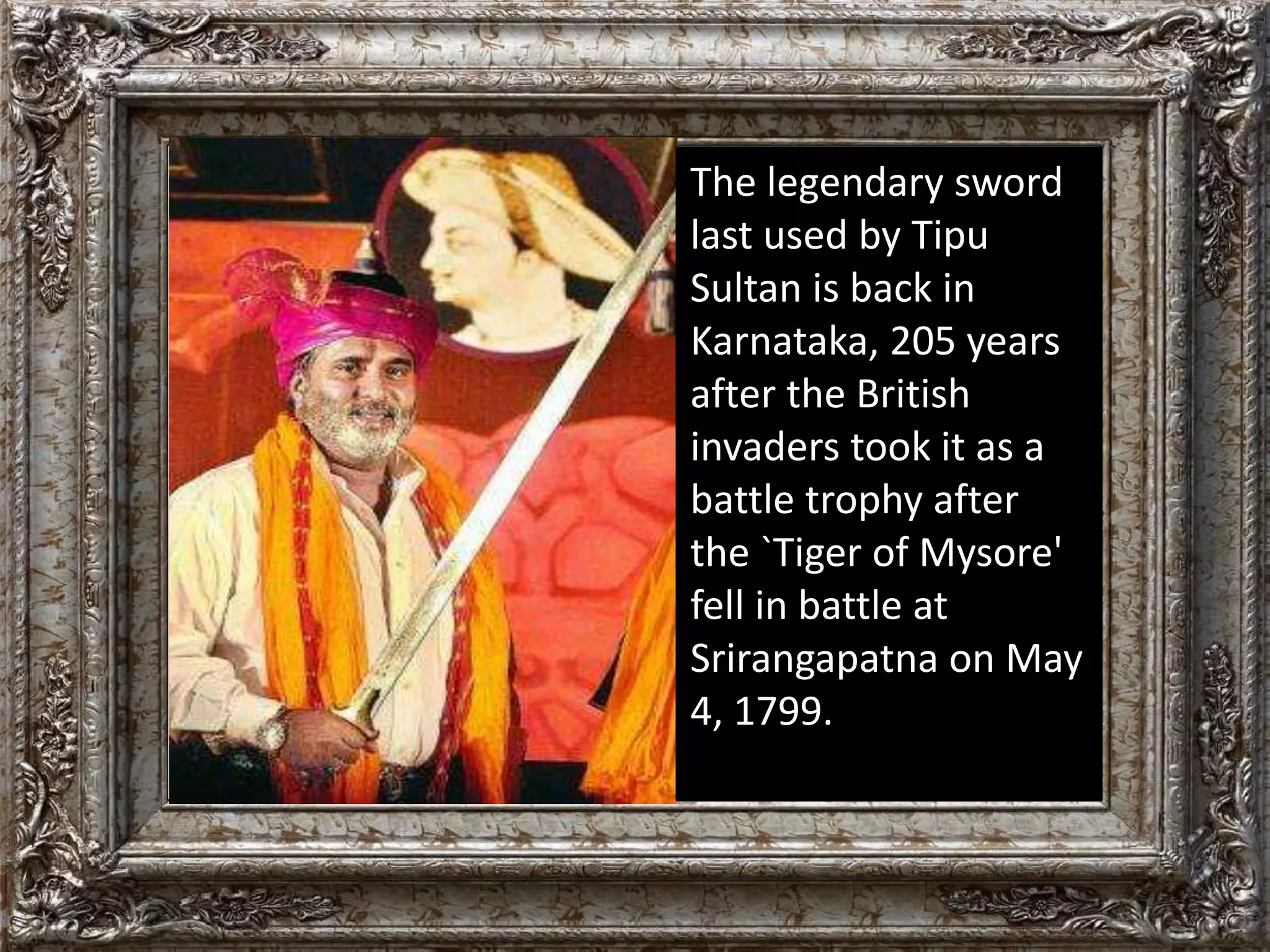
The legendary sword 
last used by Tipu 
Sultan is back in 
Karnataka, 205 years 
after the British 
invaders took it as a 
battle trophy after 
the `Tiger of Mysore' 
fell in battle at 
Srirangapatna on May 
4, 1799.
Tipu sultan the tiger of mysore

Tipu sultan the tiger of mysore

  • 3.
    Tipu Sultan, prominentlyknown as Sher-e-Mysore (Tiger of Mysore) is also given the sobriquet of Sher-e-Hind and Sher-e-Mashriq (Tiger of the East). A legendary ruler, he not only opposed British rule in South India but also played a major role in keeping the British forces away from South India . He was one of those rare rulers who had the gumption to challenge the British Government. No wonder, the mighty Tippoo Sahib (as addressed by British) defeated the foreign invaders in the First and Second Anglo Mysore War and even dictated terms to the British in the subsequent Treaty of Madras and Mangalore respectively.
  • 5.
  • 6.
  • 7.
  • 8.
  • 16.
    After Hyder Alidied due to Carbuncle in the year 1782, Tipu became the new ruler of Mysore. This new ruler who had already fought two war – First Anglo Mysore and Second Anglo Mysore War under the leadership of his father knew that British forces were a great threat to the independent Kingdom of Mysore. He therefore focused more on military advances especially Mysorean rockets which were successfully used by his father in the Second Anglo Mysore War against the British.
  • 20.
    Tipu Sultan's guesthouse is a small 2 story building with probably 4 to 6 rooms, where the King and his ministers would rest when they visited Nandi Hills
  • 21.
  • 22.
    The attar casketof Tipu Sultan
  • 23.
    Tipu sultan summerpalace bengaluru
  • 24.
    Tipu Sultan confrontshis opponent during the Siege of Srirangapatna
  • 25.
    The Fourth AngloMysore War that led to the Death of Tipu Sultan Srirangapatnam, the island fortress was the capital of Mysore during the 18th century. It was so well organized with good trade routes that British feared terrible consequences. In addition, the ruler of Mysore had an effective army as that of British army. This led to four wars back to back. Although the first two wars were won by the Ruler of Mysore, the third had dire consequences – Tipu’s two son aged 8 and 10 were detained by the British forces. Finally, in the fourth, Tipu Sultan the ruler of Mysore breath’d his last in 1799 at Srirangapatnam.
  • 26.
    General Lord Cornwallis,receiving two of Tipu Sultan's sons as hostages in the year 1793.
  • 29.
    Tipu Sultan Fortand Palace - Bangalore KR Market: The monument of Tipu & his family's graveyard, typical Moghal architecture
  • 30.
    Tipu Sultan Fortand Palace - Bangalore KR Market: The monument of Tipu & his family's graveyard, typical Moghal architecture
  • 31.
    The legendary sword last used by Tipu Sultan is back in Karnataka, 205 years after the British invaders took it as a battle trophy after the `Tiger of Mysore' fell in battle at Srirangapatna on May 4, 1799.