The Trojan War
    English I
Judgment of Paris

An important feast was taking place at the
 home of the gods and goddesses, Mount
 Olympus. The evil goddess of Discord,
 Eris, was angry that she was not invited,
 so she decided to make trouble. She
 threw a golden apple into the crowd. On
 the apple were the words “For the
 Fairest.”
Of course, all of the goddesses wanted the
 apple because each believed that she was
 the fairest. The choices were narrowed
 down to three: Aphrodite, Hera, and
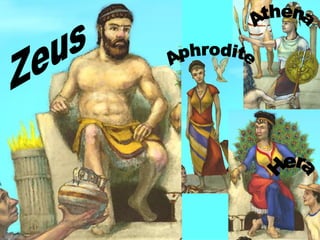
 Pallas Athena. The three goddesses asked
 Zeus to decide which one of them should
 get the apple, but he refused to have
 anything to do with the matter.
Zeus told the three goddesses to go to
  Mount Ida, near Troy, where they would
  find the young prince Paris. Zeus said
  that he was an excellent judge of beauty.
  Paris was a prince, but was doing
  shepherd’s work outside of Troy because
  his father, King Priam was warned that
  Paris would one day be the ruin of his
  country.
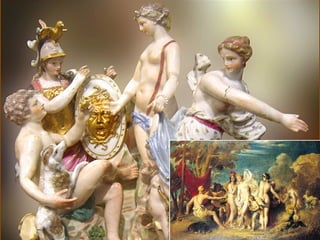
Paris was surprise when he saw the three
  goddesses. The goddesses each offered
  Paris a bribe to convince him that they
  deserved the apple. Hera promised to
  make Paris Lord of Europe and Asia.
  Athena promised he would lead the
  Trojans to victory against the Greeks.
  Aphrodite promised Paris that the fairest
  woman in all the world would be his.
  Paris gave the golden apple to Aphrodite.
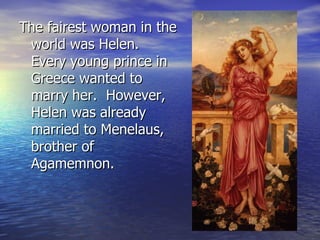
The fairest woman in the
 world was Helen.
 Every young prince in
 Greece wanted to
 marry her. However,
 Helen was already
 married to Menelaus,
 brother of
 Agamemnon.
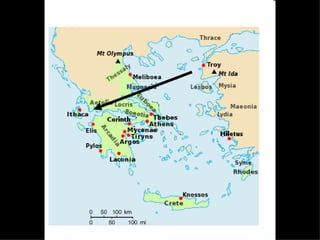
Paris traveled to Sparta and was greeted
  graciously by Helen and Menelaus.
  Trusting Paris completely, Menelaus left
  Paris in his home and traveled alone to
  Crete. When Menelaus returned from
  Crete, his wife was gone. Menelaus called
  upon all the men of Greece to help him
  get Helen back.
Odysseus did not want to leave his home to
 join the Army and retrieve Helen. He
 pretended that he had gone mad; when a
 messenger arrived, he was plowing a field
 and sewing it with salt instead of seed.
 The messenger put Odysseus’ son in the
 direct path of the plow. When Odysseus
 stopped the plow, it was proven that
 Odysseus was not crazy, and he was
 forced to join the Army.
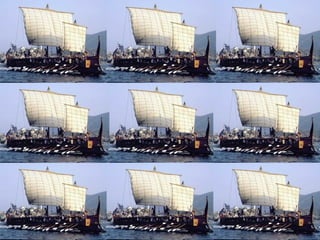
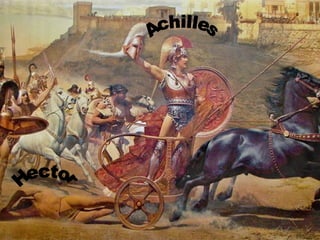
A thousand ships carried the Greek Army to
  Troy. The war went on for ten years.
  Neither side was able to win victory over
  the other. Both sides lost many great
  warriors. The Greeks knew that they
  could not defeat the Trojans by force;
  they would have to find a way to take
  Troy by surprise.
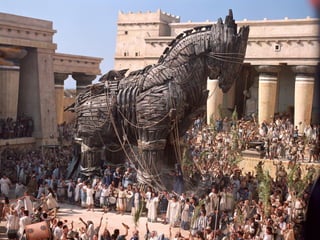
Odysseus came up with a plan to build a
 giant wooden horse which was hallow and
 so big that it could hold a number of men.
  Several of the Greek warriors, including
 Odysseus hid inside the giant horse. The
 Trojans were afraid to destroy the horse
 because they thought the gods would
 punish them for destroying a gift, so they
 pulled the horse into the city.
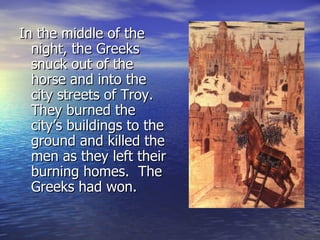
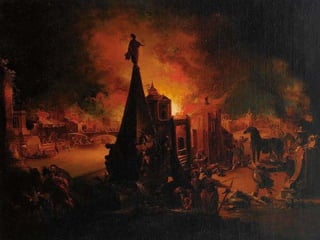
In the middle of the
  night, the Greeks
  snuck out of the
  horse and into the
  city streets of Troy.
  They burned the
  city’s buildings to the
  ground and killed the
  men as they left their
  burning homes. The
  Greeks had won.
The Greeks went mad with victory the night
 they defeated the Trojans. They forgot
 what was due to the gods, and on their
 voyage home, they were terribly punished.


The Odyssey is the story of one soldier--
 Odysseus, a smart Greek--and his return
 home from war, a journey that lasts more
 than twenty years.
The Trojan War

The Trojan War

  • 1.
    The Trojan War English I
  • 2.
    Judgment of Paris Animportant feast was taking place at the home of the gods and goddesses, Mount Olympus. The evil goddess of Discord, Eris, was angry that she was not invited, so she decided to make trouble. She threw a golden apple into the crowd. On the apple were the words “For the Fairest.”
  • 4.
    Of course, allof the goddesses wanted the apple because each believed that she was the fairest. The choices were narrowed down to three: Aphrodite, Hera, and Pallas Athena. The three goddesses asked Zeus to decide which one of them should get the apple, but he refused to have anything to do with the matter.
  • 6.
    Zeus told thethree goddesses to go to Mount Ida, near Troy, where they would find the young prince Paris. Zeus said that he was an excellent judge of beauty. Paris was a prince, but was doing shepherd’s work outside of Troy because his father, King Priam was warned that Paris would one day be the ruin of his country.
  • 7.
    Paris was surprisewhen he saw the three goddesses. The goddesses each offered Paris a bribe to convince him that they deserved the apple. Hera promised to make Paris Lord of Europe and Asia. Athena promised he would lead the Trojans to victory against the Greeks. Aphrodite promised Paris that the fairest woman in all the world would be his. Paris gave the golden apple to Aphrodite.
  • 9.
    The fairest womanin the world was Helen. Every young prince in Greece wanted to marry her. However, Helen was already married to Menelaus, brother of Agamemnon.
  • 10.
    Paris traveled toSparta and was greeted graciously by Helen and Menelaus. Trusting Paris completely, Menelaus left Paris in his home and traveled alone to Crete. When Menelaus returned from Crete, his wife was gone. Menelaus called upon all the men of Greece to help him get Helen back.
  • 12.
    Odysseus did notwant to leave his home to join the Army and retrieve Helen. He pretended that he had gone mad; when a messenger arrived, he was plowing a field and sewing it with salt instead of seed. The messenger put Odysseus’ son in the direct path of the plow. When Odysseus stopped the plow, it was proven that Odysseus was not crazy, and he was forced to join the Army.
  • 13.
    A thousand shipscarried the Greek Army to Troy. The war went on for ten years. Neither side was able to win victory over the other. Both sides lost many great warriors. The Greeks knew that they could not defeat the Trojans by force; they would have to find a way to take Troy by surprise.
  • 15.
    Odysseus came upwith a plan to build a giant wooden horse which was hallow and so big that it could hold a number of men. Several of the Greek warriors, including Odysseus hid inside the giant horse. The Trojans were afraid to destroy the horse because they thought the gods would punish them for destroying a gift, so they pulled the horse into the city.
  • 17.
    In the middleof the night, the Greeks snuck out of the horse and into the city streets of Troy. They burned the city’s buildings to the ground and killed the men as they left their burning homes. The Greeks had won.
  • 19.
    The Greeks wentmad with victory the night they defeated the Trojans. They forgot what was due to the gods, and on their voyage home, they were terribly punished. The Odyssey is the story of one soldier-- Odysseus, a smart Greek--and his return home from war, a journey that lasts more than twenty years.