A computer is a general purpose device that can be programmed to 
carry out a set of arithmetic or logical operations. Since a sequence 
of operations can be readily changed, the computer can solve more 
than one kind of problem. 
Conventionally, a computer consists of at least one processing 
element, typically a central processing unit (CPU) and some form of 
memory. The processing element carries out arithmetic and logic 
operations, and a sequencing and control unit that can change the 
order of operations based on stored information. Peripheral devices 
allow information to be retrieved from an external source, and the 
result of operations saved and retrieved. 
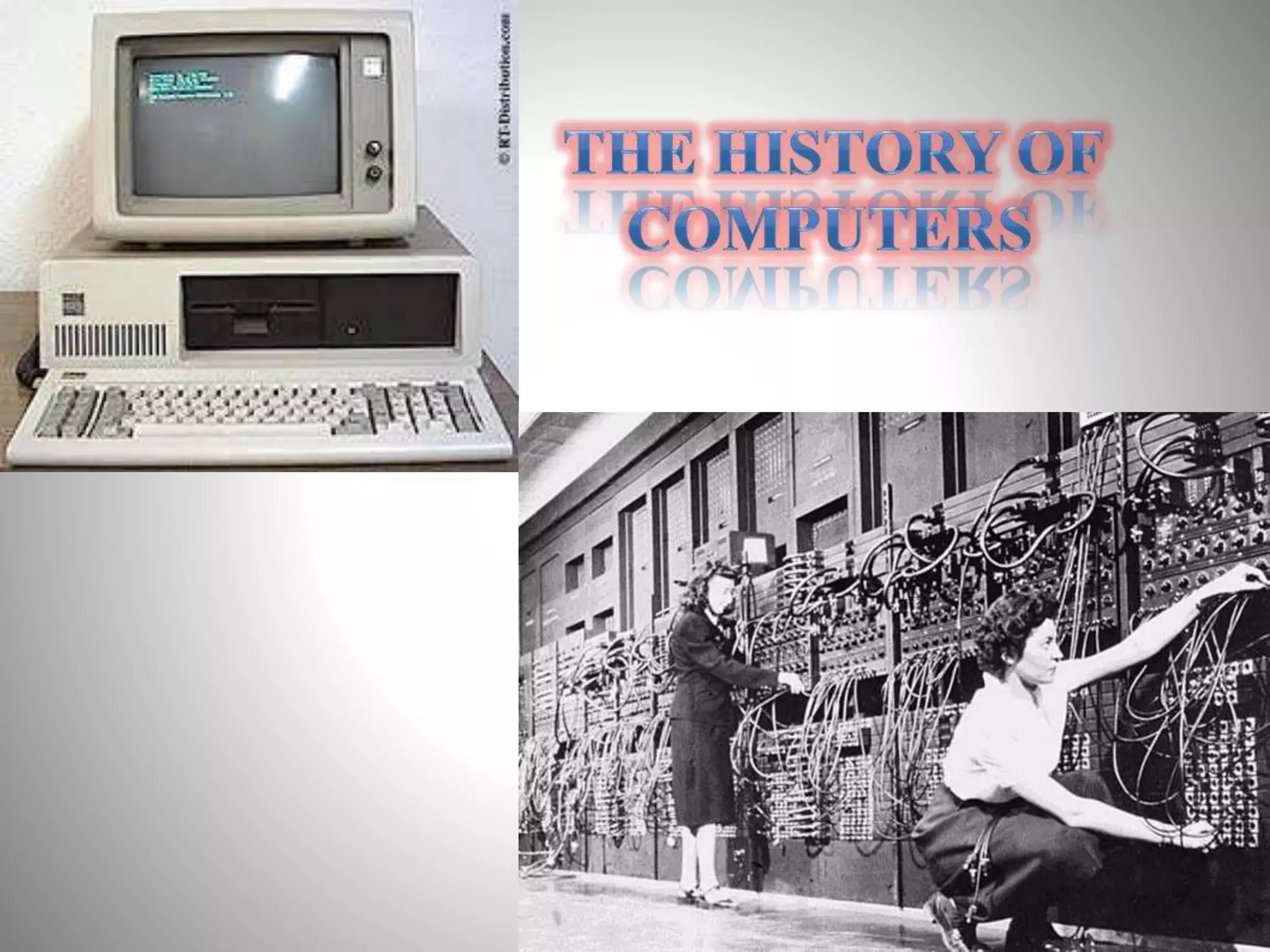
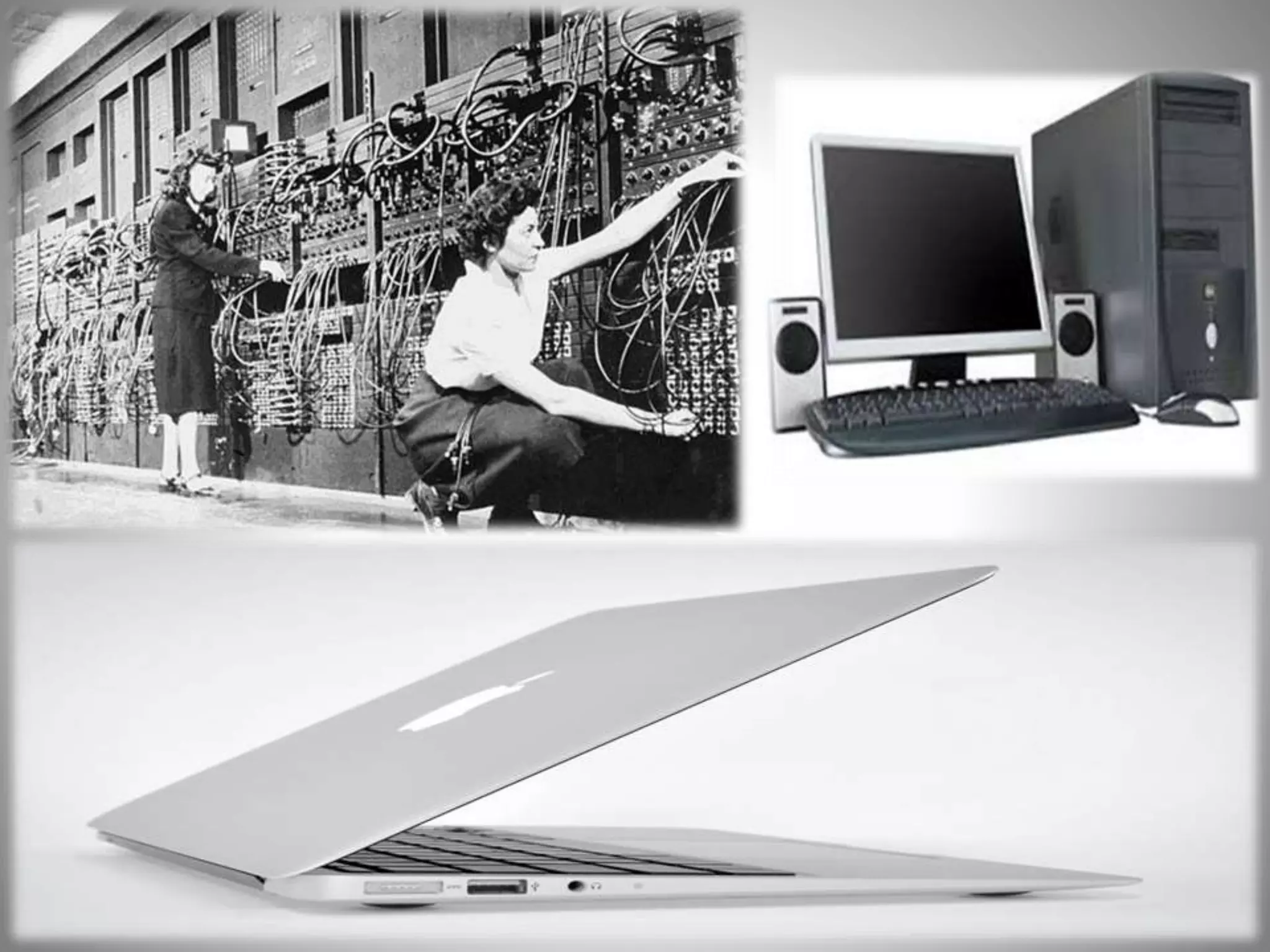
In World War II,mechanical analog computers were used for 
specialized military applications. During this time the first electronic 
digital computers were developed. Originally they were the size of a 
large room, consuming as much power as several hundred modern 
personal computers (PCs).
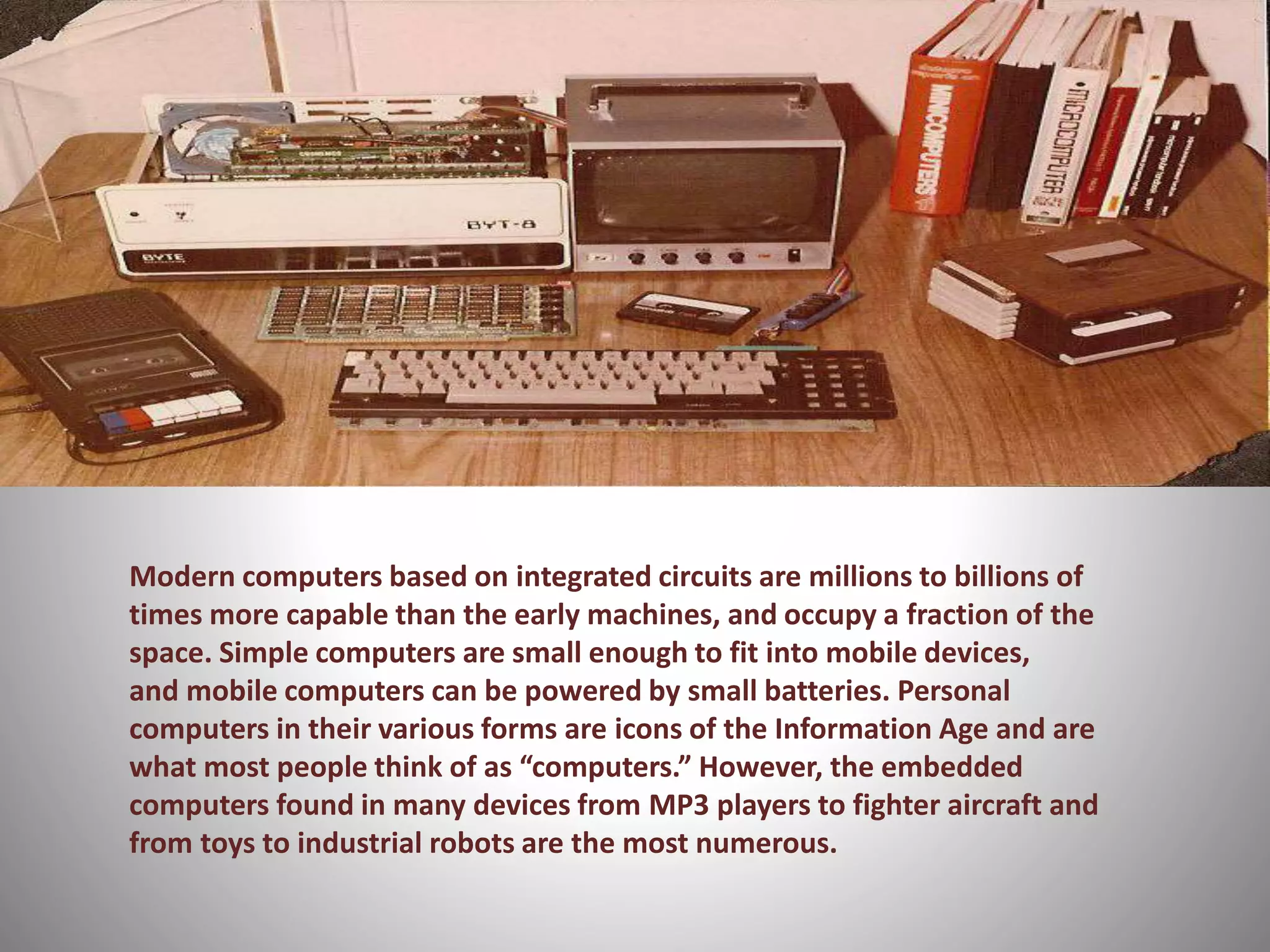
Modern computers based on integrated circuits are millions to billions of 
times more capable than the early machines, and occupy a fraction of the 
space. Simple computers are small enough to fit into mobile devices, 
and mobile computers can be powered by small batteries. Personal 
computers in their various forms are icons of the Information Age and are 
what most people think of as “computers.” However, the embedded 
computers found in many devices from MP3 players to fighter aircraft and 
from toys to industrial robots are the most numerous.
What is a Computer? 
A computer is a programmable machine. The two 
principal characteristics of a computer are: it 
responds to a specific set of instructions in a well-defined 
manner and it can execute a prerecorded 
list of instructions (a program).
1943 – Colossus machine is created 
1951 – J. Lyons & Co., a British firm pioneered commercial applications 
for computing, introducing the LEO I computer 
1952 – The UNIVAC computer correctly predicted the U.S. election 
results 
1968 – Intel was founded 
1969 – ARPANET was created – the proceeder to the modern day 
internet 
1975 – Microsoft was founded 
1977 – Apple was incorporated 
1981 – ZX Sinclair home computers are released 
1982 – The birth of the modern internet 
1990 – Microsoft Office was released 
2007 – Apple released the first generation of the iPhone, setting a new 
precedent for smartphone functionality 
2012 – Research suggests over 75% of SMEs are now using cloud 
services
The history of computers

The history of computers

  • 2.
    A computer isa general purpose device that can be programmed to carry out a set of arithmetic or logical operations. Since a sequence of operations can be readily changed, the computer can solve more than one kind of problem. Conventionally, a computer consists of at least one processing element, typically a central processing unit (CPU) and some form of memory. The processing element carries out arithmetic and logic operations, and a sequencing and control unit that can change the order of operations based on stored information. Peripheral devices allow information to be retrieved from an external source, and the result of operations saved and retrieved. In World War II,mechanical analog computers were used for specialized military applications. During this time the first electronic digital computers were developed. Originally they were the size of a large room, consuming as much power as several hundred modern personal computers (PCs).
  • 3.
    Modern computers basedon integrated circuits are millions to billions of times more capable than the early machines, and occupy a fraction of the space. Simple computers are small enough to fit into mobile devices, and mobile computers can be powered by small batteries. Personal computers in their various forms are icons of the Information Age and are what most people think of as “computers.” However, the embedded computers found in many devices from MP3 players to fighter aircraft and from toys to industrial robots are the most numerous.
  • 4.
    What is aComputer? A computer is a programmable machine. The two principal characteristics of a computer are: it responds to a specific set of instructions in a well-defined manner and it can execute a prerecorded list of instructions (a program).
  • 5.
    1943 – Colossusmachine is created 1951 – J. Lyons & Co., a British firm pioneered commercial applications for computing, introducing the LEO I computer 1952 – The UNIVAC computer correctly predicted the U.S. election results 1968 – Intel was founded 1969 – ARPANET was created – the proceeder to the modern day internet 1975 – Microsoft was founded 1977 – Apple was incorporated 1981 – ZX Sinclair home computers are released 1982 – The birth of the modern internet 1990 – Microsoft Office was released 2007 – Apple released the first generation of the iPhone, setting a new precedent for smartphone functionality 2012 – Research suggests over 75% of SMEs are now using cloud services