Shrimali neha
CBO-501
Department of life sciences
H.N.G.U,patan
 Tempreture stress.
 Chilling injury
 Freezing injury
 High temperature
 Light stress
 Effect of light deficit
 High intensity injury
 Ultraviolet rediation
Tempreture is a major uncontrollable climatic
factor and point up the need for research on
inheritable characteristics for temperature
stress resistance tolerance of temperature
extremes.
2.temperature stress on plants can be divided
in to the effect of temperature.
I) chilling injury (ii)freezing (iii)high
temperature injury
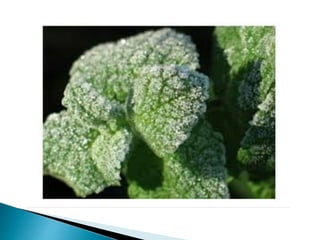
 Some plants ,such as those tropical
origin are injured when the
tempretature. Drops to some point
above freezing but low enough to
cause damage to tissues cells or
organs of the plant.
 This injury which cuases low but
above zero degrees centrigrade
tempreture is called chilling injury.
 The membrane systems are disorganised & 1
cell in 10 dies.the effects were found to be
progressive with time.
 In both chilling and freezing there appears to be
a critical tempreture below which injury occurs
 The freeze- induced dehydration cannot be the
cause of injury during chilling
 Apparently there is some molecular reordering
in the membranes and a change in fluidity
occurs.
 In to freezing injury to membranes research
involves the change in the cellular membranes
when cell volume contracts because of
dehydration causes by freezing process.
 membrane can be envisioned as a mono or
bilayer of lipid when the surface is reduced
there is tangential pressure induced within the
interface.
 Tolerant plants the lipid is stored in the
cytoplasm and then restored to the
membrane upon rehydration of the cells
when they are thawed.
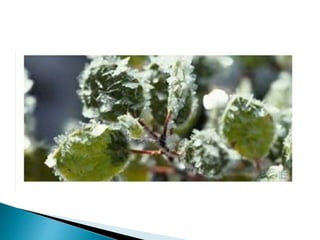
 Plants with little or no freezing tolarance
Cucurbits ,beans others are subject to frost
damage
 The folliage becomes flaccid and water
soaked.
 Tissue usually reveals that compartmentation
cells is adestroyed and the membrane are
leaky.
 External tempreture need be no lower than -1
to -3°C. There may be slight super cooling
but nucleation happens inter cellular freezing
of sus ceptical tissues of these types of plants
occurs.
 There may be decreased concentration of
potentially toxic compounds and become
concentrated they are non toxic
 Non toxic compoundsto toxic compounds may
be that might
 be toxic are rendered non effective by dilution
 Protective compound may shield membrane to
toxic compund
 Decrease in the sensivity of membrane toxic
compounds
 Heatstress is decrease synthesis of normal
proteins accompained by an accelerated
transcription band translation of new proteins
known as heat shock proteins.
 Heat stress has been sjown to cause
problems in mitochondrial functions and can
result in oxidetive damage activators of heat
stress receptors and defense are thought to
be related to ROS.
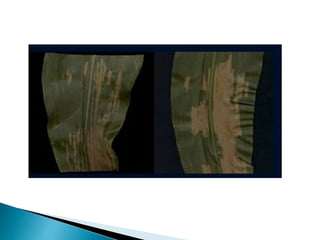
 Heat stress is often defined as a
period in which tempretatures are
hot enough for a sufficent period of
time to to cause irrivarsible damage
to plant functions or development.

 Plant can be damaged by either high
day or high night tempreture and by
either high air or soil tempretures.
• Light is one of the most important and
variable components of plant
environment.
 Increase of leaf area in a way that
minimizes the use of metabolites.
 Shade leaves are thinner but larger in
surface area than sun leaves.increased
light absorption is brought about by
increase no of chloropasts per unit leaf
area increased chlorophyll concentration of
other pigments the light absorption
process in addition .
 The chloroplasts so that the broad
dimension is oriented toward the light.
- leaf growth and development is
changed by high light intensities in
such a way that there is an increase in
the elongation of pollisade cells
- increase in the number of cells
across the leaf section and in the
avrage cell diameter.
 Shade palnts have a limited capacity
for adjust ment to high light
intensities and are usually injured .
 sun plants on other hand gradually
increase the capacity for light
saturated photosynthesis.
 Increase the level of carbon
metabolism enzymes.
 Increasing photosynthetic electron
transport chain carriers.
 Increasing capacity for carbon
dioxide transport
 The electromagnetic radiation from the sun
contains about 7% ultraviolet at sea level.
 Ultraviolet radiation is absorbed by plant
chromophores include nuleic acid
proteins,abscissic acid . Absorption by nucleic
acids after protein synthesis but proteins are
also absorbers of radiation react at primary level
.
 Alteration of protein and lipid membrane compo
nents by ultraviolet alter membrane
permeability and ionic balance.an inhibition of
photosynthesis and respiration.
 Rasistance to uv radiation
damage consists of the ability of a
plant to repair a damage to DNA,
or to synthesize screening
compounds such as flavonoids
and flavones in the epidermis,
cuticular,waxes be effective or
absorbing harmful UV radiation.
References
Plant physiology
-By TEZ AND
ZEIGER
Tempreture stress & light stress

Tempreture stress & light stress

  • 1.
    Shrimali neha CBO-501 Department oflife sciences H.N.G.U,patan
  • 2.
     Tempreture stress. Chilling injury  Freezing injury  High temperature  Light stress  Effect of light deficit  High intensity injury  Ultraviolet rediation
  • 3.
    Tempreture is amajor uncontrollable climatic factor and point up the need for research on inheritable characteristics for temperature stress resistance tolerance of temperature extremes. 2.temperature stress on plants can be divided in to the effect of temperature. I) chilling injury (ii)freezing (iii)high temperature injury
  • 4.
     Some plants,such as those tropical origin are injured when the tempretature. Drops to some point above freezing but low enough to cause damage to tissues cells or organs of the plant.  This injury which cuases low but above zero degrees centrigrade tempreture is called chilling injury.
  • 6.
     The membranesystems are disorganised & 1 cell in 10 dies.the effects were found to be progressive with time.  In both chilling and freezing there appears to be a critical tempreture below which injury occurs  The freeze- induced dehydration cannot be the cause of injury during chilling  Apparently there is some molecular reordering in the membranes and a change in fluidity occurs.
  • 7.
     In tofreezing injury to membranes research involves the change in the cellular membranes when cell volume contracts because of dehydration causes by freezing process.  membrane can be envisioned as a mono or bilayer of lipid when the surface is reduced there is tangential pressure induced within the interface.
  • 8.
     Tolerant plantsthe lipid is stored in the cytoplasm and then restored to the membrane upon rehydration of the cells when they are thawed.
  • 10.
     Plants withlittle or no freezing tolarance Cucurbits ,beans others are subject to frost damage  The folliage becomes flaccid and water soaked.  Tissue usually reveals that compartmentation cells is adestroyed and the membrane are leaky.  External tempreture need be no lower than -1 to -3°C. There may be slight super cooling but nucleation happens inter cellular freezing of sus ceptical tissues of these types of plants occurs.
  • 11.
     There maybe decreased concentration of potentially toxic compounds and become concentrated they are non toxic  Non toxic compoundsto toxic compounds may be that might  be toxic are rendered non effective by dilution  Protective compound may shield membrane to toxic compund  Decrease in the sensivity of membrane toxic compounds
  • 12.
     Heatstress isdecrease synthesis of normal proteins accompained by an accelerated transcription band translation of new proteins known as heat shock proteins.  Heat stress has been sjown to cause problems in mitochondrial functions and can result in oxidetive damage activators of heat stress receptors and defense are thought to be related to ROS.
  • 14.
     Heat stressis often defined as a period in which tempretatures are hot enough for a sufficent period of time to to cause irrivarsible damage to plant functions or development.   Plant can be damaged by either high day or high night tempreture and by either high air or soil tempretures.
  • 15.
    • Light isone of the most important and variable components of plant environment.
  • 16.
     Increase ofleaf area in a way that minimizes the use of metabolites.  Shade leaves are thinner but larger in surface area than sun leaves.increased light absorption is brought about by increase no of chloropasts per unit leaf area increased chlorophyll concentration of other pigments the light absorption process in addition .  The chloroplasts so that the broad dimension is oriented toward the light.
  • 17.
    - leaf growthand development is changed by high light intensities in such a way that there is an increase in the elongation of pollisade cells - increase in the number of cells across the leaf section and in the avrage cell diameter.
  • 18.
     Shade palntshave a limited capacity for adjust ment to high light intensities and are usually injured .  sun plants on other hand gradually increase the capacity for light saturated photosynthesis.
  • 19.
     Increase thelevel of carbon metabolism enzymes.  Increasing photosynthetic electron transport chain carriers.  Increasing capacity for carbon dioxide transport
  • 20.
     The electromagneticradiation from the sun contains about 7% ultraviolet at sea level.  Ultraviolet radiation is absorbed by plant chromophores include nuleic acid proteins,abscissic acid . Absorption by nucleic acids after protein synthesis but proteins are also absorbers of radiation react at primary level .  Alteration of protein and lipid membrane compo nents by ultraviolet alter membrane permeability and ionic balance.an inhibition of photosynthesis and respiration.
  • 21.
     Rasistance touv radiation damage consists of the ability of a plant to repair a damage to DNA, or to synthesize screening compounds such as flavonoids and flavones in the epidermis, cuticular,waxes be effective or absorbing harmful UV radiation.
  • 22.