Science, Technology, & Society
in the
20th Century
Technology and Society in the 20th Century
Technology is central in war and peace.
The changes in change in structure, methods,
and scope led to an increased production of
technology.
There is remake in man’s way of life all over the
globe.
 There are three separate aspects:
1. Structural Changes
 the professionalization, specialization, and
institutionalization of technological work
2. Changes in Methods
 the new relationship between technology and science
3. The “Systems Approach”
The Structure of Technological Work
Technological
activity (19th
century) is craft.
This is done by
individuals alone
and without much
formal education.
By the 20th century, the
technological activity has
become highly
specialized and
thoroughly professional.
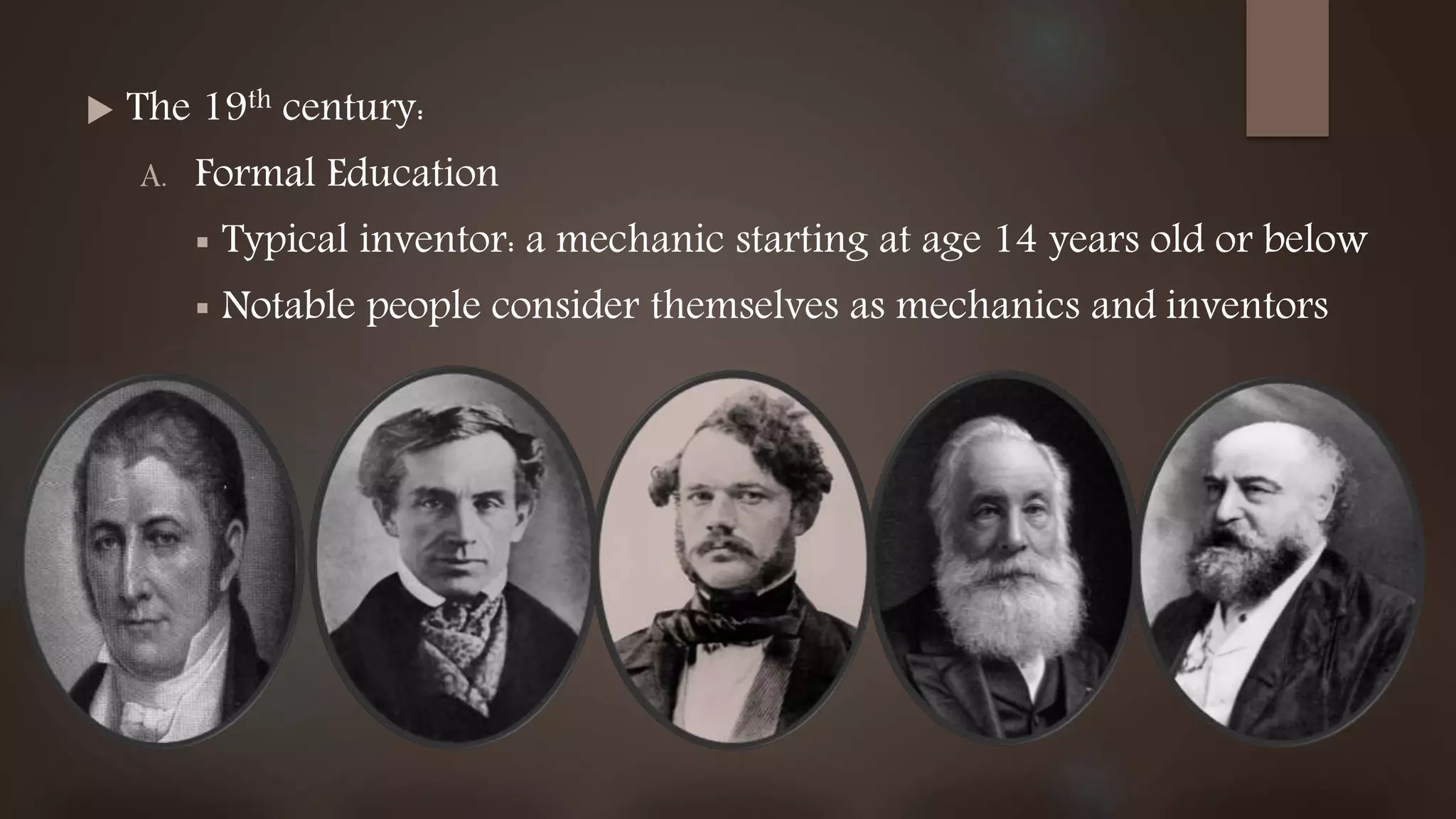
 The 19th century:
A. Formal Education
 Typical inventor: a mechanic starting at age 14 years old or below
 Notable people consider themselves as mechanics and inventors
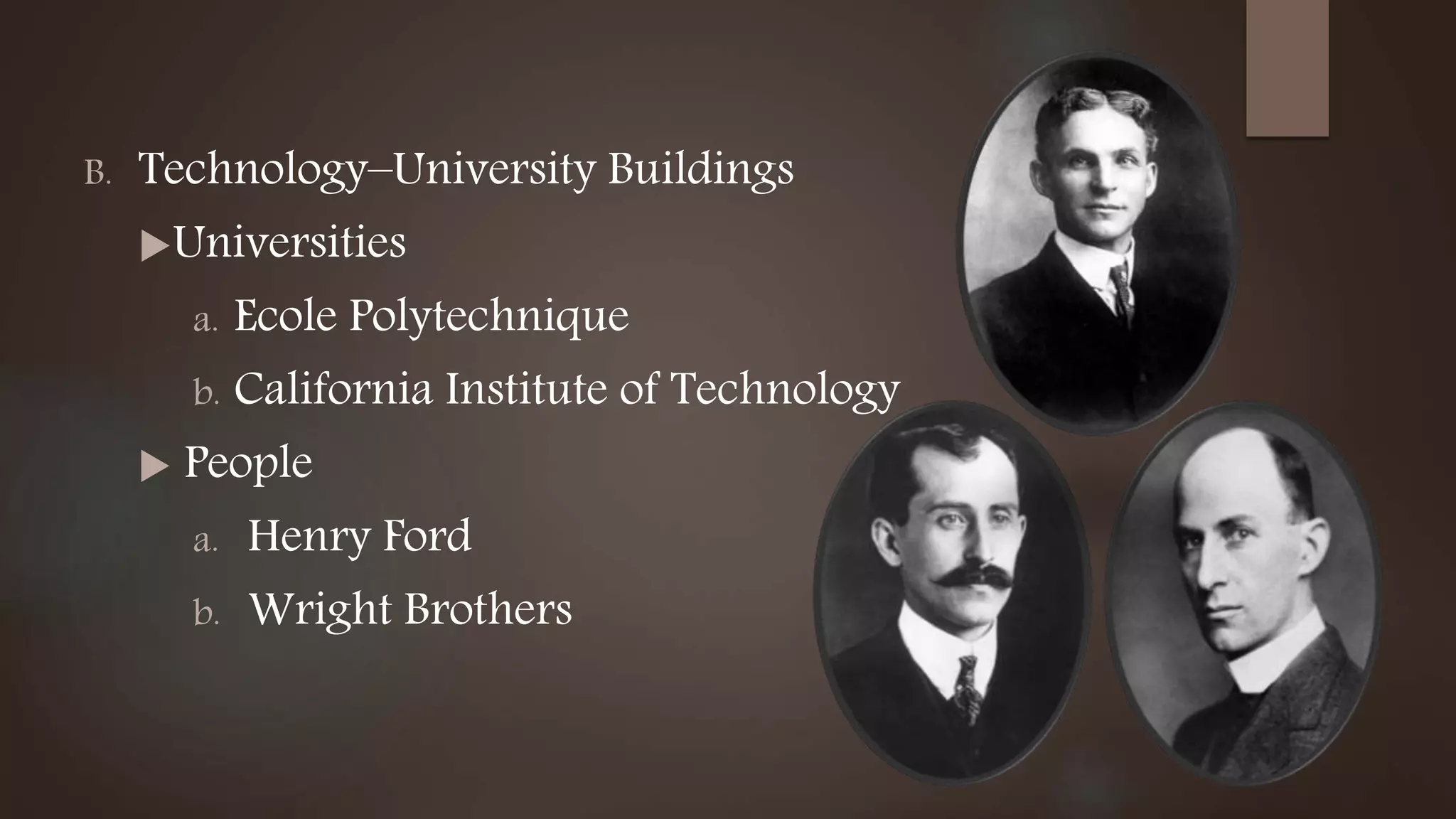
B. Technology–University Buildings
Universities
a. Ecole Polytechnique
b. California Institute of Technology
 People
a. Henry Ford
b. Wright Brothers
Technically educated man with the college degree
began to assume leadership about the time of
World War I.
Technological work since 1940, as primarily been
done by men who were educated in universities
and degrees eventually became prerequisites for
technological work.
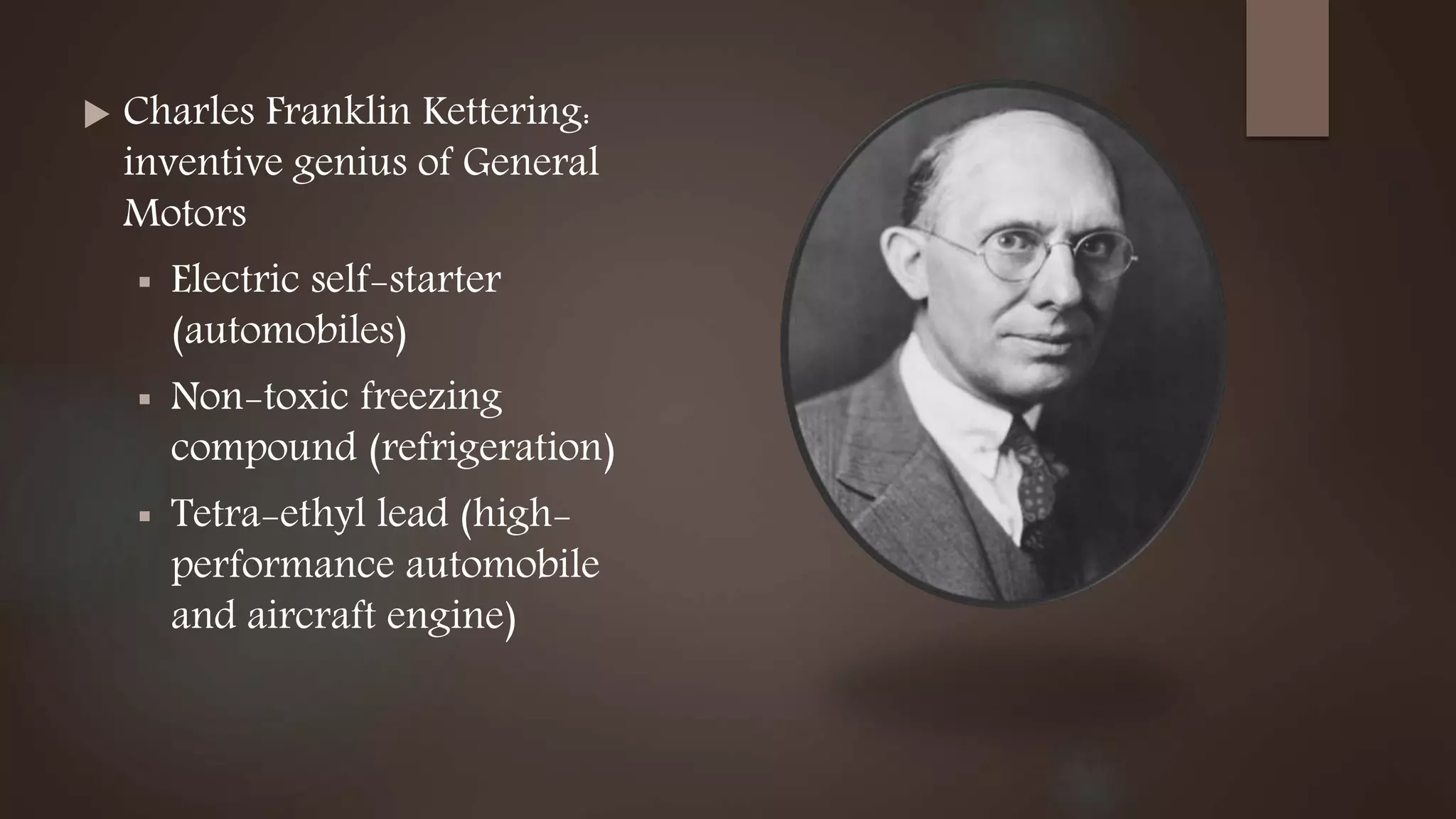
 Charles Franklin Kettering:
inventive genius of General
Motors
 Electric self-starter
(automobiles)
 Non-toxic freezing
compound (refrigeration)
 Tetra-ethyl lead (high-
performance automobile
and aircraft engine)
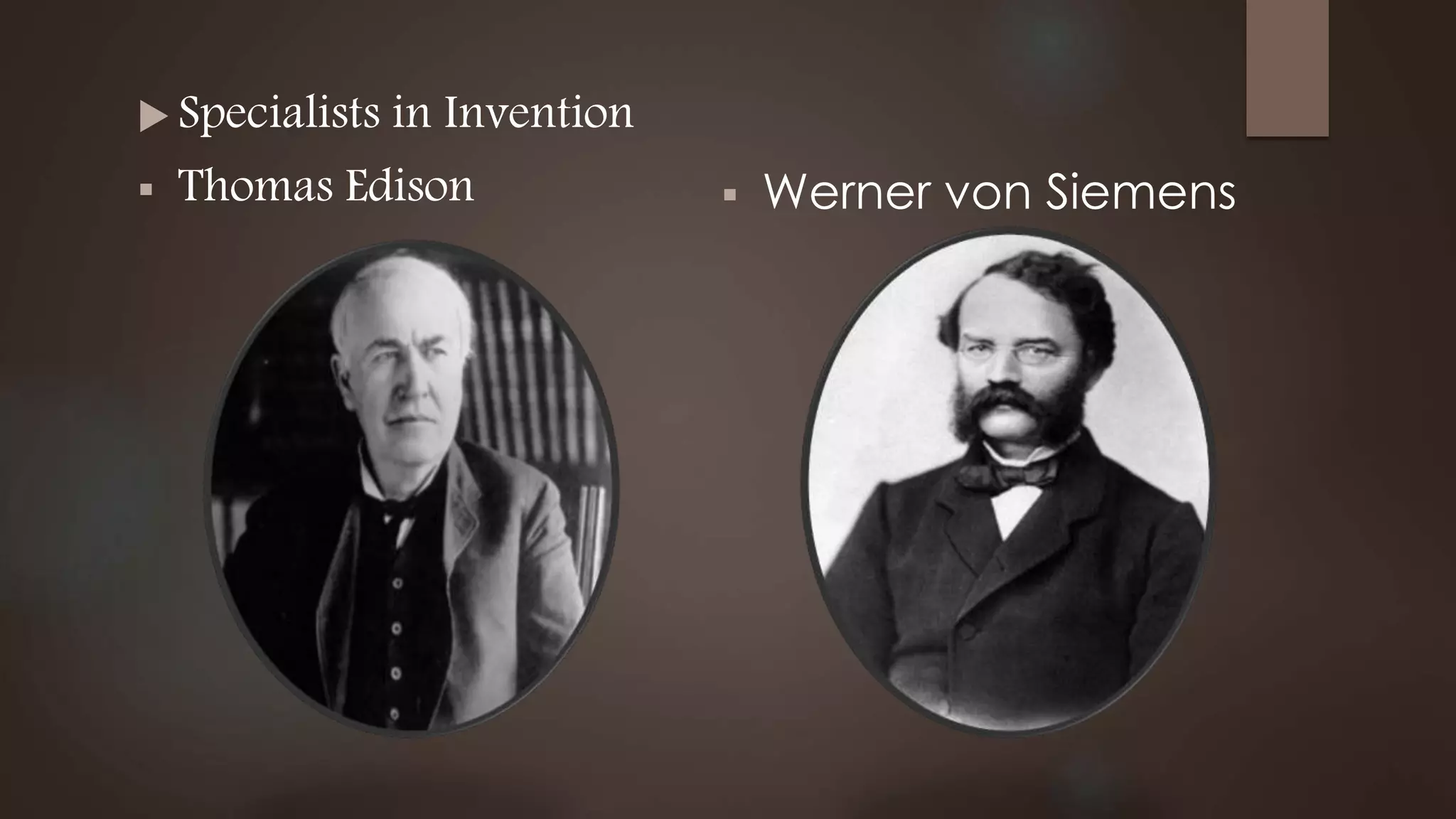
 Specialists in Invention
 Thomas Edison  Werner von Siemens
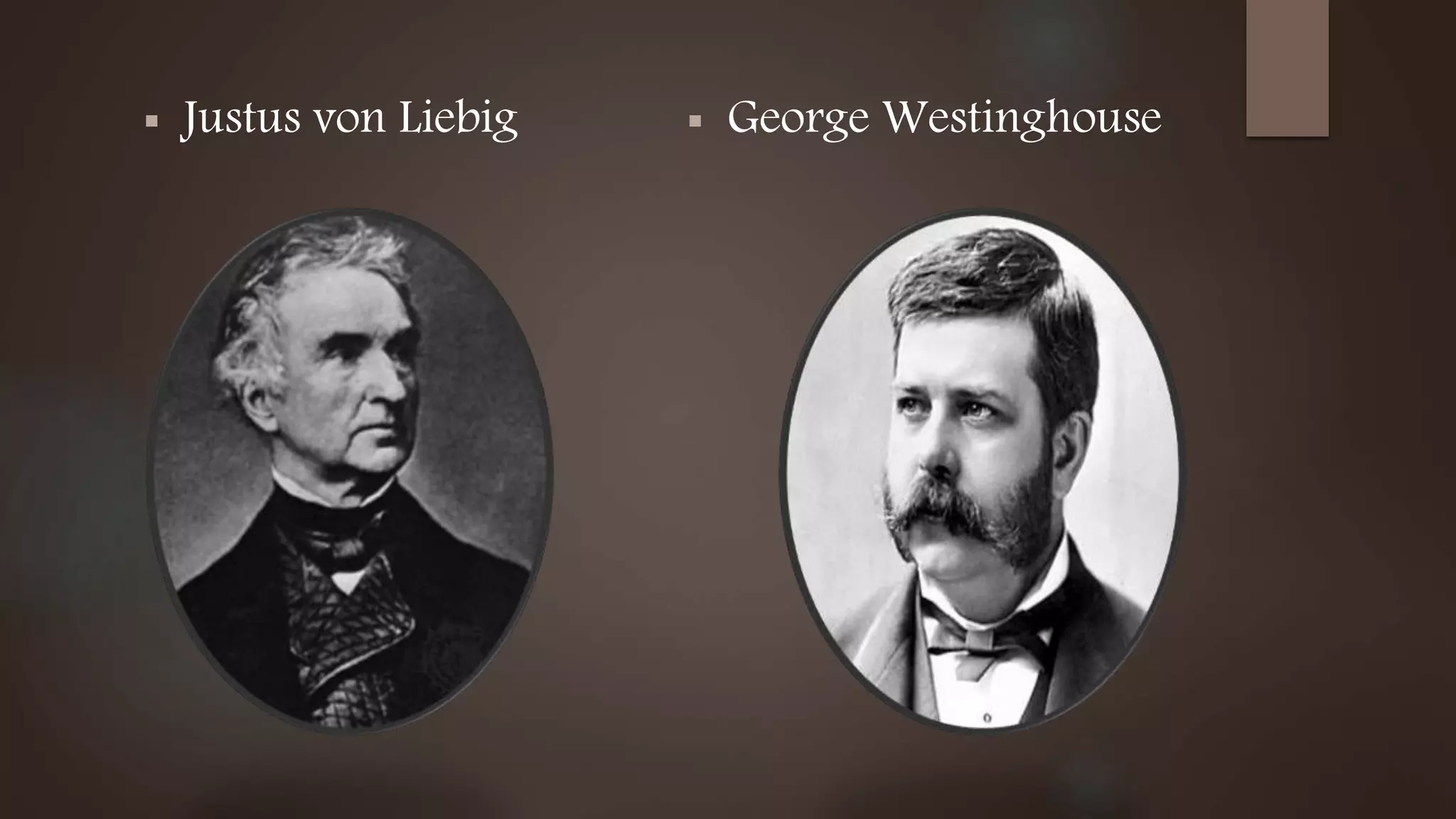
 Justus von Liebig  George Westinghouse
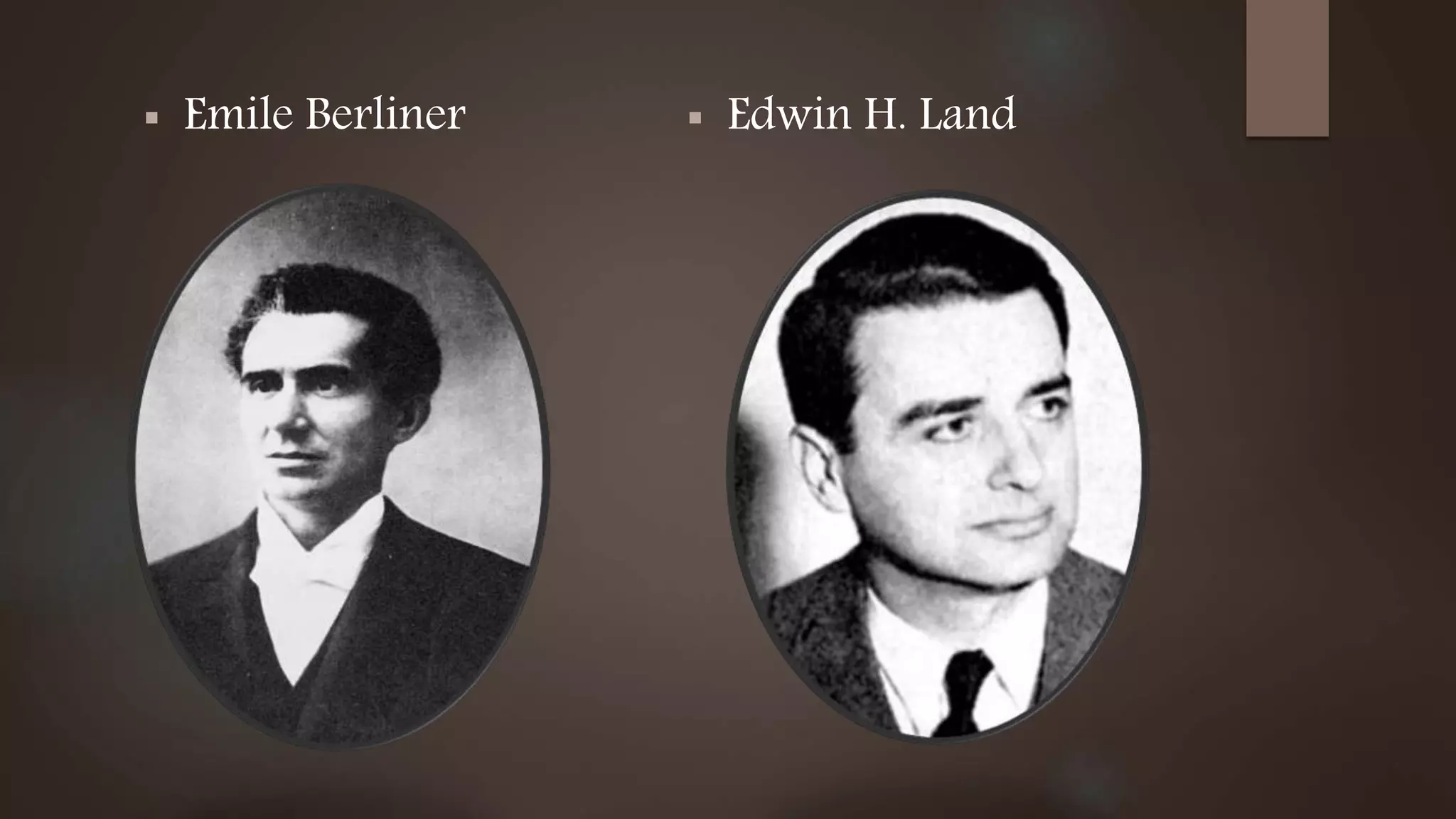
 Emile Berliner  Edwin H. Land
 Laboratories
A. Size of a laboratory has no relation to its research and its results; it
needs:
 exclusive interest in research, discovery, and innovation
 brings together men from a wide area of disciplines
 embodies a new methodology of technological work squarely
based on the systematic application of science to technology
B. Strength of laboratories: “specialist” and “generalist”
 What distinguishes today's research laboratory from any
predecessor is, first, its exclusive interest in research,
discovery, and innovation.
 Secondly, the research laboratory brings together men from a
wide area of disciplines,
each contributing his specialized knowledge.
 Finally, the research laboratory embodies a new
methodology of technological work squarely based on the
systematic application of science to technology.
The Methods of Technological Work
 Technology has become science-based. Its method is now
"systematic research." And what was formerly "invention" is
"innovation" today.
 It was World War I that brought about the change.
Technology has become in this century somewhat of a
"science" in its own right. It has become "research"—a
separate discipline having its own specific methods.
 Technologists followed the work of scientists, therefore
electrical technology has been closely related to the physical
science of electricity.
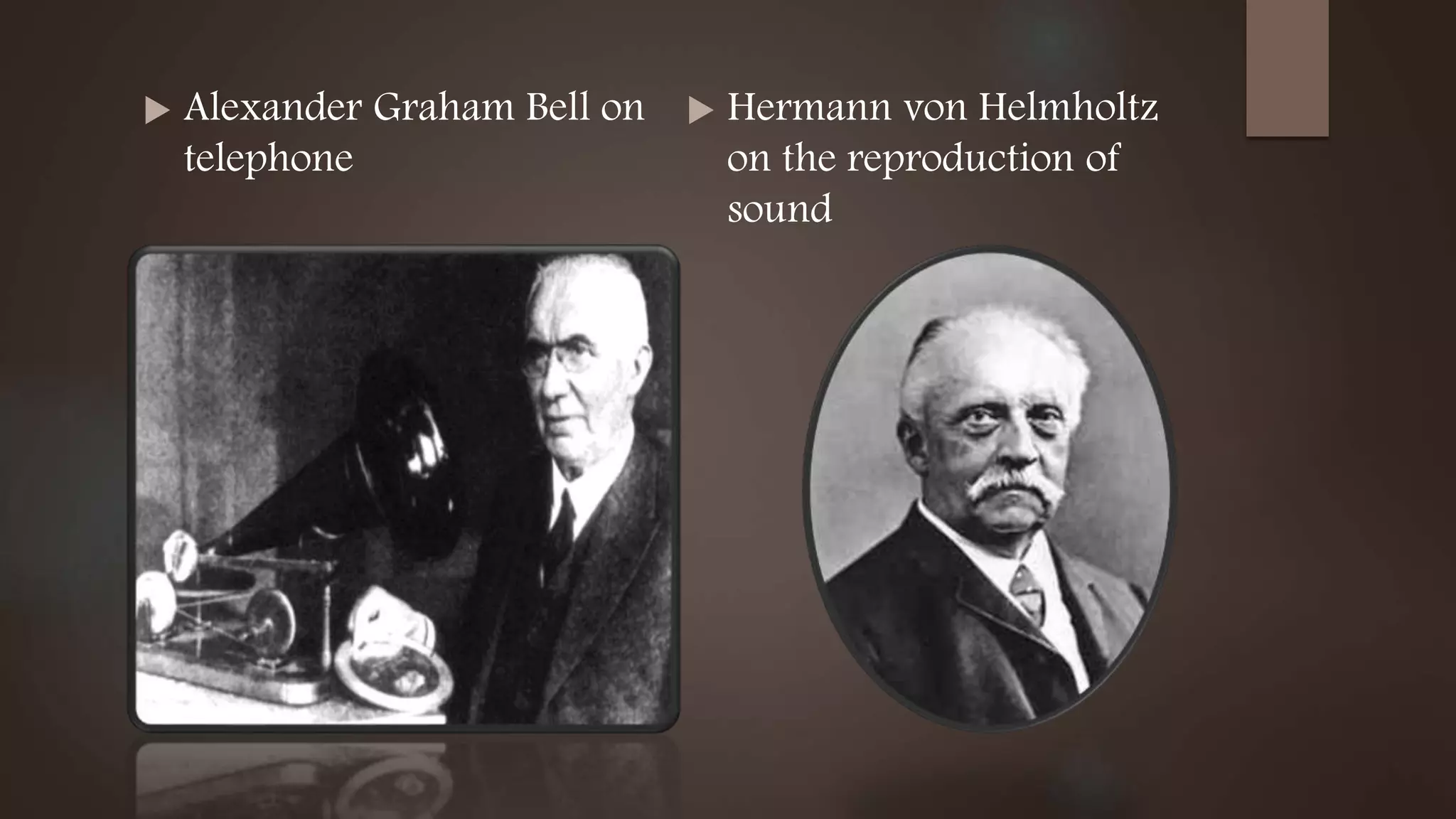
 Alexander Graham Bell on
telephone
 Hermann von Helmholtz
on the reproduction of
sound
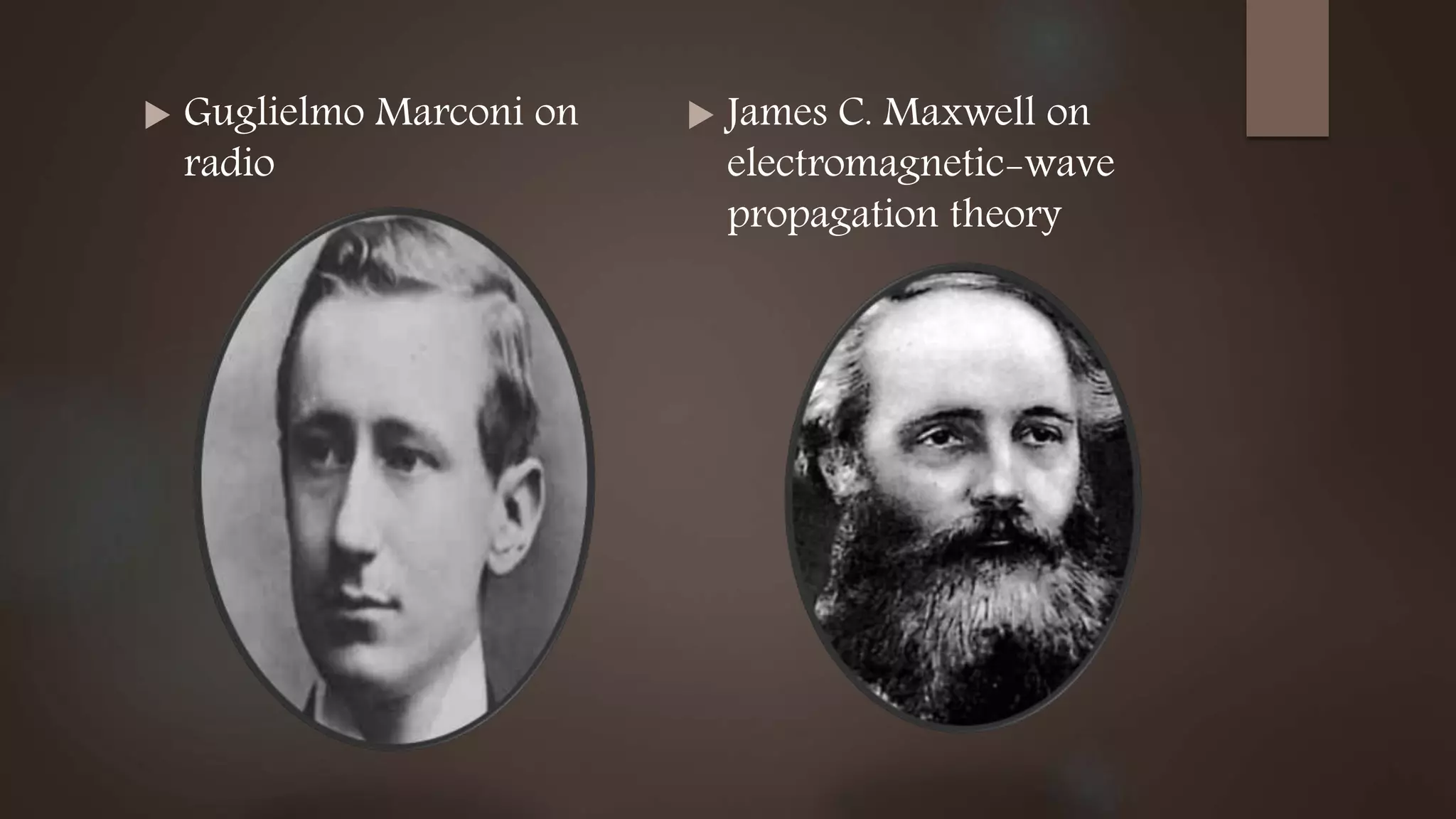
 Guglielmo Marconi on
radio
 James C. Maxwell on
electromagnetic-wave
propagation theory
 World War I, scientists were mobilized for war effort:
science’ power to spark technological ideas and to
indicate technological solutions and technological
problems
 Technology is NOT, then, ‘the application of science
to products and processes,’ as is often asserted.”
 “Know-how” of technologists > “know-what of
scientists”
 Science as the basis and starting point of today’s
technology
 Technology has become a science in its own right; a
separate discipline
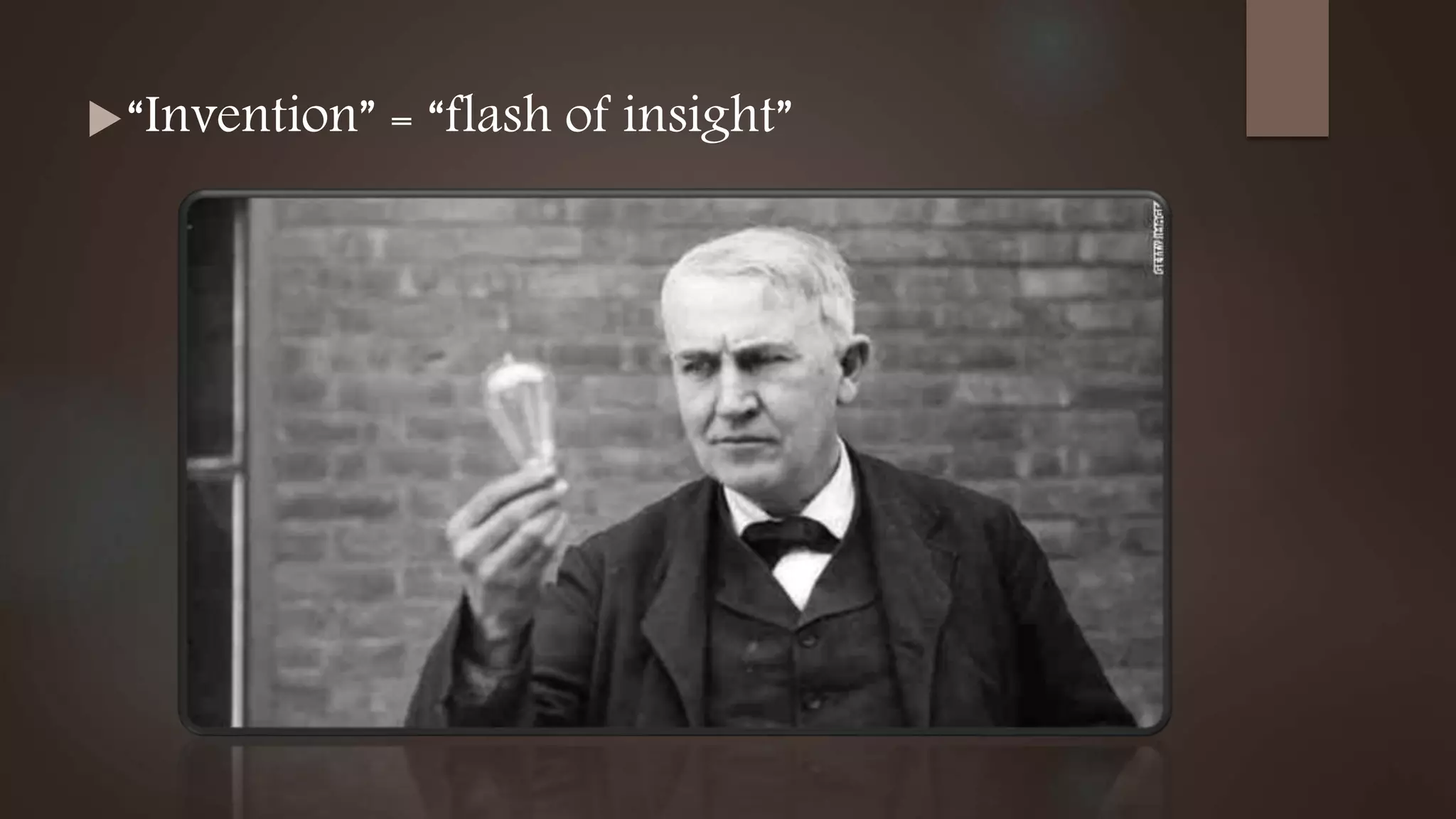
“Invention” = “flash of insight”
Technological "research" has not only a
different methodology from "invention"; it leads to
a different approach, known as "innovation," or
the purposeful and deliberate attempt to bring
about, through technological means, a distinct
change in the way man lives and in his


environment.
 Research method
 Research team
 Other elements of research discipline
1. A definition of the need
2. A clear goal
3. Identification of the major steps to be taken and the
major pieces of work that had to be done
4. Constant "feedback" from the results of the work on the
plan
5. Organization of the work so that each major segment is
assigned to a specific work team
Scientific "discovery" has always been measured
by what it adds to our understanding of natural
phenomena. The test of invention is, however,
technical--what new capacity it gives us to do a
specific task. But the test of innovation is its
impact on the way people live.
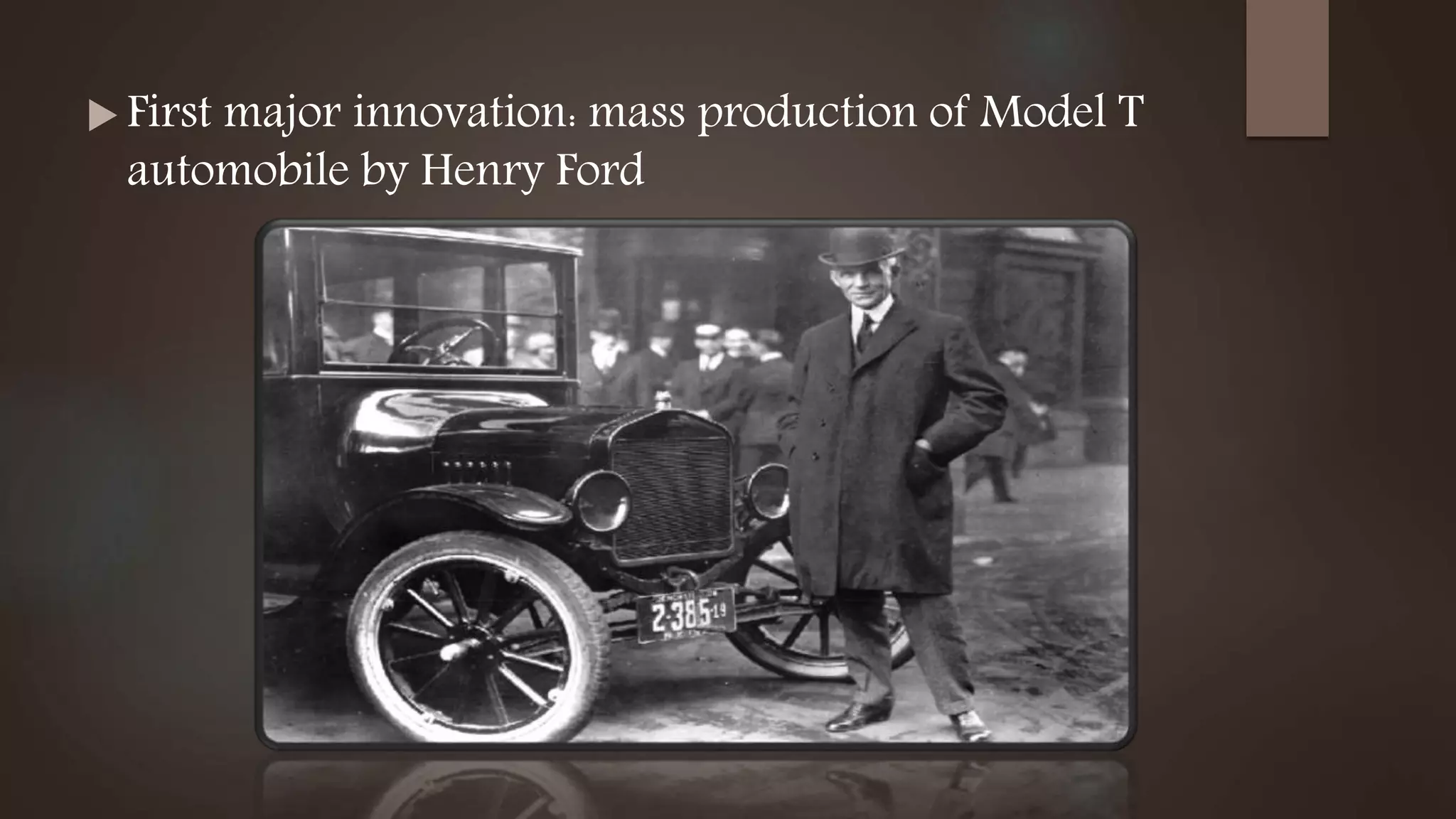
 First major innovation: mass production of Model T
automobile by Henry Ford
Innovation defined:
“a technical solution to the economic problem of
how to produce the largest number of finished
products with the greatest reliability of quality at
the lowest possible cost.”
The Systems Approach
Mass production exemplifies, too, a new
dimension that has been added to
technology in this century: the systems
approach.
The Pre-Technological Civilization of
1990
Only Japan, of the non-European, non-western
countries, had then begun to build up a
modern industry and modern technology.
It was, indeed, almost an axiom--for
Westerner and non-Westerner alike--that
modern technology was, for better or worse,
the birthright of the white man.
Technology, as a creature of man, is a
problematical, as ambivalent, and as capable
of good or evil, as is its creator.
Technology Remakes Social Institutions
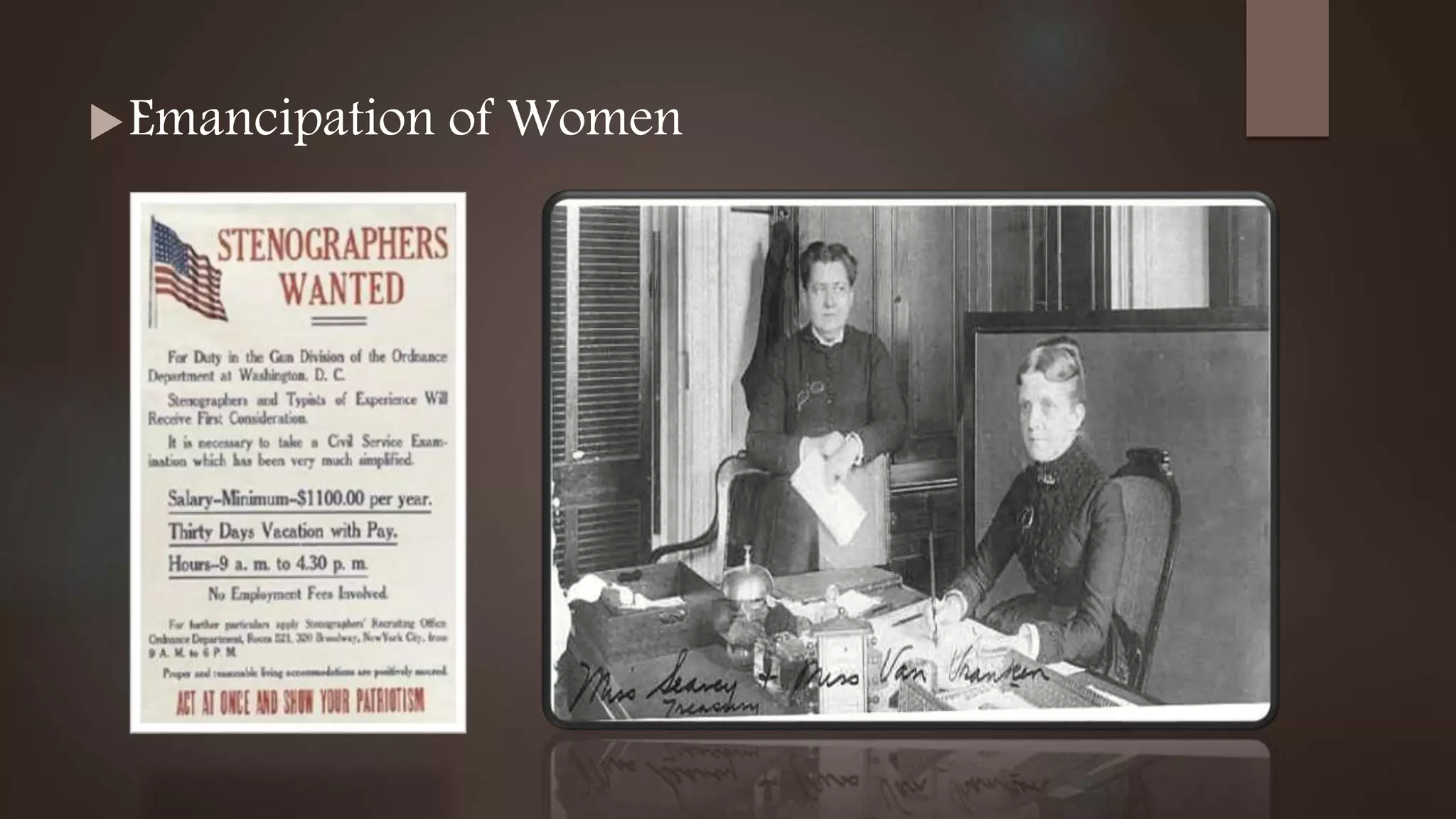
Emancipation of Women
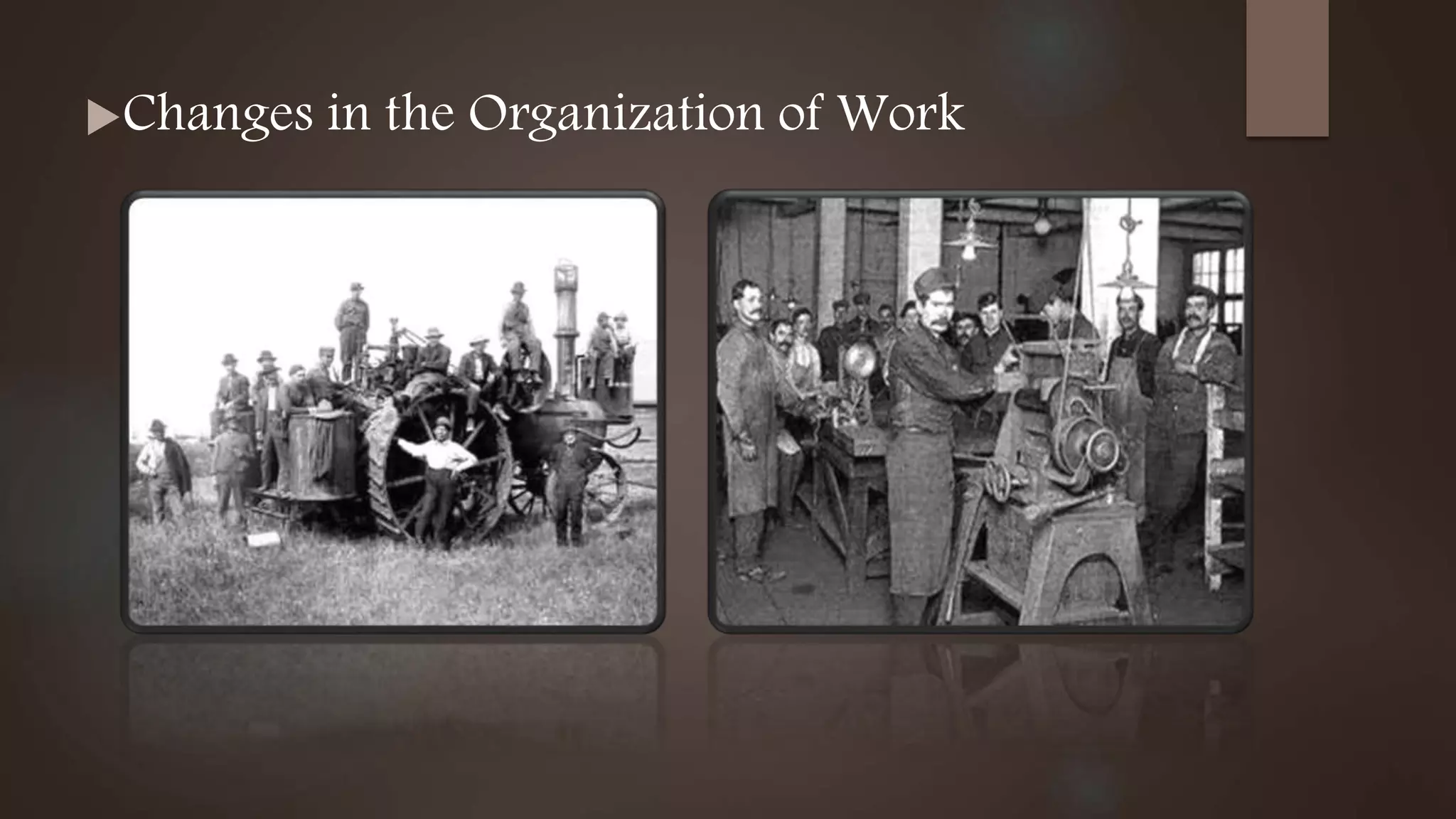
Changes in the Organization of Work
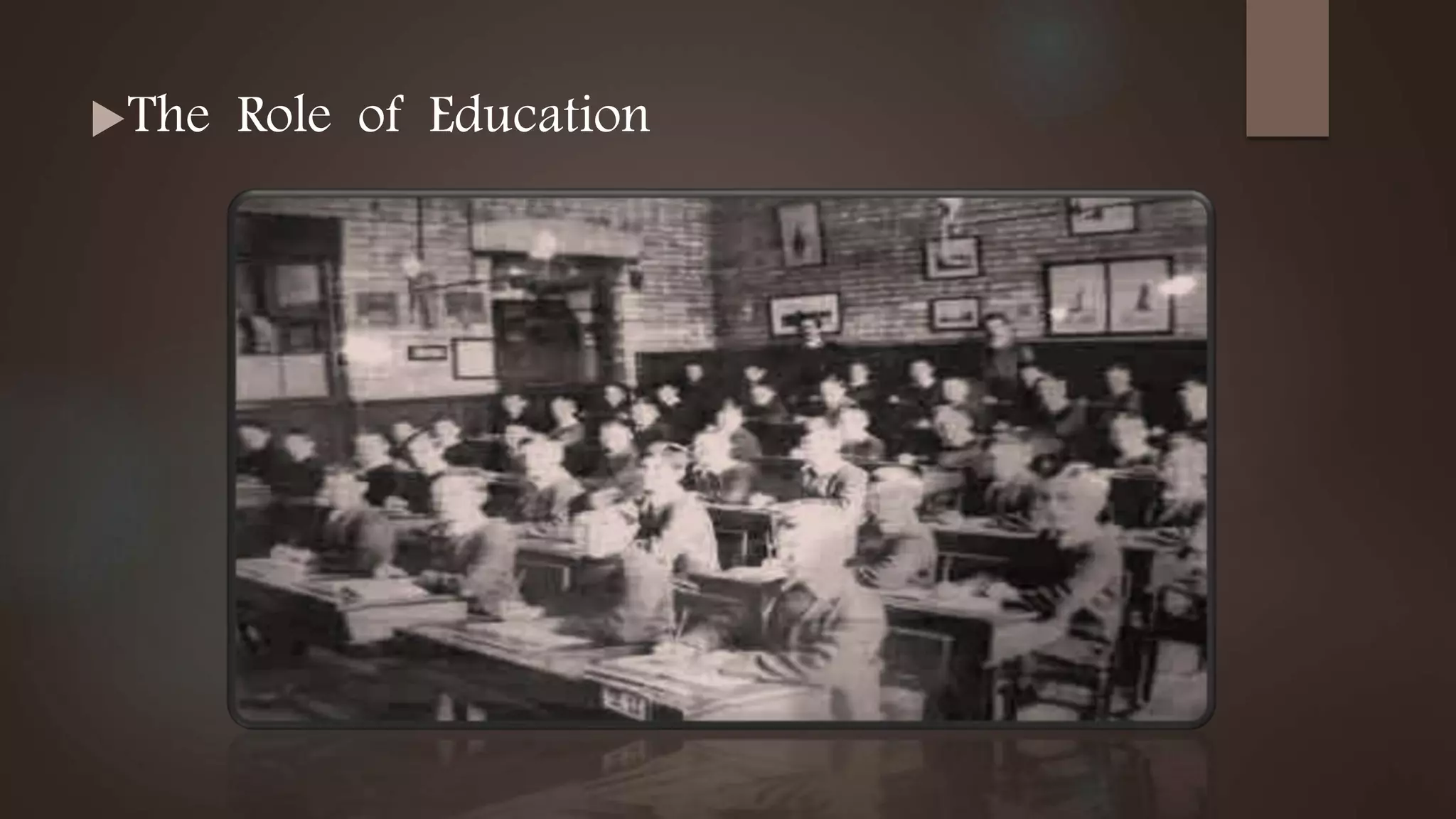
The Role of Education
Change in Warfare
A Worldwide Technological Civilization
Man–Moves into a Man–Made Environment
Only sixty years ago, men depended on nature
and were primarily threatened by natural
catastrophes, storms, floods or earthquakes. Men
today depend on technology, and our major
threats are technological breakdowns. The largest
cities in the world would become uninhabitable
in forty-eight hours were the water supply or
the sewerage systems to give out.
Modern Technology and the Human Horizon
News, data, information, and pictures
have become even more mobile than
people. They travel in "real time", that
is, they arrive at virtually the same time
as they happen.
Technology and Man
The metropolis has become the
habitat of modern man. Yet
paradoxically we do not know how
to make it habitable.
In the final analysis this surely means
mastery by man over himself, for if
anyone is to blame, it is not the tool but
the human maker and user. "It is a poor
carpenter who blames his tools"
It is also true that "better tools"
demand a better, more highly
skilled, and more careful
"carpenter".

Science, Technology, & Society in the 20th century

  • 1.
    Science, Technology, &Society in the 20th Century
  • 2.
    Technology and Societyin the 20th Century
  • 3.
    Technology is centralin war and peace. The changes in change in structure, methods, and scope led to an increased production of technology. There is remake in man’s way of life all over the globe.
  • 4.
     There arethree separate aspects: 1. Structural Changes  the professionalization, specialization, and institutionalization of technological work 2. Changes in Methods  the new relationship between technology and science 3. The “Systems Approach”
  • 5.
    The Structure ofTechnological Work
  • 6.
    Technological activity (19th century) iscraft. This is done by individuals alone and without much formal education. By the 20th century, the technological activity has become highly specialized and thoroughly professional.
  • 7.
     The 19thcentury: A. Formal Education  Typical inventor: a mechanic starting at age 14 years old or below  Notable people consider themselves as mechanics and inventors
  • 8.
    B. Technology–University Buildings Universities a.Ecole Polytechnique b. California Institute of Technology  People a. Henry Ford b. Wright Brothers
  • 9.
    Technically educated manwith the college degree began to assume leadership about the time of World War I. Technological work since 1940, as primarily been done by men who were educated in universities and degrees eventually became prerequisites for technological work.
  • 10.
     Charles FranklinKettering: inventive genius of General Motors  Electric self-starter (automobiles)  Non-toxic freezing compound (refrigeration)  Tetra-ethyl lead (high- performance automobile and aircraft engine)
  • 11.
     Specialists inInvention  Thomas Edison  Werner von Siemens
  • 12.
     Justus vonLiebig  George Westinghouse
  • 13.
     Emile Berliner Edwin H. Land
  • 14.
     Laboratories A. Sizeof a laboratory has no relation to its research and its results; it needs:  exclusive interest in research, discovery, and innovation  brings together men from a wide area of disciplines  embodies a new methodology of technological work squarely based on the systematic application of science to technology B. Strength of laboratories: “specialist” and “generalist”
  • 15.
     What distinguishestoday's research laboratory from any predecessor is, first, its exclusive interest in research, discovery, and innovation.  Secondly, the research laboratory brings together men from a wide area of disciplines, each contributing his specialized knowledge.  Finally, the research laboratory embodies a new methodology of technological work squarely based on the systematic application of science to technology.
  • 16.
    The Methods ofTechnological Work
  • 17.
     Technology hasbecome science-based. Its method is now "systematic research." And what was formerly "invention" is "innovation" today.  It was World War I that brought about the change. Technology has become in this century somewhat of a "science" in its own right. It has become "research"—a separate discipline having its own specific methods.  Technologists followed the work of scientists, therefore electrical technology has been closely related to the physical science of electricity.
  • 18.
     Alexander GrahamBell on telephone  Hermann von Helmholtz on the reproduction of sound
  • 19.
     Guglielmo Marconion radio  James C. Maxwell on electromagnetic-wave propagation theory
  • 20.
     World WarI, scientists were mobilized for war effort: science’ power to spark technological ideas and to indicate technological solutions and technological problems
  • 21.
     Technology isNOT, then, ‘the application of science to products and processes,’ as is often asserted.”  “Know-how” of technologists > “know-what of scientists”  Science as the basis and starting point of today’s technology  Technology has become a science in its own right; a separate discipline
  • 22.
  • 23.
    Technological "research" hasnot only a different methodology from "invention"; it leads to a different approach, known as "innovation," or the purposeful and deliberate attempt to bring about, through technological means, a distinct change in the way man lives and in his environment.
  • 24.
     Research method Research team  Other elements of research discipline 1. A definition of the need 2. A clear goal 3. Identification of the major steps to be taken and the major pieces of work that had to be done 4. Constant "feedback" from the results of the work on the plan 5. Organization of the work so that each major segment is assigned to a specific work team
  • 25.
    Scientific "discovery" hasalways been measured by what it adds to our understanding of natural phenomena. The test of invention is, however, technical--what new capacity it gives us to do a specific task. But the test of innovation is its impact on the way people live.
  • 26.
     First majorinnovation: mass production of Model T automobile by Henry Ford
  • 27.
    Innovation defined: “a technicalsolution to the economic problem of how to produce the largest number of finished products with the greatest reliability of quality at the lowest possible cost.”
  • 28.
  • 29.
    Mass production exemplifies,too, a new dimension that has been added to technology in this century: the systems approach.
  • 30.
  • 31.
    Only Japan, ofthe non-European, non-western countries, had then begun to build up a modern industry and modern technology.
  • 32.
    It was, indeed,almost an axiom--for Westerner and non-Westerner alike--that modern technology was, for better or worse, the birthright of the white man.
  • 33.
    Technology, as acreature of man, is a problematical, as ambivalent, and as capable of good or evil, as is its creator.
  • 34.
  • 35.
  • 36.
    Changes in theOrganization of Work
  • 37.
    The Role ofEducation
  • 38.
  • 39.
  • 40.
    Man–Moves into aMan–Made Environment
  • 41.
    Only sixty yearsago, men depended on nature and were primarily threatened by natural catastrophes, storms, floods or earthquakes. Men today depend on technology, and our major threats are technological breakdowns. The largest cities in the world would become uninhabitable in forty-eight hours were the water supply or the sewerage systems to give out.
  • 42.
    Modern Technology andthe Human Horizon
  • 43.
    News, data, information,and pictures have become even more mobile than people. They travel in "real time", that is, they arrive at virtually the same time as they happen.
  • 44.
  • 45.
    The metropolis hasbecome the habitat of modern man. Yet paradoxically we do not know how to make it habitable.
  • 46.
    In the finalanalysis this surely means mastery by man over himself, for if anyone is to blame, it is not the tool but the human maker and user. "It is a poor carpenter who blames his tools"
  • 47.
    It is alsotrue that "better tools" demand a better, more highly skilled, and more careful "carpenter".