
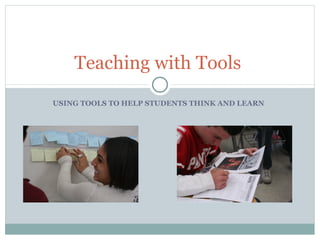












USING TOOLS TO HELP STUDENTS THINK AND LEARN  Teaching with Tools
Overview Create a Community: Well Words Reflect on the Week: Instructional Verbs Identify Elements of Effective Instruction Teach the Academic Essentials Teach with Tools Design Meaningful Units  Make Time to Talk: The Value of Discussion Review and Reflect: Next Steps and Questions
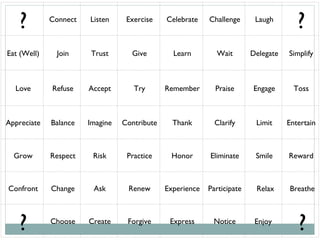
? Connect Listen Exercise Celebrate Challenge Laugh ? Eat (Well) Join Trust Give Learn Wait Delegate Simplify Love Refuse Accept Try Remember Praise Engage Toss Appreciate Balance Imagine Contribute Thank Clarify Limit Entertain Grow Respect Risk Practice Honor Eliminate Smile Reward Confront Change Ask Renew Experience Participate Relax Breathe ? Choose Create Forgive Express Notice Enjoy  ?
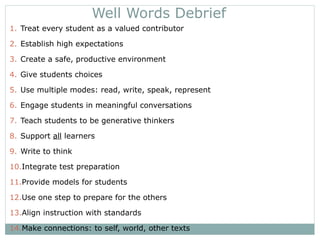
Well Words Debrief Treat every student as a valued contributor Establish high expectations Create a safe, productive environment Give students choices Use multiple modes: read, write, speak, represent Engage students in meaningful conversations Teach students to be generative thinkers Support  all  learners Write to think Integrate test preparation Provide models for students Use one step to prepare for the others Align instruction with standards Make connections: to self, world, other texts
Although some students show up at school as “intentional learners”––people who are already interested in doing whatever they need to do to learn academic subjects––they are the exception rather than the rule. Even if they are disposed to study, they probably need to learn how. But more fundamental than knowing how is developing a sense of oneself as a learner that makes it socially acceptable to engage in academic work. The goal of school teaching is not to turn all students into people who see themselves as professional academics, but to enable all of them to include a disposition toward productive study of academic subjects among the personality traits they exhibit while they are in the classroom. If the young people who come to school do not see themselves as learners, they are not going to act like learners even if that would help them to be successful in school. It is the teacher's job to help them change their sense of themselves so that studying is not a self-contradictory activity. One's sense of oneself as a learner is not a wholly private construction.  Academic identity is formed from an amalgamation of how we see ourselves and how others see us, and those perceptions are formed and expressed in social interaction. How I act in front of others expresses my sense of who I am. How others then react to me influences the development of my identity. ––– Magdalene Lampert, from  Teaching Problems and the Problems of Teaching
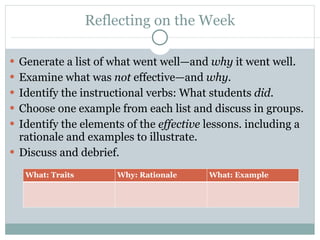
Reflecting on the Week Generate a list of what went well—and  why  it went well. Examine what was  not  effective—and  why. Identify the instructional verbs: What students  did . Choose one example from each list and discuss in groups. Identify the elements of the  effective  lessons. including a rationale and examples to illustrate. Discuss and debrief. What: Traits Why: Rationale What: Example
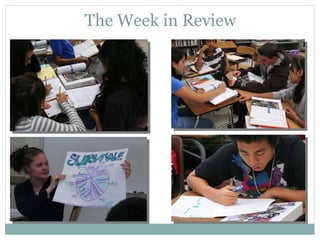
The Week in Review
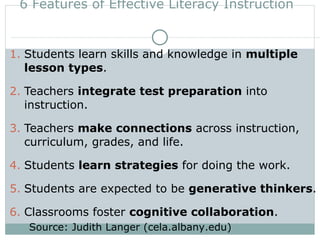
6 Features of Effective Literacy Instruction   Students learn skills and knowledge in  multiple lesson types . Teachers  integrate test preparation  into instruction. Teachers  make connections  across instruction, curriculum, grades, and life. Students  learn strategies  for doing the work. Students are expected to be  generative thinkers . Classrooms foster  cognitive collaboration . Source: Judith Langer (cela.albany.edu)
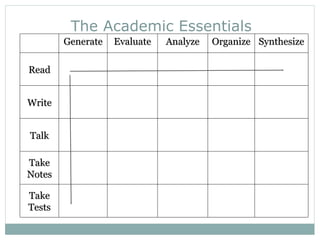
The Academic Essentials Generate Evaluate Analyze Organize Synthesize Read Write Talk Take Notes Take Tests
 
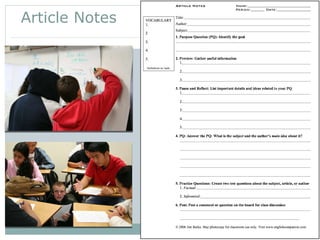
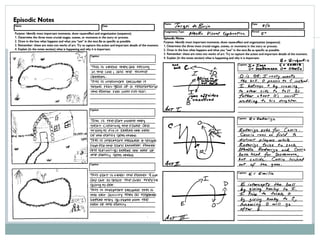
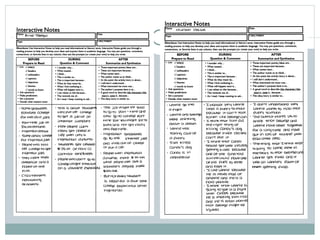
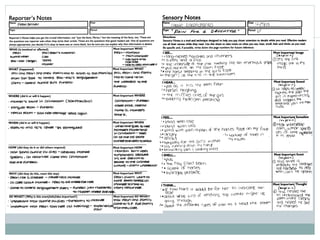
Article Notes
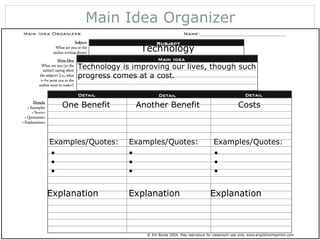
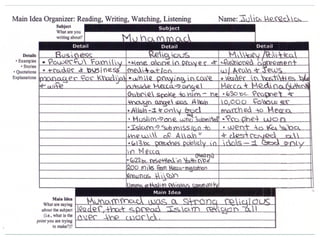
Main Idea Organizer Technology Technology is improving our lives, though such progress comes at a cost. One Benefit Another Benefit Costs Examples/Quotes: Examples/Quotes: Examples/Quotes: Explanation Explanation Explanation • • • • • • • • •
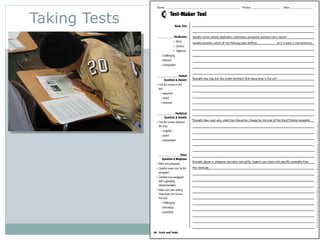
Taking Tests
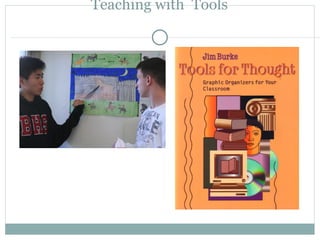
Teaching with  Tools
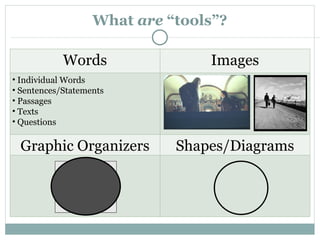
What  are  “tools”? Words Images Individual Words Sentences/Statements Passages Texts Questions  Graphic Organizers Shapes/Diagrams
Words and Texts Are Tools “… A belief that we are connected as one people. If there's a child on the south side of Chicago who can't read, that matters to me, even if it's not my child. If there's a senior citizen somewhere who can't pay for her prescription and has to choose between medicine and the rent, that makes my life poorer, even if it's not my grandmother. If there's an Arab American family being rounded up without benefit of an attorney or due process, that threatens my civil liberties. It's that fundamental belief — I am my brother's keeper, I am my sister's keeper — that makes this country work. It's what allows us to pursue our individual dreams, yet still come together as a single American family. "E pluribus unum." Out of many, one….” Barack Obama Faith
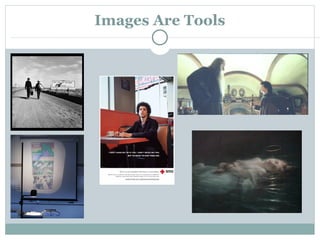
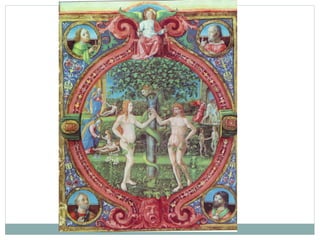
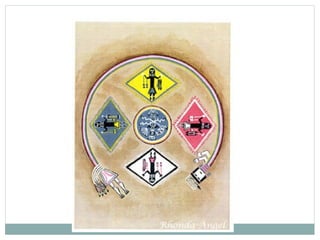
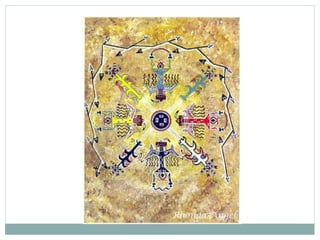
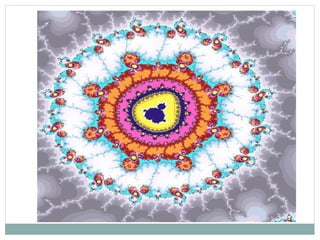
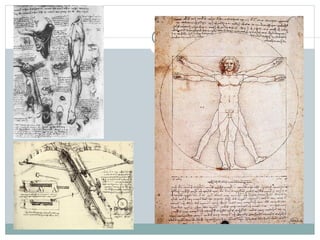
Images Are Tools
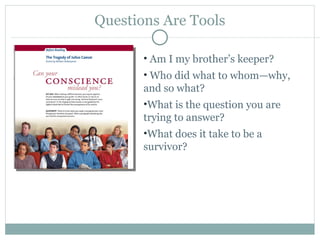
Questions Are Tools Am I my brother’s keeper? Who did what to whom—why, and so what? What is the question you are trying to answer? What does it take to be a survivor?
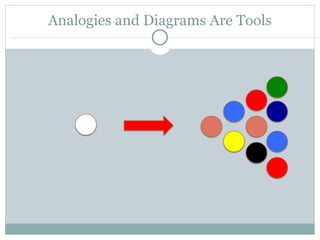
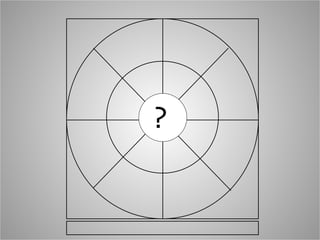
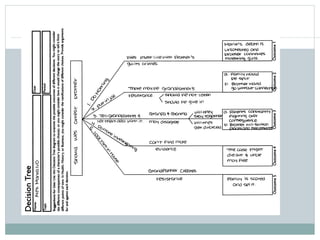
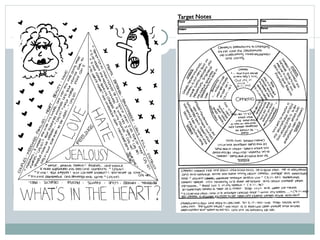
Analogies and Diagrams Are Tools
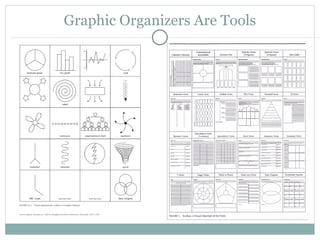
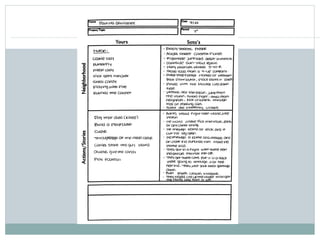
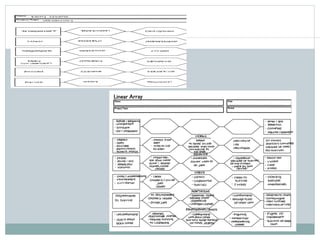
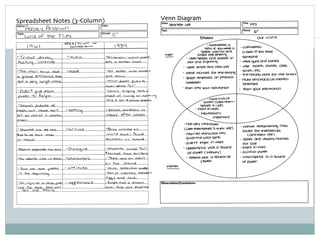
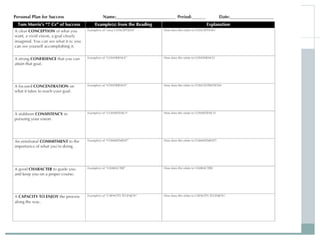
Graphic Organizers Are Tools
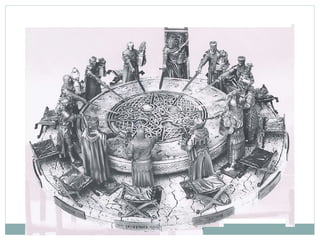
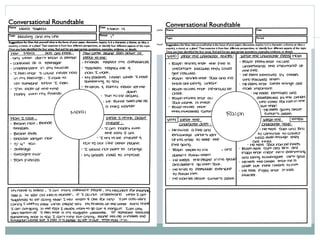
Groups Are Tools … Human beings have always sat in circles and councils to do their best thinking, and to develop strong and trusting relationships. Margaret Wheatley from  Turning to One Another
Research Says that Using Tools Helps struggling students and those with special needs by providing structure and support. Supports English learners by helping them see how information is organized and giving them a more visual means of understanding or conveying ideas. Increases engagement by providing ways for “cognitive collaboration” on academic tasks. Acheives more sophisticated thinking by asking students to analyze, organize, and synthesize. Improves comprehension by allowing students to analyze text structure and connections. Enhances memory through organization of info. Promotes “generative thinking” and scaffolding.


?
?
?
?
?
?
?
?
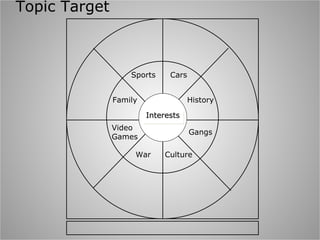
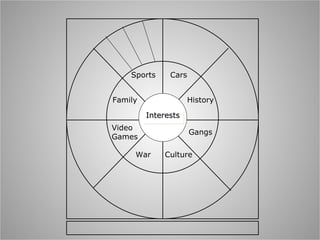
? Family Sports Video Games Culture Cars History Interests War Gangs Topic Target
? Family Sports Video Games Culture Cars History Interests War Gangs
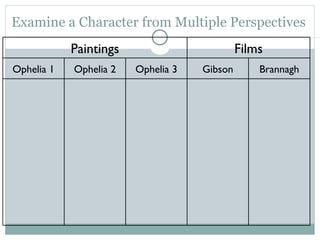
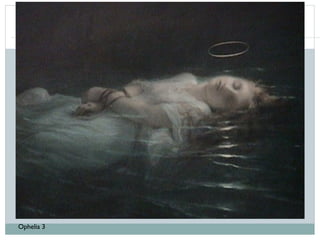
Examine a Character from Multiple Perspectives Paintings Films Ophelia 1 Ophelia 2 Ophelia 3 Gibson Brannagh
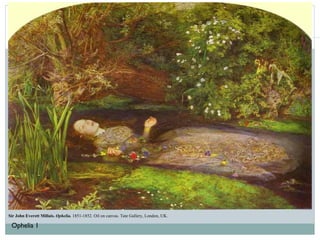
Sir John Everett Millais.   Ophelia.  1851-1852. Oil on canvas. Tate Gallery, London, UK. Ophelia 1
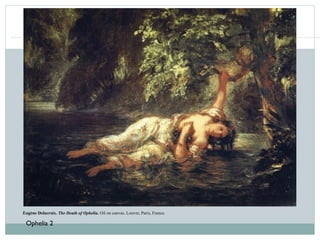
Eugène Delacroix.   The Death of Ophelia.  Oil on canvas. Louvre, Paris, France. Ophelia 2
Ophelia 3


Heroic Cycle
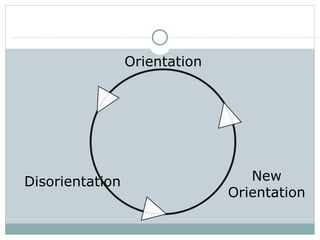
Orientation Disorientation New Orientation
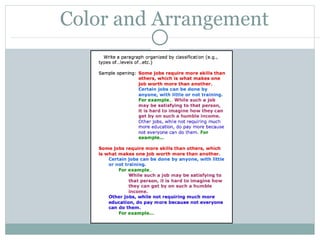
Color and Arrangement
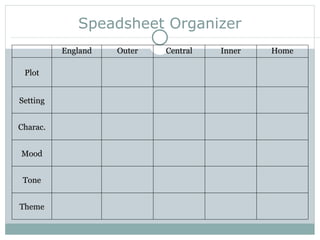
Speadsheet Organizer England Outer Central Inner Home Plot Setting Charac. Mood Tone Theme
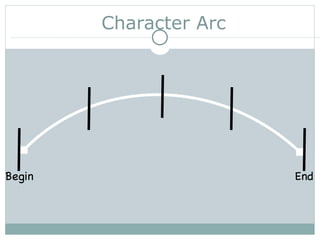
Character Arc Begin End
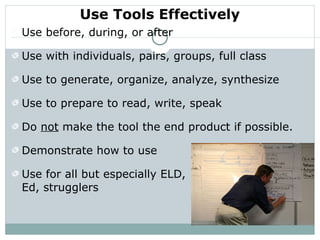
Use before, during, or after Use with individuals, pairs, groups, full class Use to generate, organize, analyze, synthesize Use to prepare to read, write, speak Do  not  make the tool the end product if possible. Demonstrate how to use Use for all but especially ELD,  Special Ed, strugglers Use Tools Effectively
Instructional Principles Work independently and with others to solve a range of intellectual problems. Process material on multiple levels and in various ways. Use tools and strategies to help them solve a range of academic problems. Learn skills and knowledge through a range of instructional modes. Communicate their understanding by multiple means, including other media. Monitor and evaluate their performance and progress towards goals. Connect what they learn today to their other studies, the world, and themselves. Develop and use skills and knowledge in the context of meaningful conversations. Know what a successful performance looks like on all tasks and assessments. Read a variety of types of texts, including multimedia and visual.
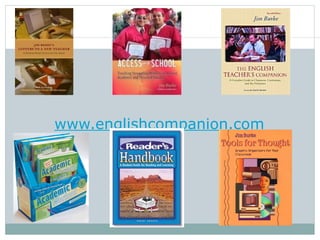
www.englishcompanion.com

Teaching with Tools

  • 1.
  • 2.
    USING TOOLS TOHELP STUDENTS THINK AND LEARN Teaching with Tools
  • 3.
    Overview Create aCommunity: Well Words Reflect on the Week: Instructional Verbs Identify Elements of Effective Instruction Teach the Academic Essentials Teach with Tools Design Meaningful Units Make Time to Talk: The Value of Discussion Review and Reflect: Next Steps and Questions
  • 4.
    ? Connect ListenExercise Celebrate Challenge Laugh ? Eat (Well) Join Trust Give Learn Wait Delegate Simplify Love Refuse Accept Try Remember Praise Engage Toss Appreciate Balance Imagine Contribute Thank Clarify Limit Entertain Grow Respect Risk Practice Honor Eliminate Smile Reward Confront Change Ask Renew Experience Participate Relax Breathe ? Choose Create Forgive Express Notice Enjoy ?
  • 5.
    Well Words DebriefTreat every student as a valued contributor Establish high expectations Create a safe, productive environment Give students choices Use multiple modes: read, write, speak, represent Engage students in meaningful conversations Teach students to be generative thinkers Support all learners Write to think Integrate test preparation Provide models for students Use one step to prepare for the others Align instruction with standards Make connections: to self, world, other texts
  • 6.
    Although some studentsshow up at school as “intentional learners”––people who are already interested in doing whatever they need to do to learn academic subjects––they are the exception rather than the rule. Even if they are disposed to study, they probably need to learn how. But more fundamental than knowing how is developing a sense of oneself as a learner that makes it socially acceptable to engage in academic work. The goal of school teaching is not to turn all students into people who see themselves as professional academics, but to enable all of them to include a disposition toward productive study of academic subjects among the personality traits they exhibit while they are in the classroom. If the young people who come to school do not see themselves as learners, they are not going to act like learners even if that would help them to be successful in school. It is the teacher's job to help them change their sense of themselves so that studying is not a self-contradictory activity. One's sense of oneself as a learner is not a wholly private construction. Academic identity is formed from an amalgamation of how we see ourselves and how others see us, and those perceptions are formed and expressed in social interaction. How I act in front of others expresses my sense of who I am. How others then react to me influences the development of my identity. ––– Magdalene Lampert, from Teaching Problems and the Problems of Teaching
  • 7.
    Reflecting on theWeek Generate a list of what went well—and why it went well. Examine what was not effective—and why. Identify the instructional verbs: What students did . Choose one example from each list and discuss in groups. Identify the elements of the effective lessons. including a rationale and examples to illustrate. Discuss and debrief. What: Traits Why: Rationale What: Example
  • 8.
  • 9.
    6 Features ofEffective Literacy Instruction Students learn skills and knowledge in multiple lesson types . Teachers integrate test preparation into instruction. Teachers make connections across instruction, curriculum, grades, and life. Students learn strategies for doing the work. Students are expected to be generative thinkers . Classrooms foster cognitive collaboration . Source: Judith Langer (cela.albany.edu)
  • 10.
    The Academic EssentialsGenerate Evaluate Analyze Organize Synthesize Read Write Talk Take Notes Take Tests
  • 11.
  • 12.
  • 13.
    Main Idea OrganizerTechnology Technology is improving our lives, though such progress comes at a cost. One Benefit Another Benefit Costs Examples/Quotes: Examples/Quotes: Examples/Quotes: Explanation Explanation Explanation • • • • • • • • •
  • 14.
  • 15.
  • 16.
    What are “tools”? Words Images Individual Words Sentences/Statements Passages Texts Questions Graphic Organizers Shapes/Diagrams
  • 17.
    Words and TextsAre Tools “… A belief that we are connected as one people. If there's a child on the south side of Chicago who can't read, that matters to me, even if it's not my child. If there's a senior citizen somewhere who can't pay for her prescription and has to choose between medicine and the rent, that makes my life poorer, even if it's not my grandmother. If there's an Arab American family being rounded up without benefit of an attorney or due process, that threatens my civil liberties. It's that fundamental belief — I am my brother's keeper, I am my sister's keeper — that makes this country work. It's what allows us to pursue our individual dreams, yet still come together as a single American family. "E pluribus unum." Out of many, one….” Barack Obama Faith
  • 18.
  • 19.
    Questions Are ToolsAm I my brother’s keeper? Who did what to whom—why, and so what? What is the question you are trying to answer? What does it take to be a survivor?
  • 20.
  • 21.
  • 22.
    Groups Are Tools… Human beings have always sat in circles and councils to do their best thinking, and to develop strong and trusting relationships. Margaret Wheatley from Turning to One Another
  • 23.
    Research Says thatUsing Tools Helps struggling students and those with special needs by providing structure and support. Supports English learners by helping them see how information is organized and giving them a more visual means of understanding or conveying ideas. Increases engagement by providing ways for “cognitive collaboration” on academic tasks. Acheives more sophisticated thinking by asking students to analyze, organize, and synthesize. Improves comprehension by allowing students to analyze text structure and connections. Enhances memory through organization of info. Promotes “generative thinking” and scaffolding.
  • 24.
  • 25.
  • 26.
  • 27.
  • 28.
  • 29.
  • 30.
  • 31.
  • 32.
  • 33.
  • 34.
  • 35.
  • 36.
  • 37.
  • 38.
  • 39.
  • 40.
  • 41.
    ? Family SportsVideo Games Culture Cars History Interests War Gangs Topic Target
  • 42.
    ? Family SportsVideo Games Culture Cars History Interests War Gangs
  • 43.
    Examine a Characterfrom Multiple Perspectives Paintings Films Ophelia 1 Ophelia 2 Ophelia 3 Gibson Brannagh
  • 44.
    Sir John EverettMillais. Ophelia. 1851-1852. Oil on canvas. Tate Gallery, London, UK. Ophelia 1
  • 45.
    Eugène Delacroix. The Death of Ophelia. Oil on canvas. Louvre, Paris, France. Ophelia 2
  • 46.
  • 47.
  • 48.
  • 49.
  • 50.
  • 51.
  • 52.
  • 53.
  • 54.
  • 55.
  • 56.
  • 57.
  • 58.
  • 59.
  • 60.
  • 61.
  • 62.
  • 63.
  • 64.
  • 65.
  • 66.
    Speadsheet Organizer EnglandOuter Central Inner Home Plot Setting Charac. Mood Tone Theme
  • 67.
  • 68.
    Use before, during,or after Use with individuals, pairs, groups, full class Use to generate, organize, analyze, synthesize Use to prepare to read, write, speak Do not make the tool the end product if possible. Demonstrate how to use Use for all but especially ELD, Special Ed, strugglers Use Tools Effectively
  • 69.
    Instructional Principles Workindependently and with others to solve a range of intellectual problems. Process material on multiple levels and in various ways. Use tools and strategies to help them solve a range of academic problems. Learn skills and knowledge through a range of instructional modes. Communicate their understanding by multiple means, including other media. Monitor and evaluate their performance and progress towards goals. Connect what they learn today to their other studies, the world, and themselves. Develop and use skills and knowledge in the context of meaningful conversations. Know what a successful performance looks like on all tasks and assessments. Read a variety of types of texts, including multimedia and visual.
  • 70.