Page 1
TARGETTED
Drug Delivery Systems
Suraj C.
Dept. of Pharmaceutics
Al Ameen College of
Pharmacy.
Bangalore
Page 2
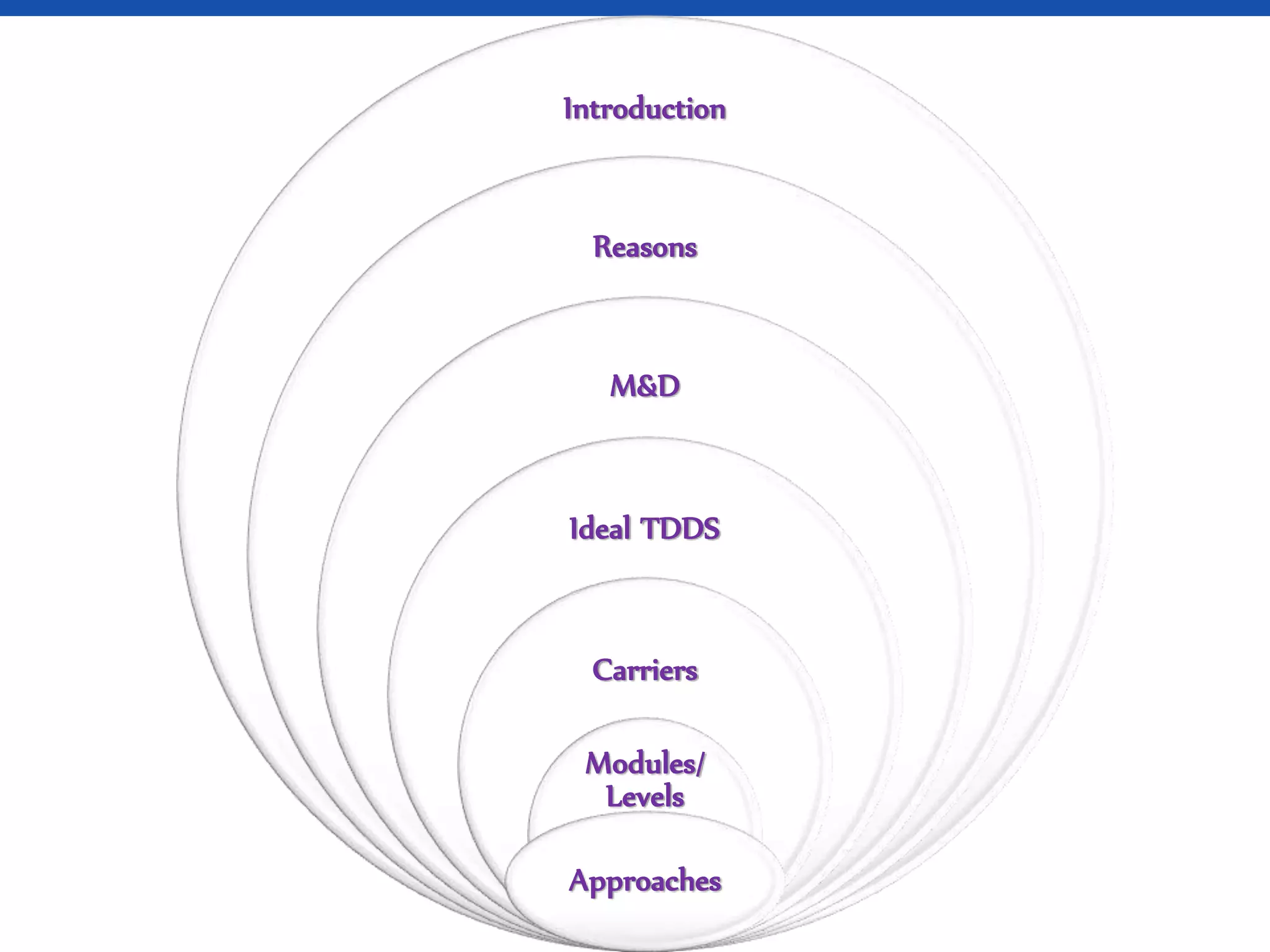
Introduction
Reasons
M&D
Ideal TDDS
Carriers
Modules/
Levels
Approaches
Page 3
INTRODUCTION
Page 4
Introduction
o Definition covers following bullet points:
☼ Selective delivery/targeting
☼ Specific site of action
☼ Eliminates non-targeted organs/systems
1
Page 5
Introduction
o Aimed at:
☼ Selective + Effective localization
☼ Pre-identified site
☼ ↑ Therapeutic conc.
☼ Restricted to non-specific sites
☼ Minimizing toxic effects
☼ Maximizing Therapeutic index
2
Page 6
REASONS
Page 7
Reasons
o Involves:
1. Overcoming pharmaceutical drug problems
2. Delivery specification:
 The capillary bed of the active sites,
 The specific type of cell (or) even an intracellular region.
Ex- tumour cells but not to normal cells,
 A specific organ (or) tissues by complexing with the
carrier that recognizes the target
3
Page 8
PICTORIAL
OVERVIEW
Page 94
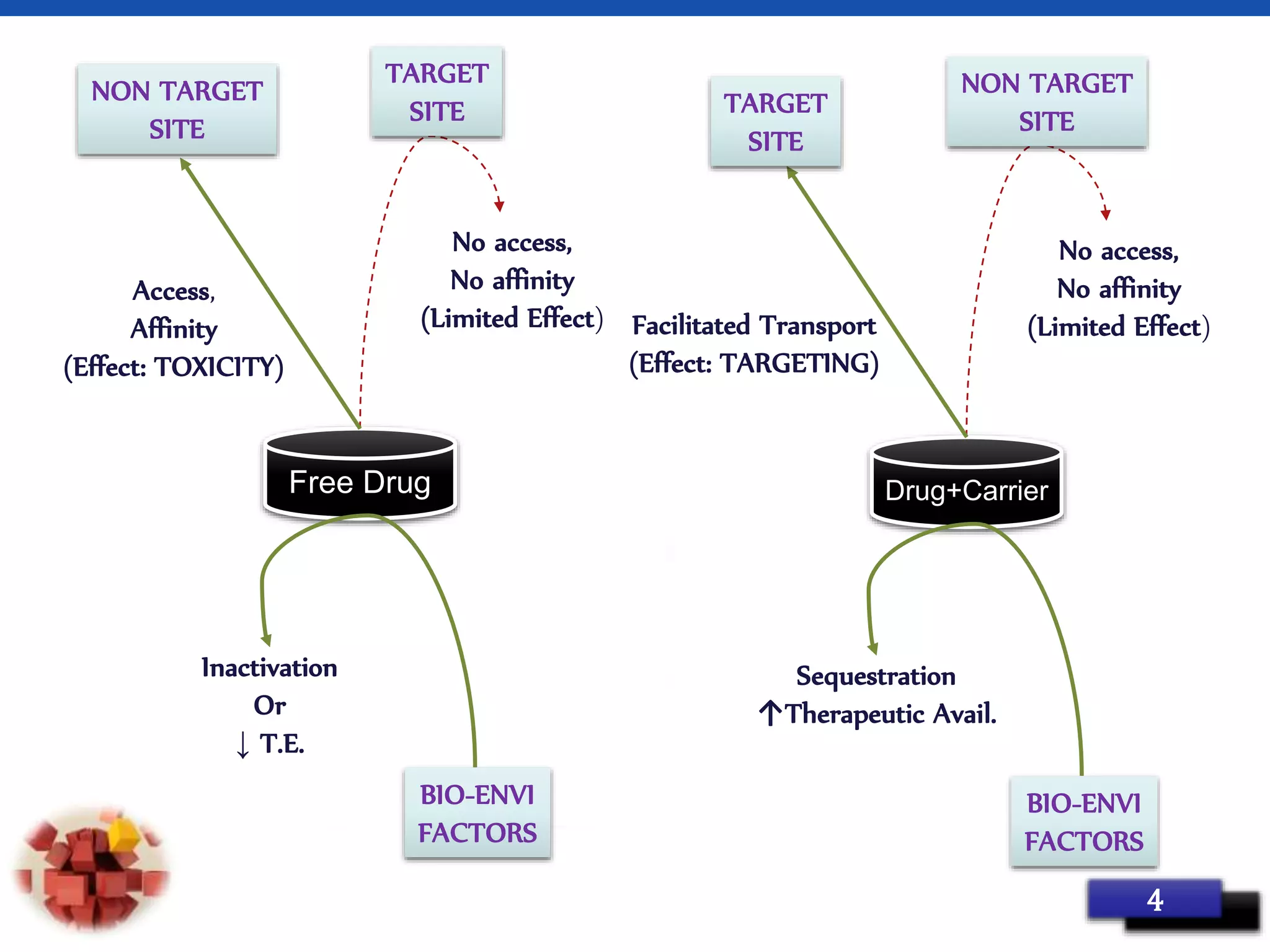
Free Drug
No access,
No affinity
(Limited Effect)
Access,
Affinity
(Effect: TOXICITY)
Inactivation
Or
↓ T.E.
TARGET
SITE
NON TARGET
SITE
BIO-ENVI
FACTORS
Drug+Carrier
No access,
No affinity
(Limited Effect)Facilitated Transport
(Effect: TARGETING)
Sequestration
↑Therapeutic Avail.
TARGET
SITE
NON TARGET
SITE
BIO-ENVI
FACTORS
Page 10
MERITS
&
DEMERITS
Page 11
Merits
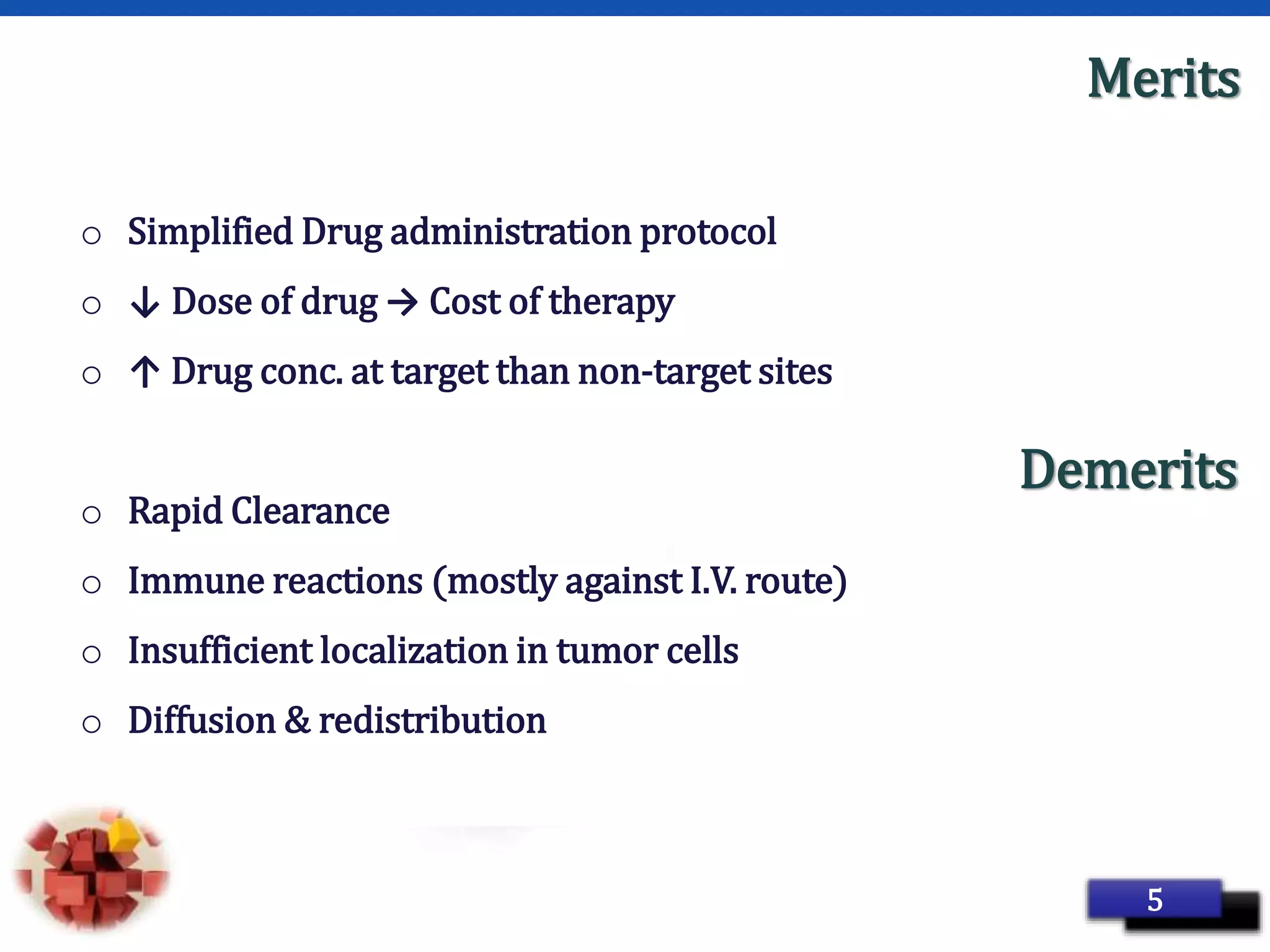
o Simplified Drug administration protocol
o ↓ Dose of drug → Cost of therapy
o ↑ Drug conc. at target than non-target sites
o Rapid Clearance
o Immune reactions (mostly against I.V. route)
o Insufficient localization in tumor cells
o Diffusion & redistribution
5
Demerits
Page 12
IDEAL TDDS*
Page 13
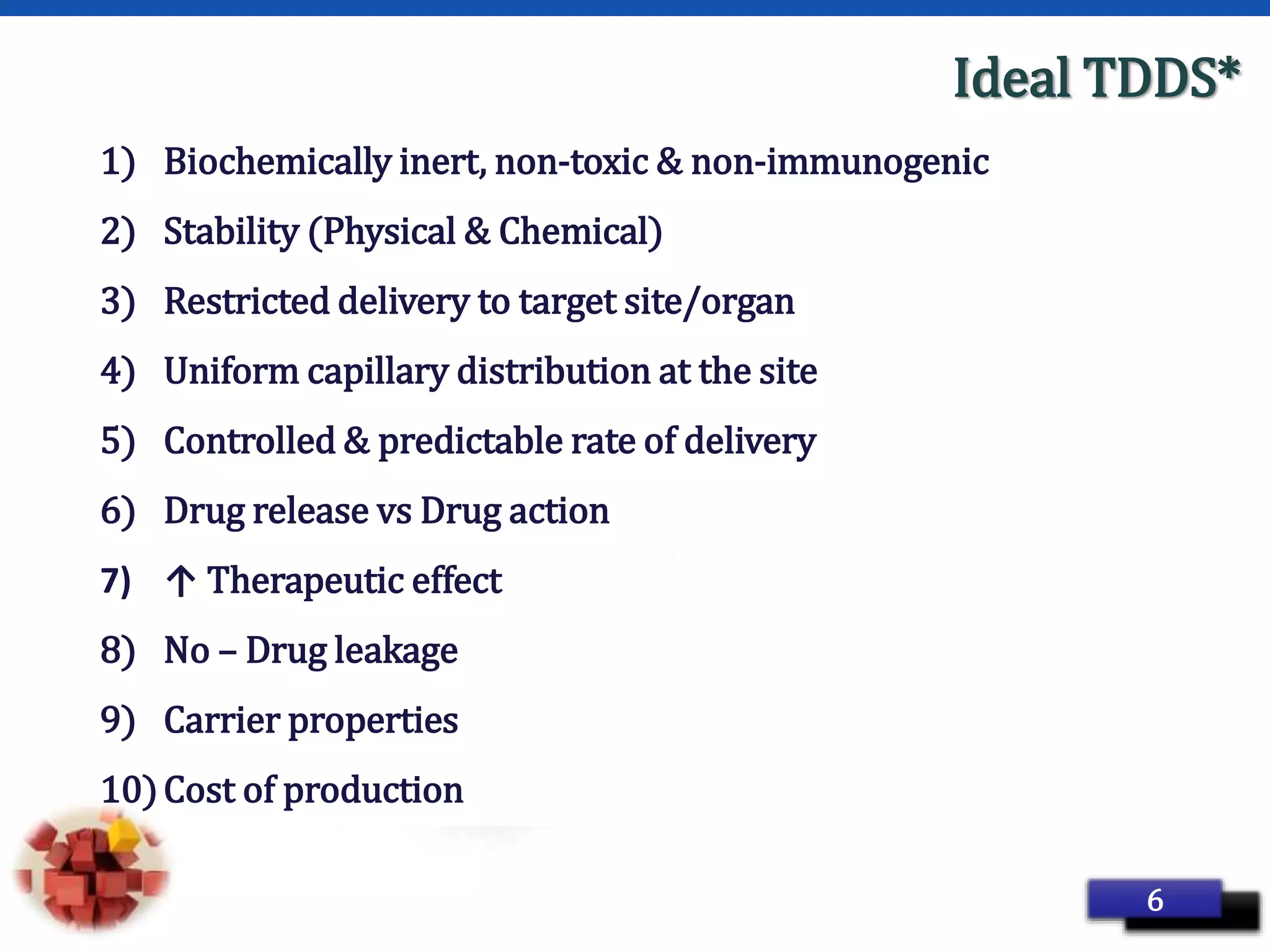
Ideal TDDS*
1) Biochemically inert, non-toxic & non-immunogenic
2) Stability (Physical & Chemical)
3) Restricted delivery to target site/organ
4) Uniform capillary distribution at the site
5) Controlled & predictable rate of delivery
6) Drug release vs Drug action
7) ↑ Therapeutic effect
8) No – Drug leakage
9) Carrier properties
10)Cost of production
6
Page 14
COMPONENTS
Page 15
Terms
 TARGET
 CARRIERS OR MARKERS
 LIGANDS
7
Page 16
Considerations
o Majorly, considered:
 Specific properties of target cells.
 Nature of markers or transport carriers or vehicles, which
convey drug to specific receptors.
 Ligands and physically modulated components.
8
Page 17
CARRIERS
Page 18
Introduction
o Required for successful transportation of the loaded drug.
o Delivers the drug within or in the vicinity of target.
o An inherent characteristic or acquired through structural
modification
9
Page 19
Ideal Criteria
o Able to cross anatomical barriers
o Recognized specifically and selectively by the target cells.
o The linkage and the directing unit (ligand) should be stable in
plasma, interstitial and other bio fluids.
o Non-toxic, non-immunogenic and biodegradable particulate or
macromolecule.
o After recognition/internalization, can release the moiety.
10
Page 20
Types
o Based on “Nature of Origin”:
1. Endogenous (LDL ,HDL Chylomicrons, Serum albumin,
Erythrocytes)
2. Exogenous (Microparticulates, Soluble polymeric and
Biodegradable polymeric drug carriers.
11
Page 21
Types
o Based on Pharmaceutical approaches:
1. Colloidal carriers
2. Cellular carriers
3. Supra-molecular delivery systems
4. Polymer based systems
5. Macromolecular carriers
12
Page 22
Types
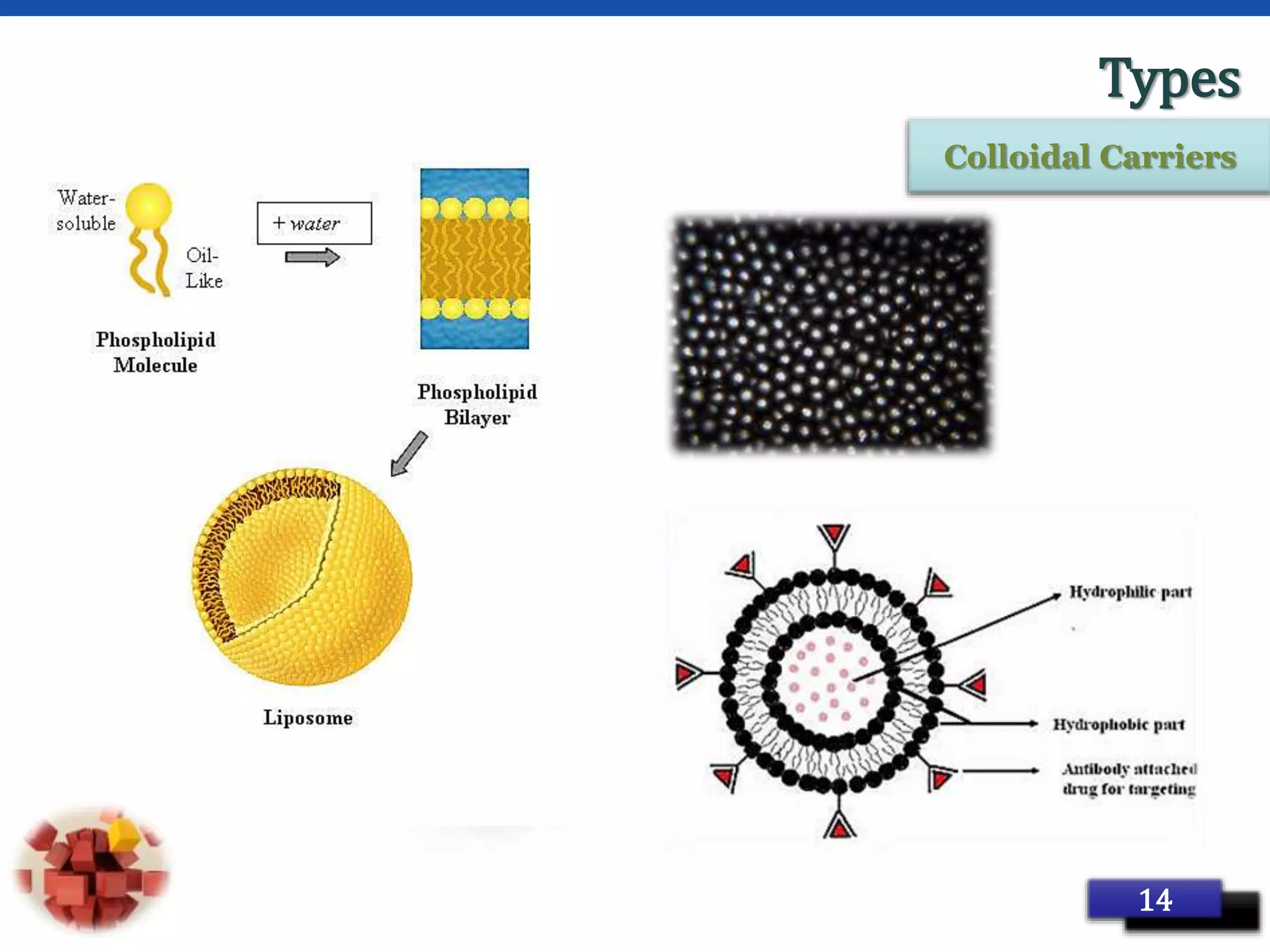
 Vesicular systems
Ex: Liposomes, niosomes, pharmacosomes, virosomes,
immunoliposomes.
 Microparticulate systems
Ex: Microparticles, Nanoparticles, Magnetic microspheres,
Albumin microspheres, Nanocapsules.
13
Colloidal Carriers
Page 23
Types
14
Colloidal Carriers
Page 24
Types
 It includes cellular or blood components:
Ex: Erythrocytes, Serum albumin, Antibodies, Platelets,
Leucocytes.
15
Cellular Carriers
Page 25
Types
 Signal sensitive
 Muco-adhesive
 Biodegradable
 Bioerodible
 Soluble synthetic polymeric carriers.
16
Polymer Based
Page 26
Types
o Proteins, glycoproteins, Neo glycoproteins and artificial viral
envelopes (AVE).
o Glycosylated water soluble polymers (poly-L-lysine).
o Mabs, Immunological fragments, antibody enzyme complex and
bispecific Abs.
o Toxins, immunotoxin .
o Lectins and polysaccharides
17
Macro molecular
forms
Page 27
Modules/Levels
Page 28
Introduction
 Passive targeting
 Inverse targeting
 Active targeting
(a) Ligand mediated targeting
(b) Physical targeting
 Dual targeting
 Double targeting
 Combination targeting
18
Page 29
Levels
o Systems that target the systemic circulation.
o Devices include-
 drug bearing bilayer vesicular systems
 cellular carriers of micron or submicron size range.
19
Passive Targeting
Page 30
Levels
o Based on attempts to
- circumvent and - avoid
Passive uptake of colloidal carriers by RES, leading to reversion of bio
distribution trend of the carrier.
20
Inverse Targeting
Page 31
Levels
o Strategy:
1. Suppression of RES function in host
2. Alternative methods
21
Inverse Targeting
Page 32
Levels
o The facilitation of the binding of the drug carrier to target cells by
the use of ligands
 To increase receptor mediated localization of the drug
 Target specific delivery of drug
22
Active Targeting
Page 33
Levels
o Orders of Active Targeting:
a. First order targeting (organ compartmentalization)
b. Second order targeting (cellular targeting)
c. Third order targeting (intracellular targeting)
23
Active Targeting
Page 34
Levels
o First Order:
- Restricted distribution of the drug carrier system to the capillary
bed of the predetermined target site, organ or tissue.
Ex: Compartmental targeting
*Lymphatics *Peritoneal cavity *Plural cavity
*Cerebral ventricles *Lungs, joints, eyes, etc.
24
Active Targeting
Page 35
Levels
o Second Order:
- Selective delivery of drugs to a specific cell types.
- Such as tumour cells (and not to the normal cells) is referred to
as second order
25
Active Targeting
Page 36
Levels
o Approaches for Active Targeting
- Ligand Mediated
- Physical (Triggered Release)
26
Active Targeting
Page 37
Levels
o Using carrier molecules, having intrinsic antiviral effect thus
synergies the antiviral effect of the loaded active drug.
Ex: drug conjugates can be prepared with fortified activity profile
against the viral replication.
Dual Targeting
• The virus replication process can be attacked at multiple points,
excluding the possibilities of resistant viral strain development.
27
Page 38
Levels
o To achieve a double targeting effect,
 site specificity of the drug,
 by virtue of targeting moiety,
 a high specificity module (mainly a photosensitizer) is
linked to antibodies.
28
Double Targeting
Page 39
Levels
o Firstly, suggested by Petit and Gombtz.
o Focussed on Site-specific delivery of proteins and peptides.
29
Combination
Targeting
Page 40
Approaches
Page 41
Introduction
 Physical or Mechanical Approach.
 Biological Approach.
 Chemical Approach.
30
Page 42
Approaches
1. Targeting to the mononuclear phagocytic system (MPS):
 I.V. administered liposomes—localize within MPS.
 MPS consists of connective tissues of mesenchymal origin.
Physical
• Clearance of large variety of harmful substances from plasma.
• Catabolism of macromolecules.
• Participation in immune response.
• Synthesis and secretion of various effector molecules.
• Targeting of AZIDOTHYMIDINE (AZT) to macrophages as
nanoparticle carriers by I.V. & oral routes.
• Liposomal delivery of certain compounds may provide
extended retention.
• Liposomal delivery of drugs systemically enhances drug
concentration of antimicrobials.
31
Page 43
Approaches
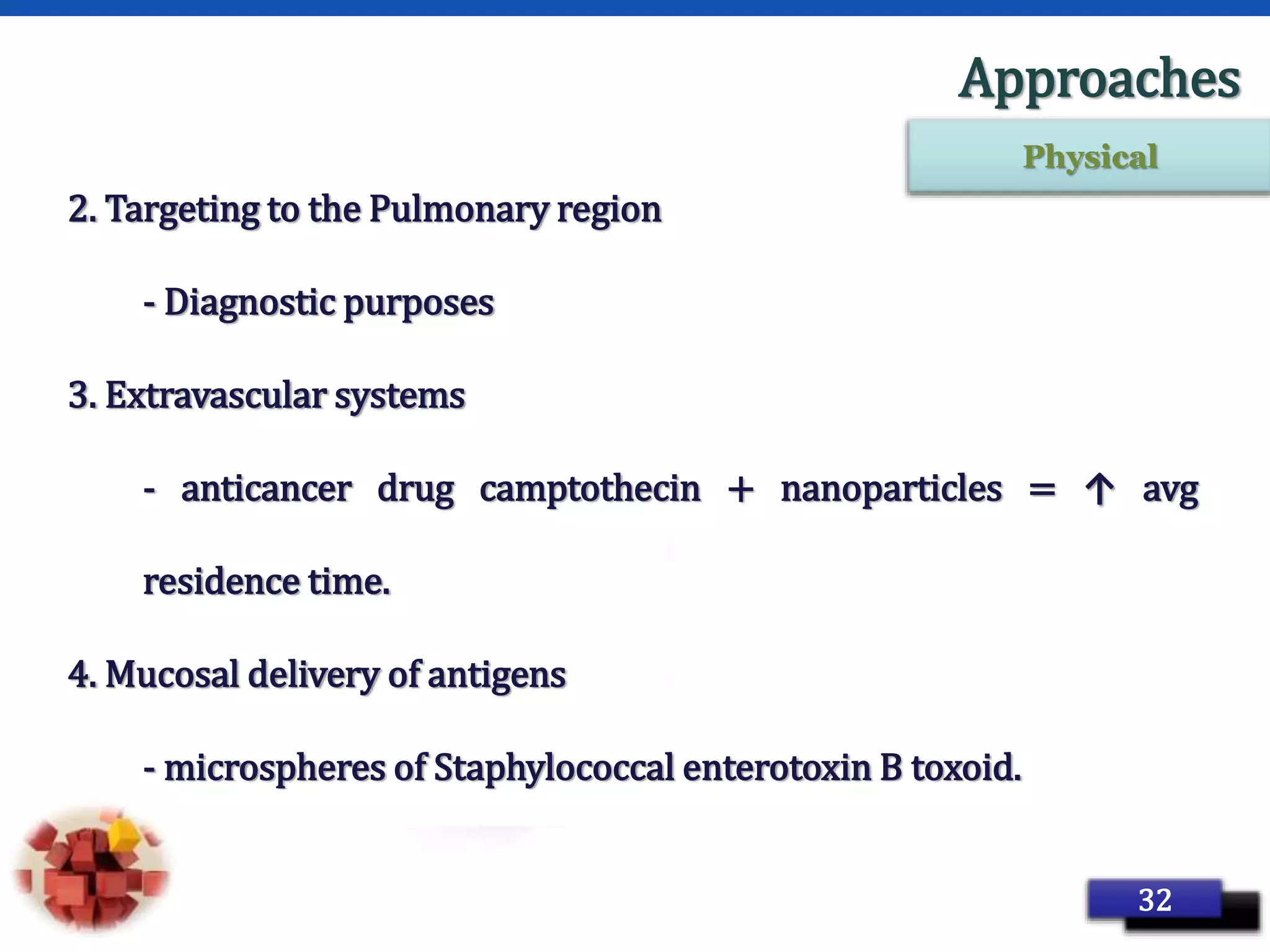
2. Targeting to the Pulmonary region
- Diagnostic purposes
3. Extravascular systems
- anticancer drug camptothecin + nanoparticles = ↑ avg
residence time.
4. Mucosal delivery of antigens
- microspheres of Staphylococcal enterotoxin B toxoid.
32
Physical
Page 44
Approaches
o Involves delivery of the drug using carrier system with targeting
moiety
 either in-built (by virtue of the structure of the carrier) or
 is chemically coupled.
Biological
• Antibodies directed against specific cell surface antigens,
• Endogenous carbohydrate-binding proteins (lectins).
• Glycoconjugates functioning as specific ligands for receptors
on specific cells that recognize particular sugar residues, and
• Hormones functioning as specific ligands for receptors on
specific targets.
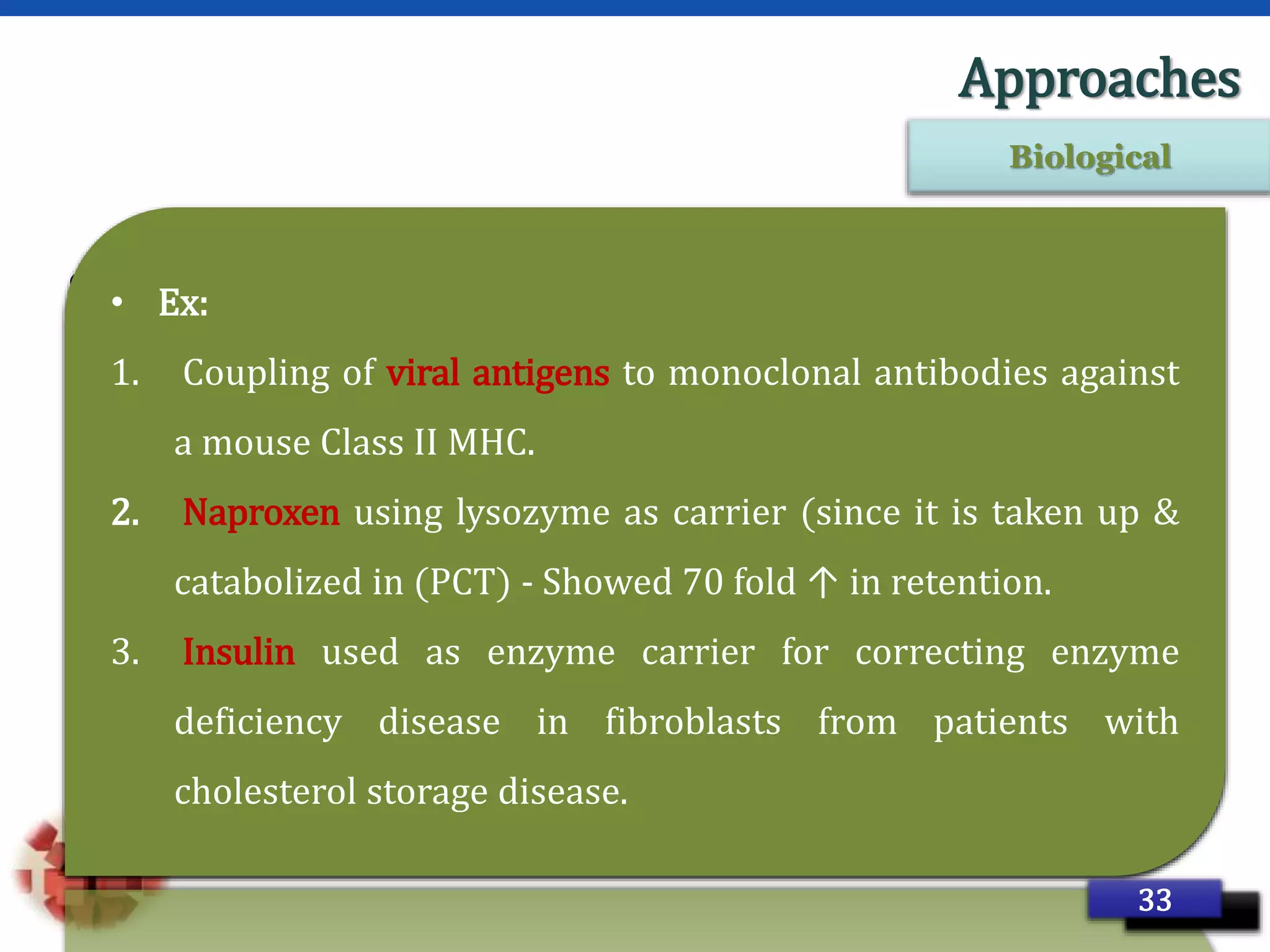
• Ex:
1. Coupling of viral antigens to monoclonal antibodies against
a mouse Class II MHC.
2. Naproxen using lysozyme as carrier (since it is taken up &
catabolized in (PCT) - Showed 70 fold ↑ in retention.
3. Insulin used as enzyme carrier for correcting enzyme
deficiency disease in fibroblasts from patients with
cholesterol storage disease.
33
Page 45
Approaches
o Incorporates targeting consideration into the drug design
process—for design of safe, localized delivery.
o Targeting to active biological molecules based on predictable
enzymatic activation.
o Allow sustained release of drugs too.
Chemical
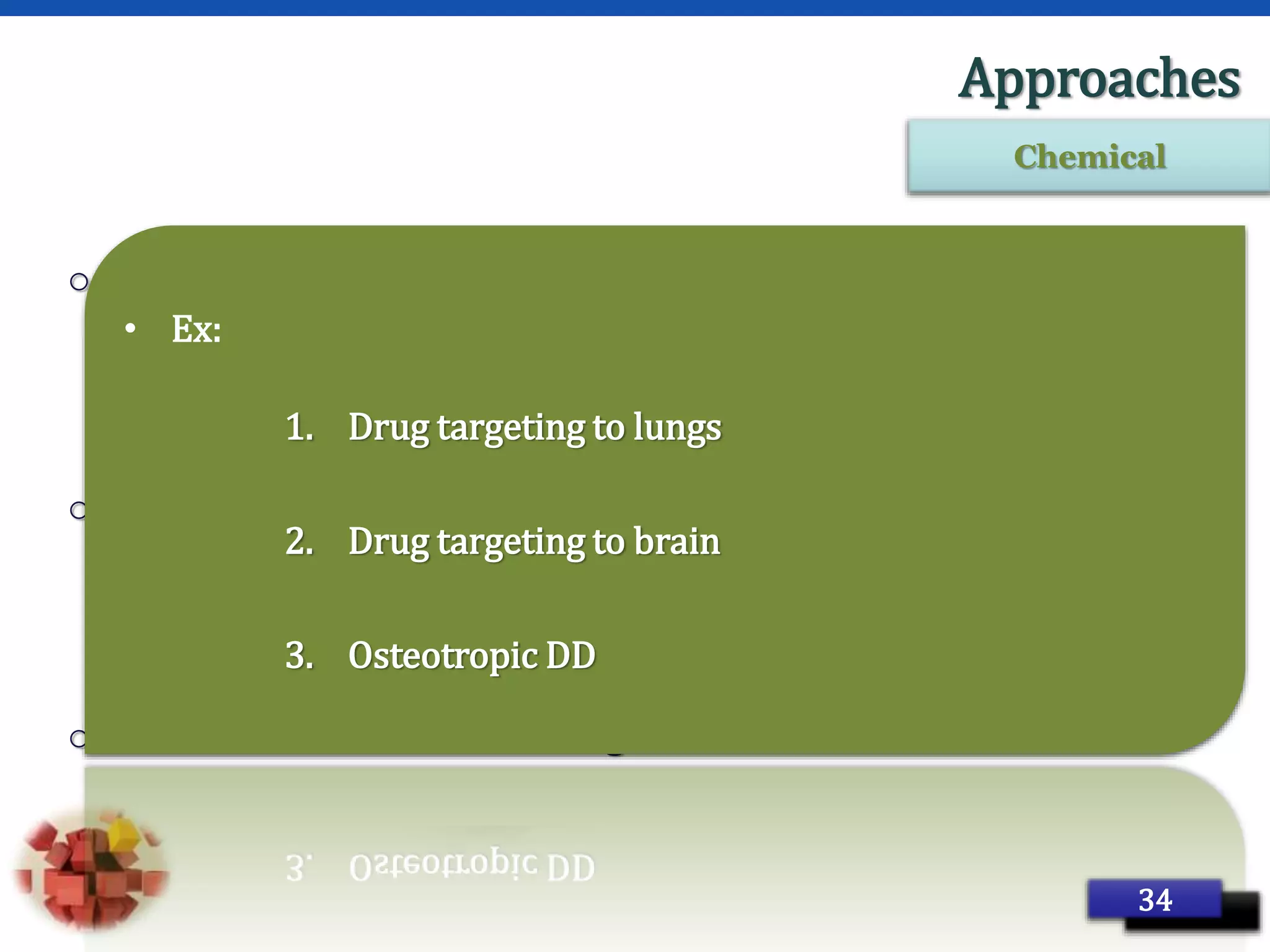
• Ex:
1. Drug targeting to lungs
2. Drug targeting to brain
3. Osteotropic DD
34
Page 46
REFERENCES
Page 47
References
o Drug Targeting Organ-Specific Strategies Edited by Grietje Molema
and Dirk K. F. Meijer, 2007.
o Targeted and Controlled drug delivery (Novel carrier systems), S P
Vyas and R K Khar, CBS publishers, 2002.
o Progress in Controlled and Novel drug delivery systems by N K
Jain, CBS publishers, 2008.
35
Page 48
Thank you……….

Targetted Drug Delivery - An Introduction

  • 1.
    Page 1 TARGETTED Drug DeliverySystems Suraj C. Dept. of Pharmaceutics Al Ameen College of Pharmacy. Bangalore
  • 2.
  • 3.
  • 4.
    Page 4 Introduction o Definitioncovers following bullet points: ☼ Selective delivery/targeting ☼ Specific site of action ☼ Eliminates non-targeted organs/systems 1
  • 5.
    Page 5 Introduction o Aimedat: ☼ Selective + Effective localization ☼ Pre-identified site ☼ ↑ Therapeutic conc. ☼ Restricted to non-specific sites ☼ Minimizing toxic effects ☼ Maximizing Therapeutic index 2
  • 6.
  • 7.
    Page 7 Reasons o Involves: 1.Overcoming pharmaceutical drug problems 2. Delivery specification:  The capillary bed of the active sites,  The specific type of cell (or) even an intracellular region. Ex- tumour cells but not to normal cells,  A specific organ (or) tissues by complexing with the carrier that recognizes the target 3
  • 8.
  • 9.
    Page 94 Free Drug Noaccess, No affinity (Limited Effect) Access, Affinity (Effect: TOXICITY) Inactivation Or ↓ T.E. TARGET SITE NON TARGET SITE BIO-ENVI FACTORS Drug+Carrier No access, No affinity (Limited Effect)Facilitated Transport (Effect: TARGETING) Sequestration ↑Therapeutic Avail. TARGET SITE NON TARGET SITE BIO-ENVI FACTORS
  • 10.
  • 11.
    Page 11 Merits o SimplifiedDrug administration protocol o ↓ Dose of drug → Cost of therapy o ↑ Drug conc. at target than non-target sites o Rapid Clearance o Immune reactions (mostly against I.V. route) o Insufficient localization in tumor cells o Diffusion & redistribution 5 Demerits
  • 12.
  • 13.
    Page 13 Ideal TDDS* 1)Biochemically inert, non-toxic & non-immunogenic 2) Stability (Physical & Chemical) 3) Restricted delivery to target site/organ 4) Uniform capillary distribution at the site 5) Controlled & predictable rate of delivery 6) Drug release vs Drug action 7) ↑ Therapeutic effect 8) No – Drug leakage 9) Carrier properties 10)Cost of production 6
  • 14.
  • 15.
    Page 15 Terms  TARGET CARRIERS OR MARKERS  LIGANDS 7
  • 16.
    Page 16 Considerations o Majorly,considered:  Specific properties of target cells.  Nature of markers or transport carriers or vehicles, which convey drug to specific receptors.  Ligands and physically modulated components. 8
  • 17.
  • 18.
    Page 18 Introduction o Requiredfor successful transportation of the loaded drug. o Delivers the drug within or in the vicinity of target. o An inherent characteristic or acquired through structural modification 9
  • 19.
    Page 19 Ideal Criteria oAble to cross anatomical barriers o Recognized specifically and selectively by the target cells. o The linkage and the directing unit (ligand) should be stable in plasma, interstitial and other bio fluids. o Non-toxic, non-immunogenic and biodegradable particulate or macromolecule. o After recognition/internalization, can release the moiety. 10
  • 20.
    Page 20 Types o Basedon “Nature of Origin”: 1. Endogenous (LDL ,HDL Chylomicrons, Serum albumin, Erythrocytes) 2. Exogenous (Microparticulates, Soluble polymeric and Biodegradable polymeric drug carriers. 11
  • 21.
    Page 21 Types o Basedon Pharmaceutical approaches: 1. Colloidal carriers 2. Cellular carriers 3. Supra-molecular delivery systems 4. Polymer based systems 5. Macromolecular carriers 12
  • 22.
    Page 22 Types  Vesicularsystems Ex: Liposomes, niosomes, pharmacosomes, virosomes, immunoliposomes.  Microparticulate systems Ex: Microparticles, Nanoparticles, Magnetic microspheres, Albumin microspheres, Nanocapsules. 13 Colloidal Carriers
  • 23.
  • 24.
    Page 24 Types  Itincludes cellular or blood components: Ex: Erythrocytes, Serum albumin, Antibodies, Platelets, Leucocytes. 15 Cellular Carriers
  • 25.
    Page 25 Types  Signalsensitive  Muco-adhesive  Biodegradable  Bioerodible  Soluble synthetic polymeric carriers. 16 Polymer Based
  • 26.
    Page 26 Types o Proteins,glycoproteins, Neo glycoproteins and artificial viral envelopes (AVE). o Glycosylated water soluble polymers (poly-L-lysine). o Mabs, Immunological fragments, antibody enzyme complex and bispecific Abs. o Toxins, immunotoxin . o Lectins and polysaccharides 17 Macro molecular forms
  • 27.
  • 28.
    Page 28 Introduction  Passivetargeting  Inverse targeting  Active targeting (a) Ligand mediated targeting (b) Physical targeting  Dual targeting  Double targeting  Combination targeting 18
  • 29.
    Page 29 Levels o Systemsthat target the systemic circulation. o Devices include-  drug bearing bilayer vesicular systems  cellular carriers of micron or submicron size range. 19 Passive Targeting
  • 30.
    Page 30 Levels o Basedon attempts to - circumvent and - avoid Passive uptake of colloidal carriers by RES, leading to reversion of bio distribution trend of the carrier. 20 Inverse Targeting
  • 31.
    Page 31 Levels o Strategy: 1.Suppression of RES function in host 2. Alternative methods 21 Inverse Targeting
  • 32.
    Page 32 Levels o Thefacilitation of the binding of the drug carrier to target cells by the use of ligands  To increase receptor mediated localization of the drug  Target specific delivery of drug 22 Active Targeting
  • 33.
    Page 33 Levels o Ordersof Active Targeting: a. First order targeting (organ compartmentalization) b. Second order targeting (cellular targeting) c. Third order targeting (intracellular targeting) 23 Active Targeting
  • 34.
    Page 34 Levels o FirstOrder: - Restricted distribution of the drug carrier system to the capillary bed of the predetermined target site, organ or tissue. Ex: Compartmental targeting *Lymphatics *Peritoneal cavity *Plural cavity *Cerebral ventricles *Lungs, joints, eyes, etc. 24 Active Targeting
  • 35.
    Page 35 Levels o SecondOrder: - Selective delivery of drugs to a specific cell types. - Such as tumour cells (and not to the normal cells) is referred to as second order 25 Active Targeting
  • 36.
    Page 36 Levels o Approachesfor Active Targeting - Ligand Mediated - Physical (Triggered Release) 26 Active Targeting
  • 37.
    Page 37 Levels o Usingcarrier molecules, having intrinsic antiviral effect thus synergies the antiviral effect of the loaded active drug. Ex: drug conjugates can be prepared with fortified activity profile against the viral replication. Dual Targeting • The virus replication process can be attacked at multiple points, excluding the possibilities of resistant viral strain development. 27
  • 38.
    Page 38 Levels o Toachieve a double targeting effect,  site specificity of the drug,  by virtue of targeting moiety,  a high specificity module (mainly a photosensitizer) is linked to antibodies. 28 Double Targeting
  • 39.
    Page 39 Levels o Firstly,suggested by Petit and Gombtz. o Focussed on Site-specific delivery of proteins and peptides. 29 Combination Targeting
  • 40.
  • 41.
    Page 41 Introduction  Physicalor Mechanical Approach.  Biological Approach.  Chemical Approach. 30
  • 42.
    Page 42 Approaches 1. Targetingto the mononuclear phagocytic system (MPS):  I.V. administered liposomes—localize within MPS.  MPS consists of connective tissues of mesenchymal origin. Physical • Clearance of large variety of harmful substances from plasma. • Catabolism of macromolecules. • Participation in immune response. • Synthesis and secretion of various effector molecules. • Targeting of AZIDOTHYMIDINE (AZT) to macrophages as nanoparticle carriers by I.V. & oral routes. • Liposomal delivery of certain compounds may provide extended retention. • Liposomal delivery of drugs systemically enhances drug concentration of antimicrobials. 31
  • 43.
    Page 43 Approaches 2. Targetingto the Pulmonary region - Diagnostic purposes 3. Extravascular systems - anticancer drug camptothecin + nanoparticles = ↑ avg residence time. 4. Mucosal delivery of antigens - microspheres of Staphylococcal enterotoxin B toxoid. 32 Physical
  • 44.
    Page 44 Approaches o Involvesdelivery of the drug using carrier system with targeting moiety  either in-built (by virtue of the structure of the carrier) or  is chemically coupled. Biological • Antibodies directed against specific cell surface antigens, • Endogenous carbohydrate-binding proteins (lectins). • Glycoconjugates functioning as specific ligands for receptors on specific cells that recognize particular sugar residues, and • Hormones functioning as specific ligands for receptors on specific targets. • Ex: 1. Coupling of viral antigens to monoclonal antibodies against a mouse Class II MHC. 2. Naproxen using lysozyme as carrier (since it is taken up & catabolized in (PCT) - Showed 70 fold ↑ in retention. 3. Insulin used as enzyme carrier for correcting enzyme deficiency disease in fibroblasts from patients with cholesterol storage disease. 33
  • 45.
    Page 45 Approaches o Incorporatestargeting consideration into the drug design process—for design of safe, localized delivery. o Targeting to active biological molecules based on predictable enzymatic activation. o Allow sustained release of drugs too. Chemical • Ex: 1. Drug targeting to lungs 2. Drug targeting to brain 3. Osteotropic DD 34
  • 46.
  • 47.
    Page 47 References o DrugTargeting Organ-Specific Strategies Edited by Grietje Molema and Dirk K. F. Meijer, 2007. o Targeted and Controlled drug delivery (Novel carrier systems), S P Vyas and R K Khar, CBS publishers, 2002. o Progress in Controlled and Novel drug delivery systems by N K Jain, CBS publishers, 2008. 35
  • 48.

Editor's Notes

  • #14 2. Both invitro n invivo 8. During transit 10. easy,simple,reroducible
  • #16 A cell or grp of cell in minority, identified to be in need of treatment Are vector which sequester, retain drug & transport or deliver it into d vicinity of target. Confer recognition & specificity upon carrier/vector & guide them.
  • #17 A cell or grp of cell in minority, identified to be in need of treatment Are vector which sequester, retain drug & transport or deliver it into d vicinity of target. Confer recognition & specificity upon carrier/vector & guide them.
  • #20 and in case of tumour chemotherapy tumour vasculature. and must maintain the specificity of the surface ligands.
  • #32 1. suppressed by a pre-injection of colloidal carriers or macromolecules like dextran sulphate 2.modification of the size, surface charge,composition, surface rigidity & hydrophilicity of carriers for desirable biofate.
  • #37 receptor dependent uptake of natural LDL particles and synthetic lipid microemulsions of partially reconstituted LDL particles coated with the apoproteins drug delivery programmed and monitored at the external level (ex vivo) with the help of physical means (=ex)